Photo credit: THEATTIC/GunBroker
Some pistols win people over the second they pick them up. Others do the opposite. They feel odd in the hand, point a little differently than expected, or seem like they are going to be harder to shoot well than they really are. That first impression can be misleading. A handgun does not always reveal its strengths at the gun counter, and some of the most rewarding pistols out there are the ones that make more sense after a few range sessions instead of during the first five seconds of dry handling.
That usually comes down to familiarity. Grip angle, trigger style, bore axis, weight distribution, and control layout all shape how a pistol feels before the first round goes off. Some designs ask for a little adjustment before they start clicking. Once the shooter learns that rhythm, though, these pistols often prove steady, accurate, and more capable than their early awkwardness suggested. They may not charm everyone immediately, but they often earn strong loyalty from people willing to stick with them long enough to understand what they do well.
Glock 17
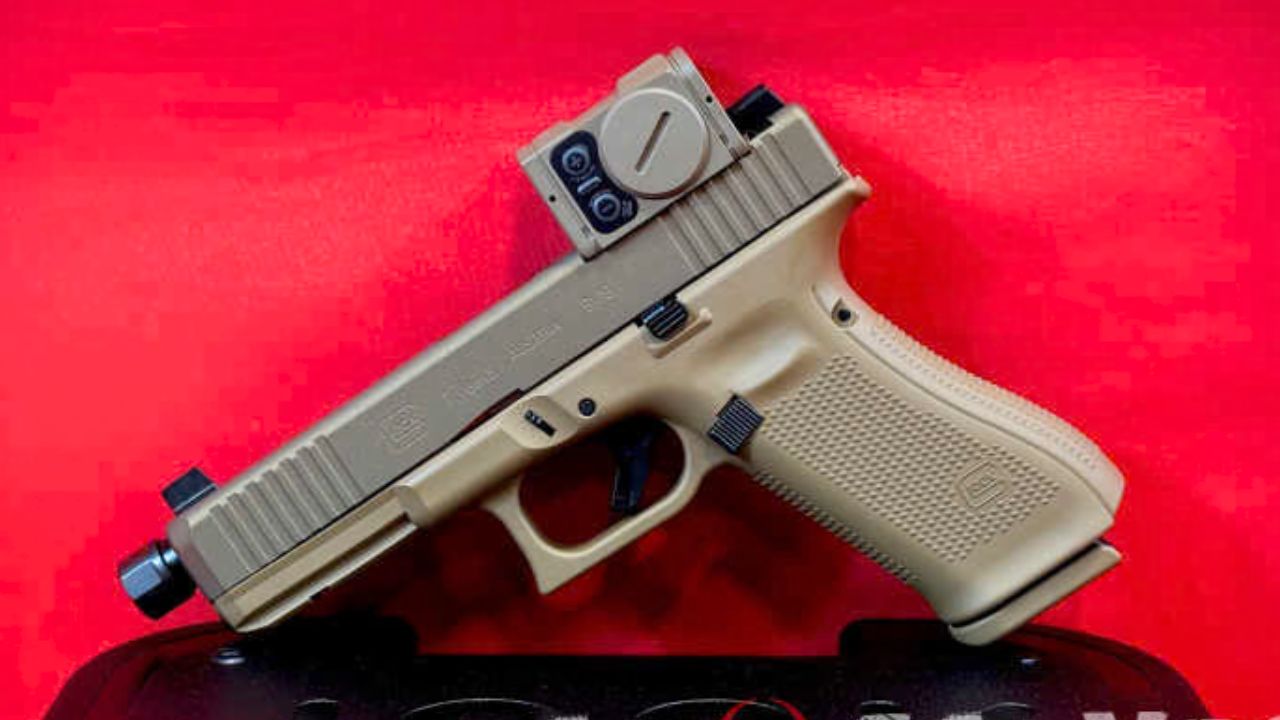
The Glock 17 can feel awkward at first because the grip angle and overall feel are different from what many new shooters expect, especially if they are coming from 1911s, classic double-actions, or other pistols with a more natural-feeling point in the hand. Some people pick up a Glock and immediately feel like they are aiming a little high or fighting the shape more than they expected. That first impression is common enough that plenty of shooters dismiss it too early.
Once you spend real time with it, though, the Glock 17 usually starts making a lot more sense. The consistent trigger, simple controls, and predictable recoil make it a very easy pistol to improve with. What felt plain or slightly awkward at first often turns into a strength because the gun behaves the same way every time. With practice, a lot of shooters find the Glock 17 becomes one of the most straightforward pistols in the safe.
Beretta 92FS

The Beretta 92FS can feel awkward the first time you handle it because it is large, the grip circumference can seem substantial, and the slide-mounted safety feels strange to shooters raised on more modern controls. On paper and in the hand, it can come across as a big service pistol from another era that asks more adjustment than some people feel like giving. That size alone is enough to make some shooters think it will always feel a little clumsy.
Then you start shooting it, and the pistol often changes the conversation. The recoil impulse is smooth, the gun tracks well, and the overall shooting experience is softer and more controlled than many people expected from such a large 9mm. Once the controls become familiar and the grip stops feeling foreign, the Beretta often turns into a pistol that rewards patience with very clean, confidence-building performance.
SIG Sauer P226

The P226 often feels awkward at first because of its double-action/single-action system more than anything else. Shooters used to striker-fired pistols can find that transition between the first trigger press and the following shots a little strange, and the gun itself has a solid, substantial feel that can seem almost too service-oriented at first. It does not always create instant chemistry the way some slimmer or simpler pistols do.
With practice, though, the P226 starts showing why it built such a strong reputation. The weight helps, the recoil stays manageable, and the pistol has a steady, planted feel once the shooter learns how to run that first shot properly. A lot of the awkwardness disappears once the trigger system stops feeling unfamiliar. At that point, the gun often becomes one of the smoothest and most trustworthy pistols a shooter owns.
CZ 75
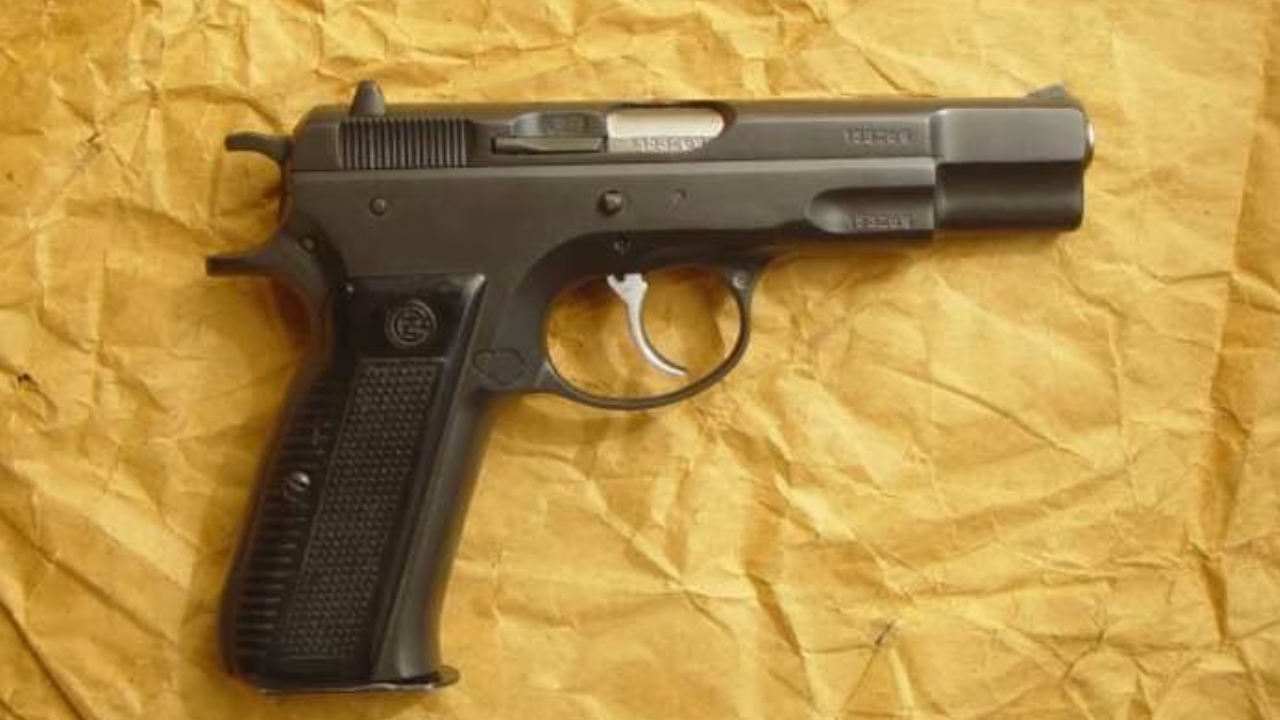
The CZ 75 can feel awkward at first because its slide rides low inside the frame, which gives some shooters less to grab than they are used to during manipulations. People also sometimes notice that the weight and shape feel a little different from more common modern pistols, especially if they have spent most of their time on polymer striker-fired guns. It does not always create that instant “this is easy” reaction the first time around.
Once it gets on the range, though, the pistol usually starts winning people over fast. It sits low in the hand, tracks nicely, and tends to reward a consistent grip with very controlled shooting. The same features that felt unusual during dry handling often become strengths during live fire. With a little repetition, many shooters realize the CZ 75 is not awkward in a bad way. It is simply a pistol that needs a little time to show its value.
Heckler & Koch USP

The HK USP can feel awkward at first because it has a blockier shape, a more industrial feel, and a control layout that is not as instantly familiar as a basic striker-fired gun. Depending on the variant, the safety and decocker arrangement can take a minute to understand, and the grip can feel a little chunky to shooters expecting something more sculpted. It is one of those pistols that sometimes feels more utilitarian than inviting at first touch.
Then the shooting starts, and the gun often earns respect in a hurry. The USP tends to be durable, controllable, and calmer in recoil than its first impression might suggest. Once the shooter gets used to the controls and spends a little time with the trigger system, the pistol stops feeling awkward and starts feeling extremely dependable. It is not always love at first grip, but it often becomes long-term respect.
Walther P99

The Walther P99 can feel awkward at first because its shape, trigger system, and overall ergonomics are a little different from what many shooters expect if they are used to more standard striker-fired pistols. It has a feel that is distinctly Walther, and that can throw people off early. The paddle-style controls on some versions also take a little adjustment if someone’s hands are used to more conventional button releases.
With practice, though, the P99 often proves to be a very shootable and intelligent design. The ergonomics start making more sense, the trigger becomes more predictable, and the gun tends to point very naturally once the shooter stops fighting what feels different. It is a good example of a pistol that can seem unusual during a quick first impression but become very effective once familiarity replaces surprise.
Smith & Wesson Model 642

The Model 642 can feel awkward immediately because lightweight snub-nose revolvers are not naturally friendly range guns. The small grip, short sight radius, and long double-action trigger can make the whole package seem harder to shoot well than many semi-auto shooters expect. Plenty of people handle one and assume it will always feel crude or difficult, especially if they are coming from larger, softer-shooting handguns.
With practice, the little J-frame starts to teach a different lesson. Shooters who learn the trigger and commit to good grip technique often discover that the gun can be more accurate and more controllable than its tiny size suggested. It never becomes easy in the same way a full-size pistol does, but it does become much more workable. The awkwardness is real at first, yet so is the payoff for putting in the time.
Walther PPK/S

The PPK/S often feels awkward at first because the grip is compact, the blowback design gives it a sharper personality than many expect, and the controls do not feel especially modern. It is one of those pistols people often admire before they fully understand. The first few impressions can lean more toward “interesting” than “comfortable,” which is part of why some shooters never spend enough time with it to learn what it does well.
Given practice, though, the pistol can settle into a more satisfying rhythm. Once the shooter adapts to the recoil impulse and learns how the gun likes to be held, the PPK/S can become a very capable and enjoyable pistol within its lane. It never turns into a modern polymer carry gun, and it should not. What it does instead is reward patience with a shooting experience that becomes more natural the longer you stay with it.
SIG Sauer P365 XL

The P365 XL can feel awkward at first because it lives in that middle ground between tiny carry gun and full fighting pistol. Some shooters expect it to feel like a larger compact and end up noticing the shorter grip and lighter overall feel more than they expected. Others come from very small pistols and need a little time to understand the different balance. Either way, it is one of those guns that can seem slightly “off” until you actually start running it.
With practice, the strengths become obvious. The gun is slim, controllable for its size, and easier to shoot well than many pistols in the same carry category. Once the shooter settles into the grip and stops expecting it to behave like either extreme, the pistol usually starts shining. It is not awkward because it is flawed. It is awkward because it takes a little time to understand what kind of pistol it really is.
1911 Government Model

A full-size 1911 can feel awkward at first to shooters raised on high-capacity striker-fired pistols because the manual safety, slim grip, and single-action trigger system all create a very different rhythm. The gun feels flat and a little old-fashioned in the hand compared with double-stack pistols, and some shooters are not sure what to make of the controls until they have spent real time drawing and shooting one.
Once they do, though, the 1911 often starts feeling almost unusually natural. The trigger is a major part of that, but so is the way the gun points and settles during deliberate shooting. For many people, the initial awkwardness is really just unfamiliarity with a different system. Practice usually reveals why the platform earned such long-term loyalty. It may not feel instantly modern, but it often shoots beautifully once the shooter learns its rhythm.
Ruger Mark IV

The Ruger Mark IV can feel awkward at first because the grip angle and overall shape are different enough from centerfire service pistols that some shooters are not sure what to do with it right away. People expecting a trainer that feels exactly like their carry gun sometimes find it strange in the hand and a little disconnected from what they are used to. That can lead them to underestimate it early.
Once range time begins, though, the Mark IV usually becomes one of the easiest pistols to appreciate. The accuracy is there, the controls start feeling more intuitive, and the pistol rewards careful shooting in a way that helps fundamentals show up clearly. It is not meant to mimic every centerfire pistol perfectly. It is meant to be a very good rimfire handgun, and once you accept that, it becomes far more satisfying to shoot.
Springfield XD-M
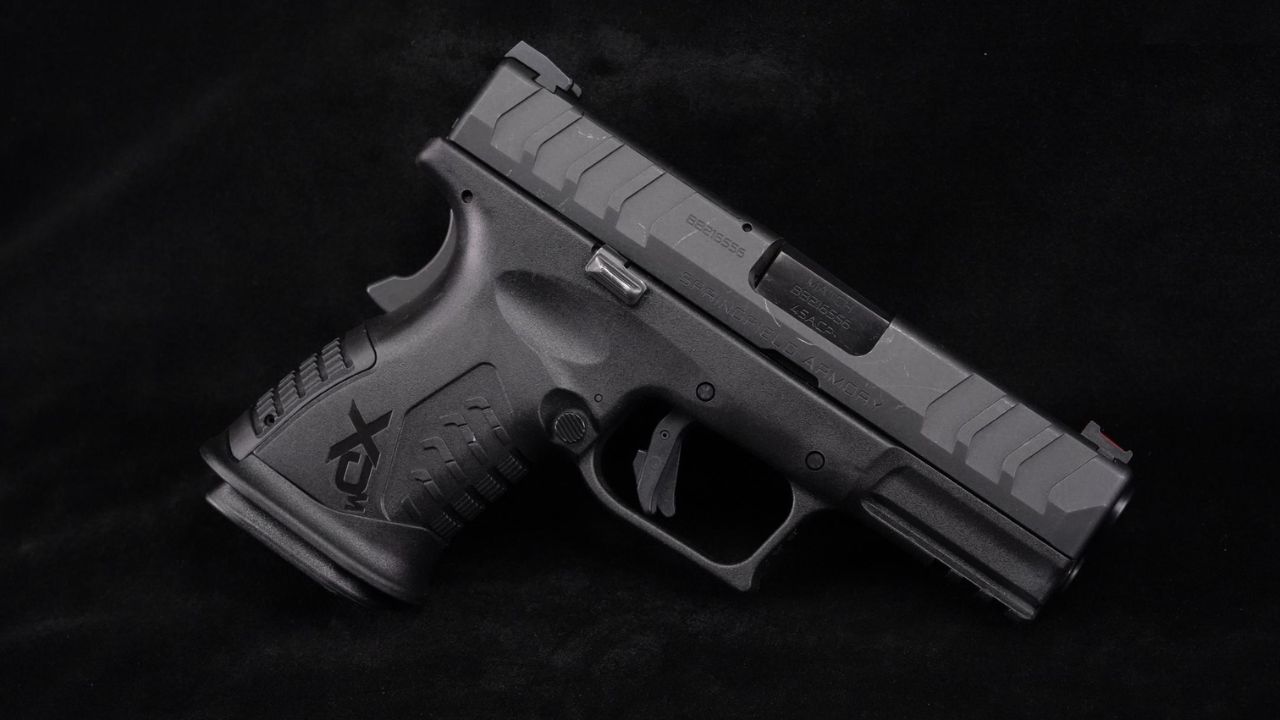
The XD-M can feel awkward at first because the grip safety, higher bore axis feel, and overall shape do not always create the same immediate comfort some shooters get from other polymer pistols. It can seem slightly tall in the hand, and the trigger feel is not always what someone expects if they are coming from a Glock, M&P, or Walther. First impressions can be a little mixed depending on what a shooter is used to.
With practice, though, the pistol often proves steadier and more accurate than that first handling session suggested. Once the shooter gets familiar with the grip angle and trigger behavior, the XD-M usually starts feeling much more natural. It is one of those pistols that can seem a little different for the sake of being different until you actually put rounds through it and realize it shoots quite well once the learning curve settles down.
Like The Avid Outdoorsman’s content? Subscribe to our newsletter so you never miss an article.
Here’s more from us: