Photo credit: Dave “DirtyDave” Maximillion/YouTube
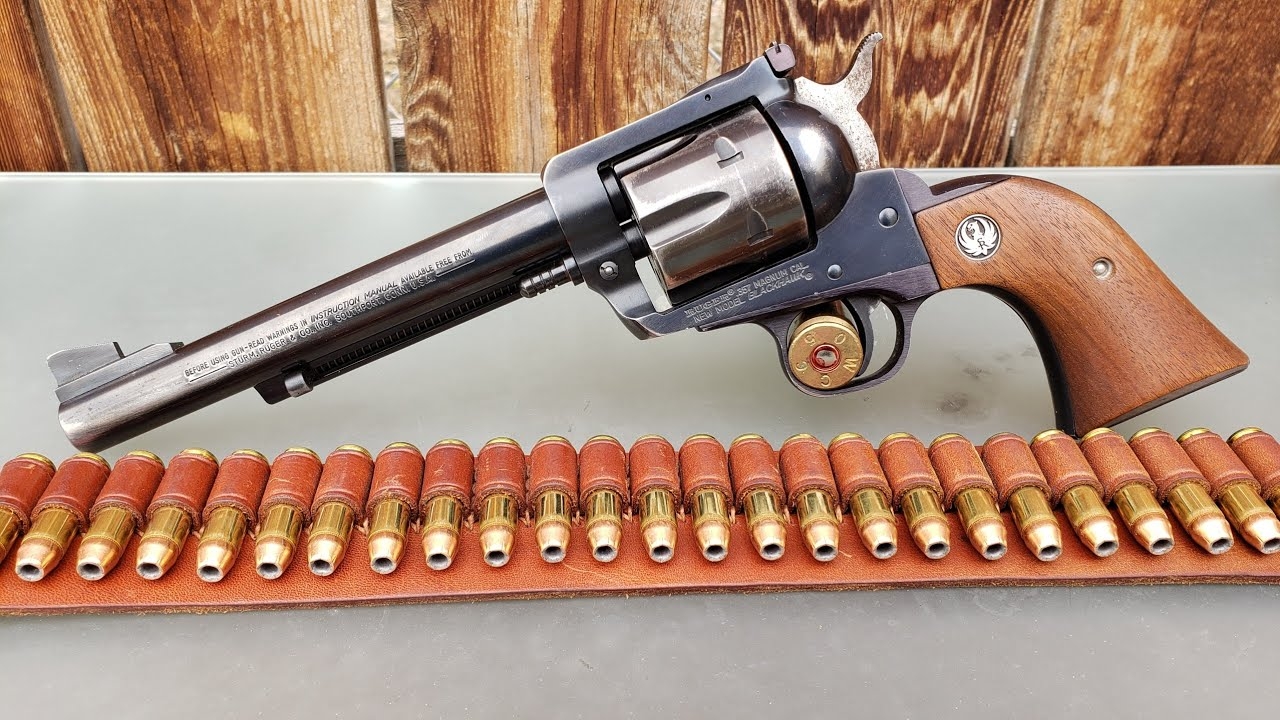
The Ruger Blackhawk is one of those revolvers that gets talked about like it was always just the practical alternative to an old Colt. Stronger single-action, adjustable sights, lots of calibers, cowboy feel with modern steel. All true, but that still leaves out a lot. The Blackhawk was introduced in 1955 as Ruger’s first centerfire revolver, and it came out at exactly the right time, when westerns were huge and Colt’s old Single Action Army had long been gone from regular production. American Rifleman says the Blackhawk debuted in 1955, and Ruger’s own serial-number history confirms Blackhawk production beginning that same year.
What makes the Blackhawk especially interesting is that it was never just a copycat cowboy gun. Ruger took the basic single-action idea and modernized it with adjustable sights, coil springs, stronger construction, and later a transfer-bar safety system that changed how single-action revolvers could be carried. Here are 15 little-known facts about the Ruger Blackhawk that most shooters either never learned or do not think about much anymore.
1. It was Ruger’s first centerfire revolver

A lot of people think of Ruger as if it always had a full catalog of centerfire wheelguns. It did not. American Rifleman says the Blackhawk was the company’s first centerfire revolver, and it followed the success of the earlier Single-Six rimfire.
That matters because the Blackhawk was not just another product in a crowded revolver line. It was Ruger’s major step into centerfire sixgun territory, and it helped define the company’s revolver identity for decades after.
2. It showed up because cowboy guns were suddenly hot again

The Blackhawk landed at the perfect cultural moment. American Rifleman says westerns were booming in the 1950s, while Colt had already discontinued the Single Action Army before World War II. That left a real hole in the market for shooters who wanted a sixgun with old-west flavor.
That context matters because it explains why the Blackhawk hit so hard. It was not just a good revolver. It was a good revolver arriving when Americans were primed to want exactly that kind of gun.
3. The name came from a car, not a hawk

This is one of the most fun little Blackhawk facts. American Rifleman says the revolver was named after one of Bill Ruger’s favorite automobiles, the Stutz Blackhawk.
That surprises a lot of people because the name sounds perfectly suited to a western-style revolver. But the origin was much more Bill Ruger than Old West mythology.
4. The first Blackhawk was chambered in .357 Magnum
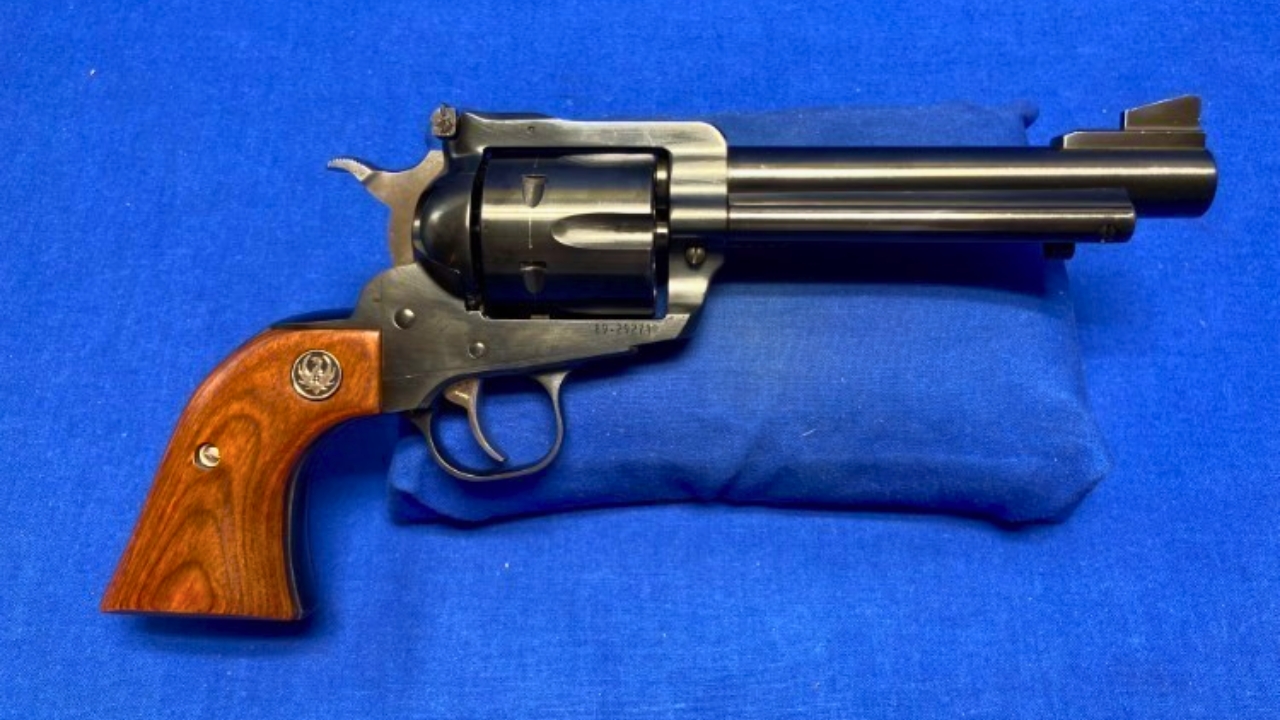
The original Blackhawk was not born as a .44 Magnum monster. American Rifleman says the first Blackhawk introduced in 1955 was chambered in .357 Magnum. Ruger’s own serial history page for the original Blackhawk also centers the early production run around the .357 model.
That matters because a lot of shooters now think of the Blackhawk first in terms of big-bore variants. The line started smaller and then grew.
5. The .44 Magnum Blackhawk came very quickly after
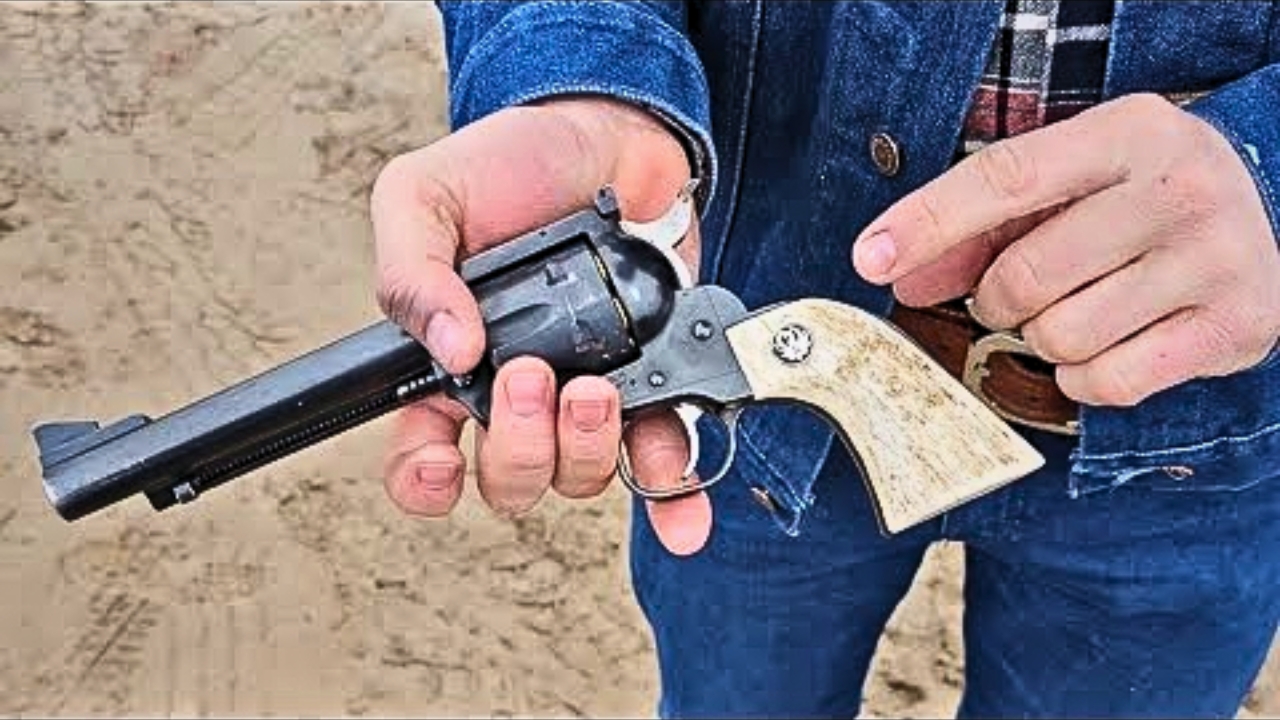
Ruger did not waste much time getting into .44 Magnum. American Rifleman’s .44 Blackhawk feature says the .44 Magnum version appeared in 1956, basically right after the cartridge itself hit the market. Guns Magazine tells the same story, noting how quickly Ruger responded once the .44 Remington Magnum became reality.
That is one reason Ruger built such a strong reputation in big-bore revolvers. The company moved fast and gave shooters a .44 Magnum single-action that was cheaper and easier to find than the competing Smith & Wesson Model 29.
6. Early Blackhawks were “Flat Tops”
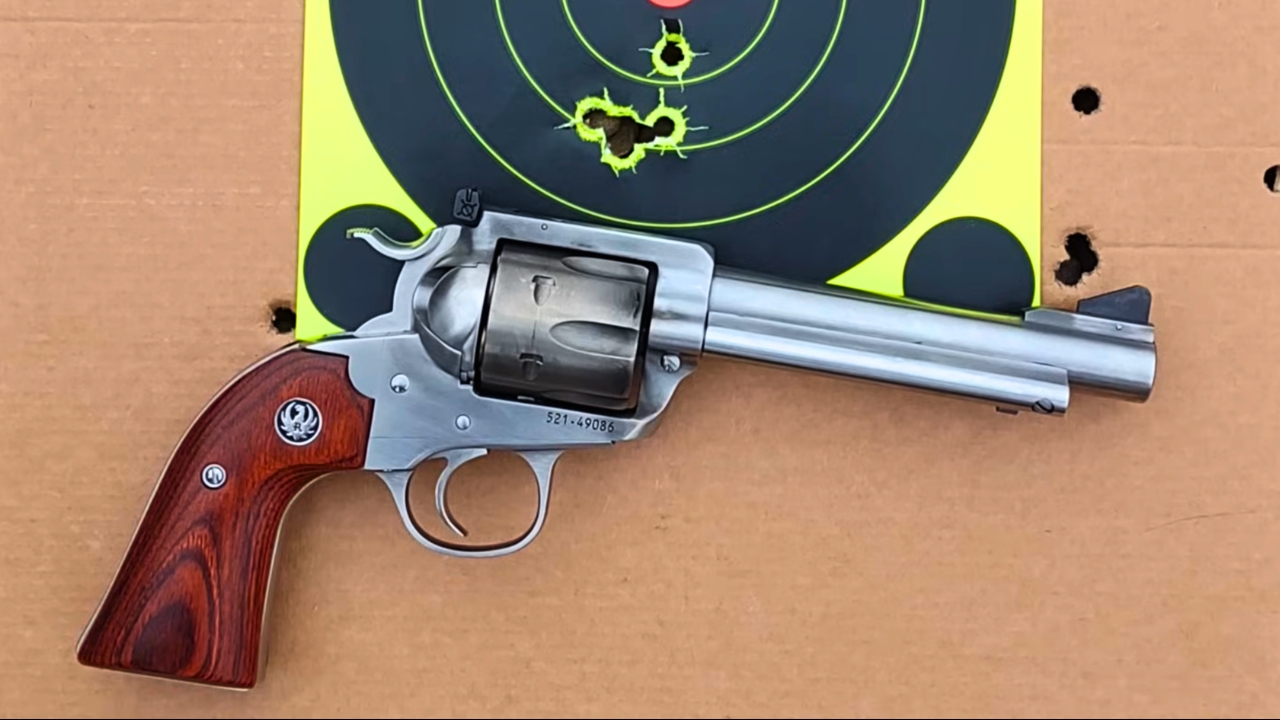
Collectors use the term Flat Top for the early Blackhawks, and American Rifleman says the nickname came from the shape of the top strap around the adjustable rear sight before later protective “ears” were added. The same piece notes that collectors created the nickname later; it was not an original factory marketing term.
That is one of the little details that matters a lot in Ruger collector circles. To a casual shooter, an early Blackhawk is just an early Blackhawk. To Ruger people, “Flat Top” means a distinct early era.
7. The earliest guns loaded like an old Colt

The first Blackhawks were modernized in some ways, but they still followed old Colt-style loading procedure. American Rifleman says the early models required the hammer to be placed at half-cock for loading and unloading, and they were not considered safe to carry with all six chambers loaded because the hammer rested on the chamber under it.
That is a big fact newer single-action fans often do not realize. The first Blackhawks were not yet the fully modern carry-safe Rugers people later came to know.
8. Ruger modernized the single-action design with coil springs

One of Bill Ruger’s smartest changes was replacing the Colt-style flat springs with coil springs. American Rifleman says Ruger chose coil springs for greater durability, specifically because he saw them as a way to solve one of the classic Colt design’s weak spots.
That sounds like a dry engineering point, but it matters a lot. It is one of the biggest reasons Blackhawks developed such a reputation for toughness and longevity.
9. Adjustable sights were a major part of the Blackhawk’s identity
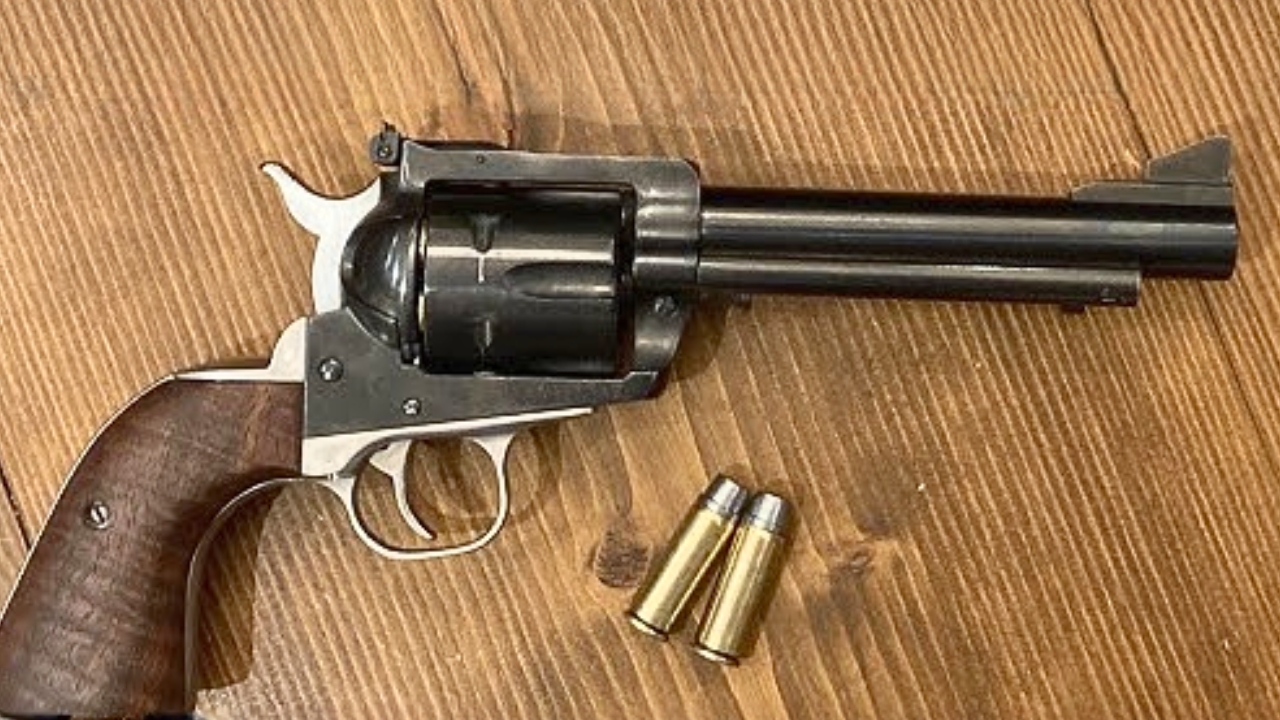
The Blackhawk may look cowboy, but it was never just trying to be a period-correct Colt clone. American Rifleman says the early Blackhawks were modernized with adjustable sights rather than the fixed sights on the Colt Single Action Army.
That helped push the gun into a more practical shooter’s lane. The Blackhawk was meant to be a real working revolver, not just a nostalgia piece.
10. The “Three Screw” era is its own major chapter

From 1962 through 1972, Ruger produced what collectors call the Three Screw Blackhawk, so named because of the three visible screws on the side of the frame. American Rifleman outlines that era clearly in its history overview.
That matters because Blackhawk history is not just “old model” and “new model.” The Flat Tops, the Three Screws, and the New Models each represent major design stages that shooters and collectors still care about.
11. The transfer bar changed everything in 1972

One of the biggest moments in Blackhawk history came in 1972, when Ruger redesigned its single-actions around a transfer-bar safety system. American Rifleman says this let the revolver be safely carried with all six chambers loaded, which was a major break from older single-action carry practice.
That is a huge fact because it changed how a modern single-action revolver could be used. The Blackhawk stopped being a gun that demanded old-school five-up carry and became a more modern practical revolver.
12. The transfer-bar redesign created the “New Model Blackhawk” name

The 1972 safety redesign did not just change the mechanics. It changed the name. American Rifleman says the new transfer-bar-equipped guns were called the New Model Blackhawk.
That is why “Old Model” and “New Model” Blackhawks are such important distinctions. They are not just casual collector slang. They mark a real mechanical and handling divide in the line.
13. Ruger later offered free safety conversions on older guns
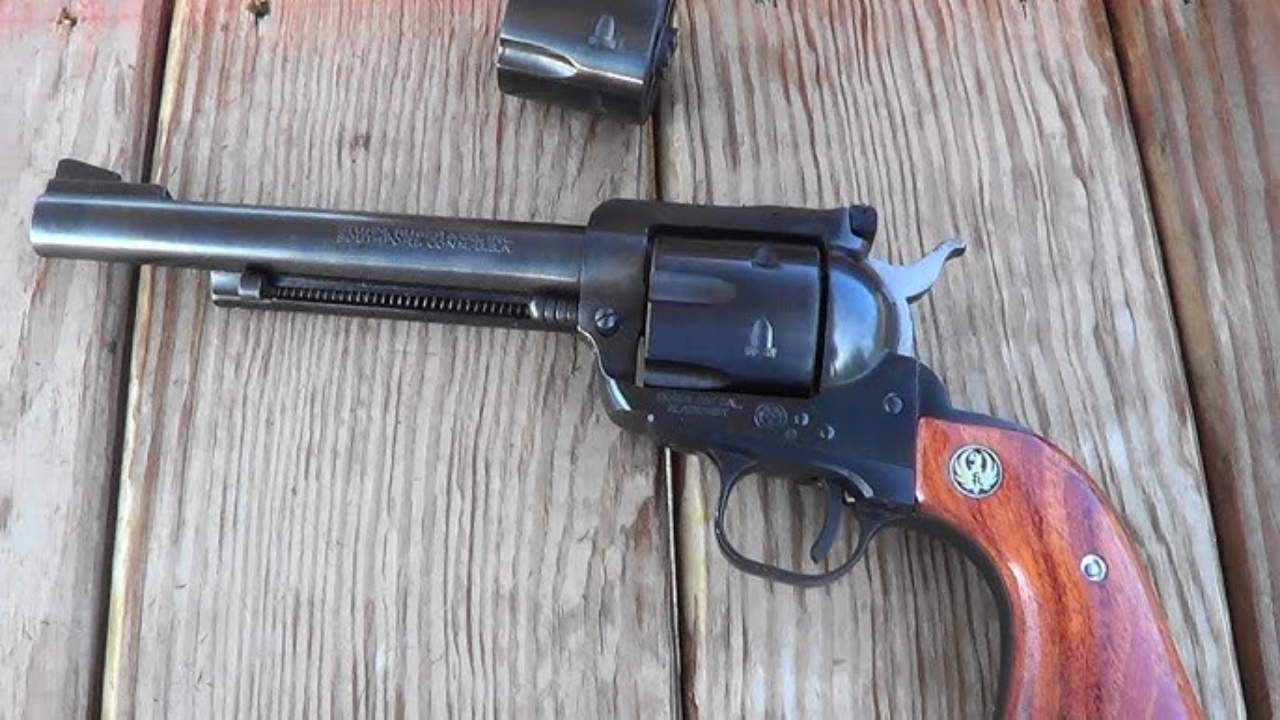
Ruger did not leave old owners hanging after the transfer-bar era began. American Rifleman says Ruger offered a free transfer-bar conversion for earlier Blackhawks.
That is one of those Ruger facts that says a lot about the company’s approach to the platform. It understood the safety difference mattered and acted accordingly. It also created a long-running collector wrinkle, because some buyers prefer unconverted old models while others value the upgrade.
14. The Blackhawk family grew far beyond one revolver
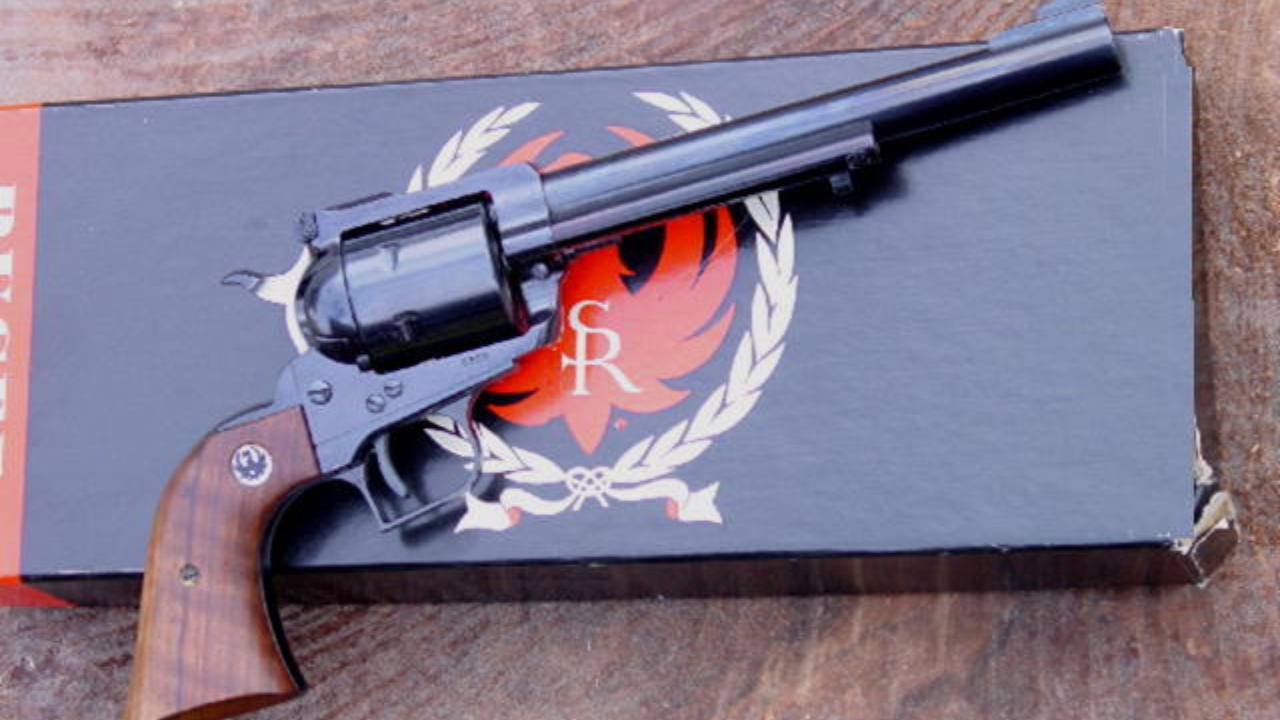
People say “Blackhawk” like it means one thing, but the family became much broader. American Rifleman’s historical rundown points to the Super Blackhawk, while the general model history also includes convertible-cylinder guns, Bisley variants, and other offshoots.
That helps explain why the Blackhawk name stayed so strong. It became less of a single revolver and more of a whole single-action ecosystem.
15. Its biggest surprise may be that it was never really a pure cowboy replica
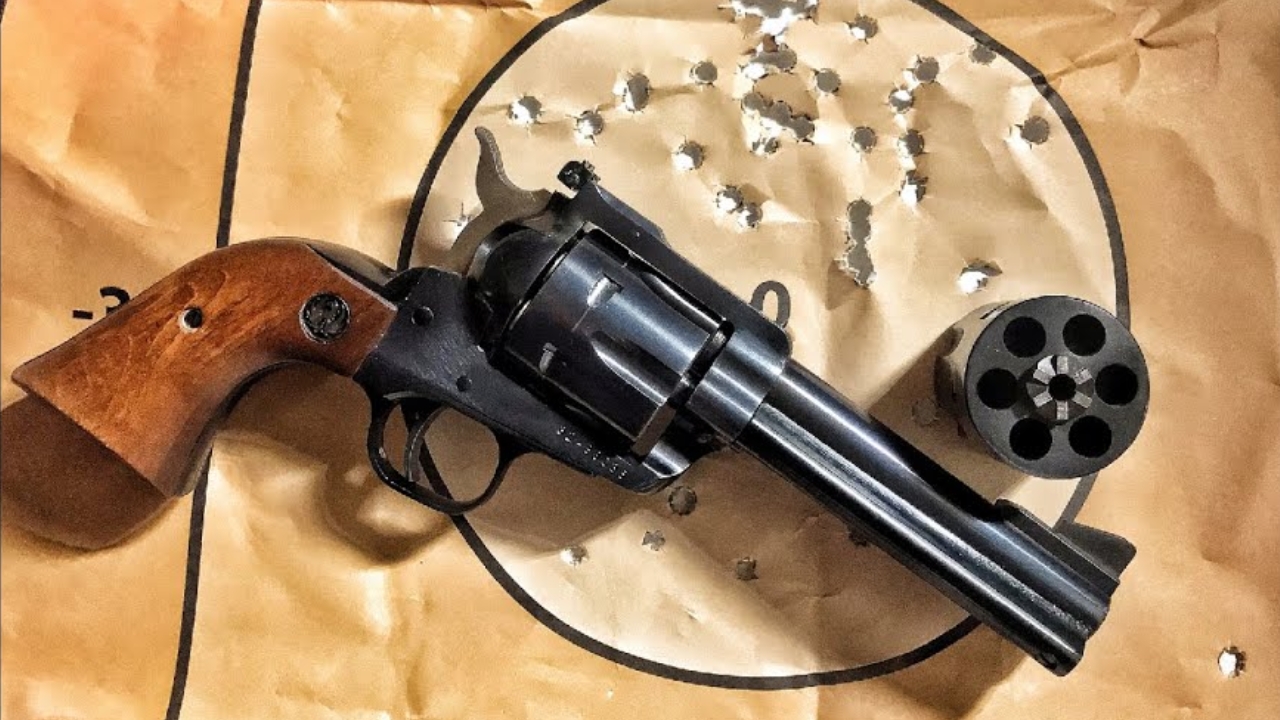
This is probably the most important Blackhawk truth of all. It wears old-west styling, but from the beginning it was a modernized single-action revolver: adjustable sights, stronger springs, different internal choices, later transfer-bar safety, and chamberings that pushed hard into magnum territory. American Rifleman’s Blackhawk history makes that clear over and over.
That is why the Blackhawk lasted. It did not survive by being the most authentic Colt copy. It survived by being a smarter, tougher, more flexible single-action revolver for modern shooters who still liked the old shape.
Like The Avid Outdoorsman’s content? Subscribe to our newsletter so you never miss an article.
Here’s more from us: