Photo credit: Gregory A. Pozhvanov/Shutterstock.com
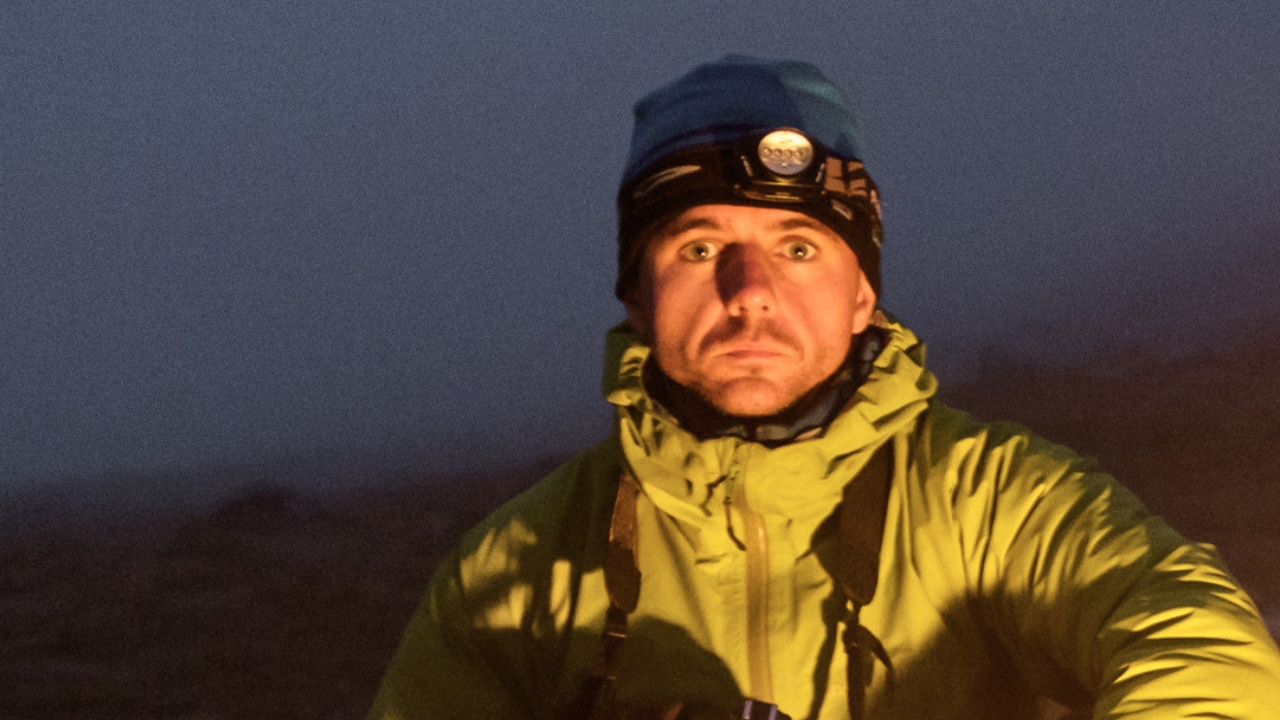
A hunter in Reddit’s r/Hunting shared the kind of mistake that sounds small until you picture yourself making it in the wrong place, at the wrong hour, with no easy fix. In a thread about rookie hunting mistakes, one commenter said he once walked into the dark with a headlamp that died on him and no backup light. The way he told it, the problem was not that he got hopelessly lost or ended up in some dramatic rescue. It was that the whole hunt instantly changed the second he realized he had trusted one small piece of gear too much.
That is what gives the story its punch. A dead headlamp sounds like a minor inconvenience when you are standing in a garage, truck bed, or cabin doorway. Out in the woods before daylight, it can feel very different. The route that looked routine in your head starts feeling longer. Every step gets slower. Landmarks stop looking as obvious as they did the day before. A normal walk to a stand can suddenly feel like the kind of mistake you only notice after it is already too late to laugh about it. That is why stories like this hit even when they do not involve trespassing, fights, or somebody doing something wildly stupid. They hit because the mistake is believable.
The larger Reddit thread only made that point stronger. The original post was about leaving an ammo pouch on the tailgate and walking more than a mile before realizing it. The replies filled up with hunters admitting they had forgotten rifles, shells, backpacks, butcher kits, alarms, bow releases, and all the other little things people swear they will never forget twice. One commenter said he climbed into a tree with his climber, then realized his release was still sitting at the base of the tree and had to climb all the way back down and up again before sunrise, soaked in sweat and noise. Another said a spare release now lives in his bag because forgetting one once was enough. The pattern running through all of it was simple: hunting punishes small mistakes faster than people like to admit.
That is why the dead-headlamp story works so well. It is not some outrageous tale where a guy does ten reckless things in a row and gets what he deserves. It is one ordinary oversight that strips away comfort in a hurry. Most hunters already know the woods feel different before daylight, even on familiar ground. Add a light going out and no backup in your pocket, and the whole morning stops feeling casual. The dark gets thicker. The trail gets less certain. You start noticing how much of your “I know exactly where I’m going” confidence was tied to one little beam of light you assumed would keep working.
That is also why these rookie-mistake threads get such a strong reaction. People do not pile into them because they want to laugh at obvious idiots. They pile in because they can see themselves in the mistake. Forgetting your rifle, your shells, your release, your knives, or your backup light is the sort of thing people imagine only beginners do, right up until they do it themselves after years in the field. More than one commenter in the thread basically said the same thing: you are never too experienced to make a rookie mistake. That line probably lands because it is true in the most annoying way possible. The woods do not care how long you have been hunting. If you forget something important, they will remind you fast.
There is also something more unsettling about a failed headlamp than some of the other forgotten-gear stories. If you leave your shells behind, the hunt may be over before it starts, but at least the problem is clear. A dead light lets the hunt keep going just enough to make you question whether you should keep pushing. That is where the uneasiness comes from. You are not fully stuck, but you are no longer comfortable either. You can probably keep moving, but now every step feels a little more uncertain than it should. That gray area is what makes a mistake like this stick in your mind. It is not catastrophic enough to become some legendary disaster, but it is uncomfortable enough that you never quite forget how fast your confidence drained the moment the light went out.
What makes this kind of story perform is how quickly it turns a normal setup into something readers can feel in their own chest. Most hunters know that pre-dawn walk when everything is quiet, your gear is on, and you are mentally already in the stand before you get there. A dead headlamp snaps you right out of that. Suddenly you are not thinking about wind, movement, or where deer might come from. You are thinking about roots, footing, wrong turns, and how stupid it feels to be out there depending on one failed piece of gear. It is not flashy, but it is the sort of mistake that gets remembered because it exposes how thin the line really is between routine and uneasy.
And that is really why the story lands. It is not only about a headlamp. It is about the moment a hunt that felt completely normal a minute ago starts feeling wrong for a reason so small you almost hate admitting it. One dead light, no backup, and a familiar walk in the dark can suddenly remind you that the woods do not need much help to feel a lot bigger than they did when you left the truck.