Photo credit: Buffalo's Outdoors/YouTube
A lot of shooters walk into revolvers with the same attitude. They expect them to feel dated, slow, heavy for the capacity, or just harder to justify next to a modern semiauto. On paper, that argument can sound pretty convincing. Then they spend real time with a good wheelgun and start noticing things the paper never captured. The balance feels better than expected. The trigger starts making sense. The recoil has a rhythm to it. The gun feels honest.
That is usually how the change happens. Not through nostalgia, and not because somebody won an argument online. It happens on the range, one cylinder at a time, when a revolver starts showing why people still care about them. These are the wheelguns that have a habit of turning doubters into buyers after one good shooting session.
Smith & Wesson Model 66

The Model 66 has a way of making skeptics relax almost immediately. It looks like an old-school service revolver, which can make newer shooters assume it will feel clunky or outdated. Then they actually fire it and realize how balanced the gun is. The K-frame size feels lively without being twitchy, and the .357 chambering gives them room to practice with .38 Special before stepping up.
What wins people over is how natural it feels once the trigger starts rolling. The gun points well, settles quickly, and makes accurate double-action shooting seem more achievable than many expected. A lot of skeptics come away realizing the Model 66 is not hanging on through nostalgia. It is hanging on because it still shoots like a serious handgun.
Ruger SP101

The SP101 changes minds because it feels tougher and more useful than a lot of buyers expect from a small revolver. People often assume a compact wheelgun will be too punishing, too limited, or too old-fashioned to enjoy. Then they shoot the Ruger and start appreciating how much strength and control it packs into a relatively compact frame.
It helps that the SP101 feels like a real gun, not a novelty piece. With .38 Special, it is approachable. With .357 Magnum, it starts showing real bite without feeling flimsy. Skeptics usually walk away impressed by how solid it is and how much confidence it gives off. Once they realize it is more than a pocket revolver with old styling, ownership starts sounding a lot more reasonable.
Colt King Cobra

The King Cobra tends to win over people who thought revolvers were either too basic or too romanticized. It has enough visual presence to get attention, but the real conversion happens when the shooting starts. The gun feels smoother and more refined than many skeptics expect, especially if they came in assuming revolvers are all stiffness and recoil.
Once they start running it, the appeal gets clearer. The weight helps, the sights are useful, and the overall feel has more polish than a lot of first-timers were ready for. It is one of those revolvers that makes people understand how a wheelgun can feel serious and rewarding without feeling crude. After a good range session, the skepticism usually sounds much less confident.
Smith & Wesson Model 617
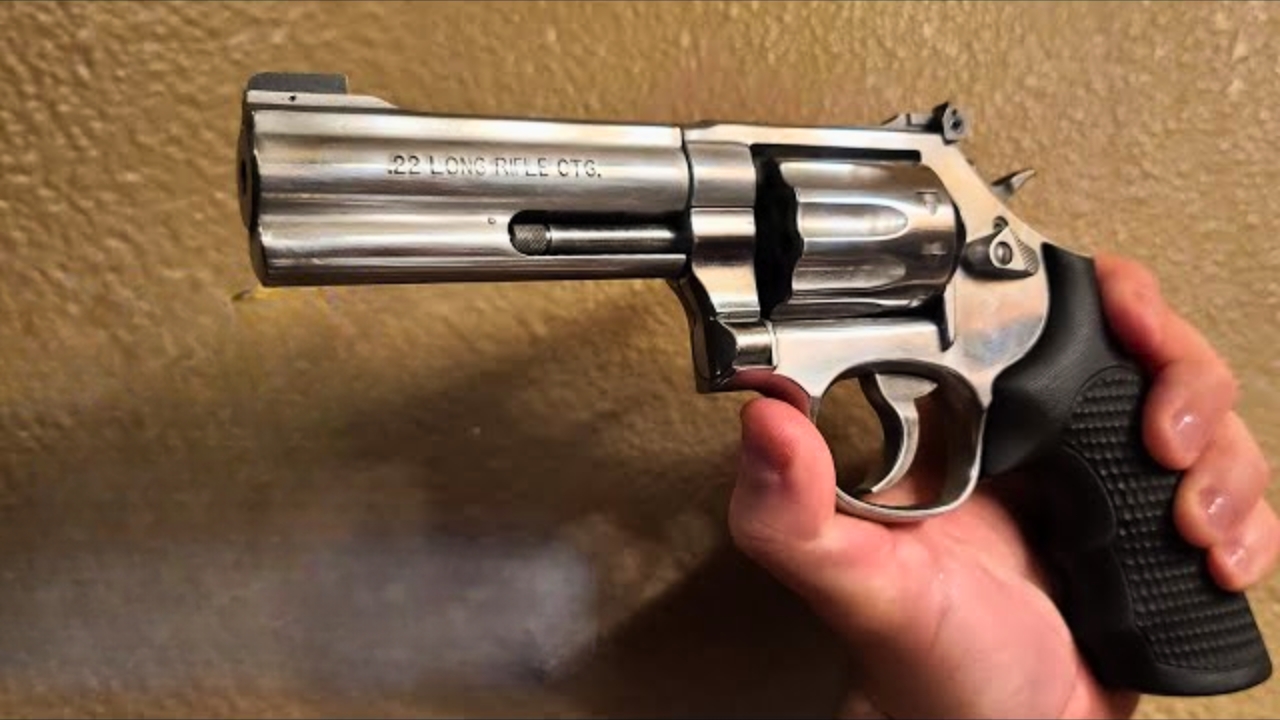
The 617 is one of the easiest revolvers to fall for once somebody actually spends time with one. On paper, a full-size .22 revolver can seem like a strange idea, especially to shooters who think rimfires should stay cheap and basic. Then they shoot it and realize how much fun and how much training value the gun offers in one package.
The weight keeps it steady, the trigger teaches discipline, and the low recoil lets people focus on sight picture and control without distraction. It is the sort of revolver that sneaks up on skeptics because it feels less like a compromise and more like an excuse to shoot well for longer. A lot of buyers end up wanting one simply because the first range trip made too much sense to ignore.
Ruger Redhawk

The Redhawk turns skeptics into owners by making brute strength feel practical instead of excessive. A lot of people assume a large-frame magnum revolver will be too much gun and not enough fun. That opinion usually softens the minute they understand how much confidence a Redhawk gives the shooter. It feels durable in a way many modern handguns do not even try to.
At the range, the gun starts showing why people stick with them. The mass helps tame serious loads, the grip frame gives the gun real authority, and the whole experience feels more controlled than many expected. Even shooters who do not need that much revolver often walk away wanting one anyway. The Redhawk makes a strong first impression because it backs up its size with real performance.
Smith & Wesson Model 19 Carry Comp
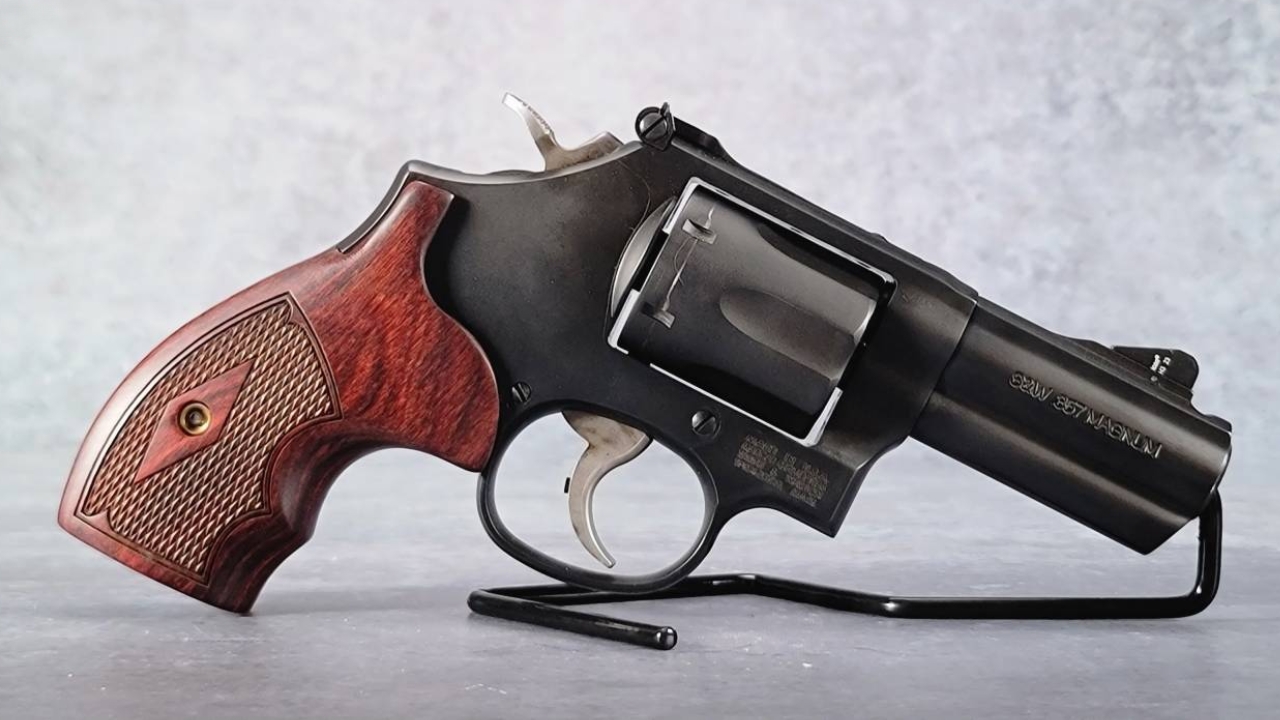
The Model 19 Carry Comp tends to hook people who thought revolvers had become too traditional to feel current. It brings enough modern touches to get attention, but not so many that it loses what makes a K-frame appealing. Skeptics usually come in expecting it to be more style than substance. Then they shoot it and realize the package actually works.
The compensated setup, useful sights, and familiar Smith handling come together fast on the range. The revolver feels quicker, more controlled, and more shootable than many buyers expected from a carry-minded wheelgun. That is usually when the idea of owning one stops sounding sentimental and starts sounding practical. It wins over skeptics by feeling like an old idea that still learned a few smart tricks.
Kimber K6s DASA
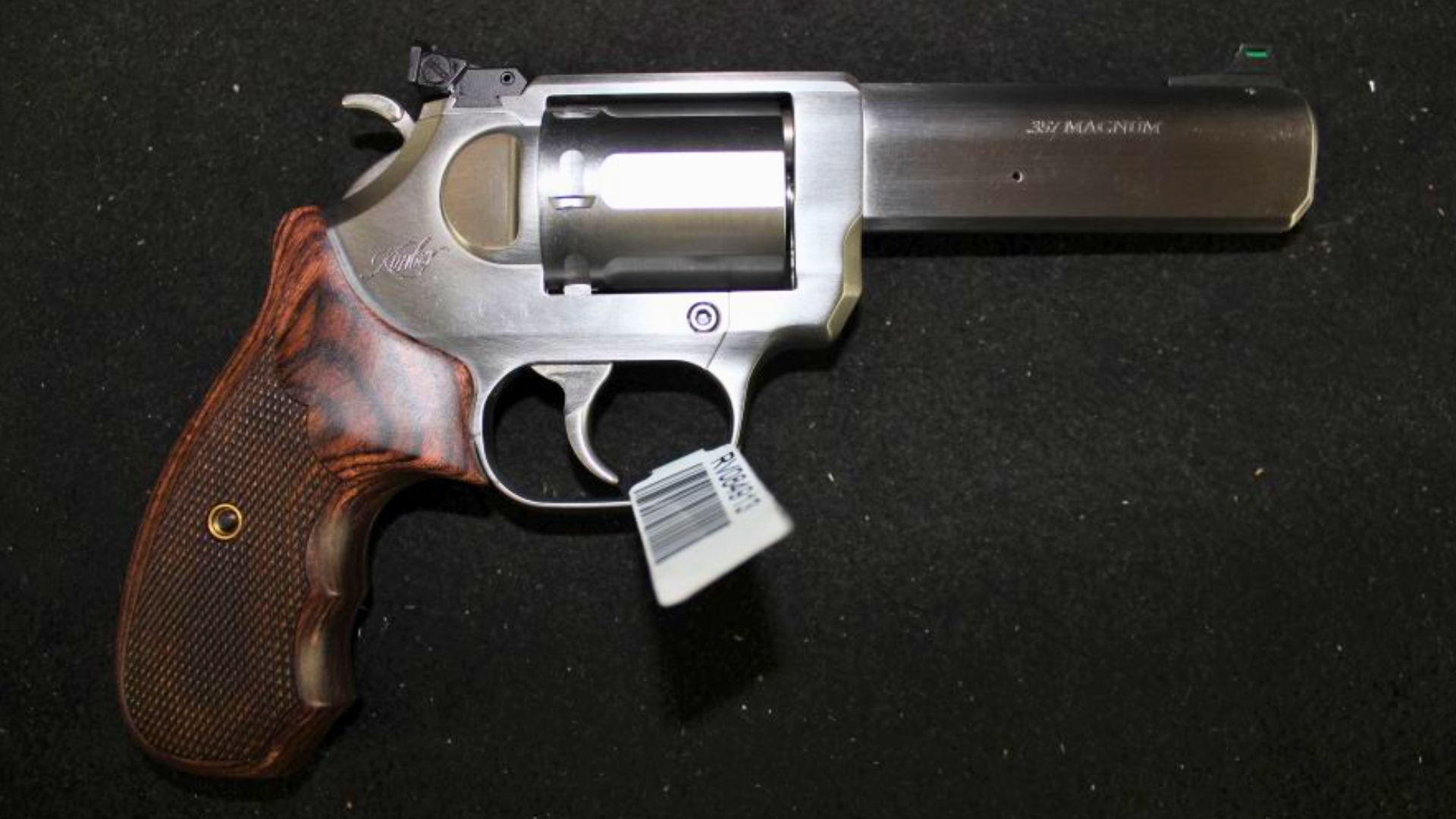
The K6s DASA is one of those revolvers that catches skeptics off guard because it feels more refined than they expected. A lot of buyers hear “small revolver” and assume the shooting experience will be harsh, stiff, and mostly about compromise. Then they get behind the Kimber and start noticing the trigger quality, the usable sights, and how neatly the gun carries itself in recoil.
That first range session tends to erase a lot of lazy assumptions. The K6s feels deliberate, not dated. It feels like somebody actually cared how a compact revolver should behave once the shooter starts pressing for speed and control. That is why it keeps making converts. It does not just remind people that revolvers still exist. It reminds them that small revolvers can still be deeply appealing.
Colt Cobra

The modern Colt Cobra wins over a lot of skeptics because it feels friendlier than they expected. People who assume revolvers are all heavy triggers and old-fashioned manners usually find the Cobra easier to connect with. It has a manageable size, good carry potential, and enough polish to feel more current than the average skeptic may have been ready to admit.
What really turns heads is how enjoyable it can be with .38 Special. The gun points naturally, gives the shooter useful feedback, and feels less like a stubborn relic than a very usable defensive revolver. A lot of doubters come away thinking the Cobra makes the whole wheelgun thing easier to understand. Once that happens, buying one starts feeling less like an experiment and more like an obvious next step.
Smith & Wesson Model 27

The Model 27 changes minds because it shows what a serious magnum revolver feels like when it is done right. Skeptics often assume an N-frame is just too much metal and too much gun for modern buyers to bother with. Then they pick one up, fire a few rounds, and realize the size is doing real work. The weight steadies the gun and gives magnum shooting a kind of confidence many had never felt before.
It also helps that the Model 27 carries a certain authority. The finish, the presence, and the overall shooting experience all feel substantial in a way modern handguns often do not. Skeptics walk in thinking they are humoring an old design. They walk out understanding why so many shooters never really walked away from revolvers like this in the first place.
Ruger Blackhawk Bisley

The Bisley Blackhawk wins people over because it makes single-action shooting feel more serious and less like a costume party from another era. Plenty of skeptics think single-actions are all charm and no real relevance. Then they actually shoot one with meaningful loads and discover how much control and comfort the Bisley grip can offer. It starts making practical sense very quickly.
That is where the conversion happens. The gun slows the shooter down in a good way, the recoil feels more manageable than expected, and the whole experience feels more rewarding than trendy modern pistols often do. It is not for everybody, but that first good range trip often makes buyers realize it is much more than a novelty. For the right shooter, it becomes very tempting very fast.
Smith & Wesson Model 629 Classic
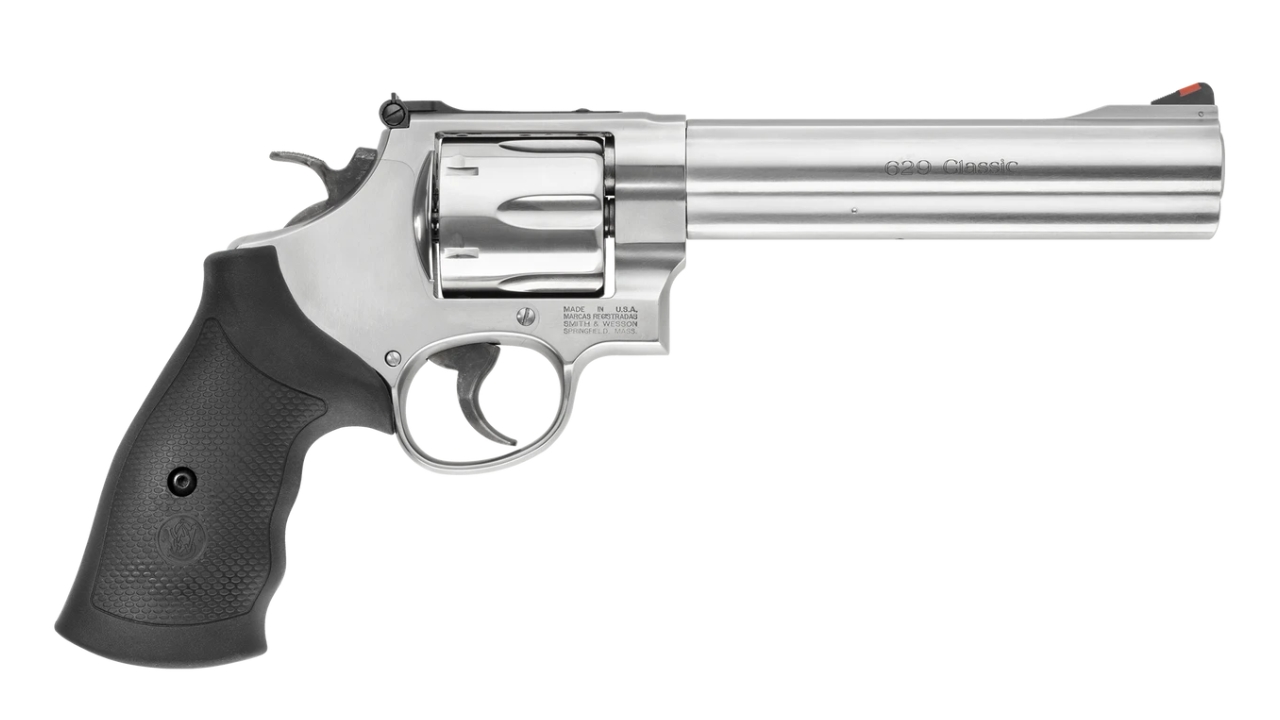
The 629 Classic has a way of turning curiosity into commitment. Many skeptics come in expecting a .44 Magnum revolver to feel like a range stunt rather than a serious handgun they could actually enjoy. Then they shoot it, especially with a sensible mix of loads, and discover that the gun has far more range manners than the reputation suggests.
The balance, sight picture, and confidence of a big N-frame all start working in its favor. People often leave impressed by how shootable it feels for such a powerful revolver. Even if they do not plan to hunt with one or carry it in the field, the appeal becomes much easier to understand. A revolver like this turns doubters into owners because it feels like something worth growing into.
Taurus 856 Defender

The 856 Defender tends to surprise skeptics because it feels more complete than they expected. A lot of buyers assume compact revolvers are either bare-bones throwbacks or awkward compromises. The Taurus walks into that skepticism with better sights, useful capacity, and a size that still makes sense for real carry without feeling miserable at the range.
What wins people over is that it does not ask them to pretend. It is a straightforward defensive revolver that can still be enjoyable to shoot. The first range trip usually shows them that the gun is more capable and more approachable than expected. Once that happens, the idea of owning one stops sounding like a niche choice and starts sounding like a practical backup or carry option.
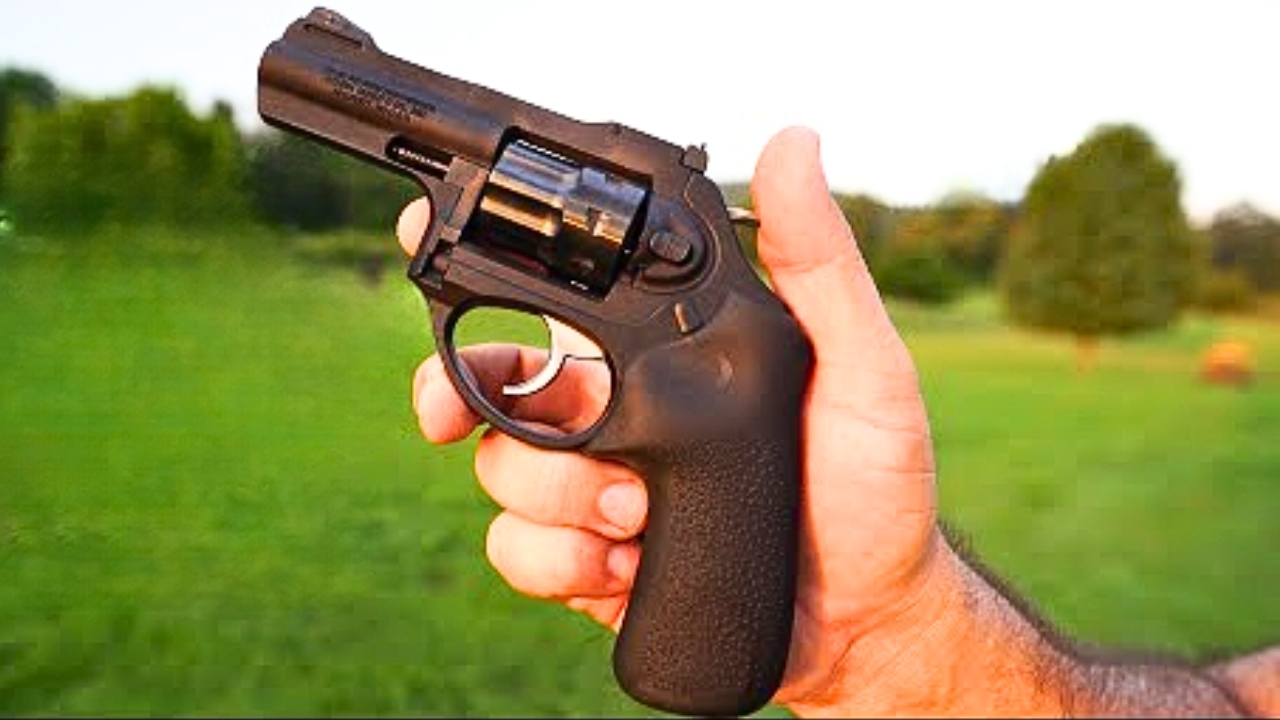
Ruger LCRx 3-inch

The LCRx 3-inch is one of those revolvers that makes skeptics rethink what a modern wheelgun can be. Buyers often come in expecting a lightweight revolver to feel too compromised or too strange compared to a traditional steel gun. Then the LCRx starts showing off its trigger, useful barrel length, and better-than-expected shootability, and the conversation changes.
That extra sight radius and more forgiving handling make a big difference. The gun still carries the simple, practical appeal of a revolver, but it feels easier to run well than many skeptics assumed it would. That makes it a smart gateway revolver. People leave the range realizing it is not just an old format hanging on. It is a useful, modernized take that still respects why wheelguns matter.
Colt Anaconda

The Anaconda wins over a lot of skeptics simply because it feels more refined than “big .44 revolver” suggests. People expect weight, recoil, and maybe a little drama. What they do not always expect is how smooth, stable, and confidence-building the gun can feel once they actually start shooting it. It carries itself like a premium revolver, and skeptics notice that fast.
The first good session usually changes the tone. The recoil feels manageable for the class, the sights and trigger start making sense, and the gun stops seeming like an oversized indulgence. Instead, it starts looking like a serious revolver with real range value. That is often enough to get a skeptic thinking about ownership a lot sooner than planned.
Smith & Wesson Model 10

The Model 10 keeps turning skeptics into owners because it strips away a lot of the nonsense. It is not flashy, not tactical, and not trying to impress with gimmicks. At first, that can make it look too plain to matter. Then somebody actually shoots one and realizes how balanced, accurate, and satisfying a simple service revolver can be when the fundamentals are right.
That is where respect grows quickly. The K-frame size feels natural, the recoil with .38 Special stays manageable, and the trigger teaches people more than many semiautos ever will. A lot of shooters leave the range wondering why they ever dismissed revolvers this straightforward. The Model 10 has that effect because it does not need to show off. It just needs one good afternoon on the firing line.
Like The Avid Outdoorsman’s content? Subscribe to our newsletter so you never miss an article.
Here’s more from us: