Photo credit: Hunt Fish Shoot/YouTube
The Springfield M1A is one of those rifles people think they understand in one sentence: civilian M14, wood-and-steel battle rifle, .308, expensive, classic. That is all true, but it still leaves out a lot. The M1A was introduced to the public in 1974 as a semi-automatic-only version of the M14 pattern, at a time when surplus M14 rifles were not simply being sold off to civilians. Springfield Armory says the rifle has been available to the public since 1974, and American Rifleman describes it as a semi-automatic version of the select-fire M14 service rifle.
What makes the M1A interesting is that it lives in two worlds at once. It is part nostalgia rifle, part competition rifle, part practical .308 semi-auto, and part American military-history stand-in. Here are 15 surprising facts about the Springfield M1A that most shooters either never learned or do not think about enough.
1. It has been a civilian rifle since 1974

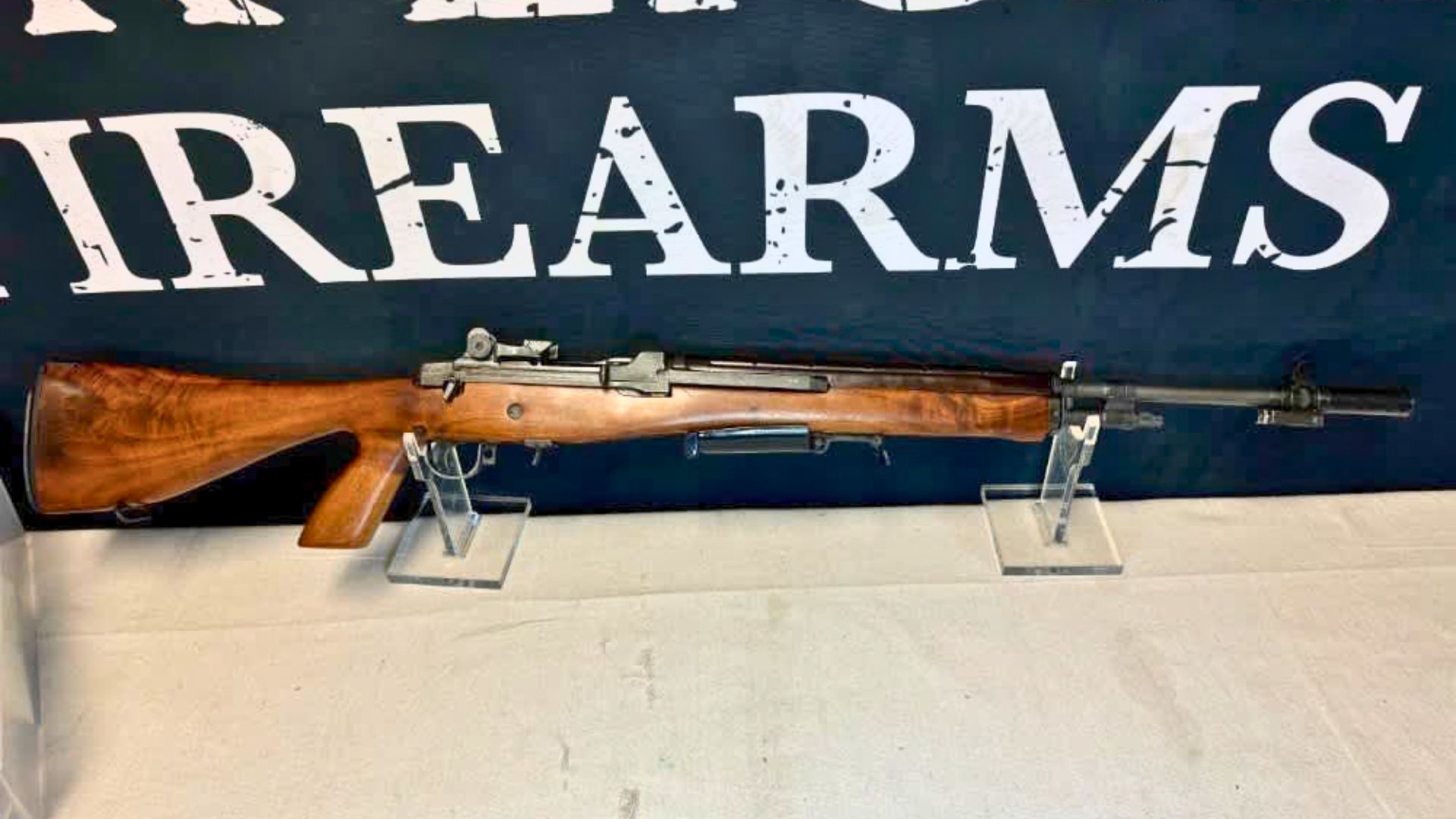
A lot of people think the M1A is much older than it really is because it looks so tied to the M14 era. Springfield Armory’s own M1A page says the rifle has been available to the public since 1974. Its 50th Anniversary rifle even uses an engraved “1 of 1974” operating rod to mark that history.
That matters because the M1A is not a government-surplus M14 that just drifted into the commercial market. It is a distinct civilian production rifle with its own commercial history starting in the mid-1970s.
2. The M1A is not literally an M14

People often use the names interchangeably, but they are not the same rifle. American Rifleman says the M1A was developed as a semi-automatic version of the M14 and was different enough to be considered a separate model by BATFE.
That distinction matters because the M14 was a select-fire military rifle, while the M1A was built for the civilian market as a semi-auto-only gun. They are closely related, but they are not legally or mechanically identical in every sense.
3. The M14 itself had a very short run as the standard U.S. service rifle

Because the M1A is so tied to “classic American battle rifle” imagery, some shooters assume the M14 dominated U.S. service for a long time. It really did not. American Rifleman says the M14 was adopted in 1957 and the M16 was accepted in 1967, making the M14’s reign as the standard rifle surprisingly short.
That is part of why the M1A is interesting. It kept the M14 pattern alive in civilian hands far longer than the M14 ever ruled the U.S. military as the main service rifle.
4. The M1A blends Garand and M14 DNA

Springfield Armory’s current M1A page says the rifle has an M14-style detachable box magazine and two-stage military trigger, while American Rifleman points out that the M14 itself was an improved evolution of the M1 Garand.
That is why the M1A feels the way it does. It is not just “Garand with a magazine” and not just “civilian M14” in some simple throwaway sense. It carries forward a lot of Garand-style ergonomics and sighting philosophy while using the M14’s detachable-magazine layout and 7.62 NATO chambering.
5. It exists partly because civilians could not just buy surplus M14s

Previous generations of U.S. service rifles often made their way into the civilian market more directly. American Rifleman says the M14, because it was a select-fire rifle, was not available for sale or surplus to the common commercial market the way earlier service rifles had been.
That matters because the M1A filled a real gap. Civilians wanted the M14 pattern, but the military rifle itself was not simply being dumped into civilian hands. The M1A became the answer to that demand.
6. The original M1A launch coincided with Springfield Armory Inc. reviving the name
Springfield Armory’s company history says the original federal Springfield Armory closed in 1968, and the Reese family revived the Springfield Armory name in 1974. Other Springfield materials explicitly say that in 1974 the Reese family began making the M1A rifle.
That is a pretty cool bit of timing. The M1A was not just a product launch. It was also one of the central rifles that helped establish Springfield Armory Inc. as a modern commercial company carrying an old and famous name.
7. The M1A stuck around partly because full-auto was never the point for civilians
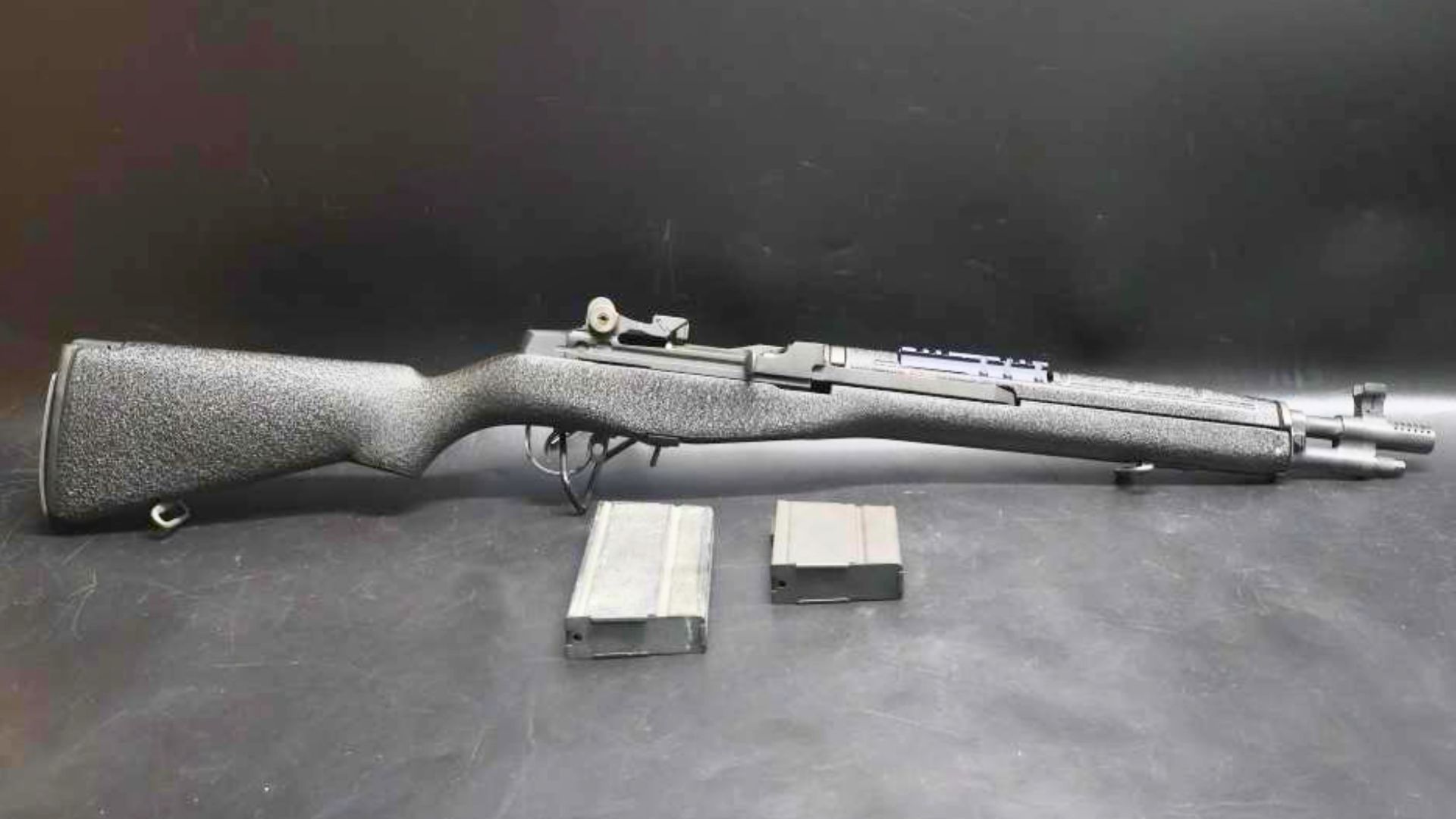
American Rifleman’s 2011 feature on the M1A says the M14 proved too bulky for jungle combat and very hard to control in full-auto, but then makes the obvious civilian counterpoint: American civilians were not fighting in jungles.
That is one of the best ways to understand why the M1A survived so well in civilian life. The military had one set of priorities. Civilian shooters had another. For a civilian who wanted a powerful, accurate semi-auto .308 rifle with classic sights and feel, many of the M14’s military shortcomings did not matter nearly as much.
8. The M1A became a competition rifle as much as a nostalgia rifle
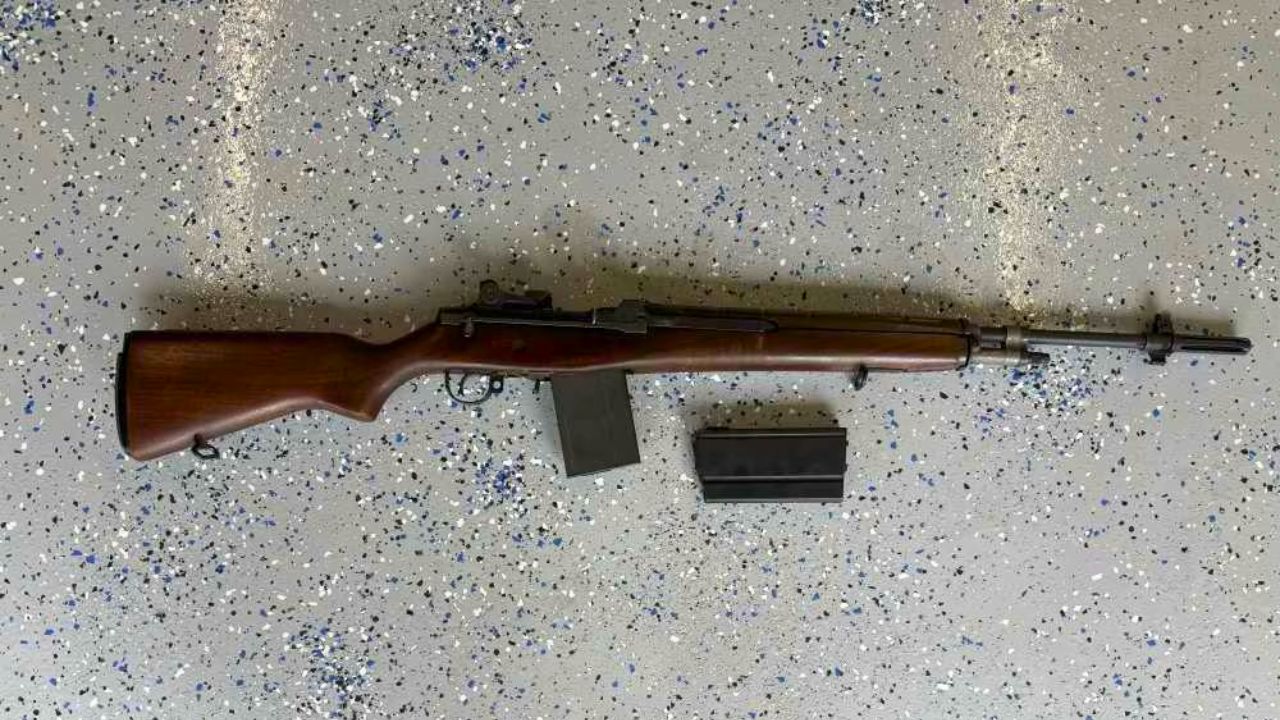
Shooting Illustrated’s M1A overview points out that National Match and Super Match variants helped set the standard for accuracy in competition, while American Rifleman notes the M14 pattern proved to be an accurate platform with excellent Garand-style sights.
That matters because the M1A is not just a sentimental “old military style” rifle. It also became a serious match and precision platform in the hands of shooters who cared about performance, not just history.
9. The Standard Issue model is intentionally built to echo the service rifle look
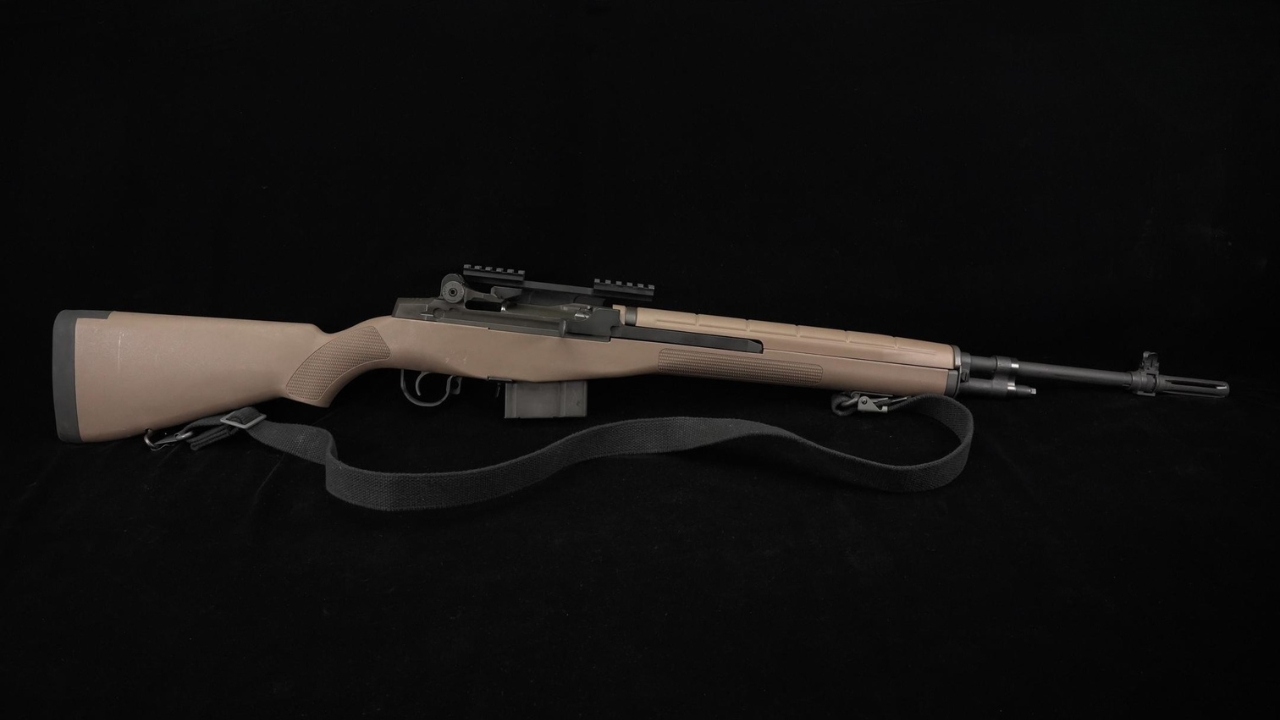
Springfield Armory’s current Standard Issue page says the rifle is inspired by the M14 and specifically highlights features like the two-stage trigger, detachable box magazine, and flash suppressor.
That is important because the M1A was never pretending to be purely modern in styling. Springfield understands that a big part of the rifle’s appeal is that it still looks and feels like an American military-style 7.62 rifle, even in civilian-legal form.
10. It comes in far more configurations than many casual shooters realize

Shooting Illustrated notes that the M1A line starts with the Standard but also extends into models like the SOCOM, National Match, and Super Match.
That is one reason the platform lasted. The M1A did not stay frozen as one wood-stock rifle. Springfield stretched it into compact tactical formats, competition rifles, and classic configurations, which let the platform keep finding new buyers without losing its core identity.
11. The SOCOM version is a radical departure from the “classic” M1A look
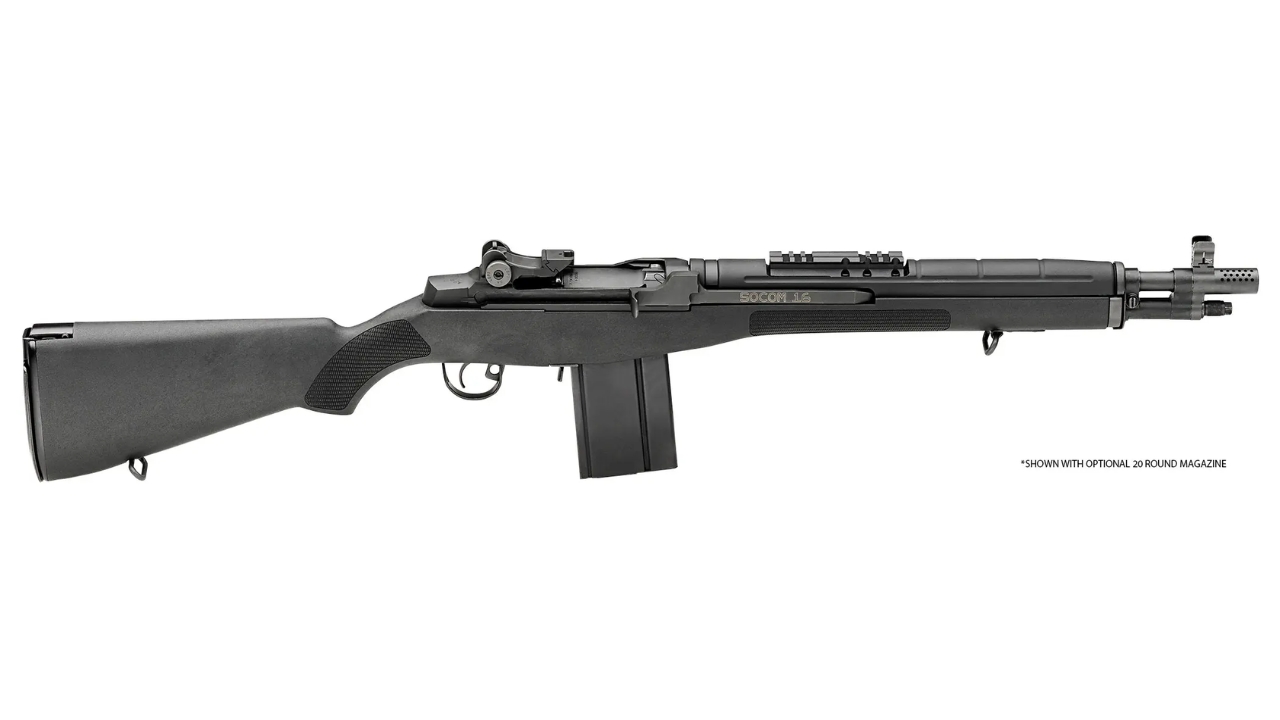
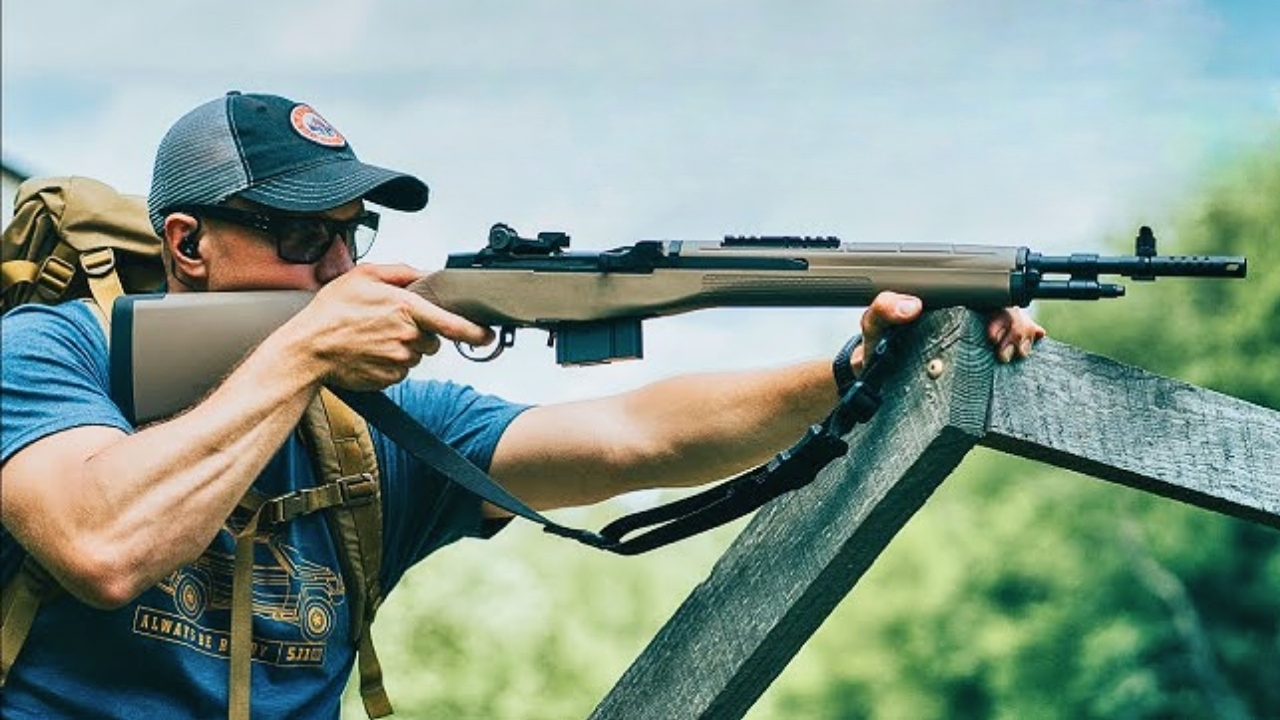
A lot of people picture the M1A as a full-length walnut-stock rifle, but Shooting Illustrated specifically calls out the SOCOM as a 16-inch-barreled variant with a forward rail and a more modern tactical flavor.
That matters because it shows how far Springfield was willing to push the platform. The M1A was never only a retro rifle. It also became a host for shorter, more contemporary defensive and practical rifle concepts.
12. The M1A is chambered for both 7.62 NATO and .308 Win. in modern marketing
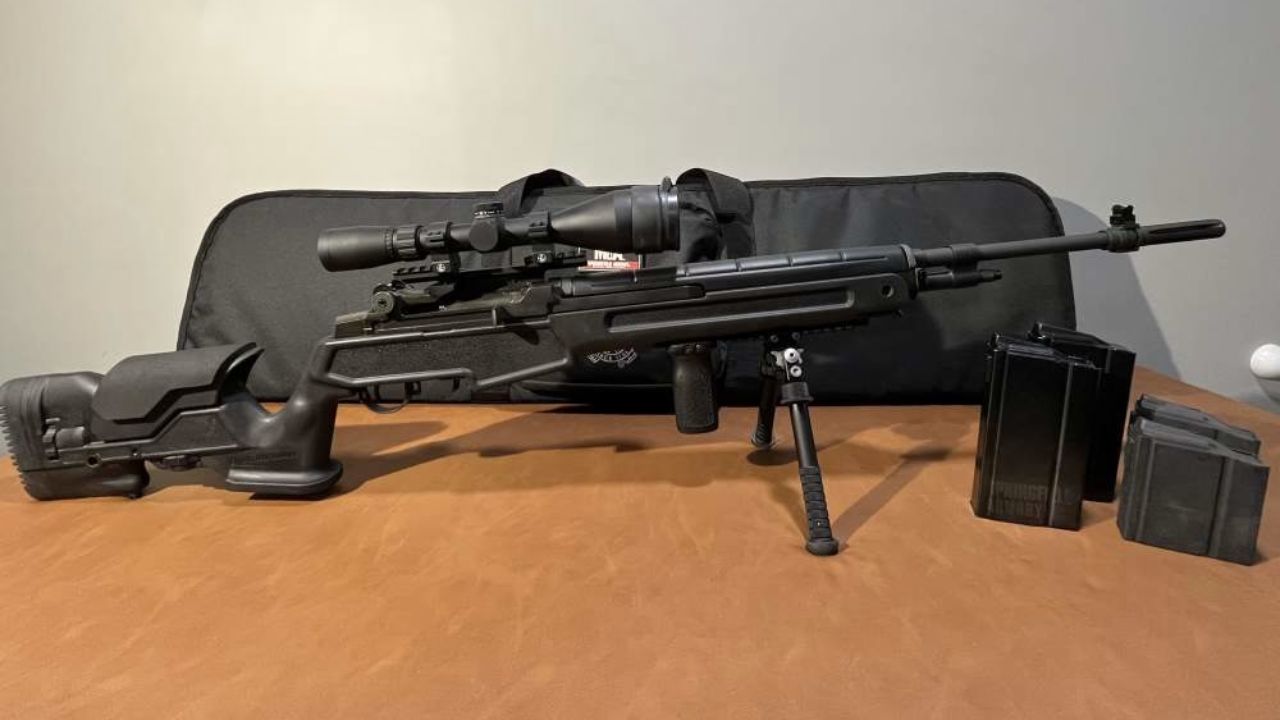
Springfield Armory’s Standard Issue and Shooting Illustrated’s 2021 review both note the rifle as being offered in .308 Win. or 7.62 NATO.
That is useful because many shooters still default to talking about the platform strictly in one chambering language or the other. Modern commercial presentation makes clear Springfield treats the rifle as living comfortably in both those worlds for practical buyers.
13. The M1A stayed expensive because demand stayed strong

American Rifleman’s 2018 look-back at the M14 notes that even used M1As and civilian M14-pattern rifles did not offer much savings because they were that popular.
That says a lot about the rifle’s market position. The M1A was never the bargain .308 semi-auto. It stayed desirable enough that price softness was not really its story. People wanted the pattern badly enough to keep paying for it.
14. Springfield marked the rifle’s 50th anniversary in 2024
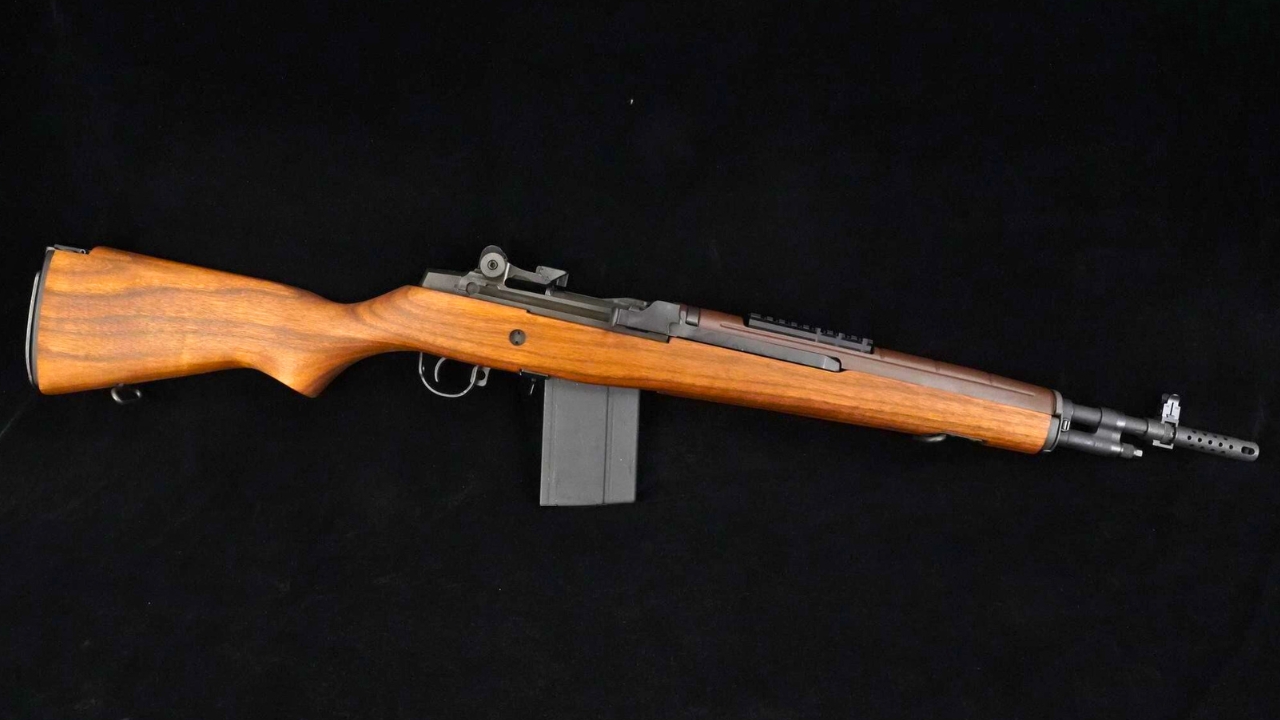
Springfield’s 50th Anniversary M1A page makes clear the rifle hit its 50-year milestone in 2024, with commemorative touches tied directly to the 1974 launch year.
That is a reminder of how long the civilian version has really been around. The M1A is not some recent nostalgia revival. It has had half a century of uninterrupted civilian life of its own.
15. The biggest surprise may be that the M1A outlived the M14 in civilian relevance
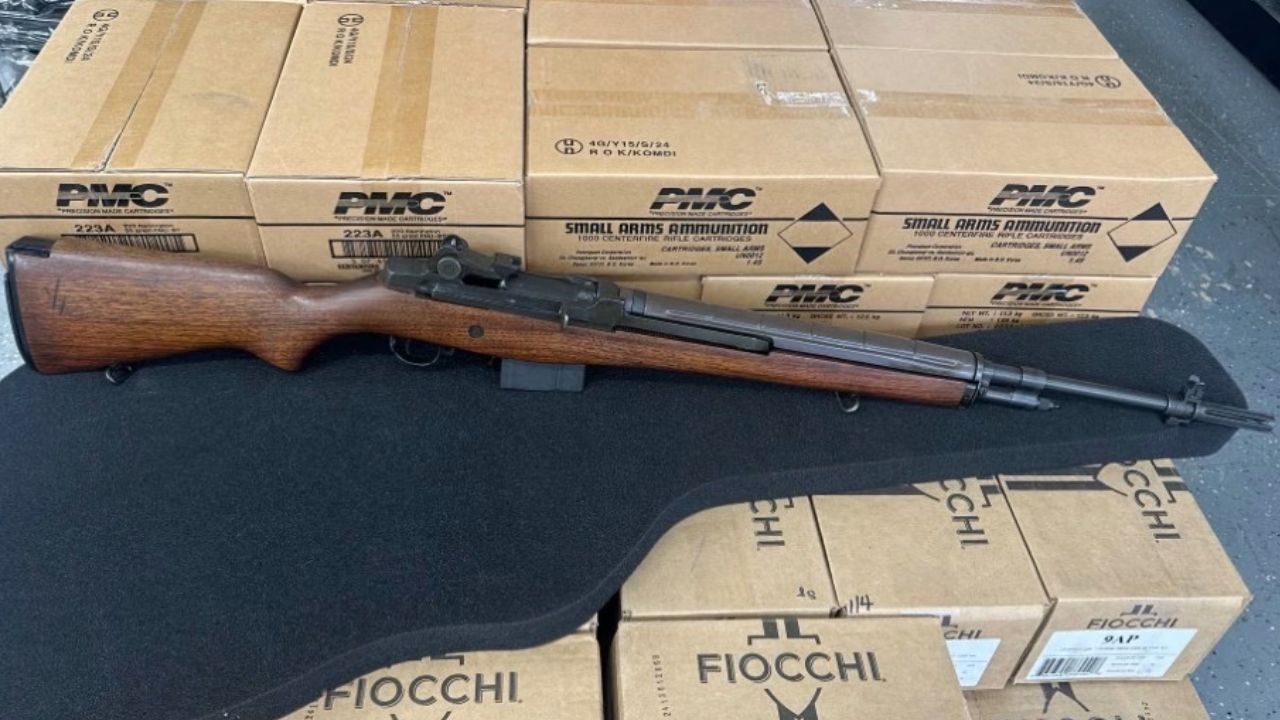
The M14 had a short main-service-rifle window. The M1A, on the other hand, has been in civilian hands since 1974 and is still a major Springfield rifle line today. Springfield’s current product pages and anniversary materials make that crystal clear.
That may be the most surprising fact of all. The civilian rifle patterned after the M14 ended up having the longer, broader, and more culturally flexible life than the original service rifle that inspired it.
Like The Avid Outdoorsman’s content? Subscribe to our newsletter so you never miss an article.
Here’s more from us: