Photo credit: National Park Service/rawpixel
Wolf-country arguments usually get oversimplified. One side acts like every wolf means a ranch disaster. The other side acts like every livestock complaint is overblown. Real life is messier than that. In some states, conflict is plainly rising because wolf numbers or pack distribution are growing. In others, the pressure is rising because wolves are expanding into new country, more depredation investigations are being logged, or agencies are spending more time on deterrence, compensation, and removal decisions. That matters to stock growers even when the year-to-year kill count does not rise in a perfectly straight line.
So this list is built around states where wolf-livestock conflict is getting more active, more visible, or more expensive to manage right now. A few of these are long-running conflict states. A few are newer trouble spots where wolves are spreading and livestock producers are now dealing with a problem that used to feel farther away.
California
California has moved way past the stage where wolves are just a novelty story. CDFW says the number of livestock depredation investigations has risen as the state’s wolf population has increased, which is why the agency shifted to a single regularly updated depredation report. By fall 2025, CDFW reported 110 confirmed or probable wolf-caused livestock losses statewide during part of that year’s reporting window, with one pack tied to a huge share of them.
What makes California different now is how fast the conflict side of the conversation has grown. This is no longer just about a few wolves being photographed in the north state. It is about repeated investigations, compensation, pack-level management decisions, and ranchers dealing with real losses in active wolf areas. When an agency starts changing how it reports depredations because the caseload is growing, that tells you the pressure is not theoretical anymore.
Colorado
Colorado is one of the clearest examples in the country because the wolf-livestock conflict issue is still in its early buildout phase and already expensive. CPW has a dedicated wolf depredation program and compensation structure, and state agencies updated the 2025 release process with an improved livestock conflict minimization program before more wolves were brought in. By March 2026, Colorado depredation payouts for 2025 had topped $700,000, more than double the annual fund.
That does not mean Colorado has the same scale of conflict as Idaho or Oregon yet. It means the trend line is obvious. Wolves are being restored into working livestock country, and the state is already adjusting compensation rules, deterrence work, and response policy to keep up. That is a textbook rising-conflict state.
Oregon
Oregon has been living this issue for a while, but it still belongs near the top because the conflict remains active and widespread enough to keep forcing management action. ODFW’s 2024 annual report said the minimum known wolf count rose to 204 from 178 the year before, while 69 confirmed livestock depredation events were recorded in 2024 after 73 in 2023. That was a slight decline in depredations, but still a heavy conflict load tied to a growing wolf footprint.
Oregon is a good reminder that “rising conflict” does not always mean this exact year beat last exact year. Sometimes it means the broader fight is expanding geographically and staying stubbornly high. The west side breeding-pair threshold matters here too, because more wolf establishment in the West Zone keeps making livestock conflict a bigger issue in parts of Oregon that did not used to be in the middle of this problem.
Washington
Washington remains one of the busiest wolf-conflict states because it has established packs, recurring cattle depredation cases, and a monthly reporting structure that shows how closely the state is tracking livestock trouble. WDFW’s monthly reports for 2025 documented multiple months with confirmed or probable livestock depredation events, including five in July and five in August. The agency also authorized lethal removal in the Columbia pack territory in January 2025 after repeated cattle depredations.
Even though Washington’s total wolf count dipped in 2024 for the first time in years, the livestock-conflict side clearly has not disappeared. WDFW still notes that most packs are not involved in depredation in a given year, but the state keeps having enough conflict in specific territories that it remains one of the main battlegrounds in the West.
Idaho
Idaho stays in this conversation because it has a large wolf population and a management plan that explicitly targets conflict with both livestock and ungulates. Idaho Fish and Game’s 2023–2028 wolf plan says the state’s wolf population during 2019–2021 fluctuated around 1,270 animals and describes active use of depredation control as part of overall management. That is not a state guessing about future conflict. That is a state managing around it constantly.
Idaho also has the kind of ranch country where wolves, cattle, sheep, elk, and public-private land edges all collide. The headline issue there is not whether conflict exists. It is how much of it the state is willing to tolerate. That keeps Idaho firmly on any list of states where wolf-livestock conflict is still one of the biggest wildlife-management headaches in the country.
Montana

Montana belongs here because it is still logging real livestock losses and still updating major policy around wolves. Montana FWP’s 2024 wolf report said Wildlife Services confirmed wolves killed 35 cattle, 16 sheep, 3 foals, and 8 livestock guard dogs in 2024, with additional injuries as well. At the same time, Montana rolled out a new 2025 Wolf Conservation and Management Plan that specifically includes addressing and resolving conflicts as a core foundation.
Montana is not new to wolf-livestock tension, but it remains a state where the issue stays politically hot because the impacts are spread across real stock country. When a state keeps revising its wolf plan while confirming annual cattle and sheep losses, that tells you the conflict is still active enough to shape management from the top down.
Wisconsin

Wisconsin is one of the strongest Great Lakes entries because the state keeps publishing annual depredation reports and maintaining a live map of verified conflicts. Wisconsin DNR says its interactive map displays verified wolf depredation and threat conflicts from 2013 to the present, and the state has already posted 2025 and 2026 depredation reports. Public reporting in 2025 showed confirmed livestock cases on calves and guard dogs early in the year.
The bigger reason Wisconsin makes the list is that the conflict argument there keeps intensifying, not fading. State and outside reporting around 2024 and 2025 points to substantial compensation costs and an active fight over how much control the state should have. That is what a rising conflict state looks like in the Upper Midwest.
Minnesota

Minnesota stays on this list because wolves there remain a direct livestock problem, even if 2025 was not a straight-line record year. USDA Wildlife Services’ 2025 Minnesota wolf damage report said 102 verified wolf complaints were logged in 2025, including 93 depredations on livestock or poultry. Minnesota’s Agriculture Department also continues to run both compensation and prevention grant programs for producers dealing with wolf damage.
That matters because Minnesota’s issue is not hypothetical future overlap. It is steady pressure in active wolf range. And even when annual complaint totals bounce around, the cost and workload remain real enough that lawmakers, producers, and wildlife agencies keep circling back to the same question: how much ongoing livestock loss is acceptable in a state with a long-established wolf population?
Michigan
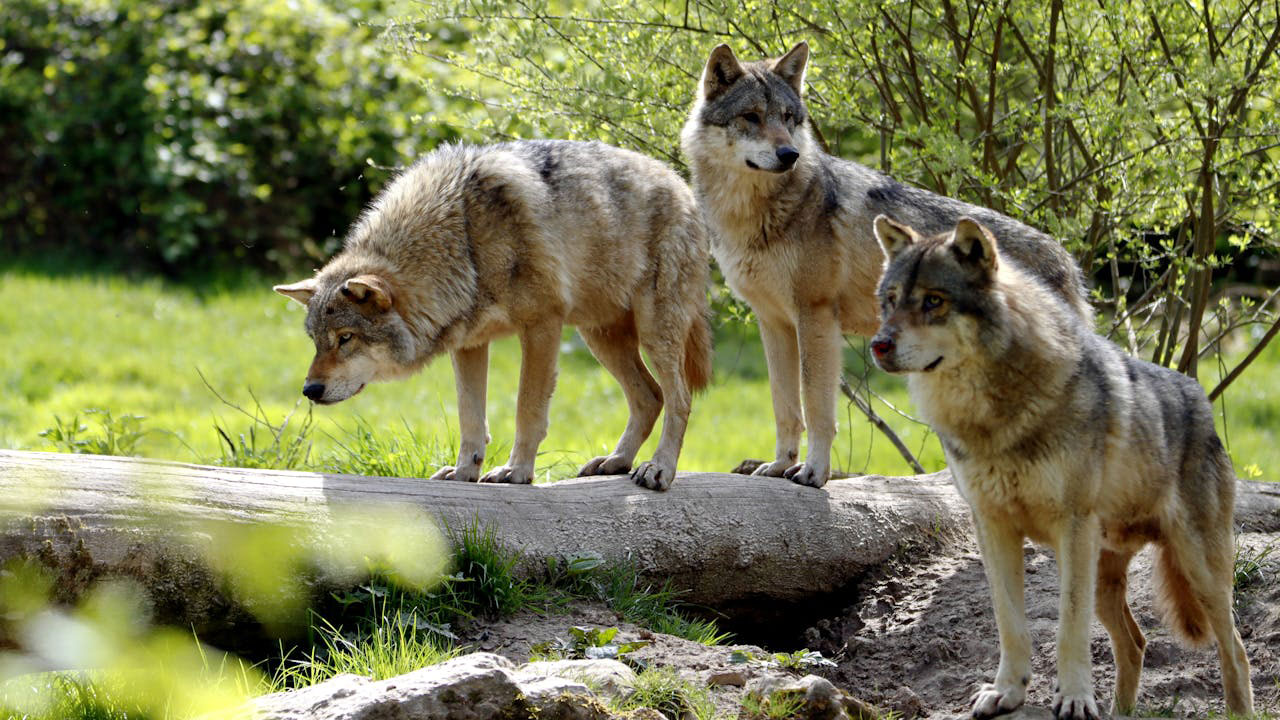
Michigan is not on the same level as Wisconsin or Minnesota for raw volume, but it still belongs here because wolf-livestock conflict remains active enough to shape policy recommendations, funding discussions, and compensation issues. Michigan’s 2024 wolf management report highlights recommendations for more livestock compensation funding, more incentives for producers to adopt wolf-conflict practices, and faster public awareness around verified depredation events.
That tells you the state sees the issue as real enough to need more than passive monitoring. Michigan also runs wolf-dog conflict tracking and broader wolf management reporting, which keeps the conflict side of the wolf story alive in the Upper Peninsula. It may not dominate national headlines, but for producers in the right parts of the state, it is still very much on the board.
Arizona

Arizona makes the list because the Mexican wolf population keeps expanding and livestock depredation remains part of the recovery picture. The U.S. Fish and Wildlife Service’s 2024 annual report documented a minimum of 286 Mexican wolves in the experimental population area across Arizona and New Mexico, and the quarterly 2025 update showed depredations per 100 wolves still being tracked as a key conflict metric.
Arizona’s version of the issue is not the same as Idaho’s. It is wrapped up in recovery, federal management, nonlethal tools, and ranch-country tolerance. But it is still conflict. When federal reports are measuring depredations relative to a growing wolf population and documenting ongoing conflict-reduction work, Arizona absolutely belongs here.
New Mexico
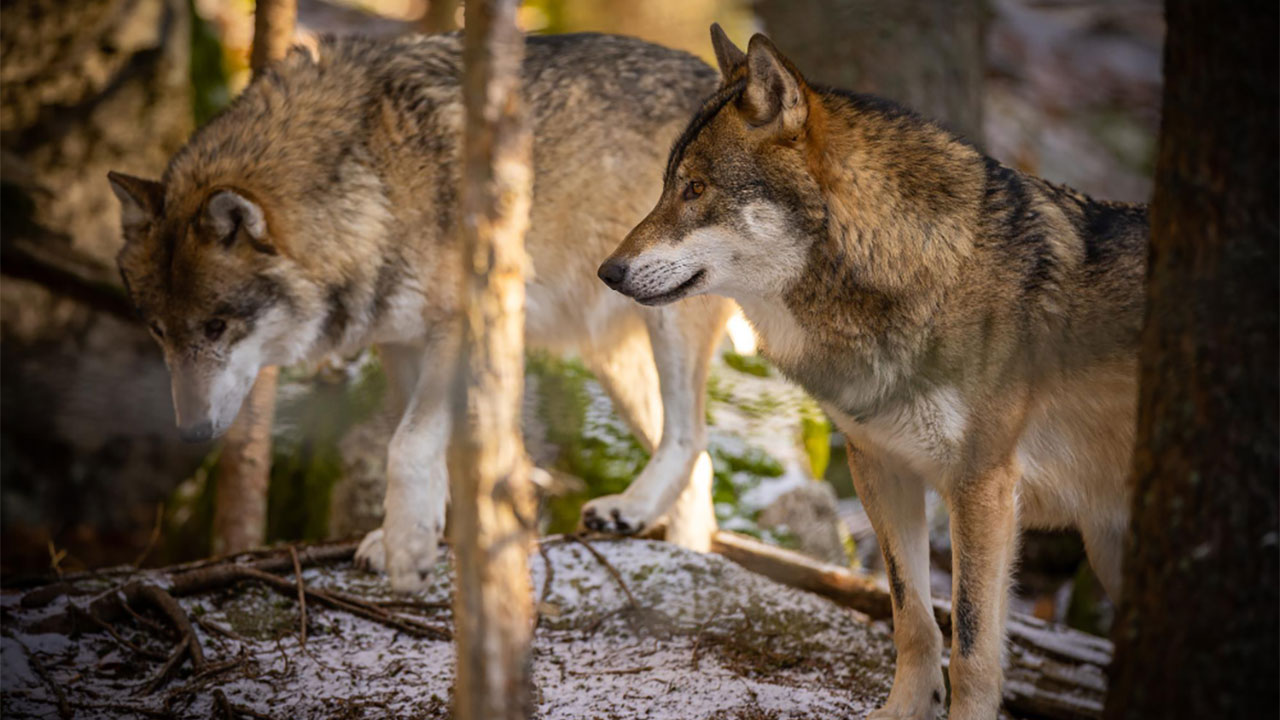
New Mexico belongs here for the same Mexican wolf reason, but in many ways the pressure feels even more spread out because the population has been growing deeper into working landscapes. The 2025 quarterly update documented wolf population expansion and continued tracking of depredations per 100 wolves, while annual reporting shows New Mexico carrying a large share of the population and mortality events within the experimental population area.
This is one of those states where conflict is rising partly because wolves are succeeding biologically. More wolves on the landscape means more chances for trouble around cattle, more need for range riders and nonlethal specialists, and more political strain between recovery goals and ranch realities. That is exactly the kind of state this headline is about.
Wyoming

Wyoming is still a real wolf-livestock conflict state even though the state’s 2024 gray wolf report highlighted a decrease in livestock depredation. That drop matters, but so does the fact that wolf depredation remains one of the headline metrics in the annual report and the state keeps dedicated compensation structures and management rules in place because the risk is persistent.
So why keep Wyoming on the list? Because this issue has not cooled off there just because one year came in lower. Wyoming is still part of the Northern Rockies core where ranchers, wildlife agencies, and wolf policy stay in direct contact. I would place it lower than Oregon or California for the “rising” angle, but it still belongs in the broader top 15 because the conflict remains foundational to wolf management there.
Utah
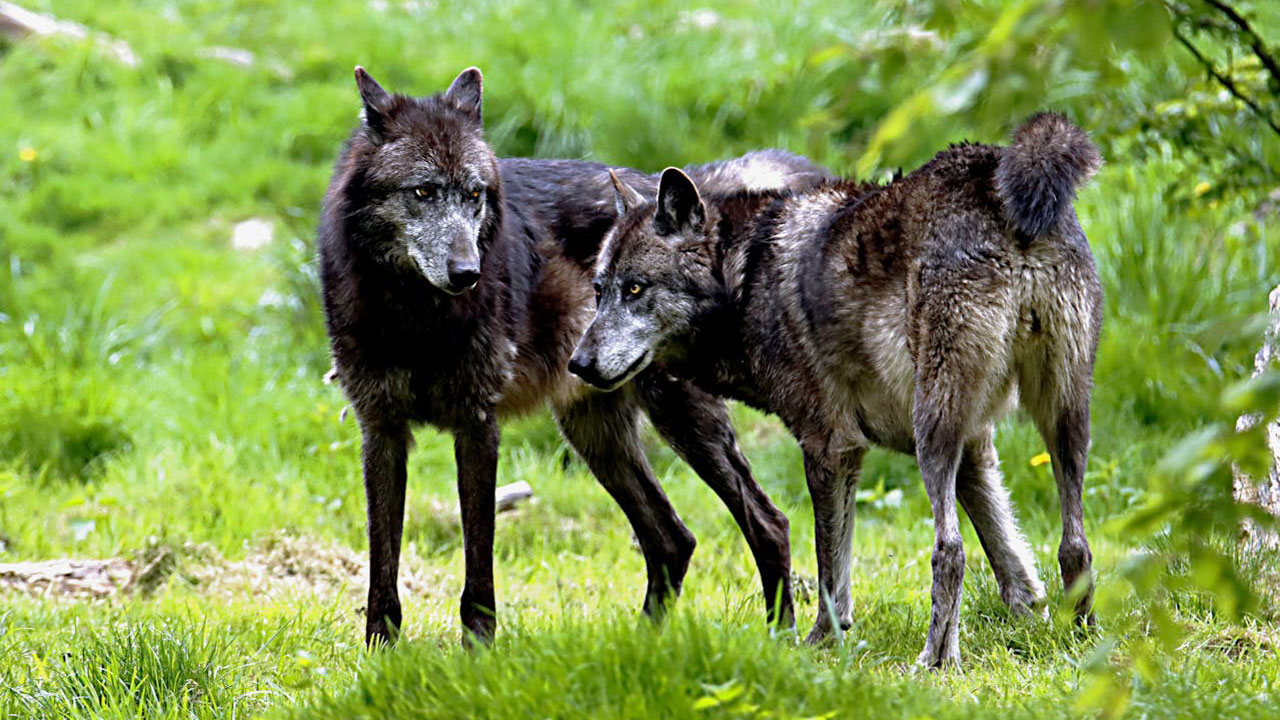
Utah is more of a watch-list state than a full-blown conflict state, but the pressure is clearly becoming more relevant. Utah DWR says dispersing wolves from Wyoming and Idaho have been confirmed in the state at least 21 times since 2004, and wolf depredation incidents have been documented on both cattle and sheep. The agency also points to expanding wolf populations in neighboring states and Colorado’s reintroduction as reasons Utah keeps a wolf management plan ready.
That is enough to put Utah on the lower half of this list. The state is not dealing with Oregon-level numbers, but it is absolutely dealing with growing exposure to a problem moving in from multiple directions. When a state is documenting livestock depredation incidents and planning around expansion next door, the conflict trend is worth taking seriously.
Like The Avid Outdoorsman’s content? Subscribe to our newsletter so you never miss an article.
Here’s more from us: