Photo credit: Buffalo's Outdoors/YouTube
Some guns disappear in a very predictable way. First they sit around long enough that people stop really seeing them. They feel common, easy to find, and too familiar to create much urgency. Buyers tell themselves they will grab one later, sell one without much worry, or pass on a clean example because another one will surely turn up next month. Then the shelves start thinning, the used prices start climbing, and the gun that once looked ordinary starts feeling a whole lot less replaceable.
That is when people realize they were not looking at background inventory. They were looking at firearms that had quietly become harder to touch than anyone expected. These are the guns that looked easy to replace right up until shelves proved otherwise.
Smith & Wesson 3913
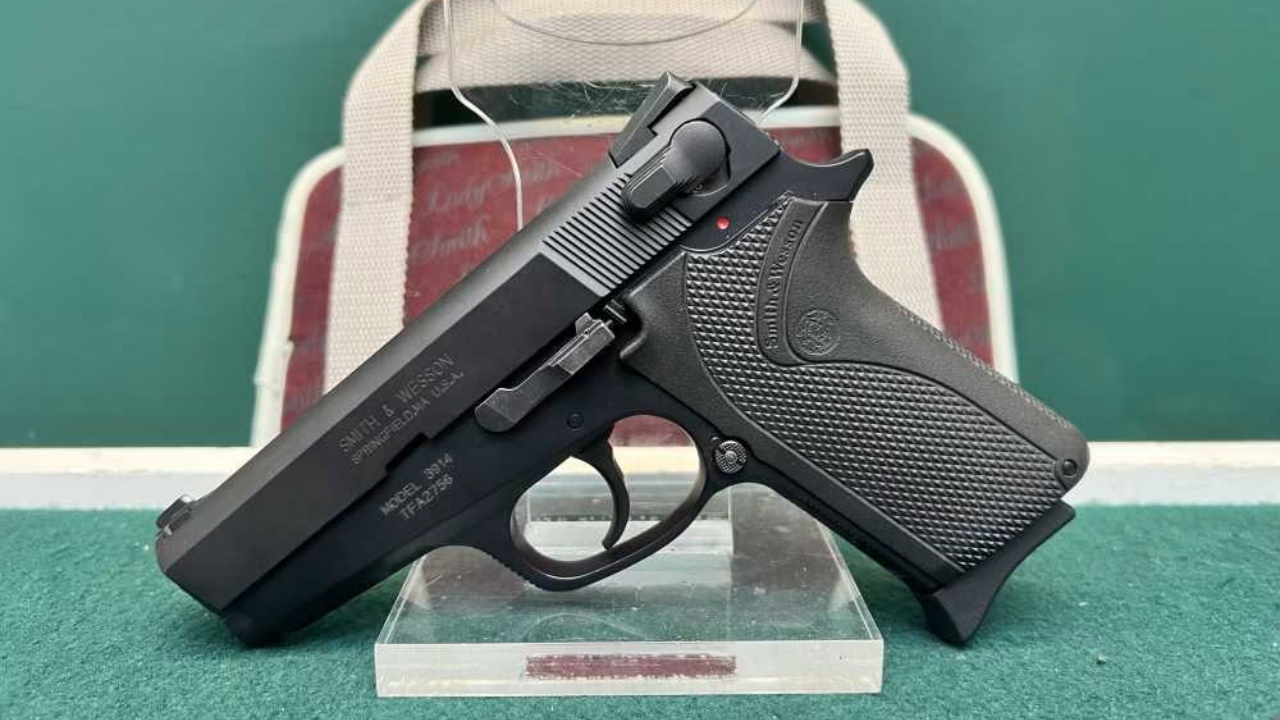
The Smith & Wesson 3913 spent years being treated like a practical little carry gun you could always circle back to later. It was respected, sure, but not always in a way that created urgency. Buyers liked the slim frame, liked the all-metal feel, and still kept assuming another one would be sitting in the next case if they passed on the one in front of them. That kind of quiet confidence in supply fooled a lot of people.
Then the easy supply started drying up. The 3913 suddenly looked less like a sensible used compact and more like one of the last carry pistols from an era when slim handguns still felt substantial. Once the shelves stopped backing up that old casual attitude, a lot of buyers realized they had mistaken availability for permanence.
Winchester 1200 Defender
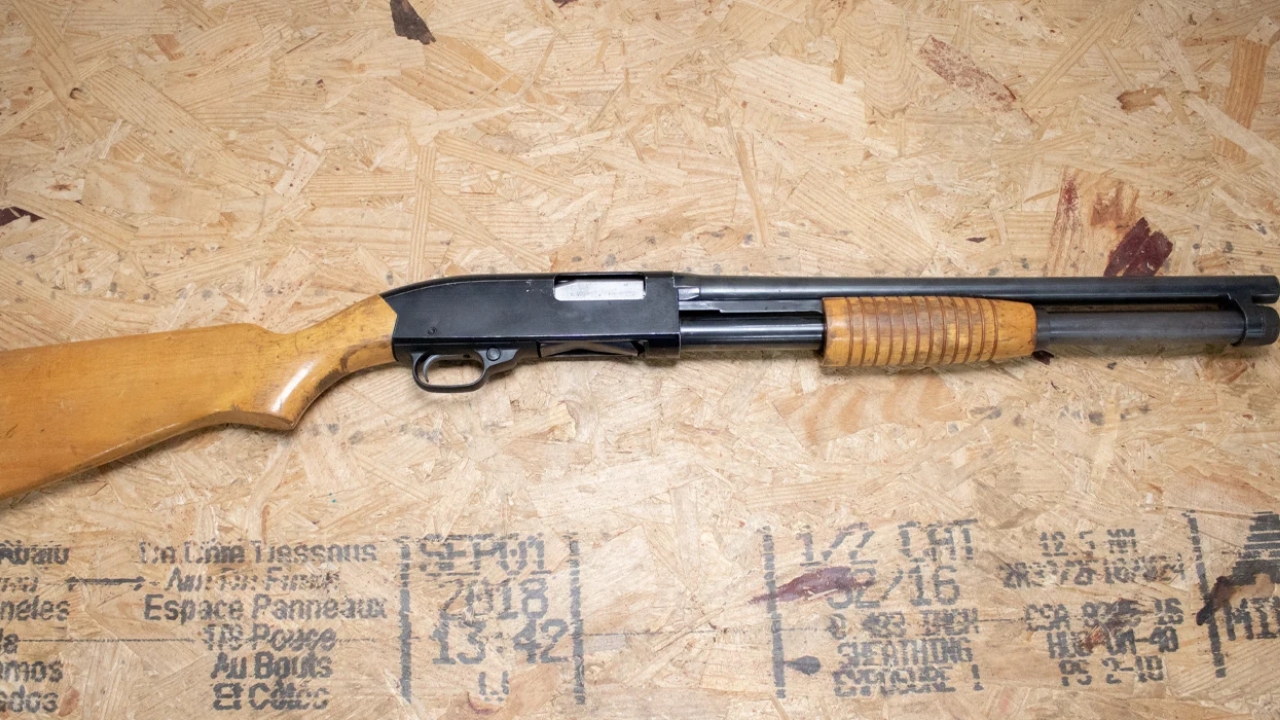
The Winchester 1200 Defender was one of those shotguns people rarely panicked over because it always seemed like another one would turn up. It was handy, practical, and useful, but it also lived in the shadow of bigger names in the pump world, which made it feel more like an easy alternative than something you had to act on immediately. That kept urgency low for a long time.
Then buyers started going back looking for one and found a very different market than the one they remembered. Clean Defenders were not just sitting everywhere anymore, and the prices stopped behaving like these were just old plain-Jane pumps. The shotgun had not changed. The shelves had, and that was enough to wake a lot of people up.
Beretta 85FS Cheetah
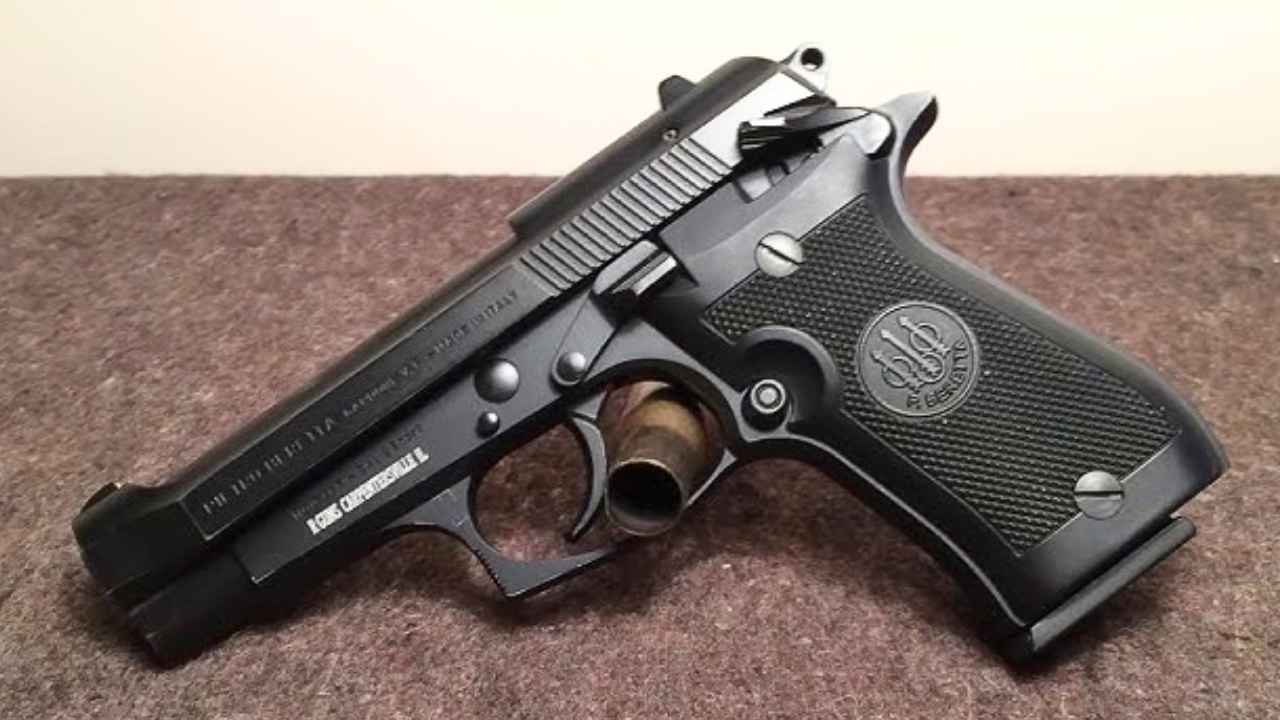
For years, the Beretta 85FS looked like the kind of pistol you could afford to admire without buying. It was classy, compact, and very easy to like, but being a .380 kept many buyers from treating it like something they needed to prioritize. It seemed too niche to disappear and too familiar to get expensive in a hurry. That turned out to be the wrong read.
Once buyers started looking for them more seriously, the shelf reality changed fast. The little Beretta that once felt like a neat optional pickup started feeling like a much more deliberate purchase. A lot of people learned too late that metal-frame compact pistols with real quality do not stay casually available forever just because people ignored them for a while.
Remington 7600 Carbine

The Remington 7600 Carbine always looked replaceable because it seemed too plain to become scarce in a meaningful way. It was a pump deer rifle, useful enough but rarely treated like a must-buy by the crowd that preferred to sound more refined than practical. That attitude kept it squarely in the category of guns people assumed would always be around somewhere.
Then shelves started telling a different story. Handy carbines got harder to find, and the ones that did show up no longer looked like ordinary used-rack filler. Suddenly hunters remembered how natural the 7600 Carbine feels in thick woods, and replacement stopped being a casual idea. A lot of people found out that a plain rifle can become very hard to replace once enough hunters quietly decide they still want exactly that plain rifle.
Browning BDA .45 ACP

The Browning BDA in .45 ACP spent years in that dangerous middle zone where buyers respected it without acting on it. It had a strong name, real quality, and enough substance to stand out to people paying attention, but it still felt like something you could leave sitting while you looked for something a little more fashionable or a little more immediately famous. It never seemed urgent enough to force the sale.
Then the shelf picture changed. The old BDA stopped being that interesting .45 you could get around to someday and started becoming something buyers had to hunt for with more intention and more money. That is usually how these guns teach the lesson. They stay underappreciated just long enough for people to get lazy, then disappear into a market that no longer rewards delay.
Ruger Security-Six

The Ruger Security-Six was easy to underestimate because it spent so many years being treated like the sturdy revolver you bought if you were practical enough to skip something more glamorous. That kept it from feeling rare, precious, or urgent. A lot of owners and buyers assumed there would always be another Security-Six out there if they ever wanted one again. After all, it was just a good working Ruger.
Then the used market got thinner and smarter. The shelves stopped reflecting the old assumption that these were everywhere and not worth rushing toward. Clean Security-Sixes began looking a lot more desirable once people realized how few revolvers still offered that mix of carry sense, toughness, and plain usefulness. The old “I’ll just buy another one later” logic stopped working.
Marlin Camp 9

The Marlin Camp 9 looked easy to replace because it lived for so long as a mildly interesting pistol-caliber carbine rather than something buyers felt they needed immediately. It was neat, yes, but not always urgent. A lot of people walked past them for years assuming they would always be the kind of gun you could circle back to when the mood struck.
Then the mood struck for a lot of people at once, and the shelves had no interest in cooperating. What used to be a sleepy used-market carbine turned into the sort of gun people actively hunted. The Camp 9 had always been handy and fun. It just took a tighter market for buyers to realize they had mistaken low excitement for endless availability.
Colt Government .380
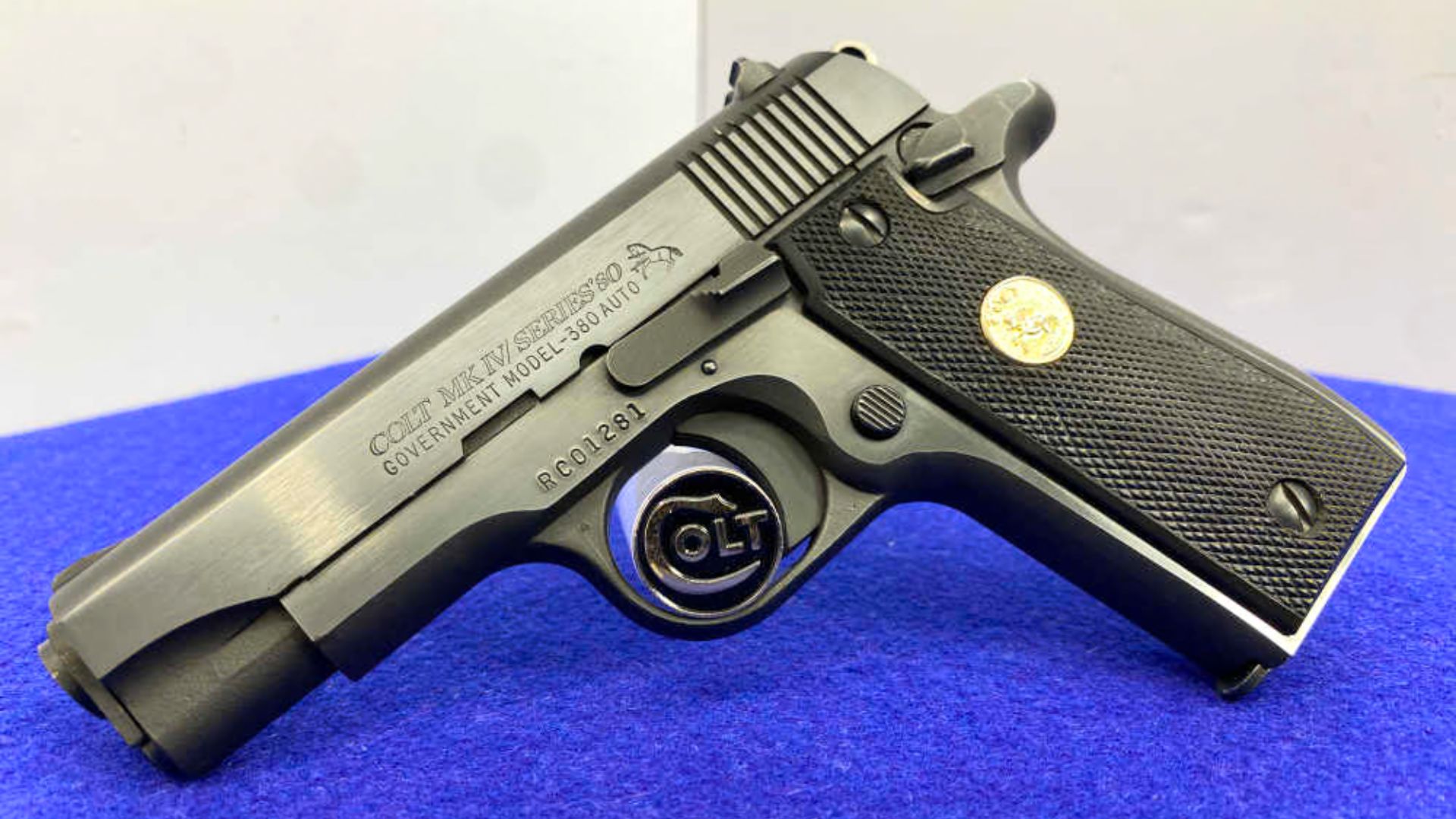
The Colt Government .380 stayed in that “easy to replace” category far longer than it should have because so many buyers treated it as a classy little side note rather than a serious pistol worth grabbing while it was easy. It had Colt on the slide, sure, but it also lived in a small-gun lane that many people thought would stay soft and easy to shop indefinitely.
That changed once the shelves started looking empty where these used to sit. Suddenly the Government .380 was no longer the pistol you could buy later when you got around to appreciating old compact Colts. It became the one people remembered passing on back when passing still felt harmless. Once replacement got harder, the gun’s whole personality changed in the minds of buyers.
Savage 99C

The Savage 99C always looked more replaceable than it really was because buyers kept measuring it against other, more romantic versions of the Savage 99 story. That made the detachable-magazine guns feel like the practical branch of the family tree, the ones you could find later if you ever decided you needed one. That calm attitude lasted a long time.
Then the market caught up to the whole platform. The shelves no longer treated the 99C like the easy version to find, and buyers suddenly understood that “not the most romantic variation” is not the same thing as “always available.” Once decent 99Cs stopped appearing with the old regularity, the people who passed on them learned how quickly shelf confidence can collapse.
Ruger Deerfield Carbine

The Ruger Deerfield Carbine had all the signs of a gun people would underestimate. It was a little different, a little specialized, and easy to treat like the kind of rifle you could always come back to after buying the more obvious choices first. That made it feel replaceable in a very casual way. A lot of buyers simply assumed one would still be there later if they ever got serious.
Then later arrived and the shelf reality had changed. The Deerfield was no longer a neat oddball you could think about slowly. It was a harder-to-find carbine with a very specific kind of handiness and a shrinking number of easy buying opportunities. That is exactly how “easy to replace” turns into “why didn’t I just buy it when I had the shot?”
Remington Nylon 66
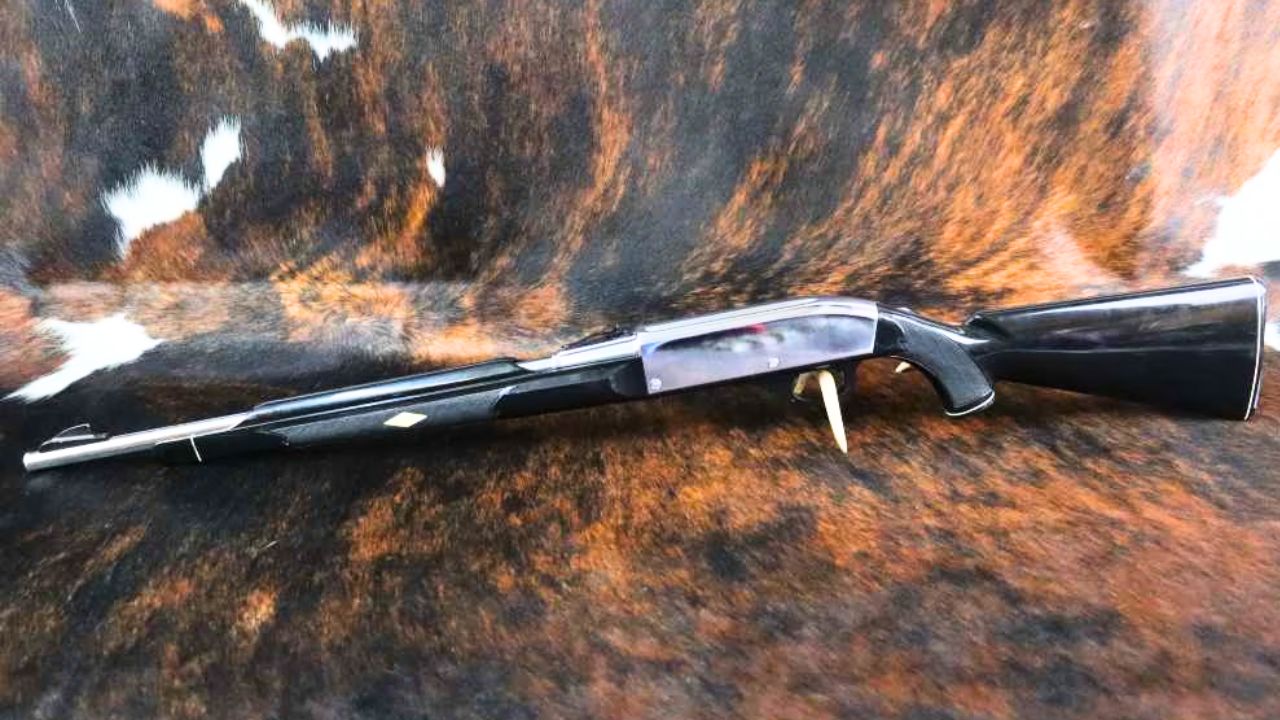
The Nylon 66 may be one of the best examples of a rifle people only realized they could not casually replace after the shelves stopped agreeing with them. For years it felt too common, too familiar, and too baked into American rimfire memory to ever become the kind of gun you had to move on quickly. It was just a Nylon 66. There would always be another one, right?
Then clean ones stopped showing up so casually. Buyers started remembering how distinctive, light, and quietly important the little rifle actually was, and the market followed right behind that realization. The shelf lesson came hard for a lot of people here. What looked too common to miss became exactly the kind of rimfire they could no longer snag without effort.
SIG Sauer P239
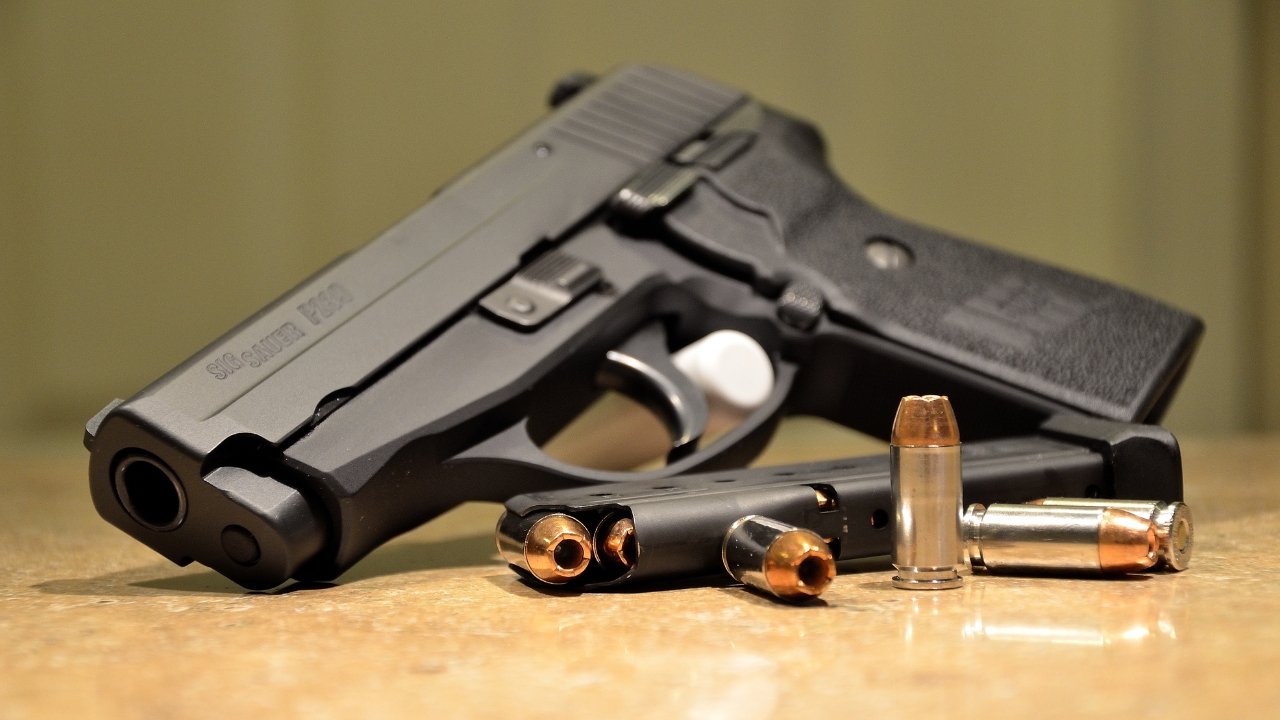
The SIG P239 spent years looking like the sort of compact pistol you could replace whenever you wanted because it sat between more famous duty SIGs and more current carry trends. That middle position hurt it. Buyers respected it without treating it as scarce, and that usually leads people to believe supply will stay comfortable forever.
Then the shelves stopped reflecting that assumption. Good P239s got harder to find, and buyers who once figured they could always pick up another one later started realizing how few compact pistols offered the same kind of calm, well-sorted feel. The pistol had always been smart. The market just waited until people got lazy before proving how little “easy to replace” really meant.
Browning BL-22 Grade II
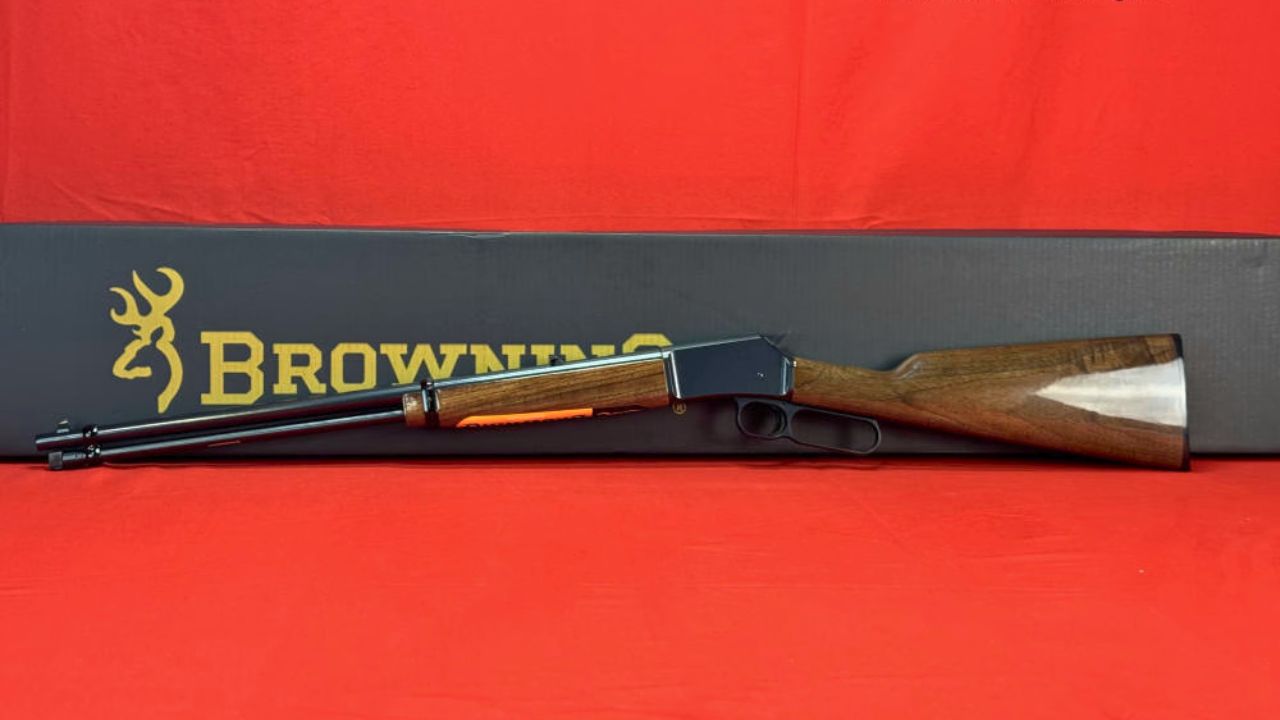
The Browning BL-22 Grade II was another rifle many buyers assumed would remain easy to replace because it lived in rimfire territory and because it seemed too nice to be ordinary but too common to be urgent. That middle ground creates a lot of false confidence. People enjoy them, admire them, and keep telling themselves they will come back once the timing feels better.
Then the shelves stop making that promise. Quality rimfire lever guns have a way of getting harder to buy without much warning, especially once enough buyers remember how enjoyable they actually are. The BL-22 Grade II did not suddenly become more useful. It just became less available, which was enough to show plenty of buyers how badly they had misread the window.
Winchester 100
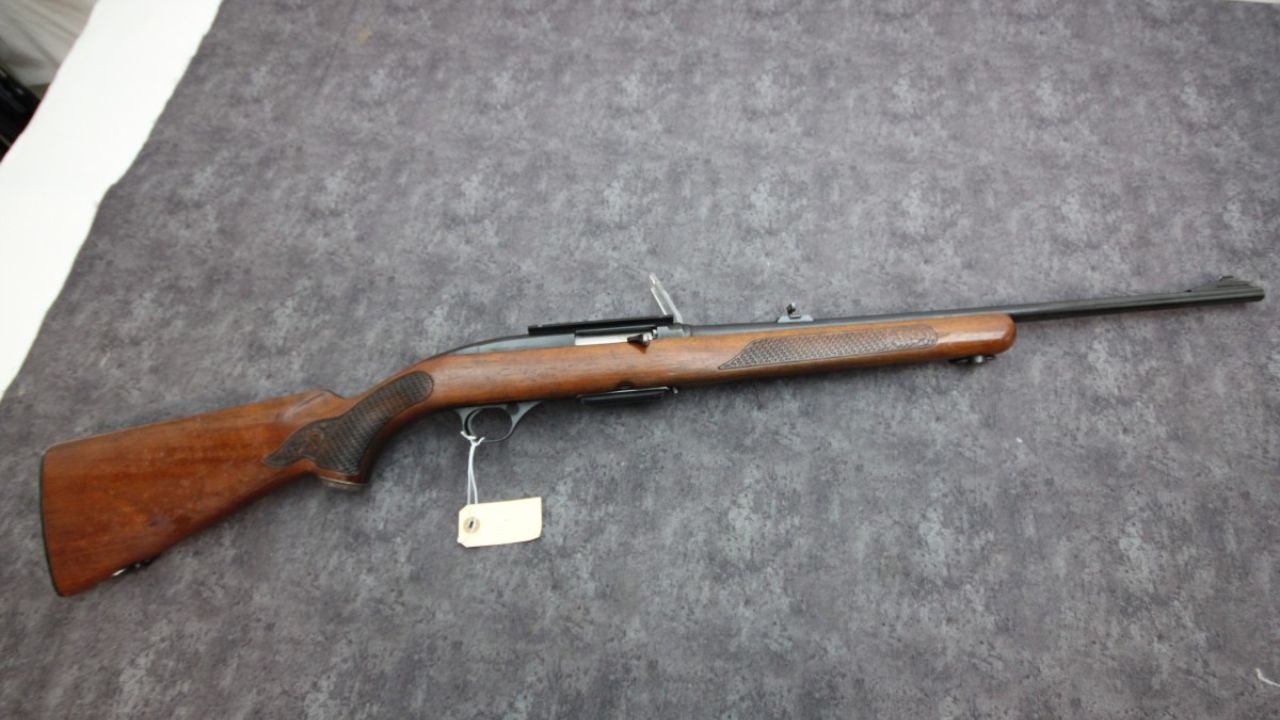
The Winchester 100 felt easy to replace because it always occupied that strange middle lane between beloved classics and forgotten leftovers. It was interesting, useful, and familiar enough that buyers could talk themselves into patience. There would always be another one, or so it seemed while the shelves still had enough of them to support that illusion.
Then the shelves got thinner and the tone changed. The old Winchester stopped feeling like an older semi-auto you could casually revisit and started feeling like a rifle with real character and fewer good examples left to go around. Buyers who once treated it as an afterthought had to learn the usual lesson: a rifle does not have to feel special at the time to become hard to replace later.
Smith & Wesson 457
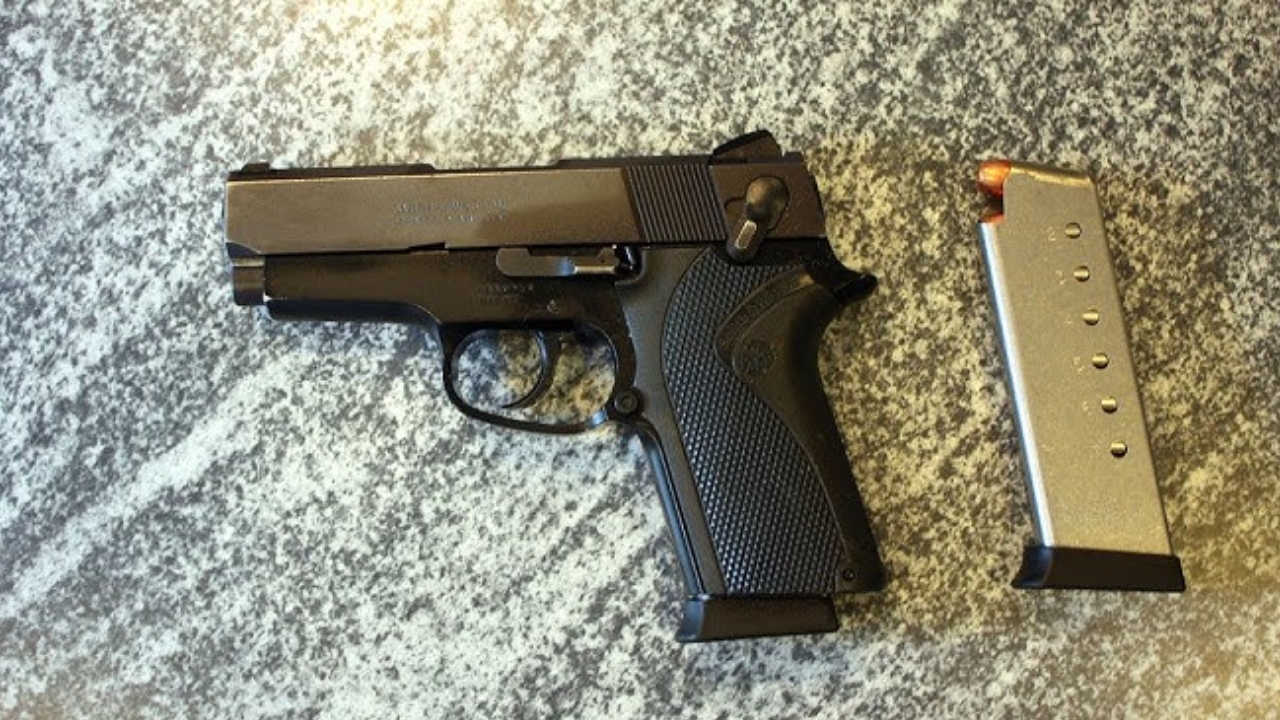
The Smith & Wesson 457 spent a lot of time looking replaceable because it was so plain about what it was. It was a practical compact .45, not a glamorous one, and that kept it from ever feeling like the kind of pistol people needed to hurry toward. Buyers assumed they could always find another practical compact .45 if they let one go or passed one by.
Then the shelves stopped being so generous. The old 457 began looking like a much more specific pistol than buyers had admitted when supply was loose. Once you realize how few compact .45s feel that straightforward and that settled, the idea of easy replacement starts falling apart. That is when a plain pistol becomes a missed opportunity with a price attached.
Like The Avid Outdoorsman’s content? Subscribe to our newsletter so you never miss an article.
Here’s more from us: