Photo credit: James Case – CC BY 2.0/Wiki Commons
A carry pistol can make perfect sense under glass. It feels light, slim, easy to hide, and comfortable in the hand for the thirty seconds you hold it at the counter. That kind of first impression sells a lot of guns. The problem is that concealment comfort and shooting comfort are not the same thing. Once the pistol gets drawn, fired quickly, reloaded, and shot for more than a box or two, the things that matter start changing fast.
That is where some carry pistols lose a little of their shine. The short grip that felt neat in the store starts shifting under recoil. The light frame that seemed ideal for all-day carry starts feeling snappy and less forgiving. The compact trigger reach and tiny footprint stop feeling clever and start feeling demanding. These pistols are not bad. They just often feel more convincing in the display case than they do once the timer and recoil get involved.
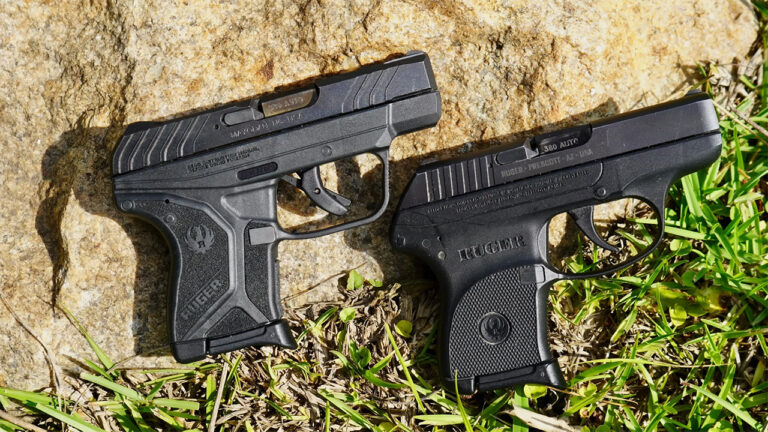
Ruger LC9s

The Ruger LC9s often feels better in the store than on the range because it is slim, light, and easy to picture carrying every day. In the hand, it feels tidy and practical, which is exactly what many buyers want from a first concealed-carry pistol. It gives off the impression of being simple and manageable.
On the range, though, the limited grip and lightweight frame start doing what they always do in a very small 9mm. The gun can feel sharper and less settled than expected, especially during longer sessions or faster strings. It still carries well, but many owners quickly realize it is easier to like as an idea than as a high-round-count training gun.
Kahr CW9

The Kahr CW9 often feels better in the store than on the range because it has a slim, clean profile that makes it seem like a very straightforward carry solution. It is easy to conceal, easy to understand visually, and the grip feels decent in dry handling for such a thin pistol. That first impression can be very appealing.
Once live fire starts, the gun’s smaller size and lighter weight begin asking more from the shooter. The long trigger and compact frame require cleaner technique than many buyers expect, especially when trying to shoot with speed. It makes sense as a carry gun, but it often feels more workmanlike and less easygoing on the range than it first appeared.
Beretta Nano

The Beretta Nano often feels better in the store than on the range because its snag-free shape and compact footprint make it seem like a smart deep-concealment pistol. In the hand, it feels modern and neat, and its streamlined profile suggests simplicity. That helps it make a stronger first impression than its range manners often support.
Once shooting begins, many owners find the trigger, recoil feel, and overall handling less pleasant than they expected. The pistol tends to feel more abrupt and less cooperative than its clean styling implies. It is easy to admire as a compact carry concept, but harder to love after repeated live-fire sessions.
Taurus G2C
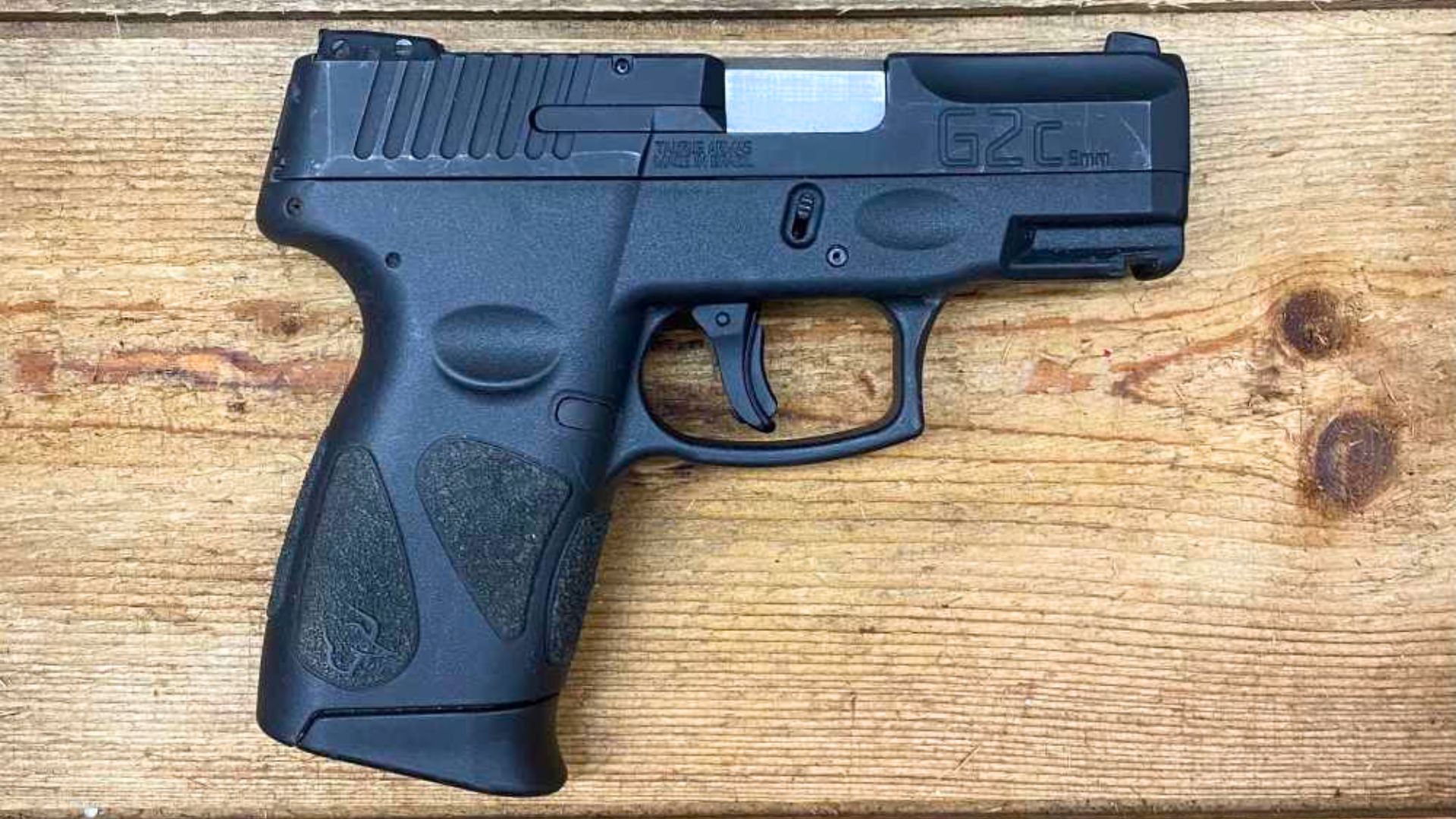
The Taurus G2C often feels better in the store than on the range because it looks like a very smart value. It is compact, easy enough to conceal, and offers a lot of apparent capability for the price. At the counter, that makes it feel like a practical win.
On the range, the smaller frame, trigger feel, and overall shooting behavior can start feeling more budget-minded than buyers hoped. It may still perform acceptably, but a lot of owners notice that it does not feel as polished or confidence-building under repetition as it did during that first quick handling. The gap between value and enjoyment becomes more obvious with use.
SCCY CPX-2

The SCCY CPX-2 often feels better in the store than on the range because it is compact, affordable, and easy to imagine as a simple defensive carry solution. For buyers focused on size and cost, it can seem like a very easy yes. It feels small enough to hide and basic enough to understand.
That changes when the shooting starts. The long trigger and lighter, smaller frame can make the gun feel harder to shoot cleanly than expected, especially when moving past slow-fire groups. A pistol that seemed like a practical shortcut at the counter can quickly start feeling like something that requires more patience than the buyer expected.
Mossberg MC2sc

The Mossberg MC2sc often feels better in the store than on the range because it strikes a nice visual balance. It looks modern, compact, and carry-ready without seeming too tiny. In the hand, it suggests a lot of capability in a manageable size, which makes it easy to warm up to quickly.
Range use tends to reveal the usual compact-pistol tradeoffs. The shorter grip and smaller overall footprint can make the pistol feel more lively and less forgiving than it seemed in dry handling. It is not a bad shooter, but it often feels more demanding once drills get faster and the owner starts judging it by performance instead of appearance.
Kimber EVO SP
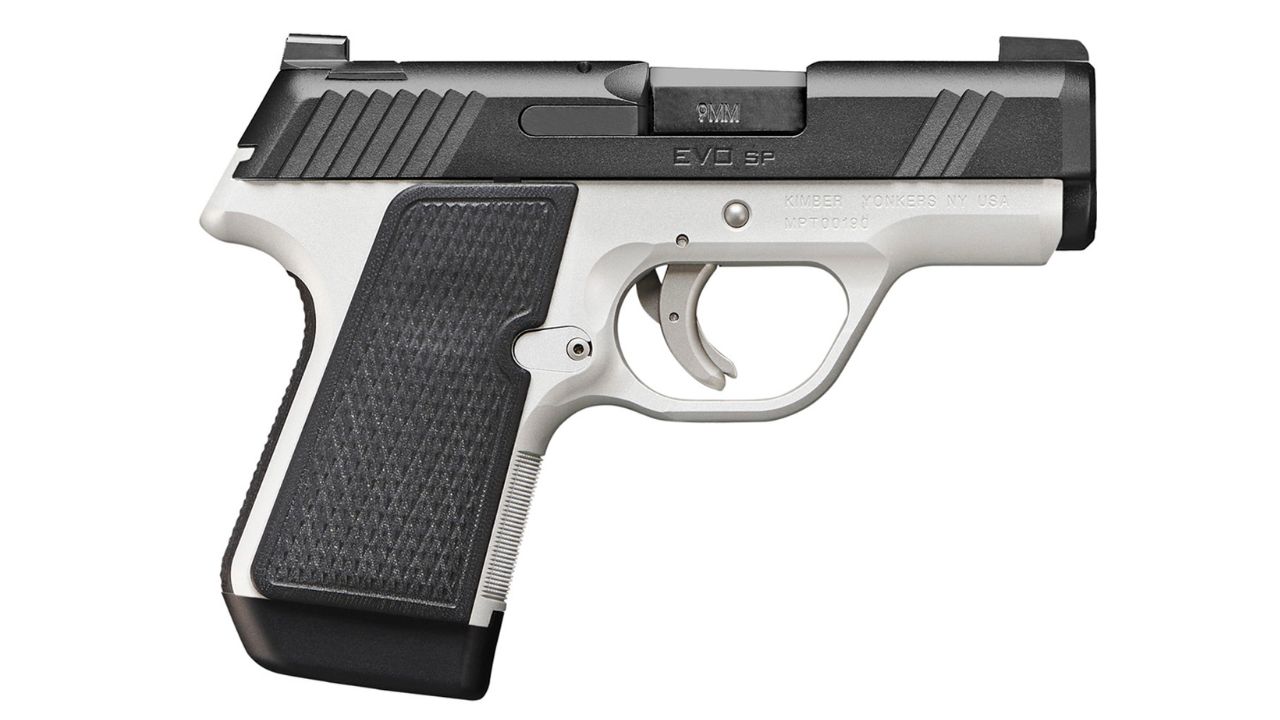
The Kimber EVO SP often feels better in the store than on the range because it looks refined and carry-friendly at the same time. The pistol is slim, attractive, and easy to picture in an everyday-carry role. It has that polished first impression many buyers respond to immediately.
Once live rounds are involved, though, the compact size starts feeling less refined and more demanding. Recoil and grip limitations become more noticeable, and the gun may not feel as easy to run hard as its styling suggested. That is often the pattern here: strong first impression, more mixed long-term shooting experience.
Remington RM380

The Remington RM380 often feels better in the store than on the range because it is very easy to admire as a pocket pistol. It is small, discreet, and feels like something you can always have with you. That convenience can be extremely persuasive when someone is focused on easy concealment first.
At the range, the realities of a tiny .380 start showing up. The small grip, short sight radius, and general pocket-pistol shooting experience make it a lot less relaxing than its size first implied. It absolutely fills a role, but it often feels better as a carry object than as a pistol people truly enjoy practicing with.
Walther CCP M2

The Walther CCP M2 often feels better in the store than on the range because it seems like a very user-friendly pistol. Easy slide manipulation, a comfortable grip, and a relatively approachable overall feel make it attractive, especially to shooters who want something softer in handling and simpler to rack. It can seem like a very smart compromise.
On the range, some owners begin noticing that the compact defensive role still comes with real tradeoffs in pace and consistency. The gun may remain pleasant enough, but not always as confidence-building under faster or harder use as that first impression suggested. It can feel more like a comfortable answer than a truly sharp one.
Bersa Thunder 380

The Bersa Thunder 380 often feels better in the store than on the range because it is compact, all-metal, and has a traditional feel that many people immediately like. It comes across as more substantial than a polymer pocket pistol and more refined than many small defensive guns in its price range. That creates a strong early impression.
Once live fire begins, the smaller blowback format can feel less pleasant than expected. Recoil character, grip comfort, and overall range stamina may not match the friendly feel it had at the counter. Owners often keep respecting it, but they do not always keep enjoying it as much as they thought they would.
Charter Arms Undercover

The Charter Arms Undercover often feels better in the store than on the range because it seems like a simple, no-nonsense answer to concealed carry. It is compact, lightweight, and mechanically straightforward. For buyers attracted to revolver simplicity, that first look can make a lot of sense.
Range time is usually where the limitations get louder. A small revolver with basic sights, limited grip, and sharper recoil than expected can feel much harder to shoot well than its simplicity suggested. It remains easy to understand. It is just not especially easy to master or enjoy for extended practice.
Bond Arms Rowdy
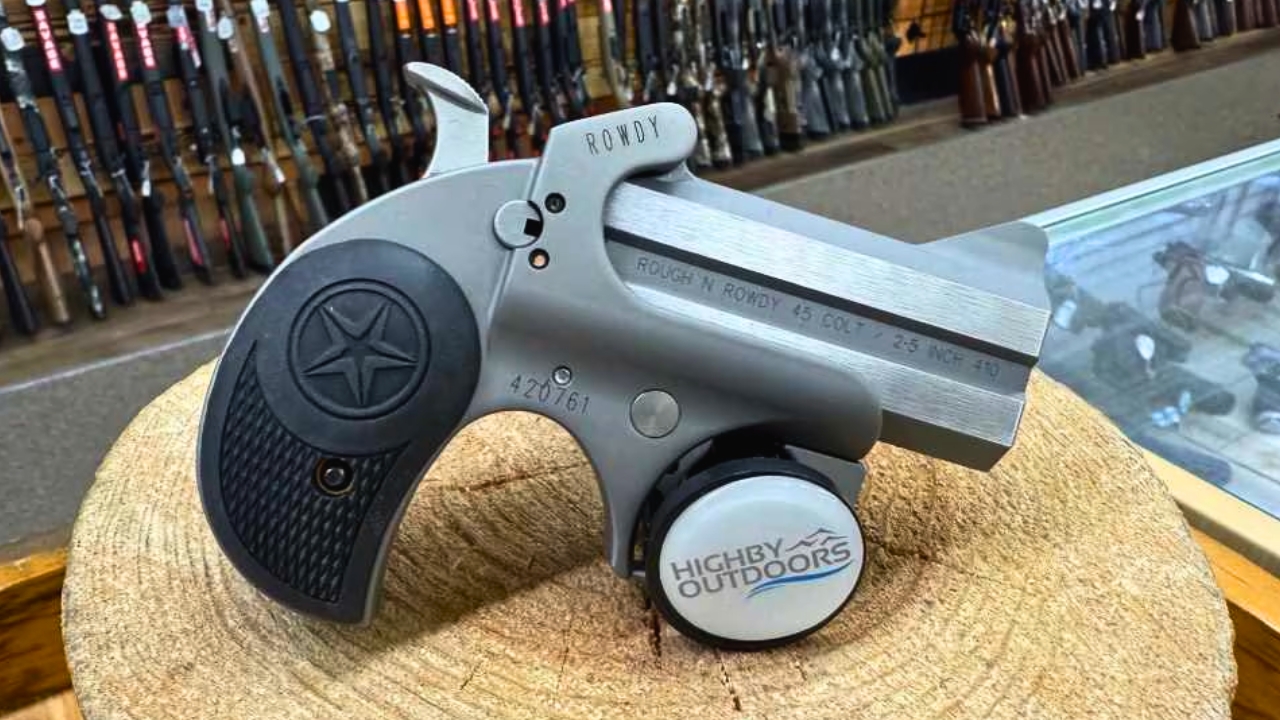
The Bond Arms Rowdy often feels better in the store than on the range because it has a lot of personality. It is compact, rugged-looking, and memorable in a way that many ordinary carry guns are not. That alone is enough to make people pick it up and think it could be a smart deep-concealment choice.
Once it gets to the range, the novelty starts competing with reality. The shooting experience is much harsher and less forgiving than the cool factor suggested, and owners often realize quickly that the gun is far more fun to talk about than to train seriously with. It is easy to admire. It is much harder to treat like a real practice pistol.
Rock Island Armory Baby Rock
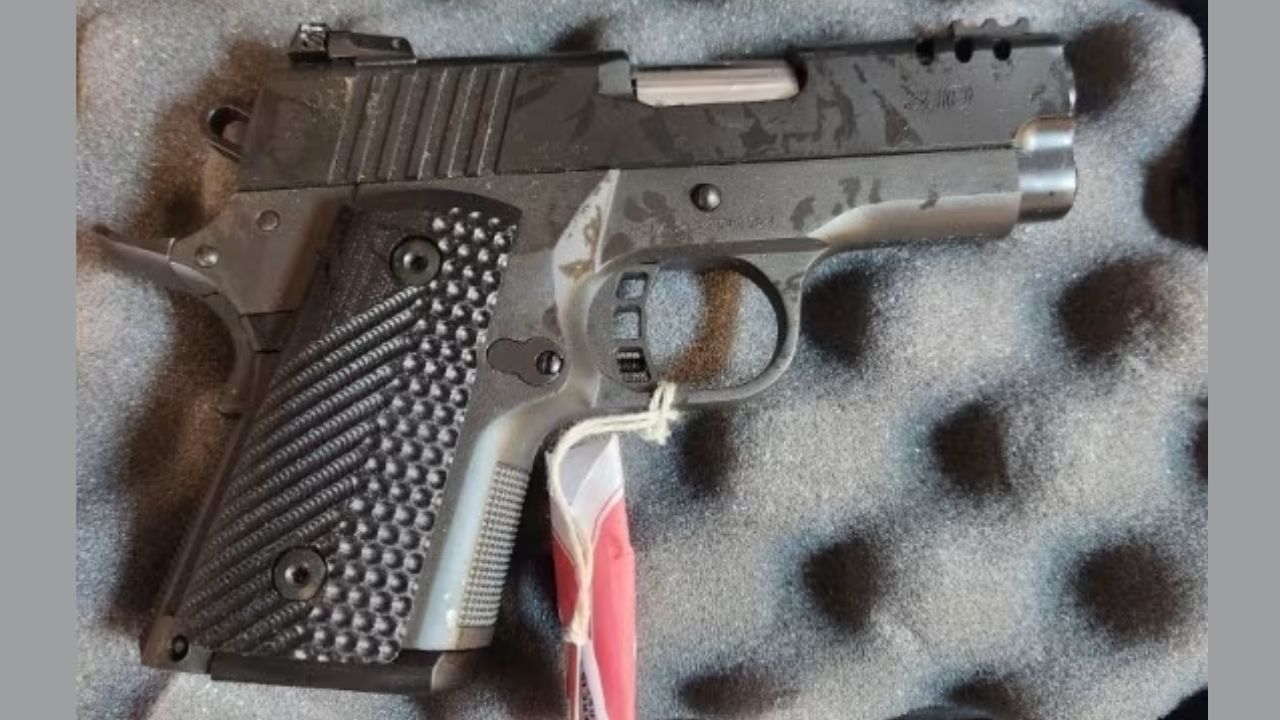
The Rock Island Armory Baby Rock often feels better in the store than on the range because it looks like a miniature 1911 answer to concealed carry, and that is a very appealing idea. It has charm, familiar styling, and the sort of visual personality that stands out immediately. At the counter, it feels like a fun and clever option.
On the range, very small 1911-style pistols often remind people that compactness makes everything more demanding. The little gun can be much less forgiving than expected once recoil, grip, and repeated shooting enter the picture. It still has charm, but it often feels more like a collectible carry idea than a pistol people want to run hard.
NAA Guardian .380

The NAA Guardian .380 often feels better in the store than on the range because it is extremely compact and built like a serious little metal pistol. That creates a strong impression of durability and concealment value. It feels purposeful and easy to appreciate in the hand.
The range tends to tell a different story. Tiny dimensions and a heavy-for-size pocket-gun shooting experience can make it much less enjoyable than its sturdy feel suggested. It remains very easy to carry and easy to admire as a compact defensive concept, but not always easy to enjoy through repeated practice.
Taurus 605 Defender

The Taurus 605 Defender often feels better in the store than on the range because it looks like a practical compact revolver with more capability than the smallest snubs. It seems like a solid defensive wheelgun that balances concealment and shootability, and in the hand that idea is easy to buy into.
Once fired, the compact frame and magnum chambering remind the shooter that there is still a cost to carrying a small revolver. Recoil and control often feel more demanding than expected, especially for people who imagined the gun would be an easy, low-maintenance answer. It can absolutely work, but it usually feels friendlier in the store than during hard practice.
Diamondback DB9 Gen 4

The Diamondback DB9 Gen 4 often feels better in the store than on the range because it is tiny for a 9mm and that alone makes it look clever. It is easy to picture in a pocket or minimal carry setup, and the size creates a strong sense of convenience before a shot is ever fired. That first impression is the whole sales pitch.
The range usually reveals the other side of that equation immediately. Very small 9mm pistols tend to feel abrupt, less forgiving, and harder to control than buyers hope. The DB9 can make a lot of sense as a concealment-first object, but it often makes a lot less sense once the owner tries to build real confidence with it through repeated live fire.
Like The Avid Outdoorsman’s content? Subscribe to our newsletter so you never miss an article.
Here’s more from us: