Photo credit: fbgunsandammo/GunBroker
The Ruger Mark IV is one of those pistols that seems simple on the surface until you remember how much history it is carrying. To a lot of shooters, it is just the current version of Ruger’s classic .22 pistol, but the Mark IV really represents the point where Ruger took one of the most famous rimfire handgun lines in America and finally fixed the thing people had complained about for years: takedown. Ruger introduced the Mark IV in September 2016, and the company’s own launch coverage made that one-button field-stripping system the headline feature right away.
What makes the Mark IV especially interesting is that it is not some brand-new pistol with no baggage. It sits at the end of a line that began with the original Standard Pistol in 1949, ran through the Mark I, Mark II and Mark III, and then got reworked into something much easier for ordinary owners to live with. American Rifleman’s 2017 history piece and Ruger’s own product history both make that long lineage very clear.
1. The Mark IV did not launch until 2016

A lot of people talk about the Mark IV like it has just always been part of the Ruger .22 landscape, but it is actually a fairly recent pistol. Ruger announced the Mark IV on September 22, 2016, calling it the latest development in the Mark Series line. Shooting Illustrated covered it immediately as the long-awaited successor to the Mark III.
That matters because the Mark IV is not one of those old designs that simply drifted forward unchanged. It is a deliberate modern reset of a very old and very famous rimfire platform, and Ruger treated it that way from day one.
2. The real family story starts all the way back in 1949

The Mark IV may be modern, but the design family behind it is much older. Ruger’s own Mark IV announcements say the line began with the Standard Pistol in 1949, then moved through the Mark I, Mark II and Mark III before the Mark IV appeared. American Rifleman says the same thing in its “Mark IV: The Ruger Evolution” piece.
That long family tree matters because the Mark IV is not just a product update. It is the latest version of one of the most enduring .22 handgun lines in the country. When you pick up a Mark IV, you are handling the newest chapter of a rimfire design Ruger has been refining for 75 years.
3. The one-button takedown is the whole reason the Mark IV exists
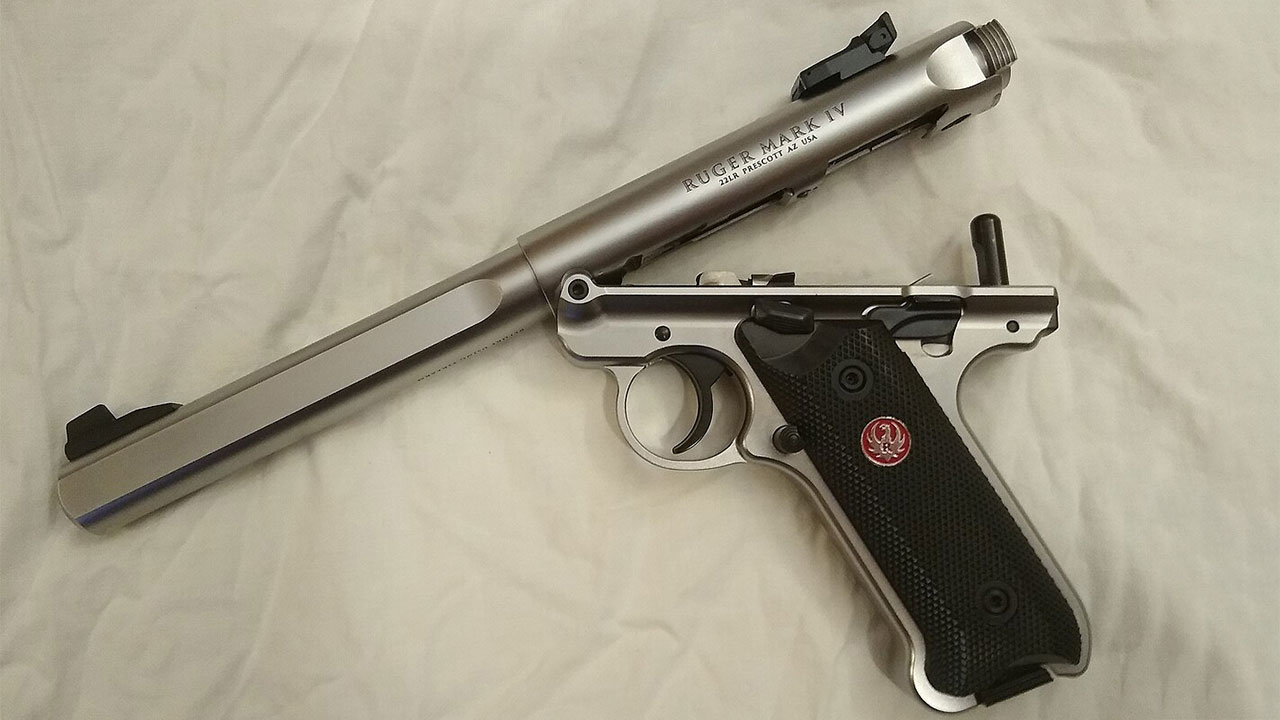
If there is one fact that defines the Mark IV, it is this: Ruger finally made the pistol easy to take apart. Ruger’s launch announcement centered the one-button takedown feature, and Shooting Illustrated described that same change as the major development separating the Mark IV from the older Mark III.
That is a bigger deal than it sounds. Older Ruger .22 pistols had a great reputation for accuracy and reliability, but plenty of shooters dreaded taking them apart. The Mark IV’s biggest breakthrough was not a new caliber or a huge cosmetic overhaul. It was fixing a practical ownership problem that had been following the line for decades.
4. It was designed for proper chamber-to-muzzle cleaning much more easily

One-button takedown was not only about convenience. Shooting Illustrated’s 2024 75th Anniversary review says the Mark IV makes field-stripping and proper chamber-to-muzzle cleaning much easier. That point matters because cleaning from the chamber end is generally the better practice for protecting the muzzle crown.
That means the takedown redesign was not just about saving owners frustration. It also made the pistol easier to maintain correctly, which is a very practical upgrade on a rimfire handgun likely to see a lot of use and a lot of dirty .22 LR ammunition.
5. The Mark IV arrived after the Mark III had been around since 2005

The Mark IV can feel like just “the new one,” but it also helps to remember what it replaced. Ruger’s own history says the Mark III had been introduced in 2005, which means the company let that version live for more than a decade before moving to the Mark IV.
That is useful context because it shows Ruger did not rush the next generation out after a couple years. The Mark IV was not a quick cosmetic refresh. It came after a pretty long Mark III era, which makes the redesign feel more intentional and substantial.
6. Ruger launched it in multiple forms right away

The Mark IV was not introduced as one lonely model. Ruger’s launch materials in 2016 said the company brought it out in three configurations, and later that same year Ruger announced additional Mark IV family models. That included versions like the Target, Hunter, and 22/45 family variants that quickly gave buyers different ways into the platform.
That matters because Ruger clearly understood the Mark IV was not just a pistol model. It was a platform from the start. The company wanted people to see it not as one configuration, but as the next-generation base for its whole rimfire pistol family.
7. The Mark IV kept a lot of the old look on purpose

One reason some people underestimate how much changed with the Mark IV is that Ruger wisely did not make it look like a completely different gun. Shooting Illustrated’s launch coverage said the Mark IV shares a similar profile to the Mark III, which helped preserve the classic look and even allowed continued use of some aftermarket gear.
That was smart. The old Ruger .22 pistols had too much visual identity and too much goodwill for Ruger to throw all that away. The company modernized the inside and preserved a lot of the outside, which is a big reason the Mark IV feels familiar to longtime Ruger fans.
8. A lot of Mark III accessories still worked with it
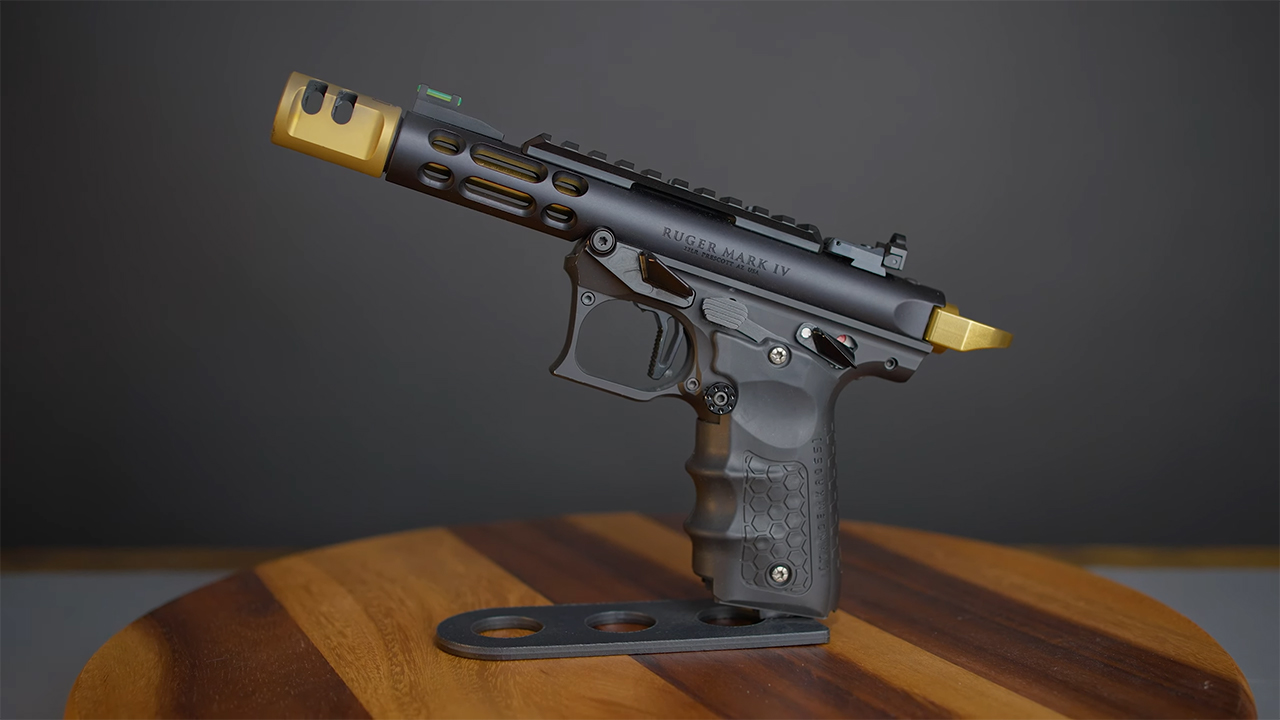
Ruger’s 2017 expansion announcement said Mark IV pistols were compatible with a variety of Mark III aftermarket accessories, including sights, scope bases and holsters.
That is a bigger deal than it may sound. When a new generation of a long-running gun comes out, owners often worry all the support gear and aftermarket parts they already know will instantly become obsolete. Ruger clearly tried to make the transition easier by preserving some practical continuity where it could.
9. The Mark IV line includes both traditional and 1911-style grip-angle versions
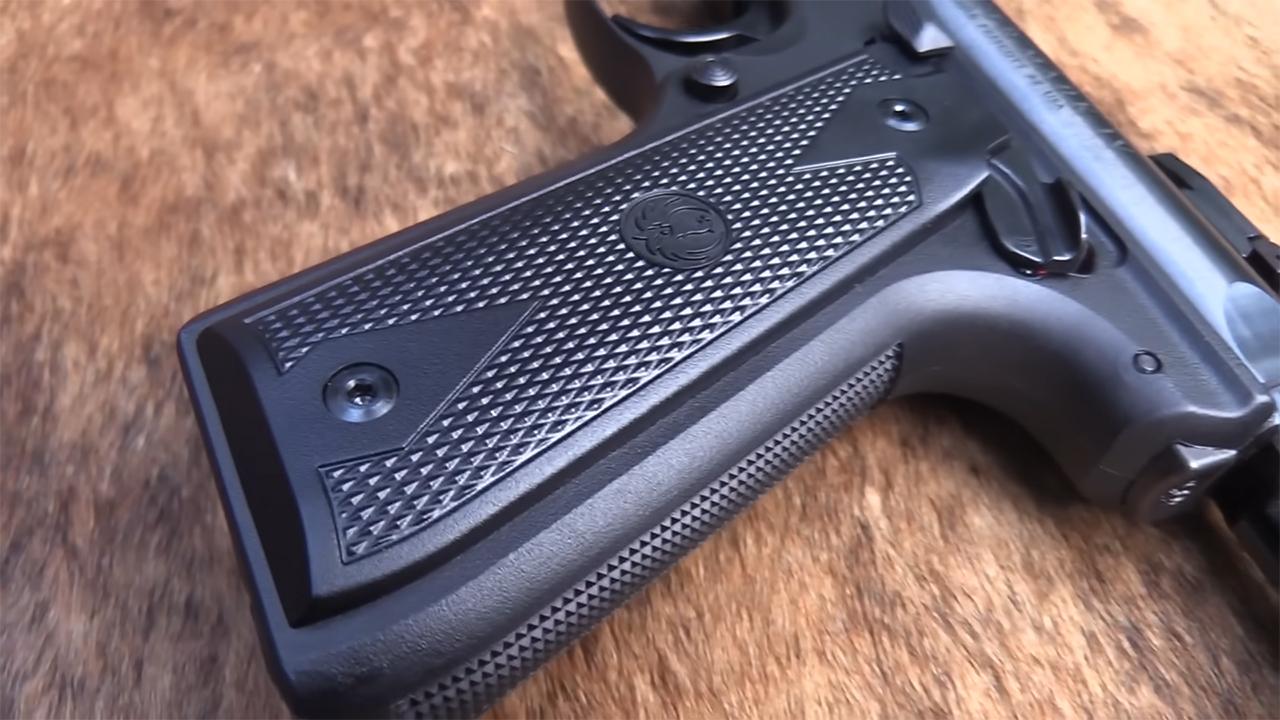
One of the more useful things about the Mark IV family is that it is not stuck in one grip format. The 22/45 versions give buyers a grip angle meant to echo the 1911, while the more classic Mark IV variants keep the traditional Ruger-style grip geometry. Shooting Illustrated’s review of the Mark IV 22/45 Tactical points this out directly.
That matters because it widens the pistol’s appeal. Some shooters love the old Ruger angle and some prefer something more 1911-like. Ruger was smart enough not to force the whole market into one shape.
10. The Tactical version helped push the line into suppressor and red-dot territory

The Mark IV was never only about old-school target-pistol use. Shooting Illustrated’s 2017 “First Look” on the Mark IV Tactical notes the model came with a threaded barrel for suppressor use and rail provisions that made it much friendlier to optics and accessories.
That is a good example of how Ruger kept the line relevant. The Mark IV did not survive by living only in nostalgia. It stayed important by fitting into modern rimfire use patterns too—suppressed shooting, optics mounting, training and general range fun.
11. The Hunter version showed the redesign did not hurt performance

Sometimes when a company makes a user-friendly redesign, people worry accuracy or reliability will suffer. American Rifleman’s 2017 “Mark IV: The Ruger Evolution” feature reported impressive accuracy from the Mark IV Hunter and Lite variants and noted zero malfunctions during the test period.
That matters because the Mark IV’s selling point was ease of ownership, but it still had to perform like a real Ruger target-style rimfire pistol. If the one-button takedown had come with a drop in performance, shooters would have noticed fast. The reviews suggest that is not what happened.
12. Ruger had to issue a recall on early Mark IV pistols

This is one of the more important little-known facts in the line’s history. In June 2017, Ruger announced a voluntary recall on nearly all Mark IV pistols made before June 1, 2017, because under certain conditions they could discharge when the safety was not engaged and the trigger was pulled during decocking or unloading. The recall was widely reported and tied directly to early production guns. =
That does not erase the model’s success, but it is part of the real history. If someone is interested in early Mark IV production, that recall is one of the first things worth knowing.
13. The Mark IV 22/45 Lite became a very strong “fun gun” option

American Rifleman’s 2017 test of the Mark IV 22/45 Lite called it well designed and easy to use, while Shooting Illustrated’s 2018 review of the Mark IV 22/45 Tactical described the line as extremely enjoyable and practical.
That is worth saying because the Mark IV is not only a serious target or training pistol. A big part of its popularity comes from simple shootability. It is the kind of rimfire that encourages people to shoot more because it is light, accurate, easy to maintain and just plain fun to run.
14. Ruger was still celebrating the line as a 75-year icon in 2024

By 2024, Ruger and the gun press were treating the Mark-series pistol family as a 75-year American rimfire institution. Shooting Illustrated and American Rifleman both covered a 75th Anniversary Mark IV Target edition tied directly back to that 1949 starting point.
That says a lot about how strong the line still is. The Mark IV is not just the newest rimfire pistol in a catalog. It is the current face of one of the longest-running .22 handgun families in the country.
15. The biggest little-known fact may be that the Mark IV succeeded by fixing ownership, not reinventing shooting

This is probably the best way to understand why the Mark IV matters. Ruger did not need to reinvent the basic appeal of its .22 pistol line. It was already accurate, reliable and popular. What Ruger needed to do was make the pistol easier for normal people to field-strip, clean and live with. The one-button takedown solved that problem directly, and almost every major source discussing the Mark IV comes back to that point.
That is what makes the Mark IV such a smart redesign. It did not become important because it shot radically better than the earlier guns. It became important because Ruger finally made one of America’s classic rimfire pistols dramatically easier to own.
Like The Avid Outdoorsman’s content? Subscribe to our newsletter so you never miss an article.
Here’s more from us: