Photo credit: Jordi Mora/Shutterstock
Some rifles make a strong first impression because they check the right boxes at the right moment. They may be affordable, light, stylish, highly recommended, or tied to a big-name brand that makes the choice feel easy. At first, that can be enough. Then the rifle gets carried through a full season, shot from awkward field positions, cleaned over and over, and relied on in the kind of ordinary hunting situations where little annoyances start becoming big ones. That is usually when the long-term picture gets clearer.
A rifle does not have to be bad to wear on an owner. In fact, many of the rifles that start losing favor are perfectly usable. The problem is that some of them feel better in theory than they do after months or years of actual ownership. A stock that once seemed acceptable starts feeling cheap. An action that felt fine at the counter starts getting compared to smoother rifles in camp. A light rifle starts feeling less impressive after enough recoil and enough real shooting. Popular rifles often sell on first impressions. Long-term favorites usually earn their place more slowly than that.
Savage Axis II
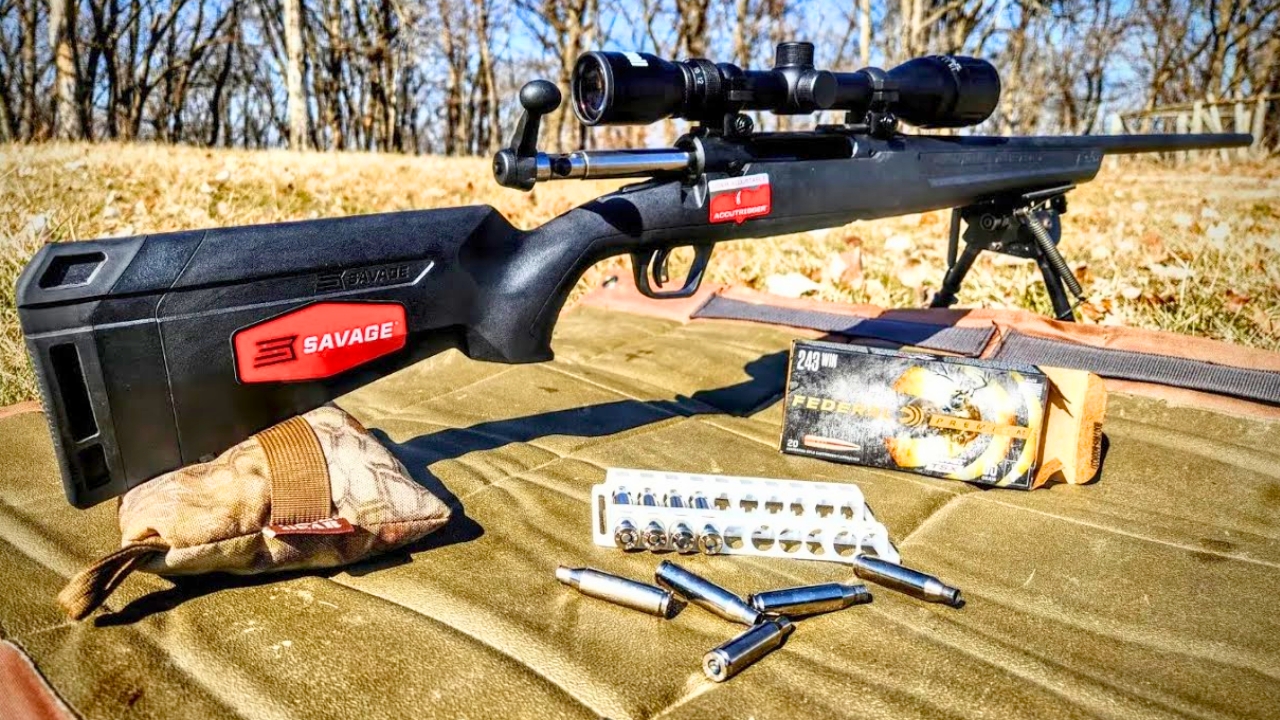
The Savage Axis II often wins people over because it promises exactly what a lot of hunters want at first: decent accuracy, a fair price, and a better trigger than the original Axis. That combination makes it look like one of the smarter values in the rack. For a while, it may absolutely feel that way, especially if the rifle shoots well early and fills its role without much trouble.
Over time, though, the budget feel can start wearing on people. The stock often feels less substantial the more it gets handled, and the action rarely develops the kind of smooth confidence that makes an owner feel attached to the rifle. Even when it keeps grouping well, some shooters begin realizing they do not actually enjoy carrying it, cycling it, or living with it as much as they thought they would. That is often how a rifle starts losing favor without ever completely failing.
Mossberg Patriot

The Mossberg Patriot tends to sell on feature appeal and price. It usually looks like a practical hunting rifle with enough polish to feel like more than a bargain-bin choice, and that makes it attractive to a lot of buyers. It checks enough visual and functional boxes that owners can easily convince themselves they made a very smart purchase.
The longer-term issue is that the rifle can start feeling less substantial than it first looked. The stock, overall feel, and general refinement often leave some owners wanting more after a season or two. It may still shoot acceptably and hunt effectively, but there is a difference between a rifle doing the job and a rifle continuing to satisfy its owner. The Patriot often lands in that gap. It works, but the relationship cools faster than people expected.
Ruger American

The Ruger American is one of those rifles people buy because it makes excellent practical sense. It is affordable, widely available, and often more accurate than many buyers expect. That is exactly why so many hunters start there. The rifle seems like a very easy decision, and in a lot of ways it is.
What can wear on owners over time is not usually the accuracy. It is the overall feel. The stock can start feeling more hollow and less confidence-inspiring after enough field use, and the action may never quite become something the owner enjoys operating. Plenty of people keep these rifles for years because they perform well enough to justify it. But plenty of others slowly realize that “good value” and “rifle I truly like living with” are not always the same thing.
Remington 783

The Remington 783 often attracts buyers who want a straightforward bolt gun without spending more than they feel they need to. On paper, it seems like a rifle that should cover the basics with very little drama. It is easy to imagine it being a practical, no-frills hunting tool that fills a role and stays out of the way.
Over time, though, the rifle’s more basic character can start working against it. The stock and overall feel are usually where that shows first. Owners may start noticing that while the rifle can shoot well enough, it never really feels satisfying in the hands or especially polished in use. A rifle can be technically adequate and still become tiring to own if it never grows into something more than a compromise. That is where the 783 often loses people.
Winchester XPR

The Winchester XPR benefits immediately from the Winchester name. That alone raises expectations, and the rifle’s modern hunting format makes it seem like an easy, safe choice for buyers who want a recognizable brand without stepping into a premium price. It looks like it should be a very sensible rifle to buy and keep.
What wears on some owners is that the rifle can feel more generic than the name suggests. It usually does the basics, but it does not always offer the kind of handling, smoothness, or overall satisfaction buyers expected when they saw Winchester on the receiver. Over enough time, that gap can start bothering people. The rifle may remain serviceable, but owners sometimes realize they bought into the brand promise more than the actual long-term experience.
Browning AB3

The Browning AB3 tends to make a good first impression because buyers assume they are getting some Browning quality in a more affordable package. That is a powerful idea, and it helps the rifle move quickly. It looks clean, functional, and tied to a name that already carries a lot of goodwill in hunting circles.
The trouble is that owners often keep comparing it to the Browning reputation instead of judging it as its own rifle. After enough use, the rifle can start feeling more entry-level than its name suggested. The handling may feel less refined, the overall impression more basic, and the ownership experience more ordinary than people expected. It is not that the AB3 cannot work. It is that the shine of “it’s a Browning” often fades faster than the practical annoyances do.
Christensen Arms Mesa
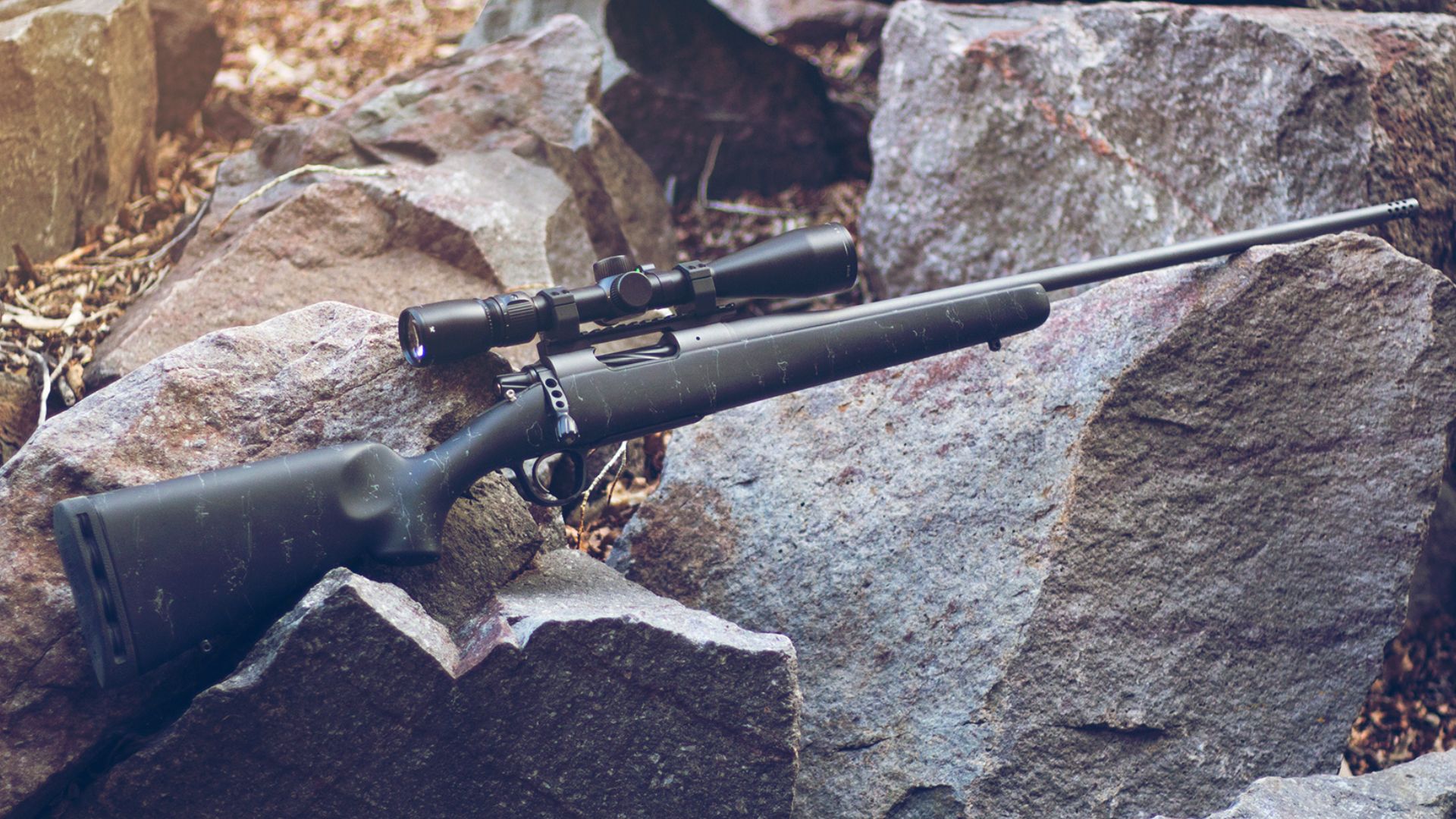
The Mesa often appeals to buyers because it promises a premium-style hunting experience: lighter weight, modern features, and a more serious image than many ordinary production rifles. For someone imagining western hunts, mountain miles, or a rifle that feels like a clear step up, the Mesa can be very persuasive in the store and on paper.
What sometimes wears on owners is the gap between cost and emotional payoff. The rifle may shoot fine, but once the owner starts living with recoil, balance, and overall field feel, the package does not always feel as complete as the price suggested it should. Premium rifles leave less room for “good enough.” When the rifle starts feeling merely competent instead of genuinely special, disappointment tends to settle in more quickly.
Bergara B-14 Ridge

The Bergara B-14 Ridge often wins early praise because it brings a strong accuracy reputation and the feeling of being a serious rifle at a not-quite-custom price. That is very attractive to buyers who want more than entry-level quality without jumping all the way to much more expensive builds. It sounds like the kind of rifle that should stay satisfying for a long time.
The part that can wear on owners is that accuracy is not the whole ownership experience. After enough carrying, enough shooting off improvised rests, and enough real hunting, some people begin noticing that the rifle feels heavier or less lively than they wanted. It may still shoot very well, but the owner starts spending more time with the full package than with the bragging rights. A rifle that shines mostly on the bench can lose some appeal when the bench stops being the main part of the story.
Tikka T3x Lite

The Tikka T3x Lite is a very good rifle, but it can still wear on some owners over time for one simple reason: people often expect it to have almost no tradeoffs. They hear about the accuracy, the smooth action, and the light weight, then start thinking they found the perfect rifle at a sensible price. That is a high bar for any hunting rifle to clear every single day in the field.
The light weight in particular is where the relationship can start changing. A rifle that feels wonderful during a long walk may feel less wonderful on the bench or with heavier chamberings once recoil becomes part of the experience. Some owners also start realizing that the rifle’s efficiency can come with a certain plainness they did not fully notice at first. It still works very well, but not everyone keeps loving the same traits forever once the honeymoon ends.
Springfield Model 2020 Waypoint
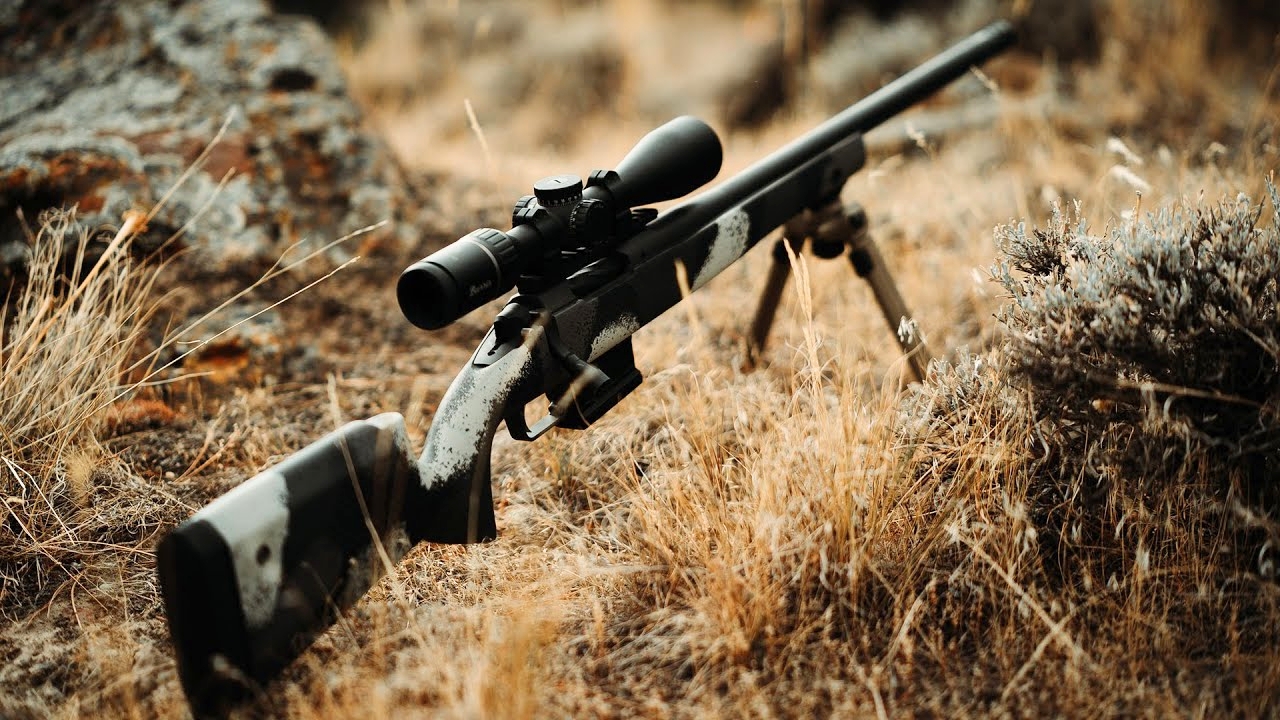
The Model 2020 Waypoint tends to attract buyers with the promise of a modern premium hunting rifle that is light, accurate, and highly capable. It is marketed in a way that makes it feel like a complete, serious answer for demanding hunts. That sets expectations extremely high from the start.
What can wear on owners is that highly specialized promise. Once real field time begins, some people realize they expected the rifle to feel amazing in every way, not just to perform capably. If the recoil feels sharper than hoped, or the balance does not suit them as well in practice as it did in theory, disappointment sets in quickly. Expensive rifles are judged more harshly because owners expect them to erase compromise, and that is a tough standard for any rifle to meet for long.
Weatherby Vanguard

The Weatherby Vanguard often starts as the “safe” practical buy. It has a solid reputation, good enough looks, and the sense that it should give the owner dependable hunting performance without asking for premium-rifle money. That alone makes it appealing, especially to buyers who want to feel they made a sensible long-term choice.
Over time, some owners find it a little more workmanlike than lovable. Depending on the setup, it can feel bulkier or less lively than they expected, and the rifle does not always grow on them the way a more character-filled hunting rifle might. It usually keeps functioning just fine, which is almost part of the problem. Nothing is wrong enough to replace it quickly, but not enough feels right to keep enthusiasm high either.
Howa 1500

The Howa 1500 often earns early approval from shooters who value strong barreled actions and practical accuracy. It carries a reputation as a smart buyer’s rifle, especially for people who have heard good things from knowledgeable owners rather than from flashy advertising. That kind of quiet credibility is powerful.
What can wear on owners is the full rifle package around the action. Some factory configurations simply do not feel as refined, balanced, or enjoyable in the field as the reputation might lead them to expect. The action may be respected, but the owner does not carry the action alone. Over time, the stock, weight, and overall field feel start mattering more, and that is where some Howa setups begin losing their charm.
Henry Long Ranger

The Henry Long Ranger often grabs people because it offers something different. It looks like a clever bridge between traditional lever-gun appeal and more modern hunting-rifle expectations. For many owners, that idea is exciting enough to make the purchase feel like a fresh move away from the same old bolt guns everyone else is carrying.
What can wear on them over time is that novelty and long-term satisfaction are not the same thing. The rifle may still be useful, but some owners discover that it never feels quite as natural in the field as the best bolt guns or as charming as the best traditional lever guns. It can start feeling like a compromise from both directions. A rifle that is exciting because it is different can cool off fast once the owner starts asking whether “different” also meant “better for me.”
Marlin 1895 Guide Gun

The Marlin 1895 Guide Gun makes a strong first impression because it feels rugged, serious, and full of personality. For hunters and shooters who want a big-bore lever gun with real authority, it is easy to see the appeal. The rifle feels like it should be endlessly satisfying, especially for anyone drawn to heavy-hitting cartridges and close-country hunting.
What wears on some owners is the reality of living with that power. Recoil, ammunition cost, and the fact that the rifle is highly specialized can all start pressing on the relationship over time. It may remain fun in short doses and useful in the right conditions, but not every owner keeps loving the full package after the novelty of big-bore ownership fades. A rifle can still be good and still become a little tiring to justify all year long.
Savage 110 Ultralite

The Savage 110 Ultralite often draws buyers who want a rifle that feels purpose-built for covering country. That pitch is easy to understand. Light rifles are attractive, especially when the hunt involves steep ground, long miles, or the idea of carrying less without giving up too much capability. In theory, it feels like a smart evolution of the practical hunting rifle.
Where it can wear on owners is that the same low weight that feels impressive on the shoulder can feel much less impressive once the rifle is fired repeatedly. Recoil, stability, and overall shooting comfort start becoming bigger issues than they seemed in the store. Some owners begin realizing they bought the rifle for the mountain in their mind, not necessarily the full reality of how often they would enjoy actually shooting it. That is a common way popular rifles begin losing their hold.
Like The Avid Outdoorsman’s content? Subscribe to our newsletter so you never miss an article.
Here’s more from us: