Photo credit: GunBroker
You’ve probably been there—one day your rifle stacks rounds like a laser, and the next day it throws them all over the target like a shotgun. It’s not your imagination, and it’s not always your fault. Some guns have that twitchy, unpredictable streak baked in. It could be barrel whip, cheap bedding, temp-sensitive powder, or a scope mount that walks under recoil. The rifle looks right, feels good, and maybe even shot well for a while. But then you start second-guessing every trigger pull. When a gun stops being consistent, it stops being useful, especially if you’re headed into the field. Here are the rifles that’ll fool you with a great group—then let you down when it counts.
Remington 770
The Remington 770 has fooled more folks than it should’ve. It might shoot a decent group out of the box, especially with factory ammo, but give it a few range sessions and the wheels start wobbling. The action is rough, the bolt feels like it’s dragging gravel, and the plastic stock flexes enough to affect pressure points.
Even if you manage to get a tight group once, it rarely repeats the performance. Most shooters blame themselves, but the inconsistency is built in. Add in the questionable scope mounts and mushy trigger, and you’ve got a setup that’s nearly impossible to trust past a couple lucky strings.
Ruger American Predator
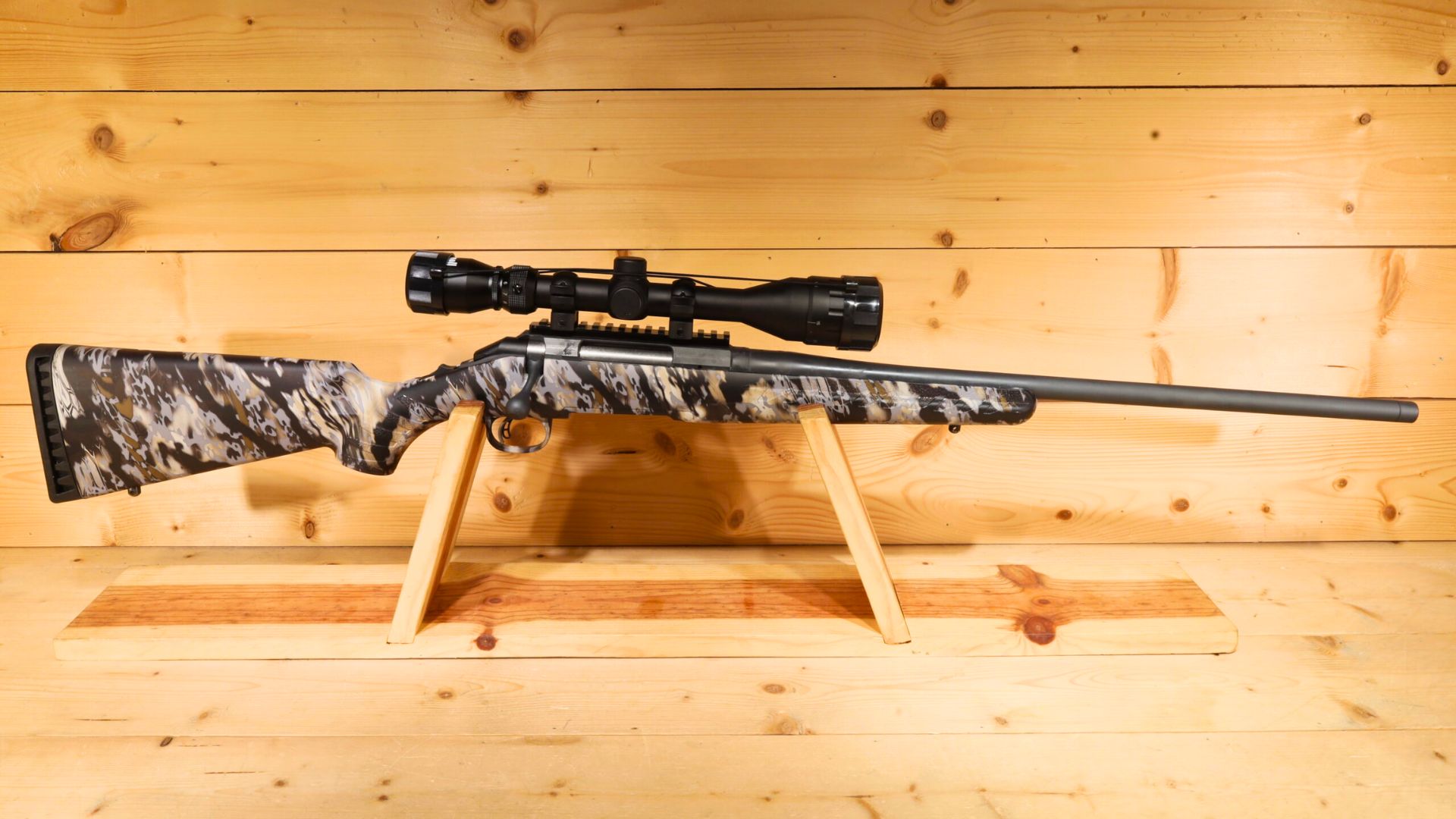
The early Predator models gave you a threaded barrel and a decent trigger, and for a while they were a bargain. But many of them showed serious cold-bore shift, especially in the lighter calibers. Some groups looked good—until you noticed the first shot was always somewhere else.
The bedding system wasn’t always consistent, and the factory stocks on those early runs could shift under pressure or temperature swings. You’d shoot a great group one week, come back the next, and it’d be wandering again. It’s gotten better over time, but those early rifles gave a lot of shooters false confidence followed by frustration.
Mossberg MVP Patrol
The MVP Patrol has a lot going for it—detachable mags, short barrel, and light weight. It sounds like the perfect utility rifle. But when it comes to consistent accuracy, it can be a wild ride. That fluted barrel heats up fast and walks more than it should in a bolt gun.
One day it’ll group an inch, the next it opens up to three without any changes in ammo or conditions. The stock-to-action fit isn’t exactly confidence-inspiring either. Some folks bed them and see improvement, but out of the box, these rifles are unpredictable. They make a lot of sense on paper—but paper targets tell another story.
Savage Axis II XP

Savage rifles have always had the reputation for outshooting their price tags, and the Axis II XP is no exception—when it behaves. The factory trigger is workable, and the barrel can be accurate. But the molded stock is flimsy, and it doesn’t take much torque on the action screws to throw off the bedding pressure.
Shoot it from a perfect bench rest and it might look great. Get it into a real hunting position—off a backpack or tree—and it suddenly starts spreading groups like a budget semi-auto. The rifle’s capable, but you’ve got to work around its moods and limitations. That’s not great when you’ve only got one shot to make it count.
Browning X-Bolt Micro Midas
This compact version of the X-Bolt looks sharp and fits well for smaller shooters, but its performance can be a mixed bag. The lightweight barrel paired with a short length-of-pull stock creates a jumpy setup that doesn’t settle easily. Some days it’ll group well; others, not so much.
Part of the issue is barrel heat and harmonics. Once that thin pipe gets warm, you start seeing flyers even with quality ammo. And with the shorter sight radius and twitchy ergonomics, it’s harder to repeat your fundamentals. It’s a good idea in theory, but the execution can leave you scratching your head at the target.
Thompson/Center Venture
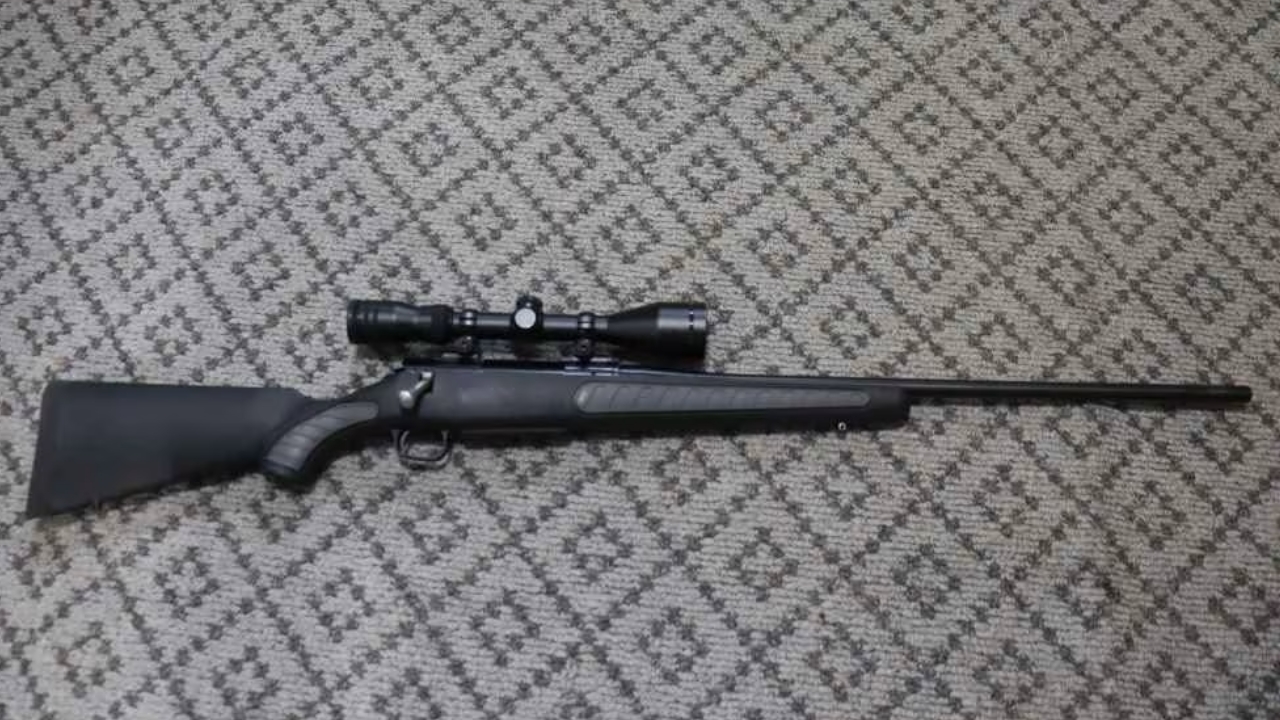
The T/C Venture was supposed to be a budget version of the Icon, and while it’s capable of solid accuracy, it suffers from heat sensitivity and bedding issues. First-shot accuracy might be great, but the follow-ups tend to wander once the barrel warms or the rest changes.
T/C used a composite stock that flexed under torque, and the recoil lug bedding system didn’t always stay consistent under field use. Group shifts can show up between range sessions without warning. Some guys re-bed and fix it, but out of the box, it can leave you wondering why your zero won’t hold past the first mag.
Weatherby Vanguard Synthetic Compact
The Vanguard action is solid, but the Compact Synthetic version tends to suffer from heat shift and point-of-impact drift. It’s a light rifle with a shorter barrel, and that’s a recipe for harmonics issues if you’re not careful. Some models also had stiff triggers that made consistency harder to come by.
You might shoot a cloverleaf one day and struggle to hold two inches the next. And if you torque the action screws unevenly after cleaning, it might not come back to zero. It’s a handy rifle for packing light, but you’ve got to be prepared for a bit of chasing groups at the range.
Like The Avid Outdoorsman’s content? Be sure to follow us.
Here’s more from us:
The worst deer rifles money can buy
Sidearms That Belong in the Safe — Not Your Belt
*This article was developed with AI-powered tools and has been carefully reviewed by our editors.