Photo credit: Cyril CTS/YouTube
Semi-autos dominate the shelves for a reason. They carry easy, reload fast, and give you plenty of capacity. But revolvers never went away, and they aren’t hanging on out of stubbornness. They keep earning their place because they solve a few problems better than anything else: they handle long periods of loaded storage well, they don’t care about limp-wristing, and they can run ammo types that make many pistols choke.
The other truth is that a good revolver fits real life. It can ride in a coat pocket on a cold day, sit in a nightstand for years, or back you up in the woods with heavy bullets that don’t need a long barrel to make sense. These are the wheelguns that keep getting carried, kept, and trusted—no matter how many new semi-autos show up.
Smith & Wesson Model 686

The 686 is one of the best all-around .357 Mag revolvers ever made. You get a strong frame, a smooth double-action pull when it’s broken in, and enough weight to make magnum loads manageable. It’s the revolver you can shoot a lot without feeling like you’re punishing yourself, and that matters because practice is what makes a wheelgun shine.
It also fills roles semi-autos don’t cover as cleanly. With .38 Special, it’s a soft-shooting trainer. With .357, it becomes a serious defensive and woods gun. Add the fact that it holds up to long-term use, and you understand why people keep one even if they own a safe full of polymer pistols.
Smith & Wesson Model 19

The Model 19 has never fully left because it hits that sweet spot of size, balance, and power. It carries easier than the big N-frames, yet it still gives you .357 Magnum capability in a package that points naturally. In the hand, it feels like a revolver that was designed for real people, not a spec sheet.
It also represents what many shooters want from a carry revolver: a gun you can actually shoot well. With .38s it’s pleasant, and with sensible .357 loads it’s still practical. People hang onto Model 19s because they’re classic, but also because they work. When you find one that’s been cared for, you end up trusting it the way you trust a good pair of boots.
Smith & Wesson Model 10

A Model 10 is about as straightforward and dependable as a revolver gets. It’s not trying to be flashy. It’s a fixed-sight .38 that just keeps running, and that’s exactly why it still matters. For defensive use inside realistic distances, a well-shot .38 is still effective, and this gun makes it easy to build that skill.
It also thrives in the “grab it and go” role. There’s no magazine to worry about, no slide to rack under stress, and it’s happy to sit loaded for long periods. Many Model 10s have already proven themselves across decades of duty use. When a design keeps working that long, people stop arguing with it and start carrying it again.
Smith & Wesson Model 29

The Model 29 refuses replacement because when you want heavy-bullet authority, semi-autos start getting complicated. The .44 Magnum gives you power and penetration that’s hard to duplicate in a practical pistol format, and the Model 29 is the revolver that made that idea famous. It’s still a serious hunting and backcountry tool when you feed it the right loads.
It’s also more shootable than people expect if you respect it. The weight and grip shape help, and with .44 Special you can practice without getting beat up. The real reason it survives is that it fills a role that doesn’t care about trends. When you’re thinking about large animals and bad angles, a proven .44 wheelgun keeps earning its spot.
Ruger GP100

The GP100 is built for abuse. Ruger designed it to handle steady diets of magnum ammo, and it shows. The gun is stout, the lockwork is durable, and it holds up to the kind of shooting and carry that would make some revolvers feel loose over time. When you want a revolver you can run hard, this is one of the safest bets.
It’s also practical. The weight makes .357 manageable, and the gun can be a great trainer with .38 Special. It’s the sort of revolver that lives in a truck, on a belt, or in a nightstand and still performs when you pick it up. Semi-autos do plenty well, but they don’t replace the “always ready, always dependable” feel a GP100 gives you.
Ruger SP101

The SP101 gives you real revolver strength in a carryable size. A lot of small revolvers feel like compromises. This one feels like a compact tank. It handles .357 Magnum better than many lightweight snubs, and that matters if you actually plan to practice with the ammo you carry.
It also shines as a practical everyday revolver. The frame size is small enough to conceal easily, but the gun is sturdy enough that you’re not babying it. With .38 +P it’s very controllable, and with .357 it’s serious business. People keep SP101s because they’re dependable, simple to live with, and hard to wear out. That combination keeps them relevant.
Ruger Blackhawk
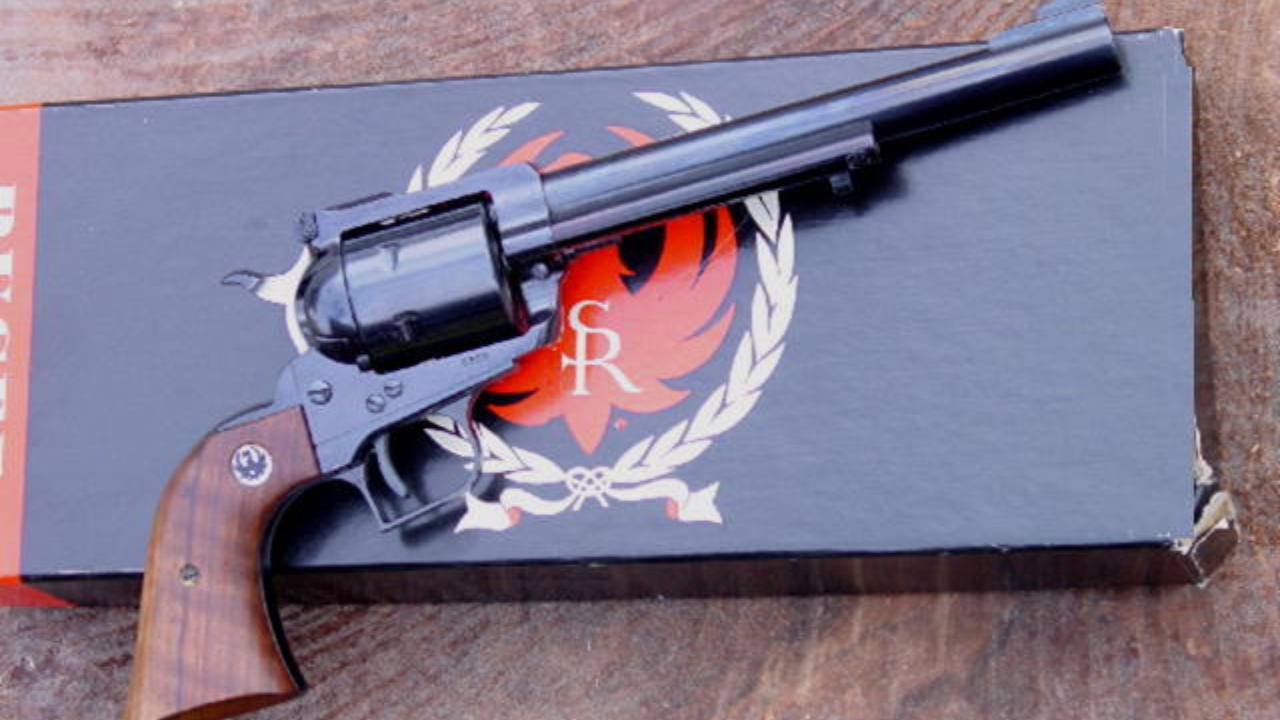
The Blackhawk does something semi-autos don’t: it gives you strong, reliable performance with heavy loads in a simple, durable package. A single-action revolver isn’t about speed. It’s about power, accuracy, and mechanical certainty. When you’re hunting, or carrying in the backcountry, that matters more than reload times.
It also rewards careful shooting. The trigger is usually clean, the sights are usable, and the gun’s balance makes deliberate hits feel natural. People keep Blackhawks because they last, they handle serious cartridges, and they don’t get picky about ammo. A semi-auto can be excellent, but when you want a revolver that feels like it will outlive you, the Blackhawk is hard to argue with.
Colt Python
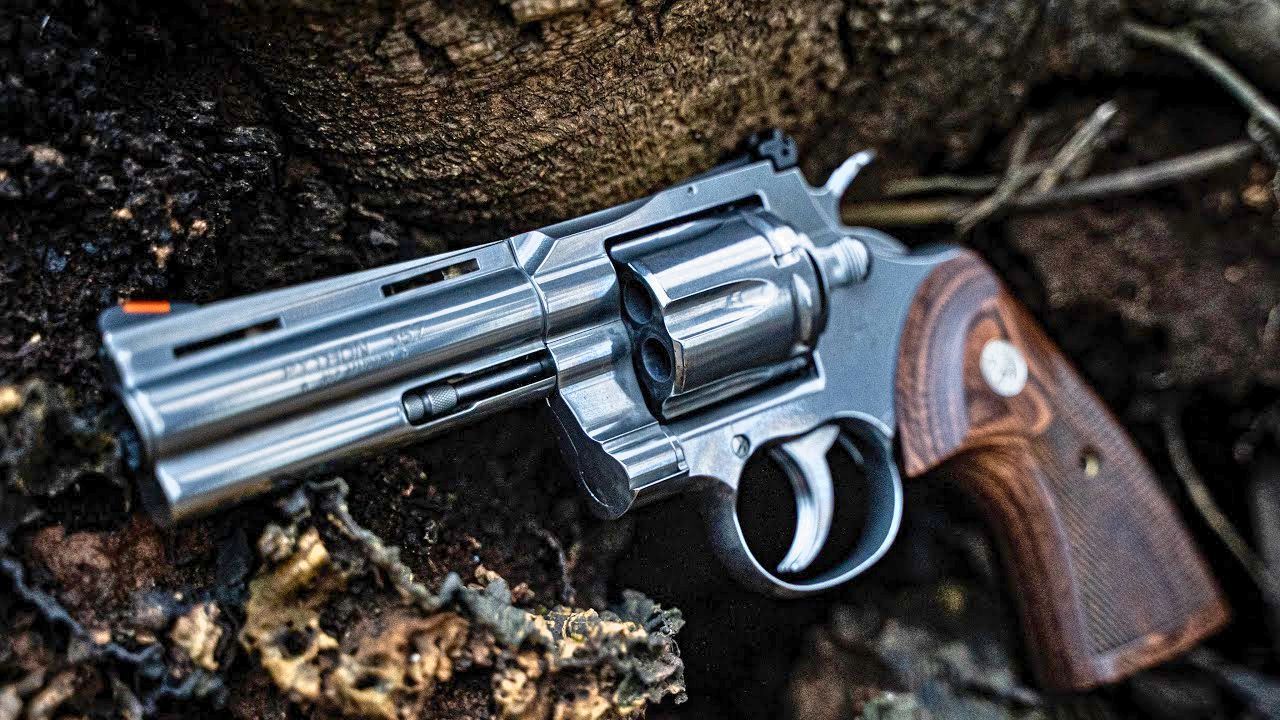
The Python is one of the most respected double-action revolvers ever built. The draw isn’t only looks. It’s the way a good Python can feel in motion—smooth cycling, crisp timing when it’s right, and a level of refinement that makes shooting it feel different than most modern handguns.
It’s also still a practical .357 platform in the hands of someone who shoots revolvers well. With .38s it’s easy, with .357 it’s capable, and the sight picture tends to be excellent. People keep Pythons because they’re both shootable and iconic, and those two things rarely overlap. Semi-autos can do a lot, but they don’t replace a revolver that feels like a mechanical thoroughbred.
Colt Detective Special

The Detective Special is one of the classic carry revolvers that actually makes sense in real life. It’s compact, it points naturally, and it offers more capability than many tiny modern guns once you account for shootability. A revolver you can hit with beats a micro pistol you dread practicing with.
It also fits the “always there” role. It can ride in a coat pocket, a glove box, or a small holster without demanding perfect conditions to run. The Detective Special has been trusted for generations because it’s practical and familiar. Semi-autos do great work, but they haven’t eliminated the appeal of a small revolver that’s easy to carry and easy to understand.
Smith & Wesson J-Frame (Model 642)

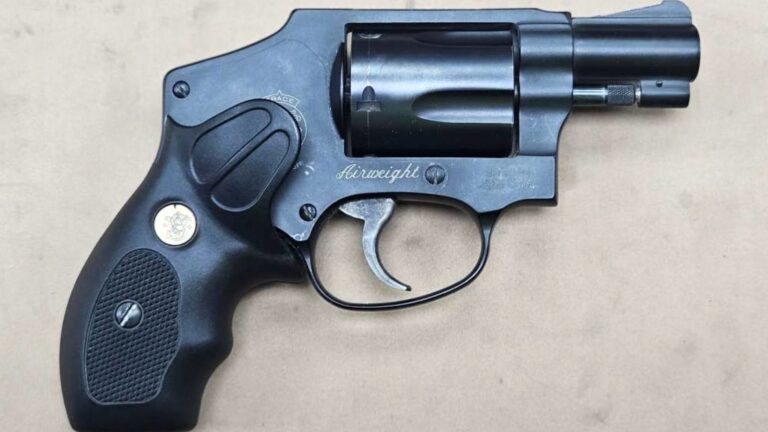
The 642 is one of the most carried guns in America for a reason. It’s light, snag-free, and easy to keep on you when a bigger pistol feels like too much. It also doesn’t rely on slide travel or magazine tension to work. When you press the trigger, it does what it’s supposed to do, even if your grip isn’t perfect.
It’s not a “range day” gun unless you’re disciplined, but it’s a real-world carry tool. With the right holster, it disappears. With the right practice, it delivers accurate hits fast enough for defensive distances. People keep J-frames because they’re dependable and easy to carry all the time. Semi-autos are great, but the 642 still wins the “always on you” category.
Smith & Wesson Model 60

The Model 60 gives you a carry-size revolver that feels more shootable than the ultra-light options. The steel frame adds control, which means you’re more likely to practice, and practice is the whole game with small revolvers. It’s a practical compromise between comfort and carry convenience.
It also holds its place because it’s versatile. Load it with .38s for easy training, or run .357 in the right setup if you can handle it. The Model 60 is a classic for a reason: it carries well, it points naturally, and it can live in a holster for years without drama. For people who want a small revolver they can actually shoot well, it keeps showing up.
Ruger LCR (.38 Special +P)

The Ruger LCR modernized the snub revolver without changing what makes revolvers useful. The trigger system is genuinely helpful, and the gun is light enough that you’ll actually carry it. It’s one of the few small revolvers that feels like it was designed with real defensive carry in mind, not just tradition.
It also plays well with practical ammo. With .38 +P, it offers respectable performance in a package that fits pockets and small holsters. The recoil is still there—physics doesn’t care—but the gun’s shape and trigger help you manage it. People keep LCRs because they’re easy to live with and easy to carry, and that matters more than capacity when the alternative is leaving a gun at home.
Ruger Redhawk
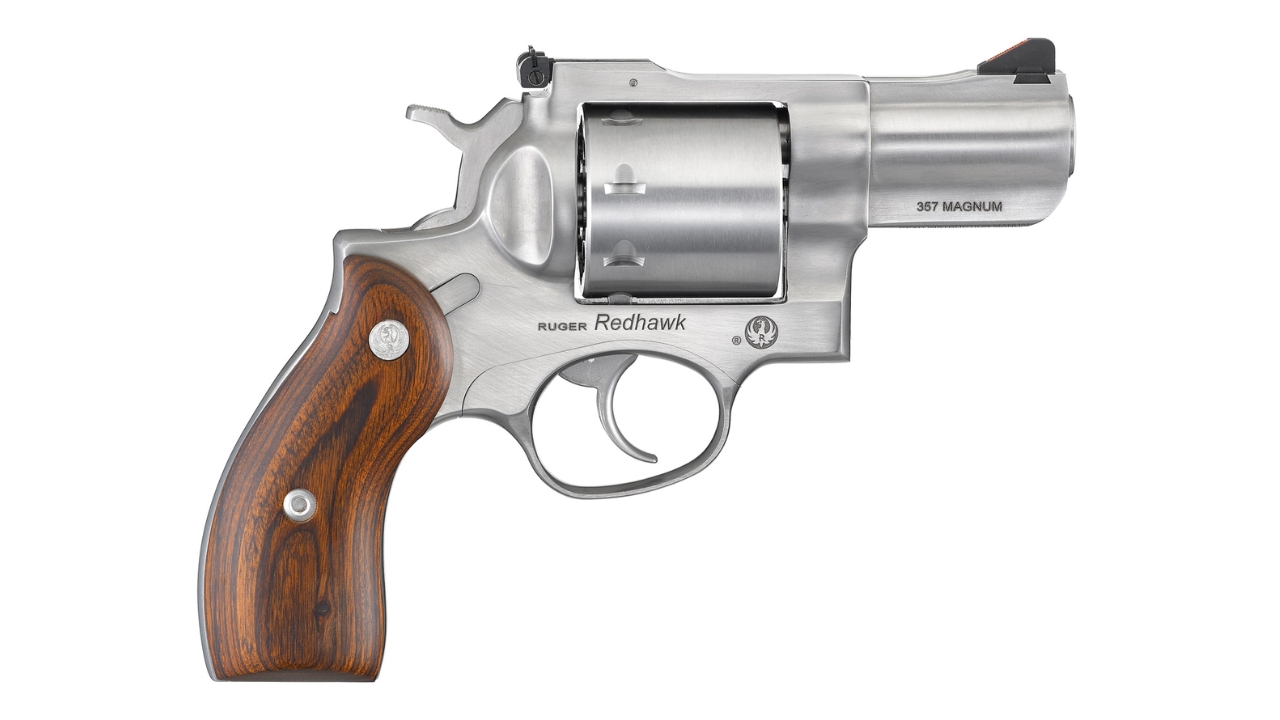
The Redhawk sits in a category where semi-autos struggle: heavy-bullet power with durability that doesn’t feel delicate. It’s a strong revolver built for serious use, and it’s been carried as a hunting and backcountry sidearm for decades. When you want a wheelgun that can take stout loads and keep its timing, this one has a reputation for doing exactly that.
It’s also a revolver you can trust under rough handling. The size and weight make it steadier with heavier cartridges, and the platform has a straightforward toughness to it. Semi-autos can be excellent in the woods, but a Redhawk gives you confidence with loads that don’t always translate well to pistol designs. That’s why it keeps getting packed.
Freedom Arms Model 83

The Freedom Arms Model 83 is built like a precision tool and a tank at the same time. It’s a single-action revolver known for tight tolerances, strong construction, and accuracy that makes handgun hunting feel realistic when you do your part. When you want a revolver that can handle serious cartridges and still shoot like a target gun, this is the kind of platform people point to.
It also holds value because it’s purpose-built for heavy use and heavy loads. Semi-autos can’t replicate the same combination of strength and deliberate accuracy in that space. The Model 83 isn’t a casual carry gun. It’s a revolver you choose when you want maximum confidence in the gun and the cartridge, and you’re willing to shoot with discipline.
Smith & Wesson Model 625 (.45 ACP)

The 625 does something quietly brilliant: it runs .45 ACP in a revolver format, often with moon clips that make reloads surprisingly fast. That gives you big-bullet performance with revolver reliability, and it sidesteps a lot of the issues semi-autos can have with certain ammo shapes or weak grip technique.
It’s also a shooter’s revolver. The gun tends to be accurate, the recoil impulse is manageable, and the platform rewards smooth double-action work. For defense, competition, or just having a dependable big-bore revolver that feeds what you can find, the 625 keeps making sense. Semi-autos are great, but they don’t replace the “it will fire every time” confidence a well-run .45 revolver can give you.
Smith & Wesson Model 27

The Model 27 represents the top end of classic .357 revolvers—strong, accurate, and built with a level of craftsmanship that’s hard to replicate today. It’s a big N-frame gun that handles magnum loads with authority, and it shoots in a way that makes you understand why revolvers earned such loyalty in the first place.
It also has a presence that isn’t just about looks. The weight and balance help you place shots, and the gun holds up well when it’s cared for. The Model 27 isn’t a featherweight carry option, but it’s a revolver that will outlast trends and still be completely usable. Semi-autos can replace many roles, but they haven’t replaced the appeal of a serious, shootable .357 like this.
Like The Avid Outdoorsman’s content? Subscribe to our newsletter so you never miss an article.
Here’s more from us: