Photo credit: NewLibertyFirearmsLLC/GunBroker
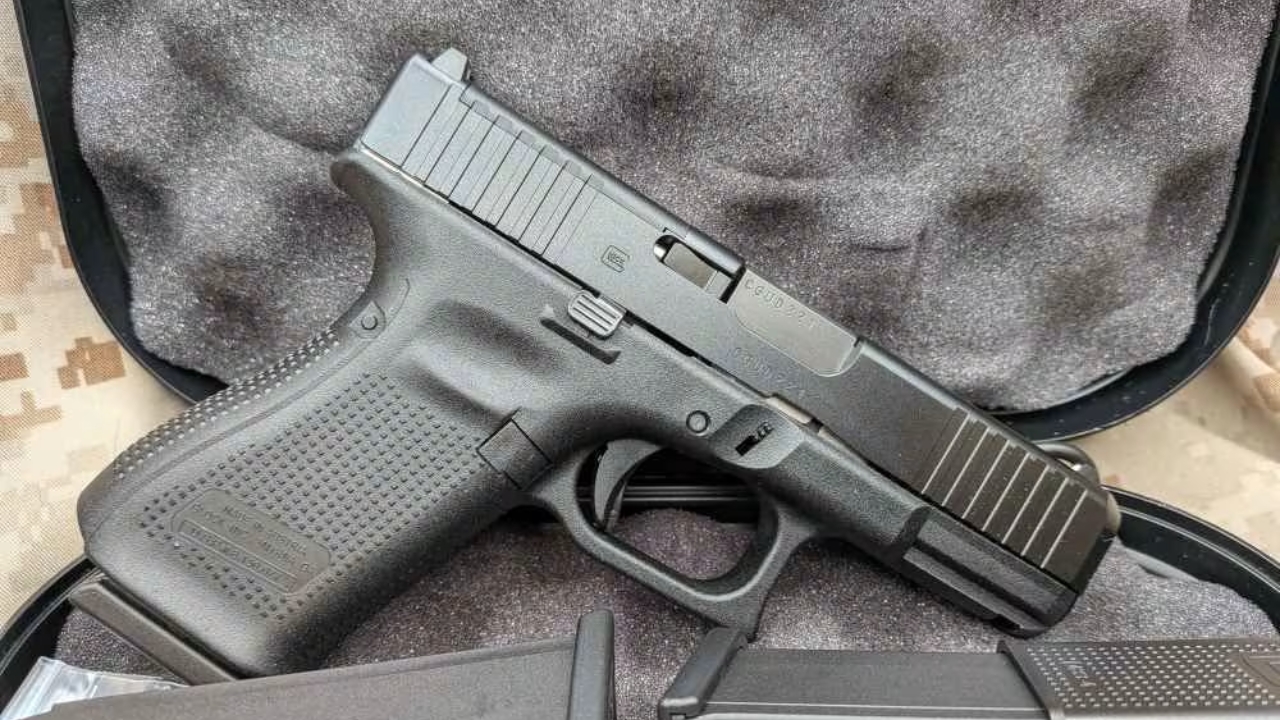
The Glock 19 is one of the least dramatic handguns to write this kind of article about, and that is exactly why people keep buying it. It has been carried by cops, concealed carriers, armed citizens, competitors, and regular range shooters for years. It is not fancy. It is not rare. It is not trying to be interesting. It is a compact 9mm pistol that usually works.
That said, “usually works” does not mean “impossible to malfunction.” A Glock 19 can still choke, especially with bad magazines, weak ammo, poor grip, aftermarket parts, dirty internals, or worn springs. Glock’s own materials describe its pistols as recoil-operated, locked-breech semi-autos, and that matters because the slide still needs enough energy and clean movement to cycle properly. Most Glock 19 problems are not exotic. They usually come down to feeding, ejection, extraction, magazines, recoil spring setup, or shooter grip.
Failure to Feed
Failure to feed is one of the more common Glock 19 malfunctions. The slide moves forward, but the next round does not chamber correctly. It may nose-dive into the feed ramp, hang halfway into the chamber, or stop with the slide slightly out of battery. When people say their Glock “jammed,” this is often what they mean.
The cause is usually pretty basic. Bad magazines, weak magazine springs, damaged feed lips, dirty feed ramps, underpowered ammo, or a weak grip can all create feeding problems. New magazines can also be stiff enough to create trouble during the first few range trips. Some shooters find that a Glock 19 runs better with quality factory magazines and full-power 124-grain ammo during break-in than it does with bargain ammo and off-brand mags. That does not mean the pistol is fragile. It means the magazine and ammo still matter.
Failure to Eject
Failure to eject is another common Glock 19 complaint. The pistol fires, but the empty case does not clear the ejection port. It may stovepipe, get trapped by the returning slide, or bounce around in a way that stops the gun from chambering the next round. This is one of the malfunctions most often blamed on the gun, but the actual cause can be all over the place.
A Glock is a recoil-operated pistol, so it needs enough resistance from the shooter’s grip for the slide to cycle properly. Limp-wristing can keep the slide from moving with full authority, especially with a polymer-framed 9mm and softer ammo. Ejection issues can also come from extractor tension, ejector condition, recoil spring problems, or underpowered ammunition. One troubleshooting guide notes that failure to eject can be tied to underpowered ammo, extractor tension, recoil spring weight, or a worn ejector, which lines up with the usual Glock 19 diagnosis path.
Stovepipes
A stovepipe is a specific kind of failure to eject where the empty case gets caught standing up in the ejection port. It looks obvious, and it is usually easy to clear, but it still means the pistol did not complete the cycle. For Glock 19 owners, stovepipes often show up during range sessions with weak ammo, a loose grip, or a dirty gun.
Limp-wristing is one of the first things to rule out. Since the Glock 19 is light for its size and polymer-framed, it depends on the shooter giving the gun a stable platform. If the frame moves too much with recoil, the slide may not come back far or fast enough to eject properly. A 2024 Glock troubleshooting article explains the basic idea clearly: the gun needs a steady hold so recoil can work the slide, and a weak wrist can leave the spent case only partly extracted before the slide comes forward again.
Magazine-Related Problems
Magazines are one of the first places to look when a Glock 19 starts acting up. A bad magazine can cause failures to feed, slide-lock problems, nose-dives, double-feeds, and random stoppages that make the pistol look worse than it is. Factory Glock magazines are generally excellent, but they still wear out, get dirty, crack, or lose spring tension over time.
Off-brand magazines can be even more hit-or-miss. Some work fine for range use, while others create feed-angle problems or fail to lock the slide back consistently. If a Glock 19 malfunctions with one magazine and runs cleanly with another, the pistol is probably not the main problem. Marking magazines is worth doing for that reason. Once a certain mag causes repeated trouble, take it out of carry or duty use and either rebuild it or toss it into the practice-only pile.
Failure to Extract
Failure to extract happens when the fired case stays in the chamber instead of being pulled out by the extractor. The shooter may see the slide move rearward only slightly, or the pistol may try to feed the next round into a chamber that still has an empty case in it. This is less common than simple ejection trouble, but it is more frustrating when it happens.
The extractor, chamber, ammo, and slide velocity all matter here. A dirty chamber can make brass stick. Weak ammo can keep the slide from cycling hard enough. A worn or damaged extractor can fail to grip the rim. Some Glock 19 Gen 5 owners have reported repeated extraction problems, though those complaints are usually individual-gun issues rather than proof that the whole model has a pattern of failure. If a Glock 19 repeatedly leaves brass in the chamber across several loads and magazines, the extractor and chamber need attention.
Failure to Return Fully to Battery
A Glock 19 can also stop just short of going fully into battery. The round is almost chambered, the slide is almost forward, but the pistol is not fully locked up. Sometimes a tap on the back of the slide finishes it. Other times the round has to be cleared. Either way, it is a problem because “almost closed” is not closed enough.
This can come from a dirty chamber, weak recoil spring, rough ammo, bad reloads, improper lubrication, carbon buildup, or parts dragging inside the gun. Aftermarket barrels, compensators, slide cuts, optic plates, and non-factory recoil assemblies can make this worse if the setup changes slide speed or lockup. A stock Glock 19 is usually boringly reliable, but once people start stacking modifications on it, return-to-battery problems become a lot less surprising.
Light Primer Strikes
Light primer strikes are not one of the everyday Glock 19 complaints, but they do happen. The trigger breaks, the firing pin moves forward, and the round does not fire. When the shooter clears the round, the primer may show a shallow or off-center mark. That can come from the ammo, the striker system, or the gun not being fully in battery.
Hard primers, cheap ammo, dirty striker channels, weak striker springs, or aftermarket trigger parts can all cause ignition problems. This is especially worth watching on pistols that have had trigger work done. A lighter connector, changed spring setup, or non-factory striker part may feel better on the range but make the pistol less dependable. If a Glock 19 is used for carry, light primer strikes are not something to brush off as a cute little range quirk.
Slide Failing to Lock Back
Another common Glock 19 complaint is the slide failing to lock back after the last round. Sometimes that is a magazine issue. Sometimes it is a worn slide stop lever. A lot of the time, though, it is the shooter’s grip riding the slide stop and preventing it from lifting.
This is especially common with people who shoot high thumbs-forward grips. The Glock 19’s slide stop is easy enough to contact without realizing it. If the slide locks back with one shooter but not another, grip is probably part of the issue. If it fails with every shooter and only certain magazines, the magazine follower or spring may be the problem. If it fails across all magazines and all shooters, then the slide stop lever deserves a closer look.
Aftermarket Parts Causing Reliability Problems
The Glock 19’s biggest strength is also one of the reasons people create problems with it. There are endless aftermarket parts for it: triggers, connectors, barrels, slides, comps, magwells, recoil springs, optic cuts, pins, extended controls, and magazine parts. Some are excellent. Some are range toys. Some turn a reliable pistol into a picky one.
A factory Glock 19 is usually more dependable than a heavily modified Glock 19 built around parts that were never tested together. A compensator may require a different recoil spring. A tight aftermarket barrel may dislike certain ammo. A light trigger setup may create ignition problems. An optic cut slide may change slide weight and timing. None of that means modifications are bad, but reliability has to be proven after every change. A carry gun is not reliable because it has a Glock logo on the slide. It is reliable because it has been tested in the exact setup you plan to use.
Like The Avid Outdoorsman’s content? Be sure to follow us.
Here’s more from us: