
Photo credit: Nomad_Soul/Shutterstock.com
There’s no shortage of cartridge debates online. Scroll through a forum or hop in a hunting group on social media, and you’ll hear all kinds of praise for rounds that supposedly “punch above their weight.” But when the season opens, a lot of those cartridges stay on the shelf. It’s not that they don’t work—but between recoil, poor blood trails, wind drift, or weak terminal performance on bigger game, some of these rounds don’t live up to the internet chatter. If you’ve spent more time at a gut pile than in a group chat, you probably already know which ones I’m talking about. Here are the cartridges that get all the hype in comment sections but rarely make it to the field.
.300 Blackout
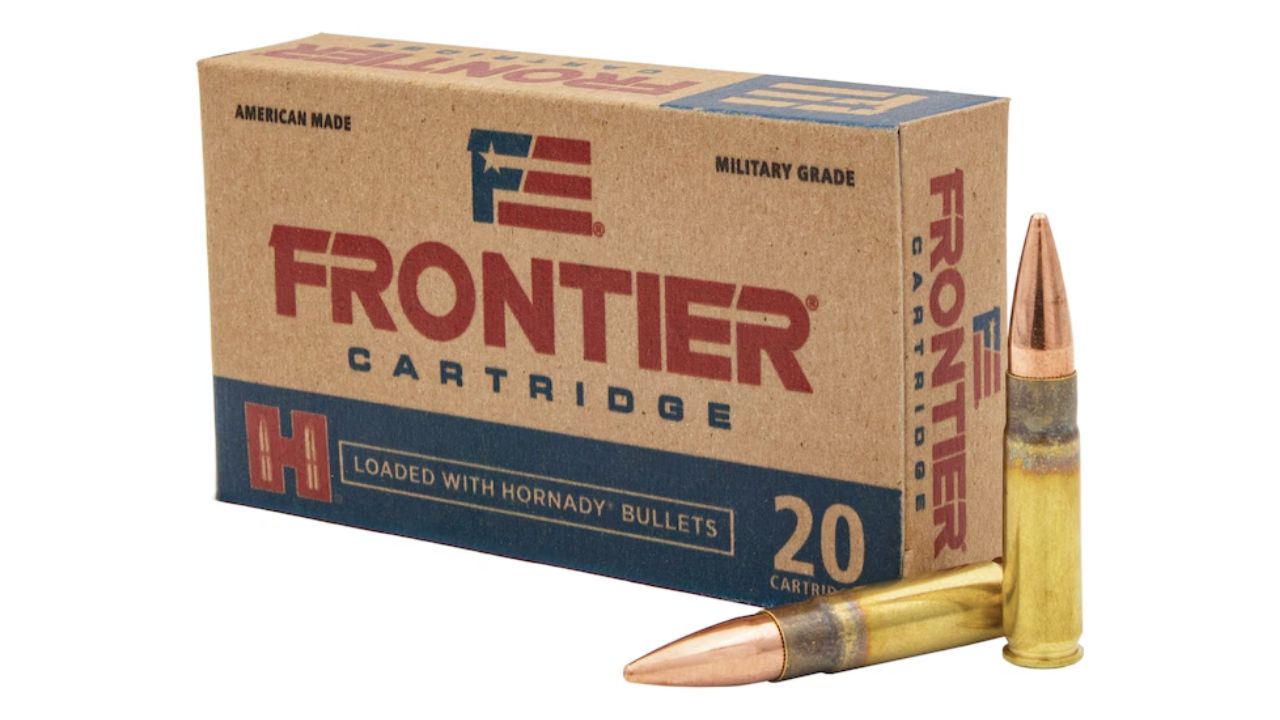
You’ll hear folks rave about the .300 Blackout’s subsonic potential and hog-hammering abilities. On paper, it’s impressive—especially suppressed. But in real-world hunting, it starts to fall short fast. Subsonic loads often lack the energy or expansion needed for clean kills beyond archery distances.
Even with supersonic rounds, terminal performance doesn’t stack up well against more traditional hunting cartridges. You’ll get better shot placement out of a .223 or more punch from a .30-30. The .300 BLK may shine in tactical setups, but most hunters who’ve actually tried it for medium game tend to quietly switch back to something more consistent.
6.5 Grendel
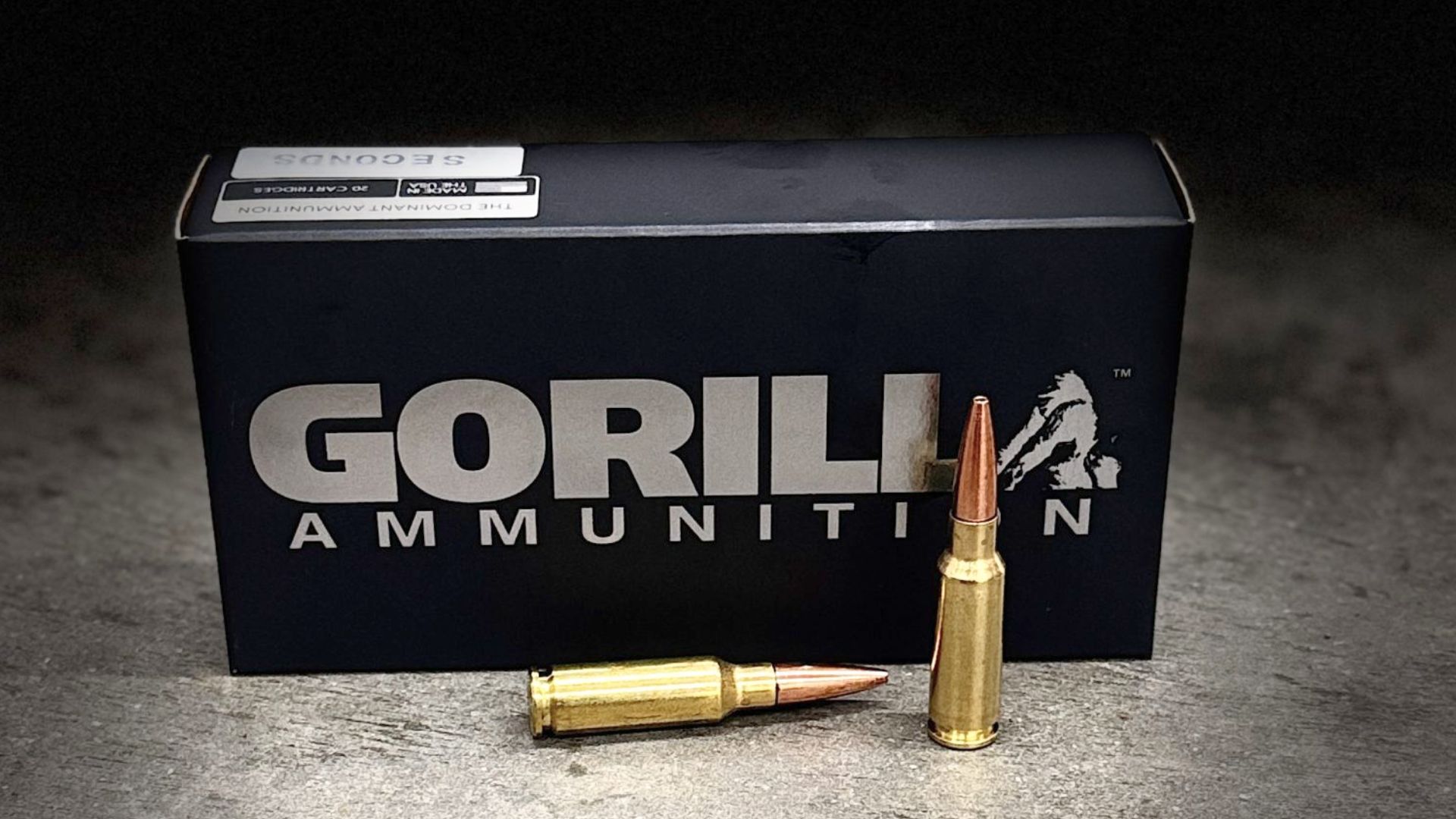
The 6.5 Grendel keeps showing up in online threads as a “do-it-all” cartridge—good for deer, hogs, coyotes, and punching paper out to 800 yards. The problem is, it rarely excels at any of those. It’s a niche round that sounds good until you start dragging it into the woods.
The factory ammo selection is limited and often expensive. Energy drops off quickly beyond 300 yards. And if you’re running it in an AR, you’re stuck with magazines that don’t feed as smoothly as 5.56. Hunters who’ve burned a season with it tend to switch to 6.8 SPC or .308 and don’t look back.
.17 HMR

The .17 HMR is lightning-fast, crazy accurate, and dead flat out to 150 yards. You’ll find no shortage of praise for it online, especially for small game and varmints. But that’s where it should stay—on small game. Some guys get cocky and try to use it on raccoons, foxes, or even coyotes.
It looks good on paper, but in real-life field conditions, wind drift is a nightmare and terminal energy is laughable past 125 yards. You’ll spend more time tracking wounded critters than you’d like to admit. It’s fun for plinking and pests, but that’s about it.
.350 Legend

The .350 Legend took off like wildfire when it launched—legal for straight-wall states, light recoil, and marketed as a deer slayer. Sounds great. But once you put it in the field, the limitations show up fast. It lacks punch beyond 150 yards, and expansion can be unpredictable.
Hunters often find that it doesn’t anchor deer as cleanly as .243, .30-30, or .308. It also struggles in wind, and drop becomes a problem fast. It’s not a bad round by any stretch, but it’s far from the game-changer it’s hyped up to be.
.22 Magnum

There’s a strong fanbase for the .22 WMR—guys who swear it’s the “perfect coyote round” or swear it’ll take down hogs if you aim right. Sure, it’s better than .22 LR, but not by much when it comes to actual field performance.
You’ll see poor expansion, weak penetration, and inconsistent results on anything bigger than a rabbit. The online praise usually comes from backyard shooters, not serious hunters. If you’ve ever watched a coyote run off after a perfect shot with a .22 Mag, you know the hype doesn’t hold up.
.243 Winchester

This one might raise some eyebrows. The .243 has dropped more deer than we’ll ever count. But it’s also responsible for more lost deer than most hunters want to admit—especially when used with lightweight varmint bullets or on less-than-perfect shot placement.
Online, it’s held up as a beginner’s dream—flat shooting, low recoil, and deadly accurate. All true. But out in the field, it punishes bad hits, and blood trails can be sparse. Experienced hunters often trade up for something with more margin for error, especially in brush or on bigger-bodied game.
6.5 PRC

The 6.5 PRC has plenty of online swagger. It’s fast, accurate, and bucks wind better than most short-action cartridges. You’ll hear claims that it’s the new king of mountain hunting and long-range game shooting. But then you look at who’s actually running it in the field—and it’s a short list.
Ammo isn’t cheap or widely available, barrel life takes a hit from the pressure, and recoil is sharper than its little brother, the Creedmoor. You can get 90% of its performance from more common rounds without the added headaches. Most hunters test it once and go back to their .270s or .30-06s.
.257 Weatherby Magnum

There’s no arguing with the .257 Weatherby’s speed. It throws a 100-grain bullet faster than most cartridges in its class. That alone has earned it online bragging rights. But the downsides show up once you actually take it hunting.
Barrels heat up fast, recoil can be snappy, and it burns through ammo—literally and financially. Finding the right bullet for both accuracy and terminal performance takes trial and error. For a cartridge that promises so much, it delivers less than expected unless you put in serious work tuning your rifle and load.
7mm Remington Ultra Magnum

This round gets plenty of internet love for its long-range capabilities and hard-hitting energy. But when’s the last time you saw someone actually use one in the field? Most guys who pick it up wind up dealing with recoil, over-penetration, and limited ammo choices.
It’s more cartridge than most hunters need, and it tends to ruin meat if you’re not careful. Add in the price of ammo and shortened barrel life, and the real-world drawbacks start to outweigh the online hype. Most folks end up shelving it after a few hunts.
.204 Ruger

The .204 Ruger is another round that shines online—especially among varmint hunters. It’s lightning-fast and crazy accurate in calm conditions. But out in the field, that speed gets eaten alive by wind, and performance on anything larger than prairie dogs gets shaky quick.
Guys who’ve tried using it on coyotes often report runners or poor terminal results. The bullet’s light weight limits penetration, and energy dumps too fast. It’s a fun round for target work and clean-weather varmint shoots, but in real-world conditions, it underwhelms more than it delivers.
.26 Nosler
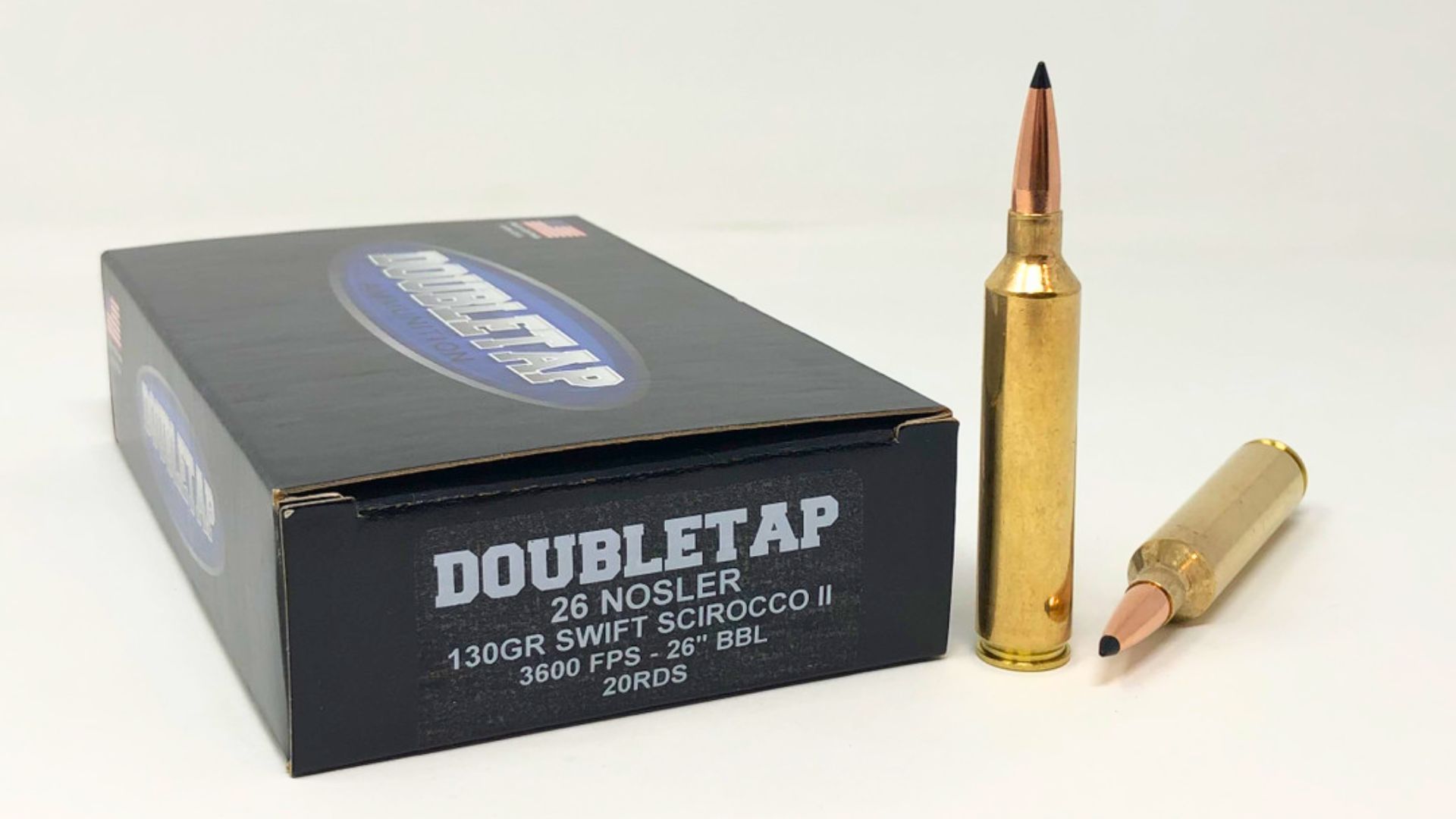
This round promised a lot when it launched—flatter than a .300 Win Mag with less recoil, and faster than most other 6.5s. It had gun forums buzzing. But once hunters started putting it to work, the flaws showed up quick.
Barrel life is short, recoil is sharper than advertised, and finding ammo can be a pain. It also overkills medium game, making a mess of your meat if you’re not dialed in. You’ll see more guys online singing its praises than you will carrying it in the field.
Like The Avid Outdoorsman’s content? Be sure to follow us.
Here’s more from us:
The worst deer rifles money can buy
Sidearms That Belong in the Safe — Not Your Belt
*This article was developed with AI-powered tools and has been carefully reviewed by our editors.


