Photo credit: Savage Arms
Everybody’s heard the old camp talk about “brush busting” cartridges. The idea is that a bigger, heavier bullet will plow through twigs and saplings and still land where you aimed. It sounds good, especially in thick deer woods where every shooting lane seems to have one cursed branch hanging right in the way.
Here’s what actually happens. Any bullet that clips brush can get deflected, yaw, or deform, and it can do it fast. Sometimes you never notice. Sometimes you miss clean. Sometimes you hit somewhere you didn’t intend. Cartridge choice can change how a bullet reacts, but it can’t rewrite physics. These are the rounds people swear by, and what you can realistically expect when brush gets involved.
.45-70 Government

People love calling the .45-70 a brush cutter because the bullets are big and heavy, and the cartridge has a long history in thick timber. At close range, it can feel like it hits with authority no matter what, which feeds the story. A slow, fat bullet also tends to keep its momentum better than a light varmint pill.
What really happens is that brush still wins more than you want to admit. A twig that barely touches the bullet can change point of impact by inches, and that’s enough to miss a deer’s vitals in tight cover. The bullet might still arrive with plenty of energy, but it may not arrive where you aimed. If you want the .45-70 to shine, you pick a clear lane, use tough bullets, and keep your muzzle out of brush so you’re not clipping limbs before the bullet even stabilizes.
.444 Marlin

The .444 Marlin gets the same “big bullet” reputation as the .45-70, and in the deer woods it’s easy to see why. You’re throwing a heavy slug at moderate speed, and hits feel decisive. Plenty of hunters have watched it anchor deer in thick cover and decided the cartridge must be pushing brush aside.
In reality, the .444 is still a bullet moving at rifle speed, and brush deflection is about contact, not confidence. If it grazes a twig, it can yaw and drift off line, sometimes more than you’d believe. The difference is that a stout .444 hunting bullet may hold together better after a light strike than a thin-jacketed bullet would. That helps terminal performance, not accuracy. You still need a clean window. If you can’t see hair through the lane, you’re gambling.
.450 Bushmaster

The .450 Bushmaster became a modern brush-woods favorite because it’s built for close to mid-range work and it hits hard with heavy bullets. In states where straight-wall cartridges rule, it’s common to hear that the .450 “doesn’t care” about sticks and brush. The big frontal diameter makes people think it’s going to track straight no matter what.
What you actually get is a hard-hitting round that can still be thrown off by light cover. A small branch can tip the bullet or change its path, and the slower velocity does not make it immune. The smart takeaway is that the .450 often gives you reliable penetration and bullet integrity when things get messy, like shoulder bone or quartering shots. It does not give you a free pass through saplings. Treat it like any hunting rifle. Clear lane first, then send it.
.44 Magnum

A lot of “brush busting” stories come from .44 Magnum lever guns and revolvers used at bow-range distances. The cartridge has a reputation for punching through stuff, and in the thick stuff it often drops deer quickly. That real-world effectiveness makes it easy to assume the bullet is pushing through brush with no drama.
The truth is that pistol bullets can deflect too, and sometimes they do it worse because they’re slower and spend more time in the brush zone. A twig can still nudge a .44 off line enough to change your hit. The reason the .44 feels forgiving is that ranges are shorter and your target is bigger relative to the distance, so small shifts may not always show up as a miss. Use heavy, well-constructed bullets, keep shots close, and pick a lane you trust. Your hit matters more than your caliber.
12 Gauge Slug

If there’s one projectile people truly believe will smash through brush, it’s a 12 gauge slug. It’s big, heavy, and it hits like a hammer at typical woods ranges. Many hunters have seen slugs break bone and keep going, and that kind of performance builds confidence in ugly conditions.
But brush does not become harmless because your projectile is large. A slug can glance off a branch, deform, or start flying a little sideways, and that can shift impact more than you expect at 50 yards. The bigger issue is that many slug guns are already less precise than rifles at distance, so you have less margin for error when anything interferes. The slug is a great choice for close timber when you can see the vitals clearly. It’s not a tool for shooting through brush you can’t see through.
.35 Remington
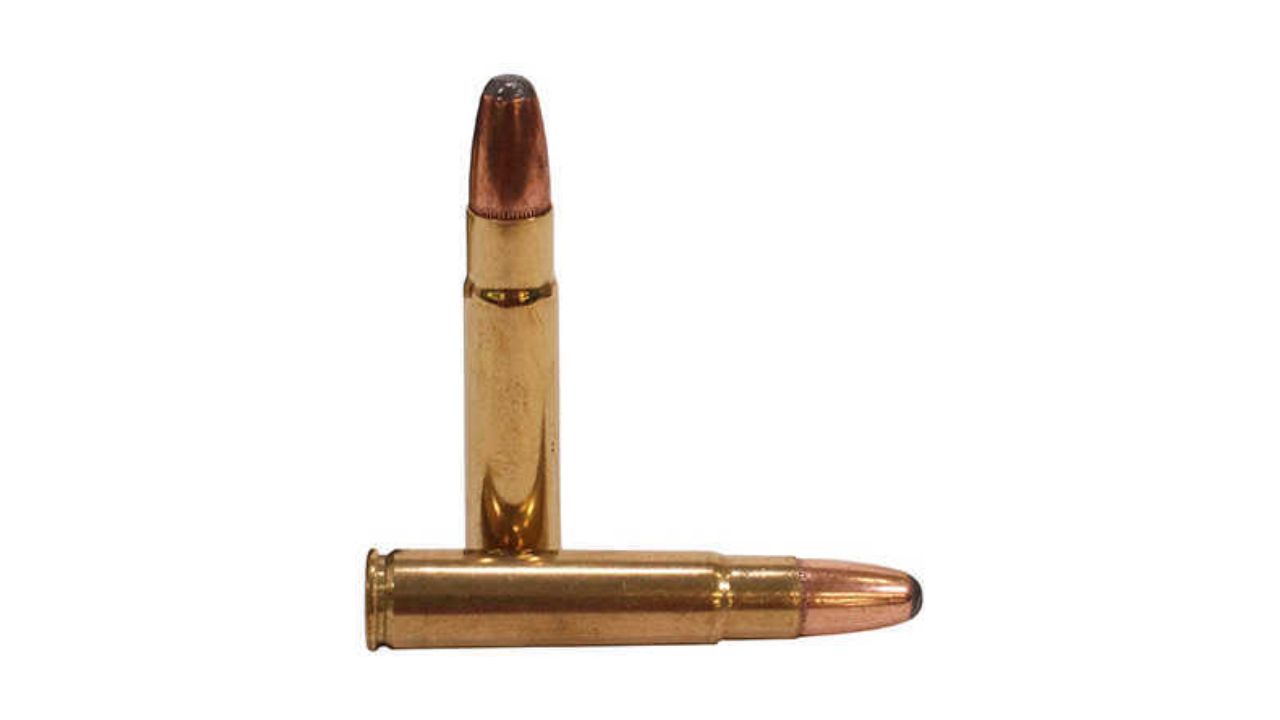
The .35 Remington has been called a brush round for decades, especially in lever guns, and it’s easy to understand the love. It carries a heavier bullet than a .30-30, often with a round-nose profile, and it hits deer with a deep, steady kind of punch. In thick woods, that track record becomes legend.
What happens in brush is still deflection, and the .35 Rem is not immune. The round-nose shape and sturdy bullets can sometimes handle light contact without blowing up, but contact still changes the flight path. You’re not cutting a tunnel through saplings. You’re hoping your bullet never touches them. Where the .35 Rem truly earns its reputation is in penetration and terminal performance at modest ranges, especially on quartering shots. Pick a bullet built for deer, keep your shots realistic, and keep your lane honest.
.30-30 Winchester
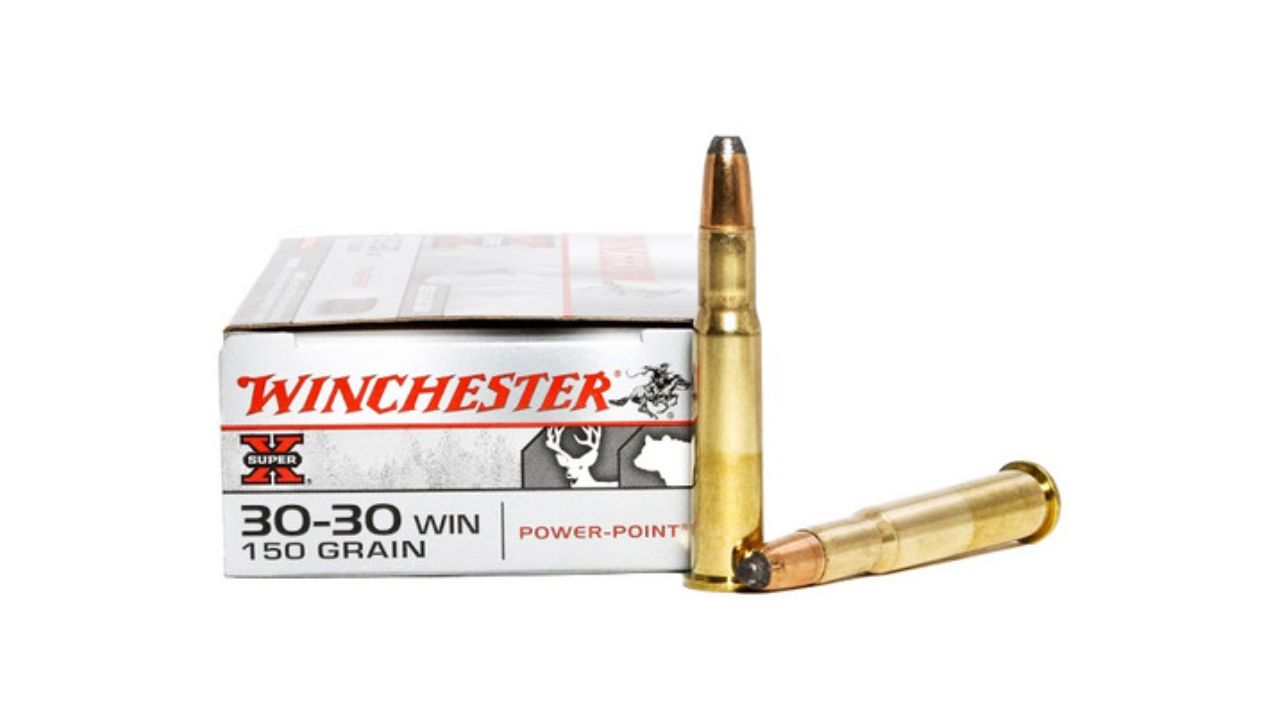
The .30-30 might be the most famous “brush buster” of all, mostly because it has killed a mountain of deer in thick cover. Flat-nose and round-nose bullets at moderate velocity have a way of working reliably in the real world, and a lot of hunters have watched deer fall in tangled timber and credited the cartridge for doing something special through brush.
Here’s the part you don’t want to learn the hard way. A .30-30 bullet that clips a twig can still shift enough to miss the vitals, especially beyond 50 to 75 yards. It’s not a magic wand. The cartridge’s real strength is that it’s easy to carry, fast to shoulder, and effective at the ranges where you can usually find a clear window. It rewards patience and good lane selection. If you can’t see the spot you want to hit, the .30-30 won’t rescue you.
.308 Winchester

Some folks swear the .308 “cuts brush” because it’s efficient, accurate, and it hits hard with sturdy bullets. In reality, what they’re often seeing is a cartridge that shoots consistently when the lane is clear. When you’re confident in your rifle, you tend to blame misses on brush and credit hits to power.
Brush contact still throws .308 bullets off line. A heavier 165- or 180-grain hunting bullet may hold together better after a light graze than a thin-jacketed bullet would, but that’s about how it behaves on impact, not how it stays on course. The .308 can also be fast enough that a light strike can cause dramatic yaw. If you want a practical edge, choose a controlled-expansion bullet, keep your muzzle past brush when possible, and slow down long enough to find a lane that shows you the entire rib cage.
.30-06 Springfield

The .30-06 gets dragged into brush talk because it’s the classic do-it-all cartridge, and many hunters have taken deer in thick cover with it for generations. When you see a deer fold up after a heavy 180-grain hit, it’s tempting to believe the bullet bulldozed whatever was in the way and still landed true.
What the cartridge really gives you is flexibility in bullet choice and reliable performance on tough angles. It does not give you a special ability to ignore twigs. If the bullet touches brush, it can drift, and the higher velocity options can drift more than people expect. Where the .30-06 helps is when your shot is clean but the animal is quartering, or you need penetration through shoulder and bone. Use a solid hunting bullet, keep ranges reasonable in thick timber, and treat brush as an obstacle you avoid, not a thing you solve.
.35 Whelen

The .35 Whelen gets respect in the woods because it throws a heavy .35-caliber bullet with authority, and it does so without the blast and recoil of some bigger thumpers. Hunters who like it often talk about how it performs when shots are quick, angles are imperfect, and the woods are tight. That reputation sometimes morphs into “it busts brush.”
What it actually does well is deliver tough, deep-penetrating bullets that handle real animals reliably. If you clip brush, the bullet can still be deflected. The difference is that a good 225- or 250-grain bullet is often built stout, and it may arrive with enough integrity to do its job if the strike was light. That’s not a promise, it’s a trend. The smart move with a .35 Whelen is to use it for what it is, a close-to-mid-range hammer with dependable penetration, and still demand a clear lane.
.358 Winchester

The .358 Winchester has a devoted following in timber country because it hits hard, shoots flat enough for practical distances, and uses bullets that are often built for penetration. It’s the kind of round that makes people feel prepared for ugly angles and quick opportunities, which is exactly where brush myths thrive.
When brush is involved, the .358 behaves like every other bullet. Contact can cause deflection, yaw, and unpredictable point of impact. The cartridge’s real advantage is not that it ignores brush, but that it tends to use tough bullets at moderate speed, which can reduce blow-ups when something minor gets in the way. You still cannot count on it. If you’re carrying a .358, you’re doing it because you want a decisive hit when the lane is open and the shot is short. Find that lane, then let the cartridge do what it does best.
.338 Federal

The .338 Federal often gets labeled a brush-friendly round because it combines a bigger diameter bullet with reasonable velocity. In the woods, it feels confident and steady, and it can put a heavy bullet through a deer from imperfect angles. That track record is real, and it’s why people talk about it with a certain grin.
Brush contact still changes things. A .338 bullet that touches a twig can still be pushed off line, and you may never know until you walk the trail and find no blood. The reason the .338 Federal can seem forgiving is that it’s often used at moderate ranges with bullets built for big game, so terminal performance stays strong when the hit is good. If you want to stack the odds in your favor, choose a controlled-expansion bullet, keep your shots inside your lane discipline, and resist the urge to thread a needle through brush because you trust the caliber.
7.62×39

The 7.62×39 gets dragged into brush talk because it’s a moderate-velocity round with relatively heavy bullets for its speed. In thick woods, especially in carbines, it feels quick and handy, and it can drop deer cleanly at close distances with the right bullet. That combination convinces some shooters that it’s somehow less sensitive to brush than faster rifle rounds.
The truth is that it still deflects when it hits brush, and the shorter barrel setups people often use can make accuracy margins tighter to begin with. A light twig can still shift impact, and a poor bullet choice can add another problem. The 7.62×39’s real strength is that it’s manageable, quick to shoulder, and effective at short range when you pick bullets designed for deer. Keep your lane clear, avoid shooting through brush you can’t see through, and treat it like a short-range deer round, not a brush-clearing tool.
.300 Blackout

People love the .300 Blackout in thick cover, especially suppressed, and you’ll hear “brush buster” claims because it can push heavier bullets at moderate speed. It’s also commonly shot from short barrels, which encourages close-range hunting where brush is often part of the picture. When it works well, it feels like a quiet little hammer.
What really happens is that the Blackout is still vulnerable to deflection, and subsonic loads in particular can be thrown off by the smallest contact because they spend more time in the hazard zone. Supersonic loads with proper hunting bullets can perform well on deer, but they still need a clear lane. The cartridge’s advantage is not brush cutting, it’s efficiency and controllable performance in compact rifles. Pick the right bullet, keep your distances realistic, and remember that quiet does not mean forgiving when brush is involved.
.223 Remington

The .223 shows up in brush arguments because some people have seen it zip through light stuff and still kill deer or coyotes, and that experience sticks. With the right bullet and careful shot placement, it can work on deer in legal states, and it can be extremely effective on predators. That success sometimes turns into a belief that speed can overpower brush.
In truth, fast, lighter bullets are often more easily deflected by small twigs, and the deflection can be dramatic. A tiny branch can turn a good shot into a miss or a poor hit, especially as distance increases. The bullet construction matters a lot. Thin varmint bullets can come apart with minor contact. Tough bonded or monolithic bullets can hold together better, but they still can’t hold the line if the flight path gets disrupted. If you’re hunting with .223, your lane discipline has to be strict. Clear window or no trigger press.
.270 Winchester

The .270 has never been a classic brush cartridge, but you still hear people claim it “cuts through” because it shoots flat, hits hard, and has been killing deer cleanly for a long time. When you trust a rifle and you’re used to seeing it drop deer fast, it’s easy to believe the cartridge is doing extra work when the woods are tight.
What actually happens is that .270 bullets are often moving fast enough that brush contact can create significant deflection and even bullet upset. That can turn into a miss, or into a hit that looks nothing like what you intended. The .270’s strength is clean external ballistics in open or mixed country and plenty of terminal performance with the right bullet. In thick brush, your best tool is patience and angle, not speed. Wait for the deer to step into a lane where you can see the full chest, then put the bullet where it belongs.
Like The Avid Outdoorsman’s content? Be sure to follow us.
Here’s more from us: