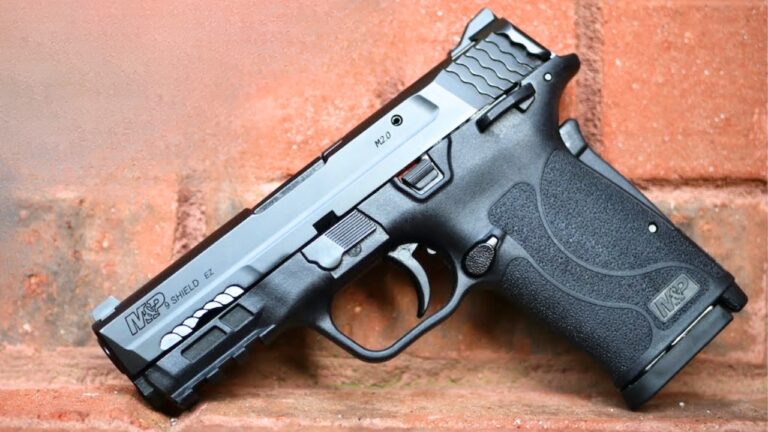
Photo credit: Outdoor Enterprise Sweden/YouTube
Sako has always had a different kind of reputation than most rifle brands. It is not usually the loudest name in the hunting aisle, and it does not lean on rough-country American nostalgia the way Winchester, Remington, or Ruger often do. Sako’s appeal is quieter. Smooth bolts, clean machining, strong accuracy, and a level of refinement that hunters tend to understand better after they have owned one.
A lot of shooters know Sako as a premium Finnish rifle maker, but they do not always know how much history sits behind the name. The company’s roots go back to early Finnish arms work, its classic actions built loyal followings, and its modern rifles still carry that reputation for precision. These are the things most shooters do not know about Sako.
Sako started as an arms repair operation

Sako did not begin as a luxury hunting-rifle company. Its roots go back to Finland after World War I, when Finnish arms work focused heavily on repairing and reworking rifles already in service. That practical beginning matters because it shaped the company around function first.
Before Sako became known for smooth sporting rifles, it was tied to the more serious business of keeping weapons serviceable. That background helps explain why the brand has always carried a technical, no-nonsense feel. Sako’s reputation was not built from flashy styling. It came from careful rifle work.
The name Sako comes from a much longer Finnish name
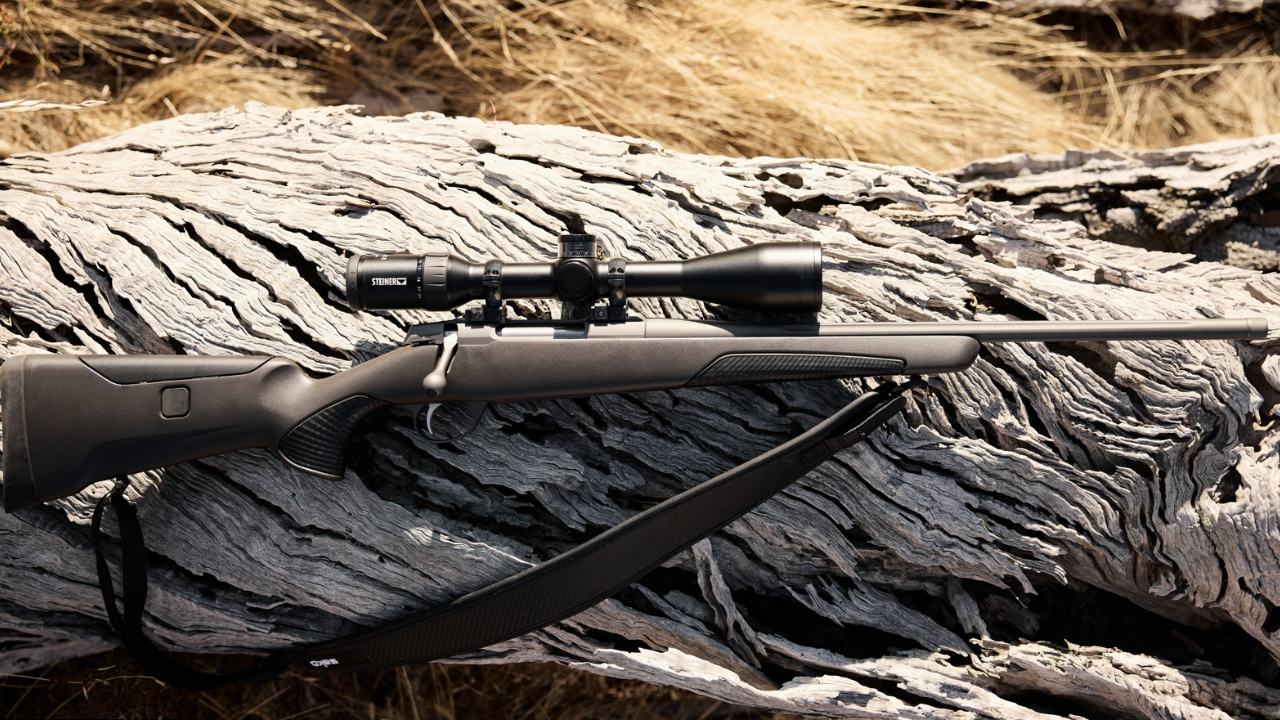
A lot of shooters say “Sako” without knowing where the name comes from. It is shortened from a Finnish phrase tied to the Civil Guard arms operation. That is why the name feels different from brands built around a founder’s last name.
That small detail gives the brand more context. Sako is not a marketing word invented to sound sleek. It comes from the company’s early Finnish identity and its arms-making history. For collectors and rifle people, that kind of origin matters because it connects the modern rifles to a specific national story.
Riihimäki became central to Sako’s identity
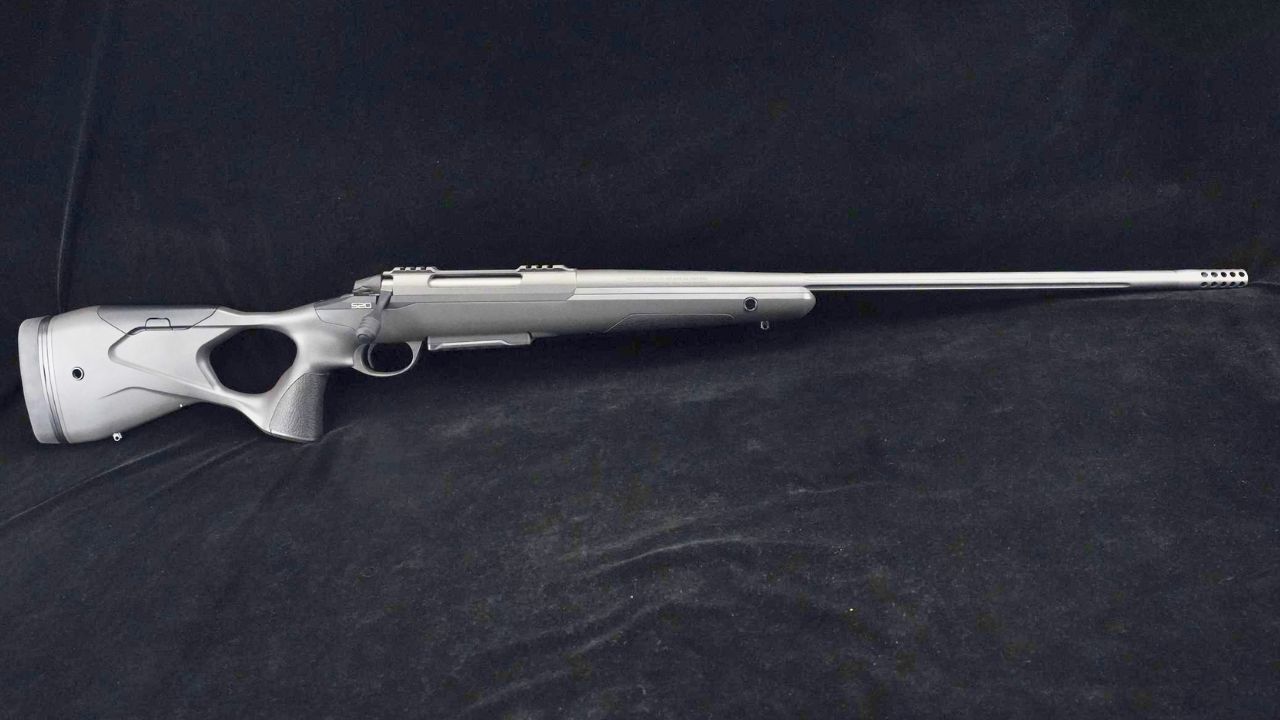
Sako is strongly associated with Riihimäki, Finland, and that location became a major part of the company’s story. The move there helped turn Sako from a small repair-focused operation into a serious firearms manufacturer.
That matters because Sako’s identity is not scattered across a dozen changing factories in the way some brands feel today. Riihimäki gives the company a real home base. When shooters talk about old Finnish Sakos, that place is part of the appeal. The rifles feel tied to a tradition, not just a product catalog.
Sako made cartridges as well as rifles
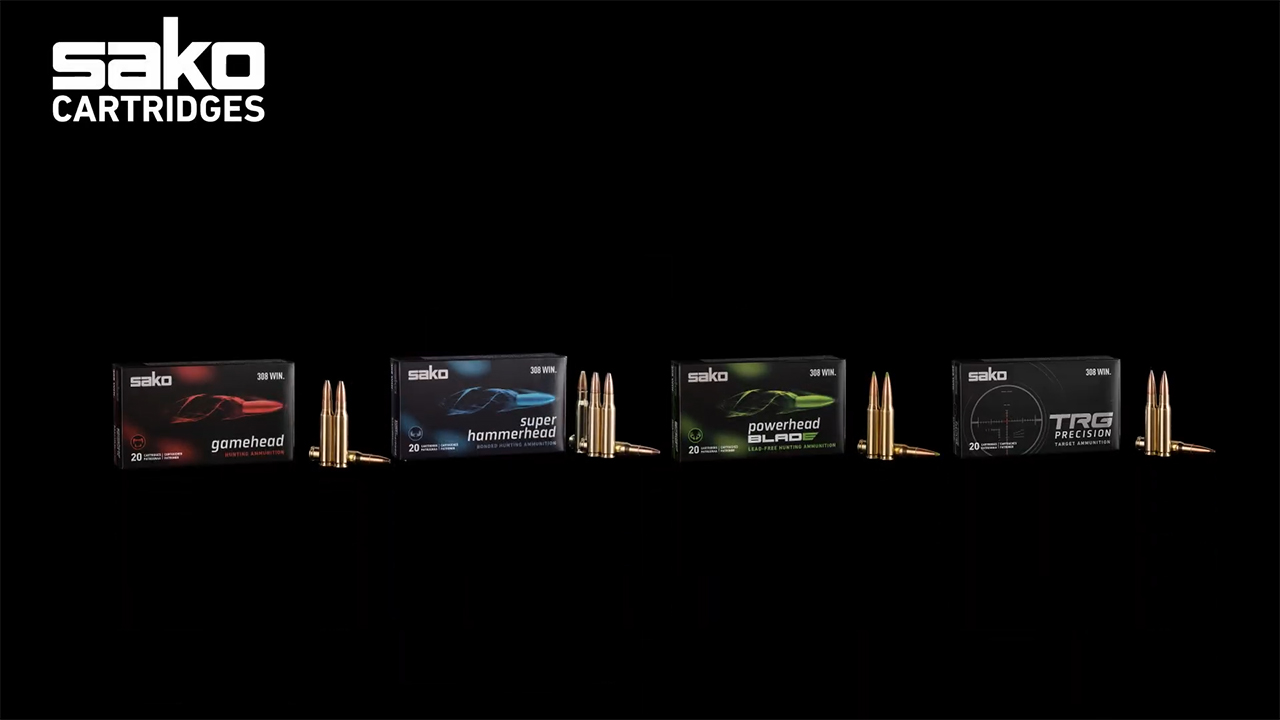
Many shooters know Sako rifles, but fewer think about Sako as an ammunition maker. The company has long been tied to both rifles and cartridges, which gives it a different kind of credibility. It was not only building actions and stocks. It was also involved in what those rifles were meant to shoot.
That matters for a precision-minded brand. A rifle company that understands ammunition has a better sense of the whole shooting system. Sako’s cartridge work helped strengthen its image as a serious manufacturer, especially among European hunters and shooters who valued complete performance.
The L46 Vixen helped build Sako’s small-action reputation
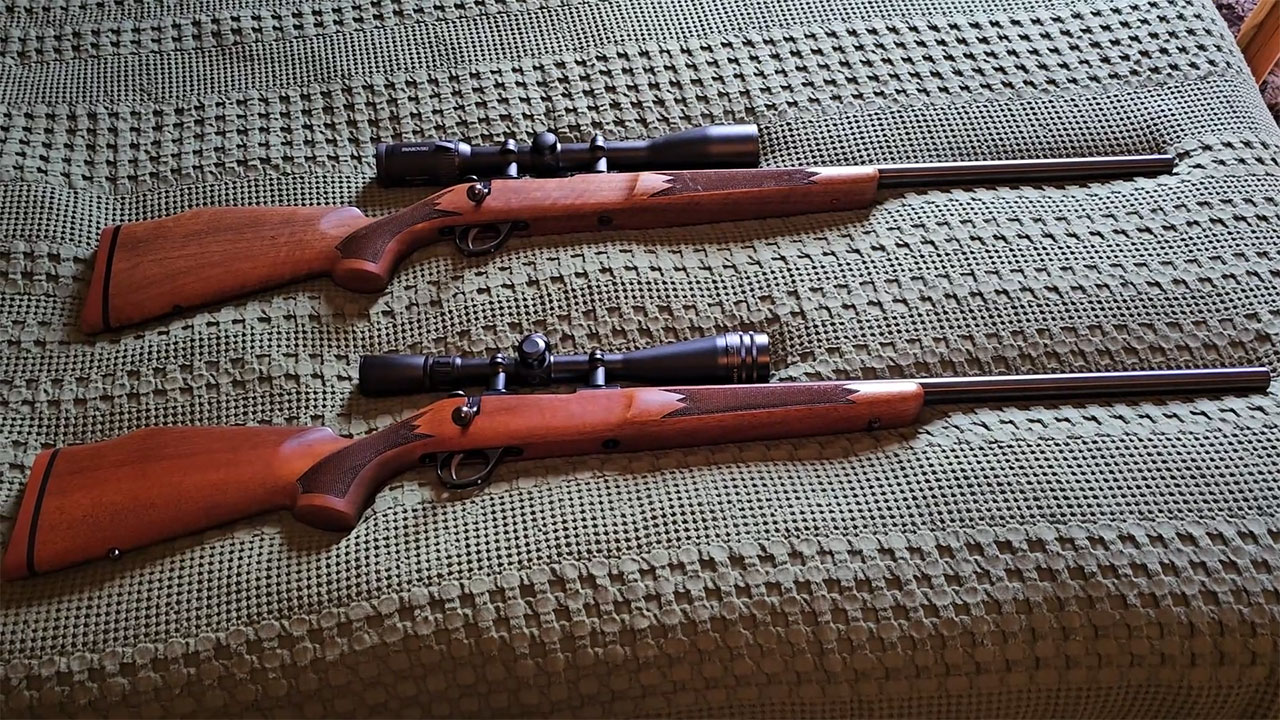
The Sako L46 Vixen is one of those rifles that serious collectors and small-caliber fans still talk about with respect. It was a trim little action used for cartridges like .222 Remington, and it helped show how refined a small bolt-action rifle could be.
That matters because many companies treat small-caliber rifles like scaled-down afterthoughts. Sako did not. The Vixen had the kind of smoothness and precision that made varmint shooters and collectors pay attention. A good L46 still has a charm that modern small actions do not always duplicate.
The .222 Remington helped Sako gain fans
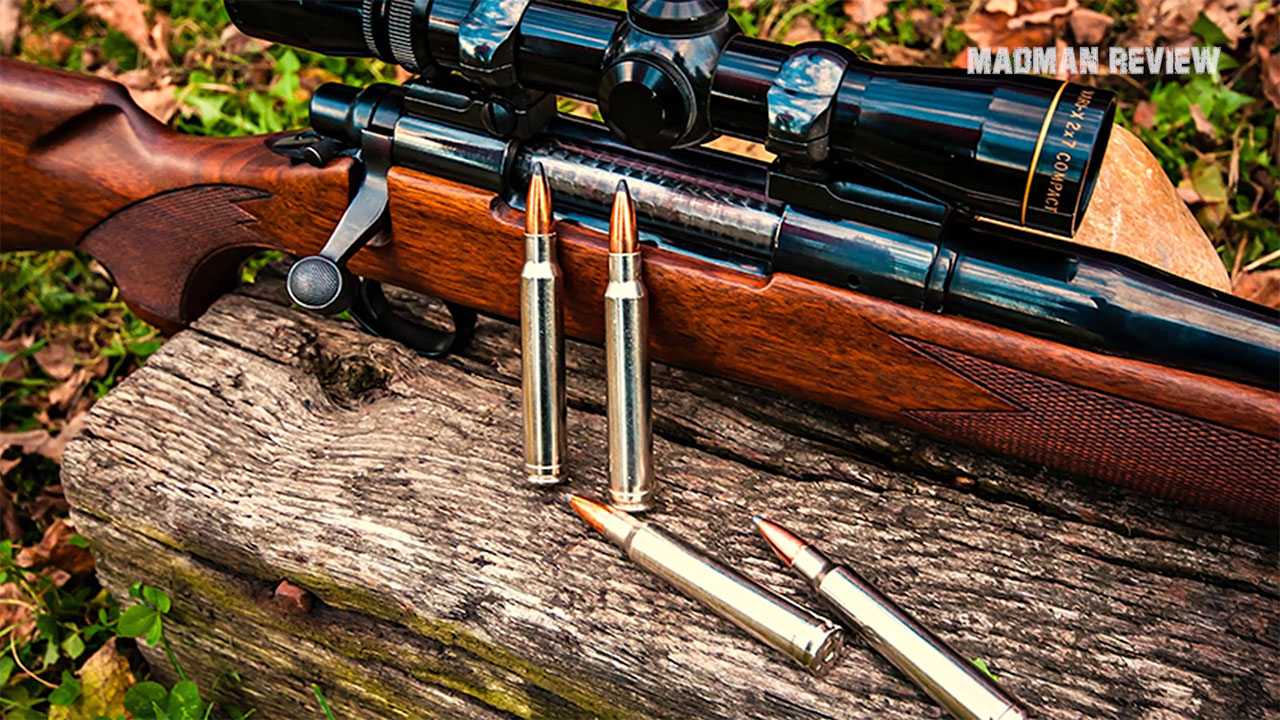
Sako’s connection to the .222 Remington is a big part of its old rifle reputation. The cartridge was known for accuracy, and Sako rifles chambered for it became favorites among varmint shooters and precision-minded riflemen.
That combination helped Sako get noticed beyond Finland. A smooth little Sako in .222 was not just a pretty rifle. It was a rifle that could shoot. When a brand becomes associated with accuracy in a cartridge already respected for precision, that reputation sticks for decades.
The L579 Forester hit a practical middle ground

The Sako L579 Forester filled the medium-action role, and that made it one of the company’s most useful classic rifles. It handled cartridges like .243 Winchester and .308 Winchester, which made it a strong hunting rifle without needing a long action.
That middle ground is part of why the Forester still matters. It was refined, handy, and practical. A lot of hunters do not need a magnum or a long-action rifle for normal deer-sized game. The L579 gave them Sako quality in chamberings that made sense for real hunting.
The L61R Finnbear gave Sako big-rifle credibility

The L61R Finnbear helped Sako build credibility with hunters who wanted full-size big-game cartridges. It handled long-action rounds and gave the company a serious presence in the traditional hunting-rifle market.
That mattered because Sako could not survive on small varmint rifles alone. The Finnbear showed that the company could make a strong, smooth, elegant big-game rifle. For hunters who wanted cartridges like .30-06, .270 Winchester, or magnums, the Finnbear made Sako feel like a real alternative to the classic American names.
Sako rifles often feel smoother than their spec sheets suggest

One reason Sako earns loyalty is hard to explain on paper. The rifles often just feel better than expected. The bolt lift, feeding, safety movement, trigger feel, and overall machining give them a polished character that specs do not fully capture.
That is why Sako tends to win people over in person. A shooter can compare caliber, barrel length, weight, and stock material all day, but the feel of a well-made action matters. Sako built much of its reputation on that quiet refinement. It is the kind of thing you notice more after handling cheaper rifles.
Sako accuracy has always been part of the brand
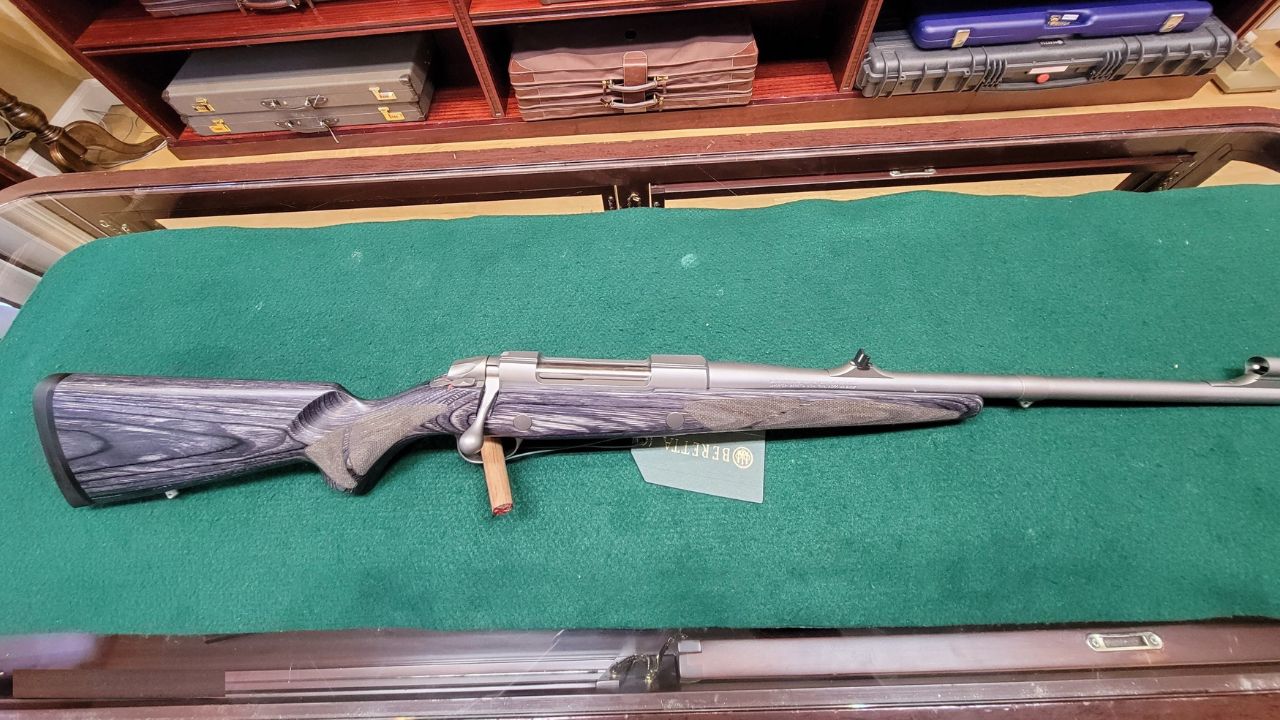
Sako’s reputation is heavily tied to accuracy. That does not mean every Sako ever made shoots like a custom benchrest rifle, but the brand has long been associated with dependable precision from a factory hunting rifle.
That is a big reason hunters and collectors respect them. A rifle can have beautiful wood and still disappoint if it will not group. Sako rifles generally built trust because they combined good looks, good handling, and real shooting performance. That combination is harder to find than people think.
Sako and Tikka are closely connected
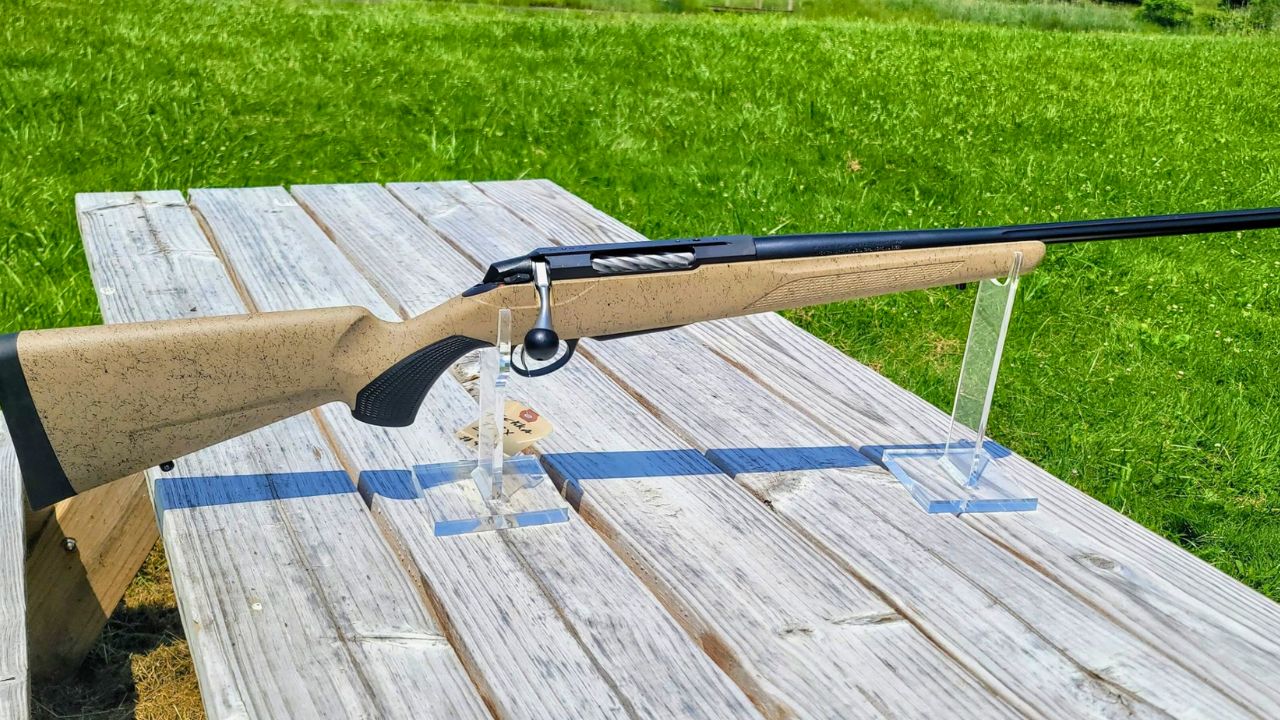
Many shooters know Tikka and Sako as separate rifle names, but they are closely connected. Tikka has been under the Sako umbrella for decades, which is one reason modern Tikka rifles benefit from the same broader Finnish rifle-making culture.
That does not mean a Tikka is just a cheaper Sako. The two brands occupy different lanes. But the connection matters because it explains why Tikka rifles gained such a strong accuracy reputation while still sitting below Sako in price. Sako’s influence helped give the Finnish rifle family real weight.
Sako became part of Beretta Holding

Sako is Finnish, but it has been part of Beretta Holding for years. That surprises some shooters who assume Sako is still fully independent in the old sense. The ownership change did not erase the Finnish identity, but it did place Sako inside a much larger firearms group.
That matters because modern firearm brands are often more connected than buyers realize. Sako still carries its Finnish manufacturing reputation, but it also benefits from belonging to a major international firearms company. That gives the brand both heritage and corporate backing.
The TRG line made Sako serious in precision circles
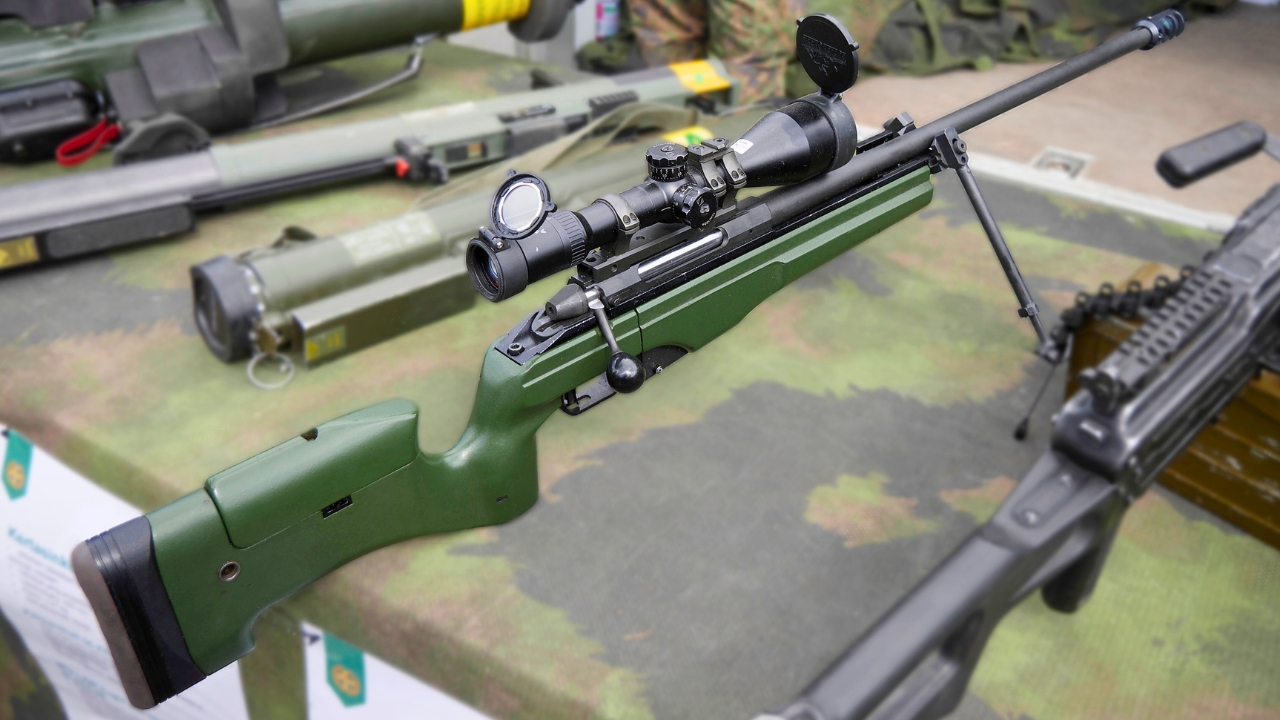
Sako is not only a hunting-rifle name. The TRG line gave the company a serious presence among precision shooters, military users, and law-enforcement marksmen. Those rifles helped push Sako beyond the image of polished sporters.
That matters because precision rifles are judged harshly. Triggers, stocks, magazines, barrels, and repeatability all matter. The TRG showed that Sako could build rifles for a more demanding long-range role, not just elegant hunting rifles. That added another layer to the brand’s credibility.
The Sako 85 became a modern premium hunting rifle benchmark

The Sako 85 carried the company’s hunting-rifle reputation into a more modern era. It came in many configurations and chamberings, giving hunters options from light mountain-style rifles to heavier big-game models.
The appeal was not just variety. The Sako 85 represented what many hunters expected from a premium factory rifle: smooth operation, good accuracy, clean lines, and a refined feel. It was not cheap, but it gave buyers the sense that they were paying for something more than a logo.
Sako’s appeal is quiet, not flashy
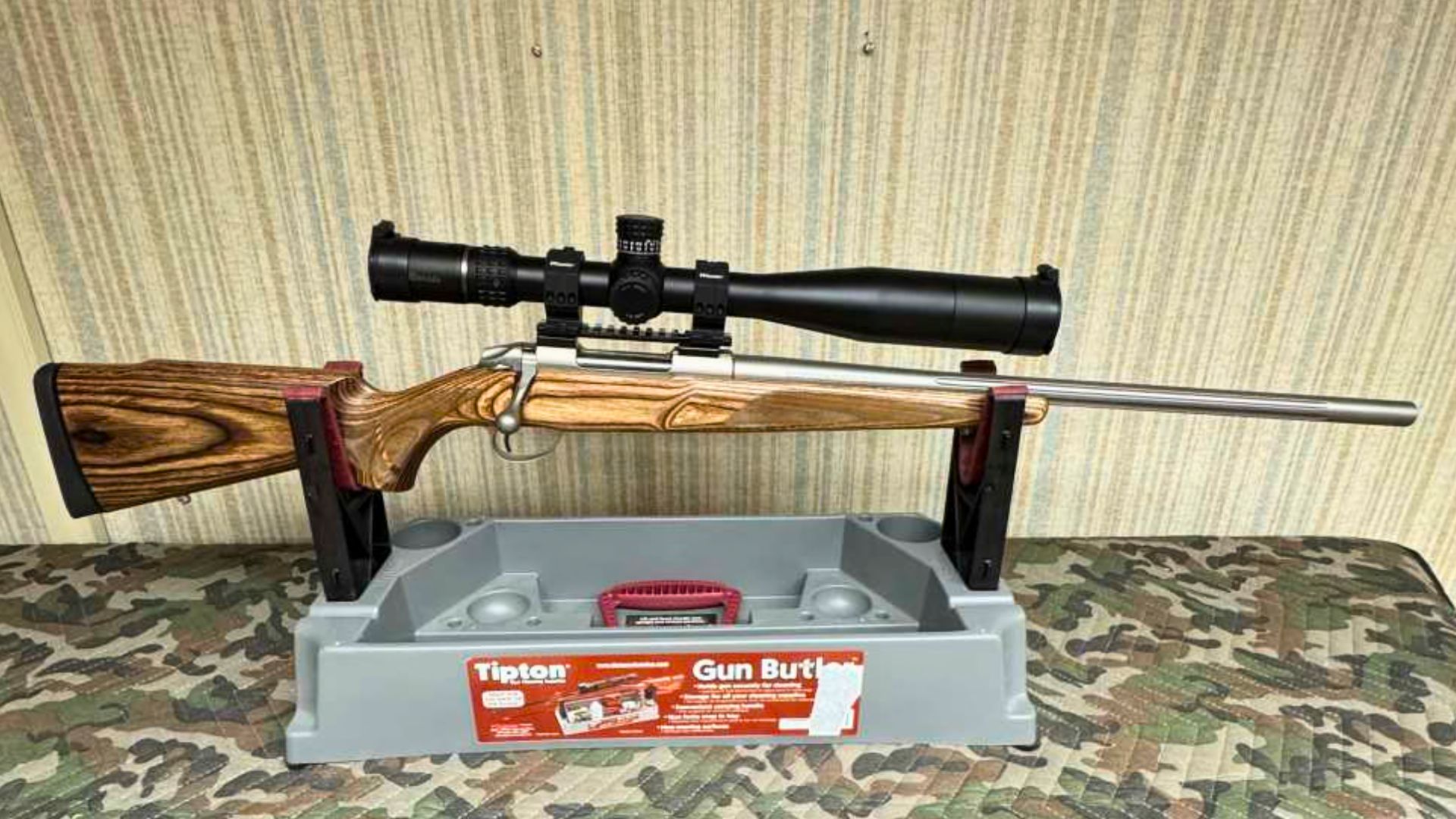
Sako may be respected, but it has never had the same loud personality as some rifle brands. It does not rely on cowboy history, military surplus romance, or bargain-rack popularity. Its appeal is more restrained.
That is exactly why serious rifle people like it. Sako rifles tend to win buyers through handling, machining, and accuracy rather than noise. They feel mature. A good Sako does not need to shout from the rack. It waits until you run the bolt, break the trigger, and see the group. Then you understand why the name has lasted.
Like The Avid Outdoorsman’s content? Subscribe to our newsletter so you never miss an article.
Here’s more from us: