Photo credit: Mossberg
You can learn a lot about American hunting culture by looking at what sells the most. The catch is that “popular” and “right for you” aren’t the same thing. A rifle can be everywhere because it’s affordable, easy to find, and gets recommended on autopilot—then you take it to the range and realize the stock doesn’t fit you, the trigger feels heavy, or the magazine system fights you at the worst time.
A bunch of today’s most common buys are genuinely capable rifles. They also tend to attract the most unrealistic expectations. The rifles below are the ones you keep seeing in gun racks, forums, and camp photos—often because they’re the easiest answer, not always the best one for the way you hunt. (Several are also consistent top sellers in recent GunBroker/GunGenius sales snapshots, which is one of the clearer public windows into what’s moving fast.)
Ruger American

You see Ruger Americans everywhere because they’re priced right, they usually shoot, and they come in every chambering a deer hunter might want. That combo makes it an easy first “serious” hunting rifle, and a default recommendation when somebody wants a bolt gun without spending all week shopping.
Where people get disappointed is expecting it to feel like a higher-end rifle. The stocks are often light and flexible, some versions feel front-heavy, and the “budget rifle” reality shows up in the small stuff. If you’re the kind of hunter who notices bolt feel, stock fit, and how a rifle balances off sticks, the American can feel rougher than you expected even when the groups look fine.
Browning X-Bolt

The X-Bolt gets bought on reputation. It points well, it carries like a hunting rifle should, and Browning’s name makes people comfortable spending the money. It also has a loyal fanbase, so it’s constantly in the conversation when guys are “upgrading” out of a budget bolt gun.
The letdown usually comes when you expect the factory setup to match your body and your hunting style without any tuning. Some folks don’t love the feel of the rotary magazine system, and others realize they paid for a premium rifle but still need to sort out the right load, the right rings, and the right cheek weld to actually shoot it the way they imagined.
Remington 700

The 700 is still one of the most bought hunting rifles because it’s a household name and the aftermarket is endless. A lot of hunters also grew up seeing them in camps, so buying a 700 feels like buying into tradition—and it’s easy to find one in almost any gun shop.
The frustration is that “Remington 700” isn’t one consistent thing anymore across decades and product runs. Used guns can be a bargain or a headache, and new guns can be solid but still not match the romantic picture you had in your head. If you’re expecting every 700 to shoot like a handpicked classic with a perfect trigger and a slick action, you’re setting yourself up for a reality check.
CZ 457 (rimfire hunter favorite)

For small game and practice, the CZ 457 is an easy rifle to love. It tends to shoot extremely well for what it is, it feels better than most rimfires in its price neighborhood, and it scratches that “I want a nice rifle even if it’s a .22” itch.
It becomes “overbought” when people expect rimfire to behave like centerfire. Wind still pushes .22 LR around, ammo still matters, and a lot of the accuracy story is lot-to-lot ammunition consistency. You’ll watch guys buy a 457, slap on big glass, and then act shocked when bulk ammo doesn’t stack into one hole. The rifle’s doing its part—the expectation is what needs tuning.
Savage 110 (and the 11/110 family)

The Savage 110 line gets bought because it has a long history of honest accuracy, usually decent triggers in modern trim, and lots of chamberings that make sense for deer and elk. It’s a “working hunter” rifle that has put a lot of tags on the wall.
The gripe you hear most is feel and finish compared to the hype. Some hunters don’t love the action smoothness, and others find the rifle a little clunky once they start carrying it hard or shooting it from field positions. None of that means it can’t shoot—it means the 110 is a practical tool, and if you’re buying it expecting boutique refinement, you’ll notice the difference quickly.
Savage Axis

The Axis gets bought because it’s one of the easiest ways to walk out with a scoped rifle that can kill deer. It’s a price-point rifle that often surprises people on paper, and that surprise sells a lot of rifles.
Then you actually live with it. The stock can feel light and hollow, the balance isn’t always pleasant, and the overall “cheap rifle” vibe shows up when you start shooting off sticks or trying to run the bolt quickly. The Axis can be a perfectly valid hunting rifle, but it’s also a classic example of a gun that gets recommended as a universal answer when it’s really a compromise that works best when you accept it as one.
Tikka T3x

Tikkas have a well-earned reputation for smooth actions and easy accuracy, so the T3x gets bought by guys who are tired of fighting their rifles. It’s one of the few rifles that can make a decent shooter look more consistent quickly, especially from field positions where bolt feel and balance matter.
The disappointment comes when you realize you bought into a cult following and now you’re paying for accessories to make it fit your exact preferences. Some hunters want a different stock feel, different bottom metal, or a different magazine setup than what the factory gives you. The rifle itself is strong, but the “perfect out of the box” story isn’t always true once you start tailoring it to the way you actually hunt.
Ruger Hawkeye

The Hawkeye gets bought by hunters who want controlled-feed vibes, classic lines, and a rifle that feels like it belongs in rough country. It’s also a common pick for guys who don’t want a rifle that feels disposable.
Where it can disappoint is in the gap between tradition and modern expectations. Some shooters want a lighter, more streamlined setup than the Hawkeye’s typical configurations. Others expect every Hawkeye to feel like a tuned custom rifle right away, then notice the action feel, the trigger character, or the weight once they start hiking. It’s a rifle you buy with your head and your heart—if your heart is doing most of the buying, the range can humble you.
Howa 1500

The Howa 1500 is a quiet workhorse. It gets bought because it’s usually a lot of rifle for the money, the actions tend to be solid, and plenty of hunters have seen them shoot better than expected with normal hunting ammo.
It becomes overbought when people assume “good value” means “no trade-offs.” Depending on configuration, weight can sneak up on you, and some factory stocks don’t fit as cleanly as you’d like when you’re shooting off sticks in awkward terrain. The Howa can be a rifle you keep for life, but it’s still worth handling in person. A bargain that doesn’t fit you turns into a rifle you tolerate instead of trust.
Weatherby Vanguard

The Vanguard sells because it carries the Weatherby name without Weatherby price pain. It also has a long-running reputation for being accurate enough for serious hunting, and a lot of guys like the way they feel compared to the lighter, more plasticky budget rifles.
The frustration is that many hunters buy a Vanguard expecting a “premium rifle experience” in every detail. Some versions feel hefty once you’re climbing, and the factory setup may not match your preferred balance point. You can end up with a rifle that shoots well but feels like more gun than you want to carry for the kind of deer hunts you actually do. That’s a comfort issue, not a capability issue—but it still matters.
Winchester XPR
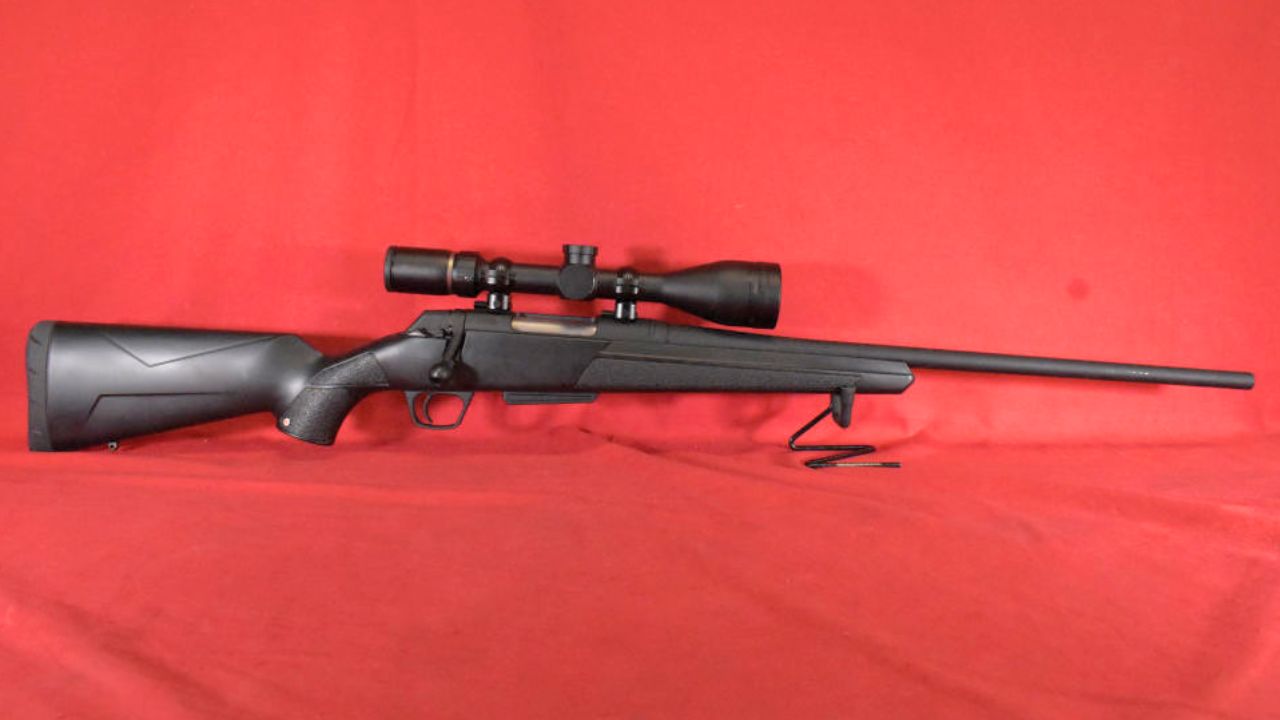
The XPR is one of those rifles that gets bought because it looks right, feels familiar, and sits in a price band where hunters feel safe. It’s often a “walk-in, walk-out” bolt gun purchase, especially when somebody wants a name brand without going all-in on cost.
The disappointment tends to be the same theme: expectation inflation. If you’re picturing the crisp feel of an older Winchester classic, the XPR may feel more utilitarian than you hoped. It can also take a little experimenting to find the load it really likes, which annoys hunters who thought they were buying instant perfection. It’s a practical rifle, but it gets treated like a legendary one.
Mossberg Patriot

The Patriot sells because it’s accessible. You’ll see them in local shops, you’ll see them on shelves during season, and you’ll hear “it’ll kill deer” said with a shrug. A lot of hunters also like the idea of a light, handy rifle for thick cover and stand hunts.
Where it frustrates owners is in consistency of feel. Some people love how theirs shoots and carries, while others bump into things like stock feel, how the rifle sits on bags, or how it behaves when you speed up the pace. It’s not that the Patriot can’t work—it’s that it’s often bought as a one-size-fits-all answer when it’s better approached as a budget rifle you choose carefully.
Bergara B-14

The B-14 has become a common “smart buy” because it offers a lot of accuracy and a lot of rifle feel without drifting into custom-rifle money. It’s also a popular bridge rifle for hunters who are flirting with long-range practice but still want something that hunts well.
The “overbought” part shows up when people pick the heaviest, most target-leaning configuration and then realize they hate carrying it. Bergaras can shoot lights-out, but weight and balance are real when you’re hiking, climbing, and getting into field positions. If you choose the right trim for your hunting, it’s great. If you choose it because the internet said it’s the best, you can end up with a rifle you respect and still don’t enjoy.
Springfield Armory Model 2020 Waypoint
The Waypoint gets bought because it promises a modern, lightweight, accurate hunting rifle with premium touches. For hunters who want one rifle that feels “done” out of the box, that pitch is hard to ignore.
The letdown is usually in the expectations that come with the price tag. You pay enough that you start noticing every little preference mismatch—stock shape, recoil feel, how it balances with a suppressor, how it settles on a pack. The Waypoint can absolutely be a strong hunting rifle, but it’s a classic case of a rifle being bought as a status move and then judged like it’s supposed to fit every shooter perfectly. Fit still matters more than marketing.
Marlin 1895

Big-bore lever guns are back in a big way, and the 1895 has been one of the rifles people chase because it looks right, hits hard, and feels like America. A lot of hunters also want a brush rifle that’s fun to shoot and carries authority on hogs and bears.
Then they spend a long day with it. Depending on configuration, weight and recoil can wear you down, and the practical range envelope is still what it is. The 1895 is a great tool in its lane, but it gets overbought by hunters who want it to be a do-everything deer rifle across open country. It shines when you keep it in thick stuff and inside realistic distances.
Henry Side Gate

Henry sells the idea of a rifle you’ll actually want to carry. The side gate models, in particular, get bought by hunters who want classic handling with modern convenience. They also pull in new lever-gun buyers who like the feel and the simplicity of the manual of arms.
The frustration is that lever guns demand honest practice. If you’re used to a bolt gun with a scope and a steady rest, a lever with irons or a low-power optic can expose your fundamentals fast. Some guys also realize they bought the “cool” deer rifle and then struggle with ammo selection, sighting systems, or practical accuracy at their typical distances. The rifle can be great—the learning curve is what surprises people.
Like The Avid Outdoorsman’s content? Subscribe to our newsletter so you never miss an article.
Here’s more from us: