Photo credit: WHO_TEE_WHO/YouTube
Some calibers age gracefully. They may be old, slow, or unfashionable, but they still fill a clean purpose. Others hang around mostly because somebody has an old gun chambered for them, a box of ammo in the closet, or a soft spot for strange cartridge history. That does not always make them useless, but it can make them hard to recommend.
A cartridge can become practically useless for a lot of reasons. Ammo gets scarce. Better options become common. The guns chambered for it disappear. Performance does not justify the recoil, cost, or trouble. These calibers are not all worthless in every possible situation, but for most shooters today, they are tough to defend.
.25 ACP
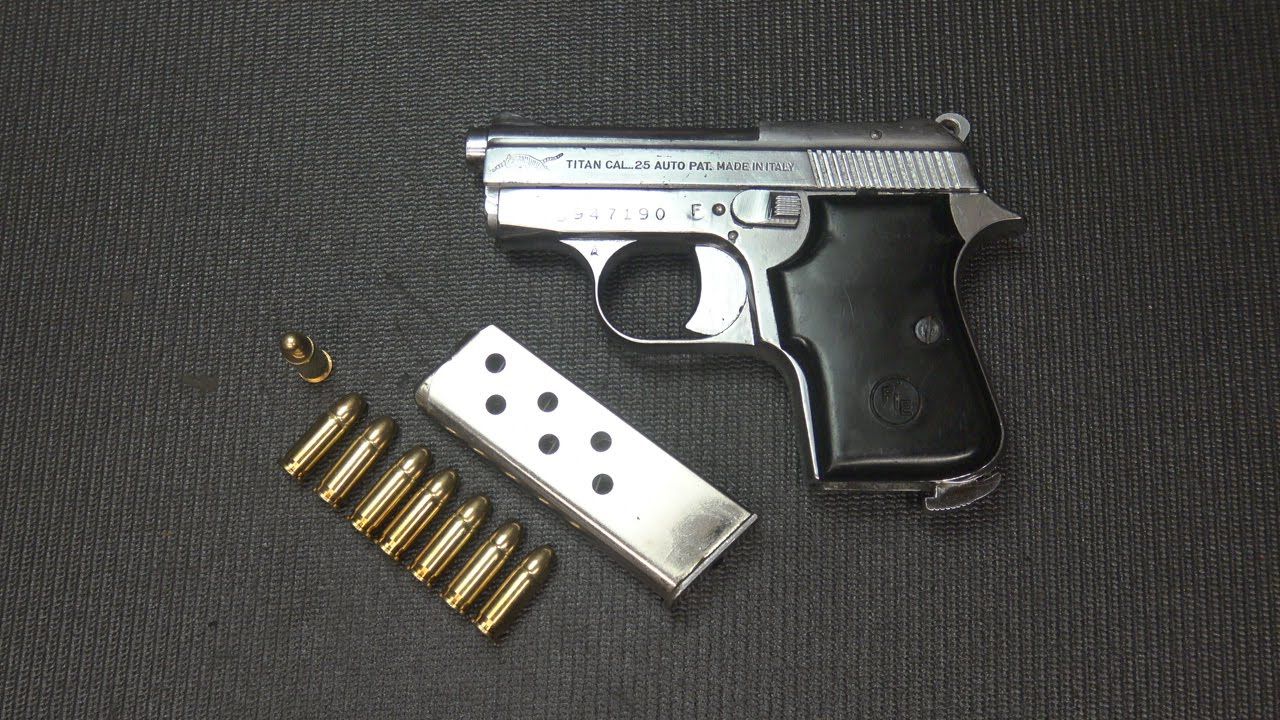
The .25 ACP still exists mostly because tiny old pocket pistols exist. It was designed for small semi-autos at a time when carrying something was better than carrying nothing, and in that narrow historical context, you can understand why it survived.
Today, it is hard to make a serious case for it. The power is weak, the guns are often old or cheaply made, and modern .22 LR, .32 ACP, .380 ACP, and 9mm carry options make the .25 feel stranded. If you inherited one, fine. As a modern defensive choice, it is almost impossible to recommend.
.32 S&W

The .32 S&W is one of those old revolver cartridges that belongs more to a drawer-gun era than the modern shooting world. It has mild recoil and can still be interesting in antique revolvers, but practical use is extremely limited.
The problem is simple: it does not offer enough performance to justify chasing ammo or relying on old guns. Modern .32 H&R Magnum and .327 Federal Magnum revolvers give you far more flexibility, while .38 Special remains easier to find and more capable. The .32 S&W is historically interesting, but not very useful now.
.32 ACP

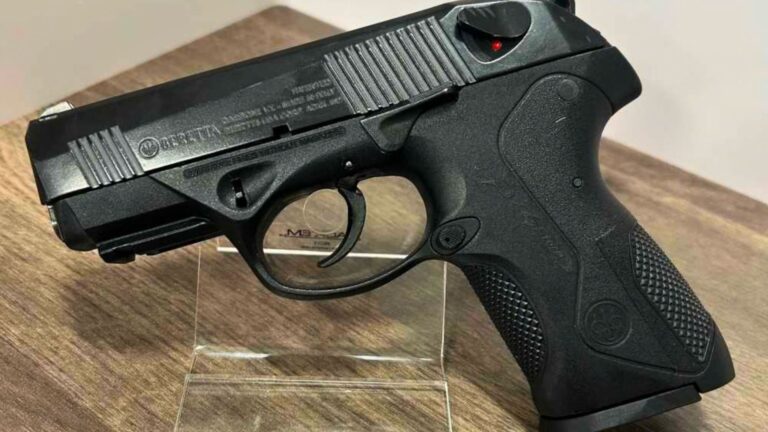
The .32 ACP has its fans, and in the right pistol it can still be pleasant to shoot. Old European pocket pistols, Beretta Tomcats, and classic carry guns keep the cartridge alive for people who appreciate mild recoil and compact handguns.
But as a practical modern choice, it is hard to defend. .380 ACP pistols are everywhere, micro 9mms are common, and ammo prices for .32 ACP often feel out of line with what the cartridge delivers. It is not useless in the strictest sense, but most buyers today have better options that are easier to feed and trust.
.380 ACP in full-size pistols

The .380 ACP is not useless by itself. In a tiny carry pistol, it still has a place for people who need low recoil or deep concealment. The problem is full-size or near-full-size pistols chambered in .380.
Once the handgun is large enough to handle 9mm comfortably, .380 starts making less sense. You give up power and often pay more for ammo while carrying a pistol that is not much easier to conceal. A big .380 can be soft and fun, but from a practical standpoint, it is usually solving a problem that no longer exists.
.38 S&W
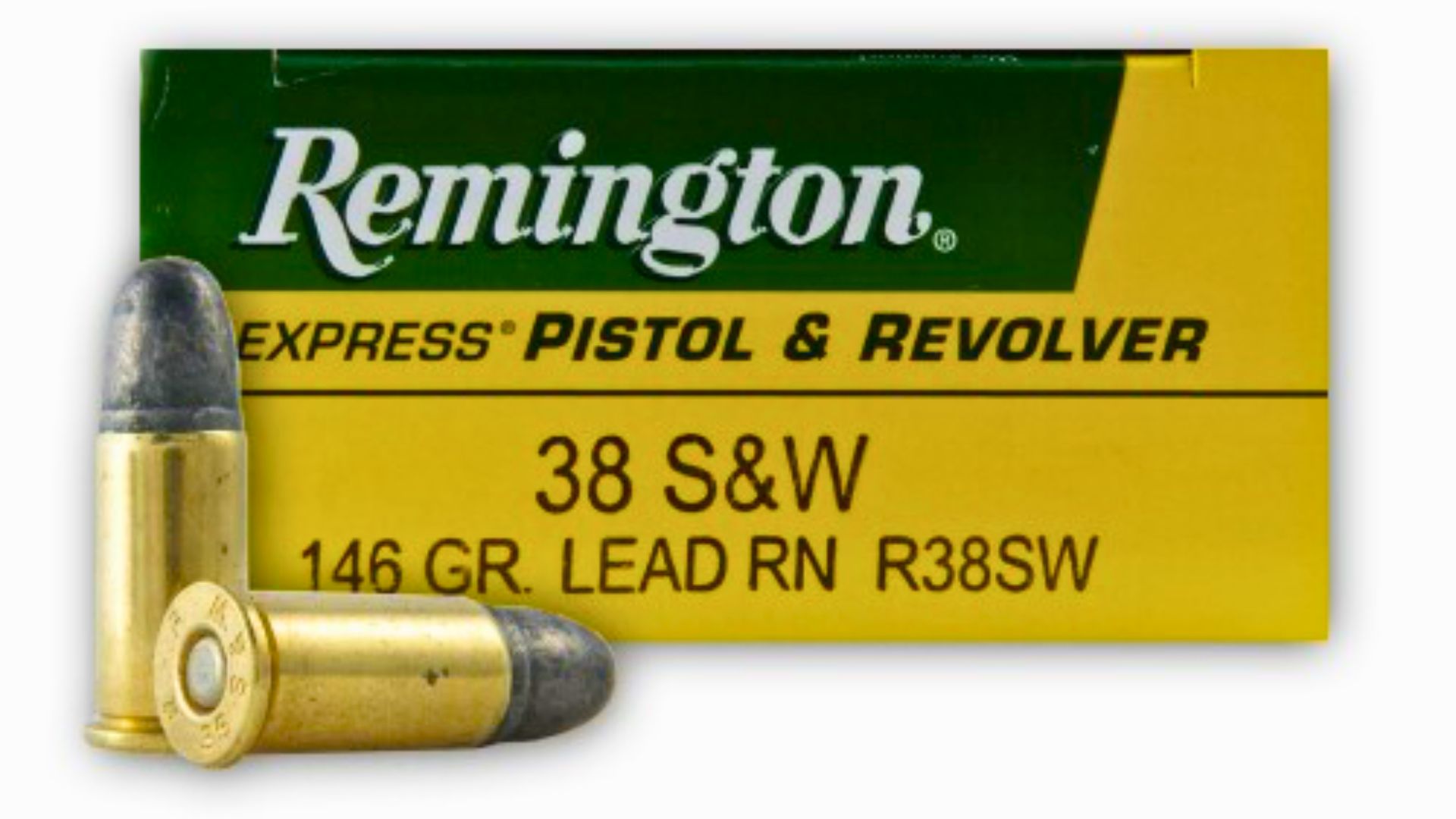
The .38 S&W gets confused with .38 Special by newer shooters, but it is a different, older, weaker cartridge. It shows up in old break-top revolvers, British service revolvers, and family hand-me-downs that people occasionally bring to the range.
The cartridge still has historical value, but modern usefulness is thin. Ammo can be expensive or spotty, and many guns chambered for it are old enough that you should be careful about what you fire through them. If you enjoy old revolvers, it has a place. If you need a practical handgun cartridge, .38 Special leaves it far behind.
.41 Action Express

The .41 Action Express was an interesting idea that arrived at the wrong time and then got buried. It was meant to give 9mm-sized pistols more punch through a rebated-rim design, but the market moved on quickly.
Once .40 S&W appeared and gained law enforcement attention, .41 AE had almost no room left. Today, ammo is scarce, guns are uncommon, and there is no practical reason for most shooters to chase it. It is a neat cartridge for collectors and oddball pistol fans. For normal use, it is essentially a dead end.
.45 GAP

The .45 GAP tried to put .45-caliber performance into a shorter cartridge that could fit smaller-framed pistols. On paper, that made some sense, especially when many shooters still wanted .45 power but did not love thick .45 ACP grips.
The market did not stick with it. Modern 9mm loads improved, .45 ACP never went away, and .45 GAP pistols became a niche. Ammo is not as common as mainstream defensive cartridges, and the advantage is hard to explain now. It is not powerless, but it is one of those rounds that became practically useless because better-supported options won.
.357 SIG
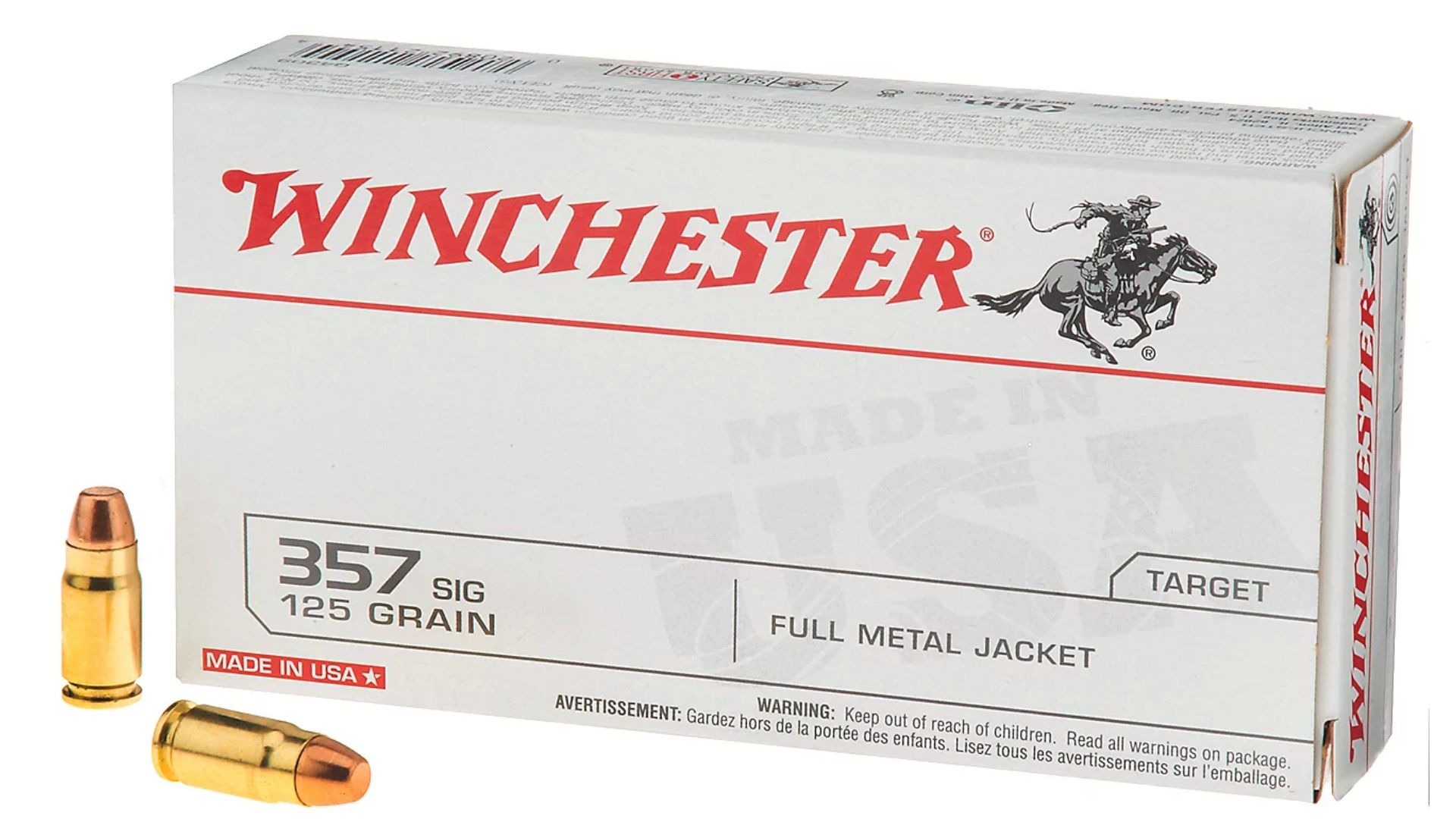
The .357 SIG is not useless because it lacks performance. It is fast, flat-shooting, and can be very effective. The problem is that its practical advantages no longer outweigh the downsides for most shooters.
It is loud, snappy, harder on guns, more expensive to shoot, and not nearly as common as 9mm. Law enforcement interest faded, and civilian demand never became broad enough to keep it mainstream. If you already own one and stock ammo, it still works. But for a new handgun buyer, .357 SIG is usually more trouble than it is worth.
.400 Cor-Bon
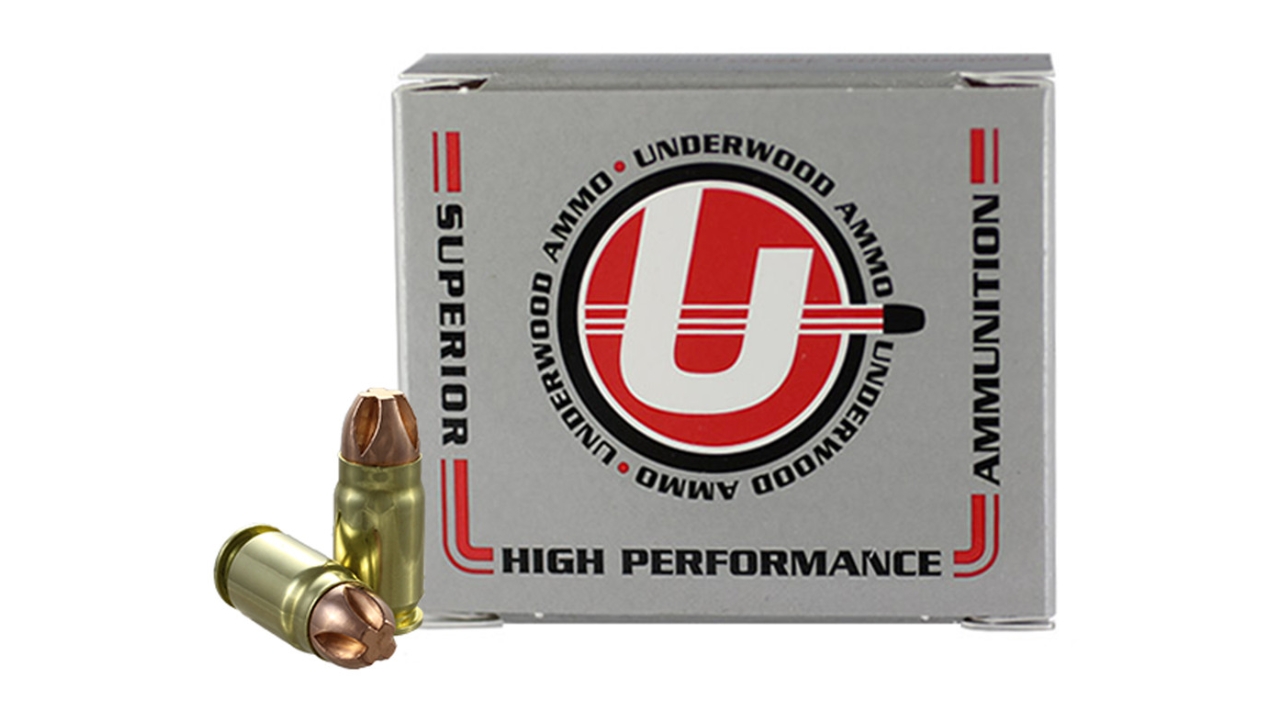
The .400 Cor-Bon was another attempt to get more velocity and punch from a semi-auto pistol platform, especially for shooters who liked the idea of converting .45 ACP pistols. It had a small following, but never enough to become normal.
Today, it is mostly an enthusiast cartridge. Ammo availability, parts concerns, magazine tuning, and the lack of mainstream support make it a poor practical choice. It may be fun for someone who likes unusual handloading projects, but as a defensive, carry, or general shooting round, it is hard to justify against 10mm, .40 S&W, .45 ACP, or 9mm.
.50 GI
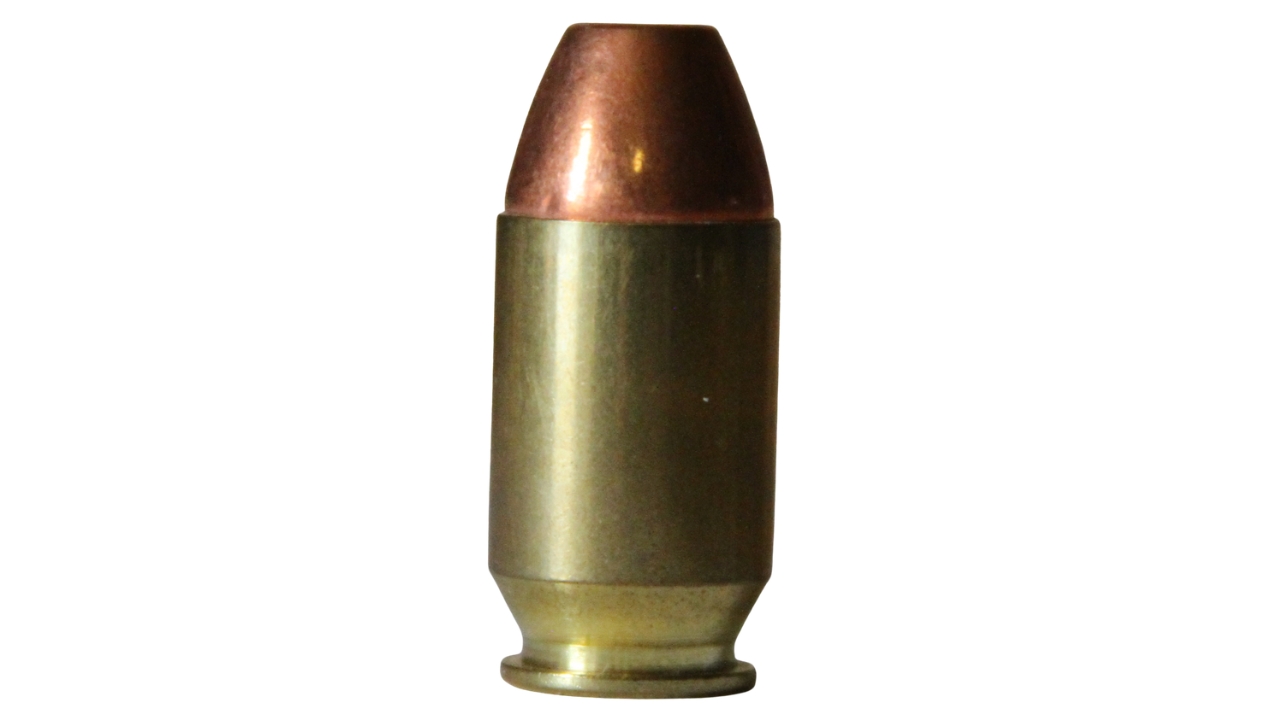
The .50 GI sounds impressive, and that is part of the problem. A huge bullet in a 1911-style or Glock-conversion platform gets attention fast, but attention is not the same thing as practical value.
The cartridge is expensive, low-capacity, niche, and not especially useful for most defensive or field roles compared with better-supported options. If you want serious semi-auto power, 10mm is easier to justify. If you want big-bore handgun nostalgia, .45 ACP is everywhere. The .50 GI is interesting, but for most shooters it is more conversation piece than sensible caliber.
.17 Mach 2
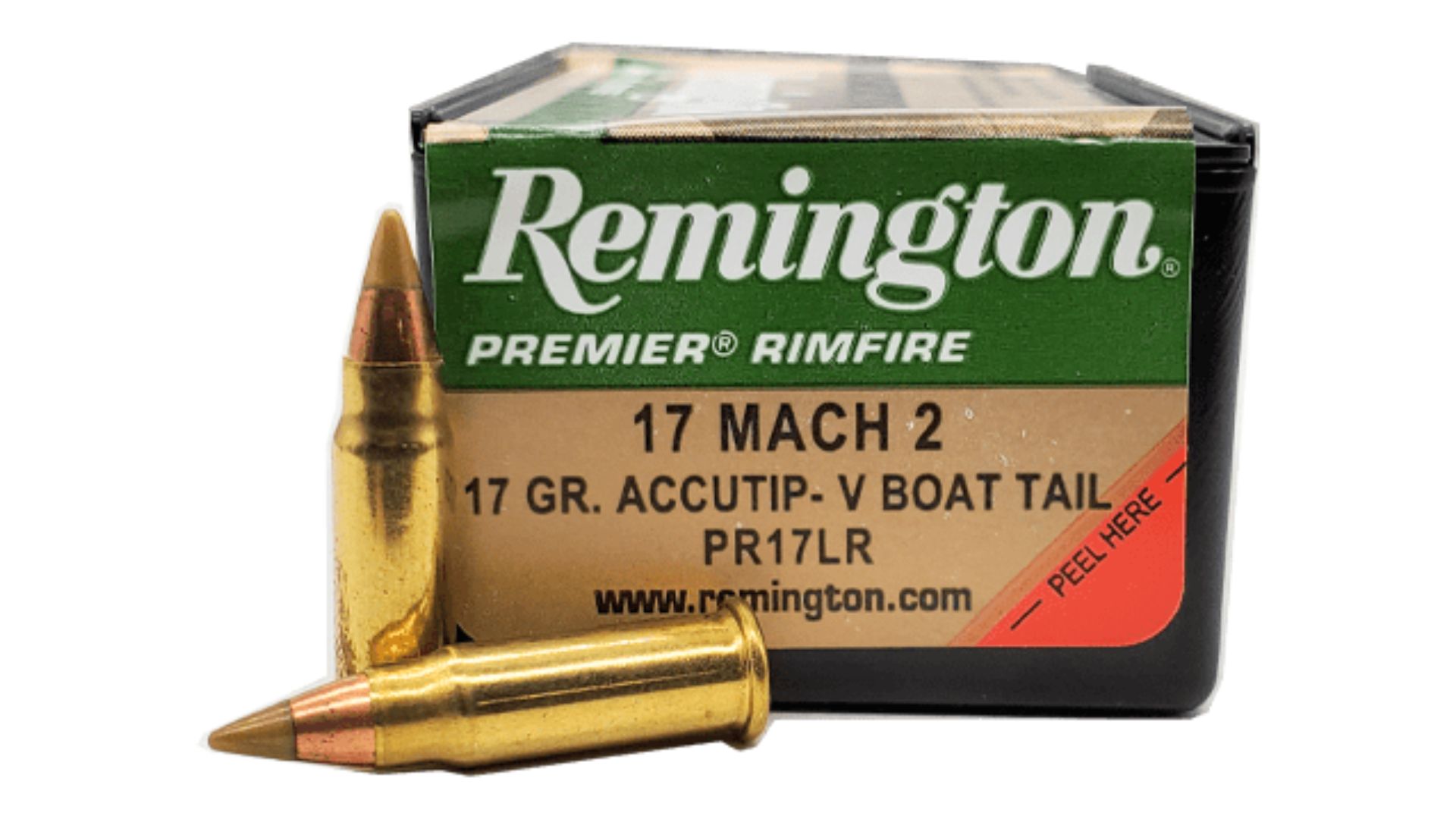
The .17 Mach 2 had a good idea behind it: a fast, flat little rimfire for small game and varmints. The trouble is that it never gained enough momentum to become a true staple.
The .17 HMR largely took the spotlight for rimfire varmint use, while .22 LR stayed unbeatable for cheap shooting and general utility. That left .17 Mach 2 stuck in the middle. It can still work very well if you have a rifle that likes it, but ammo availability and rifle support make it a hard cartridge to recommend today.
5mm Remington Rimfire Magnum
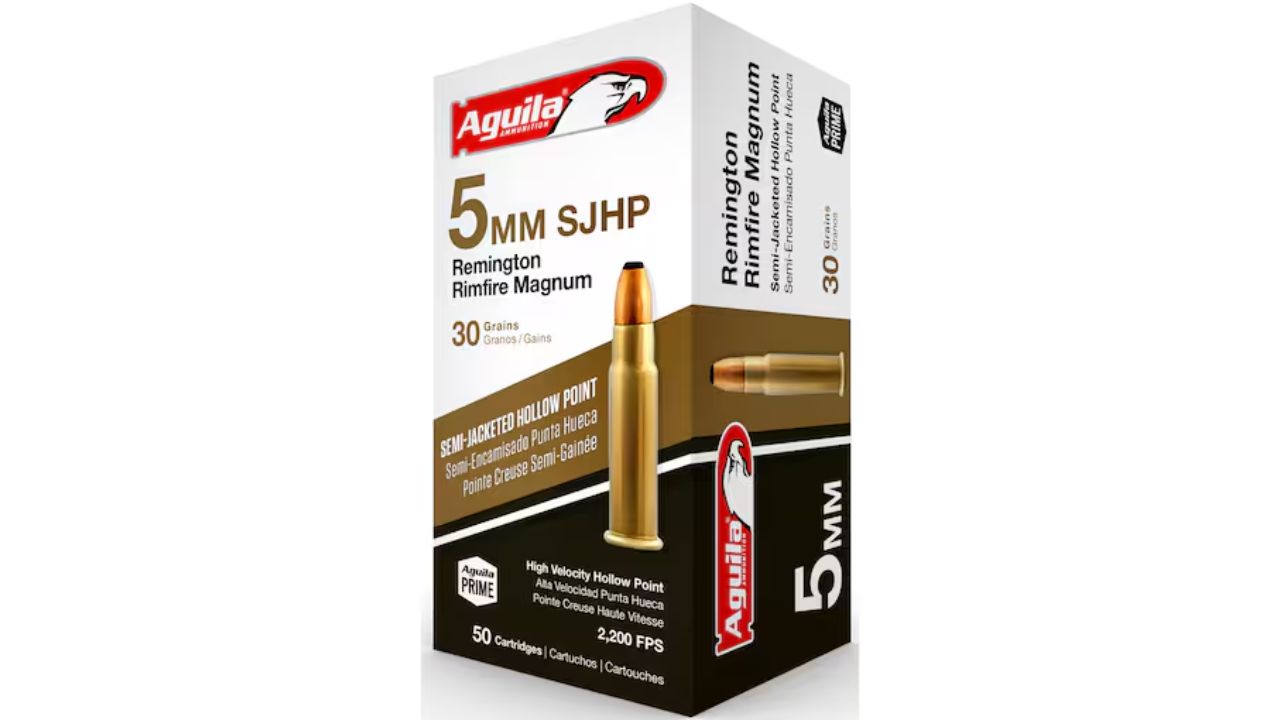
The 5mm Remington Rimfire Magnum is one of those cartridges that makes rimfire collectors smile and practical shooters shrug. It offered impressive performance for a rimfire, but the market never supported it well enough to keep it healthy.
That is the problem now. The cartridge has history and a small fan base, but ammunition availability has been the major issue for years. A cartridge can be clever and still lose if shooters cannot feed it easily. For most people, .17 HMR, .22 WMR, and .22 LR cover rimfire needs with far less trouble.
.256 Winchester Magnum
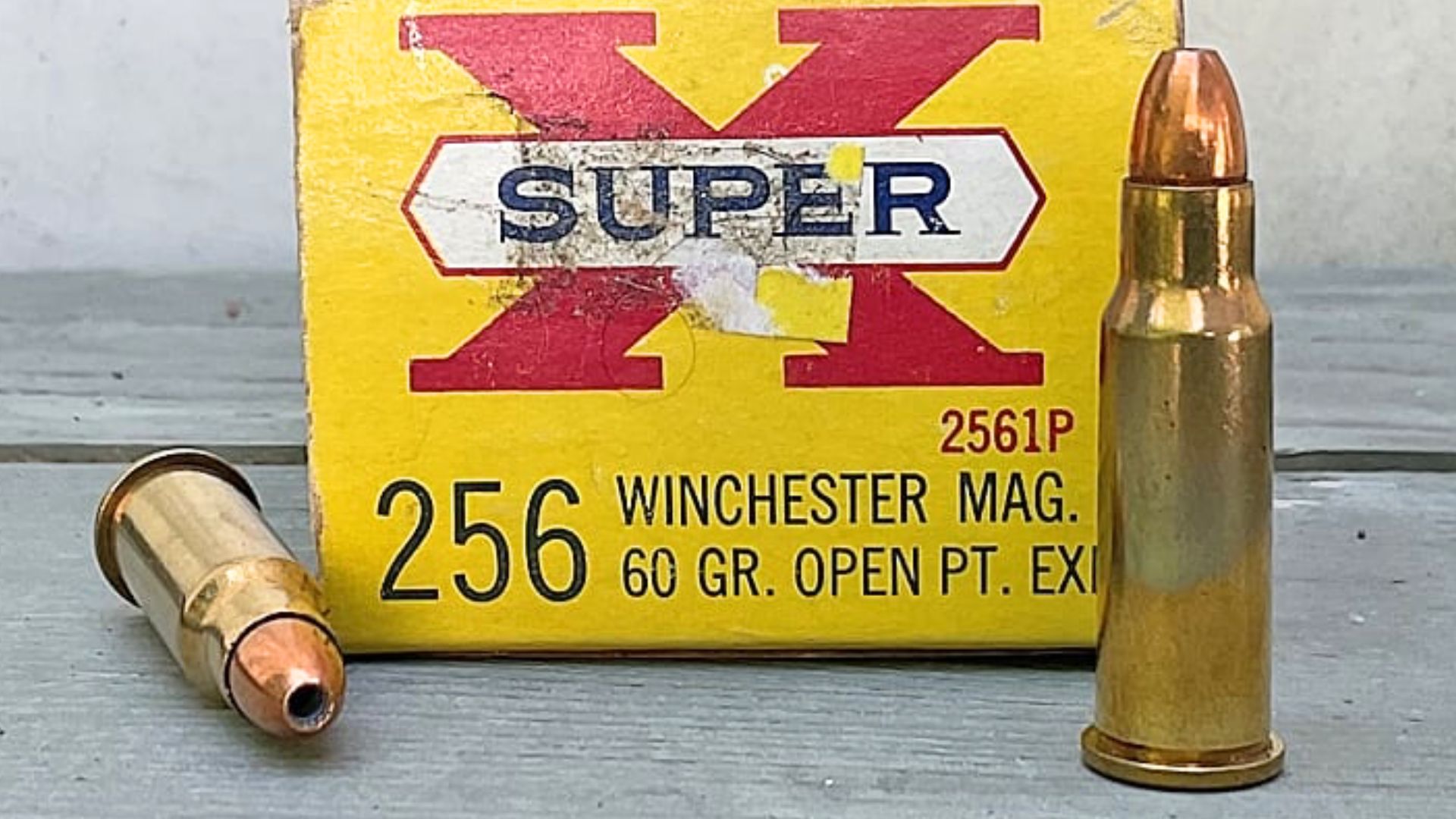
The .256 Winchester Magnum was an interesting little cartridge, especially in the Ruger Hawkeye pistol and some specialty rifles. It had speed, novelty, and a certain oddball appeal that cartridge collectors still appreciate.
Practical usefulness today is another story. Guns are uncommon, factory ammo is hard to find, and the cartridge does not fill a role that cannot be handled more easily by .22 Hornet, .223 Remington, .357 Magnum, or modern small centerfires. It is fun history, but not something most shooters should build around now.
.264 Winchester Magnum

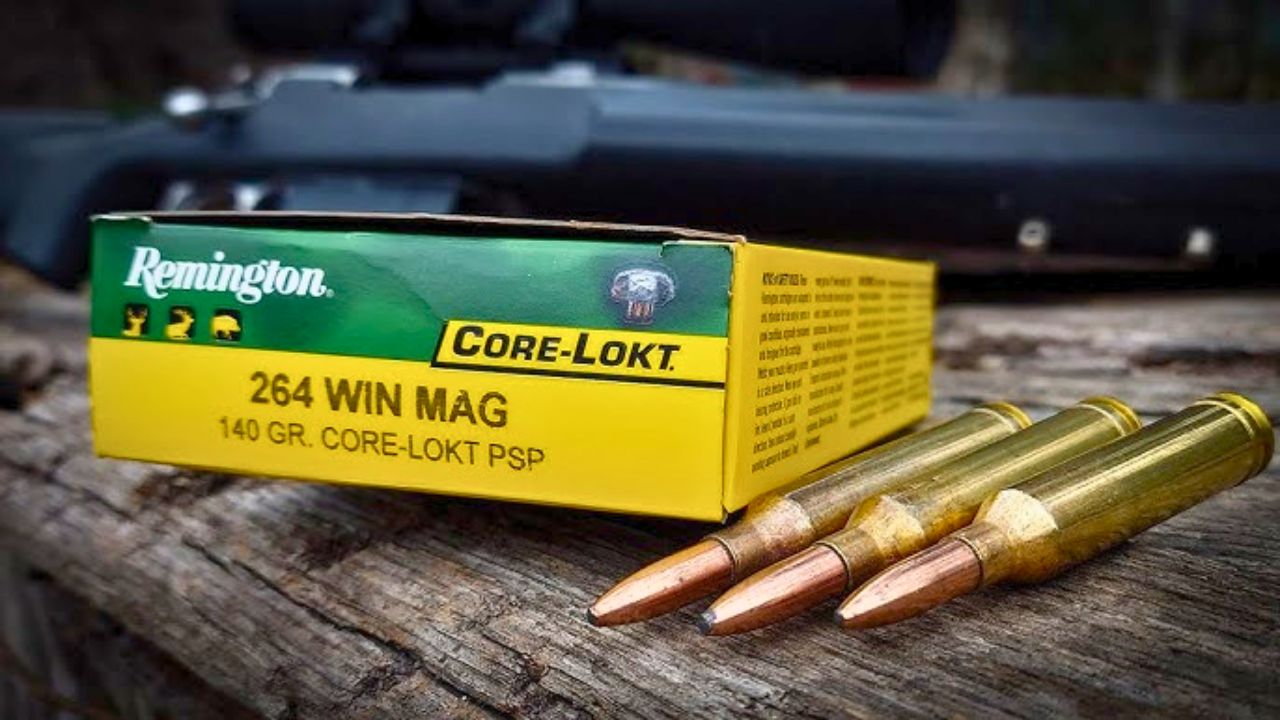
The .264 Winchester Magnum is not useless in terms of ballistics. It was fast, flat, and capable long before modern 6.5mm cartridges became fashionable. In a good rifle, it can still perform beautifully.
The issue is practicality. It can be hard on barrels, factory ammo is limited compared with more common hunting cartridges, and newer rounds like 6.5 Creedmoor, 6.5 PRC, and 7mm options are much easier for most shooters to live with. The .264 Win. Mag. still works, but it has been pushed into a narrow enthusiast lane.
.30 Remington
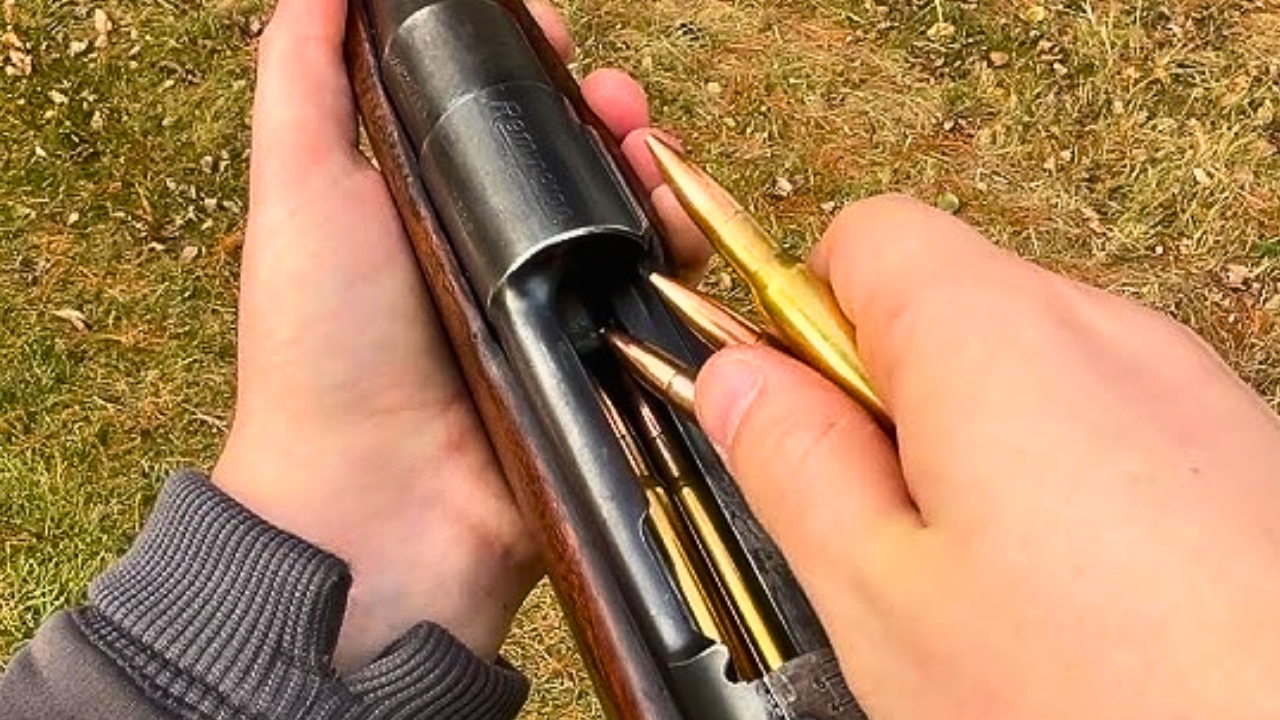
The .30 Remington is basically a rimless cousin to the .30-30 in performance, and it made sense in certain early semi-auto and pump rifles. It was useful once, but that was a long time ago.
Today, the cartridge mostly matters to collectors and people keeping old Remington rifles alive. Ammo is not common, the rifles are aging, and the performance does not justify the hassle for a practical hunter. If you inherited one, it can still be neat. But if you are choosing a working deer rifle now, .30-30, .308, .243, or plenty of other rounds make far more sense.
Like The Avid Outdoorsman’s content? Be sure to follow us.
Here’s more from us: