Photo credit: Pew Pew Tactical/YouTube
A rifle does not have to be terrible to be a bad buy. Sometimes it shoots fine, cycles fine, and looks decent in the store, but the price still does not line up with what you actually get. That is where buyers start feeling burned. They expected confidence, refinement, accuracy, or durability, and instead they got a rifle that feels average once the receipt is gone.
The worst part is that a lot of these rifles have enough name recognition or marketing behind them to keep people interested. They are not always junk. Some owners love them. But when you compare them against stronger options in the same price range, the value gets shaky fast. These are rifles that often leave buyers wondering why they paid what they did.
Christensen Arms Ridgeline FFT

The Christensen Arms Ridgeline FFT sells a very tempting idea: a light hunting rifle with carbon-fiber appeal, modern styling, and enough accuracy promise to make mountain hunters look twice. On paper, it sounds like the kind of rifle that should make cheaper guns feel crude.
The problem is that the price leaves no room for excuses. Lightweight rifles are harder to shoot well, and some owners end up chasing loads, bedding questions, or confidence they expected to come easier. When a rifle costs this much, “maybe it likes one specific bullet” is not comforting. A cheaper Tikka, Bergara, or Browning can often give a hunter all the practical accuracy he needs without the same level of buyer anxiety.
Springfield Model 2020 Waypoint

The Springfield Model 2020 Waypoint looks premium from every angle. Carbon-fiber stock options, modern lines, a fluted bolt, and strong accuracy marketing all help it feel like a serious rifle for serious hunters.
It may shoot very well, but the value argument depends on what you actually need. Most deer and elk hunters are not limited by whether their rifle has every premium feature. They are limited by field positions, wind, nerves, and practice. At this price, buyers expect a rifle that feels almost impossible to question. If it does not fit perfectly or shoot exactly how you hoped, the money feels hard to justify fast.
Weatherby Mark V Backcountry

The Weatherby Mark V Backcountry is a real premium hunting rifle, and the Mark V action has history behind it. It is light, strong, and built for people who want a serious rifle in rough country. None of that makes it an automatic value.
For many hunters, the cost runs ahead of the actual benefit. A lighter rifle can be harder to steady, harder to shoot well from awkward rests, and less forgiving during long practice sessions. If you are chasing sheep or climbing all day, it may make sense. If you are hunting whitetails, pigs, or normal elk country, there are far cheaper rifles that will kill just as cleanly.
Daniel Defense Delta 5

The Daniel Defense Delta 5 came from a company with a strong AR reputation, which made a lot of shooters curious about its bolt-action rifle. The modular stock, interchangeable barrel concept, and precision-rifle styling made it look like a serious long-range tool.
But the bolt-gun world is brutally competitive. At this price, buyers can look at Bergara, Tikka, Seekins, and even used custom builds that have deeper reputations in the precision space. The Delta 5 is not useless, but it often feels like you are paying for the Daniel Defense name in a category where other companies have already been doing the job better for the money.
Browning X-Bolt Mountain Pro
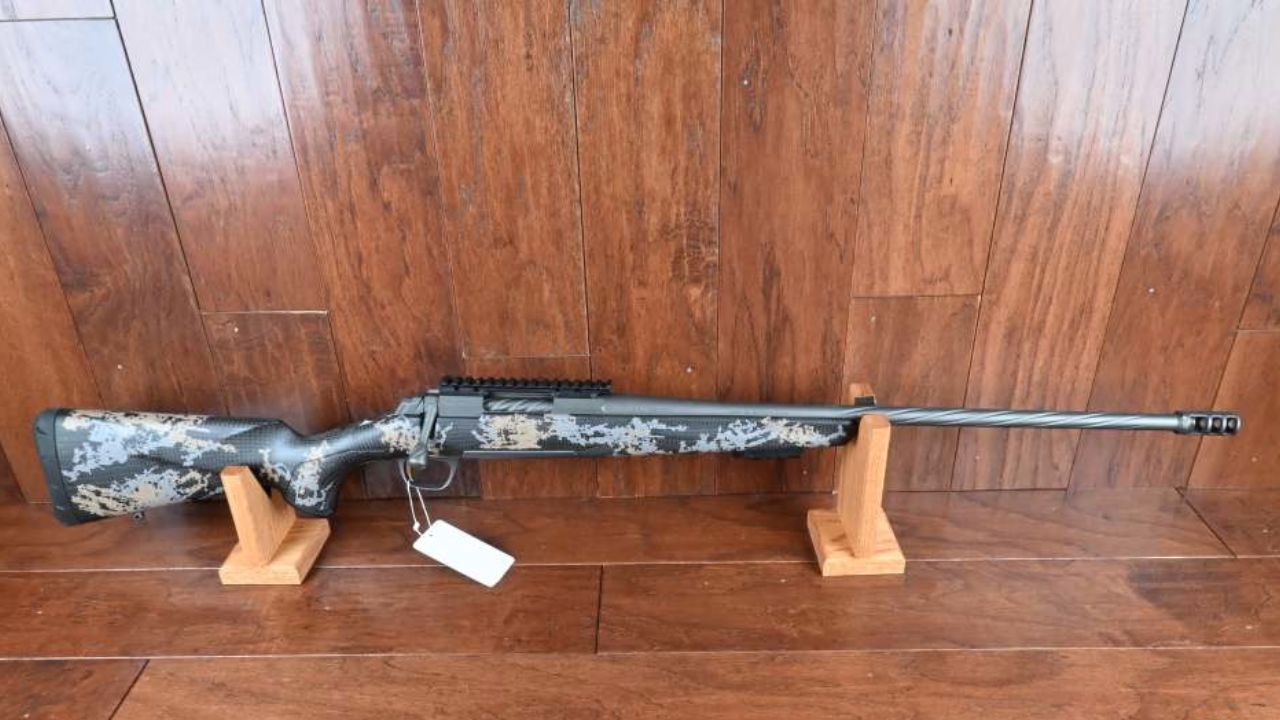
The Browning X-Bolt Mountain Pro is a nice rifle, and that is part of what makes the value question tricky. It is light, well-finished, and clearly aimed at hunters who want a higher-end mountain rifle without going full custom.
The issue is that the X-Bolt line already has strong options for less money. Once you get past the carbon-fiber touches, coatings, and weight savings, you have to ask how much better it really serves most hunters. A regular X-Bolt Speed or Tikka T3x may do the same real-world job for much less. The Mountain Pro is good, but good and worth the price are not always the same thing.
Marlin 1895 SBL

The Marlin 1895 SBL is one of the coolest lever guns on the market, and that cool factor is exactly where the money starts getting dangerous. Stainless steel, gray laminate, rail, big-loop lever, and .45-70 chambering make it look like the ultimate thick-cover rifle.
In real use, it is still a short-to-midrange lever gun with expensive ammo, stout recoil, and limited practicality for many hunters. It is great if you truly need a big-bore lever rifle. But a lot of buyers are paying for the image more than the need. For deer hunting, hog hunting, or general woods use, cheaper rifles can do the work with less recoil and less drama.
Ruger Precision Rifle

The Ruger Precision Rifle made long-range shooting more accessible, and it deserves credit for that. When it hit the market, it gave regular shooters a chassis rifle with serious features without custom-rifle pricing.
Now, the value is not as clean. The rifle is heavy, bulky, and not always as refined as newer precision options. Some shoot very well, while others feel like a starting point for upgrades. By the time buyers add better triggers, barrels, optics mounts, and accessories, the “affordable precision” idea can get expensive fast. It still has a place, but it is not the obvious bargain it once was.
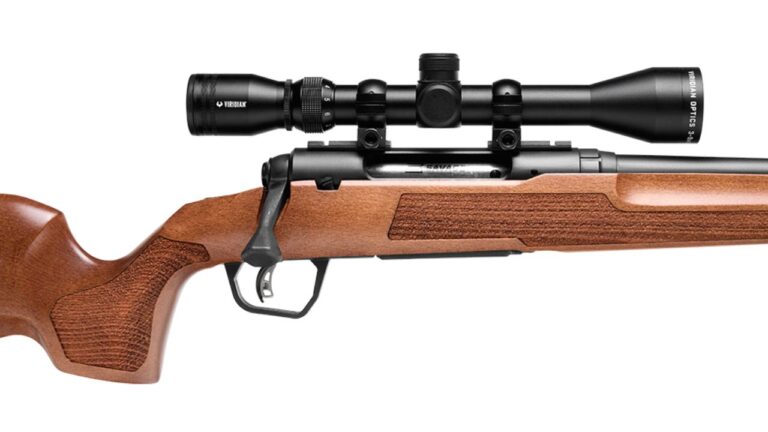
Savage 110 Ultralite

The Savage 110 Ultralite looks like a smart answer for hunters who want less weight without paying full custom-rifle money. The Proof Research barrel grabs attention, and the AccuFit stock gives it a modern, adjustable feel.
The trouble is that the whole rifle does not always feel as refined as the price suggests. The action can still feel like a Savage, the stock system is practical but not elegant, and light rifles punish inconsistent shooting. If it shoots, owners may love it. But for the money, some hunters expect a smoother, cleaner, more confidence-building package than the 110 Ultralite always delivers.
Henry Long Ranger

The Henry Long Ranger has a great idea behind it. A lever-action rifle that handles modern cartridges from a box magazine sounds like the perfect bridge between old-school handling and modern hunting performance.
The price is where things get harder. For what it costs, a hunter can buy a very good bolt-action rifle that is simpler, easier to scope, easier to shoot accurately, and easier to trust long term. The Long Ranger is interesting, but interesting does not always mean good value. If you love lever guns, it may scratch the itch. If you just need a hunting rifle, the money can go farther elsewhere.
FN SCAR 20S

The FN SCAR 20S has serious presence. It is big, expensive, and tied to the SCAR reputation that still carries a lot of weight with shooters. As a semi-auto precision rifle, it definitely gets attention.
But the price is brutal for what most civilian shooters will actually do with it. It is heavy, expensive to feed, expensive to accessorize, and not automatically better than other precision-minded .308 or 6.5 Creedmoor rifles for range work. The SCAR name does a lot of lifting. Unless you specifically want that platform, the same money opens doors to rifles and optics combinations that make more practical sense.
Winchester XPR Stealth

The Winchester XPR Stealth looks more serious than the standard XPR because of its tactical-style stock and heavier profile. It gives off the impression of a capable long-range hunting or range rifle without jumping into premium territory.
The issue is that the base rifle still feels budget-minded in several ways. The action, stock feel, and overall finish do not always match the visual promise. It can shoot well, but it sits in a crowded space where buyers can find stronger rifles with better aftermarket support or better refinement. If the rifle does not group exactly how you want, the “Stealth” package starts feeling like extra bulk and styling.
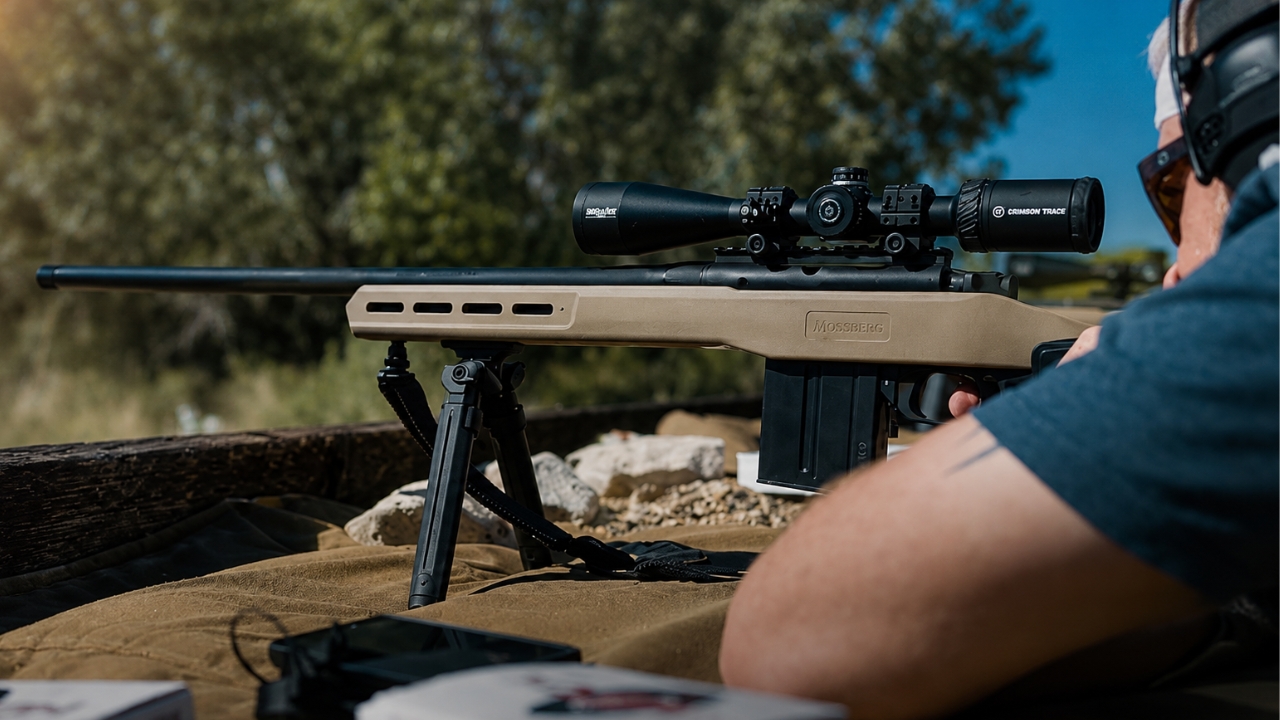
Mossberg Patriot LR Tactical
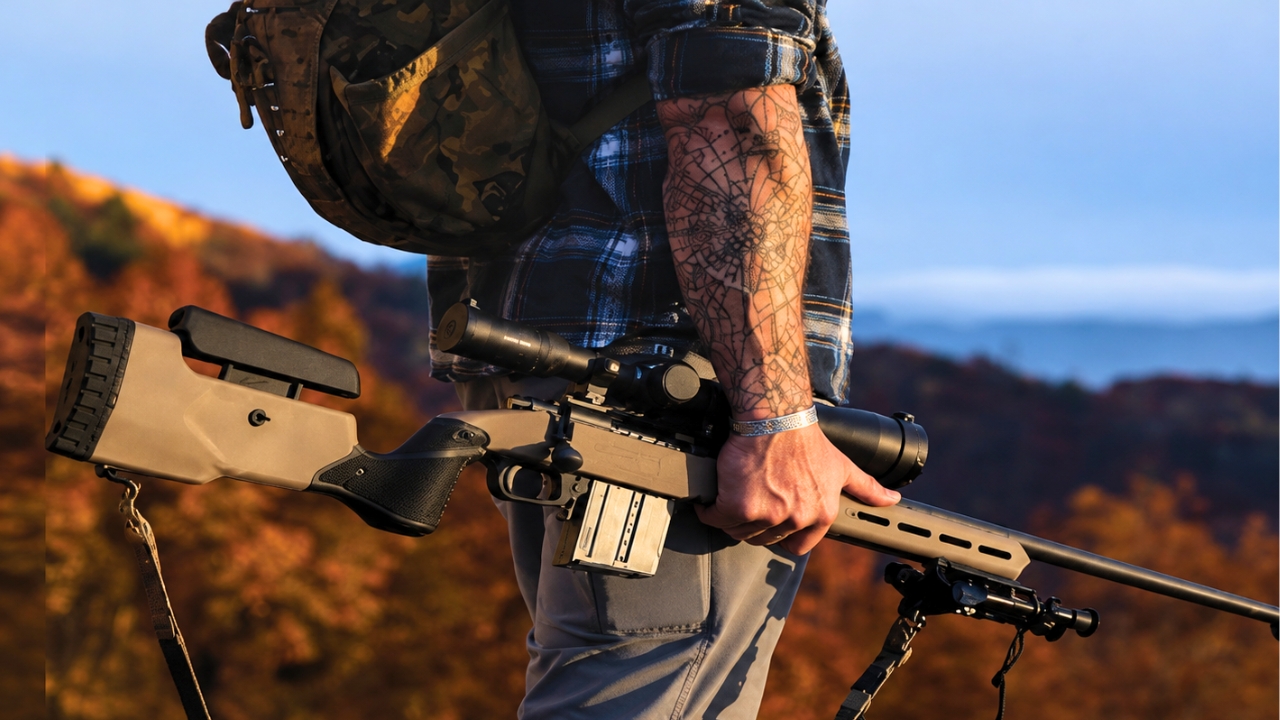
The Mossberg Patriot LR Tactical looks like an affordable precision rifle for people who want chassis-style features without spending Bergara or Tikka money. It has the right visual language: adjustable stock, heavier barrel, and long-range attitude.
But looking like a precision rifle is not the same as feeling like one. The action can feel rough, the overall refinement is not high-end, and the Patriot line has always been more budget hunting rifle than serious precision platform. Some examples shoot well, but the money can feel poorly spent if you expected a rifle that punches far above its class. It is one to prove hard before trusting.
Kimber Mountain Ascent

The Kimber Mountain Ascent is built around one big promise: carry less weight in serious country. For hunters counting ounces, that is a powerful sales pitch. It is light, clean-looking, and positioned like a premium mountain rifle.
That same light weight can make it frustrating. Thin rifles are harder to shoot well, and accuracy expectations at this price are unforgiving. Some Kimber rifles shoot great, while others leave owners chasing loads and wondering whether the rifle, the ammo, or the shooter is the problem. For the money, many hunters would rather have a slightly heavier rifle that is easier to shoot confidently.
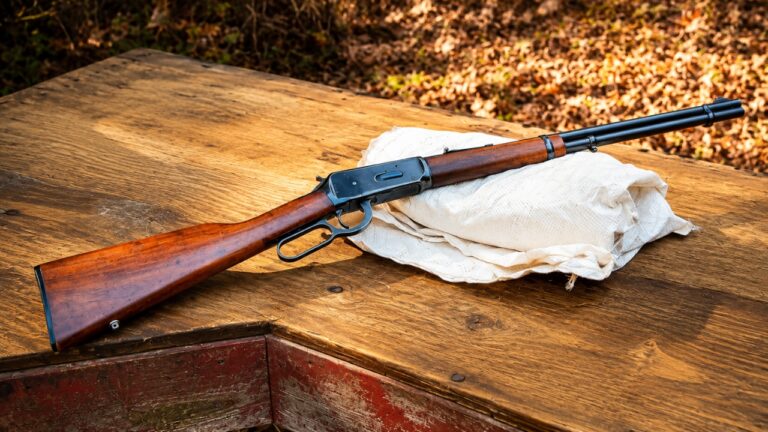
Browning BLR Lightweight

The Browning BLR Lightweight is a clever rifle. It gives lever-action fans access to modern cartridges, pointed bullets, and detachable magazines while keeping a hunting-friendly profile. That is not a bad concept at all.
The value problem shows up when you compare it against normal bolt guns. The BLR costs enough that buyers expect a lot, but it is still usually harder to shoot as precisely, harder to tune, and more mechanically complex than a basic bolt-action rifle. If you specifically want a lever gun in .308, .243, or similar cartridges, it has a lane. If you want the best rifle for the money, it gets harder to defend.
Remington 700 Alpha 1
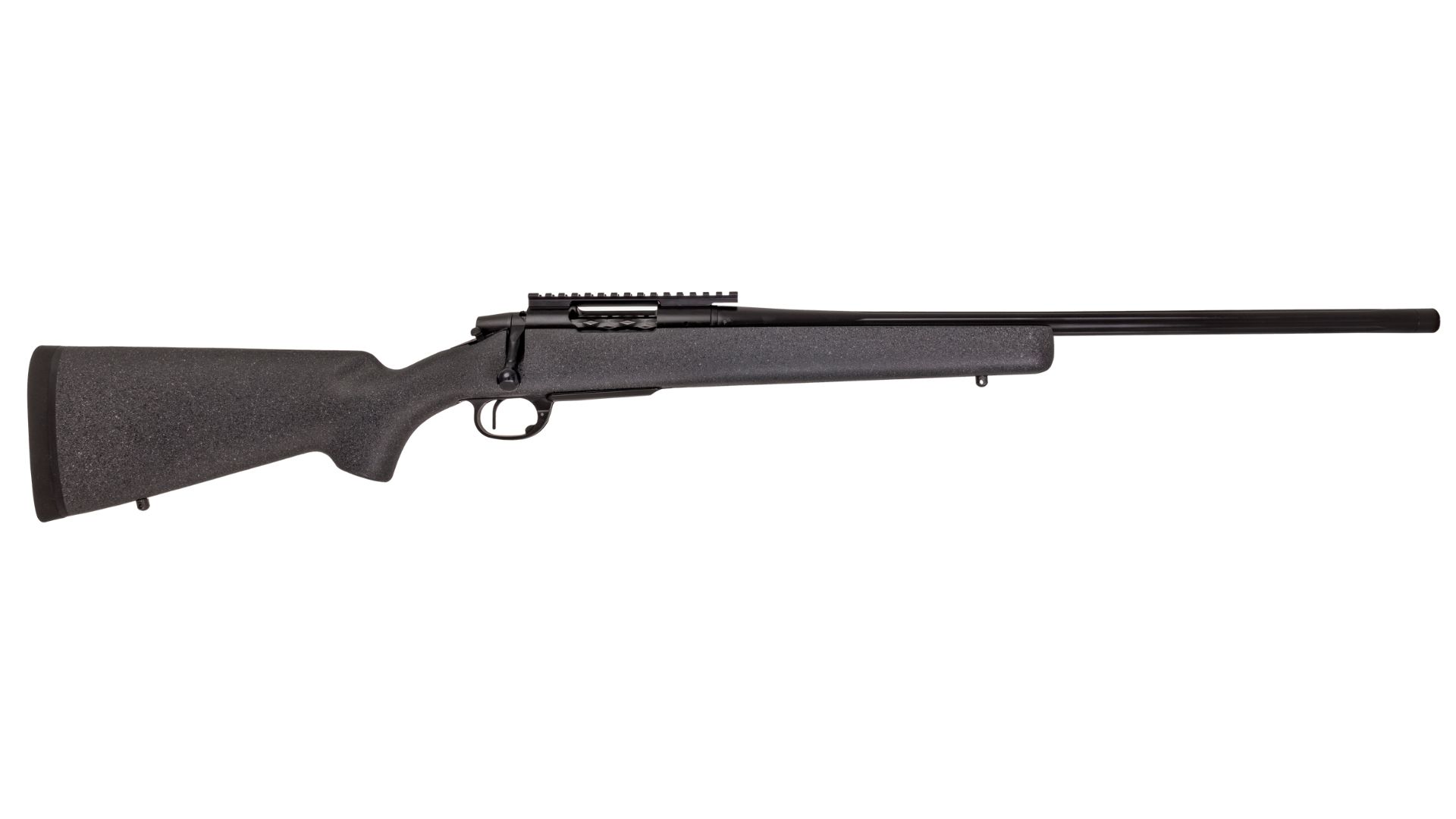
The Remington 700 Alpha 1 tries to bring the famous 700 name into a more modern, higher-end hunting rifle package. It has upgraded features, a more serious stock, and the kind of branding meant to reassure people that Remington is back in the game.
The challenge is that trust takes time. The 700 name still matters, but buyers now have too many excellent rifles to choose from. At its price, the Alpha 1 has to compete with rifles from Tikka, Bergara, Browning, Seekins, and others that already have strong modern reputations. It may turn out fine, but “maybe” is not a great value argument when the price is high.
Like The Avid Outdoorsman’s content? Subscribe to our newsletter so you never miss an article.
Here’s more from us: