Photo credit: Wise Men Company/YouTube
Every popular pistol earns its reputation for a reason. Some are genuinely reliable. Some are easy to shoot. Some conceal well. Some have huge aftermarket support that makes people feel like they can fix anything. But once a gun gets crowned “the one,” the conversation usually gets a little selective. People talk about what it does well and skip the part where every design comes with tradeoffs.
That matters, because the downside is usually what shows up after you buy it. Maybe it is snappier than expected. Maybe it prints more than the internet admitted. Maybe the trigger takes real work, the grip does not fit your hand, or the gun runs great until you start adding lights and optics. None of these pistols are bad. They are simply real-world guns, and real-world guns always come with something you need to work around.
Glock 19
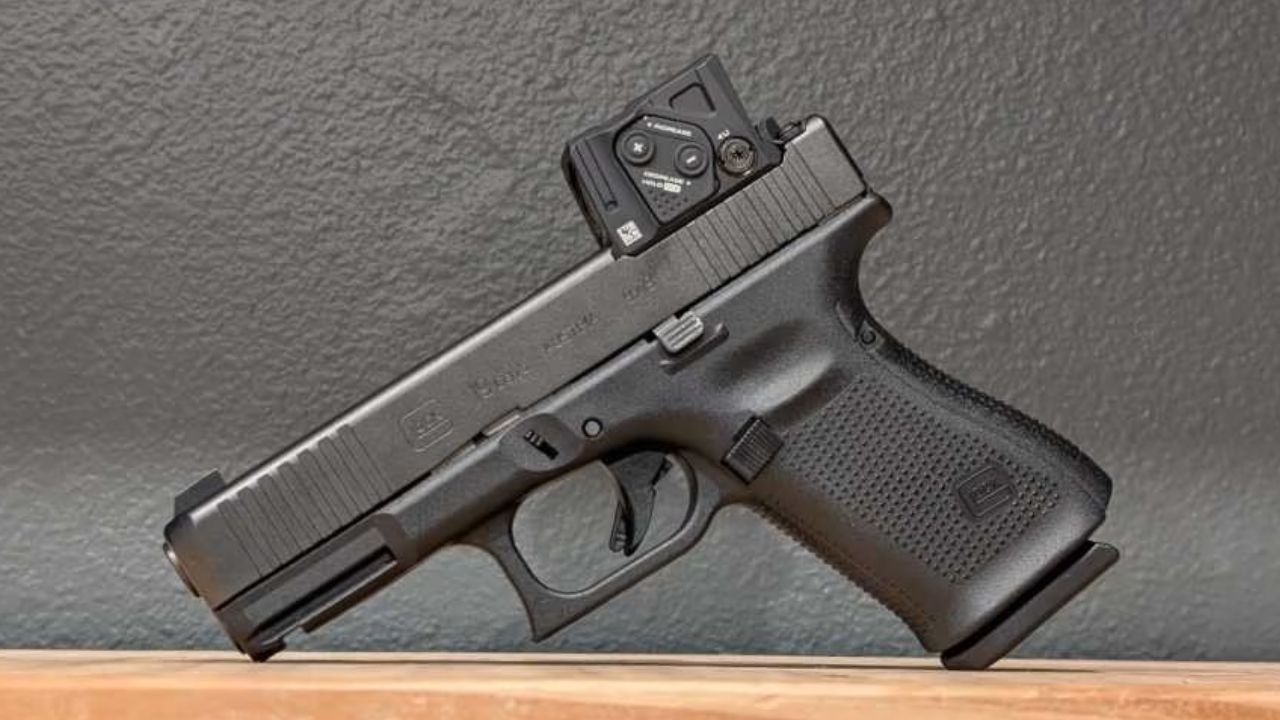
The Glock 19 gets recommended so often it almost stops being a recommendation and starts sounding like a reflex. It is compact enough to carry, large enough to shoot well, and supported by more holsters, sights, magazines, and spare parts than almost anything else on the market. That part is all true.
The part people skip is that the Glock 19 is not automatically comfortable for everyone. Some shooters never love the grip angle, and some struggle with the blocky feel compared to slimmer or more sculpted pistols. It also prints more than new carriers expect when they add an extended magazine or a light. It is a very capable pistol, but “works for a lot of people” is not the same thing as “fits you perfectly.”
SIG Sauer P365

The P365 changed the carry market because it gave people real capacity in a very small footprint. That made it easy to love. You can carry more rounds in a gun that still disappears under light clothing, and that alone made it one of the most copied ideas in the category.
What people do not always mention is that tiny guns are still tiny guns. The P365 can be snappy, especially in longer practice sessions, and the short grip asks a lot from your support hand if you want fast, consistent shooting. It also has less margin for sloppy technique than a larger compact. The pistol is easy to carry, but it is not effortless to shoot well. Those are two very different things, and buyers sometimes learn that after the first real range day.
Smith & Wesson M&P9 M2.0

The M&P9 M2.0 gets praise because it is reliable, durable, and easy to recommend to a wide range of shooters. The ergonomics are solid, the grip texture is aggressive enough to stay planted, and the platform has matured into a serious duty and carry gun. It has earned the good press.
The part that often gets skipped is that the texture can be a little much for daily concealed carry, depending on your skin, your shirt, and how you carry. The same roughness that helps you hold onto the gun can rub hot spots into your side during long days. Some shooters also never fully warm up to the hinge-style trigger feel, even if the gun performs fine. It is a strong pistol, but it is not automatically the most pleasant one to live with.
Glock 43X

The Glock 43X gets sold as the easy answer for people who want something slimmer than a double-stack compact but more shootable than a tiny pocket pistol. That is a fair pitch. The grip is longer than the original Glock 43, and that extra grip length makes the gun easier to control for a lot of shooters.
What people gloss over is that the same longer grip that improves control also makes concealment harder. The slide is slim, but the grip is still the part that prints, and that longer butt can show through light clothing faster than many buyers expect. It also sits in a strange middle ground where some people end up wondering why they did not go smaller for concealment or larger for shooting comfort. The 43X is good. It is also more compromise than magic.
SIG Sauer P226

The P226 has a reputation that is easy to understand. It is a proven service pistol, it shoots well, and it feels serious in your hands. The weight, the balance, and the overall build quality all make it feel like the kind of gun you can trust for a very long time. That reputation was earned.
What people leave out is that the P226 is a large pistol by modern carry standards. The grip can be chunky for smaller hands, and the double-action first shot takes real practice if you want to run it cleanly under speed. It is also heavier than many newer options, which matters if you are carrying all day. A great gun can still be a lot of gun, and that is the honest conversation the fan club sometimes skips.
Beretta 92FS

The 92FS is one of the smoothest-shooting full-size pistols ever made, and that is a big reason people stay loyal to it. The recoil impulse is soft, the sight picture is easy to track, and the gun tends to feel forgiving when you are working on fundamentals. It is a pleasure to shoot well.
The missing part is size. The grip is large, the slide is long, and the overall profile is harder to conceal than many people want to admit. Shooters with smaller hands may also struggle with the reach to the trigger in double action, which matters more than people think if the first press feels like a stretch. The 92FS is a classic for good reasons, but it asks for a body type, wardrobe, and hand size that not every shooter has.
1911 Government Model

The full-size 1911 has one of the most loyal followings in the pistol world because it points naturally, carries flatter than many double-stacks, and has a trigger that can still embarrass most modern service pistols. A good one is easy to shoot accurately, and that is why people swear by them.
What they do not always mention is that a 1911 is often less forgiving of neglect, cheap magazines, and poor maintenance than the average polymer duty gun. It is also a lower-capacity platform, and that matters whether people want to argue about it or not. The full-size steel gun is also heavier than many new carriers expect. If you stay on top of maintenance and use quality mags, it can be excellent. If you do not, it will tell on you faster than many of its fans admit.
Springfield Hellcat

The Hellcat gets praised because it packs serious capacity into a carry-friendly size. For a lot of people, that is enough to make it extremely attractive right away. It disappears well, gives you real round count, and fits the modern “small but capable” carry idea better than many older designs ever did.
The downside is that capacity does not change physics. The Hellcat is still a small, light 9mm, and small, light 9mms can be snappy. Many shooters find it less pleasant in longer sessions than the reviews made it sound, especially once they start pushing speed instead of shooting slow groups. It can also feel busy in the hand if your grip is inconsistent. The Hellcat solves the carry problem well. It does not solve the comfort problem the same way.
HK VP9

The VP9 gets praised for one thing almost immediately: comfort. The grip shape is excellent for a lot of shooters, the controls are easy to work with, and the pistol has a very “shootable” feel that makes people trust it quickly. It is one of those guns that often feels right the first time you pick it up.
What gets mentioned less is that comfort does not always mean compact. The VP9 is not a tiny pistol, and if you are trying to conceal it under light clothing, it can start to feel like more gun than the internet let on. It is also not the cheapest platform to feed with magazines and parts compared to some rivals. The VP9 is a strong performer, but it is not always the easiest pistol to carry or the cheapest one to support once you actually start using it hard.
CZ P-10 C
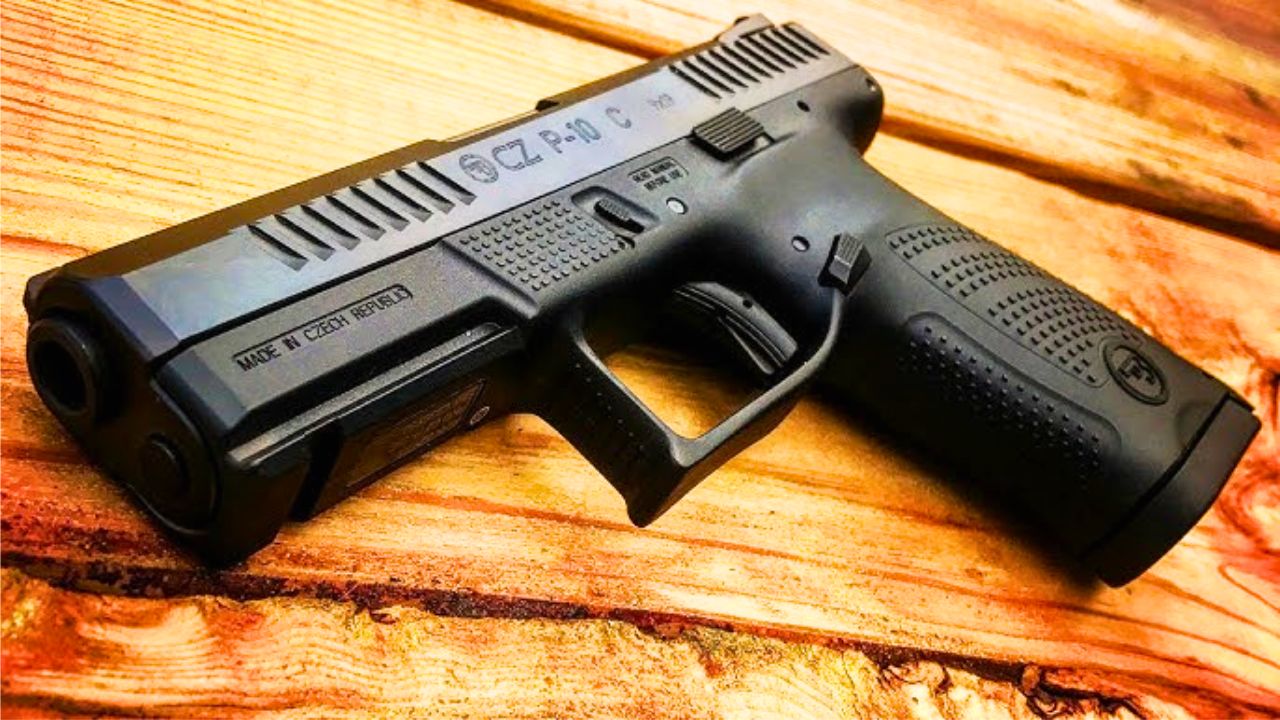
The CZ P-10 C is one of those pistols people love because it feels like a “shooter’s gun” in a practical package. The grip shape works for a lot of hands, the gun tracks well, and it has a reputation for solid accuracy and dependable performance. It often feels more refined than its price suggests.
The less glamorous part is that it never built the same aftermarket and accessory footprint as the biggest names in the category. That means you may have fewer holster choices, fewer easy parts options, and fewer off-the-shelf upgrades depending on what you want to do with it. Some shooters also find the slide a little less forgiving to grab under stress. It is a very capable pistol, but buying a good pistol is not the same thing as buying the easiest ecosystem.
Walther PDP

The PDP gets talked up because it shoots well, points naturally, and has a trigger that makes many striker-fired competitors feel average. That praise is deserved. It is easy to shoot fast, easy to shoot accurately, and built around the idea that a fighting pistol should still be enjoyable to train with.
The problem people do not mention enough is that the slide is chunky. The gun can feel larger than expected for concealed carry, and the width and top-end bulk become more noticeable once you start wearing it daily instead of simply admiring it at the range. It is also a pistol that invites optics and accessories, which can add even more bulk. The PDP is a great shooter. It is not always the easiest gun to hide or the smallest gun to live with.
Staccato P

The Staccato P gets the kind of praise most pistols never see because it really is excellent at what it does. It shoots flat, the trigger is outstanding, and it makes fast, accurate shooting feel easier than many polymer guns ever will. When people say it changes how they think about pistols, they are not making that up.
The problem they often skip is the obvious one: it is expensive, and that cost does not stop after the purchase. Magazines are expensive, maintenance matters, and many owners end up treating it like premium equipment because that is exactly what it is. It is also larger and heavier than many people want for daily concealment. The Staccato P is a serious pistol. It just asks for a serious budget, serious carry commitment, and serious maintenance habits too.
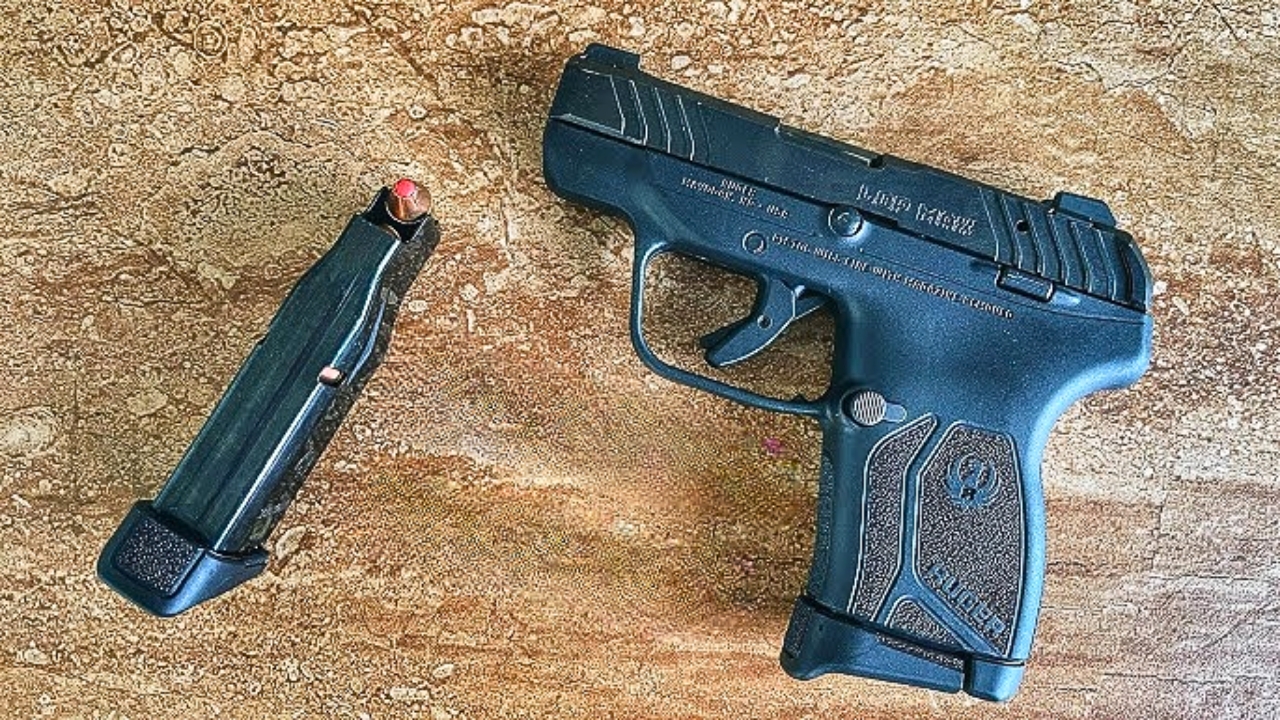
Ruger LCP Max
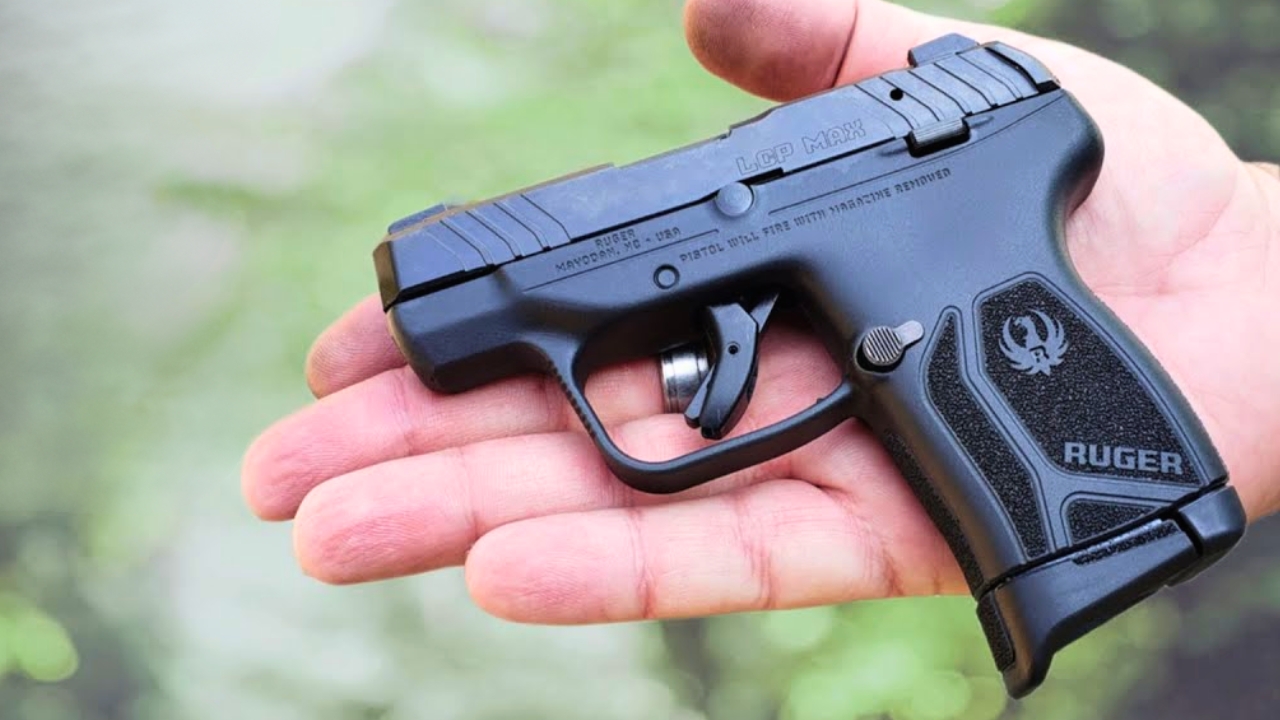
The LCP Max gets praised because it solves a very real carry problem: sometimes the only gun you will actually carry is a tiny one. It disappears in places larger pistols do not, and the added capacity over older pocket .380s makes it far more practical than many people expected a gun that small to be.
The downside is that pocket-size convenience still comes with pocket-size shootability. The grip is small, the recoil is sharper than many people assume from a .380, and the gun can be tiring to practice with if you try to shoot it like a larger carry pistol. Tiny sights and short dimensions also make accuracy work more demanding. The LCP Max is easy to carry when nothing else is. That does not make it an easy pistol to master.
Colt Python
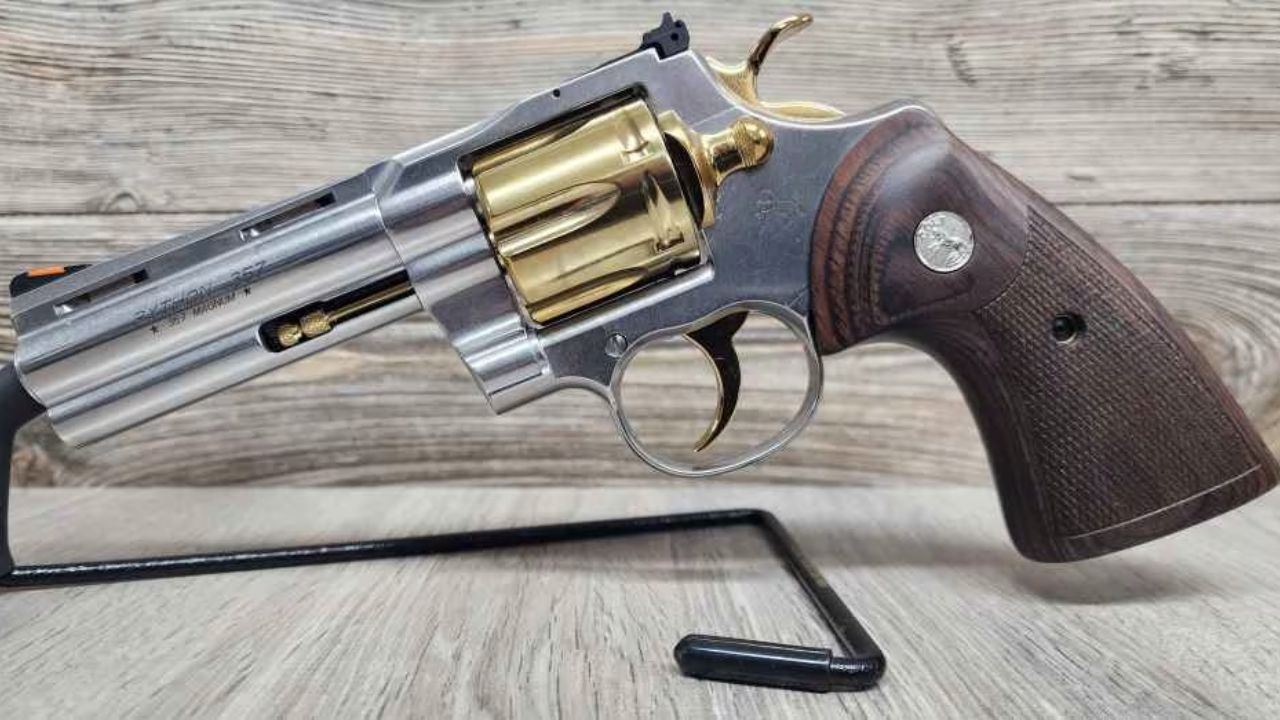
The modern Python gets praised because it is smooth, beautifully made, and backed by one of the strongest names in revolvers. The trigger can feel excellent, the finish is striking, and it has the kind of visual appeal that makes people want to own one before they even know what they plan to do with it.
The quieter part of the conversation is that it is still a large, premium revolver. It is not a practical everyday carry gun for most people, it is expensive to buy, and .357 Magnum is not cheap if you shoot often. On top of that, a revolver that size asks for real belt support if you carry it at all. The Python is a great revolver. It is also a serious purchase that many people admire more than they realistically use.
Ruger LCR

The LCR gets praised because it is one of the more practical snub-nose revolvers to actually shoot. The trigger is generally good for the type, the gun carries easily, and it makes a lot of sense for people who want revolver simplicity in a package they will really keep on them. That is why so many people defend it.
The part that gets skipped is that a lightweight snub is still a lightweight snub. In .38 +P or .357, recoil gets sharp fast, and long practice sessions can be unpleasant. The short sight radius and small grip also make fast, accurate shooting more demanding than fans sometimes admit. The LCR is a smart carry revolver. It is not a fun range revolver, and if you do not practice because it beats you up, the “simple” choice gets complicated in a hurry.
Like The Avid Outdoorsman’s content? Subscribe to our newsletter so you never miss an article.
Here’s more from us: