Photo credit: Iraqveteran8888/YouTube
Cold weather finds weaknesses fast: thick oil, stiff springs, tight tolerances, weak ammo, dirty mags, and shooters wearing gloves who don’t get the same grip they do in July. A handgun that “runs fine” in warm weather can start short-stroking, failing to feed, or failing to fully go into battery when everything is cold, dry, and sluggish.
This isn’t meant to say every example of these pistols will choke. It’s that these models (or this category of model) are more likely to give you problems when the temperature drops if you don’t keep them clean, lightly lubricated with a cold-rated oil, and fed ammo they actually like.
SIG Sauer Mosquito

The Mosquito is famous for being picky, and cold weather makes picky guns even pickier. Rimfire ammo is already inconsistent, and the Mosquito’s reliability can depend heavily on ammo choice and how clean the gun is. When it’s cold and dirty, you’ll see more failures to feed and failures to cycle.
The biggest issue is that guys buy it to train, then training turns into clearing malfunctions. Cold weather exaggerates sluggish cycling, and the Mosquito doesn’t have much tolerance for it. If you want a .22 trainer that runs when it’s cold, this one isn’t usually the answer.
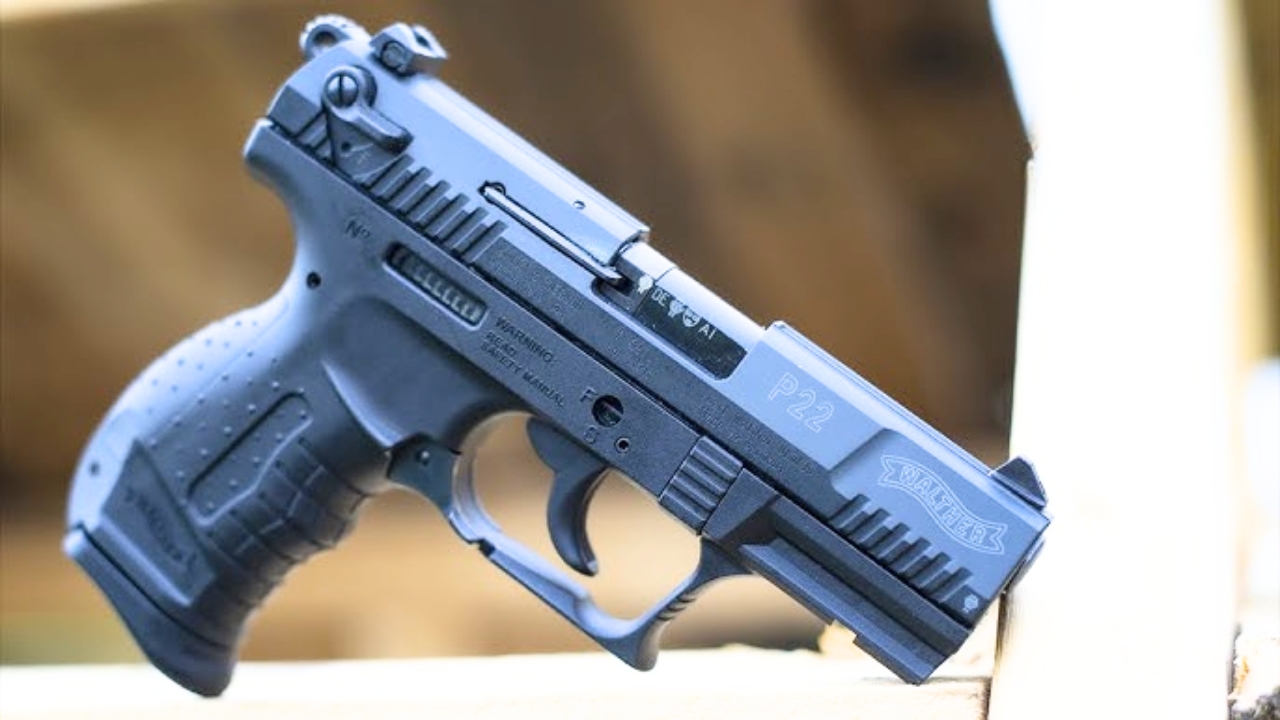
Walther P22

Same rimfire problem, same cold-weather lesson. The P22 can run, but many owners find it ammo-sensitive, and it tends to get finicky when fouling builds up. Cold temps slow everything down, and suddenly the weak points show up fast.
If you’re shooting bulk .22 and you’re not keeping it clean, don’t be shocked when it turns into a jam machine in cold conditions. The P22’s reputation exists for a reason, and winter range trips are where that reputation gets earned.
Remington R51

The R51 already carries a trust problem for a lot of shooters because of its uneven history. Cold weather doesn’t create reliability from thin air—it makes marginal systems more marginal. If you’ve got a pistol that’s sensitive to ammo, spring condition, or lubrication, cold is where it’ll start acting up.
If a carry gun has you thinking “I hope it runs today,” it’s not a carry gun. Cold weather has a way of turning “mostly fine” into “not today,” and the R51 is one of those pistols many people never fully trust in the first place.
Kimber Ultra Carry II

Short 1911s can run, but they live in a tighter timing window than full-size guns. Cold weather thickens lubricant, stiffens springs, and makes the gun less forgiving. If extractor tension, recoil spring health, or magazine quality is even a little off, you may start seeing failures to return to battery or feeding issues.
A 3-inch 1911 also demands good maintenance. If you treat it like a striker-fired duty pistol and don’t stay on top of springs and mags, winter will expose that fast. This is why a lot of guys love the idea of a micro 1911… until the gun starts acting like a micro 1911.
Kimber Micro 9

Small guns are less forgiving, period. The Micro 9 often gets carried a lot and shot a little, which is backwards. In cold temps, you’ll see the impact of stiff springs, tight tolerances, and marginal ammo choices. A gun that ran “fine” in warm weather can start feeling less consistent when everything is cold and sluggish.
If you’re going to carry one, it needs real proving—cold included. A lot of people don’t do that. They just assume. Winter is where assumptions get expensive.
SIG Sauer P938

The P938 is a quality pistol, but it’s still a small pistol with small margins. Cold weather can bring out cycling issues if you run weak ammo, if the gun is over-lubed with thick oil, or if your grip changes with gloves and cold hands. That’s where you’ll see occasional failures that don’t show up on warm range days.
If you carry a micro 9 like this, the best thing you can do is run it clean, use a cold-friendly lube sparingly, and train with your winter carry setup. Small guns punish sloppiness more than larger ones.
SIG Sauer P238

Same concept in .380. The P238 can be an excellent pocket pistol, but cold weather and weak .380 loads can make cycling less forgiving, especially if the gun is dirty or heavily lubed. Pocket carry also brings lint and gunk into the mix, and winter clothing can pack that stuff in even more.
A .380 that’s on the edge of cycling will show it when temps drop. That doesn’t mean the pistol is “bad.” It means winter demands better maintenance and better ammo choices.
Taurus Spectrum
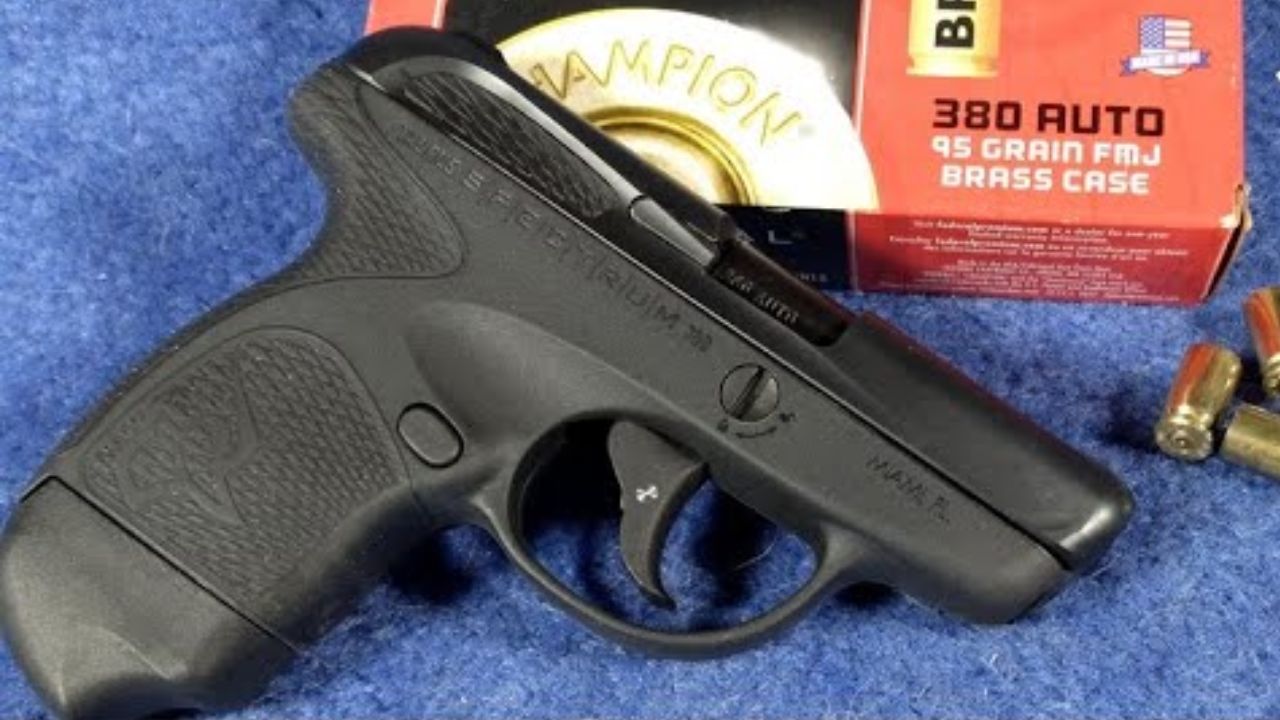
Tiny polymer pocket guns often look perfect for deep concealment, but cold weather can expose their weak points fast—especially if the gun is already borderline in shootability or reliability. Stiff hands and gloves change grip pressure, and small guns rely heavily on consistent grip to cycle properly.
The Spectrum’s reputation is mixed, and winter doesn’t improve mixed reputations. If you’re carrying a micro pistol, it needs to be one you can shoot well and that runs consistently when it’s cold, dirty, and carried hard.
SCCY CPX-2
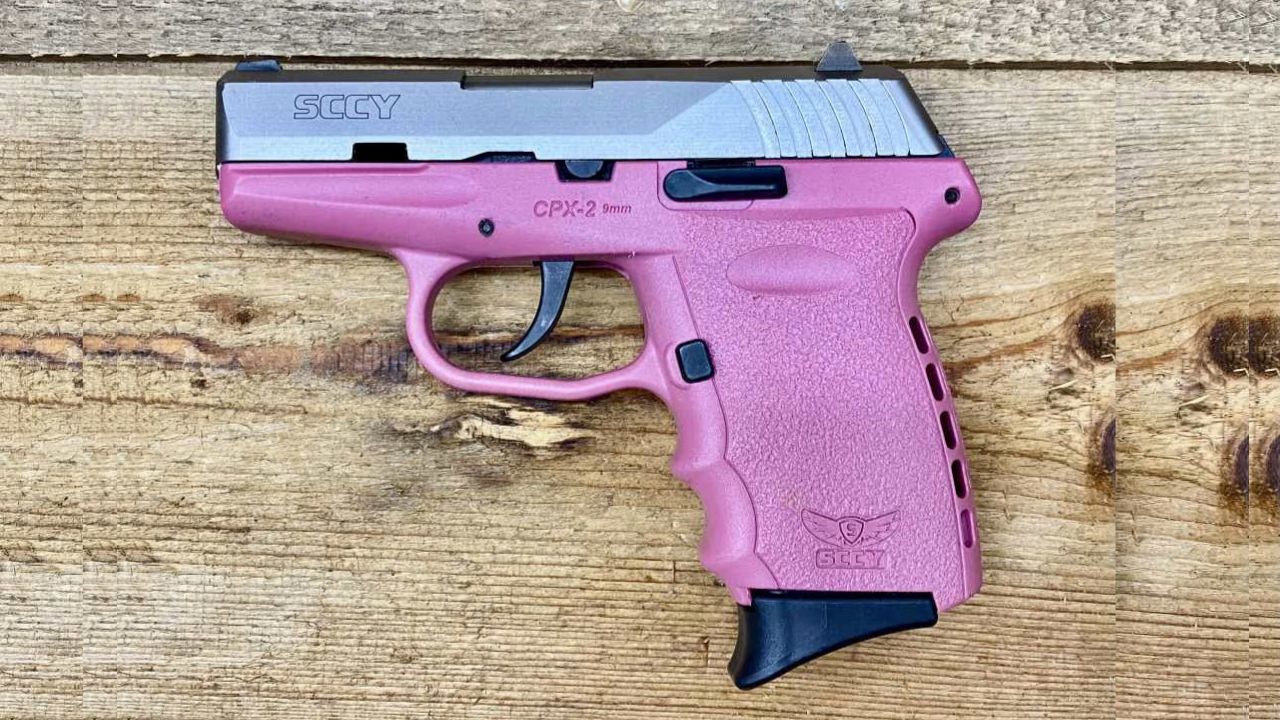
The CPX-2 can run, but it’s a budget pistol with a heavy trigger and a lot of owners who don’t train much. Cold weather adds a layer of reality: gloves, less grip consistency, and slower gun handling. If your fundamentals get sloppy, the gun gets blamed—but winter still increases the chances of short stroking, limp-wristing, and magazine issues.
A heavy trigger in the cold is also a problem. Your press gets worse with numb fingers, and accuracy and confidence drop. Reliability isn’t just mechanical—it’s the whole shooter/gun system, and winter tests that system.
Kel-Tec PF-9
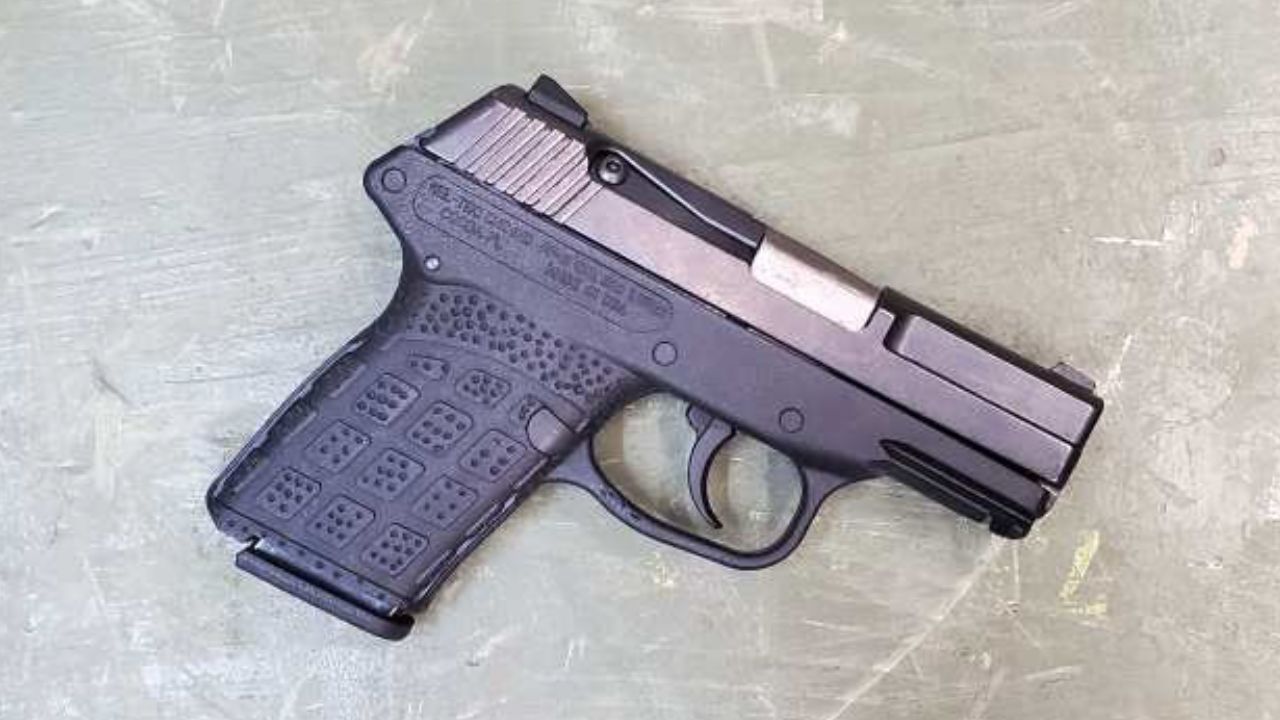
Lightweight, small 9mms are notorious for being less forgiving. The PF-9 is easy to carry, but it’s not always easy to run, especially if your grip changes in cold weather. If you add thick lubricant or a dirty gun into that mix, you can end up with failures that don’t show up in summer.
The PF-9’s biggest weakness in winter is that it demands more from the shooter. If you’re not locked in behind it, cold hands and gloves can turn a marginal cycle into a stoppage.
Kahr CM9

Kahr pistols have their fans, but they’re also known for needing a proper break-in and for being sensitive to certain ammo shapes. Cold weather can make that sensitivity more noticeable, especially if the gun is carried a lot, shot a little, and kept a little too wet with thick oil.
A winter-carry handgun has to run when it’s cold, dirty, and dry. If your pistol demands a very specific maintenance rhythm and ammo preference, you have to be honest about whether you’ll actually keep up with that.
Beretta Nano

The Nano is sleek and simple, but a lot of shooters never fully bond with it, and winter makes that worse. Cold hands and gloves can exaggerate poor grip and trigger control, which can lead to inconsistent cycling and inconsistent performance. If your control slips, tiny guns punish you fast.
The bigger issue is confidence. A pistol you don’t shoot well in perfect conditions is not going to become a confidence machine in December. Winter exposes that gap.
Beretta 3032 Tomcat

Tip-up barrel guns are handy, but the Tomcat has a long history of being particular about ammo and maintenance. Cold weather doesn’t make ammo stronger, and it doesn’t make springs more forgiving. If you’re running marginal loads or carrying the gun without keeping it clean, winter can bring stoppages faster.
The Tomcat can still be a useful niche pistol. But if you’re expecting it to run like a modern duty handgun in freezing temps, you’re expecting too much from a small blowback-style pocket design.
Ruger LCP (Gen 1)

The LCP is a classic deep-concealment pistol, but cold weather makes tiny .380s harder to run well. Grip matters more, recoil control matters more, and thick lube or pocket lint can matter a lot. If your winter grip is sloppy, a small pistol can short-cycle.
The LCP is best treated as a close-range tool you practice with honestly. Winter is where “I never shoot it” becomes obvious. If you don’t train with your pocket gun in the conditions you carry it in, don’t be surprised when it acts different.
Smith & Wesson Bodyguard 380
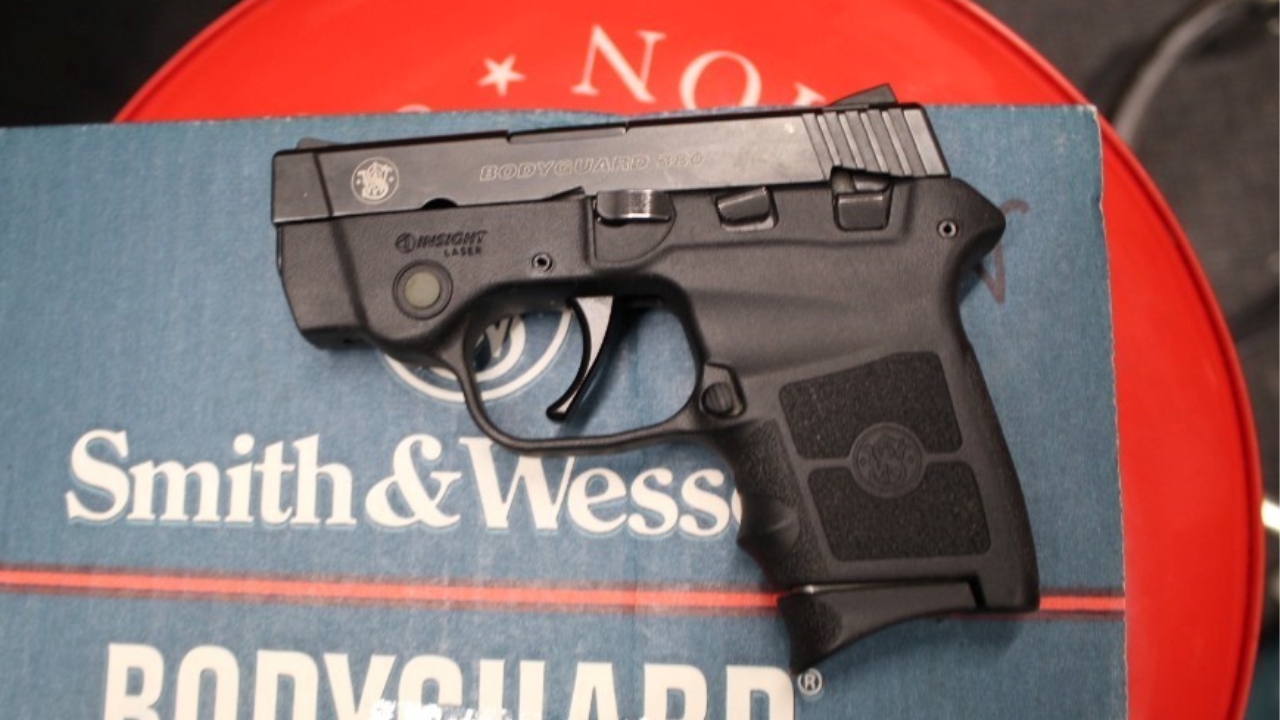
The Bodyguard is another pocket .380 that can be perfectly serviceable, but it’s not the most forgiving platform. In cold weather, with gloves and cold hands, shooters often have more trouble controlling small pistols, and that can lead to cycling issues if grip consistency drops.
The other reality is pocket carry. Winter adds more fabric, more lint, more junk in the environment. A pocket gun has to stay clean to stay dependable. If you don’t keep up with that, winter will punish you.
Springfield Armory XD-S (9mm / .45)

The XD-S is slim and carryable, but it can be snappy, and snappy pistols are harder to run well when you’re cold and stiff. If your grip gets weak or inconsistent in winter, you can see the type of short-stroking and feeding issues that show up more in small guns than in full-size pistols.
This one is less about the gun being “bad” and more about the platform being less forgiving. Winter highlights every weakness—maintenance, ammo choice, grip strength, and training volume. If you don’t take those seriously, this category of slim carry gun can start acting up.
Like The Avid Outdoorsman’s content? Be sure to follow us.
Here’s more from us: