Photo credit: GRETA'S GUNS/YouTube
When you’ve been around handguns long enough, you start noticing a pattern: the models with the biggest reputations often don’t deliver anything close to what their price suggests. Some of them shoot fine, but not at a level that warrants the cost. Others run into reliability quirks or comfort issues that cheaper pistols manage to avoid entirely. A high-end name can make a buyer overlook flaws, at least for a while, but once the honeymoon period fades, you see the truth.
A handgun earns its value through consistency, handling, and real-world performance—not through marketing, nostalgia, or the weight of its legacy. The pistols on this list aren’t awful, but they definitely ask for more money than their performance or practicality truly deserves once you live with them.
Kimber Micro 9

The Micro 9 gets plenty of attention because of its classic styling and higher-end finishes, but the performance rarely matches the price tag. Once you start carrying it daily or running faster strings on the range, the small grip becomes difficult to control. The recoil feels sharper than many pistols in its class, and the slide can grow picky with certain defensive loads. That becomes a problem when you’re relying on it as a carry gun rather than a range novelty.
Shooters also notice that consistency varies from pistol to pistol. Some triggers feel decent, while others feel strangely uneven. When you compare it to far more stable compact pistols that cost less and run without the quirks, the Micro 9 stops feeling like a smart investment. It’s attractive, no doubt, but the performance doesn’t live up to the price you’re expected to pay.
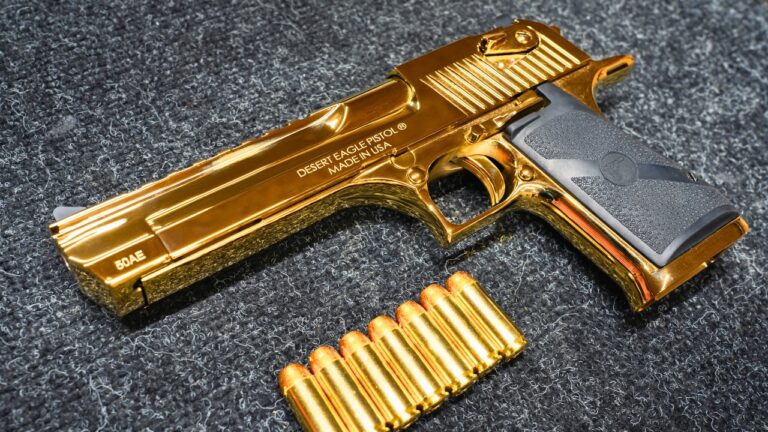
Desert Eagle .50 AE

The Desert Eagle carries more cultural recognition than nearly any other handgun, but once the novelty wears off, the practical shortcomings become impossible to ignore. It’s oversized, heavy, and impractical for anything beyond entertainment. While fun to shoot occasionally, the recoil and weight work against you if you’re trying to use it for anything that resembles a practical defensive role.
The gas-operated system also requires clean conditions and the right loads to stay reliable. It’s far more maintenance-sensitive than handguns at a third of the cost. Ammo prices are steep, and the gun ends up spending more time in the safe than in use. As a showpiece, it succeeds. As a functional handgun worth the premium price, it simply doesn’t deliver.
FN Five-seveN

The Five-seveN draws attention for its lightweight build and the unusual 5.7×28 chambering. But once you start evaluating what you’re getting for the price, the excitement cools off fast. The pistol feels almost hollow in the hand, and while recoil is mild, the overall build doesn’t provide the confidence you’d expect at this cost. The trigger is serviceable, but the gun’s handling never feels as grounded as it should.
The bigger issue is ammo. It’s expensive, not widely available, and doesn’t offer the kind of performance most shooters expect unless you’re using restricted loads. Capacity is great, sure, but that alone doesn’t justify the steep price. When you line it up next to proven defensive pistols that cost less and perform better with common ammunition, the Five-seveN loses its shine.
Sig Sauer P210 Target

The P210 Target is a beautifully made pistol, but it’s priced for a very specific user. It’s heavy, long, and tuned for precision shooting rather than practical carry or defensive use. If you’re not shooting slow, deliberate groups, a lot of what you’re paying for doesn’t help you. It performs well, but not in a way that most buyers will actually take advantage of.
On top of that, it prefers clean conditions and routine maintenance. You’re paying for extremely tight tolerances, and those tolerances don’t always play well with varied ammo or hard use. For collectors or dedicated target shooters, it might make sense. But for the majority of handgun owners, the price outpaces the usefulness by a wide margin.
HK USP Elite
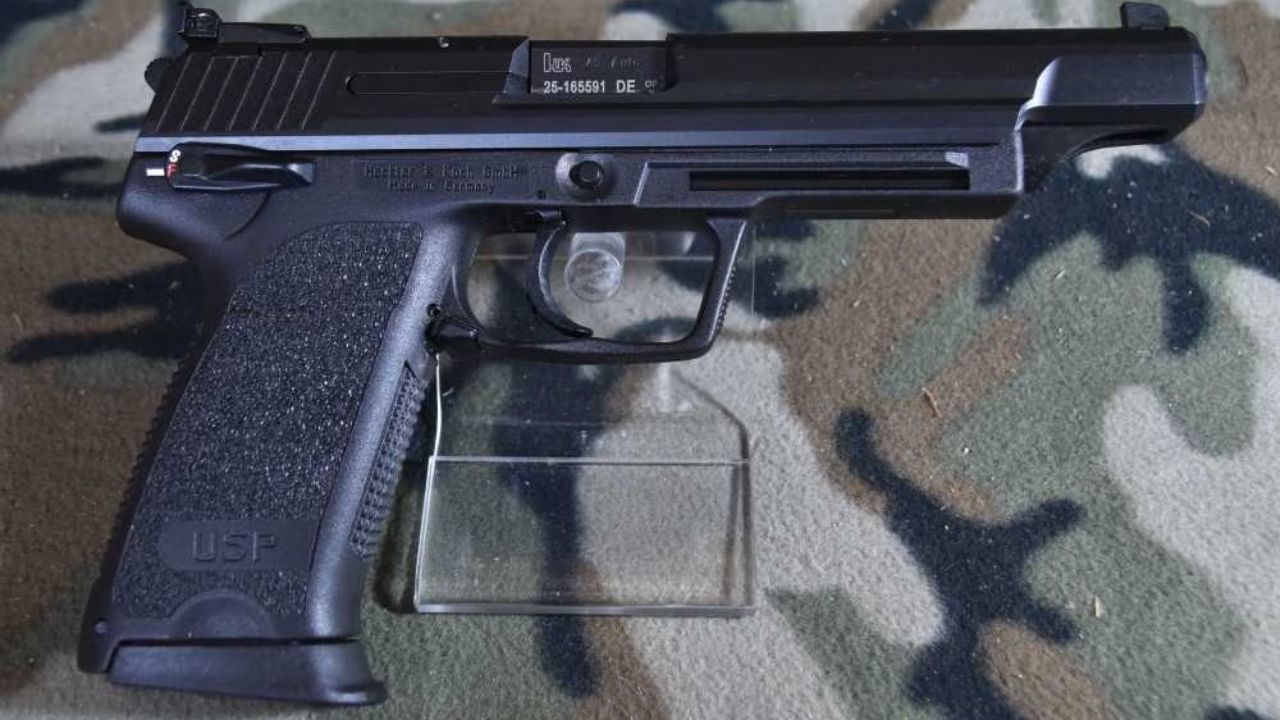
The USP Elite offers strong accuracy potential, but it’s priced above what most shooters will ever use it for. It’s bulky, heavy, and shaped around older ergonomic ideas that don’t match modern designs. The long slide and tuned barrel give you great performance on a square range, but those same traits make it slow and awkward for more practical shooting.
The DA/SA trigger system takes effort to master, and the benefits only show if you’re shooting in very controlled conditions. When newer pistols offer better ergonomics, lighter weight, and easier handling at lower prices, the USP Elite starts losing its appeal. You’re paying a premium for features that aren’t particularly helpful outside of a narrow shooting niche.
Colt Python (Modern Production)
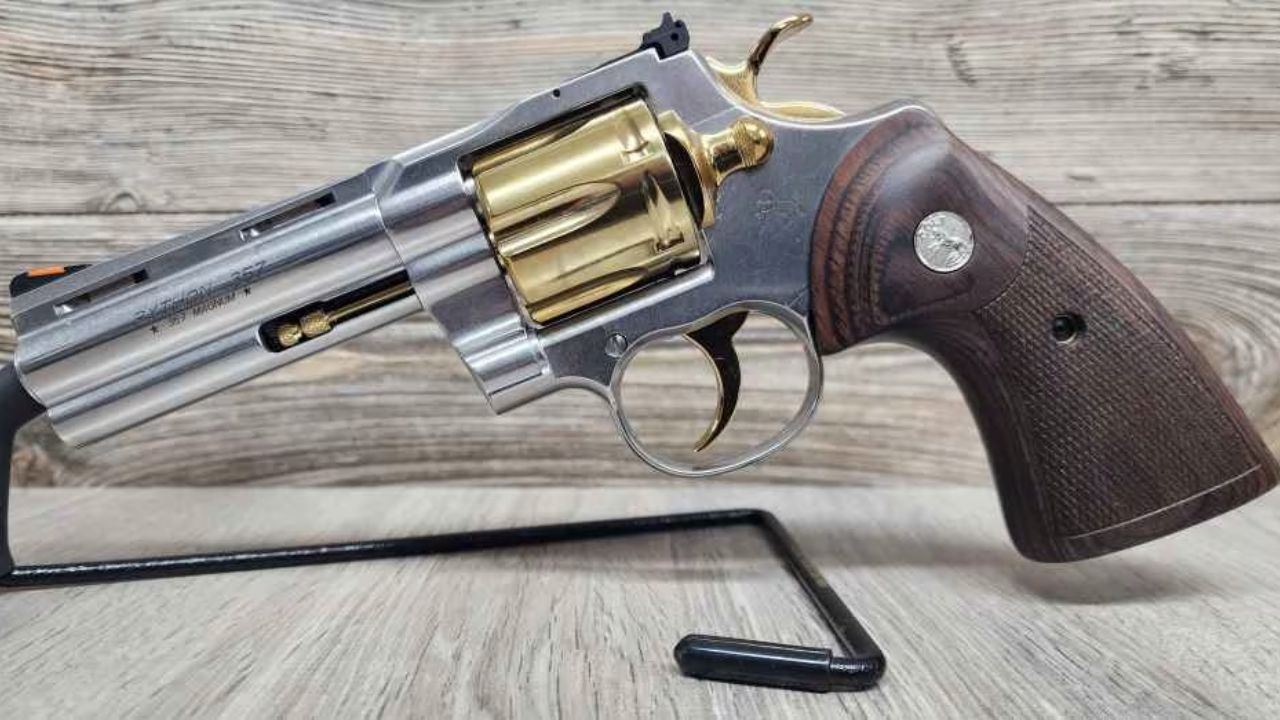
The modern Python is a good revolver, but the price leans heavily on nostalgia rather than real performance advantages. It’s well–finished and smooth-shooting, but when you compare it to revolvers from Ruger and Smith & Wesson, the performance gap isn’t nearly big enough to justify the premium. The weight and size make it too large for most practical roles, leaving it as a range piece or collector item.
Even the trigger—though smooth—is not perfectly consistent across models. Many shooters find they can get equal or better function from more affordable revolvers. The modern Python isn’t a bad gun, but the reverence surrounding the original models has inflated expectations. When you strip away the legacy factor, the value proposition shrinks quickly.
Beretta 92X Performance

The 92X Performance looks great and shoots well, but it moves into a price tier where practical value drops off fast. The gun is extremely heavy, which helps you on the competition line but becomes a burden anywhere else. The trigger is improved over standard models, but the overall performance gain doesn’t come close to matching the price jump.
A lot of shooters buy it expecting a transformative experience, but once you run it next to tuned or upgraded Beretta models, the difference isn’t that dramatic. You’re paying for weight, steel, and aesthetics more than functional advantages. For a gun this expensive, the performance should be clearly ahead of the pack—and it isn’t.
Nighthawk Custom 1911s
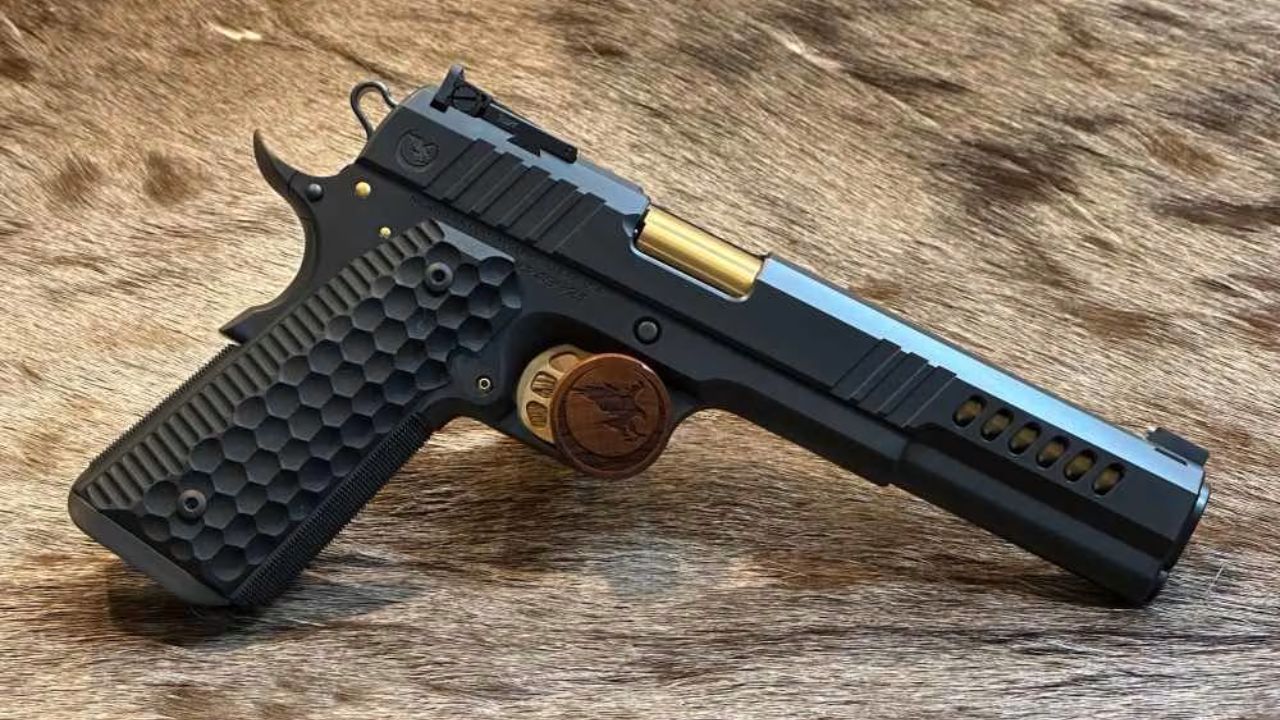
Nighthawk builds beautifully fitted 1911s, but the price pushes them into territory where even committed shooters start questioning the return. They function well, but the improvements over mid-tier 1911s don’t scale with the cost. Accuracy is good, but not leagues ahead. Reliability is solid, but no better than quality production models from companies that charge far less.
You’re paying for craftsmanship, which is fine if you value that above everything else. But if you’re looking for performance that reaches beyond the price tag, you’re not getting it. Many shooters realize that a pistol half the cost will run equally well in real-world use. At that point, the value argument falls apart.
Wilson Combat EDC X9

The EDC X9 delivers excellent machining and a refined shooting experience, but the leap in price over other metal-frame compacts is steep. It handles well, but not to a degree that reshapes your performance. The trigger is clean, the accuracy is strong, and the ergonomics feel comfortable—but none of that explains the massive jump in cost for most practical users.
Once the novelty wears off, you’re left with a pistol that performs only slightly better than much cheaper options. For a carry-focused gun, the premium doesn’t translate into meaningful advantages. If you’re looking for functional improvement, the price is difficult to defend.
Laugo Arms Alien
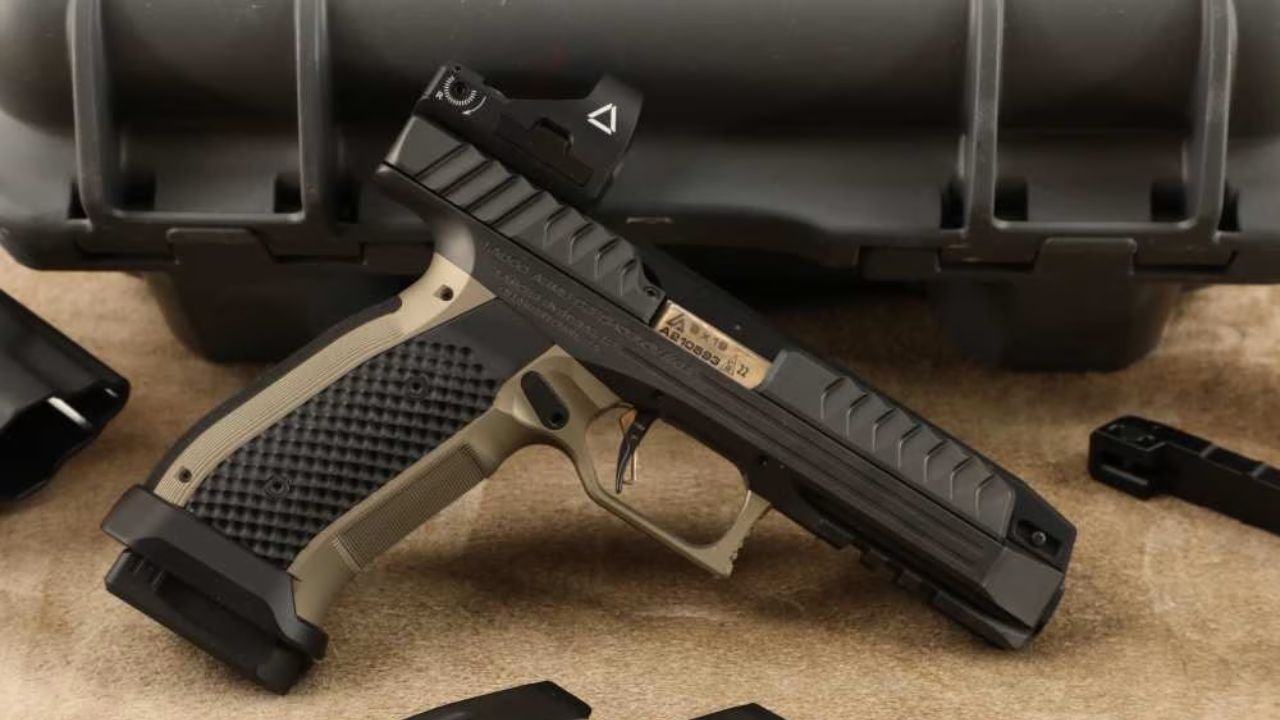
The Alien is unique, and the recoil system is clever, but the price pushes it into a category very few shooters will ever benefit from. The low bore axis feels great, but it doesn’t give you an advantage large enough to justify spending several times the cost of other high-performance pistols. It’s a competition gun dressed like a practical one.
The design is also proprietary, making parts and support harder to come by if something breaks. While it draws plenty of attention, the real-world usefulness doesn’t match the financial commitment. Unless you’re chasing a niche performance edge, the Alien becomes more of a novelty than a sensible investment.
Springfield TRP
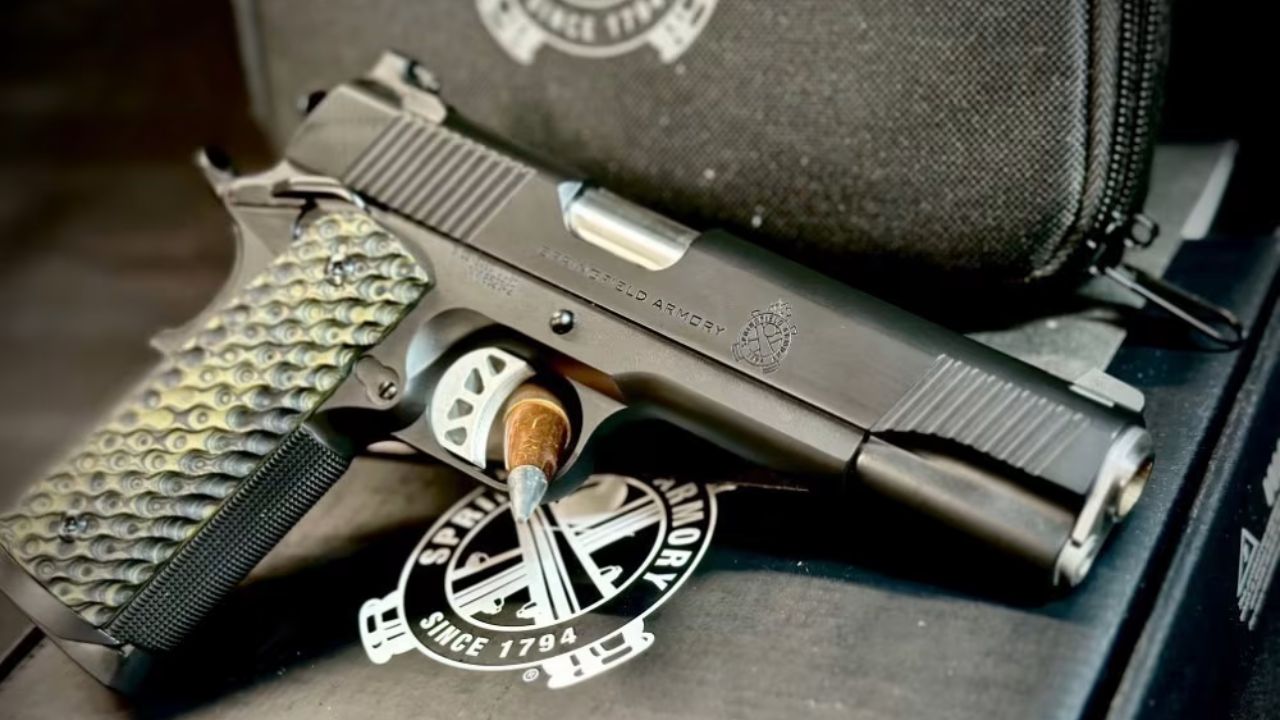
The TRP is a solid 1911, but once you factor in the cost, it stops making sense for many shooters. The accuracy is respectable, and the fit is good, but the real-world performance isn’t dramatically better than mid-priced 1911s that cost far less. You’re paying a premium for branding and finish rather than practical improvements.
The gun also runs best when conditions are clean and controlled. Once you start putting it through extended sessions or varying ammo types, the performance gap between it and cheaper models narrows quickly. When a handgun costs this much, it should stand clearly ahead of the pack. The TRP doesn’t, and that’s where value falls apart.
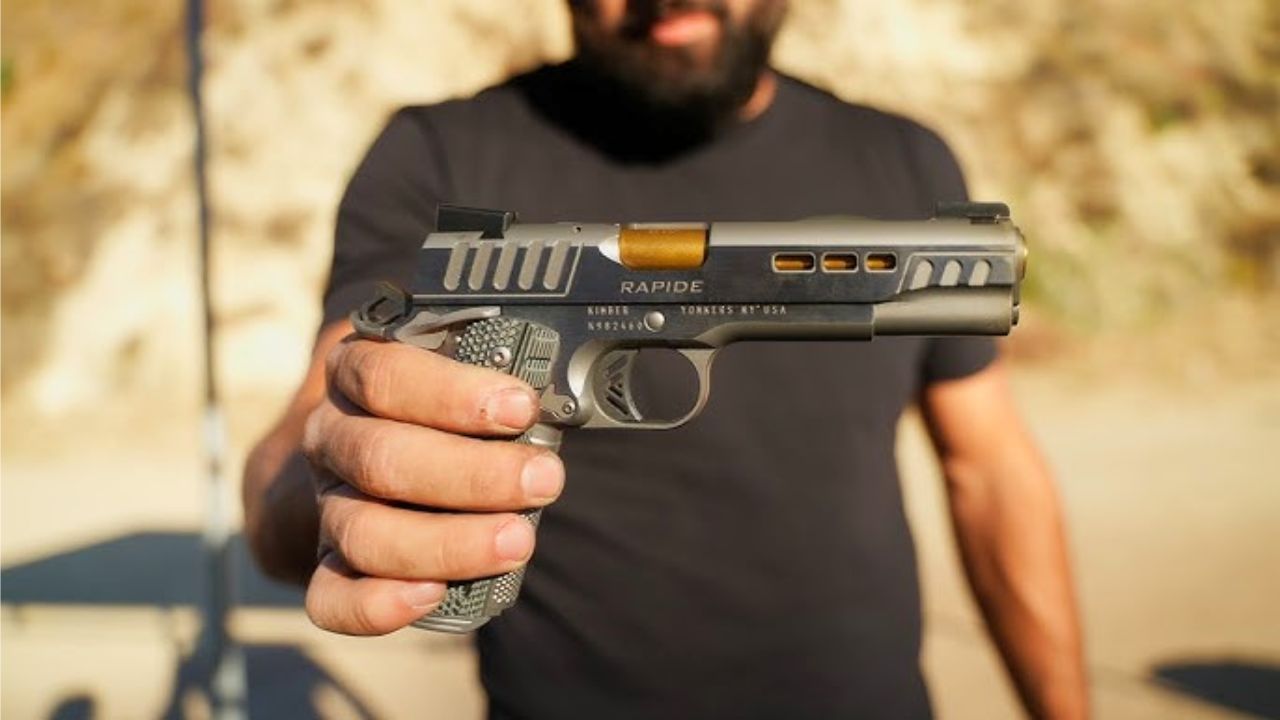
Kimber Rapide
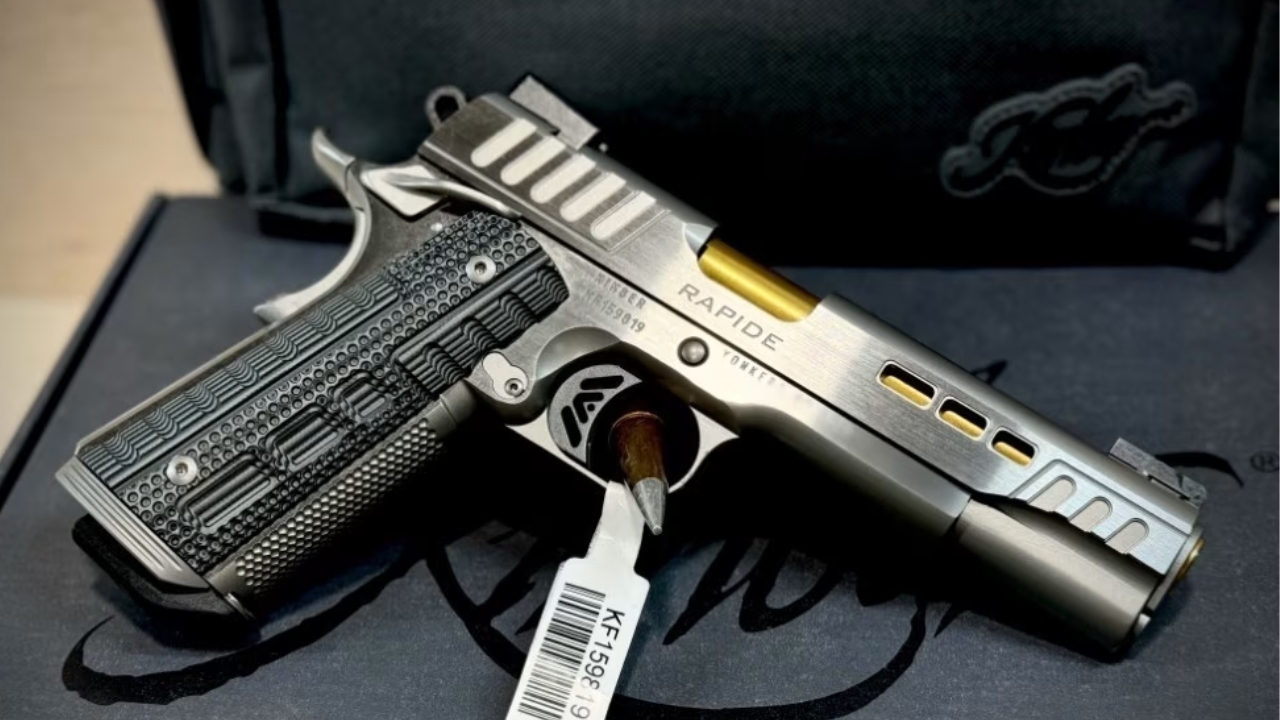
The Rapide stands out visually, but once you get past the styling, the performance doesn’t justify the price. The accuracy is decent, but not exceptional, and the tuning doesn’t provide the consistency you’d expect for a handgun in this price range. Many shooters experience minor reliability issues with various loads, especially hollow points.
It’s also a pistol that needs more attention to stay running smoothly. When you compare it to polymer guns or forged-steel 1911s that cost significantly less and work without complaint, the Rapide starts feeling like a purchase based on appearance rather than practical value. It’s attractive, but the shooting experience doesn’t rise with the cost.
Korth Revolvers
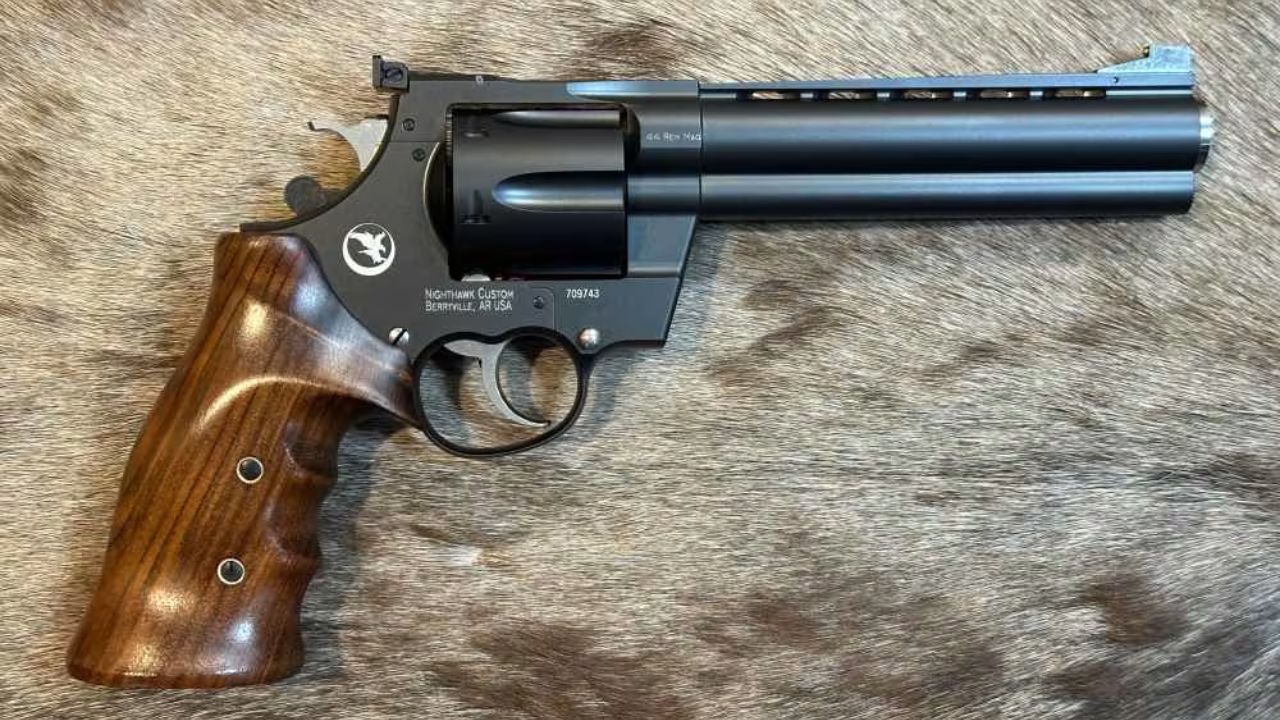
Korth revolvers are stunning examples of machining, but they demand enormous prices that far outpace their real-world usefulness. They’re smooth, accurate, and beautifully finished, but the gains over revolvers from Ruger or Smith & Wesson aren’t remotely enough to explain the cost difference. You’re paying for luxury, not performance.
Most shooters who buy one don’t shoot them hard enough to justify the design. They handle well, but the recoil control and accuracy aren’t miles ahead of far more affordable guns. Unless you’re collecting for the sake of collecting, the value equation simply doesn’t add up—and the price tag heads into territory few shooters can ever justify.
CZ Shadow 2 Orange
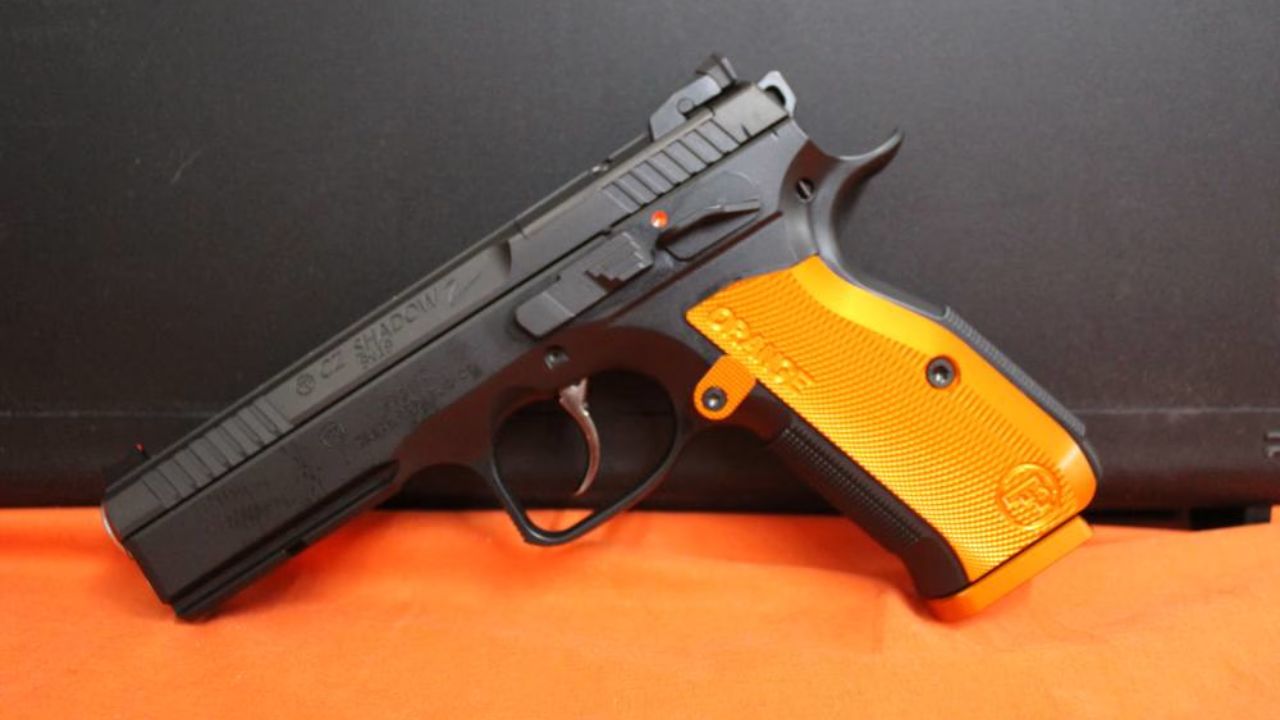
The Shadow 2 Orange is a serious competition gun, but the price jump from the base Shadow 2 doesn’t deliver nearly as much real performance as many expect. It’s finely tuned, but the differences only show up when you’re already shooting at a very high level. For most shooters, the gains are subtle enough that the money could be better spent on ammunition or training.
The weight also limits its usefulness outside of competition settings. You’re paying extra for refinements that don’t matter much to the average owner. When a pistol costs this much, the advantages should be obvious. In this case, they’re not—and that makes the Orange version feel inflated.
Ed Brown 1911s
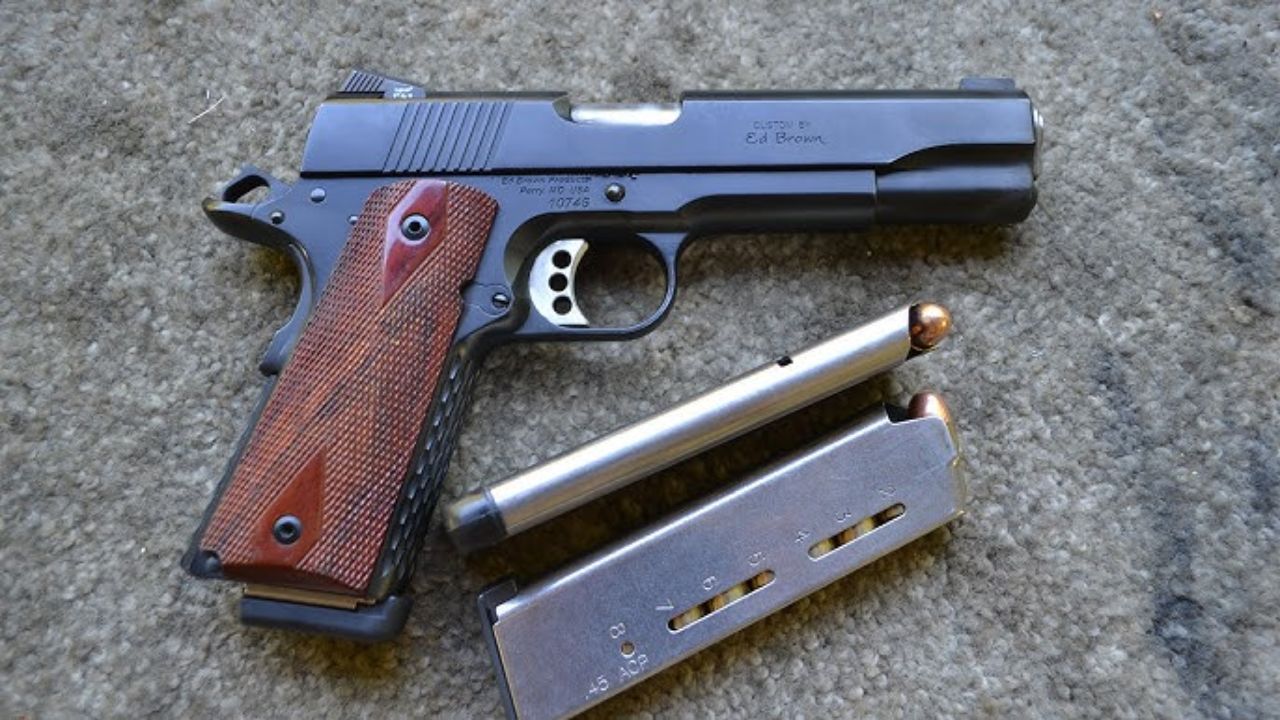
Ed Brown pistols are meticulously crafted, but the price pushes them into a bracket where value becomes questionable. They shoot well, and the triggers are crisp, but the performance gains don’t rise to match the cost. Many mid-range 1911s perform almost identically in accuracy and reliability while being far more affordable.
You’re essentially paying for craftsmanship and prestige. That’s fine if that’s your priority, but if you’re looking for measurable performance that earns the investment, these pistols don’t offer enough. They function well, but the improvements are subtle—too subtle to justify the price for most shooters once they spend time on the range.
Like The Avid Outdoorsman’s content? Subscribe to our newsletter so you never miss an article.
Here’s more from us: