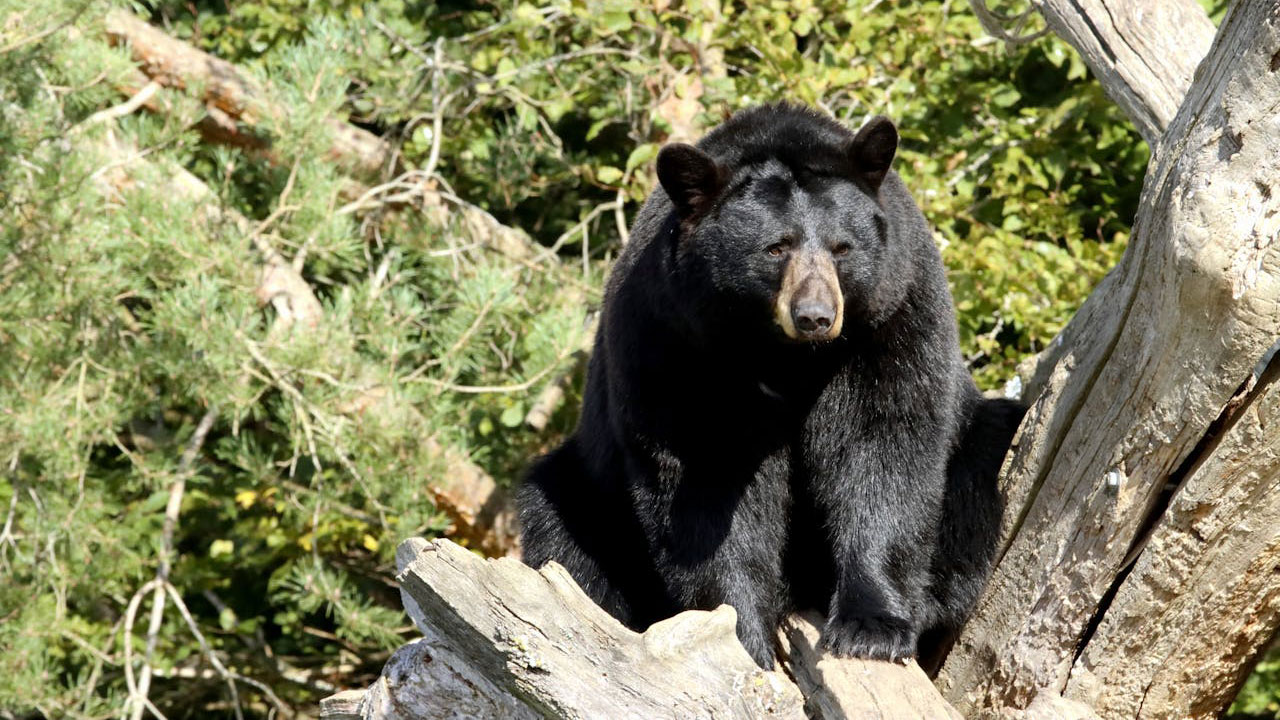
Photo credit: patrice schoefolt/Pexels.com
Black bear trouble does not look the same everywhere. In some states, the warning signs are home entries and garbage raids. In others, it is bears showing up in suburbs, denning under decks, crossing farther into new counties, or forcing wildlife agencies to spend more time and money on conflict reduction. The common thread is simple: where bear numbers are expanding, human development keeps pushing outward, or easy food sources stay available, encounters start stacking up faster than a lot of people expect. Wildlife agencies in several states are saying exactly that right now.
A lot of these states are not necessarily dealing with more dangerous bears. They are dealing with more opportunities for bears and people to cross paths. That still matters. Once bears get comfortable around bird feeders, trash, grills, livestock feed, porch coolers, or neighborhoods tucked against timber, the situation gets harder to manage fast. These are 15 states where black bear encounters are getting tougher to ignore, whether the issue is growing populations, expanding range, rising conflict reports, or both.
Connecticut

Connecticut probably belongs near the top of this list because the state has been unusually blunt about the trend. DEEP says conflicts with bears continue to follow a long-term increasing pattern, and bears have now been observed in all 169 cities and towns. That is already enough to tell you this is no longer a northwest-corner-only story.
What really jumps out is the home-entry problem. DEEP called bear home entries one of the leading public-safety indicators of rising human-bear conflict and said it documented nearly 40 home entries across 16 municipalities in 2025. When bears are not just passing through yards but going into houses, the encounter issue has moved way past “cool wildlife sighting” territory.
Massachusetts

Massachusetts has been warning residents that it is bear country for a reason. The state says black bears are becoming increasingly common and are moving farther east, and it has noted that as bear range expands toward the most densely populated communities, sightings are increasing. That is a classic recipe for more neighborhood-level encounters.
This is one of those states where range expansion matters as much as raw bear numbers. Bears do not have to be exploding statewide for encounters to rise. They just have to keep showing up in places with more people, more trash, more bird feeders, and more folks who are not used to living around them. Massachusetts looks like it is firmly in that phase now.
New York

New York has been pretty clear that repeated access to human food makes bears bolder and can increase human-bear conflicts around homes and residential areas. That is especially important in a state where bear range and management needs vary a lot from one region to another.
The state’s 2025 black bear harvest summary also notes that in some wildlife management units, hunting may be insufficient to prevent establishment of bear populations and reduce conflict, which is the kind of line that tells you managers are thinking beyond the woods and into incompatibility with developed areas. In plain English, New York is dealing with enough bear spread and enough recurring conflict that education and prevention are doing a lot of the heavy lifting.
Michigan

Michigan’s latest spring bear reminder is one of the clearest signs that encounters are not staying put. The state says Lower Michigan’s bear population is concentrated mainly in the north, but bears have been pushing south into urban areas of mid-Michigan. That is exactly the kind of shift that changes a bear issue from local knowledge to wider public problem.
Michigan also estimates more than 12,000 black bears statewide based on recent survey figures, including roughly 2,100 in the Lower Peninsula. When those animals keep drifting into more developed places, agencies start talking more about bear-resistant trash bins and neighborhood prevention. That usually means encounters are becoming common enough that people who never expected to deal with bears suddenly have to start acting like bear-country residents.
Wisconsin

Wisconsin is another state where the official language tells the story. The DNR says southern Wisconsin has seen more black bear activity in recent years, even though bears remain most common in the northern half of the state. That matters because “more activity in recent years” in the southern part of the state means bears are showing up in places with more people and less cultural familiarity with them.
That does not mean Wisconsin suddenly has a new bear crisis in every county. It means the footprint of regular bear activity is getting harder to shrug off outside the traditional bear belt. Once the state is telling people no matter where they live to start thinking about attractants and BearWise basics, the encounter issue is broad enough to deserve real attention.
Ohio

Ohio is still an edge case compared with the classic bear states, but the trend is hard to miss. ODNR says black bear sightings in Ohio have been increasing since the state started tracking them in 1993, and its 2025 bear research update said reports are increasing, with most bears now observed in northeast and southeast Ohio.
That does not mean Ohio is suddenly full of bears. It means the pattern line is moving in one direction. Once a state is actively collaring female bears and expanding research to figure out what the resident population looks like, you are no longer just talking about random young males wandering through. Ohio is inching closer to the point where encounters are likely to become more routine in some pockets.
Iowa

Iowa is still early in this story, but it is on the list because the state itself says seeing a black bear is likely to become more common. The Iowa DNR said black bear sightings were on the rise in northeast Iowa in 2025 and tied that to dispersing bears coming from larger, growing populations in Minnesota and Wisconsin.
This is the kind of state hunters and landowners should keep an eye on even if numbers are still low. Iowa is not dealing with deep, statewide black bear conflicts yet, but it is at the stage where sightings, backyard visits, and surprise appearances are becoming more plausible than they used to be. That is often how a more established encounter pattern starts.
Missouri

Missouri’s bear rebound has real momentum behind it. MDC says research shows the state’s black bear population is growing at about 9 percent per year, and bears are becoming more common and widespread across the southern half of the state. It also says bears are being observed outside the core range as the population grows.
That is the kind of growth pattern that naturally creates more human contact. As bears fill in new areas and younger males range out beyond established bear country, they show up in more counties, more backyards, and more places where people are not expecting them. Missouri is not guessing about this trend anymore. It is watching a recolonizing population spread in real time.
Kentucky

Kentucky says it now has a resident black bear population experiencing considerable increases in both numbers and range. That is a strong statement on its own, and it explains why more Kentuckians have been running into bears in places where earlier generations rarely would have.
The state also notes that encounters seem to increase in spring and summer, when natural food is scarce and when breeding-season movement pulls males across long distances. So Kentucky is dealing with both a bigger base population and the seasonal movement patterns that push bears into human spaces. That combination usually means more surprises for residents, landowners, and campers.
Tennessee

Tennessee’s wildlife agency flat-out says the expansion of human-populated areas has resulted in an increase in bear sightings around people. That is one of the cleaner summaries any state has given. The issue is not just that Tennessee has black bears. It is that human growth and bear range overlap are creating more contact.
Then you add Great Smoky Mountains National Park, where the park says it has averaged 339 negative human-bear encounters per year over the last decade, and the picture gets even clearer. Gatlinburg officials even urged people in 2025 not to use real produce in fall decorations because of the risk of attracting bears. That is not normal small-town wildlife messaging. That is what it looks like when encounters are common enough to shape seasonal behavior.
North Carolina

North Carolina has one of the more obvious upward-pressure situations in the country. The state said in early 2025 that increasing human and bear populations have led to an uptick in bears denning under houses and decks over the last decade. Later in 2025, it also said reports of bears in public and residential areas increase during hyperphagia, when bears roam widely looking for food.
North Carolina is a good reminder that rising encounters are not always about aggression. Sometimes it is denning, garbage, dogs, road crossings, and bears turning up in the wrong place at the wrong time. But when the state is openly talking about a decade-long uptick and more reports in neighborhoods and public spaces, the trend line is not subtle.
South Carolina
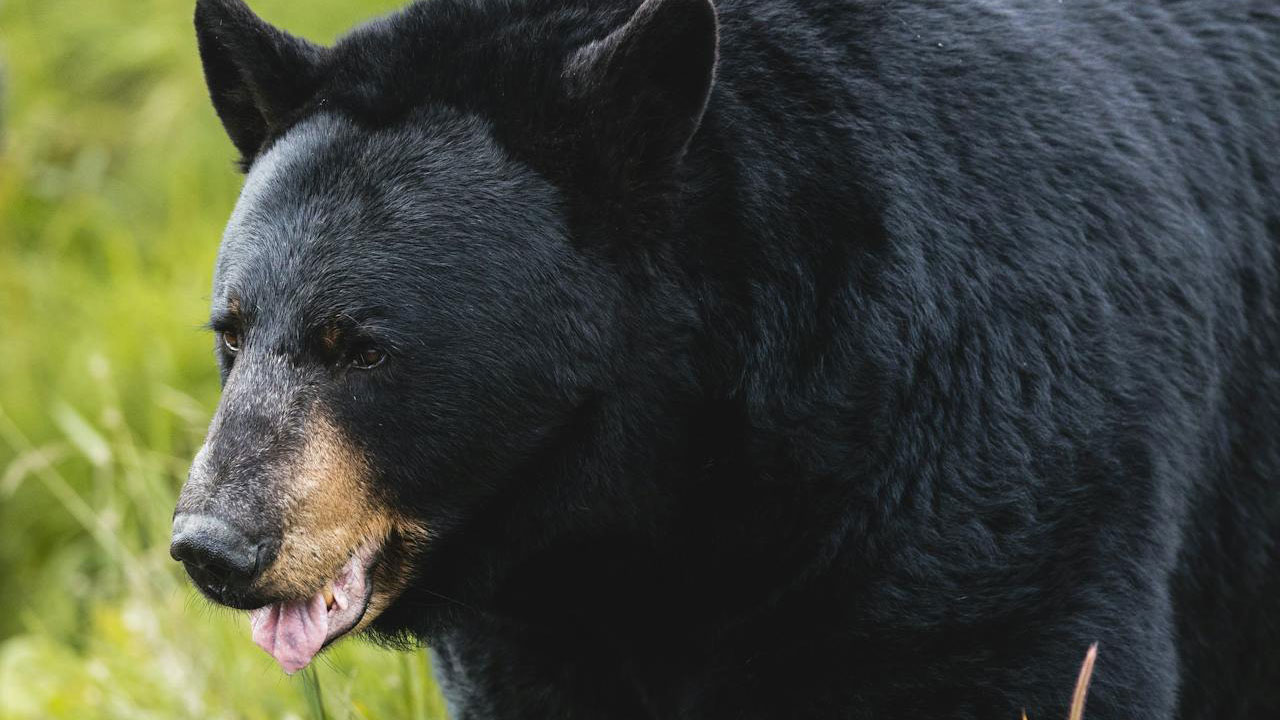
South Carolina’s coastal bear country keeps getting more crowded. SCDNR says that as the human population grows on the coast and development pushes into bear habitat, the public is more likely to see bears. That is a simple cause-and-effect problem, and it is one a lot of fast-growing coastal states know well.
This does not mean South Carolina is seeing the same type of home-entry headlines as Connecticut. It means more overlap is being built into the landscape. As neighborhoods, roads, and development spread into traditional bear habitat, sightings and close-range encounters become more likely even if the bears themselves remain fairly shy. For hunters and rural landowners, that usually means more bear sign, more nuisance potential, and fewer truly isolated pockets.
Maryland

/Unsplash.com
Maryland makes this list because the trend is not vague at all. A USGS data release in 2025 said reports of negative interactions between humans and bears in Maryland have increased steadily since the 1990s, to the point that they require substantial management time and resources. That is about as clear as you can ask for.
Maryland DNR also points to notable increases in vehicle collisions and human-bear conflicts during juvenile dispersal in late spring and early summer. So this is not just a long historical trend in the abstract. It is a state where managers are actively dealing with repeat seasonal conflict patterns and trying to predict where future trouble is likely to show up.
California

California’s black bear issue is different from the Appalachian pattern, but it still belongs here. CDFW says human-black bear conflict is reported in urban, rural, and mountain communities through much of the state, and that increasingly reported interactions have led to increased calls for assistance from the public.
The Tahoe Basin is a big reason California stands out. In 2025, CDFW said black bear conflicts had increased there in recent years, creating serious public-safety and property-damage concerns. That is why the state has leaned so hard into programs built around conflict reduction instead of acting like this is just a matter of telling people to bring in bird feeders. California is managing a real human-bear interface problem in some heavily developed recreation country.
Colorado

Colorado has enough black bear conflict pressure that the state created a Human-Bear Conflict Reduction Community Grant Program and kept funding it in 2025. That alone says a lot. States do not put up that kind of money unless local communities are dealing with a problem that is recurring, expensive, and broad enough to justify statewide support.
Colorado’s program is aimed at practical conflict reduction, which is another clue. This is not a state reacting to a few oddball sightings. It is trying to help communities reduce attractants, improve infrastructure, and prevent repeated bear issues before they get worse. When a state government is treating human-bear conflict as a standing grant category, encounters are already a serious management concern.
Like The Avid Outdoorsman’s content? Subscribe to our newsletter so you never miss an article.
Here’s more from us: