Photo credit: Michal Petráš/Pexels.com
There’s a big difference between a dog that looks the part and a dog that actually earns its keep on land. A lot of breeds today have been softened by generations of indoor living, lighter workloads, and breeding for looks over function. But there are still dogs out there that haven’t lost that edge. These are the ones that stay alert without being told, cover ground all day without burning out, and don’t hesitate when something needs to be pushed, guarded, or held in place.
A true land dog doesn’t need constant direction. It understands territory, picks up on patterns, and reacts to pressure the right way. Some are built for herding. Some are natural guardians. Some do both. What they all have in common is that they still think like working dogs first. These 20 breeds haven’t forgotten what they were made for, and in the right setup, they still prove it every single day.
Border Collie
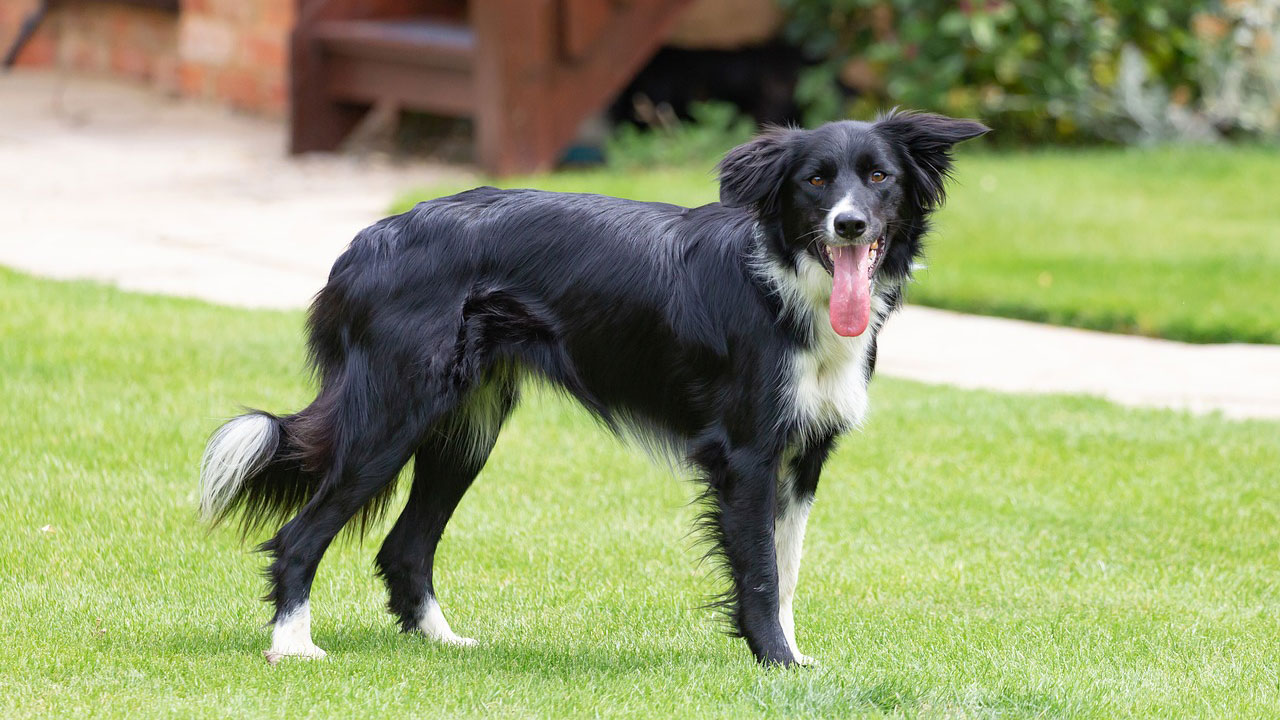
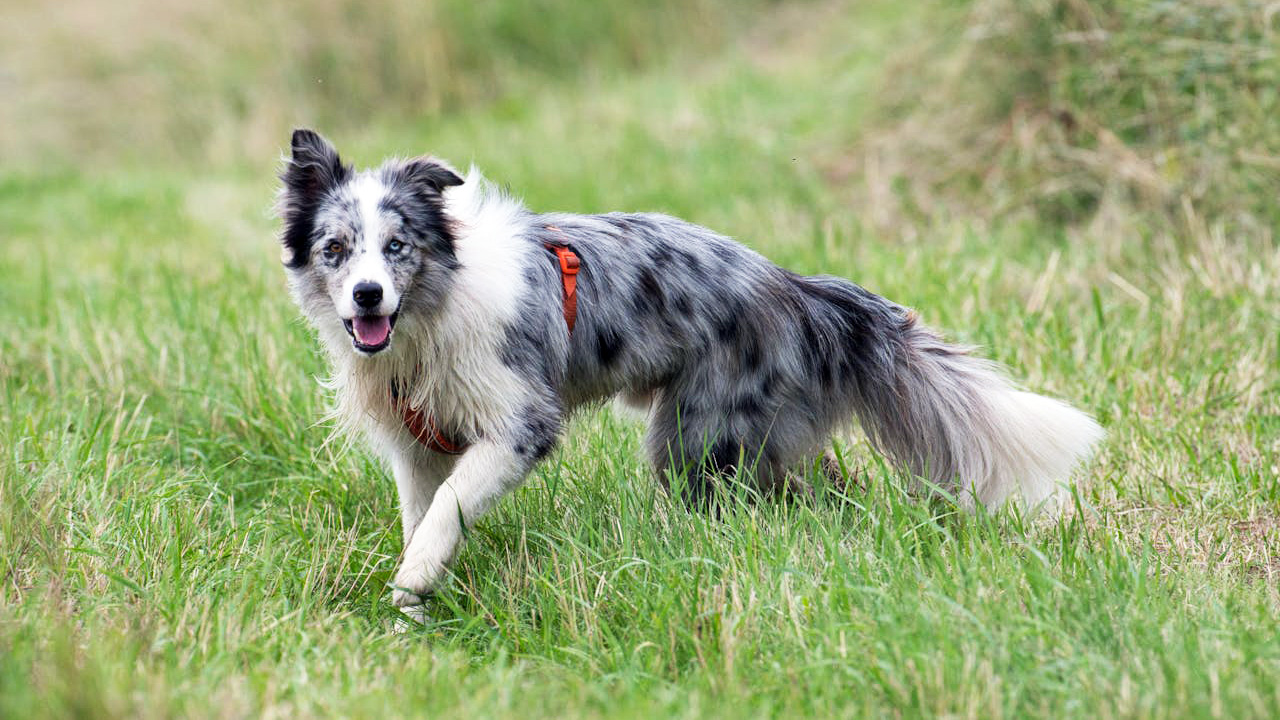
The Border Collie is still one of the sharpest working dogs you’ll find anywhere, and that hasn’t changed. On the right piece of land, this dog doesn’t just follow commands—it reads livestock, anticipates movement, and adjusts on the fly. You’ll see them crouch, circle, and apply pressure in ways that look almost calculated, because they are. That instinct is still alive and well in the breed.
They do best when they actually have something to manage. Without that, they’ll start inventing jobs, and not always the kind you want. But on a farm, ranch, or any property with animals, they settle into their role fast and stay locked in. They’re not just active—they’re purpose-driven, and that’s what keeps them in this category.
Australian Cattle Dog

Australian Cattle Dogs are tough in a way that shows up quickly once they’re working. They were bred to move stubborn cattle across rough ground, and that mindset hasn’t faded. They’re quick, direct, and not afraid to get in close when they need to. You don’t have to teach them grit—it’s already there.
They also bond hard with their owner and territory, which makes them solid for land setups where awareness matters. These dogs don’t miss much. They notice movement, changes, and anything out of place. On a property where things need to be watched as much as worked, they handle both without a problem.
Great Pyrenees

The Great Pyrenees is one of the clearest examples of a dog that still works exactly like it was designed to. This is a livestock guardian, not a herder, and that means it thinks independently. It patrols, it watches, and it steps in when something crosses a line. You won’t see it constantly checking in—it’s making its own decisions.
That independence is exactly why it works so well on land. It doesn’t need to be micromanaged, and it doesn’t panic under pressure. Whether it’s predators, strange movement at night, or something just feeling off, this dog takes it seriously. It’s calm until it’s not, and that shift is what makes it effective.
Australian Shepherd

Australian Shepherds still carry a strong working drive, even with how popular they’ve become as family dogs. The difference shows when they’re given space and responsibility. They move fast, stay alert, and handle livestock with a mix of control and intensity that hasn’t gone anywhere.
They’re also extremely aware of their surroundings, which makes them useful beyond just herding. They pick up on routines, disruptions, and patterns quickly. On a piece of land where things are always changing, that kind of awareness makes a difference. They’re not just busy—they’re tuned in.
Anatolian Shepherd

The Anatolian Shepherd is built for serious protection work, and it still shows. This isn’t a dog that barks at everything—it evaluates first, then reacts. That’s part of what makes it reliable on large properties where constant false alarms would be a problem.
They’re strong, territorial, and not easily intimidated, which is exactly what you want in a livestock guardian. Once they claim a piece of land, they take responsibility for it. That mindset hasn’t softened over time. They still operate like they’re out there to hold ground, not just hang around.
Belgian Malinois
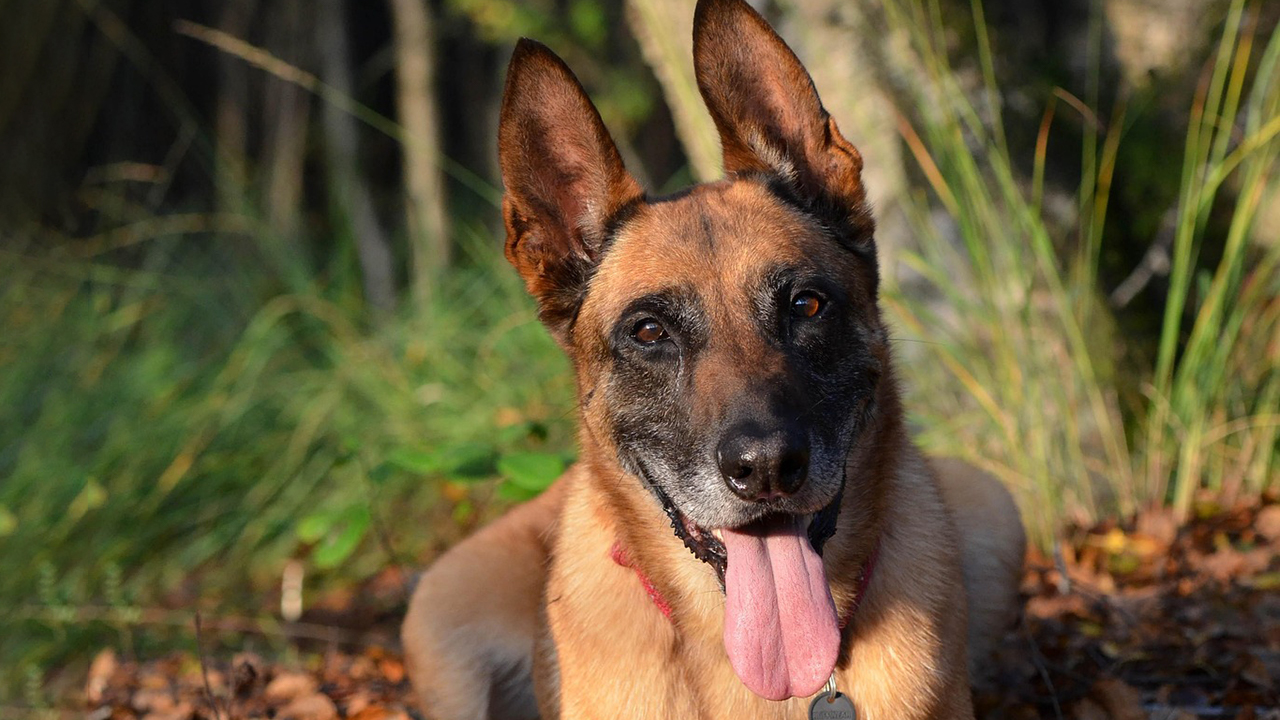
Belgian Malinois get a lot of attention for police and military work, but that same drive translates well to land if it’s handled right. These dogs are intense, focused, and always looking for direction or a job. They don’t switch off easily, which can be a challenge in the wrong environment but a major asset in the right one.
On land, they excel at perimeter awareness and fast response. They move quickly, react faster than most breeds, and stay locked in once something catches their attention. They’re not casual dogs, but if you want something that takes everything seriously, they still deliver.
German Shepherd

German Shepherds are one of the few breeds that have managed to stay relevant across a wide range of working roles. On land, they bring a mix of guarding instinct, trainability, and awareness that’s hard to beat. They’re not as specialized as some breeds, but that’s part of their strength.
They read people and situations well, which makes them solid for properties where there’s a mix of activity. They can switch between relaxed and alert without confusion. That balance is what keeps them useful, especially on places where things aren’t always predictable.
Blue Heeler (Working Lines)

Working-line Blue Heelers are a different experience than the watered-down versions people sometimes see. These dogs are relentless when they’re given a job, especially with cattle. They’ll push, nip, and hold ground in a way that shows exactly what they were bred for.
They also handle rough conditions well. Heat, distance, and long days don’t shut them down. On land where you need a dog that can keep going without fading out, they’re still one of the most dependable options out there.
Maremma Sheepdog

The Maremma is another livestock guardian that hasn’t lost its purpose. It’s calm, observant, and very attached to the animals and land it’s responsible for. Like other guardian breeds, it doesn’t wait for commands—it acts based on what it sees.
They’re especially good in setups where they can stay with livestock full-time. That constant presence is what makes them effective. They’re not chasing or herding—they’re preventing problems before they start, and they take that role seriously.
Kangal

The Kangal is built for one thing: serious predator deterrence. This breed is known for its strength, size, and ability to hold ground against threats that would push most dogs back. That hasn’t changed.
On land, they’re quiet but watchful. They don’t waste energy, but they’re always aware. When something crosses into their space, they respond fast and with purpose. That kind of presence alone is often enough to keep trouble away before it even starts.
Catahoula Leopard Dog

The Catahoula is one of those breeds that feels like it was built specifically for rough, unpredictable land. They’re used for herding, hog hunting, and general farm work, and they handle all of it with a kind of controlled intensity.
They’re smart, independent, and willing to get physical when needed. That combination makes them useful in situations where things don’t always go smoothly. They’re not delicate, and they don’t hesitate, which is exactly why they still fit into this category.
Rough Collie (Working Lines)
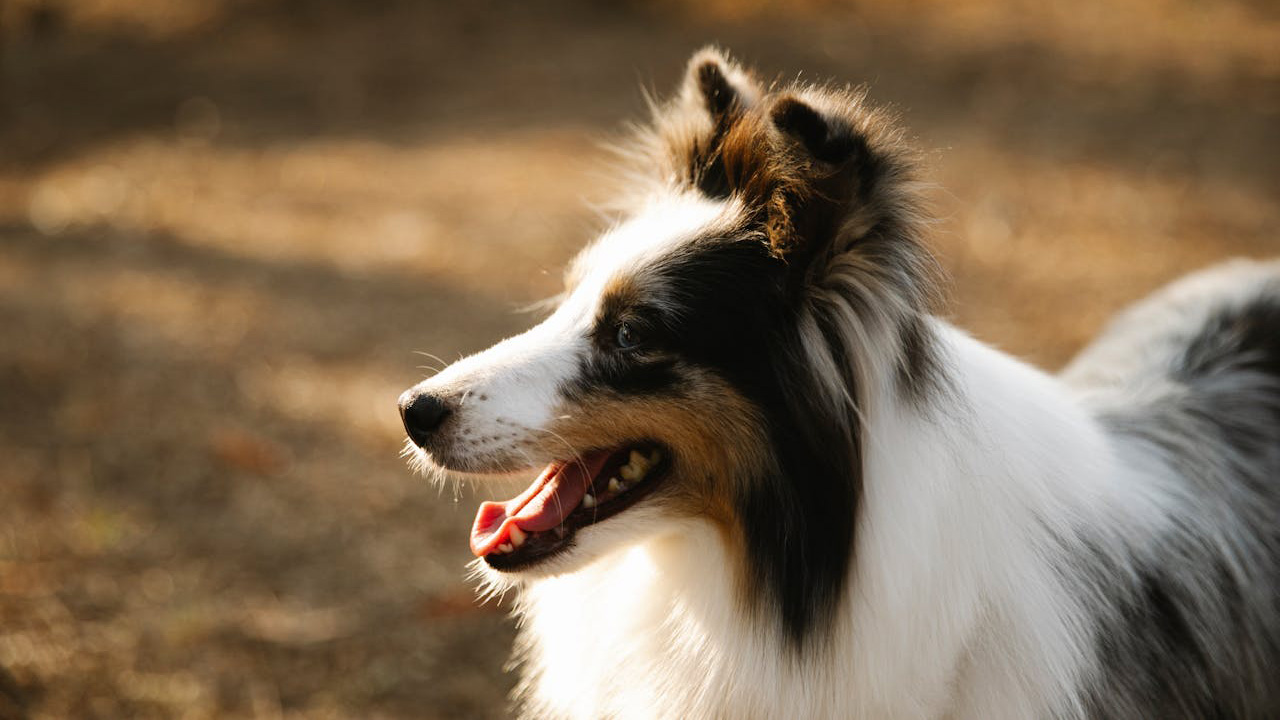
While a lot of people picture the show version of this breed, working-line Rough Collies still carry strong herding instincts. They’re more measured than a Border Collie but still capable of managing livestock with consistency.
They also tend to be more adaptable in mixed environments. They can work when needed but settle down when things are quiet. That balance makes them a good fit for smaller operations where flexibility matters.
Dutch Shepherd

Dutch Shepherds are similar to Malinois in terms of drive but often come with a bit more stability in temperament. They’re still high-energy, still focused, and still very capable of working roles that require speed and control.
On land, they handle patrol and response well. They’re not passive, and they don’t ignore things that feel off. They stay engaged with their environment, which makes them useful in setups where awareness is just as important as physical ability.
Komondor

The Komondor stands out visually, but its real value is in its guarding instinct. This breed was developed to blend in with livestock and protect them without drawing attention, and that behavior is still there.
They’re calm most of the time, but they don’t back down when something threatens their space. They’re not overly reactive, which makes them reliable. When they do act, it’s because they’ve decided it matters.
English Shepherd
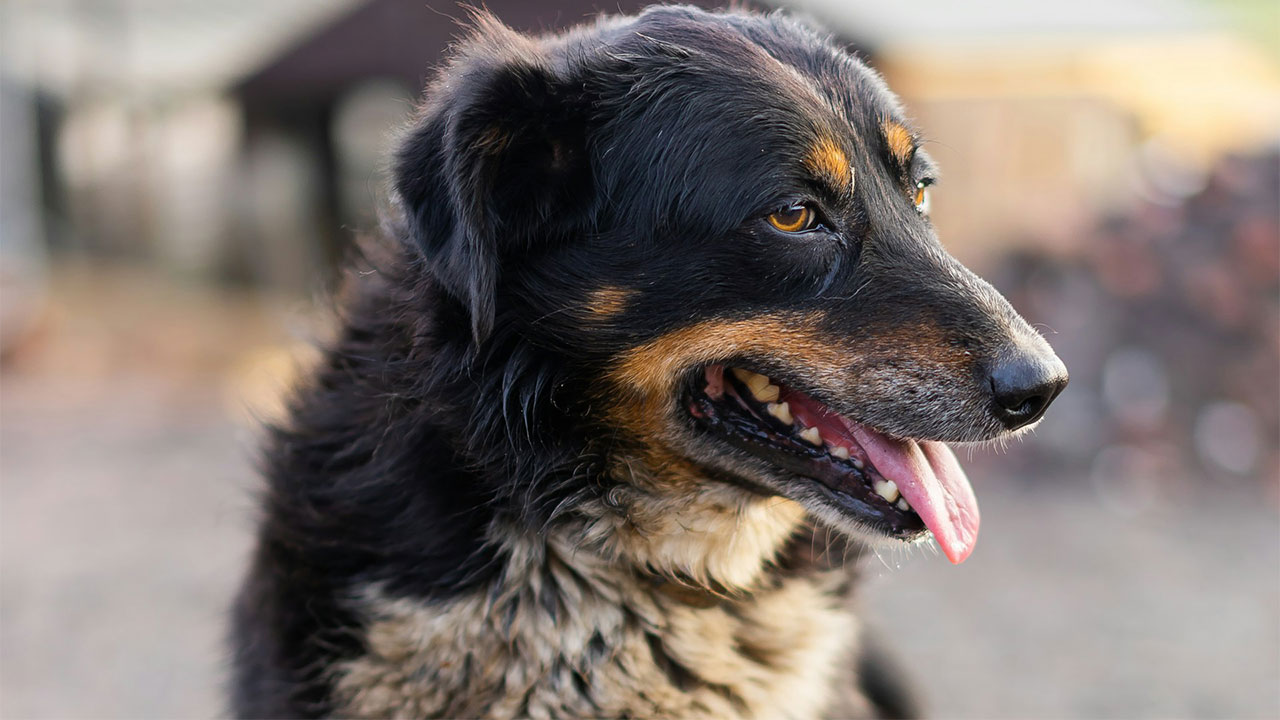
English Shepherds are one of the more versatile land dogs still around. They herd, they guard, and they handle general farm work without needing to be specialized into one role.
They’re also known for being steady and dependable. They don’t overreact, but they don’t ignore problems either. On land where you need a dog that can handle a little bit of everything, they still hold their own.
Kelpie

Kelpies are built for endurance and movement. They’re known for covering ground quickly and handling livestock in open, challenging terrain. That hasn’t changed, even as the breed has spread beyond its original roots.
They don’t need much direction once they understand the job. They keep working, keep adjusting, and keep pushing until the job is done. On larger properties, that kind of consistency matters.
Tibetan Mastiff

The Tibetan Mastiff brings a different kind of presence. It’s not fast or highly reactive—it’s steady, watchful, and very territorial. It doesn’t waste energy, but it doesn’t miss much either.
On land, they function as a deterrent as much as anything else. Their size and confidence alone send a message. They’re not for every setup, but where they fit, they still operate like a true guardian.
Boerboel

Boerboels are powerful, grounded dogs that take guarding seriously. They’re confident without being erratic, which makes them reliable in situations where you need control, not chaos.
They bond strongly with their space and the people on it. That connection is what drives their behavior. They’re not looking for a fight, but they’re not backing down if one comes to them either.
Treeing Walker Coonhound

This one leans more toward hunting roots, but it still fits the land category. These dogs are driven by scent and movement, and they’re excellent at tracking and covering territory.
On rural land, that ability translates into awareness. They’ll pick up on things moving through the property long before you do. They’re not guardians in the traditional sense, but they still contribute in a way that matters.
Black Mouth Cur

The Black Mouth Cur is one of the most practical, no-nonsense land dogs still around. They’re used for herding, hunting, and general farm work, and they don’t need a lot of structure to stay useful.
They’re tough, adaptable, and willing to work through rough conditions. That reliability is what keeps them relevant. They’re not flashy, but they get the job done, and on land, that’s what matters most.
Like The Avid Outdoorsman’s content? Subscribe to our newsletter so you never miss an article.
Here’s more from us: