Photo credit: wirestock/Freepik.com
Bobcats aren’t some “far out in the mountains” animal anymore. They’ve always been widespread across most of the contiguous U.S., and they’re good at using the same edge habitat people love building near—creek corridors, greenbelts, brushy lots, golf courses, and the patchwork of woods behind subdivisions.
And when you get the right conditions—light snow, damp sand, muddy grass, dusty concrete near a drainage—those cats leave clean prints that show up in places you don’t expect: sidewalk edges, cul-de-sacs, and the narrow strip between a fence and a walking path. Wildlife agencies and urban-wildlife groups generally say bobcats avoid people and most “encounters” are really just brief sightings or sign like tracks, but the pet-risk piece is real if you’ve got small animals roaming.
1) Texas

Texas has bobcats basically everywhere, and the suburban setup makes it easy for them to cruise through at night. Creeks and drainage easements are like highways, and a sidewalk next to a greenbelt is just a hard-packed surface that holds prints when the ground is damp. In the Dallas–Fort Worth area, there’s been enough public attention on urban bobcats that local guidance focuses on the basics: don’t run from one, make yourself big, and haze it out if it lingers.
If you’re seeing tracks near patios or along a fence line, it usually means the cat is moving through to hunt rabbits, squirrels, and rodents—not “stalking your house.” Still, treat it like a reminder to tighten things up: feed pets indoors, secure trash, and don’t leave small pets unattended at dawn/dusk. Those are the windows when people are out walking and the cats are still active.
2) California
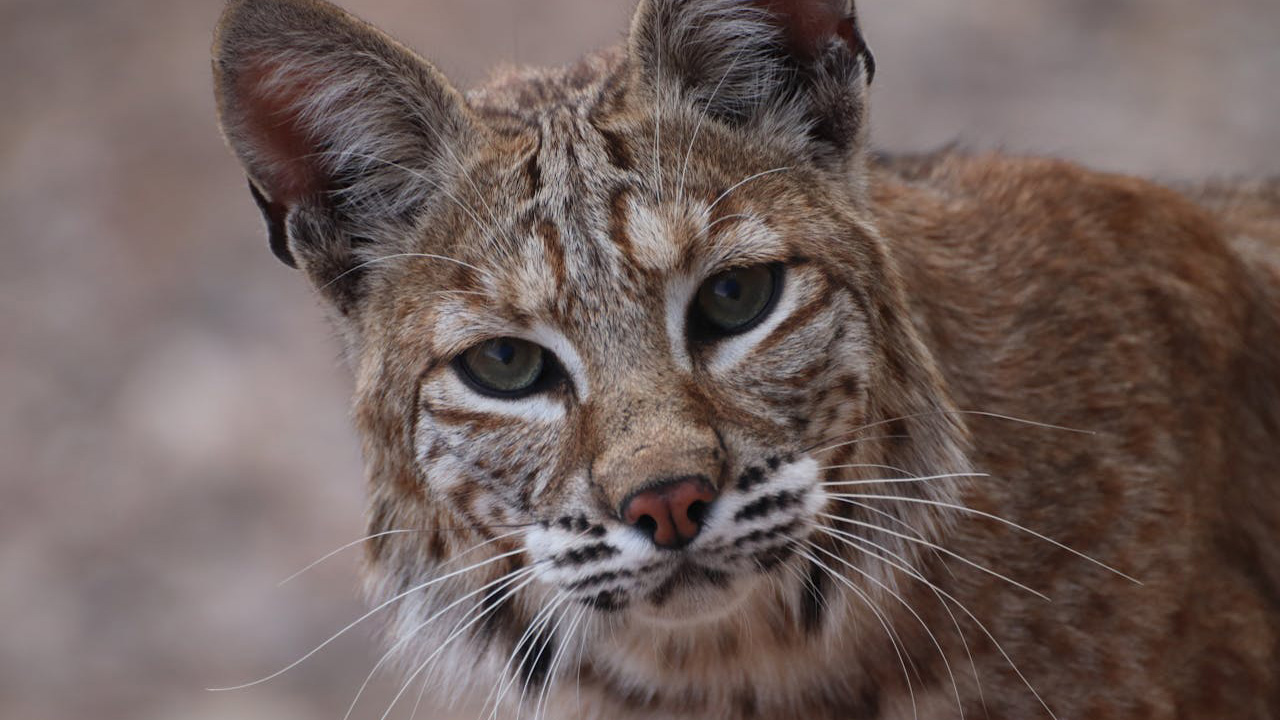
California has large bobcat populations across a ton of habitat types, including the rough edges of cities where hills, canyons, and brush meet neighborhoods. When sidewalks border open space, parks, or dry creek beds, tracks aren’t surprising—especially after rain, irrigation, or a light dusting in higher elevations. Bobcats don’t need “deep wilderness.” They need cover, prey, and a way to move without getting boxed in by traffic.
If you’re trying to confirm it’s a bobcat, look for a round print with four toes, little to no claw marks, and a wider, more “filled-out” look than a house cat. The heel pad shape can help too, but on concrete you’re often just seeing a partial impression. The big practical move here is pet management—small dogs and outdoor cats are the main conflict point in suburban areas, not people.
3) Florida
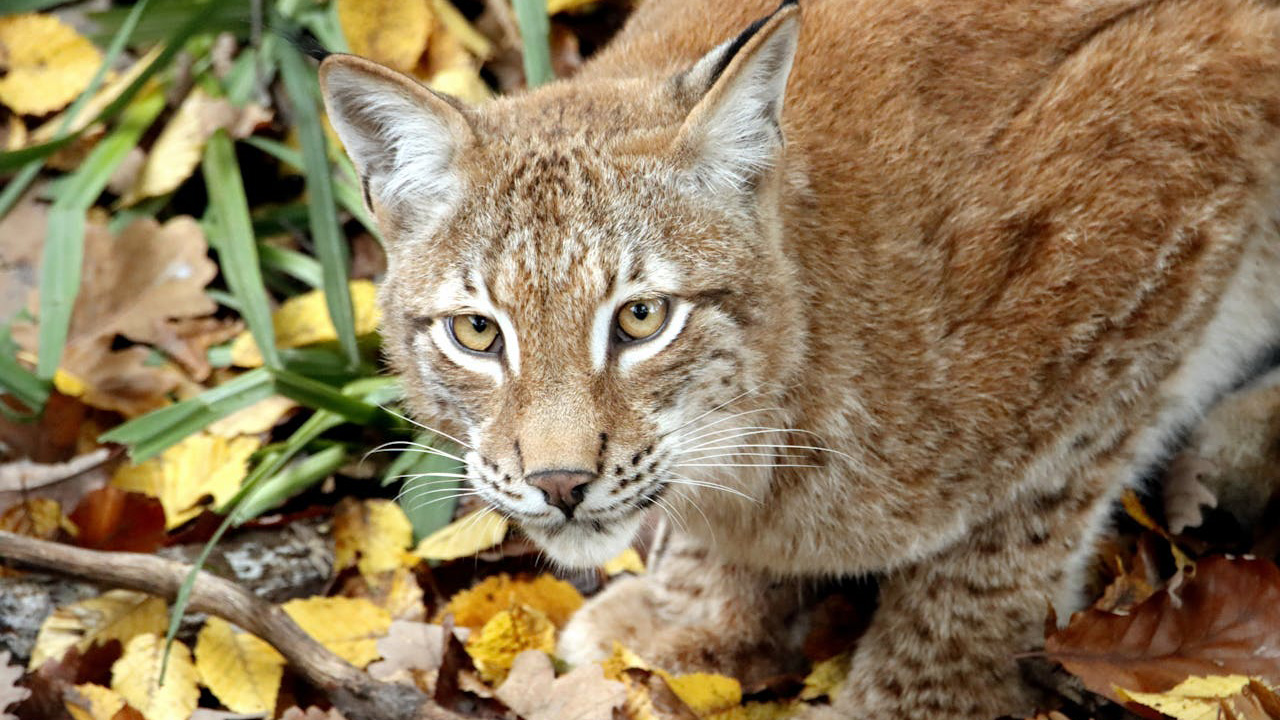
Florida’s mix of thick cover, water edges, and nonstop prey means bobcats can live closer to people than most folks want to think about. Neighborhood ponds, canals, retention basins, and palmetto patches behind fences give them travel lanes, and a sidewalk by a water feature can show tracks after a drizzle or heavy dew. The “sign” you see is often just one animal making a routine loop, not a new invasion.
If tracks are showing up repeatedly near the same spot, look at what’s pulling prey in: bird feeders spilling seed, unsecured trash, outdoor pet food, or rabbits living under sheds. Fix the prey problem and the cat usually stops checking that route as often. And if you do see the animal, most guidance for bobcats is consistent: stay calm, make noise, and give it space to leave.
4) Arizona
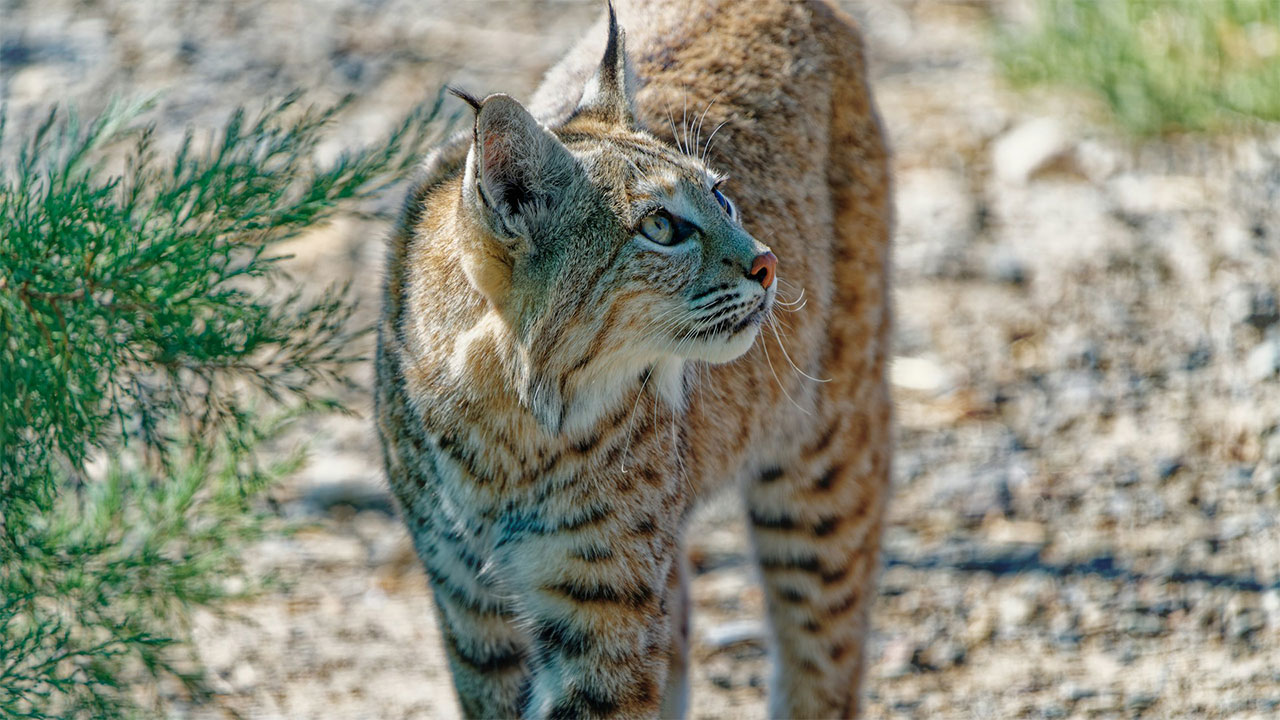
Arizona has bobcats in desert, scrub, foothills, and mountain habitat, and those landscapes blend right into a lot of “nice neighborhood” builds. Washes, arroyo systems, and desert preserves function like greenbelts, and sidewalks are often poured right along those edges. After a rare wet stretch, prints can show up in places that look too open for wildlife—because the cat is using the cover you’re not noticing: drainage cuts, thick landscaping, and rock piles.
People tend to assume every track belongs to a mountain lion or coyote. In reality, bobcats are far more common and far more likely to be the “cat tracks” around neighborhoods. The smart play is the same: keep pets supervised, especially at dawn and dusk, and don’t create an easy food situation that keeps prey animals stacked up near your house.
5) New Mexico
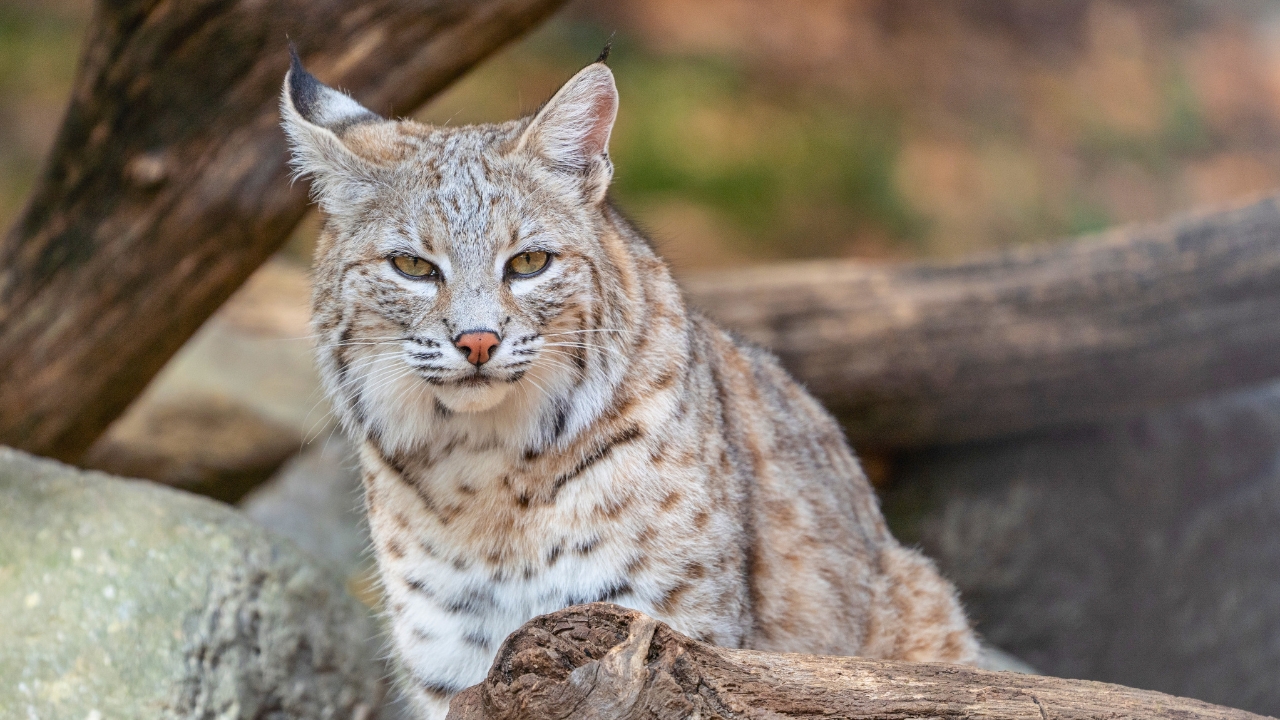
New Mexico has huge stretches of bobcat-friendly terrain, and a lot of small towns sit right up against it. A sidewalk near the edge of town—especially one that runs by irrigation ditches, brushy lots, or a river corridor—can catch tracks when the soil is damp and gets carried onto concrete. What looks like “they’re in the neighborhood now” is often “they’ve always been here, and conditions finally made the sign obvious.”
If you’re trying to reduce visits, focus on the boring stuff: eliminate outdoor food sources, close off crawl spaces where rabbits hide, and don’t leave a small pet out as an easy target. Bobcats are typically shy and keep moving, but they’ll take an opportunity if it’s sitting right there.
6) Colorado

Colorado neighborhoods that back up to foothills, open space, or riparian trails are prime for “tracks on the sidewalk” moments, especially after snow. Colorado also has a lot of popular paved loops that connect parks and drainage corridors—perfect travel routes for wildlife at night. If you’ve got a sidewalk that runs beside brush and a fence line, that’s basically a tunnel for rabbits and the predators that follow them.
The key thing to keep in mind is risk calibration. Bobcats are not out hunting people, but they can and do take small pets. Treat tracks as a heads-up to change routine: leash small dogs after dark, don’t let cats free-roam, and use motion lights to make the yard less comfortable for prey animals that attract predators.
7) Oregon

Oregon’s mix of timber edges, brushy creek bottoms, and suburban greenways makes bobcat sign pretty normal in the right neighborhoods. The track situation shows up most often when a wet week turns dirt trails into mud and then that mud gets carried across sidewalks and driveways. It feels like the animal is “right on the porch,” but a lot of the time it’s simply crossing the paved section to stay on a corridor that’s been there long before the subdivision.
If you want to be sure it’s bobcat and not a dog, remember the basics: cats usually don’t show claw marks, and the print tends to look rounder. Don’t overthink it, though—your response is the same either way: remove attractants and don’t let pets wander.
8) Washington

Washington has bobcats from lowland edges to forested foothills, and a lot of residential areas are stitched to those habitats by trail systems and creeks. Sidewalk tracks often show up after frost or light snow—especially in neighborhoods that connect directly to parks or utility corridors. People notice because the prints land on a clean concrete strip that doesn’t hide sign the way leaves and grass do.
If you’re seeing tracks along the same route repeatedly, consider the “why here” question. Rabbits and rodents love dense shrubs and decorative ground cover. If your yard is basically a buffet for prey, a bobcat may swing through more often than it otherwise would. Cutting back cover near the house and tightening up food sources can reduce visits without doing anything extreme.
9) North Carolina
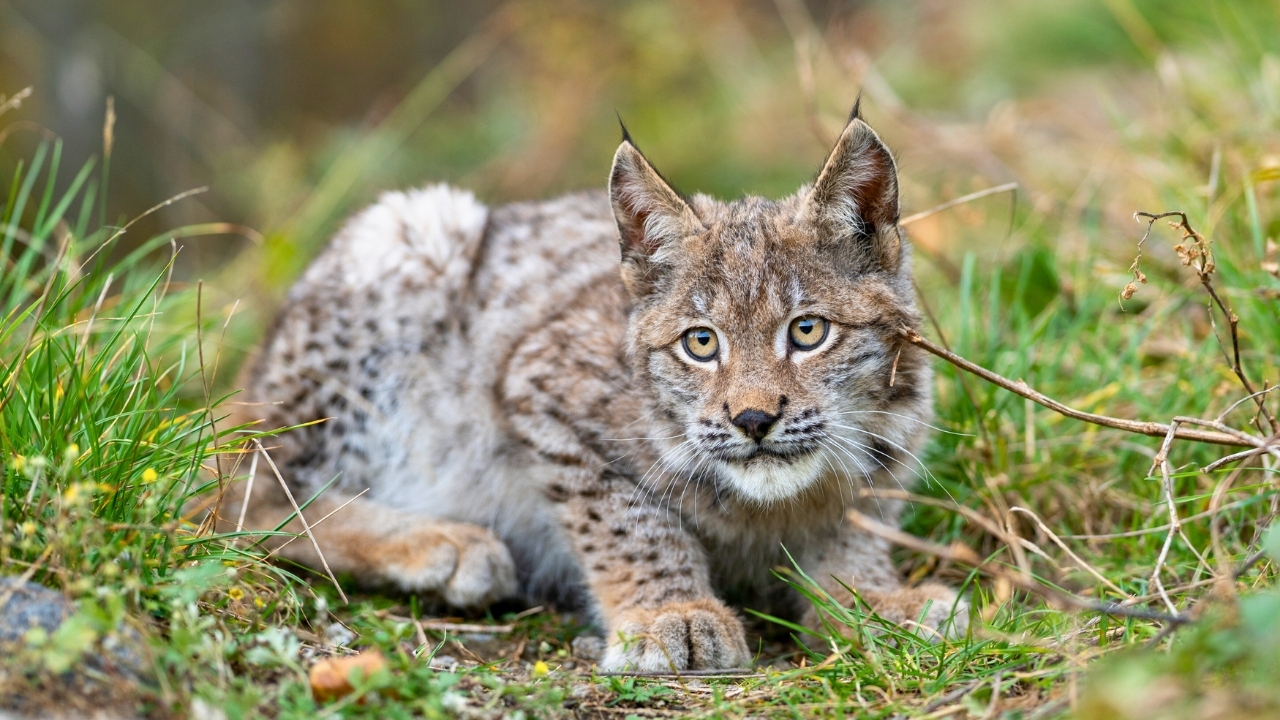
North Carolina has plenty of bobcats, and suburban sprawl has created a lot of edge habitat—exactly what bobcats use. Greenways along creeks are the big one: they connect woods to neighborhoods, and the paved paths and sidewalks beside them show tracks after rain. People tend to spot prints during morning walks because dew and damp soil make the impressions stand out more.
The practical angle here is routine. If you’ve got kids walking to the bus stop early, that’s also a time bobcats can still be moving. The fix isn’t panic—it’s awareness: keep small pets close, don’t leave food out, and if you ever see the animal acting bold, haze it and report unusual behavior to local wildlife officials.
10) Georgia

Georgia is classic bobcat country, and the mix of timber, fields, and suburb growth means they’re often closer than people assume. Tracks on sidewalks usually happen in neighborhoods that back up to creek bottoms or thick brush lines. After a rain, that sandy Georgia soil sticks to pads and gets stamped onto concrete where you can actually see it.
If you’re trying to reduce the odds of a repeat visitor, focus on prey and cover. Rabbits love brush piles, tall weeds, and low decks. Cleaning up those hiding spots doesn’t make your yard sterile—it just makes it less attractive as a hunting spot. Bobcats are typically secretive; most of the time you’re seeing evidence of a pass-through, not a cat that “moved in.”
11) Tennessee

Tennessee has bobcats across a lot of the state, and neighborhoods near wooded ridges, creek corridors, and pasture edges can see sign without ever seeing the animal itself. Sidewalk tracks usually show up in the wet season when mud sticks and transfers to hard surfaces. It’s one of those things that feels sudden, but it’s often just conditions lining up to reveal what’s been happening quietly for a long time.
If you keep chickens or small livestock, tracks are a reminder to check the basics: close coops at night, use hardware cloth, and don’t leave feed where rodents can work it. Rodents bring predators. And if you’re seeing tracks right up by the door, look for the prey source first—bird seed and pet food are common culprits.
12) Virginia

Virginia has bobcats in a lot of regions, and the suburban-wild interface is huge—especially where neighborhoods press against wooded parks and river systems. Sidewalks along those edges can show tracks after rain or light snow, and people notice because the prints appear “in town,” even if the animal never left a natural corridor.
If you ever do see a bobcat close to the house, most wildlife guidance lines up: make yourself large, make noise, and give it a clear exit. Avoid cornering it. The goal is to keep the animal wary of people so it doesn’t get comfortable near homes, which is when pet conflicts happen.
13) Pennsylvania
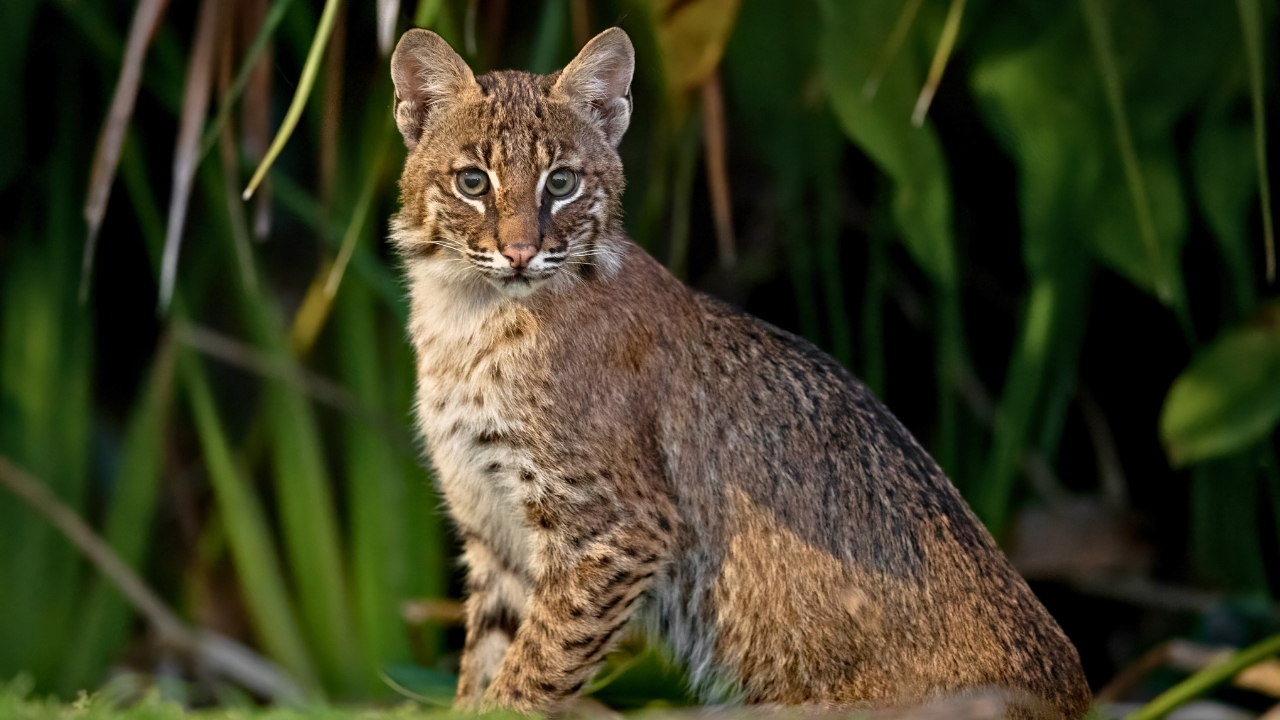
Pennsylvania has growing attention on bobcats, and the state’s mix of forest, farmland, and suburb edges creates lots of travel routes. Tracks show up in neighborhoods that border wooded hillsides or creek valleys, and sidewalks can catch prints when there’s snow or mud. In places with winter weather, tracks are often what convinces people they’ve got wildlife nearby even if they never catch a sighting.
If you’re trying to read the sign, remember this: bobcats move like cats. Tracks often line up in a more direct, efficient route along edges rather than the sloppy wander you see from a dog. You don’t have to become a tracker to respond well, though—keep pets close and remove things that attract prey, and you’ll usually see less activity near the house.
14) Connecticut

Connecticut is one of the clearest examples of “they’re closer than you think.” Recent reporting has highlighted thousands of reported bobcat sightings in the state in recent years, and a lot of those sightings are in suburban settings where brushy woodland edges meet backyards. That same habitat shows up along neighborhood walking paths and sidewalks, so tracks aren’t shocking when conditions are right.
Tracks in Connecticut often show up in winter and early spring when snow and wet ground preserve detail. If you’re seeing sign regularly, it’s worth tightening up pet routines and making sure you’re not unintentionally feeding the prey base. Most bobcats want nothing to do with people, but if the neighborhood is full of rabbits, outdoor cats, and easy hiding cover, you’ll see more evidence of them moving through.
15) Ohio

Ohio is a good “don’t assume they aren’t here” state. The Ohio Department of Natural Resources has documented thousands of confirmed bobcat sightings over time, showing the species is present across much of the state, even if many residents still think of bobcats as a southern or western thing. That matters because once a population is established, suburban sign like tracks can pop up around wooded edges and trail corridors.
In practice, Ohio sidewalk tracks tend to show up near ravines, river corridors, and brushy lots that connect pockets of habitat. If you’re seeing prints repeatedly, treat it as a cue to check attractants—outdoor food, unsecured trash, and small pets left out early or late. Bobcats are generally secretive, but “secretive” doesn’t mean “not nearby.” It means they’re good at moving without being seen.
Like The Avid Outdoorsman’s content? Subscribe to our newsletter so you never miss an article.
Here’s more from us: