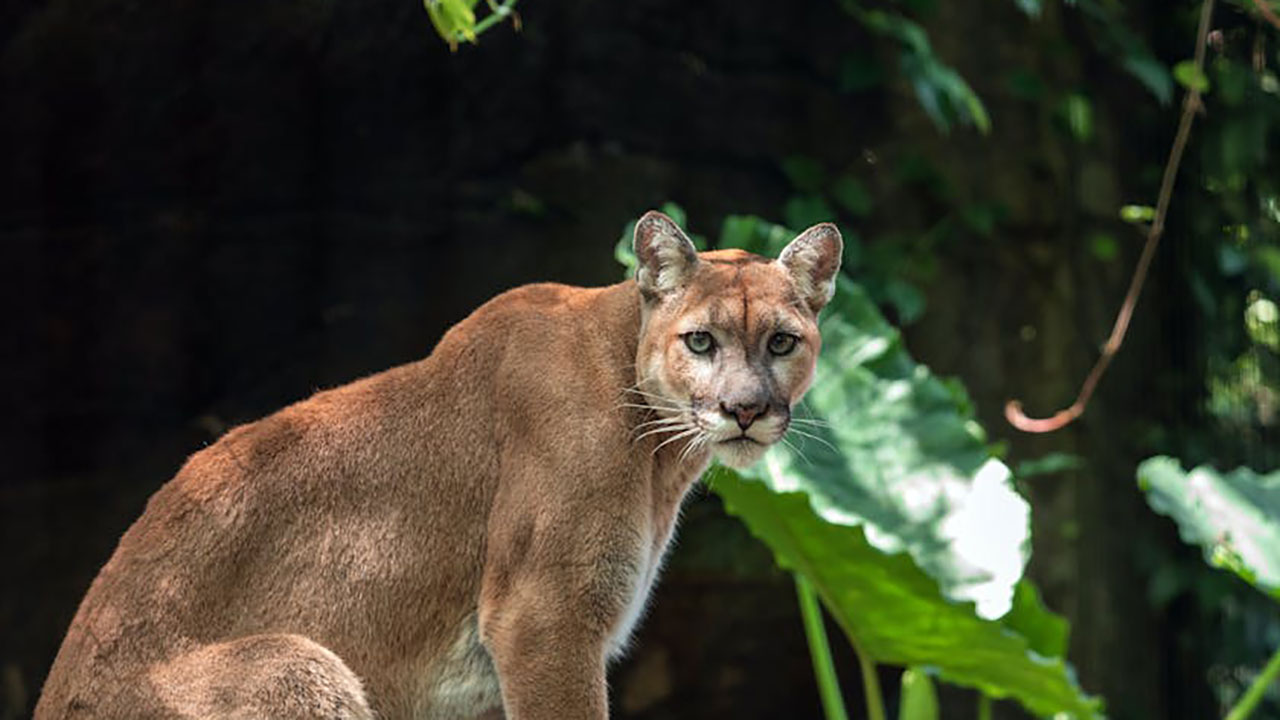
Photo credit: Charles Chen/Pexels.com
If it feels like more trail systems are posting cougar warnings lately, you’re not imagining it. A lot of the “increase” isn’t that lions suddenly became reckless—it’s that more people are running, biking, and hiking in the same canyon corridors and foothill edges lions already use. The U.S. Forest Service has even noted that attacks have been rising as humans increasingly enter lion territory, even though true attacks are still rare overall.
This list leans on a mix of things that actually move the needle near trailheads: recent incidents and investigations, state-agency notes about growing populations or more interactions, and the places where wildland-urban interface trails are basically stitched into lion habitat.
California

California is the classic “trailhead overlap” state because so much recreation happens right on the wildland edge, and the state wildlife agency explicitly says sightings and interactions have increased as communities expand into mountain lion habitat. Add drought pressure and habitat fragmentation and you get more lions moving in daylight and more people bumping into them on canyon trails and park networks. Recent incidents around Malibu show how quickly a foothill/trail area can go from “rare sighting” to “active response,” even though California emphasizes attacks remain uncommon.
If you’re hiking coastal ranges, foothills, or brushy canyons near suburbs, that’s prime travel terrain. Trailheads become the pinch point because that’s where humans funnel in at the exact places lions move between cover and prey.
Colorado

Colorado has had a very real, very public reminder that lion country includes popular trail systems. Colorado Parks and Wildlife’s investigation into a fatal attack on the Crosier Mountain Trail put a spotlight on just how close these incidents can happen to well-used routes, and CPW has urged reporting sightings/conflicts and staying vigilant in that habitat.
Colorado isn’t “new” to lions, but the pressure is: more people on trails year-round, more runners, more bikes at dawn and dusk, and more homes stacked into the foothills. That increases the number of encounters near trailheads even if overall lion behavior hasn’t changed much.
Utah

Utah is one of the few states that’s been blunt about the population direction: the Utah Division of Wildlife Resources has said trends indicate cougar numbers have been growing steadily for the last few years. When you combine that with heavy canyon recreation—trail running, hiking, biking—those encounters cluster where people enter and exit habitat: trailheads, canyon mouths, and foothill parks.
Utah also notes cougars sometimes drop into valleys in winter following deer to lower elevations, which is exactly when “neighborhood trail” sightings start popping up. If you’re using foothill trail systems, treat them like you’re sharing the route with a predator that mostly doesn’t want contact—but absolutely can test you if surprised or cornered.
Washington

Washington has had high-profile cougar incidents involving trails, including the 2024 attack on mountain bikers near Fall City that triggered an investigation and response from the state agency. That’s the point: you don’t need deep wilderness for cougar encounters—you need connected habitat and people moving fast and quiet through it.
Washington’s west-side greenbelts, timber edges, and suburban trail networks create a ton of “cougar lanes.” When those lanes intersect busy trailheads, encounters go up simply because more humans are present at the choke points.
Oregon

Oregon has had recent reminders that cougars can show up right where people walk every day. Oregon Public Broadcasting reported a cougar sighting that prompted Oregon City police to urge caution, along with standard “don’t run” guidance from ODFW. That’s not a backcountry-only situation—that’s right on the edge of town where people hit trails casually.
Oregon’s mix of river corridors, forested parks, and city-adjacent natural areas makes trailheads the likely contact zone. Even when a cougar is just passing through, the human side of the equation—dogs, kids, solo runners—can turn a normal wildlife moment into a close encounter fast.
Arizona

Arizona Game & Fish explicitly says growing human populations and habitat fragmentation can increase the likelihood of encounters, especially in urban-wildland areas. That’s basically the recipe for trailhead sightings around the Phoenix and Tucson edges, where washes and foothills run straight into neighborhoods and trail systems.
Arizona also notes the state has a substantial lion population and that lions have expanded into areas that were previously unoccupied or considered only transient. More lions using more of the map + more people using more trailheads = more encounters.
Nevada

Nevada’s trailhead issue is the same pattern you see across the Southwest: development presses into foothills and desert mountains, and trail networks extend deeper into lion travel corridors. While lion sightings aren’t always “news,” the conditions that drive encounters—urban-wildland edges, fragmented habitat, and human recreation—are exactly what wildlife agencies warn about across the region.
In practical terms, Nevada hikers see it around water and cover. If a trailhead sits near a wash, rocky draws, or thick desert brush, you’ve got a natural funnel that both prey and predators use.
New Mexico

New Mexico has huge swaths of lion habitat, and trailheads in canyon country, foothills, and mountain edges are the most likely places for run-ins simply because that’s where human access concentrates. The bigger point is that the same “increase drivers” wildlife agencies cite—habitat fragmentation and growing human presence along the interface—apply hard across the Southwest.
The states that feel this most are the ones where recreation is year-round. New Mexico’s climate and public-land access mean people are on trails constantly, which raises the odds of a sighting at the exact moment a lion is moving through.
Idaho

Idaho has a lot of cougar country and a lot of people recreating right where those cats hunt—timber edges, canyon breaks, foothills, and river corridors. Even when a state isn’t putting out constant headlines, encounters concentrate around trailheads because that’s where humans step into the habitat corridor. The Forest Service guidance is built for exactly this: your odds are low, but the trend line for contact rises as more people use these spaces.
Idaho also has a strong culture of running dogs and hunting lions in some areas, which can shift lion movement patterns—pushing cats into different drainages that still intersect public trail systems.
Montana

Montana is big-lion country, and more people are using more trail systems—especially around fast-growing towns tucked into mountain valleys. The “rising near trailheads” effect shows up where housing and recreation stack together: river trails, foothill trail networks, and popular access points into public land. Again, the Forest Service point matters here: increasing human presence in lion territory is a direct driver of more encounters.
Montana’s deer and elk movement can pull lions right along the same ridges and drainages hikers use. Trailheads at dawn and dusk are where that overlap gets real.
Wyoming

Wyoming has the same setup as Montana—huge habitat, lots of prey, and a growing number of recreation users in mountain-town corridors. The encounter “feel” increases in places where trail systems are heavily used for biking and running, because fast-moving humans can surprise predators at close distance. That’s why general federal guidance focuses on not running, not crouching, and making yourself look big and loud.
Wyoming hikers who treat trailheads like “just a stroll” can get caught off guard. In lion country, that first quarter-mile from the parking lot is often the most dangerous because people are relaxed, dogs are pulling, and visibility can be tight.
Texas

Texas isn’t the first state people think of for cougars near trailheads, but it’s happening—especially where parks and natural areas sit close to neighborhoods. A recent example out of San Marcos involved a mountain lion spotted in a natural area near a trail, with officials urging standard precautions like staying on marked trails, hiking in groups, and leashing pets.
Texas also has long tracked cougar reports, and while many sightings are rare or transient in some regions, the trailhead situation is exactly where they show up: green corridors, creek systems, and natural areas tucked into development.
Michigan

Michigan is the “surprise” state that still belongs on this list because confirmed cougar detections have been hitting record highs. Multiple reports tied to Michigan DNR data say 2025 produced the highest number of confirmed observations in modern tracking, and officials expect the number to rise as more camera work gets processed.
Michigan isn’t saying it has a fully re-established population everywhere, but increased confirmed detections mean more chances of trailhead encounters—especially in big-woods country where people hike, hunt, and run dogs on public land.
Nebraska

Nebraska is another Great Plains state where cougar presence has been expanding enough that the state announced its busiest mountain lion season to date, including adding a new region to regulated hunting areas beginning in 2025. That doesn’t happen unless management agencies are seeing enough lions—and enough human overlap—to warrant structure.
Nebraska’s river breaks, Pine Ridge-type habitat, and the public lands people use for hiking and hunting create plenty of “trailhead intersection” opportunities. Even if many animals are transient, it only takes one cat moving through a popular area to spike encounters.
South Dakota

South Dakota’s Black Hills region is a place where lion sightings can swing from “normal” to “everyone’s talking about it,” especially when prey shifts and cats follow. Local reporting out of Deadwood in late 2025 specifically cited city officials saying sightings in and around town were increasing, which is exactly the kind of edge-zone that includes trail access points.
In the Black Hills, trailheads are often right at the boundary of thick cover and deer movement. That’s where lions travel, and it’s where humans enter—so even a stable population can feel like “more encounters” when use and visibility line up.
Like The Avid Outdoorsman’s content? Be sure to follow us.
Here’s more from us: