Photo credit: Mark Stebnicki/Pexels.com
There is a big difference between a dog that barks at the mailman and a dog that actually understands territory. Real property-guarding dogs are not just noisy. They pay attention, they read people well, and they treat the land around your house, barn, gate, shop, or animals like it matters. Some were bred to guard livestock. Some were bred to protect homes, farms, or compounds. Some do both better than most people realize.
The hard truth is that not every “guard dog” breed still acts like one once you get past the reputation. A lot of dogs look impressive but are too soft, too distracted, too unstable, or too watered down to really handle the job. The breeds on this list still tend to carry the instincts that matter most: suspicion of strangers, loyalty to their people, territorial awareness, nerve, and the ability to hold ground when something feels wrong.
Great Pyrenees

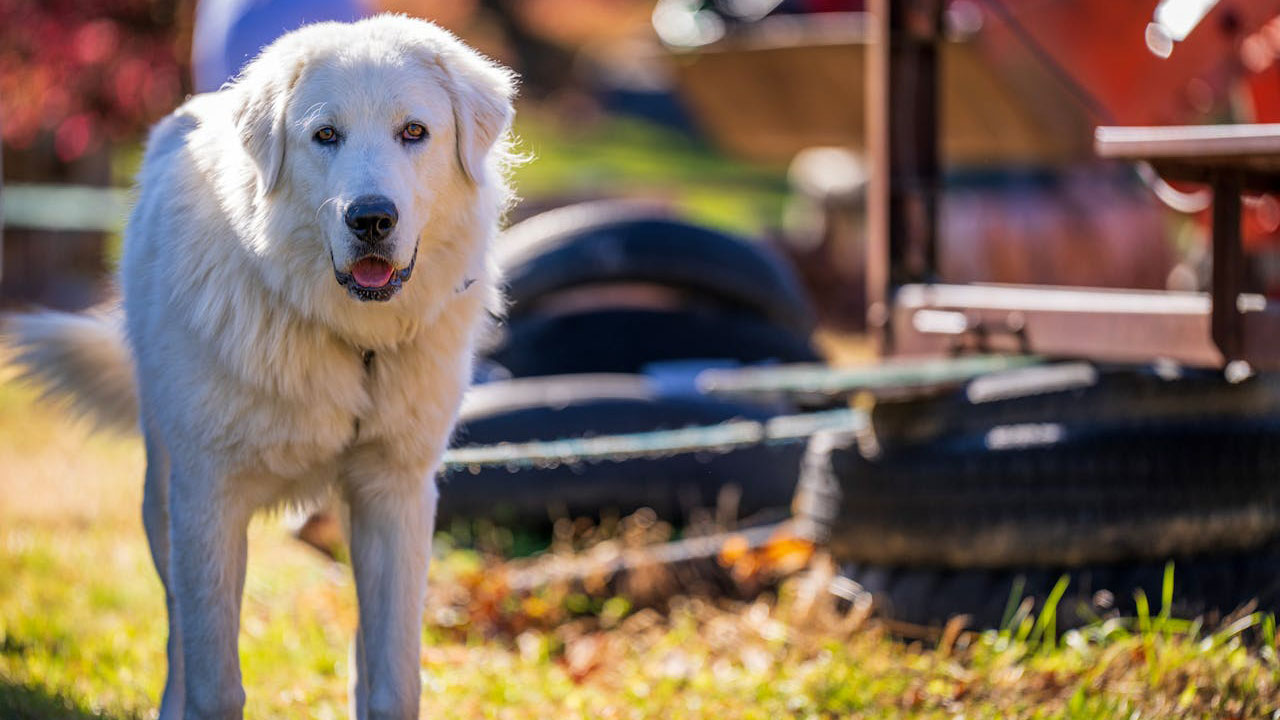
The Great Pyrenees is one of the clearest examples of a dog that still understands what it means to guard land. This breed was built to live with livestock, patrol wide areas, and make decisions without waiting on a person to point out every little thing. That independence is a big reason it still works so well on rural property. It notices movement, checks sounds, and keeps an eye on what belongs there and what does not.
What makes the Pyrenees effective is that it is not usually frantic about the job. It does not need to explode at every sound to do its work. It tends to stay calm until it has a reason not to, and that calm confidence matters. On a real piece of land with livestock, fences, and nighttime predator pressure, that steady mindset goes a long way.
Anatolian Shepherd

The Anatolian Shepherd still acts like a serious property guardian because that is exactly what it was built to be. This is not a dog that waits around hoping for direction. It watches, evaluates, and decides when something is wrong. That can make it tough for owners who want a softer, more obedient house dog, but on real property, that self-confidence is a strength.
Anatolians are especially good on larger acreage where a dog needs to think for itself and cover ground without constant supervision. They are not flashy workers, and they are not always affectionate in a sloppy, needy kind of way. They are businesslike. That is part of why they still stand out among breeds that have not forgotten how to hold territory and mean it.
Kangal

The Kangal is one of the most serious guardian breeds in the world, and it still carries that reputation for a reason. This dog was bred to protect flocks against real predators, not just bark at a passing car. It has the size, nerve, and territorial instinct to make trouble think twice before coming closer. On real property, that presence matters before the dog even has to do anything.
What separates a Kangal from a lot of pretend guard dogs is that it tends to have a natural sense of what is normal and what is not. That instinct is hard to fake and hard to replace. If you have land, livestock, and the kind of setup where predators or unwanted visitors are a real concern, the Kangal still feels like a breed with an actual job in mind.
Akbash

The Akbash does not get talked about as much as some of the better-known guardian breeds, but it still knows exactly what to do with real property. It was bred to live with stock and protect it, which means it tends to be watchful, reserved, and deeply territorial without needing to be hyped up. It is the kind of dog that often looks quiet until something crosses a line.
That makes the Akbash especially useful for people who want a true guardian without as much constant motion or noise as some other breeds. It is not usually trying to impress anybody. It is trying to monitor its ground and hold it. On a rural setup with livestock, outbuildings, and room to patrol, that practical mindset makes it a real guard dog, not just a dog with a scary silhouette.
Komondor

The Komondor looks unusual enough that some people forget it was bred for serious guarding work. Under all that corded coat is a dog built to live with livestock and hit hard when something threatens them. This breed still tends to be suspicious of strangers and extremely committed to its own space. It is not the kind of dog that treats every visitor like a new best friend.
On property, that matters a lot. The Komondor does not usually need constant stimulation to feel useful because watching, patrolling, and assessing are already wired into it. It can be stubborn, and it is not the right match for somebody who wants easygoing obedience above all else. But if the question is whether the breed still knows how to guard real property, the answer is yes.
Maremma Sheepdog

The Maremma Sheepdog is another breed that still makes the most sense on actual land. It was built to stay with flocks, recognize normal patterns, and react when something is off. That means it is less about showy aggression and more about presence, consistency, and controlled territorial behavior. It does not have to be dramatic to be effective.
A good Maremma tends to understand boundaries in a very natural way. It pays attention to its animals, its people, and the land around them. That is what makes it feel like a real farm or ranch dog instead of a suburban imitation of one. On the right property, it settles into the work like it belongs there, because in a lot of ways, it still does.
Tibetan Mastiff

The Tibetan Mastiff still has one of the strongest territorial instincts you will find in any old guardian breed. It is not built for herding or constant movement. It is built to watch, hold space, and make it clear that the wrong approach will not be welcomed. That sort of presence matters on real property where you want a dog that understands defense more than entertainment.
This is also one of those breeds that can be too much for people who do not actually need what it offers. A Tibetan Mastiff is often aloof, stubborn, and highly selective about who it trusts. That can be frustrating in a neighborhood pet, but it makes much more sense on real land where a dog needs to take territory seriously instead of treating everyone like invited company.
Boerboel

The Boerboel is a heavy, powerful farm guardian that still carries a very real instinct to protect home ground. It was developed to guard property and family, and that old purpose still shows. Boerboels tend to be stable when raised right, but they are not soft dogs. They notice pressure, they read people closely, and they do not usually act casual when something feels off.
What makes them good on property is that they are not just defensive in theory. They tend to bond hard with their people and take their role personally. Around a house, barn, shop, or fenced yard, that can translate into serious territorial awareness. They are not a breed for sloppy ownership, but in the right hands, they still act like they know the property has a line around it.
Cane Corso
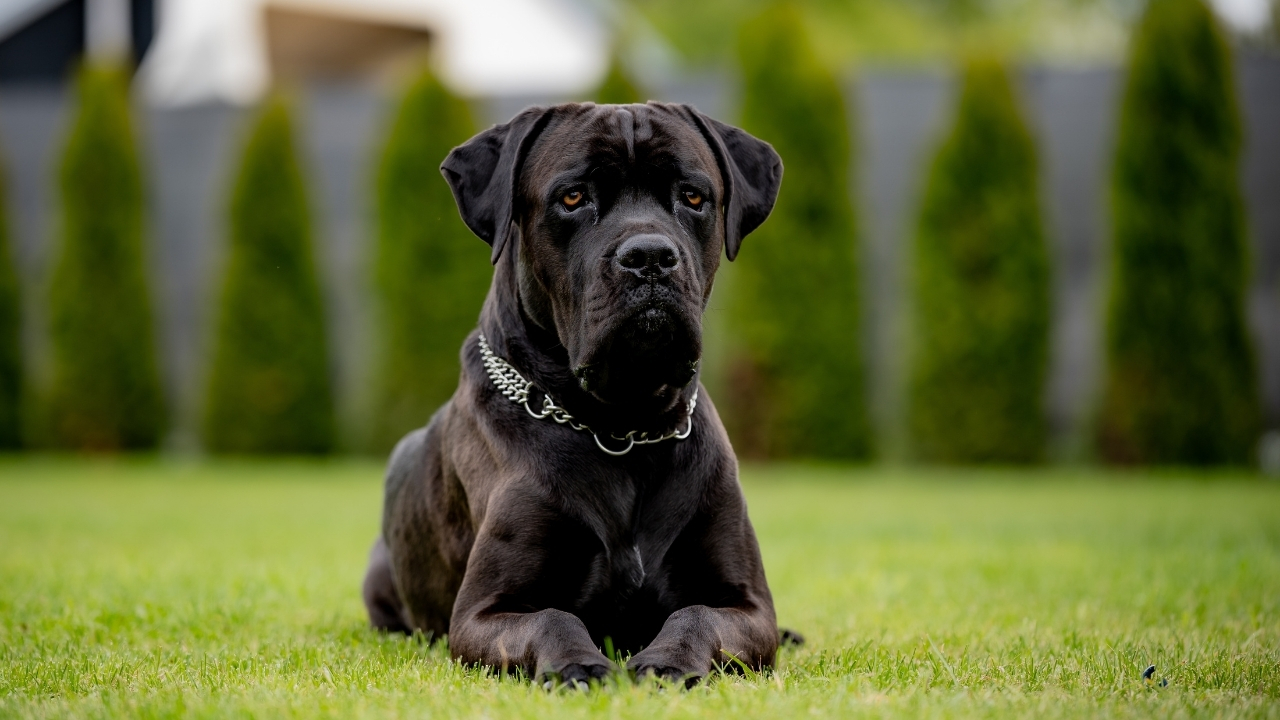
The Cane Corso still has strong guarding instincts, especially when it comes to home and family territory. It is more of a close-in property guardian than a wide-ranging livestock dog, but that still counts for a lot. Around gates, driveways, houses, and outbuildings, Corsos often show exactly the kind of reserved, serious attitude people want from a real guardian breed.
They tend to watch first and react second, which is one reason they are more credible than breeds that just bark at everything. A good Corso is not usually confused about the difference between normal activity and suspicious behavior. That makes it a strong fit for people with acreage, shops, or rural home setups where the dog does not need to patrol miles, but does need to take its ground seriously.
Rottweiler

Rottweilers still deserve respect as property dogs because the breed was built around confidence, strength, and protective instinct. Even though plenty of them now live easier lives than their ancestors did, a good Rottweiler still tends to have that steady, serious presence that makes strangers think twice. They are not usually chaotic dogs when bred and raised right. They are grounded.
That grounded temperament is a big reason they still work around real property. A Rottweiler that understands its home place often becomes very aware of who belongs, what is normal, and what feels wrong. That is valuable around gates, garages, driveways, and family land. They may not be full-time pasture guardians, but they still know how to protect territory in a very real way.
German Shepherd

The German Shepherd remains one of the most versatile property-guarding breeds because it combines territorial instinct with strong trainability. That balance matters. Some guardian breeds have all the instinct in the world but are hard to direct. German Shepherds still tend to offer a mix of natural suspicion, responsiveness, and physical ability that makes them useful in a lot of settings.
On real property, they can do more than one job. They can alert, patrol, accompany, and protect without needing to be pushed into everything. That flexibility is a big reason the breed still works so well around homes, barns, shops, and family land. While some lines are softer than others, the breed at its best still absolutely understands what it means to guard ground.
Belgian Malinois
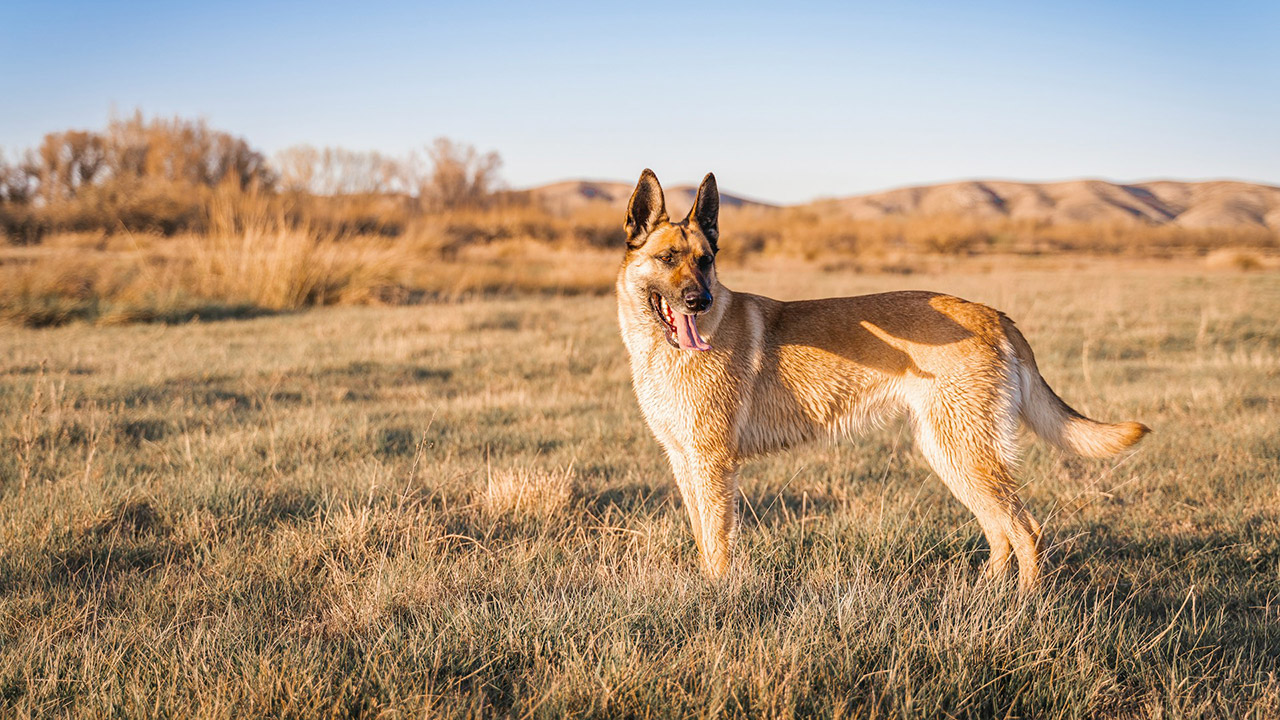
The Belgian Malinois is more intense than a lot of people really want, but nobody can say it forgot how to guard. This breed notices everything. It is sharp, fast, and wired to respond. On the right property, especially one where the owner is engaged and experienced, that intensity can be a huge asset. A Malinois does not sleepwalk through its environment.
The downside is that this is not a relaxed guardian for casual owners. It needs structure, purpose, and strong handling. But if the question is whether it still knows how to guard real property, the answer is obvious. It does, and sometimes a little too well. Around compounds, businesses, and serious home setups, the breed still acts like it was built to protect something important.
Dutch Shepherd
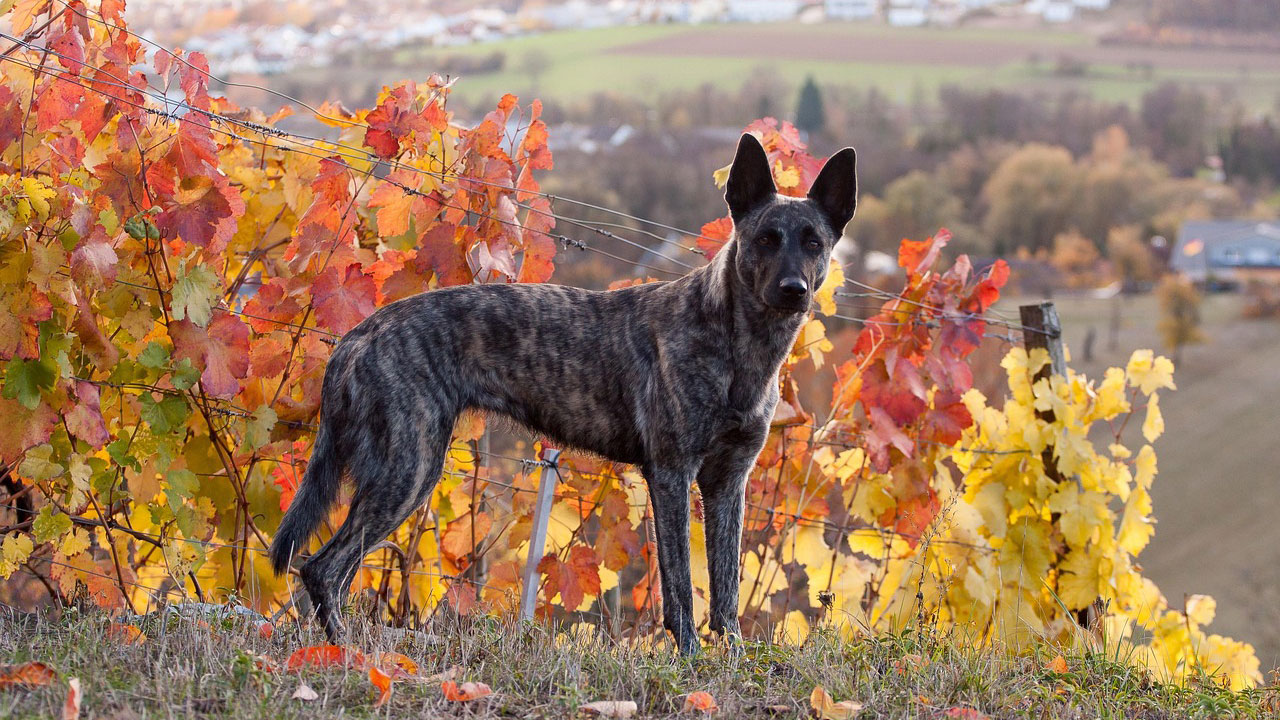
The Dutch Shepherd gets overlooked next to the Malinois and German Shepherd, but it still brings a lot to the table as a true property dog. It tends to be athletic, observant, and highly engaged with its environment. That makes it a strong fit for places where a dog needs to notice changes fast and react with purpose. It is not just standing around looking impressive.
A good Dutch Shepherd often feels a little more balanced than the most extreme Malinois lines, which can make it easier to live with while still keeping serious working ability. Around rural homes, shops, equipment yards, and fenced land, that combination of awareness and control matters. It is still a breed that thinks in terms of work, not just companionship.
Doberman Pinscher

The Doberman still belongs in any conversation about real property guardians because it was designed specifically to protect. While it is more of a personal and close-property guardian than a wide-acreage land dog, it still carries the kind of instinct that makes it highly effective around homes, driveways, and buildings. This breed is alert, quick, and usually very tuned in to its owner.
What makes the Doberman stand out is how naturally serious it can be without being clumsy or slow. It moves well, reads pressure fast, and tends to stay aware of what is happening around its home territory. It is not the right breed for somebody who wants a laid-back dog that greets everything with a wag. A real Doberman still knows how to draw a line.
Black Russian Terrier

The Black Russian Terrier is a powerful, serious breed that still behaves like a working guardian when it is bred and raised right. It was developed for protection work, and that background still shows in the breed’s natural suspicion and strong territorial instinct. This is not a goofy, casual dog in the way some people expect from a large shaggy breed.
On property, the Black Russian Terrier often shines because it has both substance and judgment. It is strong enough to matter, but it also tends to think before acting. That makes it more useful than dogs that either overreact to everything or fail to react when it counts. Around homes, fenced yards, and larger rural setups, it still feels like a breed with real guarding purpose.
Caucasian Shepherd

The Caucasian Shepherd is one of the hardest, most territorial guardian breeds on earth, and that instinct is still very much alive. This dog was built to stand up to predators and intruders, not just pose in a yard. It is massive, serious, and usually very unwilling to tolerate strangers on what it sees as its ground. That is real guarding instinct in its raw form.
Of course, that also means it is not for most people. A dog like this needs space, experience, and clear management. But on true property, especially more isolated land, the breed still makes sense in a way it does not in a normal suburban life. The Caucasian Shepherd did not forget what it was made for. If anything, that is exactly why it must be handled carefully.
Estrela Mountain Dog
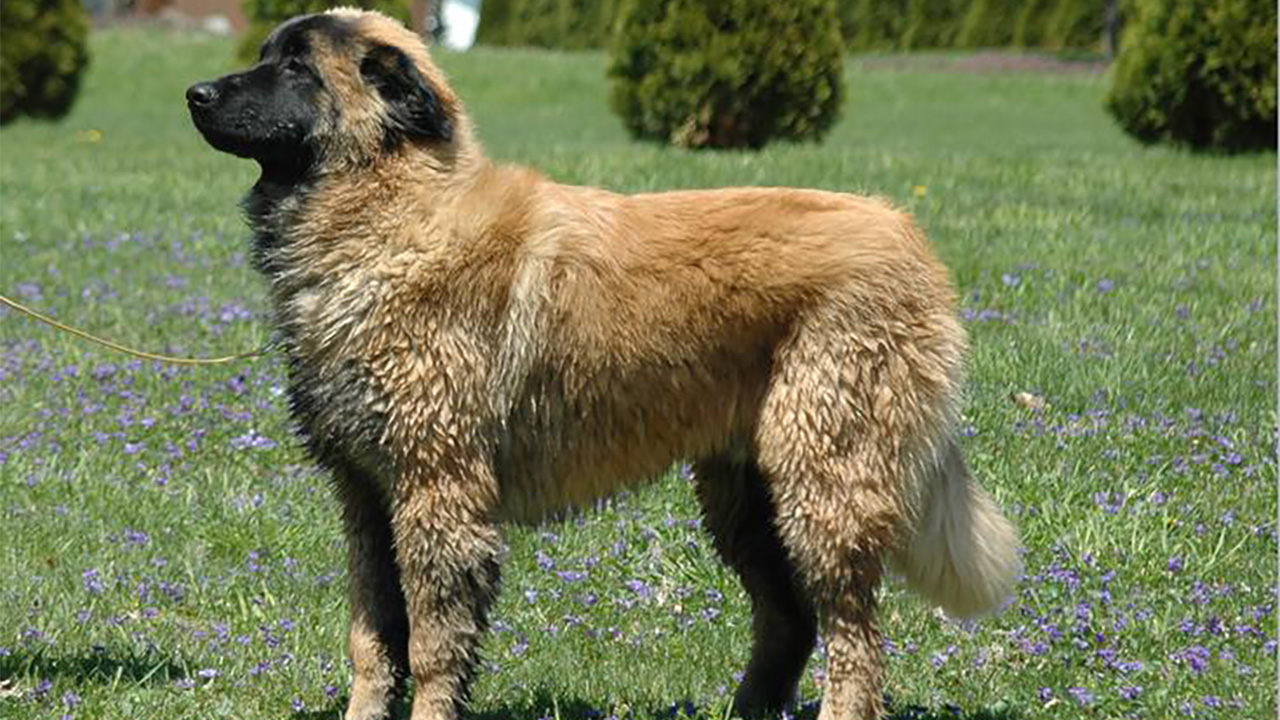
The Estrela Mountain Dog does not get the same level of attention in the United States as some of the more famous guardian breeds, but it still knows what to do with land and livestock. It was developed as a flock and property protector, and that old instinct is still there. Estrelas tend to be devoted to family, reserved with strangers, and very aware of territory.
That makes them a strong fit for rural settings where the dog needs to do more than simply bark. They often balance affection for their people with a very different attitude toward anyone unfamiliar. That contrast is what you want in a real property guardian. They are not usually looking for random conflict, but they are not interested in letting the wrong kind of attention drift too close either.
Kuvasz

The Kuvasz is another old livestock guardian that still carries a strong sense of territory and protection. It has a proud, independent temperament, which can make it a challenge for owners who want total obedience with no questions asked. But that independence is tied directly to what made the breed useful in the first place. A good Kuvasz is not waiting to be told that something looks wrong.
On property, that can be a real strength. The Kuvasz tends to be deeply loyal to its family and highly suspicious of strangers. It notices unfamiliar movement and does not usually hand out trust cheaply. On farms, ranches, and larger home places, that kind of natural vigilance still matters a lot. It is not a decorative white dog. It is a guardian breed with a real backbone.
Bullmastiff

The Bullmastiff is more of a close-range estate and home guardian than a wide-roaming pasture dog, but it still belongs on this list. It was developed to confront human intruders, and that old purpose still shows in its calm confidence and strong sense of personal territory. Bullmastiffs usually do not waste a lot of energy, which can actually make them better judges of what matters.
Around houses, shops, and fenced home ground, that can make them very effective. They often stay quiet until something earns their attention, which is a lot more useful than a dog that treats every squirrel like a break-in. A Bullmastiff is not built for every kind of property job, but on the kind of real home place where a physical, serious guardian matters, it still has a lot to offer.
Dogo Argentino

The Dogo Argentino was bred for dangerous work, and that courage still shows. While the breed is best known for big-game hunting, a well-bred Dogo also tends to be highly protective of home and family. It has the strength, nerve, and drive to be taken seriously on property, especially where the owner wants a dog that will not fold under pressure.
That said, the Dogo needs a skilled hand and good judgment from the start. It is not a breed you leave to figure itself out. But when owned well, it still acts like a serious working dog with strong territorial instincts. Around rural homes, fenced compounds, and land where real control matters, the Dogo is far more than just a tough-looking dog. It still thinks like one.
Like The Avid Outdoorsman’s content? Subscribe to our newsletter so you never miss an article.
Here’s more from us: