Photo credit: Pascal De Munck/Shutterstock.com
Rabies is one of those diseases you don’t get to “wait and see” about. If symptoms start, the outcome is almost always fatal. That’s why the smartest move is understanding which animals are most often involved in rabies cases and exposures—especially the ones you’re likely to bump into around homes, camps, barns, and trails.
Here’s the part most people miss: in the U.S., rabies is mainly a wildlife problem. Wild animals account for the vast majority of reported rabies cases, and a small handful of species show up again and again. Any mammal can carry rabies, but some are far more likely than others depending on where you live. If you know the usual suspects, you’ll make better calls when something acts “off,” and you’ll take bites and scratches seriously when they come from the animals that matter most.
Bats

Bats are the big one because they’re common, they live close to people, and their bites can be easy to miss. A bat in a room with a sleeping person is treated seriously for a reason. You can wake up with no obvious wound and still have had contact that matters.
The other issue is behavior. A bat flopping on the ground in daylight, hanging low, or letting you get close is not normal. That doesn’t automatically mean rabies, but it raises the stakes. If you handle bats barehanded, you’re gambling with a disease that doesn’t give second chances. Keep distance, don’t “rescue” them with your hands, and treat any bite or scratch as urgent.
Raccoons
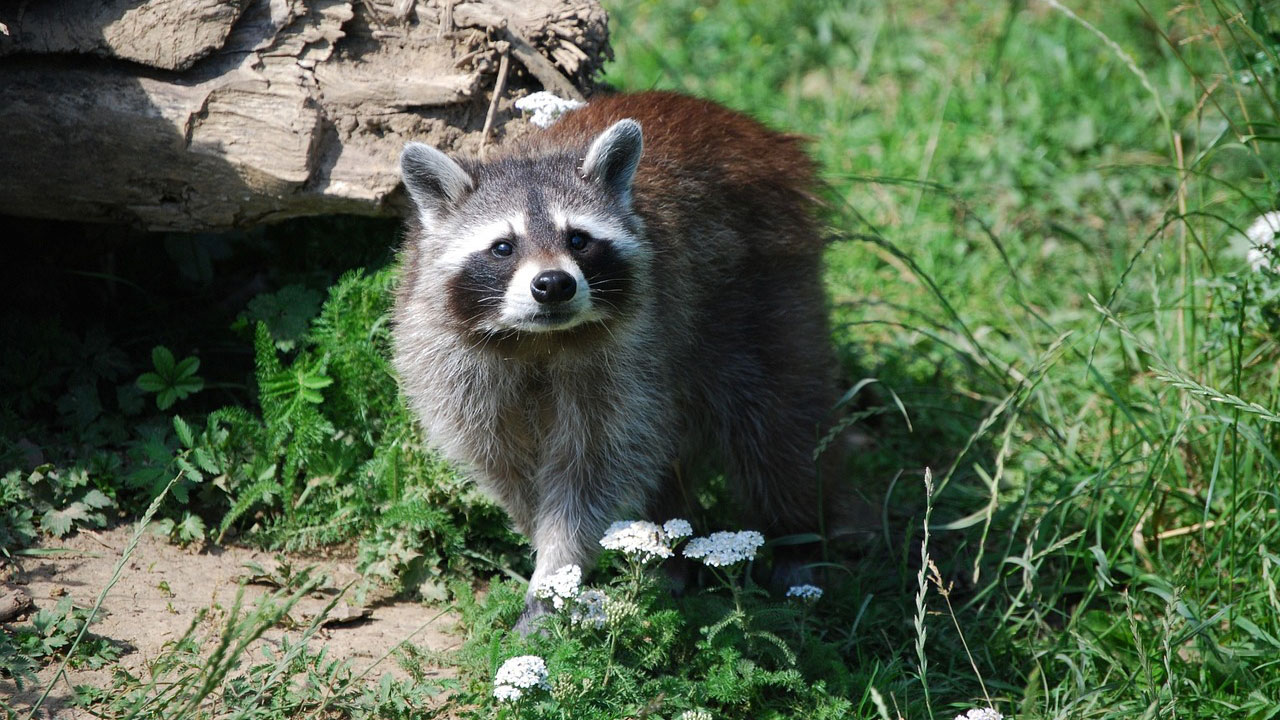
Raccoons are one of the most frequently rabid land animals in many parts of the U.S., especially in the East. They’re bold around houses, dumpsters, and pet food bowls, which puts them in your orbit even if you never go looking for them.
A rabid raccoon might look “drunk,” stagger, act unusually aggressive, or show up in the daytime with no fear. The danger is that people try to chase it off, trap it, or deal with it like a nuisance animal. If a raccoon is acting wrong, you give it space and you keep pets away. A bite from a raccoon is not a “wash it and move on” situation.
Skunks

Skunks are classic rabies carriers in many regions, and they’re one of the animals you really don’t want to tangle with. They’re slow-moving, they wander into yards, and they’ll sometimes approach people or pets when they’re sick, which is the opposite of what a healthy skunk usually does.
The red flags are the same: daytime activity, stumbling, paralysis, or a skunk that doesn’t react normally when you get close. People get bitten trying to “help” a skunk that looks injured or confused. Don’t do it. If your dog tangles with a skunk, you treat it as a rabies exposure until a professional tells you otherwise. Skunks are not an animal you gamble with.
Foxes

Fox rabies is a real problem in certain areas, and foxes are tricky because their normal behavior can already look “tame” to people. A healthy fox might watch you from a distance and not bolt the way you expect. A rabid fox can take that a step further and close distance, circle oddly, or act aggressive without a clear reason.
What gets people hurt is the temptation to treat a fox like a dog. They’re not. If a fox approaches you, hangs around your porch, or acts strangely fearless, you keep distance and you don’t try to shoo it with your hands or feet. Fox bites are serious exposures. In rural areas, foxes also overlap with barns, chickens, and pets, so keeping animals vaccinated and secured matters.
Feral cats

Cats are the most frequently reported rabid domestic animal in the U.S., and that surprises a lot of people. The reason is simple: cats roam, cats fight, and cats come into contact with rabid wildlife more than most dogs do. A friendly stray can still be a high-risk exposure if it bites or scratches.
The second problem is how people handle cat bites. Folks brush them off because “it’s just a cat.” But cat bites and scratches can be deep, and rabies is transmitted through saliva. A feral cat acting unusually aggressive, unusually tame, or neurologically “off” is not something you pick up or try to pet. If you get bitten, you treat it seriously and get medical advice fast.
Unvaccinated dogs

In the U.S., dogs are far less commonly rabid than wildlife, largely because vaccination works. Globally, though, dogs remain the main source of human rabies deaths, and that matters if you travel or if you live in areas with poor vaccination coverage. Even at home, an unvaccinated dog that tangles with wildlife can become a real concern.
The tricky part is that people trust dogs. They’ll break up a fight, pull a dog off an animal, or handle an injured stray without thinking. If you don’t know the dog’s vaccine status, you don’t assume safety. A bite from an unknown dog—especially one acting strangely—should be treated like a real exposure until proven otherwise. Vaccines keep this problem small. Skipping them makes it big again.
Coyotes

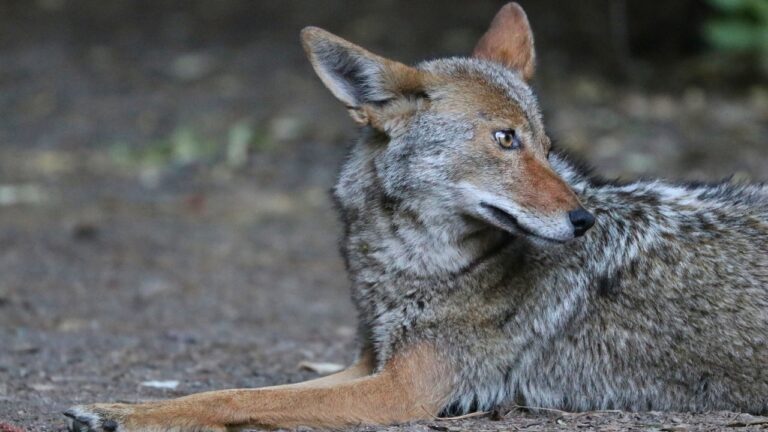
Coyotes aren’t the most common rabies reservoir compared to raccoons or skunks, but when a rabid coyote shows up, it gets dangerous fast. Coyotes are capable, fast, and they have the confidence to close distance in a way smaller animals don’t. That’s why rabid-coyote encounters can turn ugly.
The warning signs are abnormal aggression, approaching people in daylight, attacking without the usual caution, or acting disoriented. If a coyote behaves like it’s not afraid of humans at all, you don’t “test” that theory. You create distance, keep kids and pets inside, and call the right local authorities. A coyote bite is a high-stakes exposure, and it’s not something you tough out.
Groundhogs

Most rodents rarely carry rabies, but groundhogs are the exception that proves the rule. They’re large enough to survive fights with rabid carnivores, and they show up disproportionately among rabid rodents when animals are tested. They also live close to people—yards, sheds, woodpiles—so contact happens.
A sick groundhog can look strange in a way that tricks people into getting close. You’ll see staggering, unusual aggression, or a groundhog that charges when it should retreat. That’s when people get bitten trying to chase it away or handle it. Treat an aggressive or disoriented groundhog like a serious risk, keep pets away, and don’t assume “it’s a rodent so it’s harmless.” This is one you respect.
Bobcats

Bobcats aren’t a primary rabies reservoir, but they do show up as rabid “spillover” animals, and the encounters can be intense. A bobcat that’s sick can act bold, approach homes, attack pets, or behave aggressively toward people—behavior that healthy bobcats avoid.
The danger is that bobcats are strong enough to cause serious injury quickly, and people may not recognize what they’re seeing until it’s close. If you see a bobcat acting disoriented, unusually aggressive, or wandering near people in daylight, you don’t try to haze it like a raccoon. You create distance and treat it as a serious public safety issue. Any bite or scratch from a bobcat is an emergency-level exposure.
Mongooses

If you’re in places like Puerto Rico and parts of the Caribbean, mongooses belong on your mental list. They’re a known rabies reservoir in that region and account for a large share of animal rabies cases there. They also bite more often than people expect because they’re bold, fast, and willing to defend themselves.
The problem is that people underestimate them. A mongoose looks small and “almost cute,” so folks try to scare it off, pick it up, or corner it. That’s where bites happen. If you’re in mongoose country, treat any mongoose bite as a serious exposure and don’t gamble on “it seemed fine.” With rabies, fine today can still mean fatal later if you ignore the risk.
Wolves

In North America, wolves aren’t the most common rabies carrier, but in certain northern and Arctic regions, wolf rabies can be a real concern. Where it exists, it’s serious because a wolf encounter already has high injury potential, and rabies can strip away normal caution.
A rabid wolf may approach people, act unusually aggressive, or show disorientation and poor coordination. The biggest mistake is assuming wolves always keep distance. Sick animals don’t follow the rules. If you hunt, trap, or travel in areas where wolves are present, you treat abnormal behavior as a major red flag. Any bite from a wolf is an urgent, high-risk exposure, no matter how “small” the bite looks.
Jackals

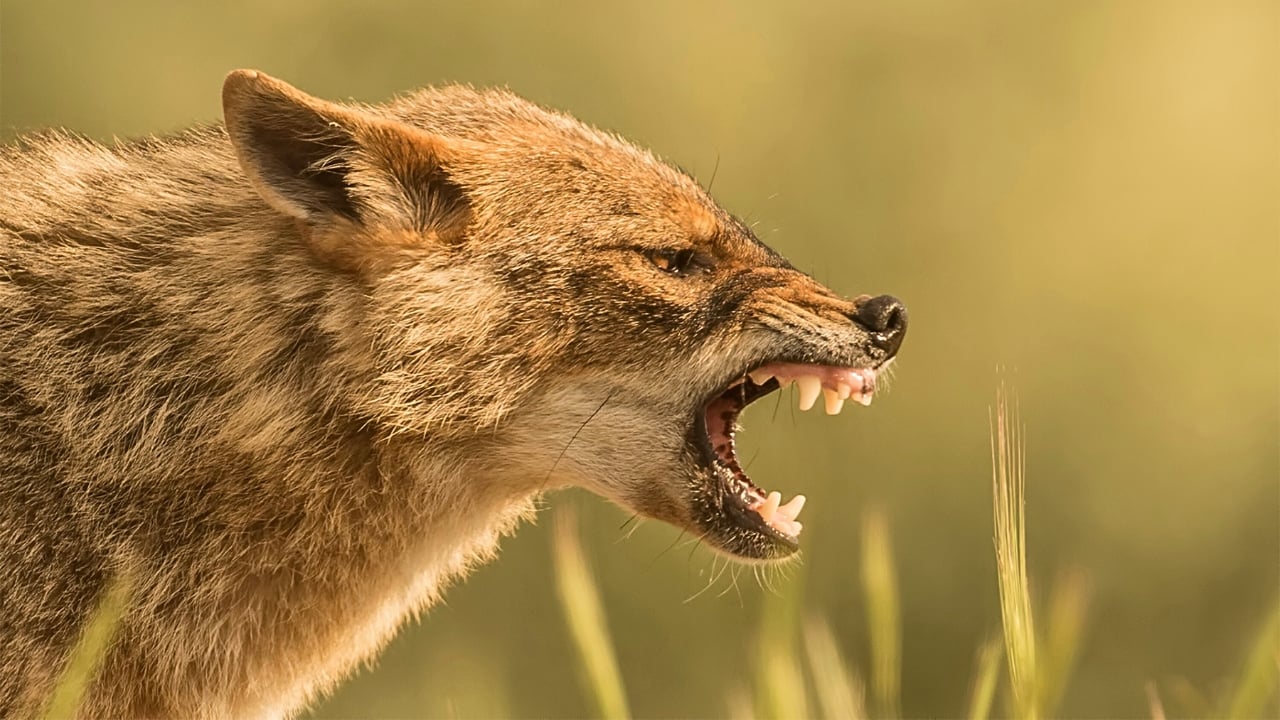
If you’re looking beyond the U.S., jackals matter because they can be a significant rabies carrier in parts of Africa and Asia. In some regions, they’re part of the rabies cycle alongside dogs, and they’re common enough around human settlements to create real exposure risk.
The problem is familiarity. People see canid-shaped animals and assume they’re just “wild dogs.” A rabid jackal can act bold, aggressive, or strangely tame. If you’re traveling or hunting internationally, you don’t treat wildlife bites casually. A nip from a jackal is the kind of exposure that demands immediate medical attention and follow-up, even if the wound seems minor. Rabies doesn’t care how tough you are.
Monkeys

Monkeys aren’t a top rabies carrier everywhere, but they’re a common rabies exposure animal for travelers because bites happen so often. Tourist areas, temples, parks—monkeys are habituated to people, and they’ll bite for food, for territory, or because someone tried to touch them.
The risk is that people dismiss the bite as “just a scratch.” With rabies, that’s a bad habit. In countries where rabies is more common, a monkey bite should be treated seriously, cleaned immediately, and evaluated for post-exposure treatment. Even if the actual probability varies by region, the consequences are too severe to ignore. If you travel, don’t feed monkeys, don’t pose with them, and don’t assume a small bite is harmless.
Cattle

Cattle aren’t a rabies reservoir, but they can absolutely get rabies from wildlife, and when they do it becomes a human exposure risk on farms and ranches. The danger is that people handle livestock up close—moving them, treating wounds, checking mouths—without thinking about rabies as a possibility.
Rabid cattle can show unusual aggression, abnormal vocalizing, excessive drooling, staggering, or strange behavior in the herd. If a normally calm animal becomes unpredictable and neurologic, you treat it seriously and involve a veterinarian. The other risk is pets and working dogs that interact with livestock and wildlife. Vaccination and smart handling matter here. You don’t want to be the person who got exposed because you assumed farm animals “don’t get rabies.”
Horses

Like cattle, horses aren’t rabies reservoirs, but they can become infected, and the exposure risk is real because humans work around horses constantly. A rabid horse can become unpredictable, aggressive, or dangerously uncoordinated, and that can lead to bites, saliva exposure, or serious handling injuries.
The warning signs can look like other neurological issues, which is why you don’t diagnose this in the barn aisle. If a horse suddenly acts abnormal—stumbling, extreme agitation, unusual sensitivity, or strange vocalization—you treat it as a veterinary emergency and limit close contact until a professional evaluates it. Rabies in a horse is rare compared to wildlife, but “rare” isn’t comforting when you’re in arm’s reach. Caution costs you nothing. Mistakes can cost everything.
Otters

Otters aren’t common rabies carriers, but when rabid otters do show up, the encounters can be nasty. Otters are strong, fast, and they bite hard. People also get too comfortable around them because they seem playful, especially near lakes and rivers where folks are already relaxed.
A rabid otter may be unusually aggressive, approach people, or act disoriented. The problem is that an otter attack can happen quickly, and it’s easy to end up with deep bites. If an otter is acting wrong, you don’t wade closer for a photo or try to shoo it away. You create distance and treat any bite as a serious exposure. Otters are a good reminder that “near water” doesn’t mean “safe,” and rabies doesn’t always come from the animals you expect.
Like The Avid Outdoorsman’s content? Subscribe to our newsletter so you never miss an article.
Here’s more from us: