Photo credit: ASWPhotography/Shutterstock.com
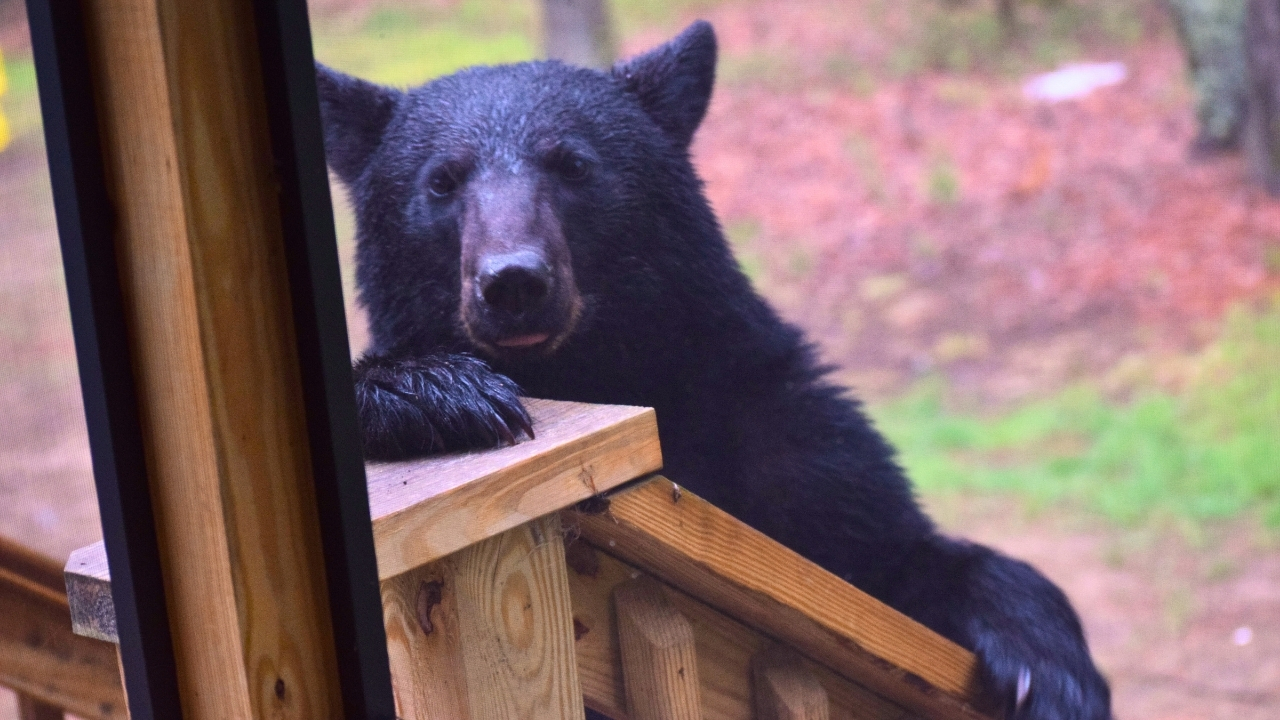
Black bears aren’t staying tucked away in remote timber anymore. As populations rebound and development keeps pushing outward, bears are finding themselves living closer to people than ever before. Suburban neighborhoods offer exactly what bears want: easy calories, cover, and predictable travel routes. Trash cans, bird feeders, pet food, compost piles, and backyard fruit trees create reliable food sources that don’t exist in deep wilderness. Add greenbelts, creek corridors, and wooded buffers between subdivisions, and bears have everything they need to move comfortably through human spaces. These states are seeing black bear sightings rise in suburban areas—not because bears are acting strangely, but because the landscape keeps bringing them and people together.
New Jersey

New Jersey consistently ranks near the top for black bear density, and suburban sightings have become a routine part of life in many northern counties. As development expanded into forested hills and ridges, bears adapted quickly, using neighborhoods as travel corridors and food stops. Residents regularly report bears walking through backyards, crossing residential streets, and breaking into unsecured trash cans, especially during late summer and fall.
What surprises many people is how comfortable these bears have become around human activity. Young bears pushed out of prime habitat by dominant adults often end up on the edges of towns, where food is easier to find and pressure is lower. Wildlife officials in New Jersey now treat suburban bear encounters as an expected seasonal issue rather than isolated events, which speaks to how common these sightings have become.
Pennsylvania
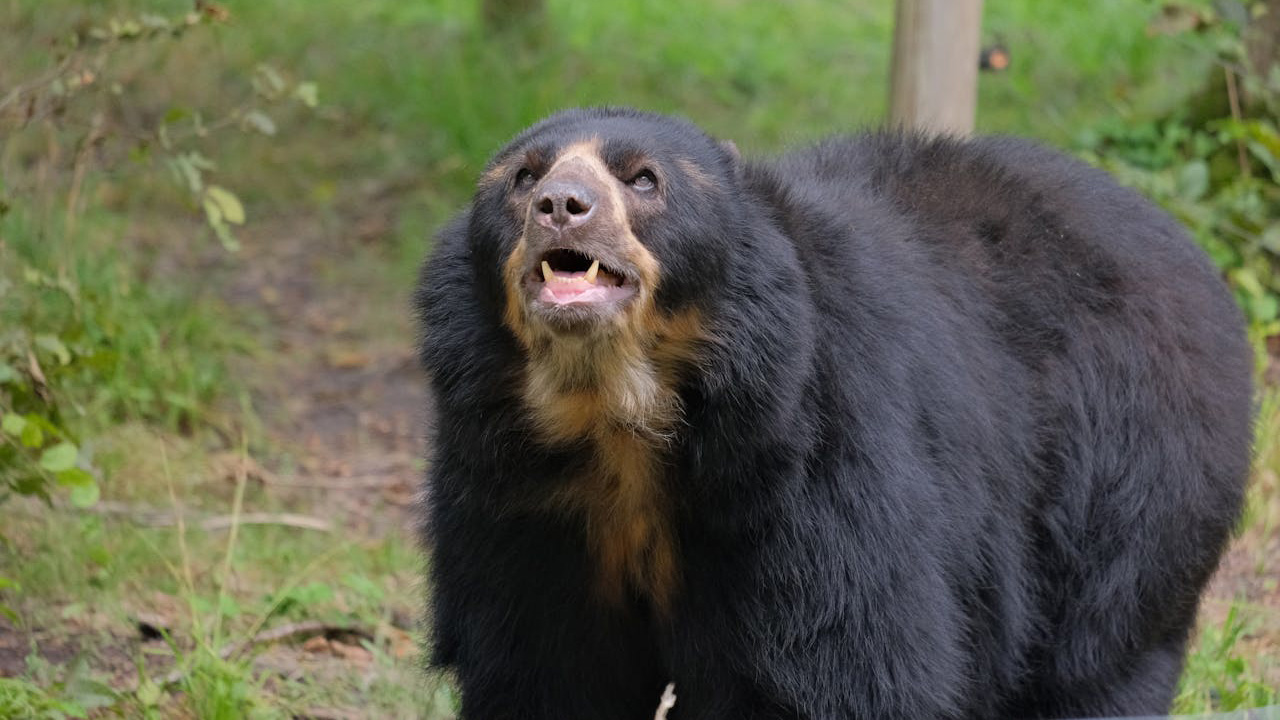
Pennsylvania’s black bear population has been growing for decades, and suburban sightings have risen right along with it. Bears now move freely through residential areas bordering forested ridges, creek bottoms, and large tracts of public land. In many parts of the state, especially in the northeast and central regions, it’s no longer unusual for bears to pass through backyards or be caught on doorbell cameras.
Fall brings the most activity, as bears enter hyperphagia and actively seek high-calorie food. Suburban neighborhoods offer reliable meals with minimal effort, and bears quickly learn which areas provide easy access. Wildlife agencies regularly issue reminders about securing trash and removing attractants, but the steady rise in sightings shows how firmly bears have established themselves in these fringe environments.
Connecticut

Connecticut has seen one of the most noticeable increases in suburban bear sightings in the Northeast. Bears that were once limited mostly to rural corners of the state are now showing up in residential neighborhoods, schoolyards, and parks. Sightings are reported across much of the state, not just in traditionally wooded areas.
Forest regrowth combined with expanding suburbs has created ideal bear travel corridors. Bears move easily through connected green spaces and often return repeatedly to neighborhoods where food is available. Many residents now expect to see bears at least once a year. The rise isn’t driven by isolated animals—it reflects a growing population that’s learned how to live alongside people without much resistance.
Massachusetts

Massachusetts continues to experience increasing black bear activity in suburban communities, particularly in the western and central parts of the state. As bear populations expand eastward, encounters in residential neighborhoods have become more frequent. Bears are often drawn to trash, bird feeders, and backyard compost piles, which provide high-energy food with little risk.
Many towns now report repeated sightings of the same bears moving through neighborhoods on predictable routes. These bears aren’t lost or desperate—they’re using suburban areas as part of their normal range. Wildlife officials regularly respond to bear calls, and public education efforts focus on reducing attractants rather than relocation, acknowledging that suburban bear presence is now a long-term reality.
New York

New York’s black bear population is expanding beyond traditional strongholds in the Adirondacks and Catskills, leading to more suburban sightings across the state. Communities in the Hudson Valley and surrounding regions report bears moving through neighborhoods, crossing roads, and visiting residential properties with increasing regularity.
Suburban development near forested land creates ideal conditions for bears to move unnoticed until food draws them in. Younger bears, in particular, are often responsible for these encounters as they search for new territory. Wildlife managers note that bears quickly learn which neighborhoods offer easy meals, leading to repeated visits unless attractants are removed.
Colorado

Colorado’s Front Range has become a hotspot for suburban black bear sightings. As housing developments push closer to foothills and forested terrain, bears routinely enter neighborhoods in search of food. Sightings often spike in late summer and fall when natural food sources fluctuate and bears prepare for winter.
Garages, trash cans, patios, and fruit trees are frequent targets. Many bears become repeat visitors once they associate residential areas with easy calories. Colorado wildlife officials regularly respond to bear-related calls and emphasize that these encounters are a direct result of expanding development into bear habitat rather than unusual bear behavior.
California

California’s black bears are increasingly visible in suburban areas, particularly in mountain towns and communities near forested land. Bears are often reported breaking into vehicles, sheds, and homes while searching for food. In some regions, suburban bear encounters are so common that residents adjust daily routines around bear activity.
The state’s large bear population combined with extensive development near wildland areas creates frequent overlap. Bears learn quickly and adapt to human environments with little hesitation. Wildlife agencies now focus heavily on public education and prevention, recognizing that suburban bear presence is a growing, ongoing issue rather than a temporary spike.
North Carolina

North Carolina has one of the largest black bear populations in the eastern United States, and suburban sightings are rising as bears expand their range. Encounters are increasingly reported in western mountain communities as well as in some coastal regions where development borders large tracts of habitat.
Bears travel along wooded corridors, river systems, and undeveloped buffers that often run directly through residential areas. As housing expands, bears encounter people more frequently without necessarily seeking them out. Wildlife officials note that suburban bear sightings have become common enough to require ongoing community education and management efforts.
Tennessee

Eastern Tennessee, especially areas near the Great Smoky Mountains, continues to see an increase in suburban bear sightings. Bears regularly move through neighborhoods, crossing roads and exploring yards in search of food. These encounters are often repeat visits rather than one-time events.
Bears in this region are highly adaptable and quickly learn where food is available. As development expands along forest edges, the line between bear habitat and residential areas grows thinner. Tennessee wildlife officials routinely stress that securing attractants is the most effective way to reduce encounters, highlighting how common suburban sightings have become.
Virginia

Virginia’s black bear population has expanded significantly, bringing bears into closer contact with suburban communities. Sightings now occur well beyond traditional mountain regions, including neighborhoods near expanding suburbs and green spaces.
Bears use wooded corridors and undeveloped land to travel safely through residential areas, often without being noticed until food draws them in. Increased sightings reflect a combination of population growth and expanding human development. Wildlife managers note that bears are not behaving aggressively—rather, they are exploiting predictable food sources created by suburban living.
Georgia

North Georgia has seen a steady rise in black bear sightings in suburban areas as development moves into forested foothills. Bears are frequently reported in neighborhoods bordering large tracts of woods, especially during late summer and fall.
These bears are often young individuals dispersing into new territory. Suburban environments provide easy food access and minimal competition from larger bears. As a result, sightings are becoming more common, and residents are increasingly encouraged to modify behavior to reduce attractants rather than expecting bears to simply disappear.
West Virginia

West Virginia’s strong bear population regularly overlaps with small towns and suburban areas throughout the state. Bears move freely through residential neighborhoods, particularly where forested land meets development.
Because much of the state remains rural, bears are accustomed to moving near people without strong negative encounters. As suburban development increases, these interactions become more visible. Wildlife officials consider suburban sightings a natural outcome of healthy bear numbers rather than an anomaly.
Michigan
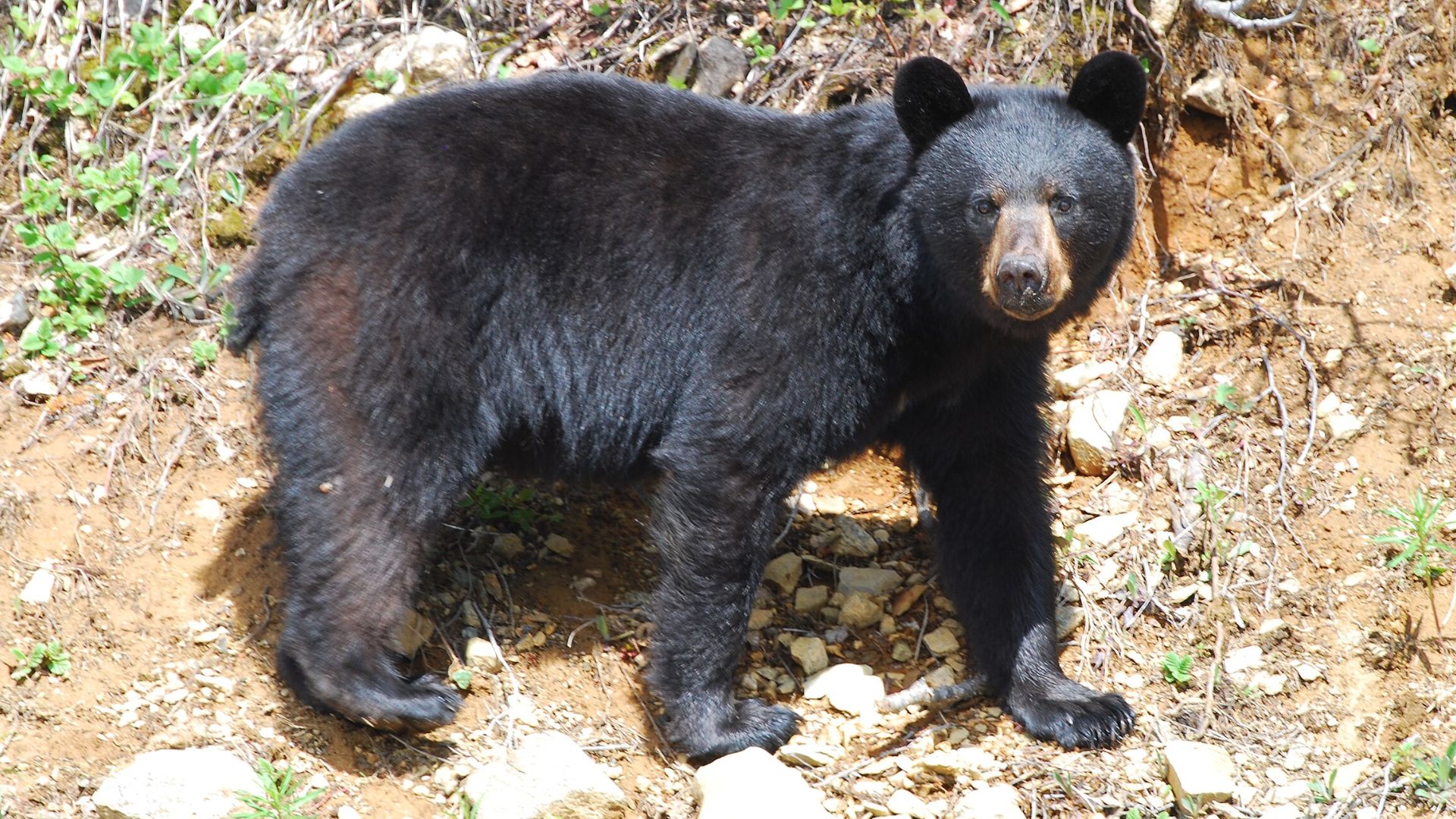
Michigan’s black bear population continues to grow, and sightings are expanding into suburban areas near forested regions. Bears are increasingly reported near homes, roads, and recreational areas, especially in northern parts of the state.
As bears spread into new territory, younger animals often encounter residential areas first. Food availability plays a major role, and once bears associate neighborhoods with easy meals, visits can become regular. The rise in sightings reflects both population growth and changing land use patterns.
Wisconsin

Wisconsin reports increasing black bear sightings in suburban areas, particularly in northern and central regions. Bears follow forest edges, river systems, and undeveloped land that often pass close to residential neighborhoods.
As bear populations expand, younger bears are pushed outward and encounter human development more frequently. Suburban sightings are now common enough that wildlife agencies focus heavily on public education and attractant management to reduce conflict.
Minnesota
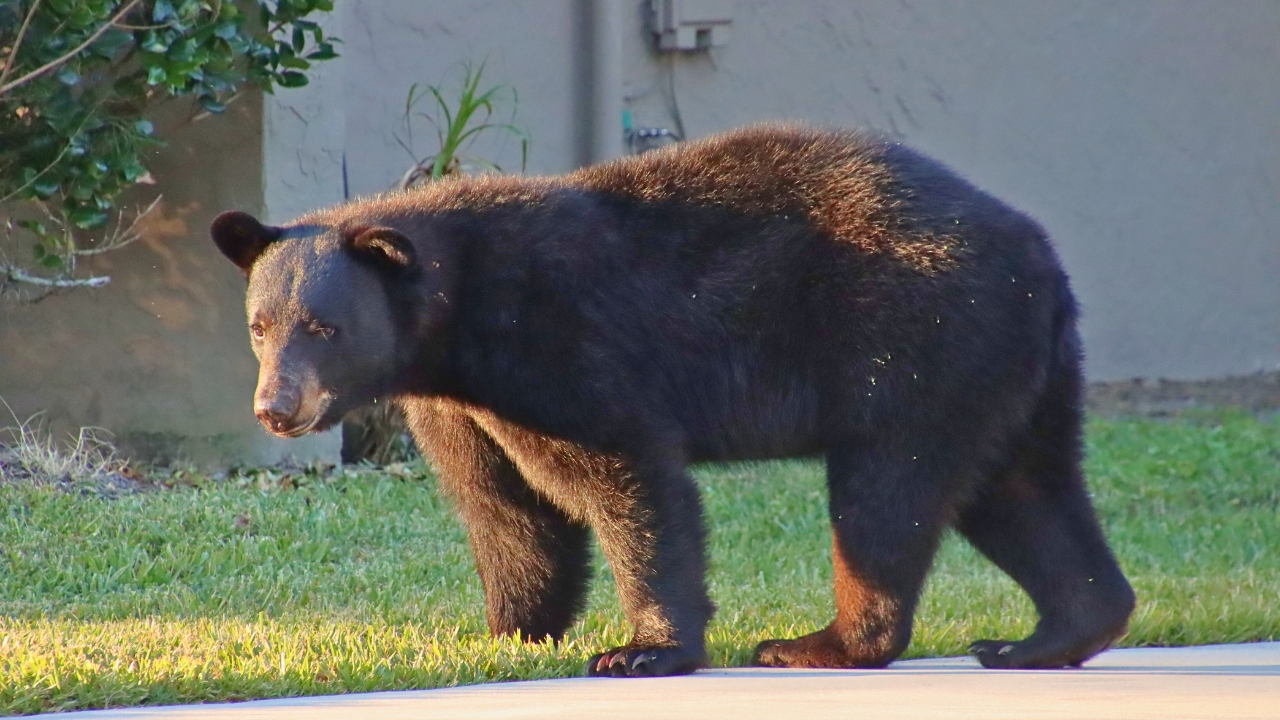
Minnesota’s black bear population is strong, and suburban sightings are becoming more routine as bears expand their range. Encounters are frequently reported near residential areas adjacent to forested land and water systems.
Bears are drawn by food availability and safe travel routes through green space. As numbers grow, overlap with suburban areas increases naturally. Wildlife officials emphasize that these sightings reflect a thriving bear population adapting to a changing landscape, not abnormal behavior.
Like The Avid Outdoorsman’s content? Subscribe to our newsletter so you never miss an article.
Here’s more from us: