Photo credit: patrice schoefolt/Pexels.com
A lot of wildlife stays cautious until people start making life too easy for it. That is usually where porches, barns, feed rooms, tack sheds, chicken setups, dog bowls, and loose grain come in. Once animals learn they can find calories, cover, or easy prey near a structure, they stop acting like passing visitors and start acting like they belong there. That is when homeowners and landowners begin seeing the same tracks, the same nighttime movement, and the same problems over and over. Wildlife agencies all over the country keep pushing the same advice for a reason: secure feed, clean up spills, close access points, and do not leave pet food out. (ncwildlife.gov)
The part people miss is that bold wildlife rarely starts bold. It usually starts rewarded. An easy food source, a sheltered corner, a weak coop, or a regular feed routine teaches animals that a barn or porch is worth checking again. Some of these troublemakers are predators. Some are scavengers. Some are just destructive freeloaders. Either way, here are 15 creatures that get a lot too comfortable around porches, barns, and feed piles once people give them an opening. (dnr.wisconsin.gov)
Raccoons
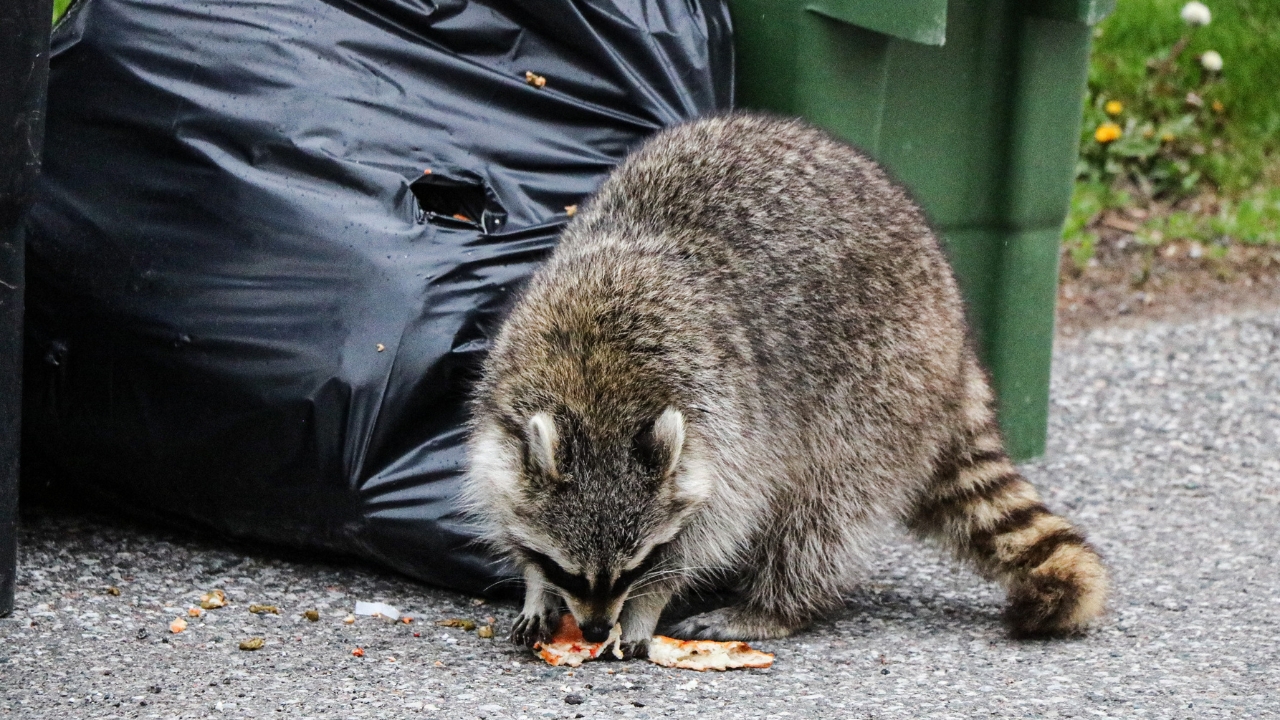
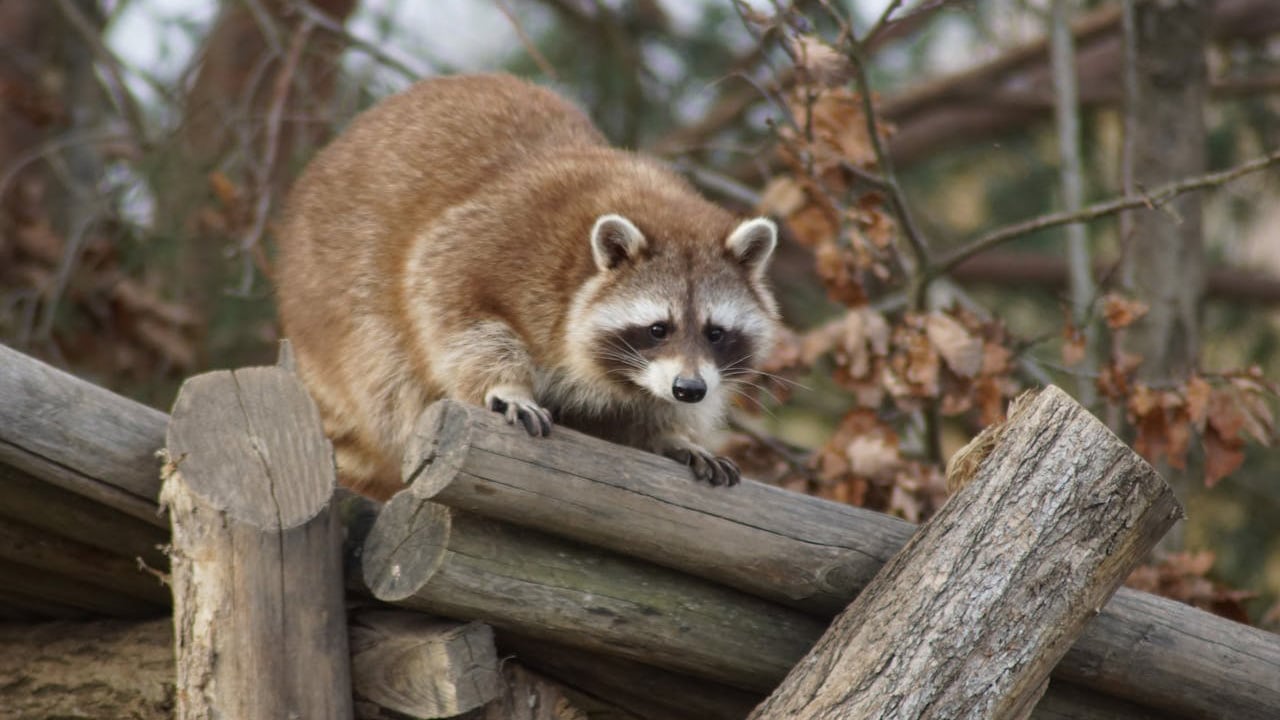
Raccoons are one of the biggest freeloaders in any barnyard or porch setup because they are strong, smart, and more comfortable around human structures than most owners want to admit. Missouri says raccoons are common in urban and suburban areas and frequently den in attics, barns, chimneys, and outbuildings. Wisconsin also lists pet food, livestock feed, garbage, and bird seed as attractants that pull raccoons into conflict around homes. (mdc.mo.gov)
What makes raccoons worse than people expect is that they are not just passing through looking for scraps. Once they find feed, poultry eggs, weak latches, or a sheltered loft, they keep coming back. Around barns, they can tear into bags, make a mess of tack and hay storage, and kill birds if they get access to a coop. Around porches, they quickly learn where bowls, trash, and handouts show up. They start as a nuisance and can turn into a regular problem fast. (dnr.wisconsin.gov)
Coyotes
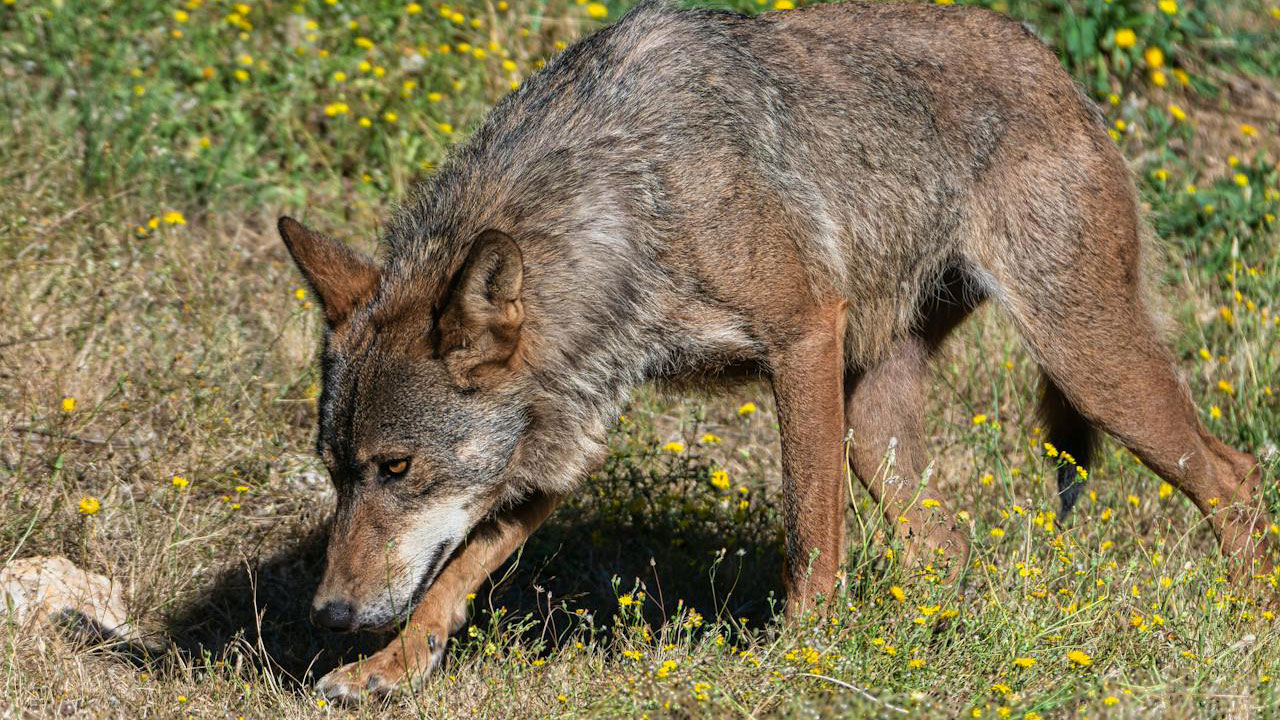
Coyotes get bolder around homes and barns when food routines make the property worth working. Albuquerque tells residents never to leave small animals outside unattended, especially at night, and not to leave pet food outside because coyotes can be drawn into residential areas by easy food. Missouri also warns that some urban coyotes learn that unattended small pets can be easy prey. (cabq.gov)
Around barns and feed areas, the draw is not always the grain itself. It is the rodents, birds, cats, chickens, spilled feed, and routine movement that grow around it. Coyotes are good at working edges and slipping in after dark, but once they get comfortable, some start showing up in daylight too. A porch with pet bowls, a barn with loose feed, or a coop with easy access can all teach a coyote that the property is worth checking again tomorrow night. (mdc.mo.gov)
Rats and mice
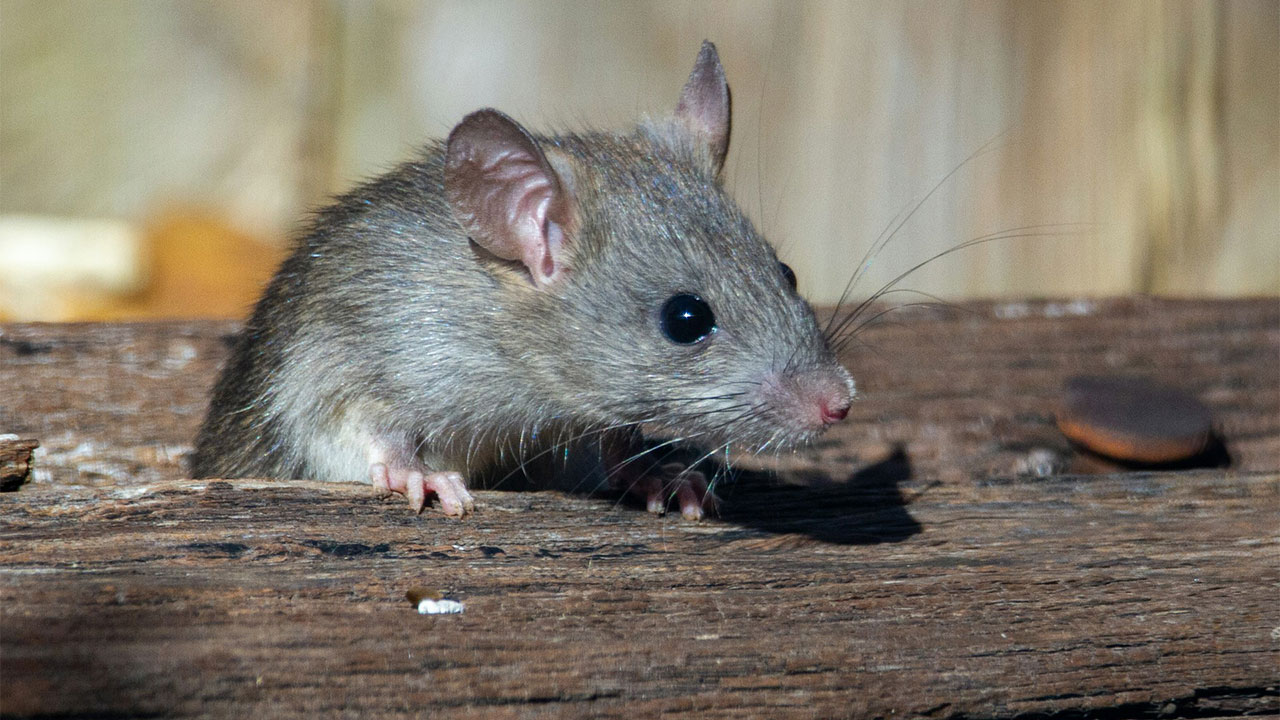
Rodents are not dramatic, but they are one of the main reasons bigger trouble shows up around barns and feed piles in the first place. North Carolina says wildlife conflicts often start when food is left available, and feed storage problems are a classic example. Mice and rats take advantage of spilled grain, open sacks, sweet feed, chicken rations, and pet bowls left out overnight. (ncwildlife.gov)
The reason they matter so much is that they do not stay their own problem. Rodents pull in snakes, owls, foxes, bobcats, and other hunters. They chew wiring, contaminate feed, tear insulation, and turn a “little mess” into a full property issue. A feed pile or barn that supports a rodent population is basically hanging out an open sign for the rest of the food chain. That is why cleaning up spills is not picky. It is one of the most basic forms of predator control you can do. (dnr.wisconsin.gov)
Opossums
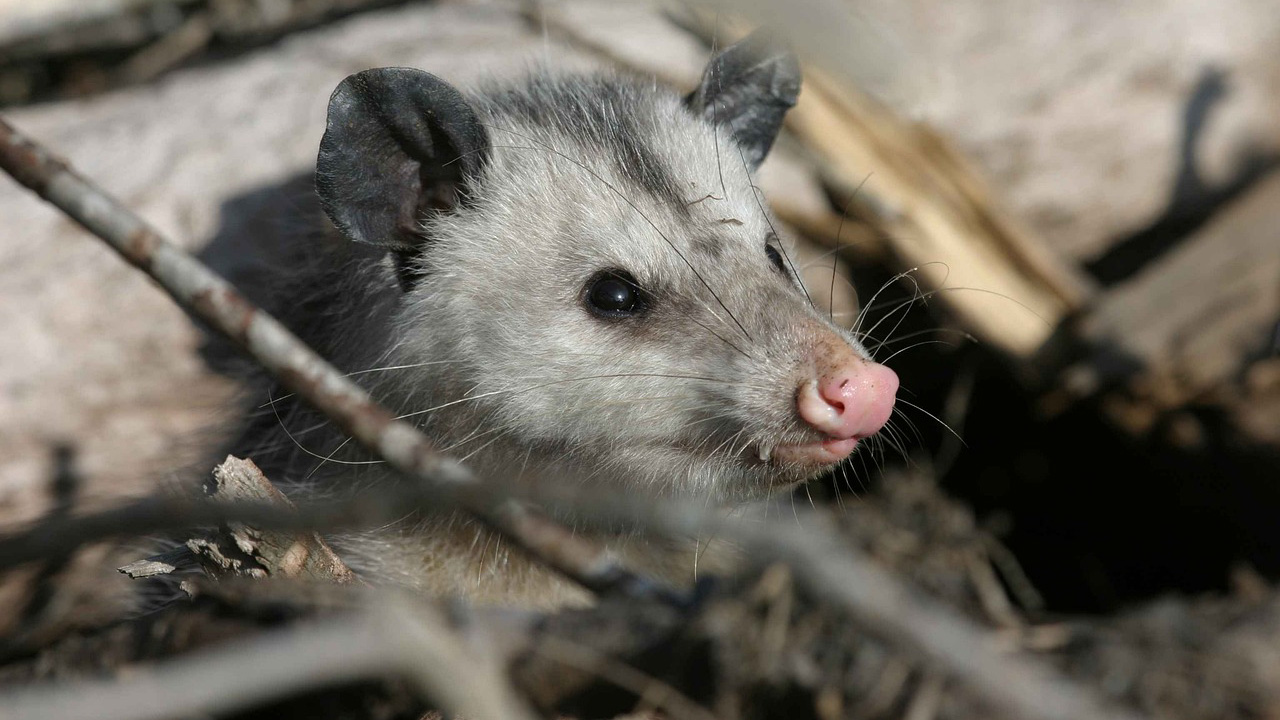
Opossums are quieter than raccoons and usually less destructive, but they get bold around porches and barns for the same basic reason: easy food and easy shelter. Wisconsin includes pet food and garbage among the food sources that attract nuisance wildlife, and opossums are famous for taking advantage of exactly those kinds of setups. They like crawl spaces, sheds, woodpiles, and protected corners where they can move without much pressure. (dnr.wisconsin.gov)
People tend to tolerate opossums longer because they look less aggressive and move slower than raccoons. That does not mean they are harmless to have around feed and structures. They will raid bowls, work trash, den under porches, and help turn a property into a more attractive place for other wildlife too. Once a porch or barn becomes part of their regular route, they can stick around a lot longer than owners expect. (ncwildlife.gov)
Skunks
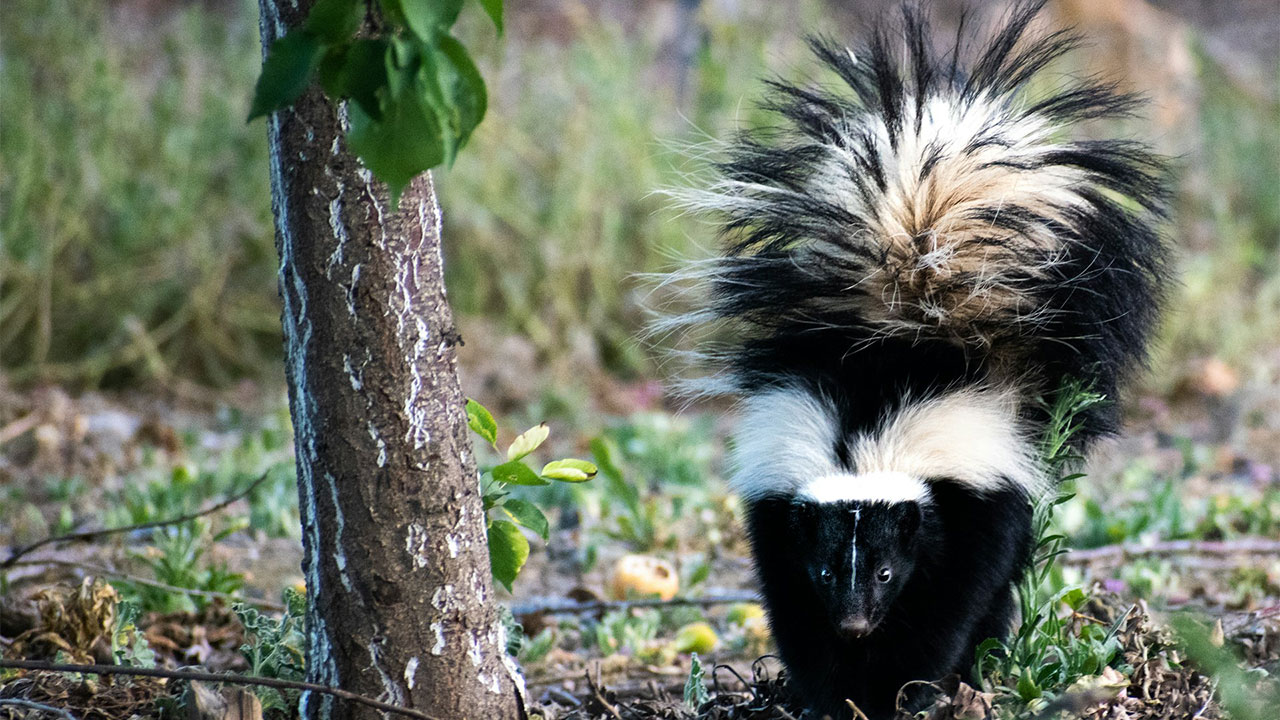
Skunks get bold around porches, decks, and barns because they love sheltered den spots and easy nighttime meals. Wisconsin lists pet food as a major attractant for nuisance wildlife, and skunks also respond to feed spills, insects around lights, and openings under structures. Around barns, they often use foundation gaps, junk piles, or low sheltered spots that people ignore until the smell makes the issue impossible to deny. (dnr.wisconsin.gov)
The trouble with skunks is not only the spray. It is also disease risk, surprise encounters with pets, and the way they settle into a place if the setup keeps working for them. A barn with rodent activity and sheltered corners is attractive. A porch with food bowls and easy cover is attractive. Once they start feeling safe around those areas, nighttime dog routines can get miserable in a hurry. (humanesociety.org)
Foxes
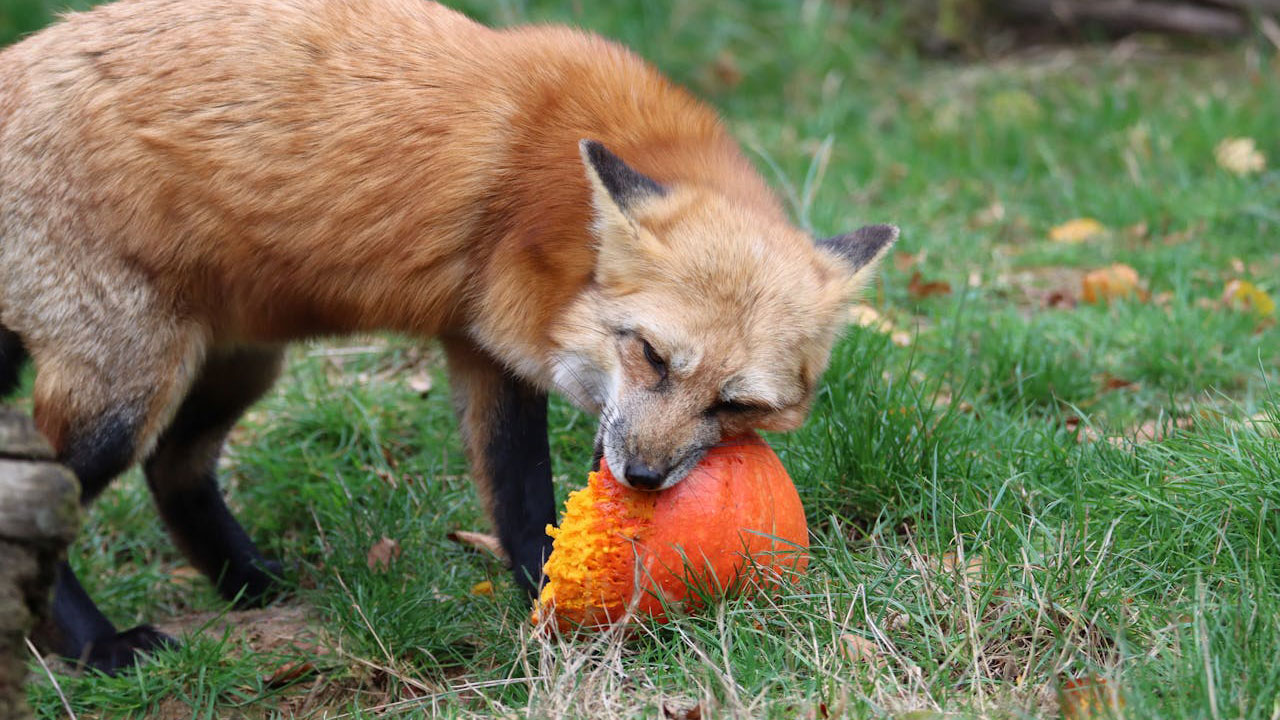
Foxes are opportunists, and barns and feed piles offer them more than people realize. Connecticut says foxes prey on small livestock, and North Carolina notes they will take advantage of pet food, garbage, and small prey drawn near homes. That makes feed areas especially useful to them because feed spills attract rodents and birds, and weak poultry setups create easy chances. (portal.ct.gov)
Foxes do not have to act reckless to get bold. They just need repeated success. If they can circle a barn, check a coop, catch mice around spilled grain, and move through without much pressure, they start treating the place like part of their routine. Porch areas can also become attractive if outdoor cats are fed there or trash is easy to reach. The fox problem is often quieter than the raccoon problem, but it is every bit as tied to habit and opportunity. (ncwildlife.gov)
Feral cats
Feral cats do not always get talked about as wildlife troublemakers, but they get bold around barns and feed piles very quickly when people let food routines build. They show up for spilled grain because it draws rodents and birds, and they stick around if someone starts tossing food out “just to help.” That turns a barn into a colony site faster than many owners expect, especially where shelter is easy.
The problem is not just the cats themselves. It is everything that grows around them. Feed bowls attract raccoons, skunks, opossums, and coyotes. Cat colonies also pull predators that learn kittens and regular feeding spots may be available. A porch or barn that becomes a feral-cat station often turns into a bigger wildlife mess than it started as, and people are usually shocked by how fast that escalates once the routine gets established.
Bobcats

Bobcats are not usually the first thing people picture around barns, but they absolutely use these areas when prey and cover line up. The Colony, Texas says people encourage bobcats and other wild animals to live near homes by leaving pet food out and allowing pets to roam unattended. Research in the Dallas-Fort Worth area also found bobcats using natural habitat patches inside a heavily urban landscape, especially where movement corridors were available. (thecolonytx.gov)
Around barns, the draw is often not the feed directly but the life around it. Rabbits, rodents, birds, and free-roaming cats are what make the place interesting. A bobcat working a greenbelt, creek edge, or brush line can start checking barnyards and porch-adjacent areas without being seen much at all. Once it learns there is regular prey there, the visits can become a lot more consistent than owners realize. (pmc.ncbi.nlm.nih.gov)
Snakes
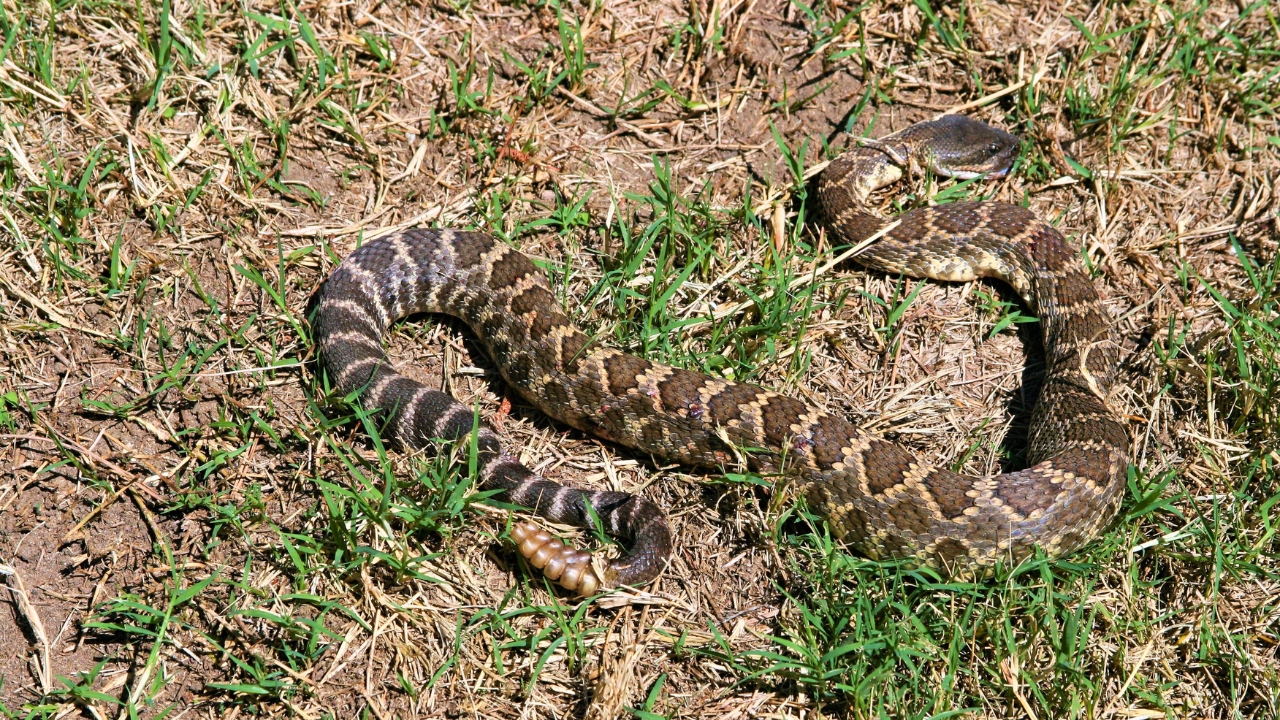
Snakes get bold around barns and porches when people accidentally build perfect rodent habitat. Feed spills, clutter, stacked materials, and warm sheltered edges all make structures more attractive to both prey and predator. Texas Parks and Wildlife notes that many snake encounters happen around human structures because snakes go where food and cover exist. (tpwd.texas.gov)
That is why a snake around the porch or feed room is usually not random bad luck. It is the result of a property setup that makes sense to the food chain. Barn cats, chicken feed, sacks of grain, and rodent movement create a hunting opportunity. The snake is just following it. Around barns especially, people often focus on the snake and ignore the spilled feed and clutter that invited it in the first place. (tpwd.texas.gov)
Black bears

Black bears get bold around porches, barns, and feed rooms when people leave out exactly the kinds of calories bears remember. California says black bears may cause concern because of property damage and food-search behavior, and multiple agencies advise feeding pets indoors and securing attractants. Bird seed, sweet feed, grain, livestock rations, and garbage can all turn a structure into a bear stop. (wildlife.ca.gov)
The biggest mistake people make is thinking one visit does not matter. Bears learn food rewards quickly. If a porch has pet food or a barn has easy-access feed, that first nighttime check can turn into a repeated habit. After that, the animal is not just passing by. It is returning to a known source. That is when torn doors, damaged bins, and dangerous close encounters become a lot more likely. (bearwise.org)
Crows and ravens
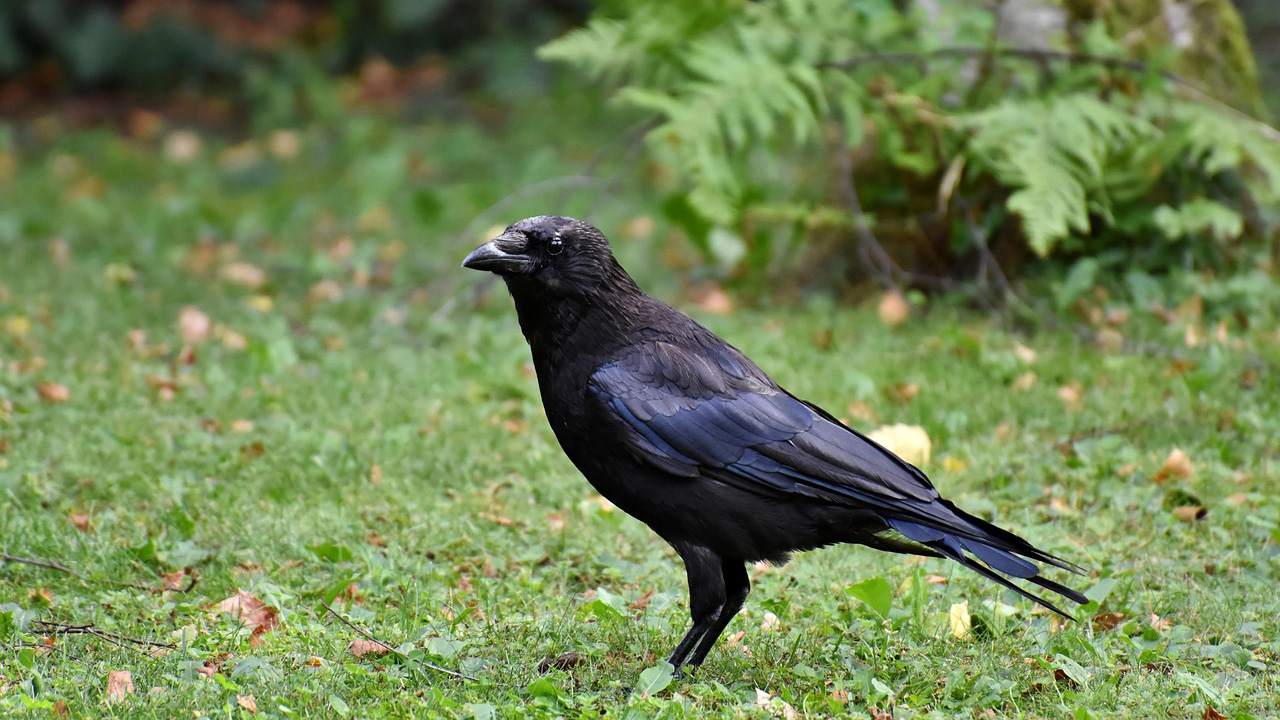
Birds like crows and ravens get bold around feed piles in a hurry because they are smart enough to connect animal feeding with easy meals. They steal feed, scatter it, work over eggs, and learn the rhythm of a property fast. While they are not the same kind of predator as a coyote or bobcat, they can still create losses around chicks, ducklings, and unsecured nest setups.
The reason they deserve a spot here is that bold behavior spreads with success. Once these birds learn where grain is dumped, where scraps appear, or where young birds are exposed, they keep checking. Around barns and coops, that can turn into a constant nuisance that people underestimate because it is happening in daylight and from above instead of in some dramatic nighttime raid.
Weasels and mink
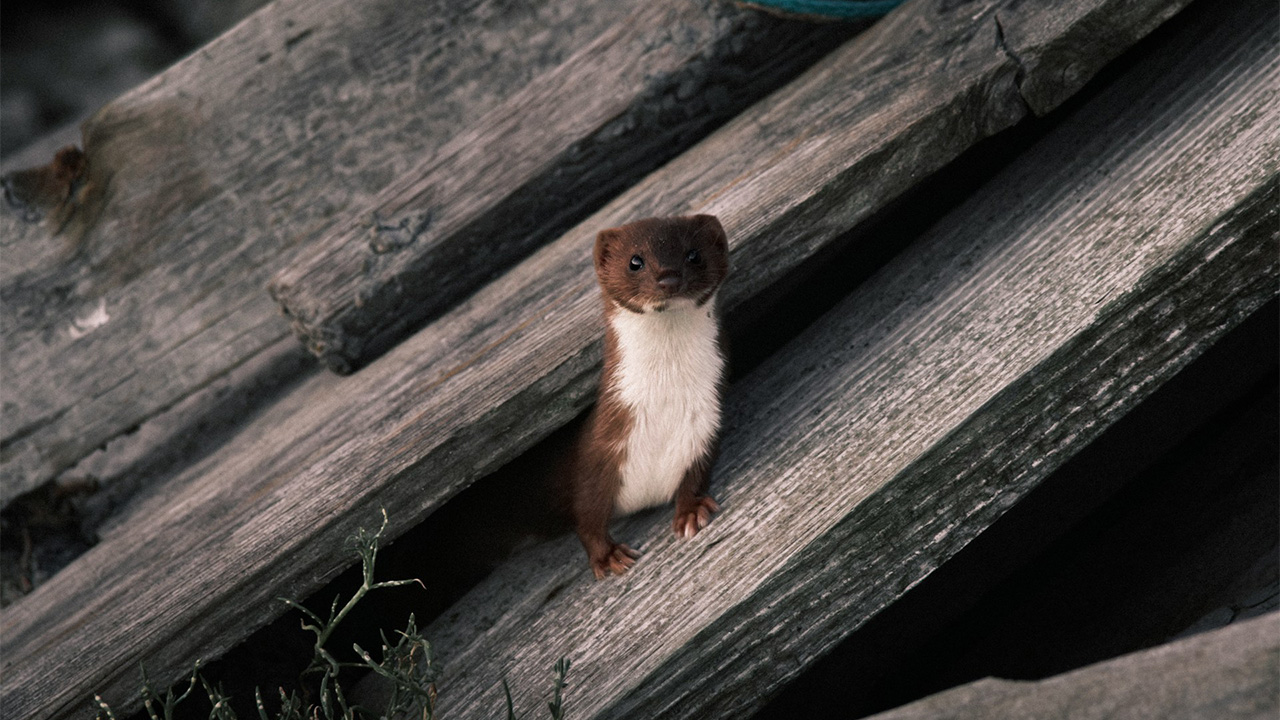
Weasels and mink can cause outsized trouble around barns because they slip through openings people never think matter. Around feed areas, rodents draw them in, and once they figure out where poultry or rabbits are kept, the situation can get ugly fast. They do not need a big gap, and they do not need repeated chances. One weak setup is enough.
These animals get bold because barns give them exactly what they want: prey, cover, dark corners, and access points. If you have chickens, quail, or rabbits near feed storage, you are not just storing grain. You are creating a whole ecosystem. Owners often blame the attack itself when the real issue started with the rodent-rich barn environment that made the visit predictable.
Feral hogs

Feral hogs get bold around barns, feed piles, and rural porches because livestock feed and grain are easy calories. Missouri says feral hogs cause widespread damage and spread disease to people, livestock, and pets, and they are notorious for taking advantage of agricultural food sources. Once they start associating a place with feed, they can come back hard and do a lot of damage in very little time. (mdc.mo.gov)
This is not subtle trouble either. Hogs root up ground, damage fencing, wreck feed areas, and create dangerous situations for dogs and people checking noise at night. Around rural properties, a feed pile can be all it takes to turn occasional hog movement into a recurring pattern. That is when “something is tearing things up out there” turns into a serious management problem. (mdc.mo.gov)
Deer

Deer are not predators, but they absolutely get bold around feed piles, barns, and porches once people normalize food access. State agencies around the country warn against feeding deer because it encourages unnatural concentration, spreads disease risk, and makes animals more comfortable around homes and structures. When deer start treating a property like a feeding zone, they also help attract predators that follow concentrated prey and scent.
That matters more than people think. A bold deer around a barn may sound harmless, but it changes movement patterns, damages landscaping and stored feed, and teaches other wildlife that this property is worth checking. A place that consistently concentrates deer can start drawing coyotes and bobcats too. Feed one part of the chain long enough, and the rest of the chain notices.
Domestic dogs that roam
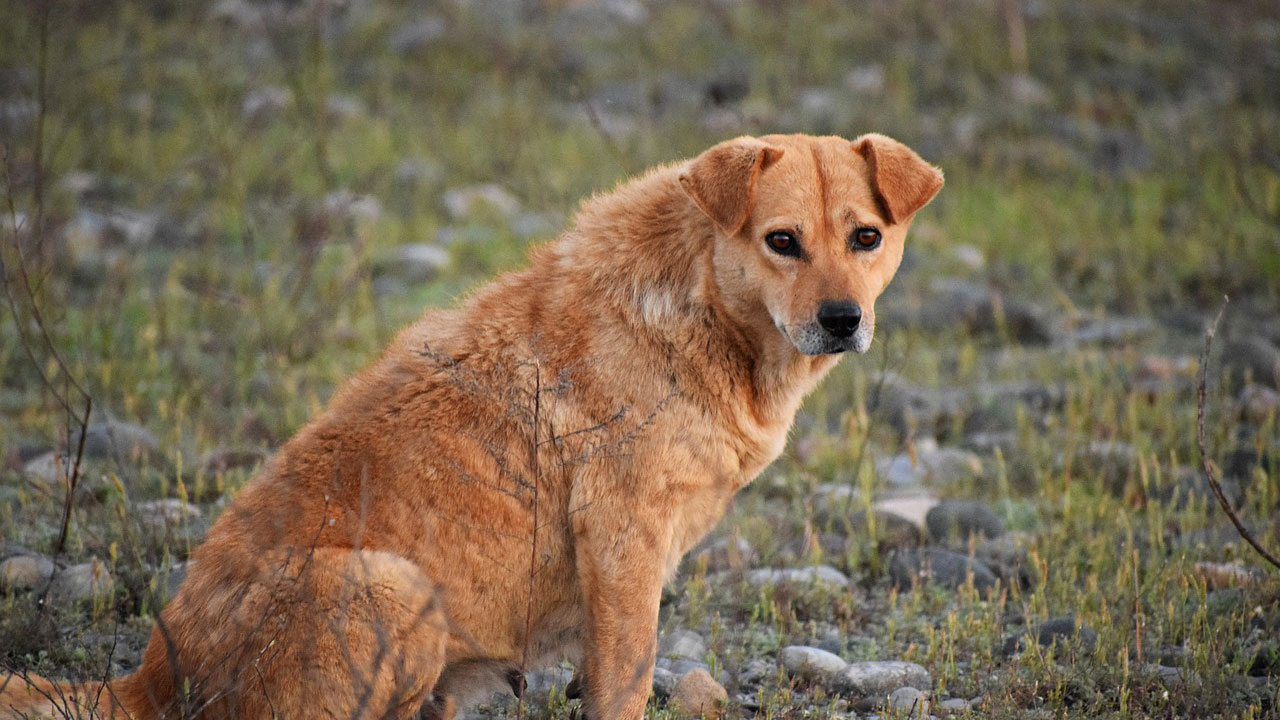
Loose dogs become a bigger problem around barns and feed piles than people like to admit. Once dogs start roaming toward poultry, feed areas, or small livestock, they can harass animals, kill birds, scatter feed, and create chaos. Wildlife agencies often focus on wild animals, but for a lot of rural owners, bold roaming dogs are one of the most common barnyard threats there is.
The reason they fit this list is simple: bold behavior grows where it is rewarded. A dog that finds birds, spilled grain, cat food, or weak fencing around a barn can keep coming back just like a coyote would. People often excuse it because the animal has an owner somewhere, but the damage does not care where the dog sleeps. Around porches and barns, a bold dog is still trouble.
Like The Avid Outdoorsman’s content? Subscribe to our newsletter so you never miss an article.
Here’s more from us: