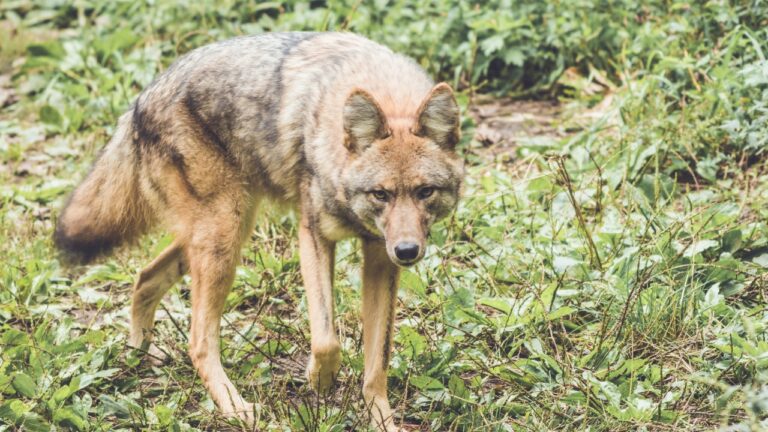
Photo credit: MonicaMaxWest/Pixabay.com
Most hunts feel like you’re the one calling the shots. You’ve got the plan, the gear, and a tag in your pocket. Then you run into an animal that acts like it didn’t get the memo. Not “spooky,” not “nervous,” not “bolts at the first twig snap.” I’m talking about animals that stand their ground, close distance fast, or make you realize how thin the line is between “hunting” and “being hunted.”
This isn’t a tough-guy list. It’s the stuff hunters bring up around camp after the adrenaline wears off. The moment you realize the food chain isn’t a straight ladder… and you’re not always standing at the top.
Brown bear

Brown bears have a way of making grown men talk quieter. You can do everything right—wind, approach, sight picture—and still feel like you’re playing a different game than you thought you signed up for. They’re big, fast, and they don’t panic like most animals. When a bear decides it doesn’t like what’s happening, the whole situation changes in seconds.
What gets hunters is how quickly a “normal” encounter turns serious. A bear can cover ground shockingly fast, and terrain you thought would slow it down often doesn’t. Even if you’re armed, the reality is you may not get the time or angle you think you will. That’s the part that rearranges your confidence.
Grizzly bear

Grizzlies aren’t just bigger black bears with a worse attitude. Their body language is different, their reactions are different, and the margin for error is smaller. Hunters who spend time in grizzly country talk about always having a second plan, because the first plan assumes the animal acts the way you want it to.
A lot of hunters rethink the food chain after hearing a grizzly woof, seeing a bluff charge, or finding fresh sign close to where they just sat down. Even when nothing “happens,” the awareness sticks. You stop moving like the boss of the woods, and you start moving like somebody sharing space with something that can end the day whenever it feels like it.
Polar bear

If you’ve never been around polar bears, it’s hard to explain how different they are from most wildlife encounters. They don’t always act skittish. They don’t always keep distance. A lot of people describe them as curious in a way that feels predatory, because it can be. In a lot of their world, big meals don’t come around often.
Hunters and guides in polar bear country talk about them like a problem to manage, not a “cool sighting.” The cold, the remoteness, and the speed of escalation all matter. You realize the food chain isn’t about skill or gear—it’s about what lives there, what it eats, and how used it is to being the biggest thing around.
Moose

Moose don’t hunt you, but they’ll still put you in the ground. A bull in rut or a cow protecting a calf can go from calm to violent with almost no warning. Hunters who have had a moose decide to “handle it” instead of leaving will tell you it’s one of the most unnerving things you can watch up close.
The part that messes with people is how big they are and how hard they hit. Thick brush doesn’t stop them much, and uneven ground doesn’t slow them like you’d expect. Plenty of hunters walked into moose country thinking they were dealing with a giant deer. That illusion doesn’t last long when 1,000 pounds decides you’re the problem.
Cape buffalo

Ask enough hunters about “animals that don’t play,” and Cape buffalo show up fast. They’re famous for a reason. They don’t just run away and hope the problem disappears. Wounded buffalo are known for circling back, using cover, and standing in places that force you into bad angles. That’s why so many stories about them end in “we had to do everything right.”
Hunters rethink the food chain because buffalo don’t behave like prey. They behave like something that’s tired of being messed with. Even if you’re not hunting Africa, the reputation lands for a reason: some animals are wired to fight first, then leave. And that wiring changes how you approach the whole day.
Hippo

Most people think “big, slow, harmless in the water.” That’s the fairytale version. Hippos are territorial, aggressive, and responsible for a lot of serious injuries and deaths in places where people share water with them. Hunters and locals will tell you quick: if a hippo decides you’re in its lane, it can close distance far faster than it looks like it should.
It makes hunters rethink the food chain because it doesn’t match what you expect. It’s not a predator, but it’s not “safe” either. When you see an animal that huge move with that much intent, you realize “prey” and “predator” aren’t the only categories that matter. Some animals are just dominant by force.
Crocodile

Crocodiles are the definition of “you won’t see the problem until it’s already happening.” Their whole advantage is patience and positioning, and they can grab and drag with brutal efficiency. A lot of hunters who’ve been around croc water talk about it the way you talk about a cliff edge—something you respect, every single time, even on a calm day.
The food chain lesson is simple: you don’t get a fair fight. If you’re close enough for a croc to commit, you may not get a second chance to react. That’s why the smart move is staying out of the situation in the first place. Hunters remember that because it forces humility, not confidence.
Alligator

Alligators are easier to live around than crocs, but they’ll still remind you who owns the water’s edge. People get too comfortable with them because they “usually” slide off and disappear. Then a big one holds ground, follows a call, or pops up somewhere it shouldn’t be, and the mood changes fast.
Hunters rethink the food chain when they realize how quiet a big gator can be and how fast it can launch. If you’ve ever watched one come out of the water like it got shot out of a cannon, you don’t treat the shoreline the same again. It’s not paranoia. It’s experience.
Mountain lion

A mountain lion encounter is creepy in a way that’s hard to shake. You don’t always see them first. Sometimes you feel them—like something is “off”—and later you find tracks on top of your tracks. Lions are built to stalk, and that means they’re built to be invisible until they decide not to be.
Hunters rethink the food chain because lions don’t need to be loud or aggressive to be dangerous. The idea that a big cat could have been watching you for minutes and you’d never know sits in the back of your head. And once you’ve felt that, you stop walking like you’re alone out there.
Leopard

Leopards are smaller than some of the other animals on this list, and that’s what makes them scary. They’re compact, strong, and willing to get close. They can vanish in cover that looks too thin to hide anything. Hunters who’ve dealt with leopards talk about them like a problem you have to respect every second, because if you lose track of one, it may already be moving to fix that for you.
They make people rethink the food chain because they’re efficient. They don’t waste movement. They don’t announce themselves. They don’t need a size advantage when they can choose the moment. That flips the usual “I’m bigger, I’m armed” mindset on its head.
Wolverine

Wolverines have a reputation that sounds like a joke until you see one act like it’s ten feet tall. They’re tough, stubborn, and not easily intimidated. A wolverine doesn’t always run from people or dogs the way you’d expect from an animal that size. Sometimes it turns and squares up like it’s ready to ruin your afternoon.
Hunters rethink the food chain because confidence matters in the animal world. Wolverines don’t behave like something that’s supposed to lose. They bite hard, they don’t quit, and they can take punishment that would end most animals. If you’ve ever tried to push one off a carcass or watched one refuse to back down, you remember it.
Badger

Badgers aren’t big, but they’re built like a little tank with teeth. They dig like machines, they defend themselves aggressively, and they can mess up a dog that thinks it’s about to have an easy time. Hunters and trappers who’ve had one hit the end of a catch pole or explode out of a hole understand why people give them space.
The “food chain” moment comes when something small shows zero fear. They don’t posture much—they just commit. You start realizing that size isn’t the whole equation. Attitude, bite strength, and willingness to fight matter a lot when the distance is measured in feet instead of yards.
Wild boar

Boars turn calm woods into chaos fast. They’re fast in thick cover, low to the ground, and built like a wrecking ball. A big boar can soak up more than people expect, and if it’s wounded or cornered, it can come straight at you like it has a score to settle.
Hunters rethink the food chain because boars don’t act like “prey.” They can be aggressive even when they aren’t hurt, and they’ll use their tusks with purpose. If you’ve ever heard one popping its jaws or watched one cut through brush like it’s nothing, you get why old-timers take them seriously.
Bull elk in the rut

Elk aren’t predators, but a rutting bull can still make you feel small. When they’re fired up, they’ll run other animals off, rake trees like they’re mad at them, and sometimes come in to fight the sound they’re hearing. Hunters who’ve had a big bull close distance fast on a call will tell you: it’s a lot different when “incoming” weighs 700 pounds.
It’s a food chain reality check because your brain expects the elk to be cautious. In rut, that expectation can fail. A big bull can cross ground quickly, and if you’re in thick timber, you don’t always have the visibility to manage it calmly. It’s not common, but it’s common enough that the stories exist for a reason.
Bison

Bison look slow until they aren’t. They can move faster than people expect, and they can turn with more agility than you’d think for something that big. Hunters, ranchers, and anyone who’s had to move them will tell you: don’t treat them like cattle. They don’t think like cattle, and they don’t respond like cattle.
Hunters rethink the food chain because “big herbivore” doesn’t mean “safe.” A bison can toss you, stomp you, or run through you without much effort. Even if it’s not trying to “hunt” you, it doesn’t have to. The size difference alone is enough to change the tone of the whole situation.
Wolf pack

A single wolf is one thing. A pack is a different kind of pressure, especially if you’ve got a dog with you. A lot of hunters describe hearing wolves at night or seeing them parallel a ridge line as a gut-level reminder that you’re not the only one out there looking for meat. Packs work together, and they’re not shy about testing an opportunity if they think they have it.
Hunters rethink the food chain because it’s not one animal vs. one animal anymore. It’s coordination, numbers, and confidence. Even if the wolves never get close, the awareness changes how you move and how you plan. You stop assuming you’re the only predator in the area—and you start acting like somebody who might get watched right back.
Like The Avid Outdoorsman’s content? Subscribe to our newsletter so you never miss an article.
Here’s more from us: