Photo credit: Reginal/Pixabay.com
A lot of people think the hard part is getting feed, salt, or minerals out where they need to be. Sometimes the harder part is keeping everything from getting wrecked once animals find it. Feeders, tubs, blocks, loose mineral sites, gravity setups, and even simple hand-fed spots all draw pressure fast. Some animals are there for the nutrients. Some are there for the feed itself. Some are just there because once a spot smells like something worth investigating, they are going to work it over until they figure out what they can get. That is how a clean setup turns into a muddy, torn-up mess in a hurry.
The animals that hit these spots hardest are not always the ones people expect. Sure, cattle and deer can use a mineral site heavily, but they are often not the ones doing the worst damage. The real trouble usually comes from animals that root, paw, climb, chew, shove, or crowd a setup until it fails. Once that starts, you are not just losing feed or minerals. You are losing time, money, and control over how that part of the property works. These are 15 animals that can tear up feed, salt, or mineral setups fast once they figure out what is there.
Feral hogs

Feral hogs are probably the most obvious wrecking crew on this list because they do not use a setup neatly. They invade it. If a hog finds feed, salt, or minerals, it usually does not just take a little and move on. It roots the whole area up, shoves feeders around, tears the ground apart, and turns what used to be a manageable spot into something that looks like a machine went through it.
That is what makes hogs so frustrating. They are not just consumers. They are destroyers. A mineral site that deer or cattle would have used in an orderly way can become a muddy crater after one sounder finds it. A feeder that stood fine for months can get pushed, bent, or worked over in one night. Once hogs key in on a spot, the setup often stops being yours and starts being theirs.
Cattle

Cattle can absolutely wreck feed and mineral setups, especially when the design does not match the size of the herd or the way they crowd. A mineral tub may seem sturdy until a bunch of cows start leaning, shoving, and stepping around it every day. Feeders get rubbed on, pushed, and used like scratching posts. The ground around the site gets churned into mud, and once that happens, the mess builds fast.
The real problem is repetition. Cattle do not have to act wild to do damage. They just have to keep using the same spot with enough weight and enough traffic. One salt station in the wrong place can turn a decent patch of ground into a permanent mud hole, and a poorly placed feeder can end up with bent panels, trampled edges, and wasted feed all around it.
Horses

Horses are hard on feed and mineral setups because they are rougher and more expressive than people sometimes expect. They paw, nose, bump, and crowd around things in a way that wears equipment down quickly. If one horse starts guarding a feed or mineral spot, the whole setup can become more chaotic as others rush in, circle, or force their way closer.
That kind of pressure tears up more than just the ground. Tubs get flipped, lightweight feeders get shoved out of place, and boards or rails near the setup start taking damage too. Horses often do not mean to destroy the system. They just use it with enough energy and attitude that weak points show up fast. A neat setup does not stay neat long if the horses are rough on it.
Goats

Goats will test anything you put in front of them, and feed or mineral setups are no exception. If there is a way to climb on it, chew on it, knock it over, or wedge into it, goats usually find it. A goat does not approach a setup with respect. It approaches it like a challenge. That is why they are so hard on trough edges, mineral tubs, feeder lids, and anything flimsy enough to shift when they lean on it.
The other problem is that goats are persistent. One little weakness becomes a game to them. A loose corner, a sagging lid, or a mineral tub set where they can hop up and stomp in it will not survive that kind of attention for long. Plenty of animals use feed stations hard. Goats do it with extra disrespect, and that is what makes them such good wreckers.
Sheep
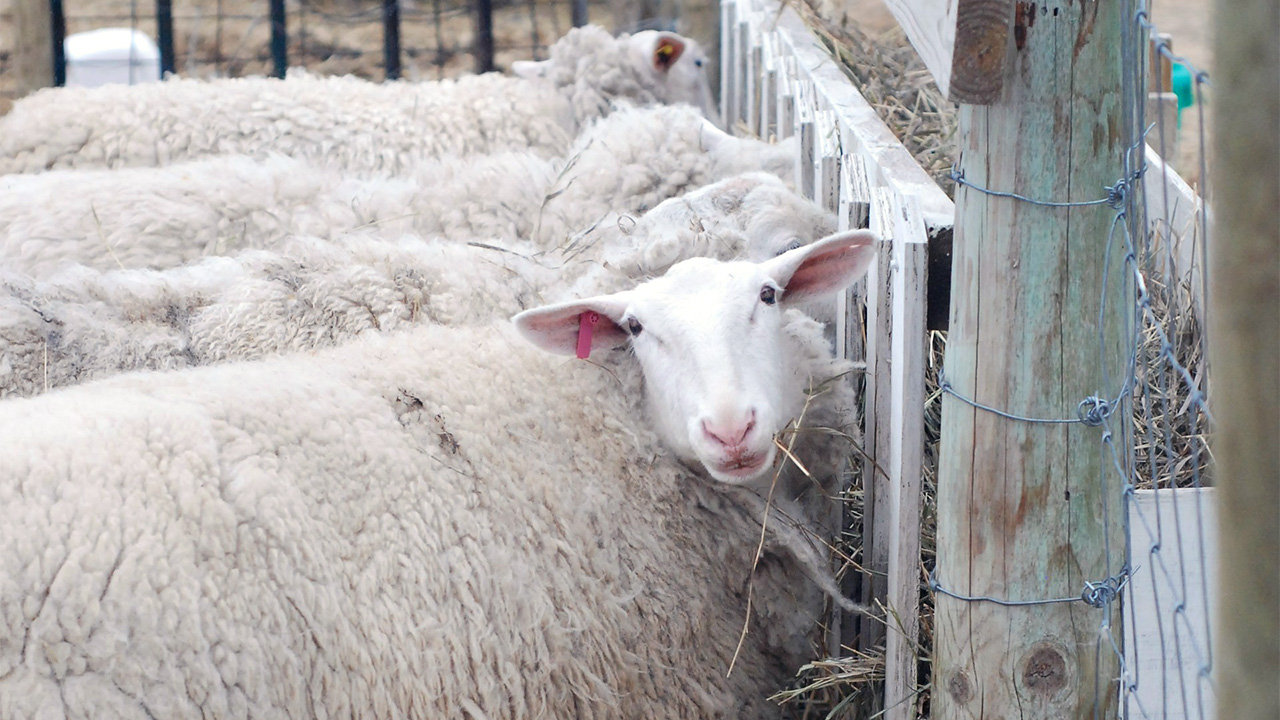
Sheep are usually not as blatantly destructive as goats, but they can still tear a setup up faster than people think, especially when they bunch. A feeder or mineral site that works fine under light pressure can become a mess once too many sheep crowd it at once. They shove shoulder to shoulder, pack into corners, and grind the same ground down until it turns muddy and unstable.
That kind of traffic is enough to wear out lighter setups and make everything around them dirtier and less efficient. Mineral gets wasted. Feed gets trampled. The site turns slick, worn down, and uneven. Sheep often seem gentler than they really are because they are smaller and less dramatic than cattle, but enough of them in a tight group can beat up a feed or mineral area in a hurry.
Deer

Deer do not usually smash equipment the way cattle or hogs do, but they can still tear up mineral and feed sites fast once they start using them heavily. The most obvious damage is usually to the ground. A popular mineral lick gets pawed up, dug out, and worn down until it is more hole than site. What started as a clean, controlled setup turns into a churned-up patch of dirt with tracks everywhere.
That kind of wear matters because it changes how the whole site functions. Water collects, mud builds, and placement gets worse over time. If the setup is built lightly, deer can also shift smaller components, knock over loose containers, or beat down the area enough that constant maintenance becomes the real issue. They may not look destructive in the classic sense, but a lot of repeated deer traffic can still wreck a site.
Elk
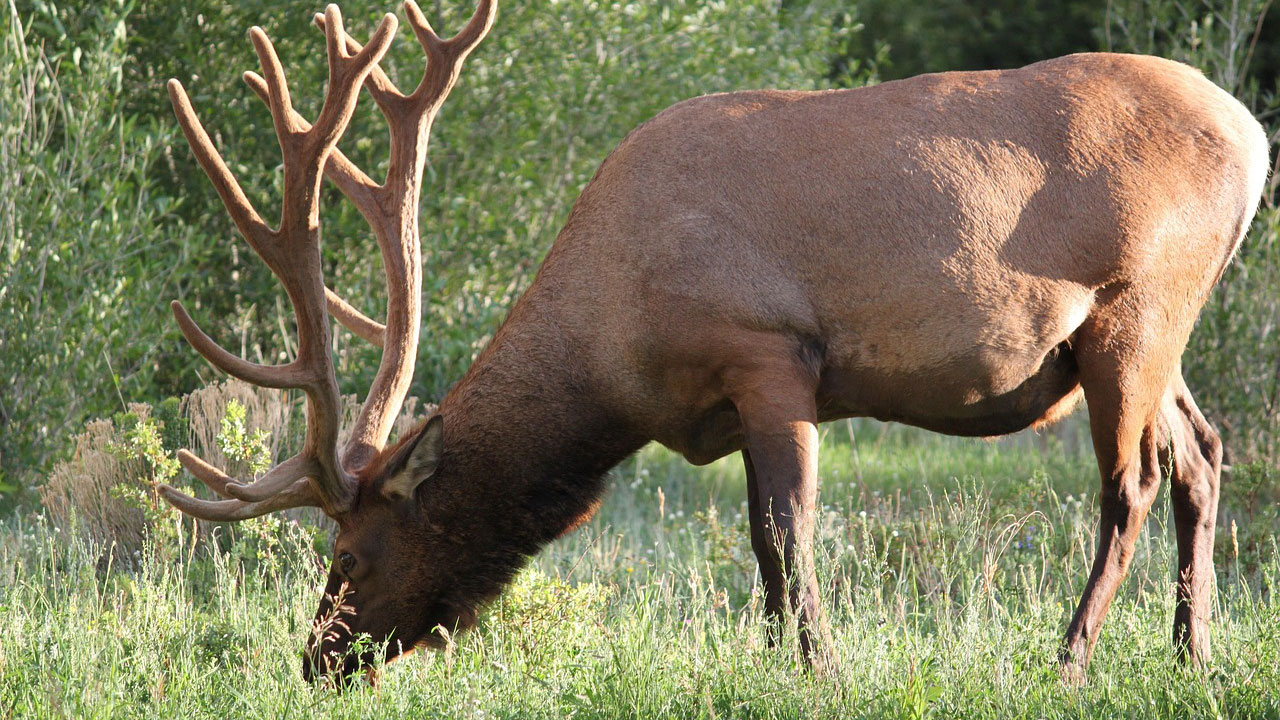
Elk bring a lot more body to a feed or mineral site than deer, and that changes everything. They crowd harder, push harder, and work over the ground much faster. A setup that might have held up under deer pressure can start looking small and temporary once elk begin using it regularly. Tubs shift, posts loosen, and the dirt around the setup gets stomped flat or muddy in no time.
The bigger issue is that elk do not need much encouragement to turn a small site into a worn-out one. Their size alone does most of the damage. If the setup is not built with larger animals in mind, they quickly make it obvious. What looked like a smart placement for attracting animals can turn into a beat-up patch that is harder to maintain than it is worth.
Moose

Moose are not a common problem everywhere, but where they overlap with salt or mineral sites, they can do real damage fast. Their size changes the whole equation. A site that looks solid when smaller animals use it can start feeling flimsy once a moose leans into it, paws around it, or uses the area repeatedly. They do not have to be intentionally destructive. Their scale handles that part.
The tricky thing with moose is that they often bring an awkward kind of pressure. They do not use a site neatly. They step wide, lean oddly, and turn space into mess quickly. A smaller setup can be flattened or shifted just from one or two visits, and the ground around it gets ugly even faster. In moose country, size alone can ruin a setup if you are not thinking ahead.
Bears

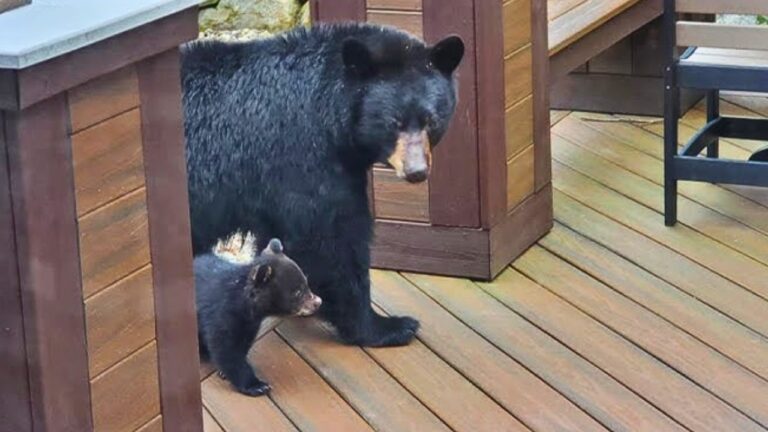
Bears are hard on feed and mineral setups because they do not treat them like delicate equipment. If a bear smells feed or anything remotely worth investigating, it tends to approach the setup with brute curiosity. That means pawing, chewing, tipping, pulling, and generally handling the whole thing in a way it was never meant to be handled. A bear does not ask whether a feeder is sturdy. It finds out.
That is what makes them so costly around wildlife feeders, livestock feed, and protein setups. They can rip lids off, flatten lighter structures, and scatter feed everywhere in one visit. Even when they do not completely destroy the equipment, they often leave it bent, loosened, or half-broken. Once a bear has learned there is food or minerals there, it may keep coming back until the setup is basically unusable.
Raccoons

Raccoons are smaller than most of the animals on this list, but they can still ruin a feed setup fast, especially if it is built with loose lids, exposed feed, or anything they can manipulate. Their hands are the problem. They open what they can, pull at what they cannot, and spill more than people expect while trying to get what they want. Once raccoons figure out a feeder or storage area, it tends to become an ongoing irritation.
What makes them especially aggravating is that they often wreck a setup without looking like major damage happened at first glance. A lid keeps coming loose. Feed is scattered. Smaller parts get chewed or pulled out of place. The setup slowly gets sloppier and less reliable until you realize the raccoons have been working it over for weeks. They may not flatten a feeder, but they can absolutely make it a mess.
Squirrels

Squirrels are specialists in turning feed setups into drip-by-drip losses that add up. They chew plastic, gnaw wood, pull at seams, and work over feeder openings until more feed is spilling than you intended. They are especially hard on corn feeders, gravity setups, and storage bins that were never really squirrel-proof to begin with.
The reason they belong on this list is not just because they eat a lot. It is because they damage the system itself. One squirrel is annoying. Several squirrels working the same feeder every day can turn a decent setup into a leaky, chewed-up waste machine. A lot of people blame bad design or poor luck when feed keeps disappearing, when the real culprit has been sitting on top of the problem the whole time.
Wild turkeys

Turkeys do not sound like classic wreckers, but they can absolutely tear up feed sites faster than people think, especially if feed is broadcast, lightly protected, or set up in a way that encourages scratching. A flock hitting the ground hard around a site can scatter feed, dig up dirt, and leave the area looking rough in a hurry.
They are especially frustrating because they often do damage by sheer numbers. One bird is nothing. A whole flock working over a site every day can burn through feed and destroy neat ground conditions quickly. If the setup is small, their scratching and crowding can turn it into a messy, widened patch that no longer functions the way it was meant to.
Wild hog-dog chases

This is another one that is not a species in the usual sense, but it is a very real way feed and mineral sites get destroyed. If hogs start using a site and then dogs pressure them through it, the whole area can get blown apart in one ugly event. Feeders get hit from both sides, tubs get rolled, and the ground turns into chaos immediately.
A site that was already attracting bad attention becomes even more vulnerable once chasing starts around it. The problem is not just the hogs anymore. It is the speed, panic, and collision that come with pursuit. By the time everything clears out, you are often left with a destroyed setup and a patch of ground that looks like it got fought over, because it basically did.
Donkeys
Donkeys do not always get included in these conversations, but they can be rough on feed and mineral setups in ways that catch owners off guard. They lean on things, paw around tubs, crowd with more force than people expect, and can get possessive around feed. A donkey that decides a feeder is its space can make the whole setup harder on itself and everything around it.
That roughness adds up fast, especially in mixed-animal situations. Lighter equipment gets shoved out of place, ground near the setup gets worn hard, and anything loosely built starts showing strain. Donkeys are often tougher and more stubborn around feed than people give them credit for, which is why they end up causing more wear than expected.
Humans who place the setup badly

This one matters because a lot of “animal damage” gets helped along by bad placement from the start. A feeder set in low mud, a mineral site placed where every hoof sinks deep, or a tub dropped in a bottleneck where animals have to crowd too tightly is already halfway to failure. The animals just finish the job.
Bad placement turns ordinary use into destructive use fast. A decent setup on solid ground might last. The same setup in the wrong spot becomes a broken, trampled mess after the first serious pressure. It is worth saying because sometimes the animal that tears the setup up first is the person who chose where to put it.
Like The Avid Outdoorsman’s content? Subscribe to our newsletter so you never miss an article.
Here’s more from us: