Photo credit: Dmitri T/Shutterstock.com
A pistol can look good and still be a serious tool. Plenty of great shooters carry guns that also happen to be handsome. The problem is when the styling becomes the whole sales pitch—flashy finishes, dramatic slide cuts, “collector” markings, or movie-star vibes that make you reach for your wallet before you’ve even thought about how the gun shoots, carries, or fits your hand.
When a handgun is built to catch eyes first, you often end up paying for cosmetics while the practical stuff stays average. Sights stay basic. Triggers feel ordinary. Holster fit gets weird. Sometimes the gun is heavy, awkward, or expensive to feed, so you shoot it less—then you never get the performance you assumed you were buying.
Here are specific handguns that commonly pull buyers in on looks and reputation, even when the practical payoff is thin for most people.
Magnum Research Desert Eagle Mark XIX

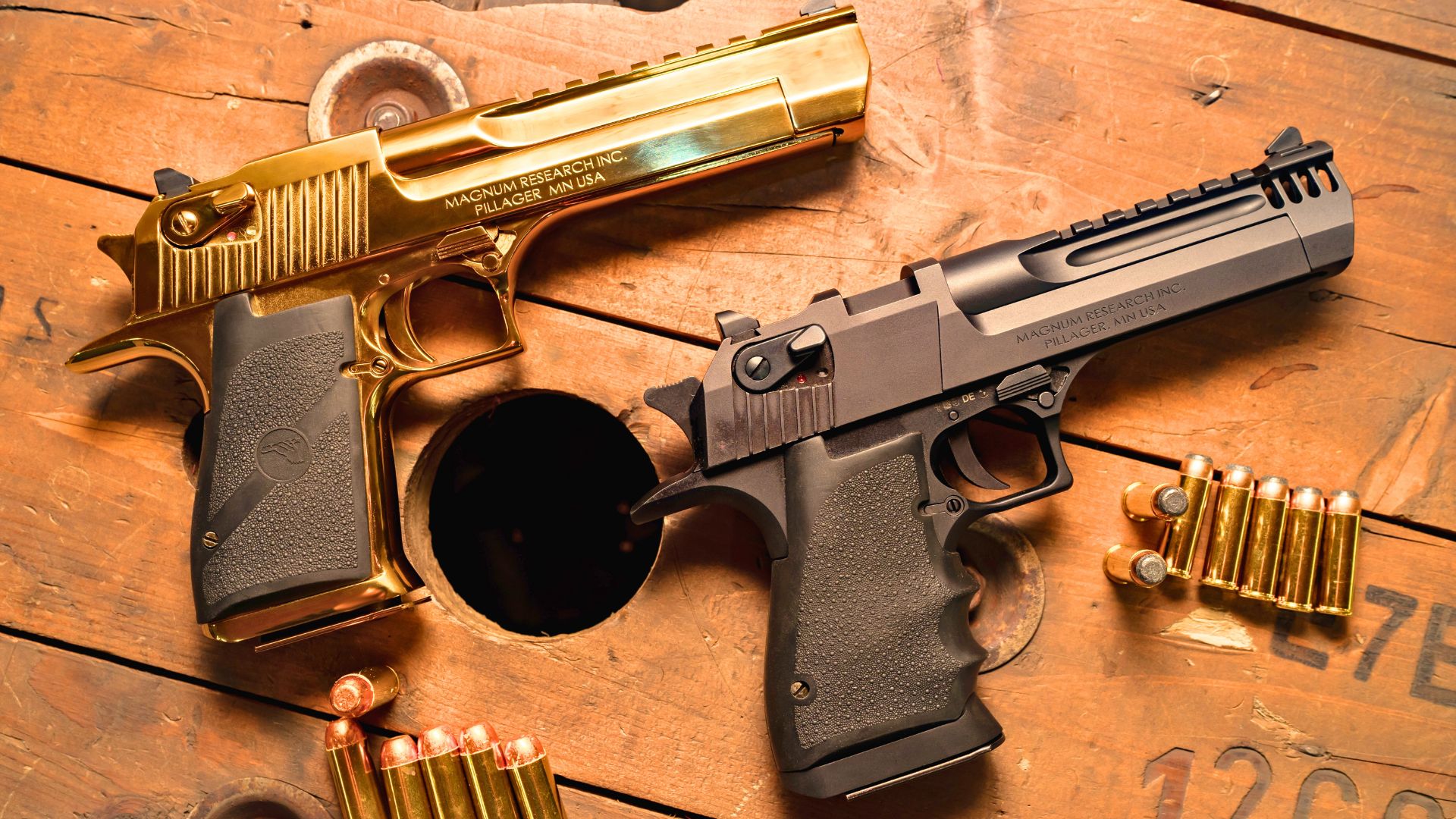
The Desert Eagle is the poster child for buying with your eyes. It looks like a movie prop because it basically is one, and it turns heads the moment you set it on a bench. That’s the whole appeal: big, flashy, iconic. You’re not buying it because it’s convenient or sensible. You’re buying it because it makes you smile.
Then reality shows up. It’s huge, heavy, and not something you carry in any normal way. Ammo cost and recoil also limit how much most people practice with it. For many owners it becomes a “special occasion” range gun that spends most of its life in the case. If you want a practical pistol for training, defense, or regular use, the Desert Eagle isn’t built around those priorities.
FN Five-seveN

The Five-seveN sells a vibe—futuristic lines, light weight, and the kind of “space gun” look that people recognize instantly. A lot of buyers want it because it’s famous in games and pop culture, and it feels different than a typical 9mm the moment you pick it up.
The catch is that “different” doesn’t automatically mean better, especially for the roles most shooters actually need covered. The cartridge and the pistol can be more expensive to feed than common options, and the practical advantage depends heavily on your use case. For most range sessions and everyday ownership, you’re not getting a night-and-day performance jump. If you buy it because you love the concept and the feel, you’ll enjoy it. If you expect it to replace a normal work pistol, you may feel underwhelmed.
Walther PPK / PPK/S
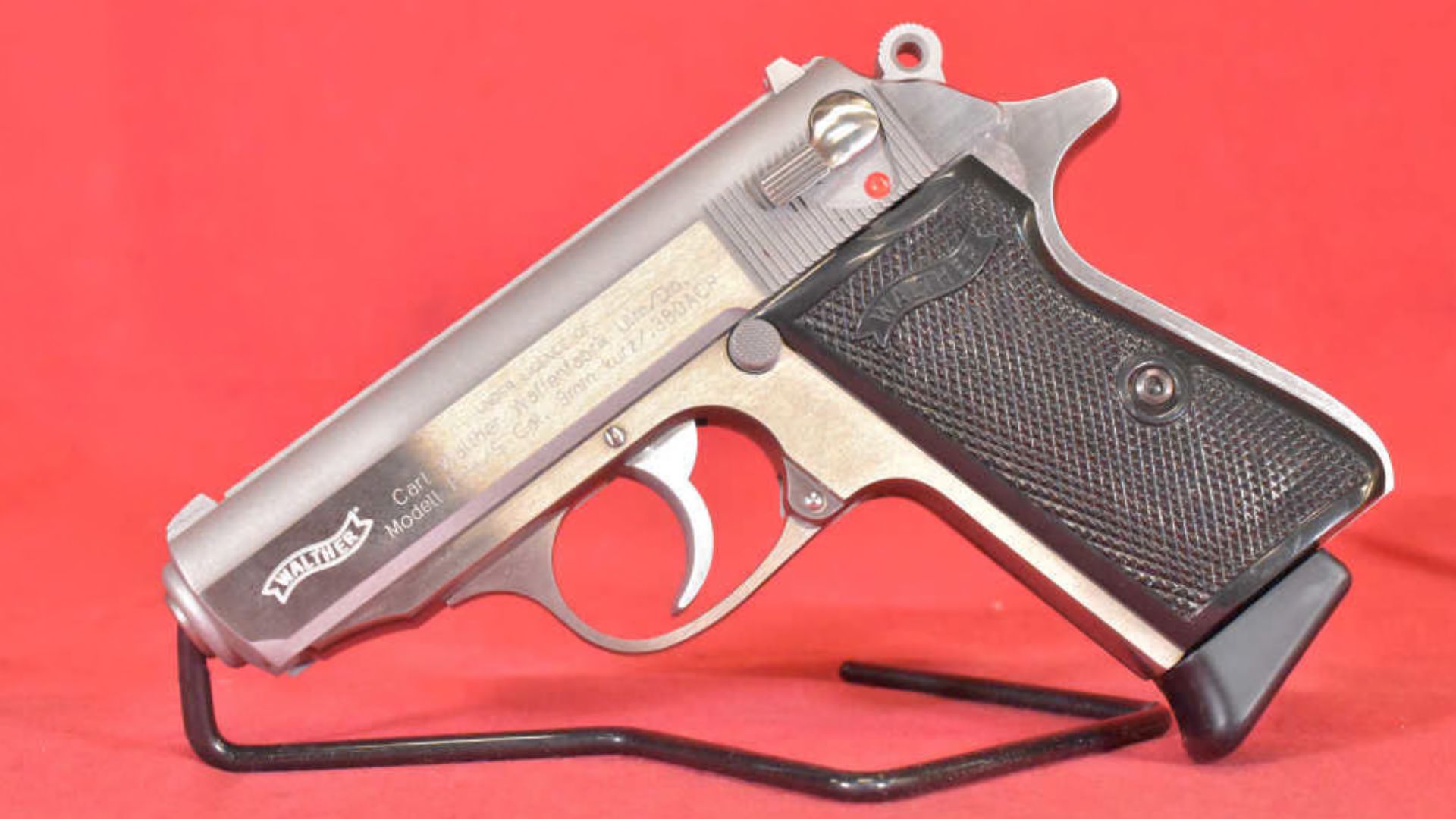
The PPK is pure style. It’s sleek, classic, and tied to decades of pop culture. A lot of people buy one because they’ve wanted one since they were teenagers, and the little Walther has a way of making you feel like you own a piece of history every time you hold it.
Then you shoot it and remember physics. Small, blowback pistols can feel snappy, especially compared to modern locked-breech compacts. The grip is short, the controls are old-school, and it isn’t built around high-volume training comfort. None of that makes it a bad purchase if you want the classic experience. It does mean the “cool factor” often does more work than the practical performance. If you want a pleasant shooter you’ll run hard, there are better tools.
Beretta 92FS Inox
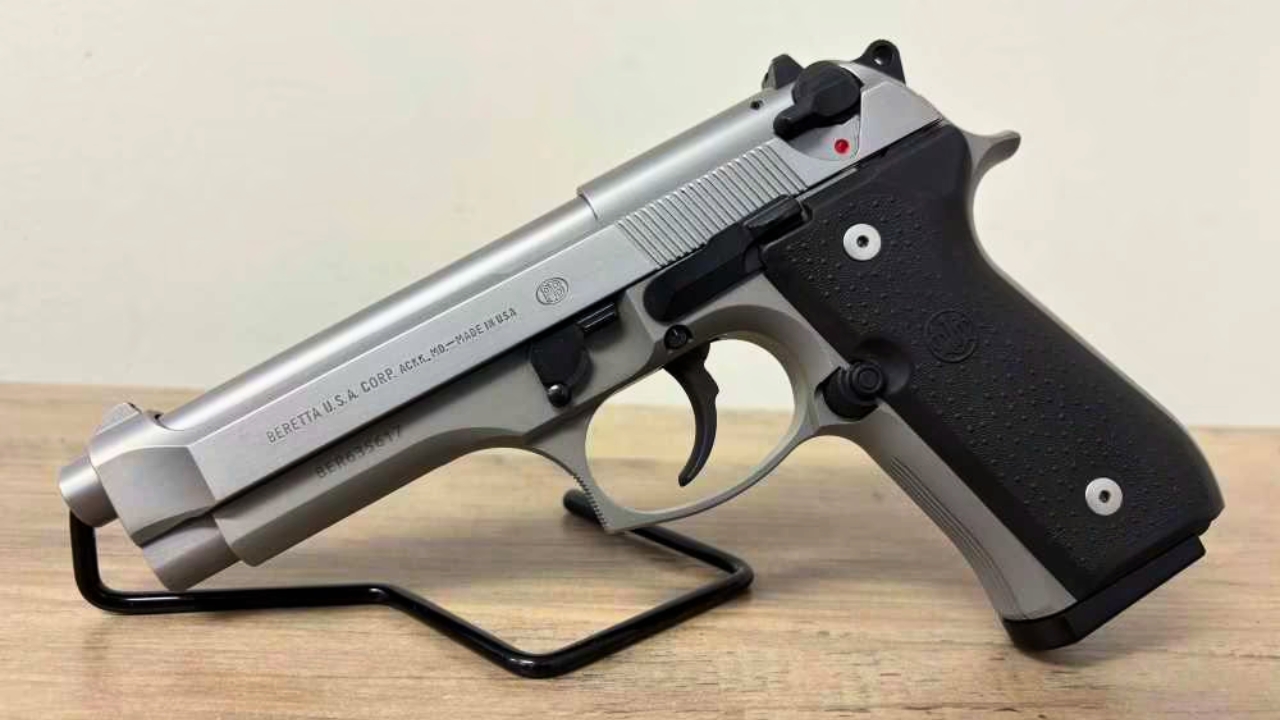
A Beretta 92 in Inox looks sharp in a way that doesn’t need explanation. The silver slide and barrel catch light, the profile is instantly recognizable, and it scratches that classic-service-pistol itch. Plenty of buyers choose it because it looks like the Beretta they pictured in their head, not because they compared it to other full-size options.
The practical part is that the Inox finish doesn’t make it shoot better than a standard 92FS. You’re still dealing with a large grip, a full-size footprint, and controls that can take practice to run quickly. It can be a smooth shooter, and many people love it, but the finish is mainly a visual upgrade. If you’re paying extra, make sure you actually want the big metal pistol experience—not only the stainless look.
Colt Python
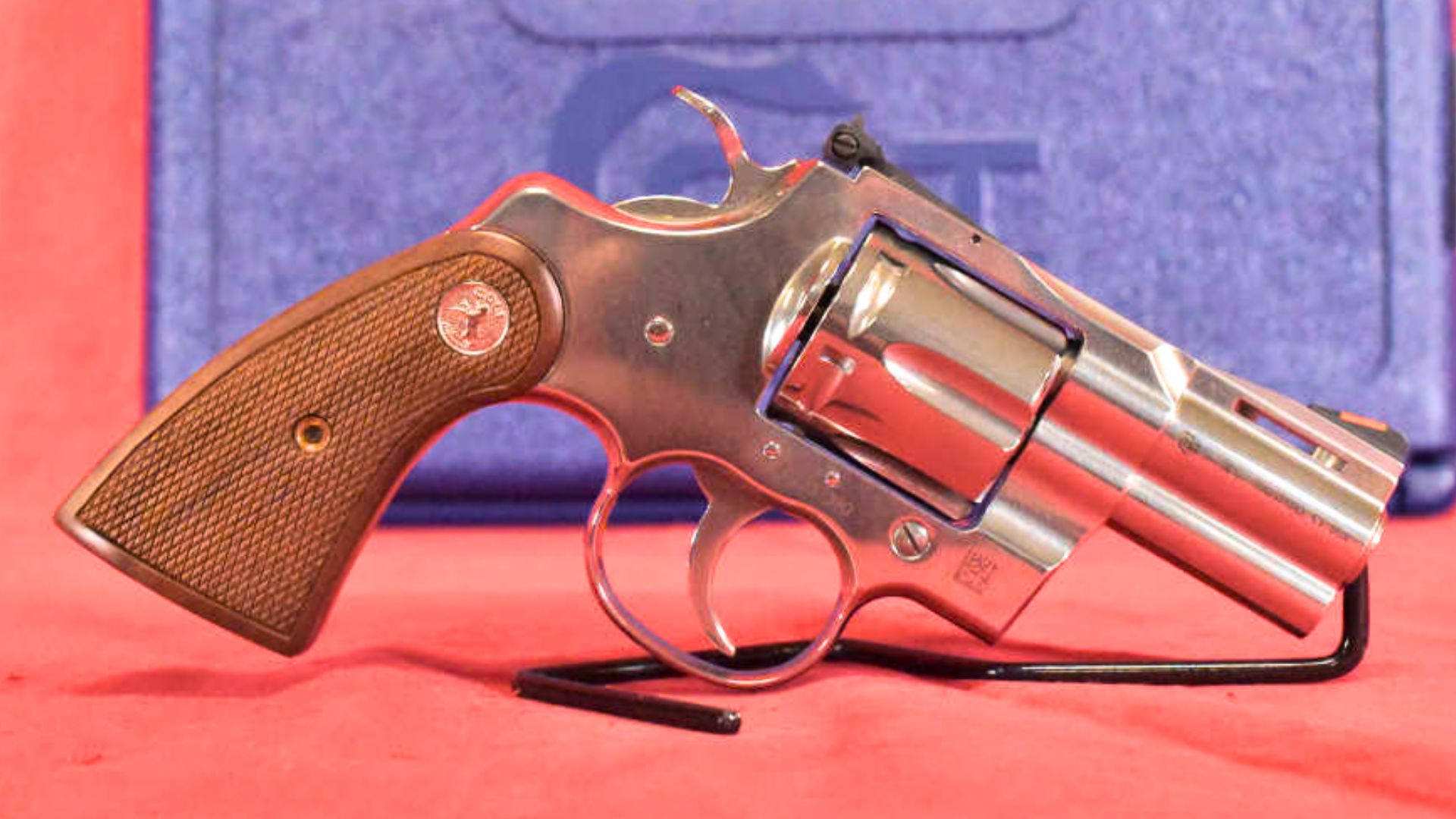
The Python is one of those guns people fall in love with before they ever fire a shot. The lines, the finish options, the rollmark—Colt built a revolver that looks like it belongs in a display case. Many buyers want the Python because it’s “the” Python, and the name carries weight even with folks who don’t shoot revolvers often.
The issue is that a lot of owners don’t actually run it much. Ammo cost, recoil in magnum loads, and the desire to keep it pristine can turn it into a safe gun. And while it can be an excellent revolver, the purchase is often driven by appearance and reputation more than real need. If you want a revolver to practice with constantly, there are options you’ll beat up with less guilt. The Python is often bought to admire.
Chiappa Rhino 60DS
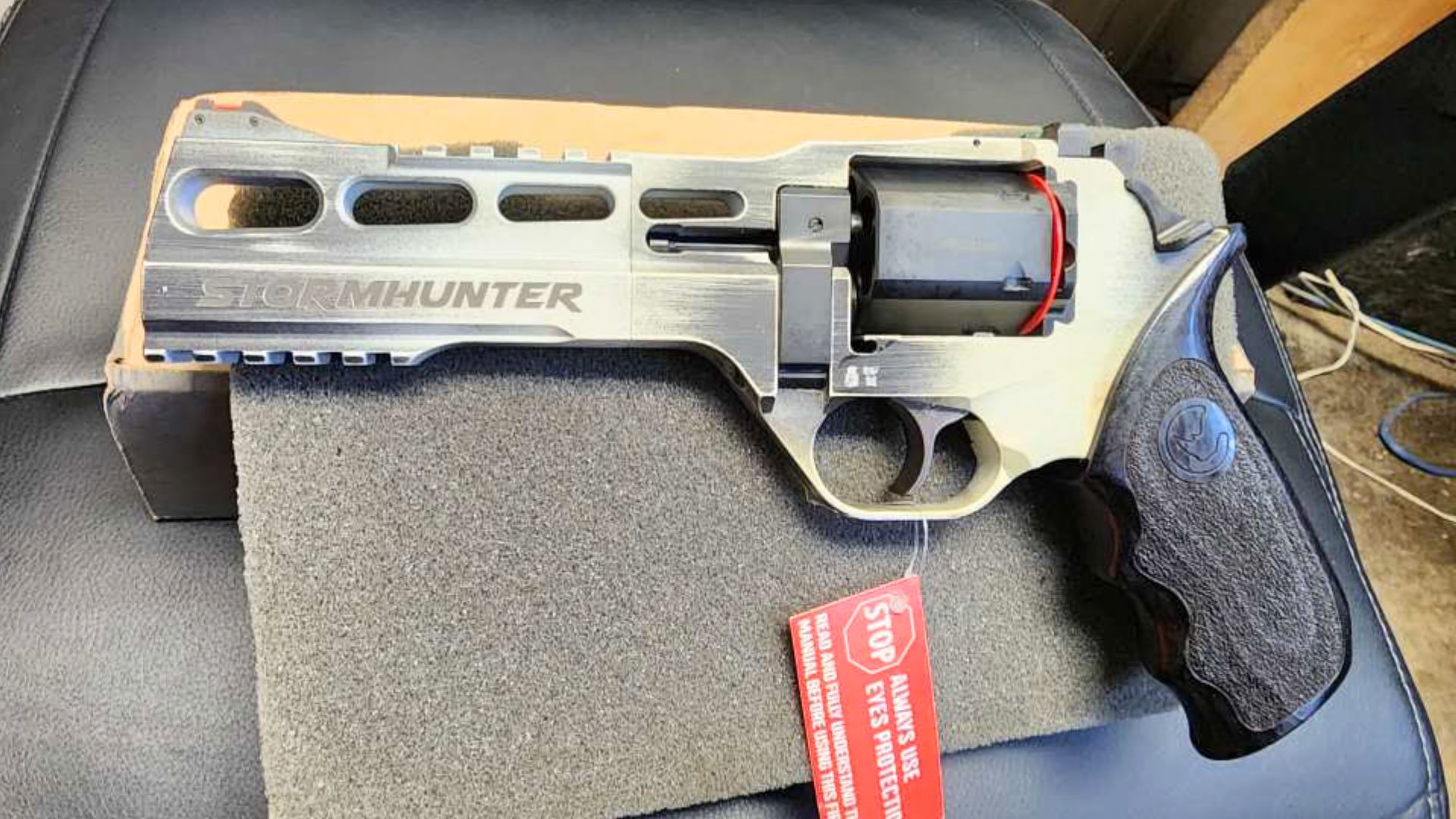
The Rhino looks like something from the future, and that’s why people buy it. The flat-sided cylinder, the angular frame, the low-bore design—none of it looks like a traditional wheelgun, and that novelty is a powerful pull. You set one on the counter and it starts conversations immediately.
For some shooters, the unusual design also means an adjustment period. The trigger feel and overall ergonomics aren’t what you’re used to if you grew up on classic double-actions, and the sight picture can feel unfamiliar. It can be a capable revolver, but the “wow” factor often does the selling. If you want a revolver that feels traditional, this isn’t that. If you want a revolver that looks wild and feels different, the Rhino delivers—sometimes more in style than in practical advantage for everyday use.
Kimber Rapide (Dawn, Black Ice, and similar)
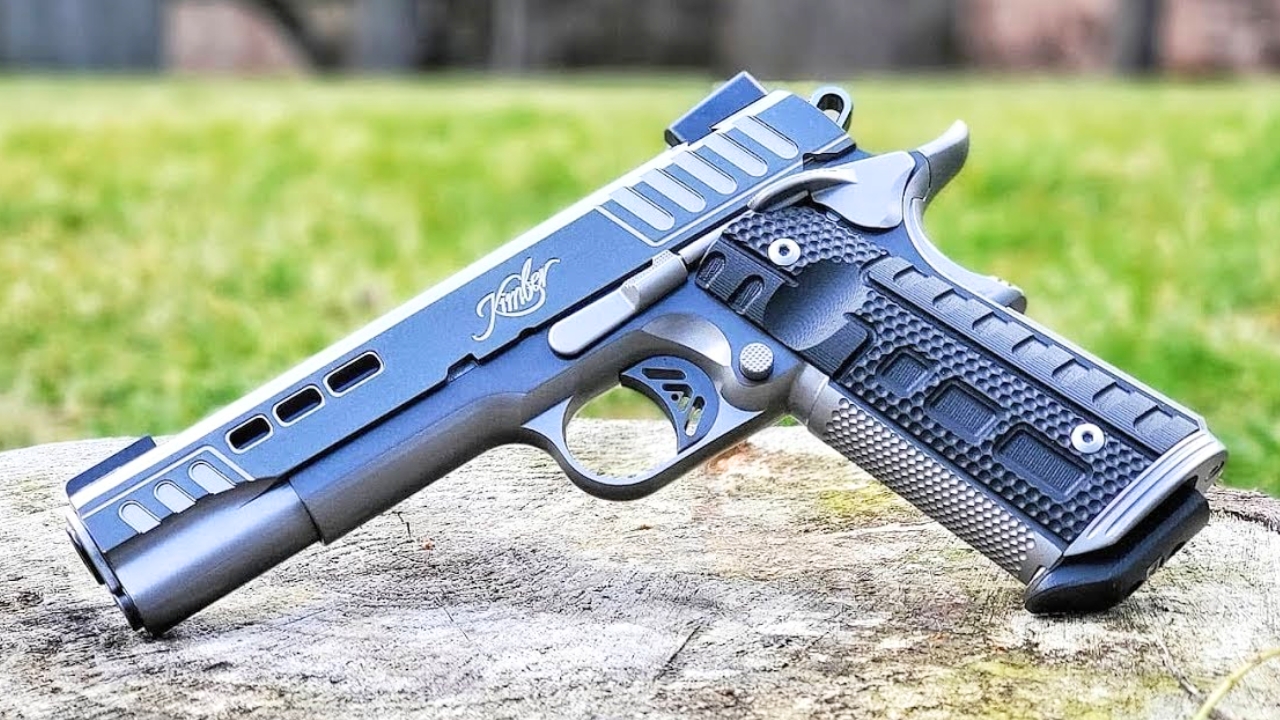
Kimber’s Rapide line is built to catch your eye. Deep slide cuts, two-tone accents, and aggressive styling make it look “custom” right out of the box. A lot of buyers choose a Rapide because it looks like it belongs on a magazine cover. You can tell yourself you’re buying performance, but the finish and the cuts do a lot of the convincing.
The reality is that cosmetic work doesn’t guarantee a better-running 1911. The platform still demands good magazines, proper setup, and enough practice to run it well. A fancy look also doesn’t make it more comfortable to carry, and sharp edges can be annoying over time. If you want a showy 1911 you’ll mostly enjoy at the range, it scratches that itch. If you want a hard-use 1911, prioritize function and proven setup over slide styling.
Springfield 1911 Emissary
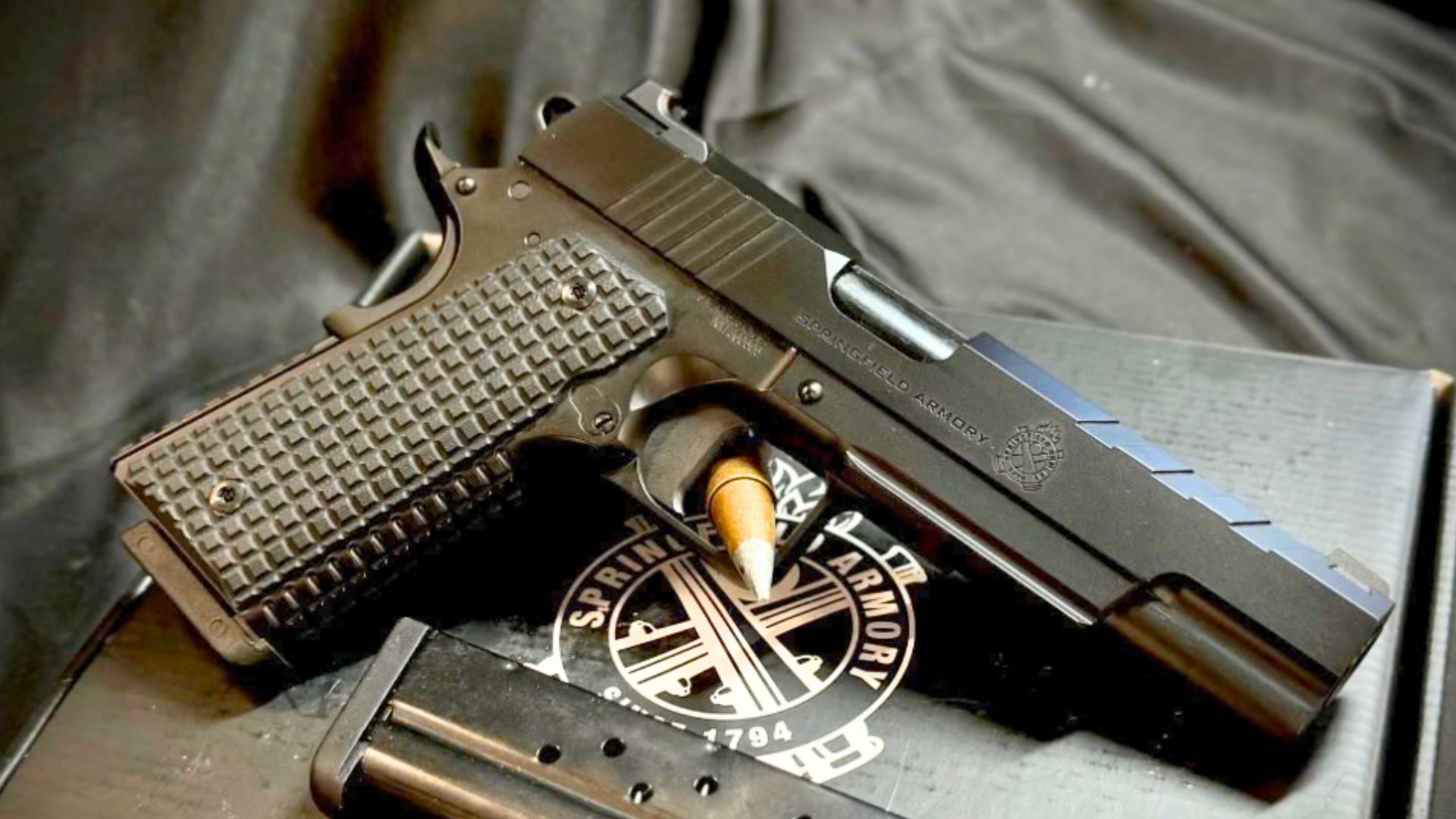
The Emissary nails the “modern 1911” look—clean lines, tasteful finishes, and a vibe that feels tactical without going overboard. It’s the kind of pistol that photographs well and feels like a curated package. A lot of buyers choose it because it looks finished, like the gun already has the right attitude before you even shoot it.
The catch is that you’re still buying a 1911, with all the usual responsibilities. If you’re not committed to shooting it enough to learn the controls, running good mags, and verifying reliability with your ammo, the looks don’t help you when it matters. The Emissary can be enjoyable, but it’s easy to buy it as a “cool 1911” and never build the skill set that makes a 1911 shine. If you want a working pistol, make sure the platform fits your lifestyle.
SIG Sauer P365 Spectre Comp
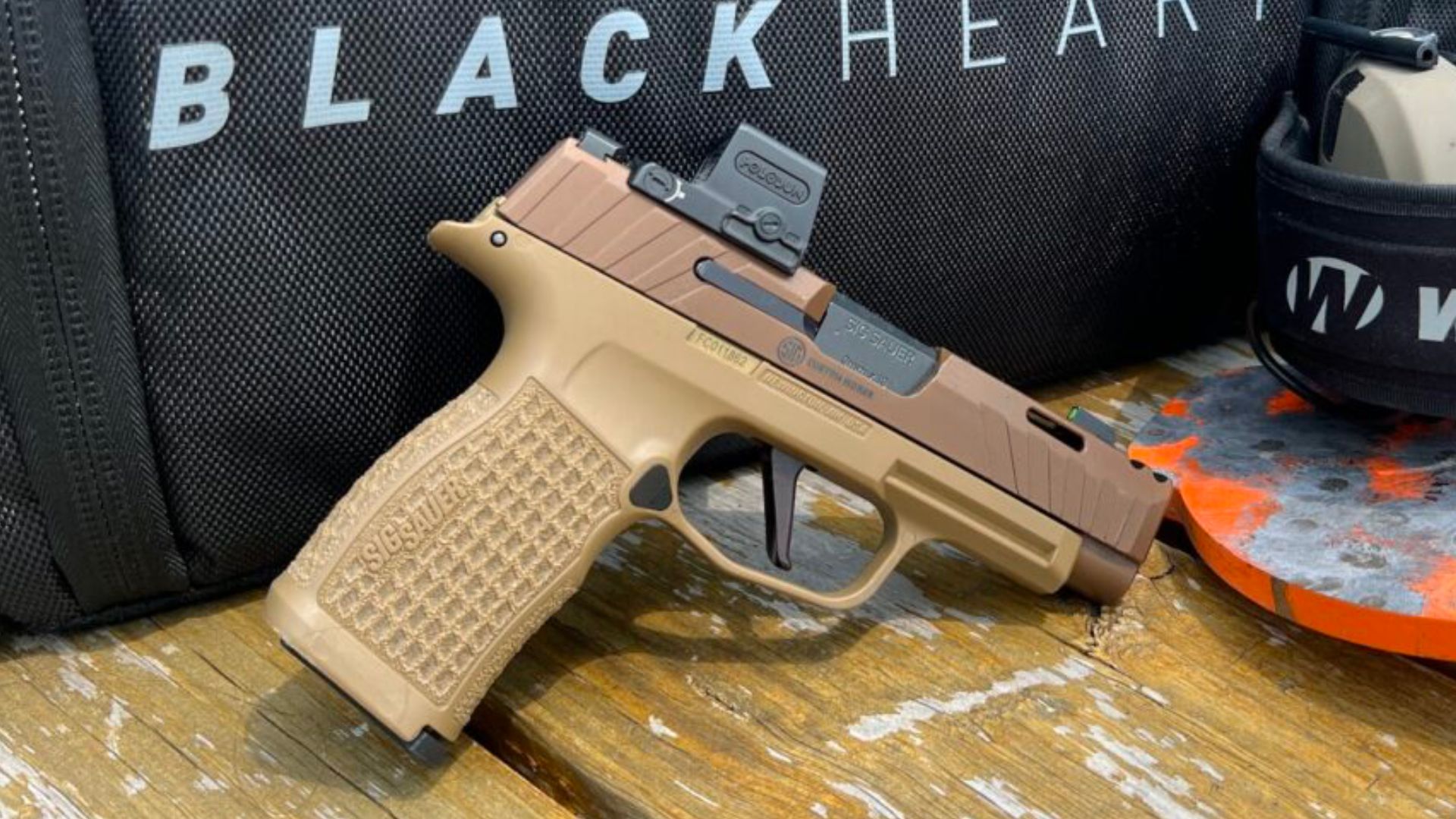
The Spectre Comp looks like a custom build: fancy slide cuts, premium finish touches, and a setup that screams “high-end micro.” It’s a very easy gun to want the moment you see it in the case. Many buyers get hooked on the styling and the “top shelf” feel more than the boring questions about recoil control and carry comfort.
In practice, a comped micro can be great for some shooters, but it’s not a free lunch. Blast, cleaning, ammo choice, and overall handling still matter, and not everyone shoots a tiny pistol better because it has extra cuts and a compensator. If you already love the P365 system and you want a slicker version, it makes sense. If you’re expecting the looks to deliver a dramatic performance leap without effort, you can end up paying a lot for a pistol that still shoots like a micro.
SIG Sauer P320 Spectre Comp
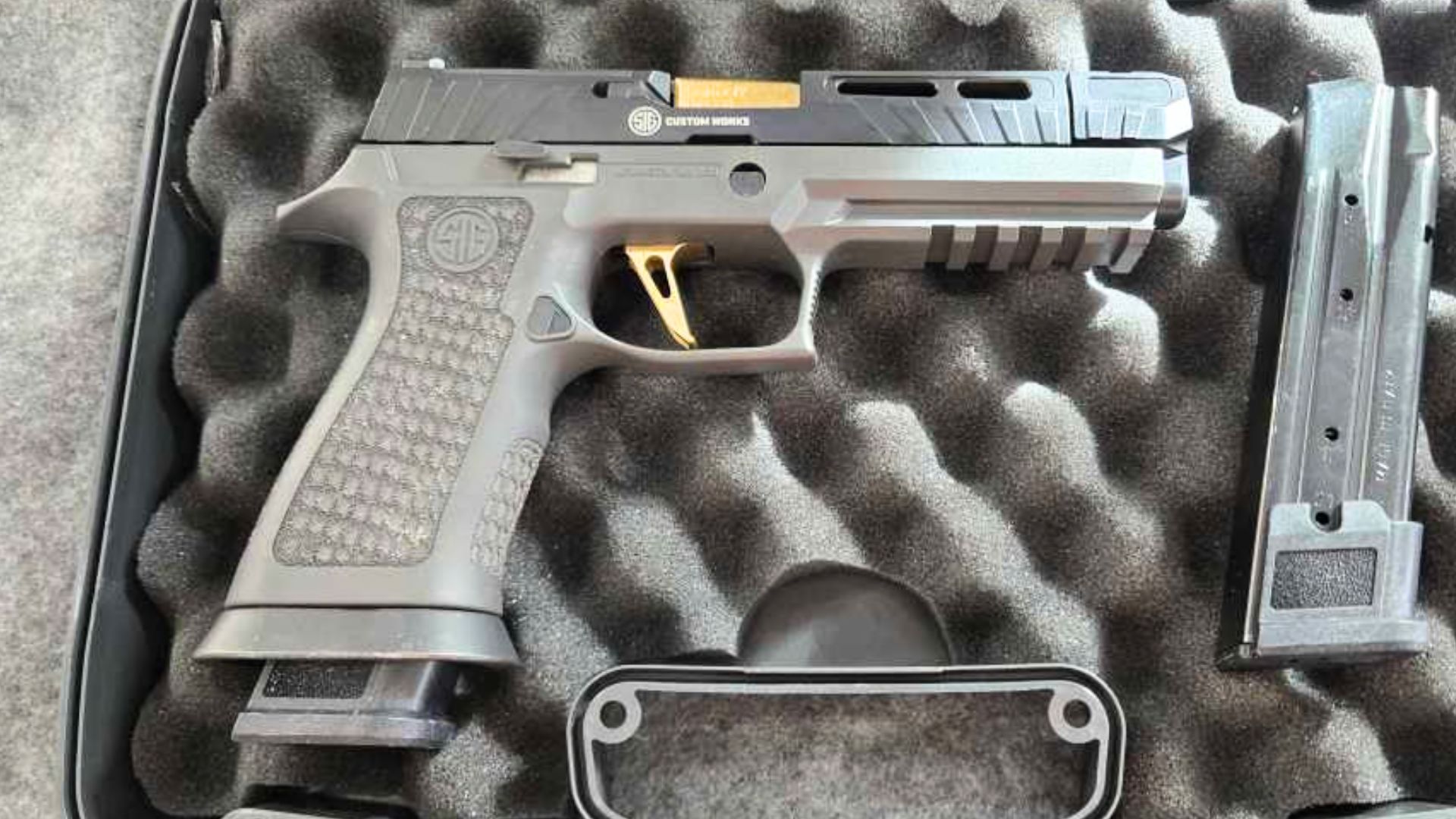
The P320 Spectre Comp is another pistol that sells hard on appearance. It looks like it came straight from an aftermarket catalog: cuts, coatings, and the kind of styling that makes a standard duty pistol feel “special.” Plenty of buyers pick it because it looks like what a serious shooter would own, even if their actual use is casual range time.
The practical side is that you’re still dealing with the same fundamentals: grip, trigger control, and consistent training. The compensator and styling can help certain shooters, but they don’t replace practice, and they don’t make the gun automatically faster in your hands. For many people, a plain, well-set-up P320 with good sights will perform similarly for less money. If the Spectre Comp motivates you to shoot more, great. If it mostly motivates you to post photos, the payoff is thin.
CZ 75B Stainless
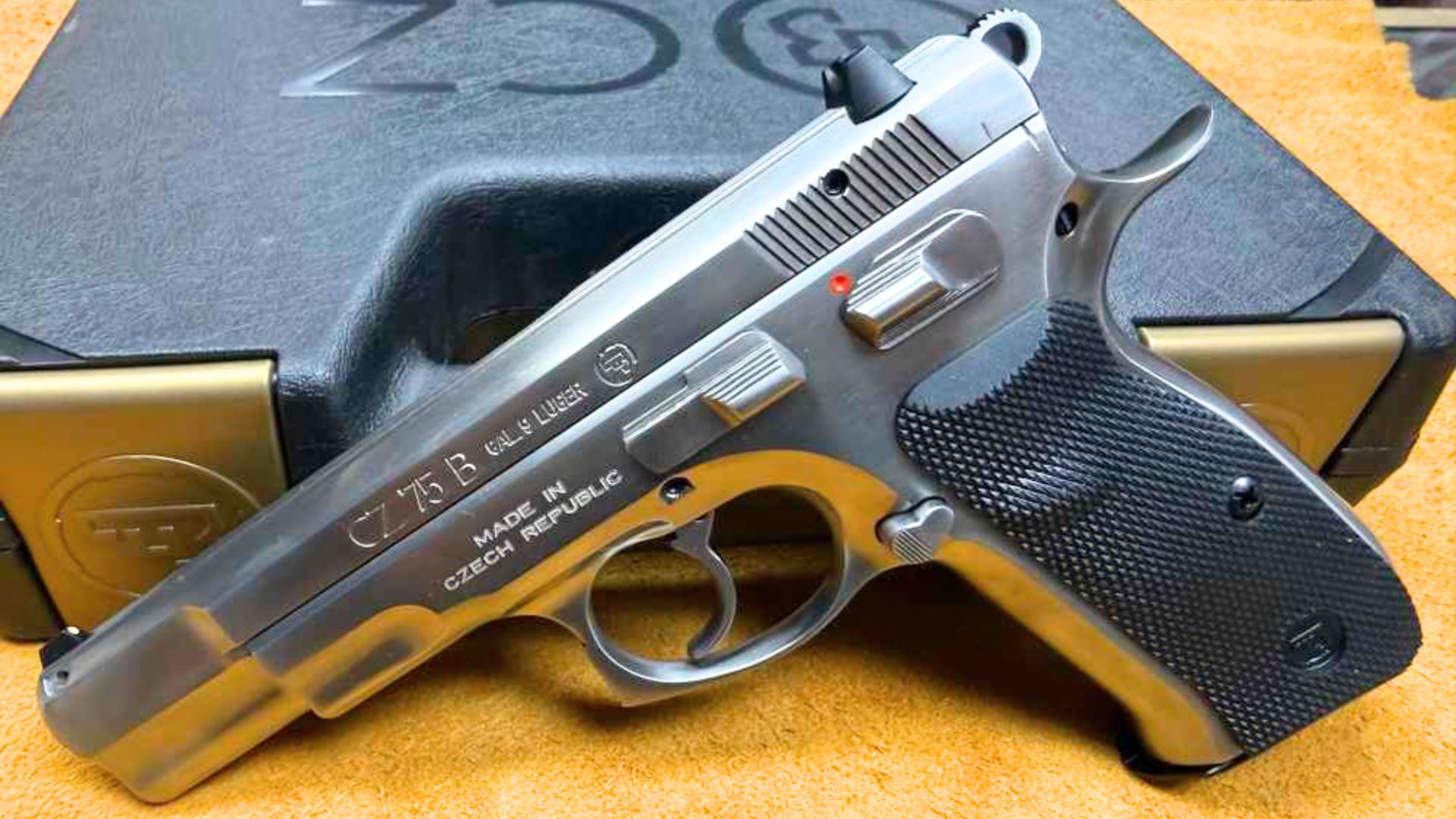
A stainless CZ 75B looks classy in a way that makes people reach for it. The old-school shape, the metal frame, and the bright finish give it a “this is a real pistol” feel that polymer guns don’t always deliver. It’s common for buyers to choose the stainless version because it looks like the forever gun they want to hand down.
The truth is the stainless finish doesn’t change the fundamentals. You’re still buying a steel-framed pistol with classic controls and classic weight, and that may or may not match how you actually shoot and carry. If you want a range pistol you’ll shoot a lot, the CZ 75B can be a great choice. If you’re mainly paying for stainless because it looks premium, you might be ignoring other guns that fit your hand better or carry easier. Looks can be part of the fun—just don’t let them be the whole plan.
IWI Jericho 941
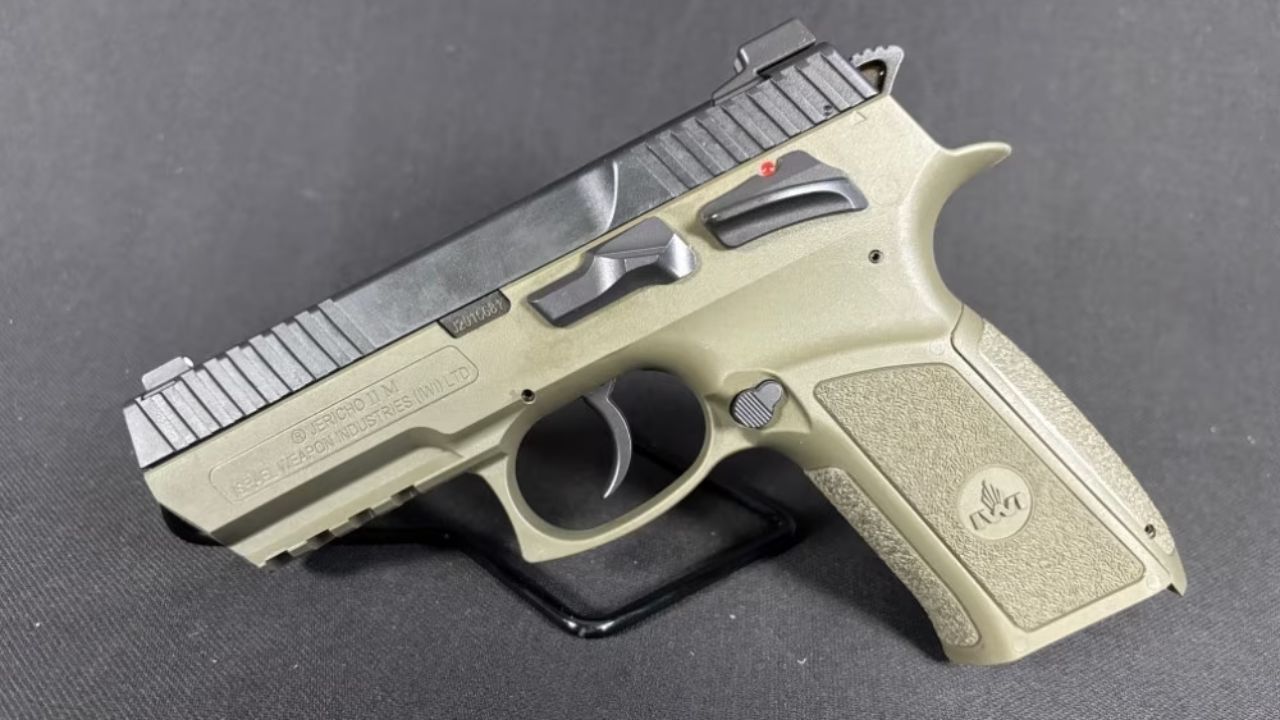
The Jericho 941 has a cult following because it looks and feels like a classic metal pistol should. It’s hefty, it has that old-school profile, and it scratches the nostalgia itch for shooters who grew up loving steel-framed handguns. Many buyers pick it because it looks cool and feels solid, not because they need another full-size 9mm.
The practical reality is that weight and size come with tradeoffs. It’s not a convenient carry gun for most people, and the money you put into it could also buy a lighter, more modern pistol with easier support in holsters and accessories. The Jericho can be a good shooter, but a lot of owners treat it like a collection piece that comes out for occasional range trips. If you want a “metal gun experience,” it delivers. If you want a daily work tool, the look may be doing most of the selling.
Ruger Mark IV Lite

The Mark IV Lite is a great example of a pistol that sells on looks even when it’s also useful. Bright colors, lightened barrels, and a racey profile make it hard to resist. Plenty of buyers pick one because it looks fun, and they want something that stands out on the range table more than another plain .22.
The practical side is that the Lite doesn’t automatically make you a better shooter. It can be accurate and enjoyable, but you still have to put in the reps, and rimfire ammo can be picky from lot to lot. For many owners, it becomes a “fun gun” that gets shot occasionally rather than a training tool that gets used weekly. If the styling gets you to shoot more, that’s a win. If it mostly sits because you bought it for the color, you paid for appearance instead of use.
Smith & Wesson Performance Center M&P (ported, fancy-finished variants)
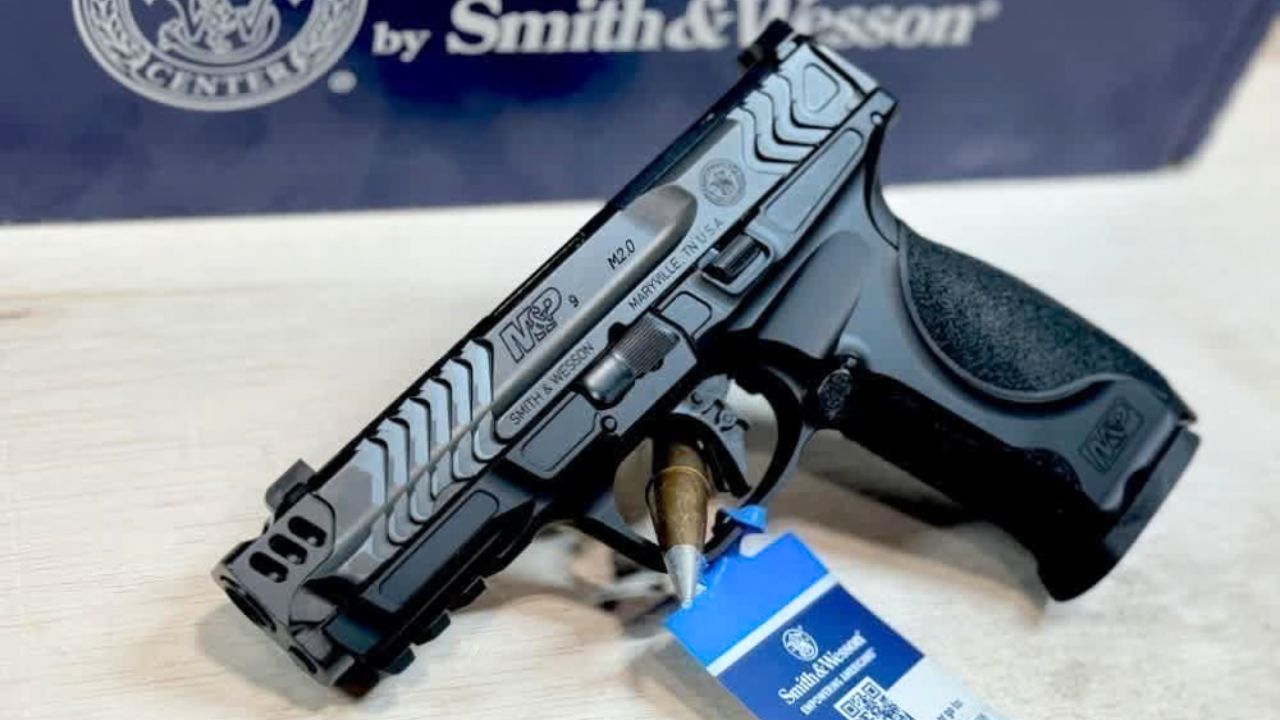
Performance Center pistols often look like the upgraded answer: ported barrels, slide cuts, special finishes, and branding that suggests you’re getting something tuned. They catch eyes quickly, and many buyers assume the Performance Center stamp means the gun will feel dramatically better than the standard model in every way.
The reality is more mixed. Porting and slide cuts can change blast and maintenance needs, and the performance gain depends on ammo and how you shoot. For some people it’s worthwhile. For others, it’s an expensive way to add noise and cleaning time without a major difference in their hits. A standard M&P with good sights and consistent practice often gets you further than cosmetic upgrades. If you want the look and the upgraded vibe, buy it with clear eyes. Don’t assume the styling turns average practice into high-level shooting.
Colt Single Action Army

The Single Action Army is pure visual appeal and history. The shape, the finish options, the way it sits in your hand—it feels like the Old West. Many people buy one because it’s iconic, because it looks right on a belt, and because it represents a version of America they grew up admiring.
As a practical handgun, it’s a niche tool. Single-action operation is slower, capacity is limited, and it isn’t built around modern defensive shooting. Most owners also don’t run them hard, partly due to cost and partly because they’re treated like heirlooms. That doesn’t make it a bad buy. It means the “why” is usually looks, tradition, and ownership pride—not performance. If you want a working sidearm for modern roles, the SAA isn’t competing. It’s winning on style alone, and it’s honest about that.
Like The Avid Outdoorsman’s content? Subscribe to our newsletter so you never miss an article.
Here’s more from us: