Photo credit: Olde English Outfitters/YouTube
Some pistols are princesses about ammo—finicky with low-powered 115-grain ball, weird with steel case, or picky about flat-nose profiles. Others were clearly built with the assumption that most people will shoot pallet-grade practice ammo 90% of the time. Those are the guns you want for real training: the ones that stay boringly reliable when you run whatever’s on sale.
Nothing is truly ammo-proof, and every sample can be a little different. But these models have solid reputations for running well on the cheap stuff.
HK USP 9
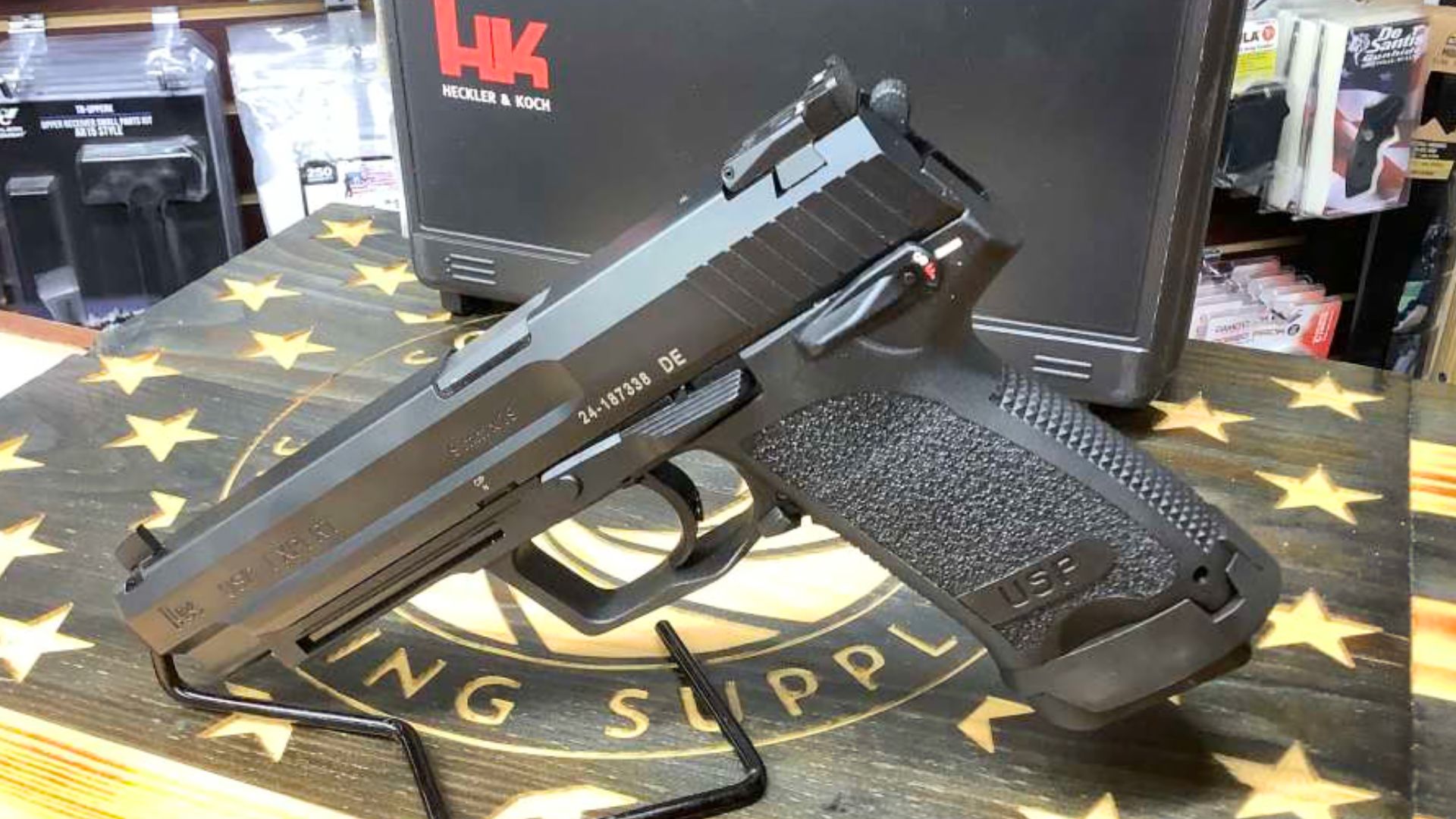
The USP 9 is overbuilt for .40 and .45 pressures, which means 9mm—cheap or otherwise—feels like easy duty. Owners regularly use USPs as beater guns for steel-case and bargain brass loads, and the guns have a long history of staying reliable and in-time even when they’re not being pampered.
The oversized recoil system and sturdy extractor mean you’re less likely to see issues when the ammo is a little soft, a little dirty, or both. If your plan is to stock up on whatever’s cheapest online and run it hard, the USP will usually take that as a compliment.
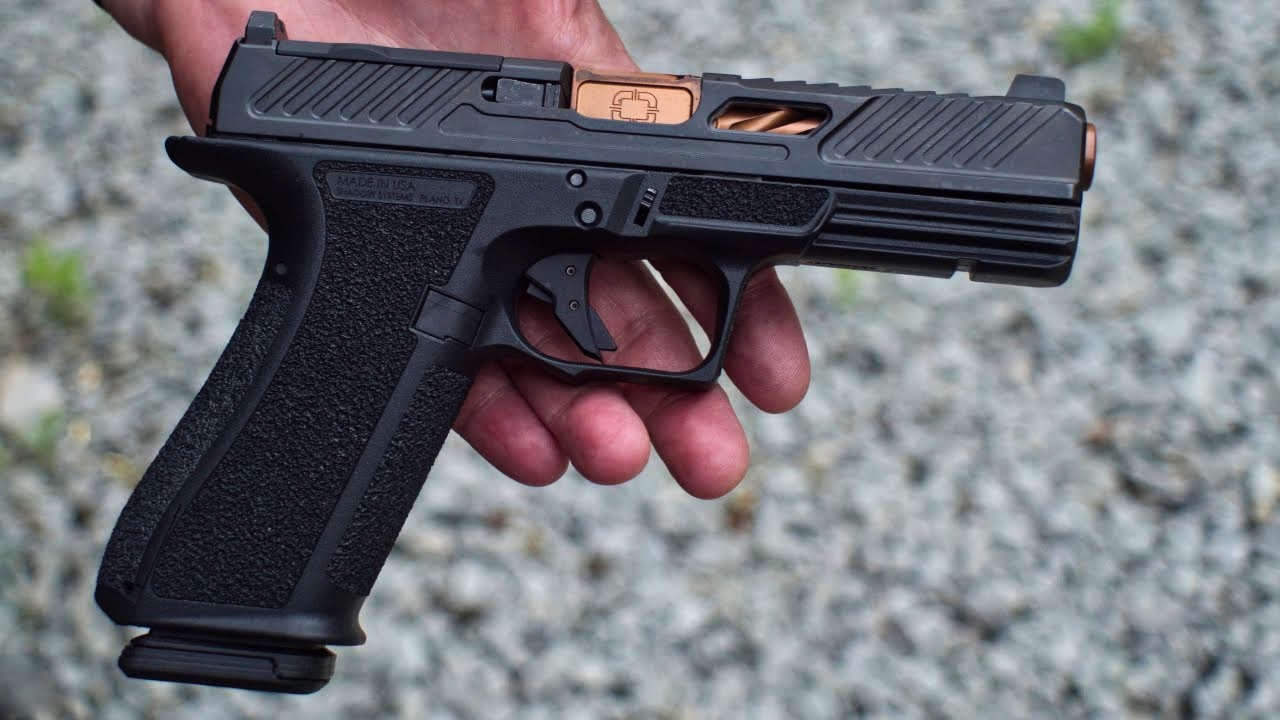
Shadow Systems MR920 / DR920

Shadow Systems pistols are essentially “Glock done for serious shooters,” and part of that is being able to handle typical training ammo. The company specifically markets them as duty/carry-capable, not race guns, so they’re tested with a wide range of factory loads, including bulk 115-grain FMJ.
Most user reports from classes and high-round-count practice say the same thing: they run on the cheap stuff about as well as the Glocks they’re patterned after. Use OEM-spec mags, keep them reasonably lubed, and they’re not going to demand boutique ammo to behave.
Beretta APX A1 (full-size)

The APX A1 doesn’t get as much attention as some competitors, but Beretta built it to sit in the same lane as the other duty 9mms on this list. That means mags and feed geometry aimed at surviving whatever ammo contract or training load an agency chooses, not just one preferred brand.
On the civilian side, that translates into a pistol that’s generally fine with common bargain FMJ. It’s not as widely fielded as a Glock or M&P, but the design goal was the same: big reliability window, including when shooters show up with whatever was cheapest in a 500-round case.
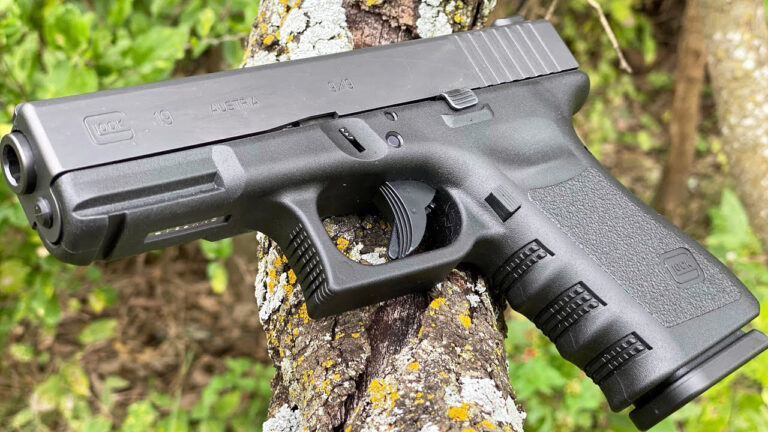
Glock 19

If you’re building a practice setup around range ammo, the Glock 19 is still the “default yes.” It was designed around NATO-ish 9mm, but real-world reports show G19s eating everything from low-rent white-box 115-grain to remanufactured ball and steel case without much complaint, as long as the mags are decent and springs are in spec.
Rental ranges and instructors lean on 19s because they keep running when guns that only like premium ammo start getting cute. As long as you’re not mixing in truly garbage reloads, a 19 will usually treat discount ammo like it’s what it was born for—because it kind of was.
Glock 17
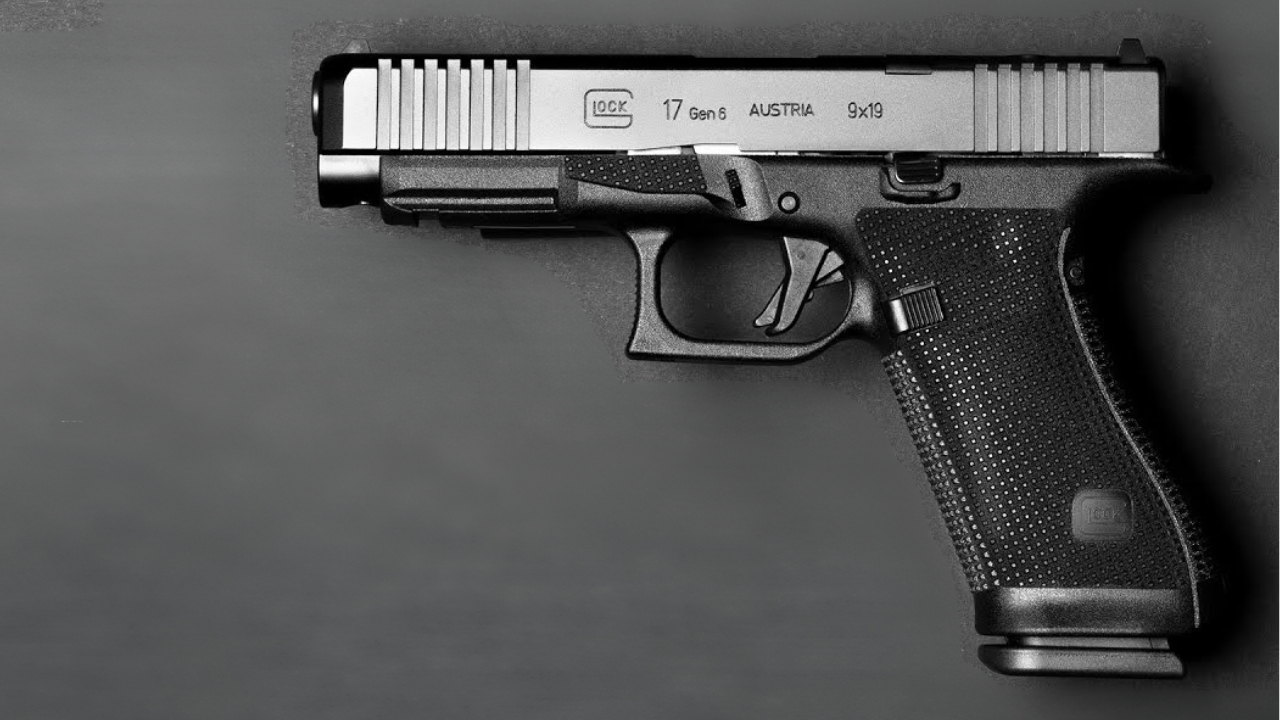
The full-size 17 is even less picky. You’ve got more slide mass, a little more recoil spring, and full-length mags that have been refined over decades. That mix means it tends to shrug off the small pressure swings you get with budget 115-grain and mixed-lot ball. If range ammo is a little soft, the 17 still has enough inertia to run.
When rental counters say “this is our workhorse,” they’re usually pointing at 9mm Glocks, and the 17 is at the front of that line. It’s not fancy, but it doesn’t need a steady diet of boutique loads to keep chugging through a long day on the line.
Smith & Wesson M&P9 2.0
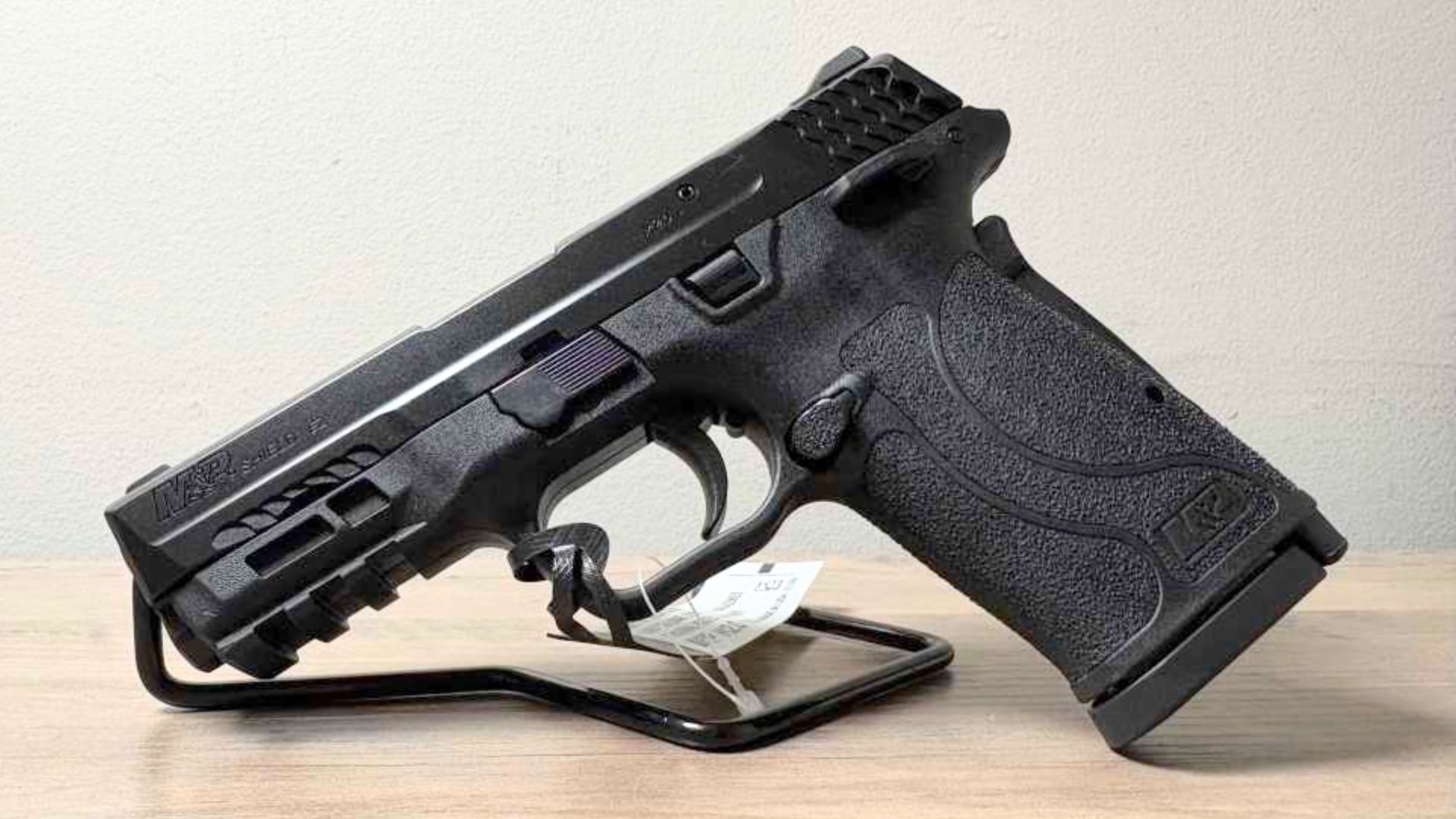
The M&P9 2.0 has turned into a go-to for people who shoot a lot but don’t necessarily buy name-brand match ammo. The 2.0 feed ramp, chamber, and mags are all tuned around real-world use, and owners routinely report running cheap 115-grain range fodder for thousands of rounds with no drama.
If you do your part—keep it vaguely lubed and swap recoil springs when they’re tired—it’ll usually sail right through bulk-pack ball, including the slightly softer “value” stuff. For a gun that feels a little more sculpted in the hand than a Glock, it’s one of the least picky about what you feed it.
SIG Sauer P320 (9mm)

The P320 family is a solid option if your training life is 90% cheap ball and 10% carry ammo. The locked-breech design, healthy extractor, and good OEM mags give it a big reliability window, and people beat these guns up in classes with mixed-box ammo all the time.
Where some pistols start to show personality with underpowered 115-grain or dirty reman, the full-size and carry P320s tend to just keep cycling. As long as you stay away from the sketchiest reload sources and keep mags clean, they’re very tolerant of whatever’s in stock at the local shop.
Walther PDP

The PDP has a “shooters’ gun” reputation, and part of that is how it handles whatever ammo you grab on the way to the range. Reviews and owner reports talk about it running case after case of cheap 115-grain without unique issues, including steel case and bulk-pack stuff, as long as the mags are in good shape.
The barrel and feed ramp geometry are pretty forgiving, which helps with flat-nose and truncated-cone bullets you see in bargain ammo. Combine that with a recoil system that isn’t set on a razor’s edge, and you get a pistol that doesn’t suddenly turn fussy when your ammo budget dips.
FN 509
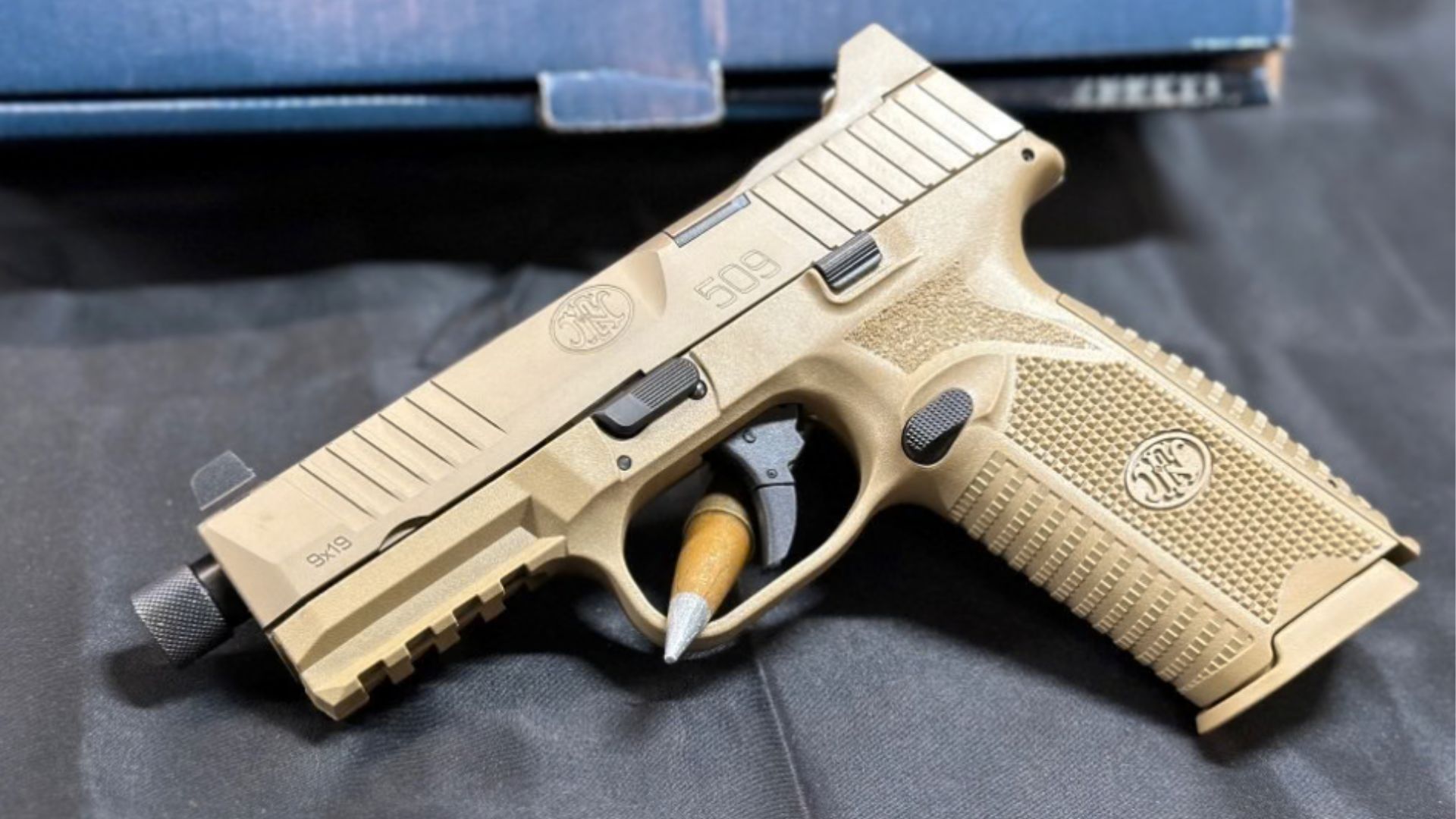
FN built the 509 around the idea that it would be fed whatever a unit could get its hands on, and that shows. It tends to run just fine on the common bargain brands—blaster-grade brass, NATO-ish 124, and most steel-case loads—without needing you to tune springs or change anything.
Is there cheap ammo it won’t like? Sure. But the list is shorter than with a lot of pistols. If you want a duty-ish gun that doesn’t pitch a fit when you show up with whatever was on sale online, the 509 is a very safe bet.
HK VP9

The VP9 is one of those guns that you almost never hear ammo complaints about. People run it on everything from bulk 115-grain to steel and aluminum case, and most issues that do show up in threads end up being traced to a bad lot or sketchy reloads, not the gun.
HK pistols in general are known for generous extractor geometry and chambers that will feed a wide variety of bullet shapes. The VP9 fits that mold: it rewards you if you shoot premium stuff, but it doesn’t punish you for grabbing a case of cheap ball and going to work.
Beretta 92FS / 92X

The 92 platform was built in an era when “whatever 9mm is in the crate” was the ammo spec. Full-size, heavy slide, and a long, friendly feed path mean it will happily burn through most budget FMJ and even some weirder profiles without blinking.
For high-volume training on cheap ammo, the 92 is still a sleeper pick. It may not be the lightest gun to carry, but on the range it’ll run as long as your thumbs can keep stuffing mags, even if the boxes say “value pack” instead of “match.”
CZ P-10 C

CZ’s P-10 C has quietly earned a reputation as a gun that doesn’t care much what’s on the headstamp, as long as it’s vaguely within 9mm spec. Owners regularly report mixing steel, brass, and aluminum-case bulk ammo in the same session with no stoppages.
It helps that the chamber and feed ramp design are on the “practical” side, not finicky. It’s meant to be a duty-capable pistol, not a race gun that only likes one boutique load. If you’re a “buy a case of cheap 115 and shoot until it’s gone” person, the P-10 is your kind of pistol.
Canik TP9SF / TP9SFX / METE full-size

Canik’s full-size guns made their name on two things: good triggers for the money and the ability to run on whatever you feed them. People use them as budget match guns and class workhorses specifically because they seem to handle cheap ammo without much drama, aside from the occasional truly bad reman.
If you stick to OEM mags, the big TP9 and METE pistols will chew through discount white-box 9mm all weekend. They’re not as overbuilt as some legacy duty guns, but for the money, they’re some of the best “I shoot a lot of cheap stuff” pistols on the market.
Ruger American Pistol (9mm)
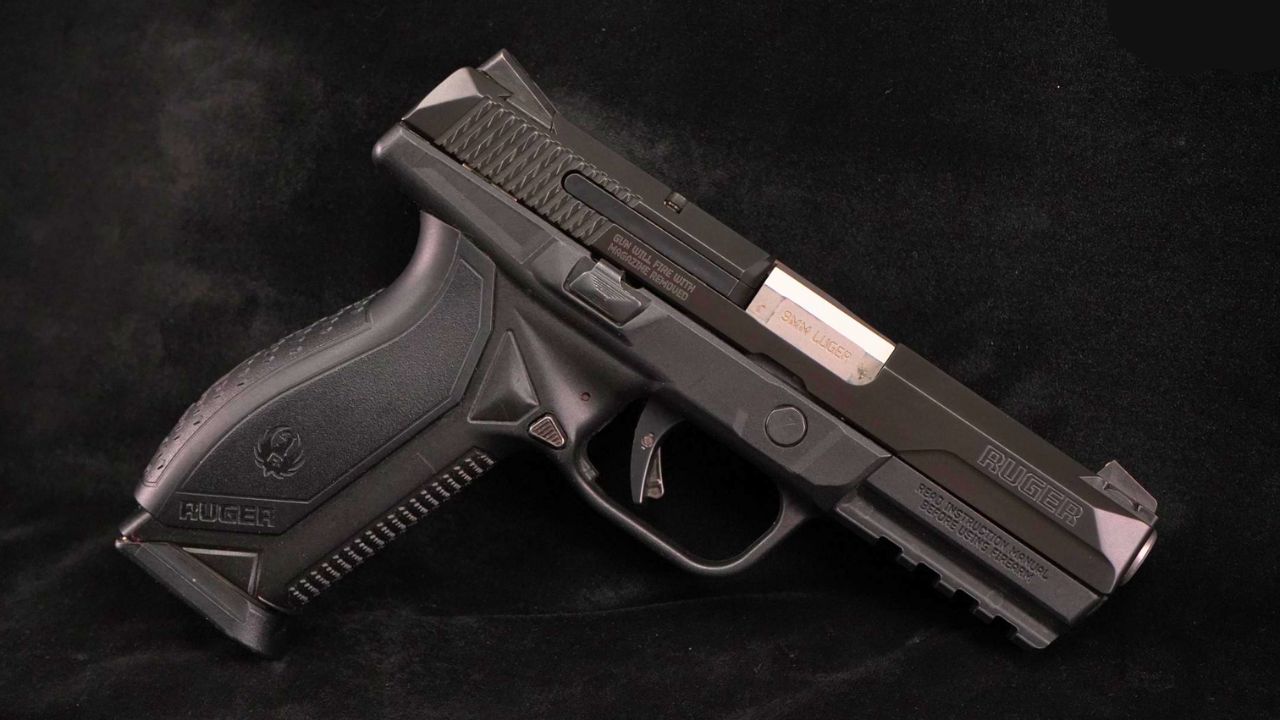
The Ruger American is exactly the kind of gun you buy when you want to shoot more than you want to fuss. It’s a full-size 9mm with solid mags, a generous feed ramp, and a reputation for digesting whatever off-brand ammo rural stores happen to stock.
It’s not glamorous, but that’s kind of the point. If your training diet is a mix of house-brand FMJ, old-stock stuff, and whatever your buddy brings, the American tends to just accept that reality and keep going, instead of insisting on premium loads to act right.
SIG Sauer P226 (9mm)

P226s have been fed every kind of 9mm under the sun in police, military, and civilian hands. Steel case, surplus, low-end training ammo—you name it, someone’s run cases of it through a SIG. The all-metal build and well-sorted mags give the slide enough momentum and the rounds enough guidance that mild ammo still tends to cycle fine.
It’s not immune to the worst reloads on earth, but if a P226 starts choking on a mainstream budget brand, most armorers will look at springs or ammo lot before they blame the basic design. As a “shoot anything” platform, it’s still one of the better ones.
PSA Dagger (honorable mention, with caveats)

The PSA Dagger is the budget outlier here. It’s a Glock-pattern pistol built to hit a low price point, and because of that, a lot of people use it exactly how you’d expect—as a beater for cheap steel and brass. Reports are a little more mixed than on the big brands, but plenty of shooters are getting thousands of rounds of bargain ammo through them with minimal issues once any initial quirks are sorted.
The caveat is QC variance: at the price they’re running, you’re more likely to see the occasional rough spot than with the other pistols on this list. But if you get a good sample, they can be very capable “run the cheap stuff” guns that don’t make you feel bad about burning through bulk ammo.
Like The Avid Outdoorsman’s content? Subscribe to our newsletter so you never miss an article.
Here’s more from us: