Photo credit: TFB TV/YouTube
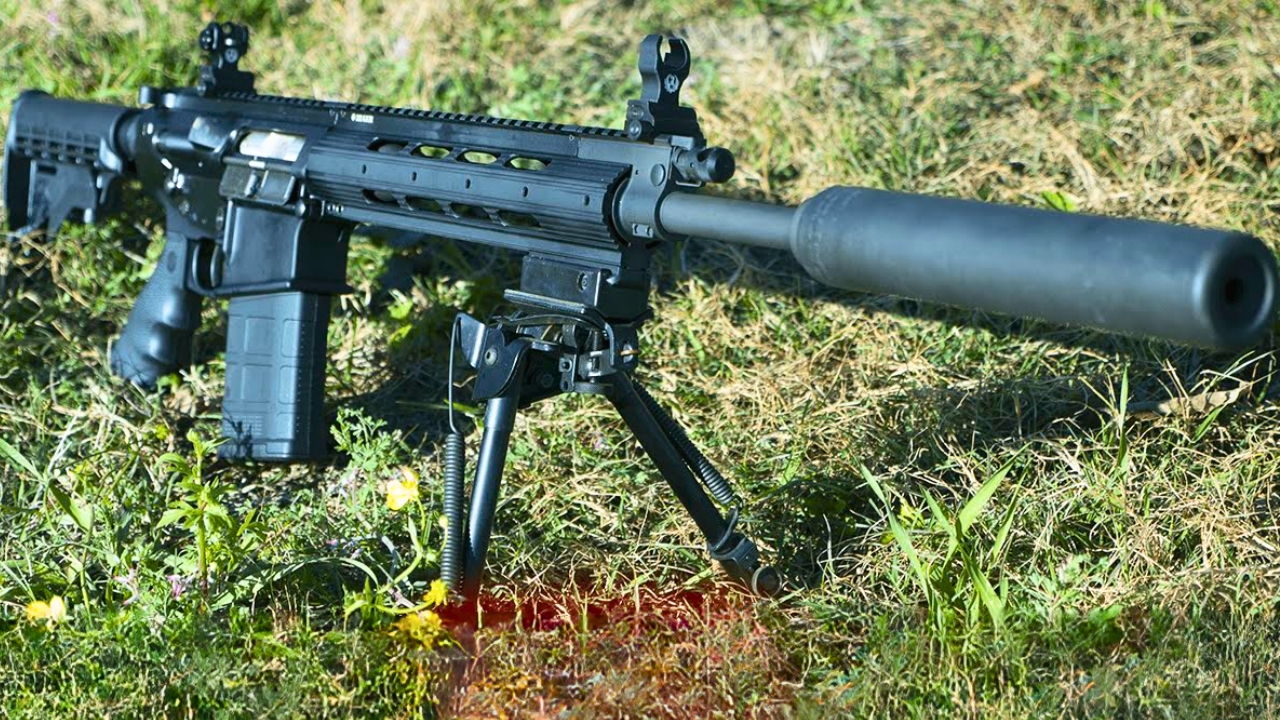
Large-frame ARs can be excellent rifles, but they are not as standardized as the AR-15 world. That difference matters. Two rifles that look almost identical can use different receiver patterns, handguards, bolt components, magazines, gas systems, and small parts. Add the recoil and gas volume of .308 Winchester or 6.5 Creedmoor, and poorly sorted rifles can become far more frustrating than their smaller cousins.
That is why buying an AR-10-style rifle based on looks or price alone can backfire. Some are unnecessarily heavy, some are difficult to tune, and others lock you into proprietary components that make upgrades and repairs more complicated than they need to be. Several rifles below can absolutely work well, but they also come with enough baggage that I would think twice before spending my own money on them.
DPMS Oracle .308
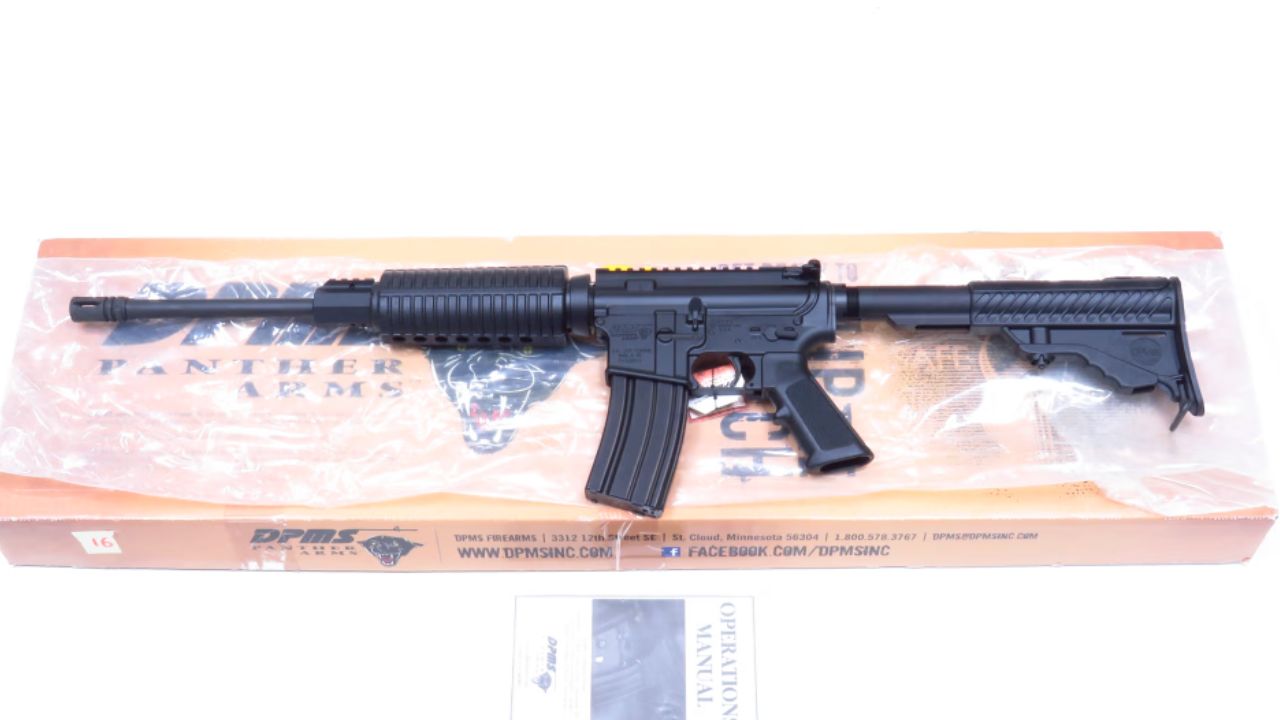
The Oracle became popular because it gave buyers a relatively inexpensive path into a .308 semiautomatic rifle. It looks familiar, feeds from common magazines, and can be perfectly serviceable if all you want is a basic range or hunting rifle.
The problem is how quickly the low entry price can turn into an upgrade project. Basic furniture, heavy barrel profiles, rougher triggers, and generic handguards often send owners immediately shopping for replacement parts. By the time you improve the pieces you dislike, you may have spent enough to buy a more complete rifle from the start. Used examples can still make sense at the right price, but I would not buy one expecting a polished large-frame AR experience.
Bushmaster .308 ORC
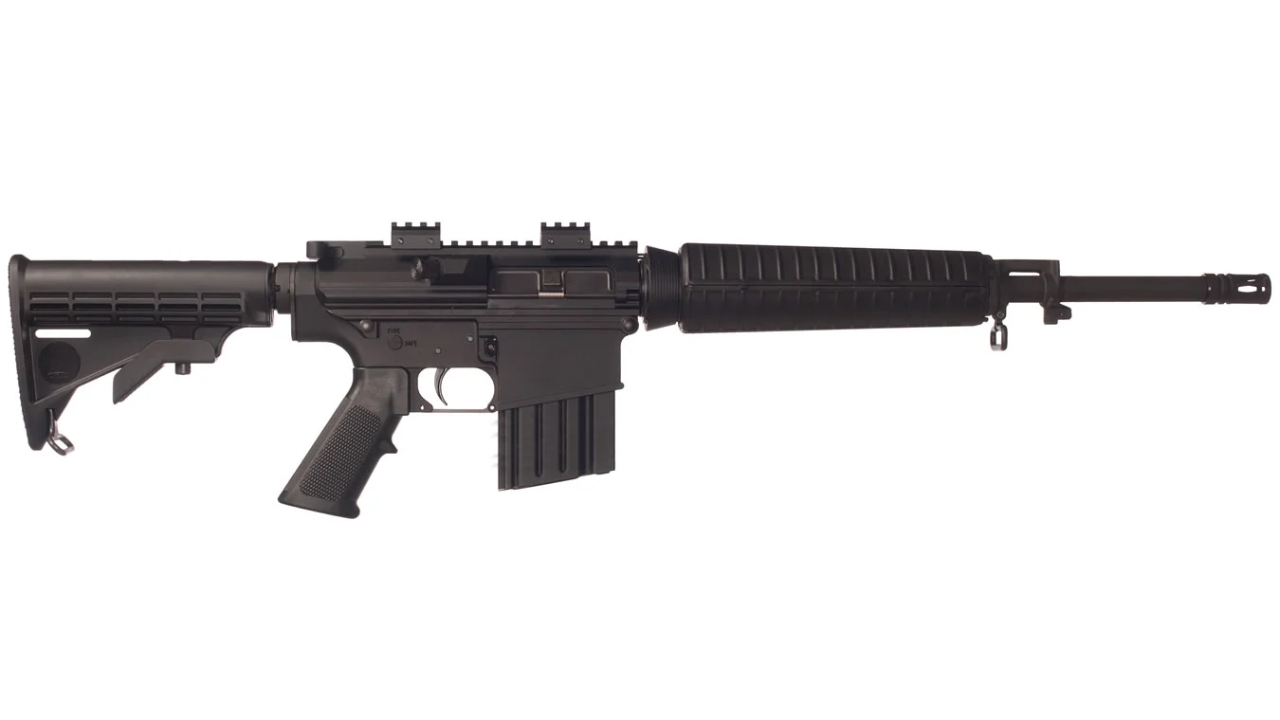
The .308 ORC followed the same budget-large-frame formula that appealed to shooters who wanted a basic rifle they could configure themselves. The stripped-down appearance made sense if you already planned to add optics and furniture.
Where it becomes troublesome is age, parts compatibility, and the fact that the large-frame AR market never standardized as neatly as the AR-15. Buying an older used ORC can mean figuring out exactly which pattern parts you have before modifying anything. That is manageable for an experienced builder, but it is more homework than I want from a basic hunting or range rifle.
Rock River Arms LAR-8

The LAR-8 is mechanically interesting because it uses FAL-pattern magazines rather than the more common SR-25-style magazine. That gave it a unique identity when FAL magazines were inexpensive and plentiful.
Today, that uniqueness feels more like a complication. The rifle is tied to a less-common magazine arrangement, and the platform does not share the same broad ecosystem as the dominant large-frame AR patterns. The rifle itself can shoot very well, but if I am buying a .308 AR today, I would rather stay with the magazine and parts standards that the rest of the market largely settled around.
SIG Sauer 716 Patrol
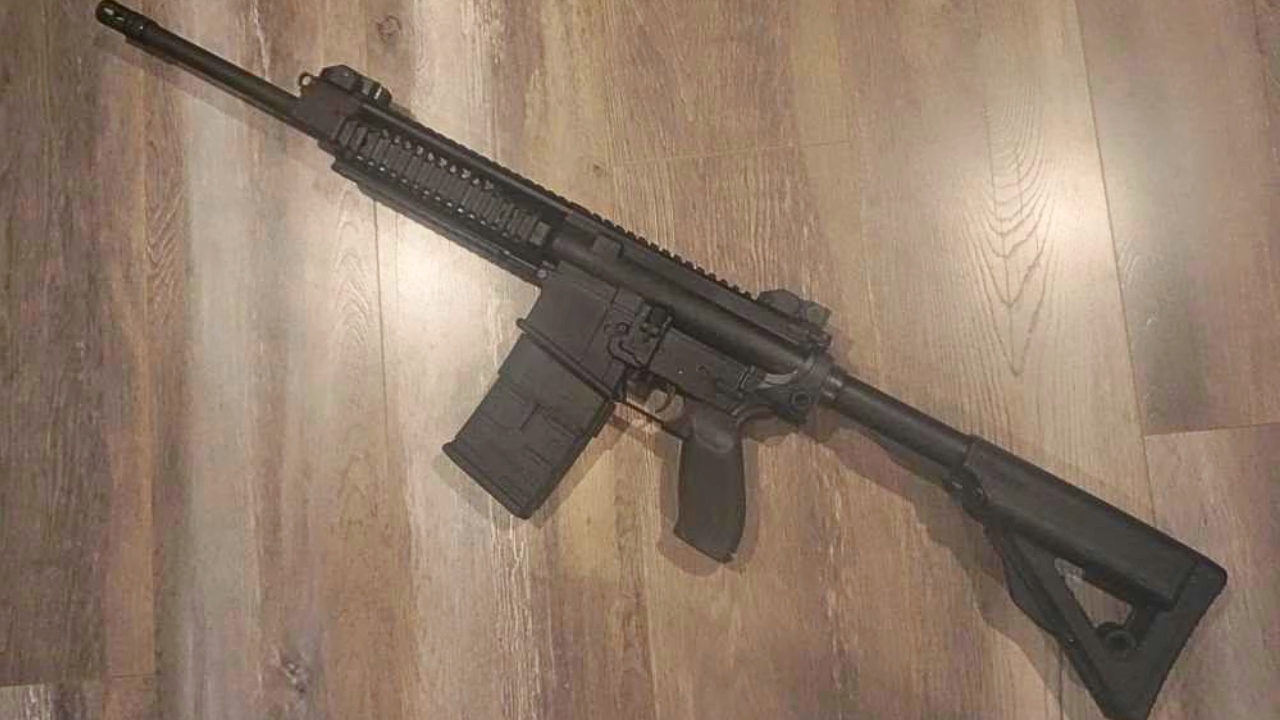
The 716 Patrol is sturdy and has the reassuring feel of a rifle designed around hard use. The piston system also appeals to shooters who want to keep heat and carbon out of the receiver.
The downside is weight and complexity. Piston hardware on an already heavy .308 platform adds more mass up front, and proprietary components reduce the benefit of owning an AR-pattern rifle in the first place. If I am going to carry a large-frame semiautomatic hunting rifle, I want every extra pound to justify itself. The 716 Patrol is dependable, but there are lighter rifles that accomplish the same job with fewer proprietary parts.
SIG Sauer 716i TREAD

The 716i TREAD is a much more modern rifle than the older Patrol, and its direct-impingement setup keeps the system simpler. It also has a good reputation for reliability and accuracy.
My hesitation is the proprietary receiver and handguard ecosystem. One of the great appeals of an AR is supposed to be parts interchangeability, and the more manufacturer-specific the platform becomes, the less attractive that advantage is. The 716i works well as a complete rifle, but I would buy it only if I planned to leave it mostly alone. If you enjoy heavily modifying large-frame ARs, there are friendlier platforms.
Ruger SR-762

The SR-762 is another piston-driven .308 AR that feels rugged and substantial. Ruger included a useful adjustable gas system and built the rifle around serious use.
The problem is that it is discontinued and heavily proprietary. That combination immediately makes me cautious. Piston systems already rely on more unique components than direct-impingement guns, and once factory production stops, replacement parts become much more important. A used SR-762 can still be an excellent shooter, but I would not want my long-term .308 rifle dependent on components that may become progressively harder to source.
Smith & Wesson M&P10 Original Configuration
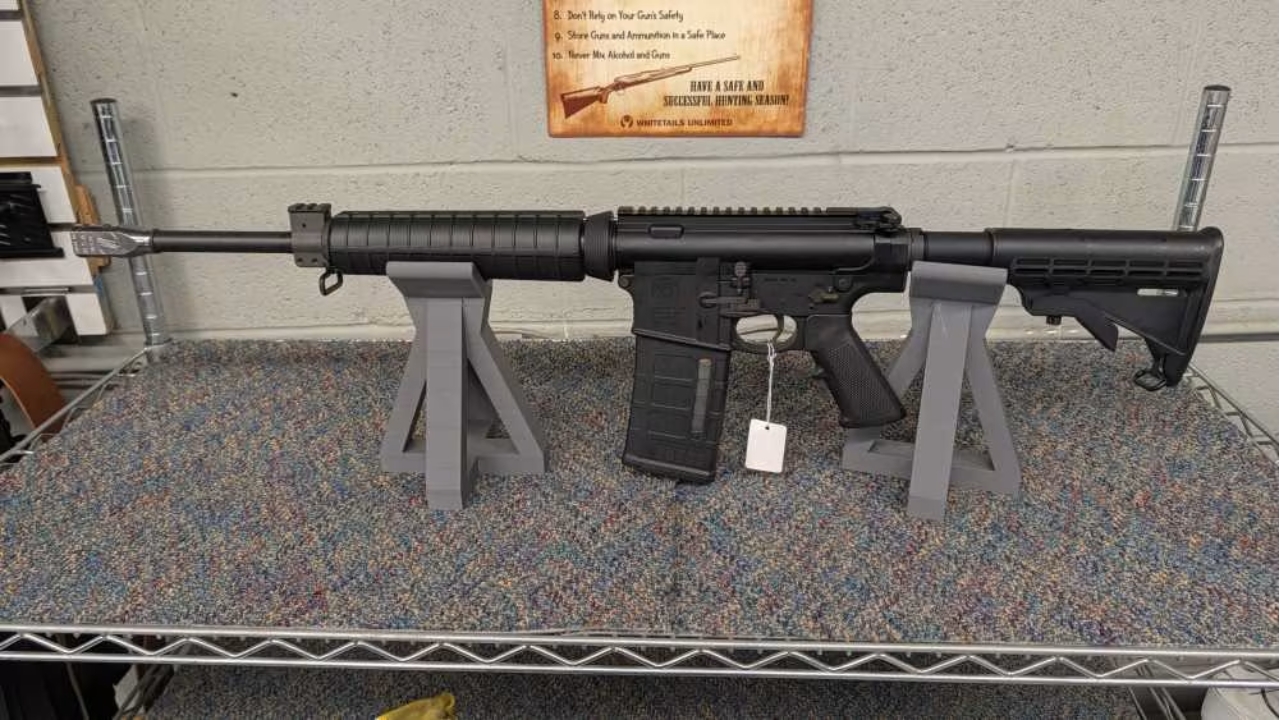
The early M&P10 rifles were generally dependable and offered good value, but some configurations were frustratingly basic for a large-frame rifle. Slick handguards, ordinary triggers, and minimal furniture gave buyers plenty of reasons to start modifying the gun.
The complication is that the M&P10 also uses enough proprietary dimensions and components that you cannot always treat it like a generic DPMS-pattern rifle. That makes upgrades less carefree than they are on an AR-15. Newer buyers have far more refined options now. Unless an older M&P10 is priced very attractively, I would rather start with a platform that already has the configuration I want.
Armalite AR-10B
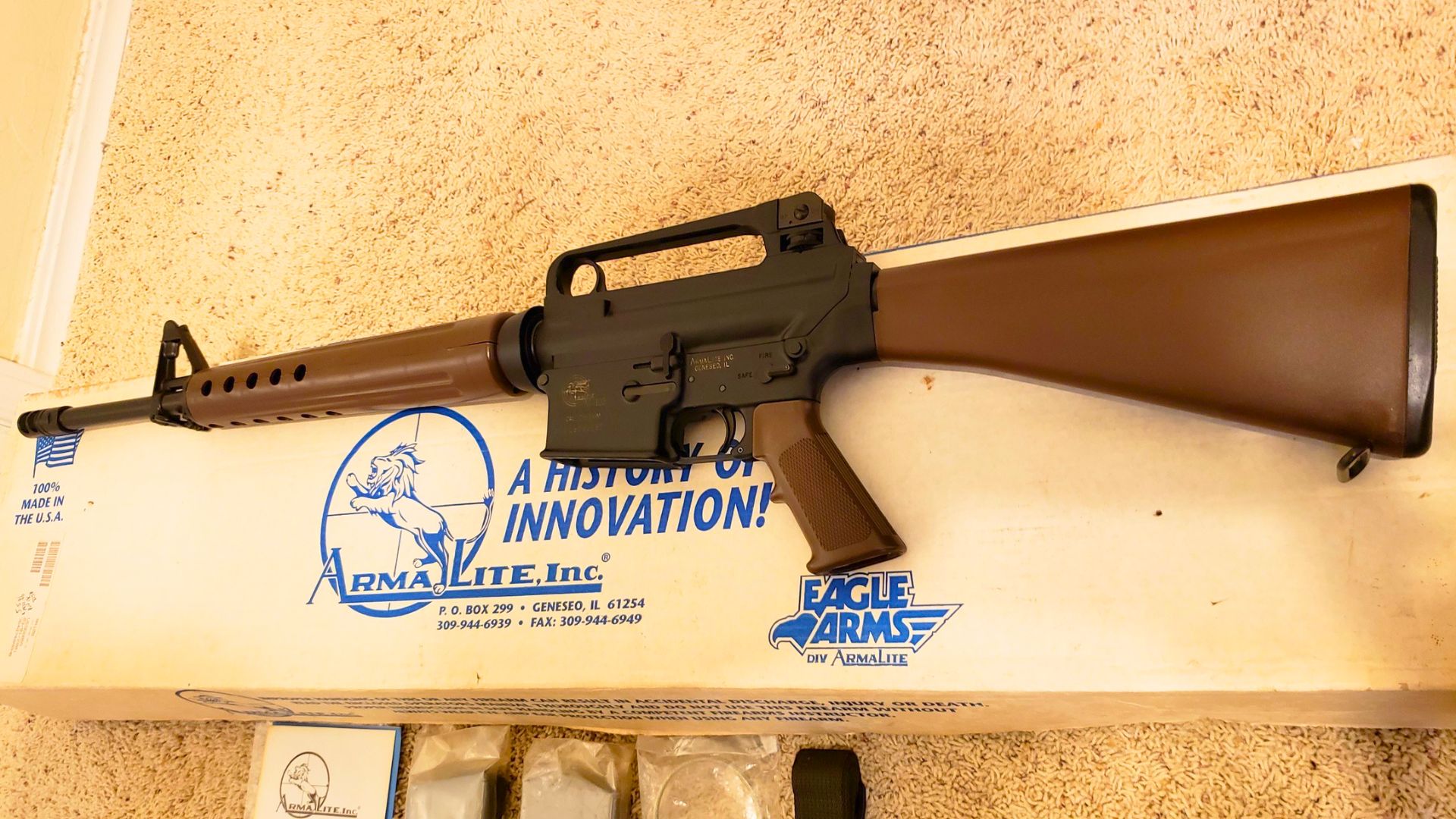
The AR-10B is historically important and mechanically capable, but it comes from an earlier era of large-frame AR development. The biggest issue is the magazine and parts ecosystem compared with today’s more common patterns.
That can turn an otherwise excellent rifle into a compatibility headache. When most of the market has moved toward one magazine standard, deliberately choosing a platform outside that standard only makes sense if you have a strong reason. For a collector or longtime Armalite fan, the AR-10B has plenty of appeal. For someone buying their first .308 AR, I would choose something easier to support.
Colt LE901-16S
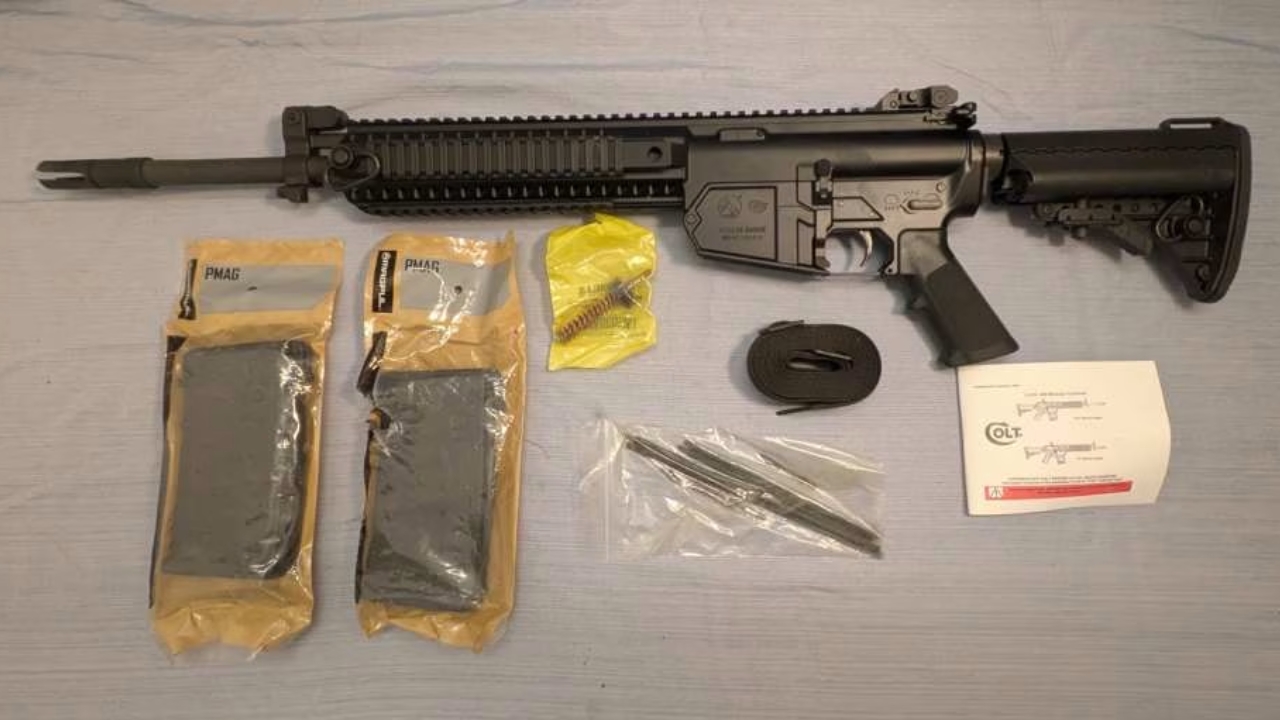
The LE901 is one of the more ambitious rifles Colt ever produced. Its modular receiver concept allowed the rifle to be adapted between large-frame and smaller AR configurations, which sounded extremely clever.
In practice, the design created a heavy and proprietary system that never gained enough market support to become a true standard. That leaves owners with an unusual rifle that is fascinating but difficult to treat like an ordinary AR. If you enjoy rare Colt designs, the LE901 is interesting. If you simply want a .308 semiauto that is easy to maintain, configure, and support for decades, it creates more problems than it solves.
POF P308
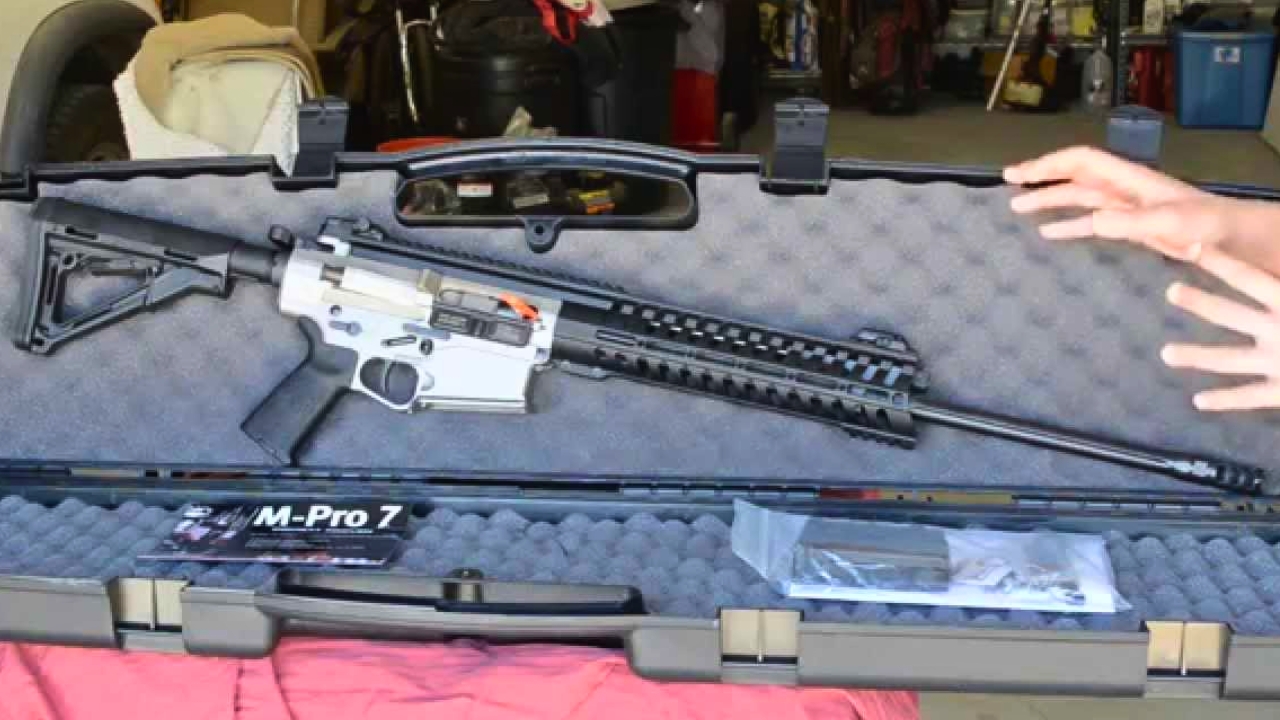
FunwiththeGun/YouTube
The POF P308 has a strong piston system, substantial construction, and a long reputation as a premium large-frame AR. It is also packed with proprietary engineering.
That engineering is exactly what gives me pause. The rifle is heavy, expensive, and mechanically more complicated than a basic direct-impingement .308. When everything works, it feels impressive. If you ever need specialized parts or service, however, you are much more dependent on the manufacturer. For a rifle this expensive, I would rather have either a lighter conventional AR-pattern gun or a completely different premium .308 platform.
POF Revolution DI
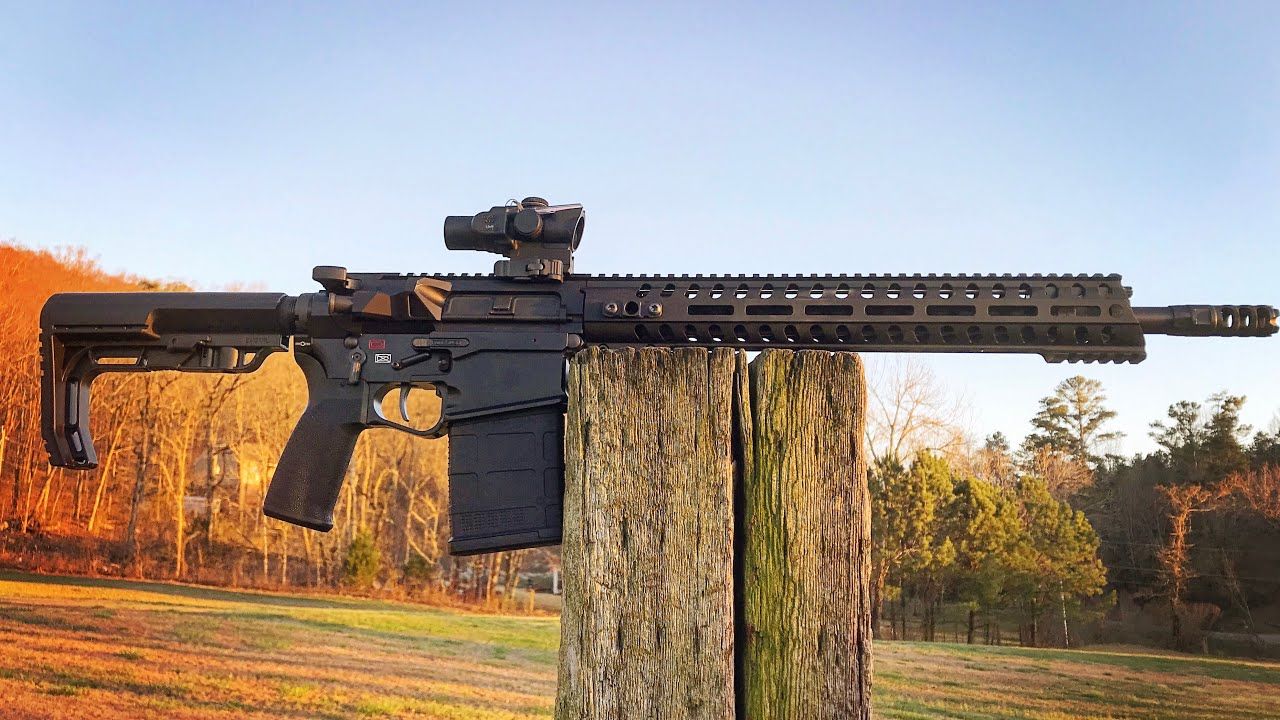
The Revolution DI is clever because it squeezes .308 capability into a platform closer in size to an AR-15. That makes the rifle lighter and handier than many traditional large-frame guns.
The tradeoff is that you are buying a highly specialized design. The compact receiver set and unique internal components are what make the rifle possible, but they also reduce compatibility. I can appreciate the engineering while still questioning whether I want my .308 rifle built around a parts ecosystem that only one manufacturer really controls. If portability is your top priority, it makes sense. If long-term simplicity matters more, I would choose something more conventional.
Aero Precision M5 Build With Mixed Parts
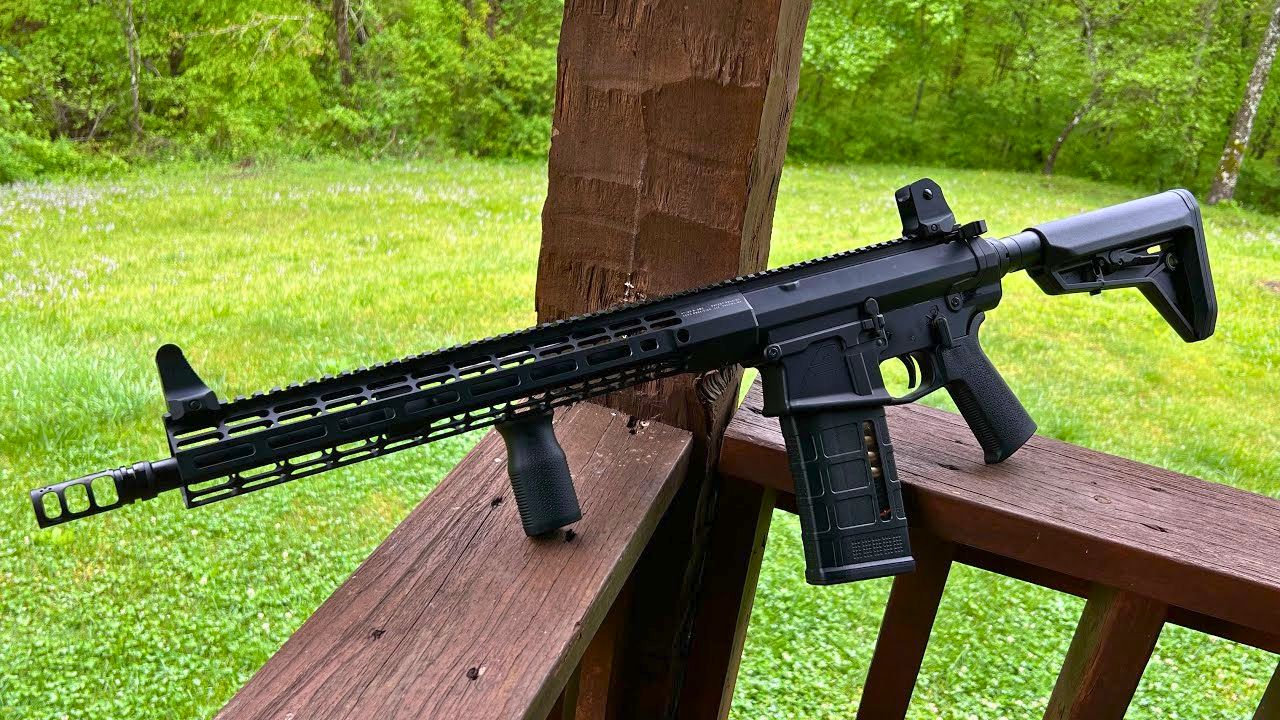
The Aero M5 itself is not the problem. It is one of the more popular large-frame receiver sets precisely because it offers decent compatibility and broad support.
The trouble starts when people treat a large-frame build like an AR-15 Lego set and mix barrels, bolts, gas systems, buffers, and receiver parts from several manufacturers. The result can be over-gassed, under-gassed, improperly buffered, or just difficult to diagnose. I would happily own a properly assembled M5. I would be much more cautious about buying somebody else’s home-built example unless I knew exactly what parts were inside it and how well it had been tested.
Palmetto State Armory PA-10 Early Generations

The PA-10 helped bring .308 AR pricing down dramatically, and later versions have improved substantially. Early generations, however, developed a reputation for making owners learn about buffer lengths, gas systems, and proprietary compatibility whether they wanted to or not.
That is the sort of rifle I would only buy used if the price were extremely attractive and I could verify exactly what generation and configuration I was looking at. A budget .308 stops being a bargain quickly if you spend weekends diagnosing cycling problems. The newer the PA-10, the better the proposition. The early rifles are where I would be much more cautious.
Diamondback DB10 Early Models
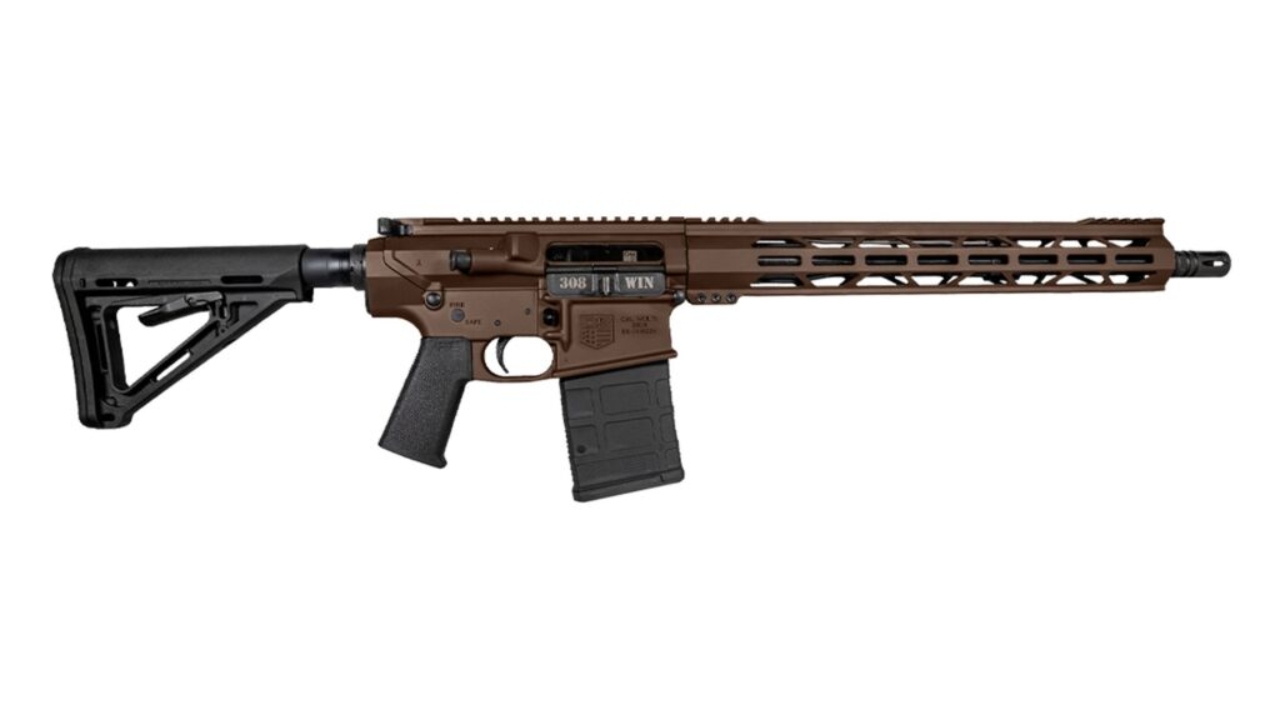
The DB10 gained attention because it offered aggressive pricing and a wide selection of configurations. For buyers wanting a large-frame AR without premium pricing, that was attractive.
The problem is inconsistency across generations and configurations. Older examples may differ enough in parts and specifications that buying used requires more research than I want to do for a straightforward .308 rifle. Some owners have perfectly good rifles, but I would rather buy a platform with a clearer long-term parts path and a larger base of standardized support.
CMMG Mk3 Older Configurations
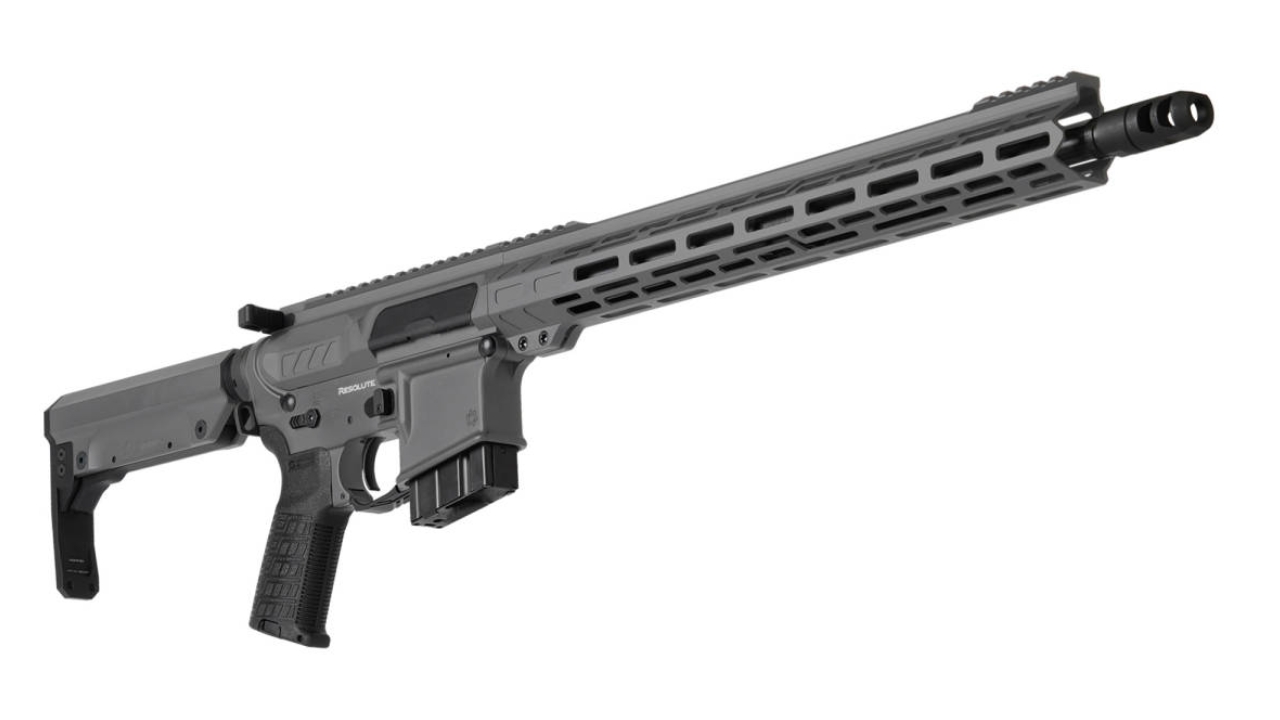
CMMG has built a lot of clever AR-pattern rifles, and the Mk3 large-frame guns offered solid features and good quality. The older configurations, however, can leave buyers dealing with discontinued handguards, older receiver patterns, and manufacturer-specific components.
That does not make them unreliable. It simply reduces the advantage of buying an AR. If the rifle is going to behave like a semi-proprietary platform anyway, I want a compelling reason to choose it over something with broader aftermarket support. Unless the used price is excellent, I would spend my money on a current platform that is easier to keep supported.
LWRC REPR MKI

The first-generation REPR is a serious rifle with a premium piston system and excellent construction. It was built for hard use and feels every bit as substantial as the price suggests.
It also feels substantial on the scale. The combination of .308 components, piston hardware, rails, and heavy construction can turn the rifle into something you would rather shoot from support than carry through the woods. Newer premium rifles have become much better at delivering .308 capability without so much mass. The REPR MKI is impressive, but for my money, the weight and proprietary complexity are hard to justify now.
HK MR762A1

The MR762A1 is extraordinarily well built. The short-stroke piston system, machining, barrel quality, and overall durability are exactly what you would expect from HK.
The issue is that you pay enormously for those strengths while giving up much of the modular freedom that makes an AR attractive. The rifle is heavy, expensive, and loaded with proprietary components. It makes sense for someone who specifically wants HK’s engineering and does not care about price. For a hunter or recreational shooter who simply wants a reliable .308 semiautomatic, there are dramatically less expensive ways to get there.
Daniel Defense DD5 V1

The DD5 series has evolved considerably, and later versions are much more refined. The early V1 rifles, however, had a proprietary design and arrived at a premium price during a period when the large-frame AR market was still sorting itself out.
That makes older V1 examples less attractive to me today. I would rather have the later refinements or spend the money on another current-production rifle with a broader support path. A premium rifle should make ownership easier, not leave you researching which generation of proprietary parts your gun uses.
DPMS GII
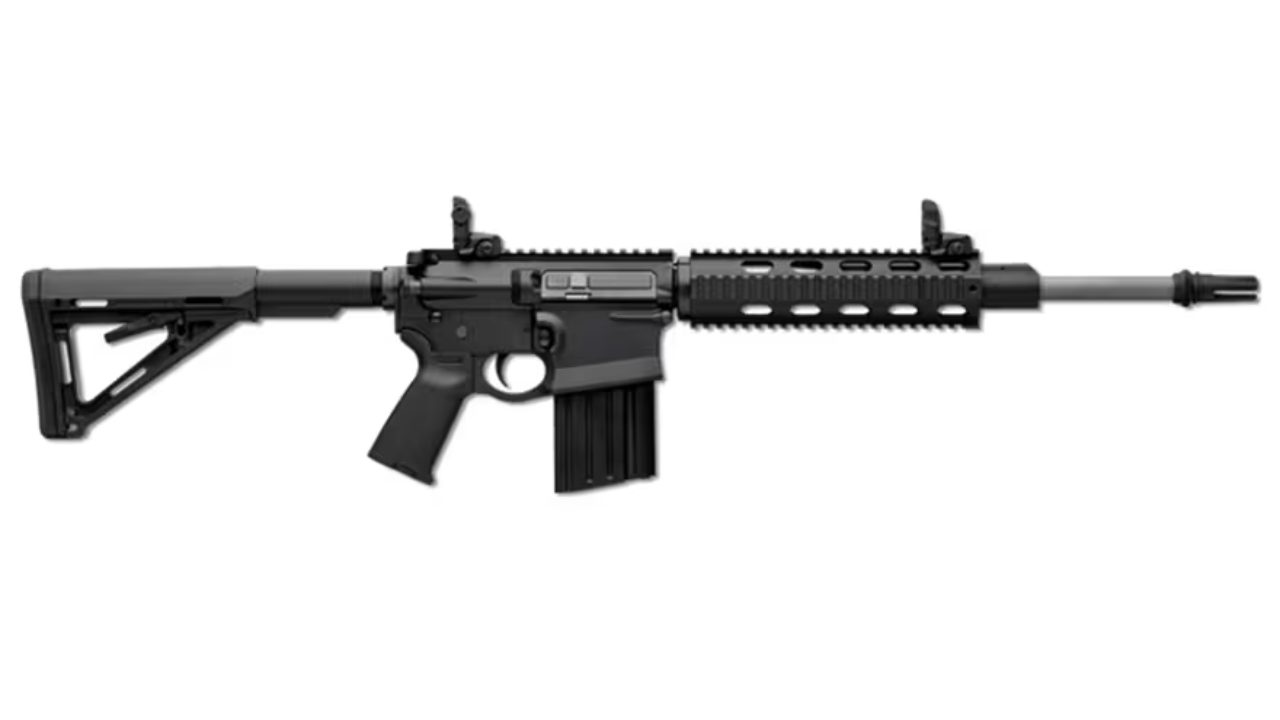
The GII was genuinely interesting because DPMS reduced the size and weight of the traditional .308 AR platform. It pointed toward the smaller large-frame rifles that became more common later.
The problem is that the platform disappeared before it could become a lasting standard. Its unique bolt, receiver dimensions, and other specialized components now create exactly the situation I try to avoid: a clever discontinued design with limited long-term parts support. The rifle can be light and pleasant to shoot, but I would not want my primary .308 semiauto depending on a dead architecture.
Remington R-25
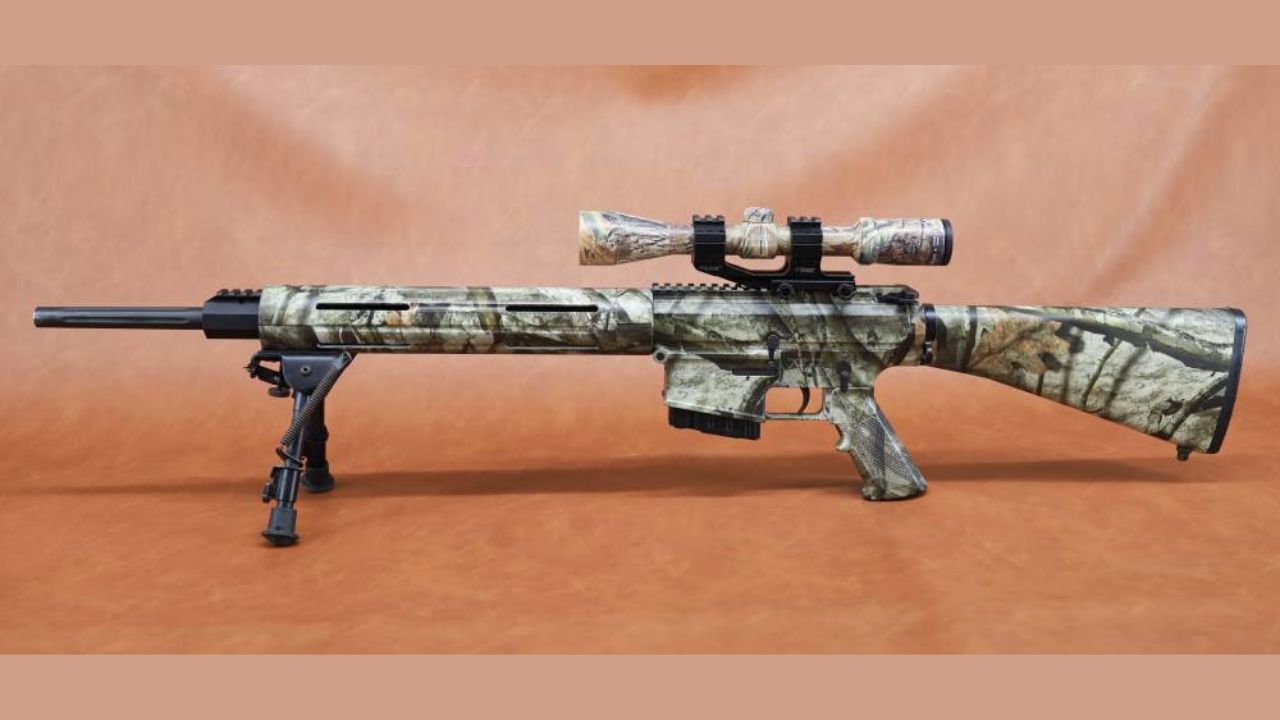
The R-25 was marketed heavily toward hunters who wanted AR performance in traditional hunting chamberings and camouflage finishes. Mechanically, it came from the DPMS large-frame family, so the basic concept was sound.
What makes me cautious today is that Remington’s original version is discontinued, configurations vary, and many used examples have spent years being modified. That means a used R-25 can be anything from a perfectly sorted hunting rifle to somebody else’s half-finished project. Unless the price is excellent and the rifle is obviously original and functioning properly, I would rather buy a current-production .308 AR with easier factory support.
Windham Weaponry SRC-308
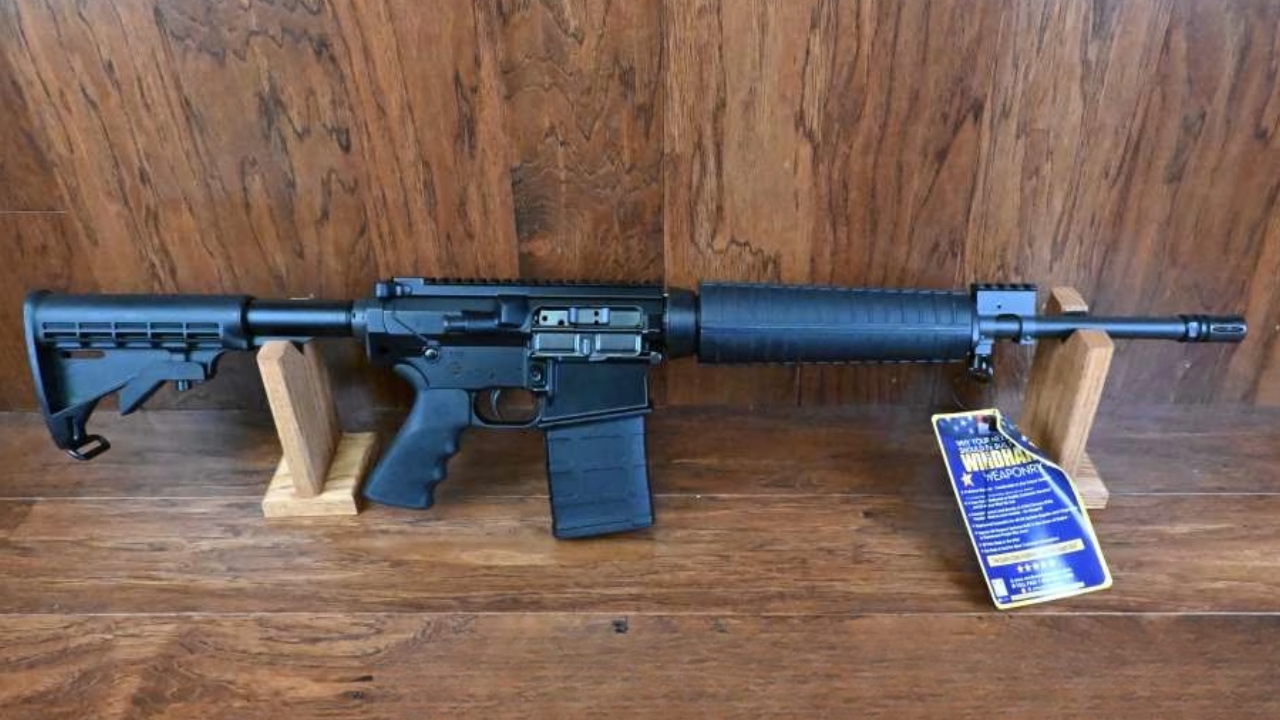
Windham produced respectable rifles, and the SRC-308 gave buyers a straightforward large-frame configuration without a lot of unnecessary decoration.
The issue today is support and market position. With the original company having gone through major business changes, I would be reluctant to buy a proprietary large-frame rifle unless I knew replacement parts were readily available. There are too many current .308 ARs with active factory support to intentionally make long-term ownership harder. A good used example may run perfectly, but I would need a very good price before taking that gamble.
Like The Avid Outdoorsman’s content? Subscribe to our newsletter so you never miss an article.
Here’s more from us: