Photo credit: Blaser
There are very few hunting rifles that are completely useless. Put a decent bullet in the right place and even an inexpensive rifle can fill a freezer. That does not mean every rifle is a smart place to spend your money. Some cost far more than the performance improvement justifies, while others saddle you with weight, complexity, oddball features, or compromises that make sense only for a very specific type of hunt.
That is how I am looking at this list. I am not saying these rifles cannot shoot, and several are objectively excellent. I am saying that if the money were coming out of my pocket, I would have a hard time choosing them over alternatives that accomplish the same hunting job for less money or with fewer headaches. These 20 would make me stop and think before I handed over my card.
Savage 110 KLYM V2
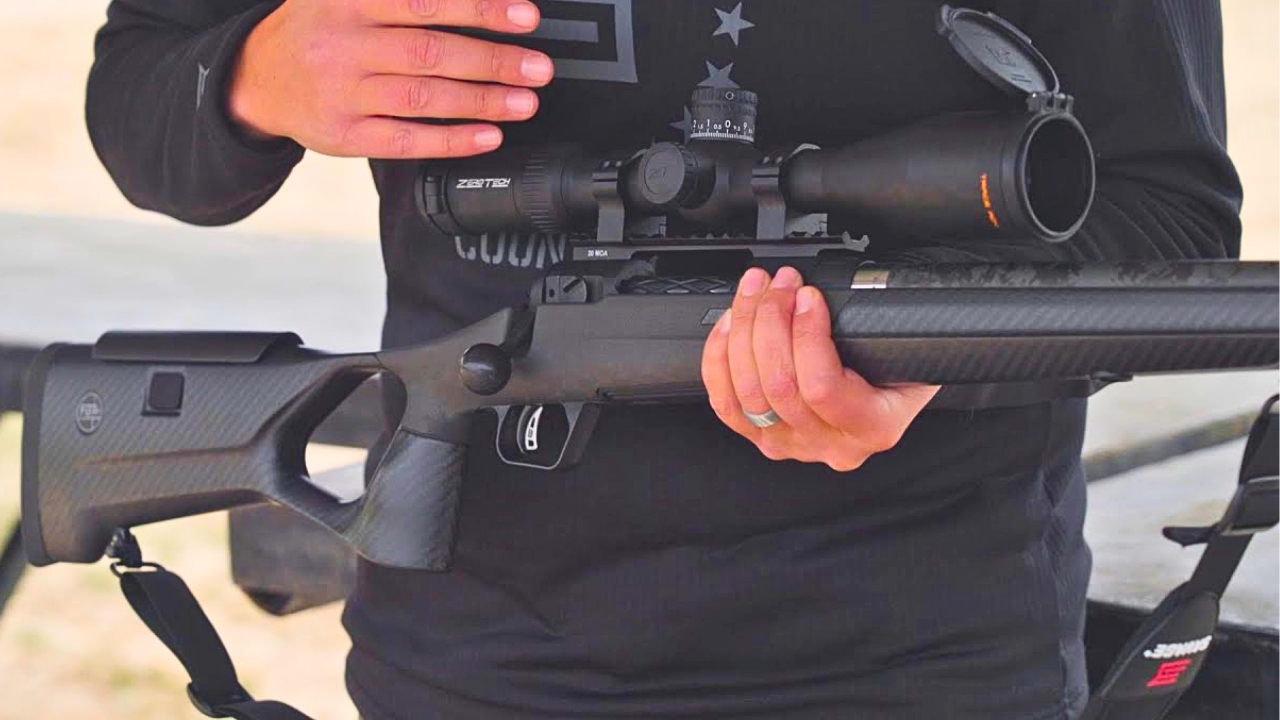
The 110 KLYM V2 is exactly the kind of rifle that makes sense on paper for a serious mountain hunter. Savage uses a carbon-fiber stock and carbon-wrapped barrel to cut weight, and the 2026 version is offered in serious western cartridges including 6.8 Western and 7mm Backcountry. The problem for me is the price. Savage lists the V2 around the $3,000 mark depending on chambering.
At that level, I start becoming extremely picky. The regular Model 110 action works, but I do not personally want to spend custom-rifle money around that foundation simply to save weight. If I were routinely climbing steep western country, I could understand the appeal. For normal deer hunting, though, I would rather spend substantially less on the rifle and put the difference into optics, ammunition, and hunting trips.
Browning X-Bolt 2 Pro McMillan SPR Carbon Fiber
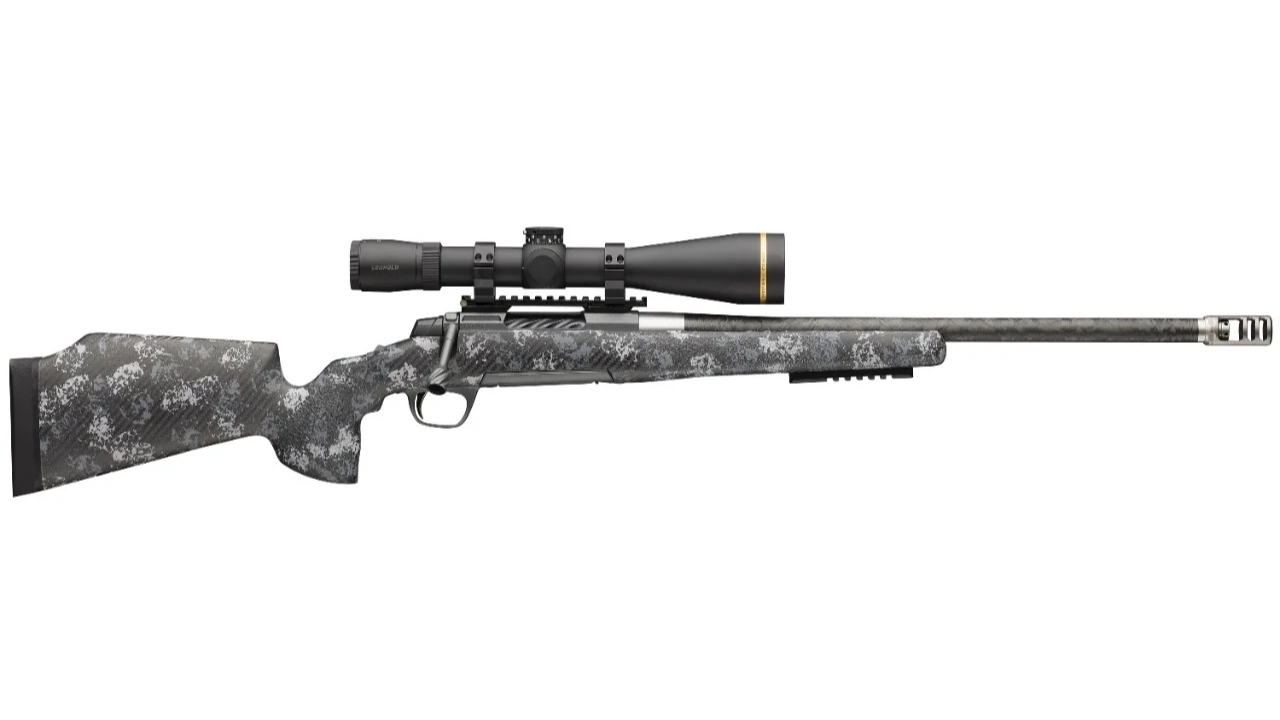
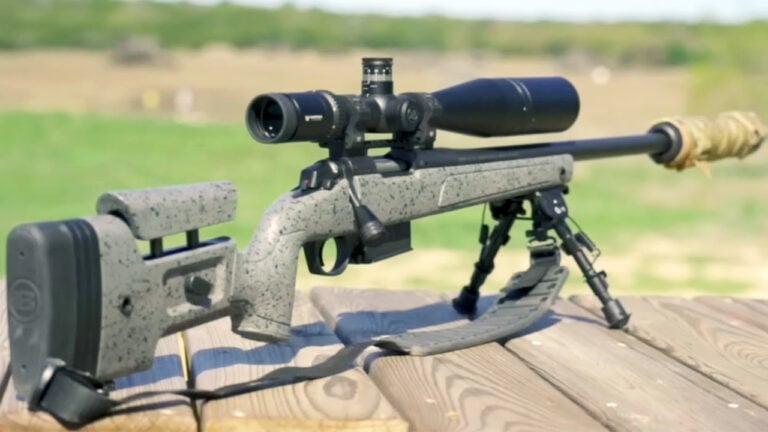
There is a lot to like here. Browning combines the X-Bolt 2 action with a McMillan carbon-fiber stock and carbon-wrapped barrel, creating a rifle clearly designed around precision and serious long-range hunting. Browning has also demonstrated the model in magnum chamberings and at extended distances, so this is not just an expensive rifle built to sit in a safe.
My hesitation is value. Once a hunting rifle gets this elaborate, I start asking how much of that capability I would actually use on a whitetail hunt where the shot may be 80 yards. It is impressive equipment, but most hunters can get outstanding accuracy and reliability without paying for a McMillan stock and carbon barrel. I would rather own a less extravagant X-Bolt and spend the savings elsewhere.
Gunwerks ClymR GOAT
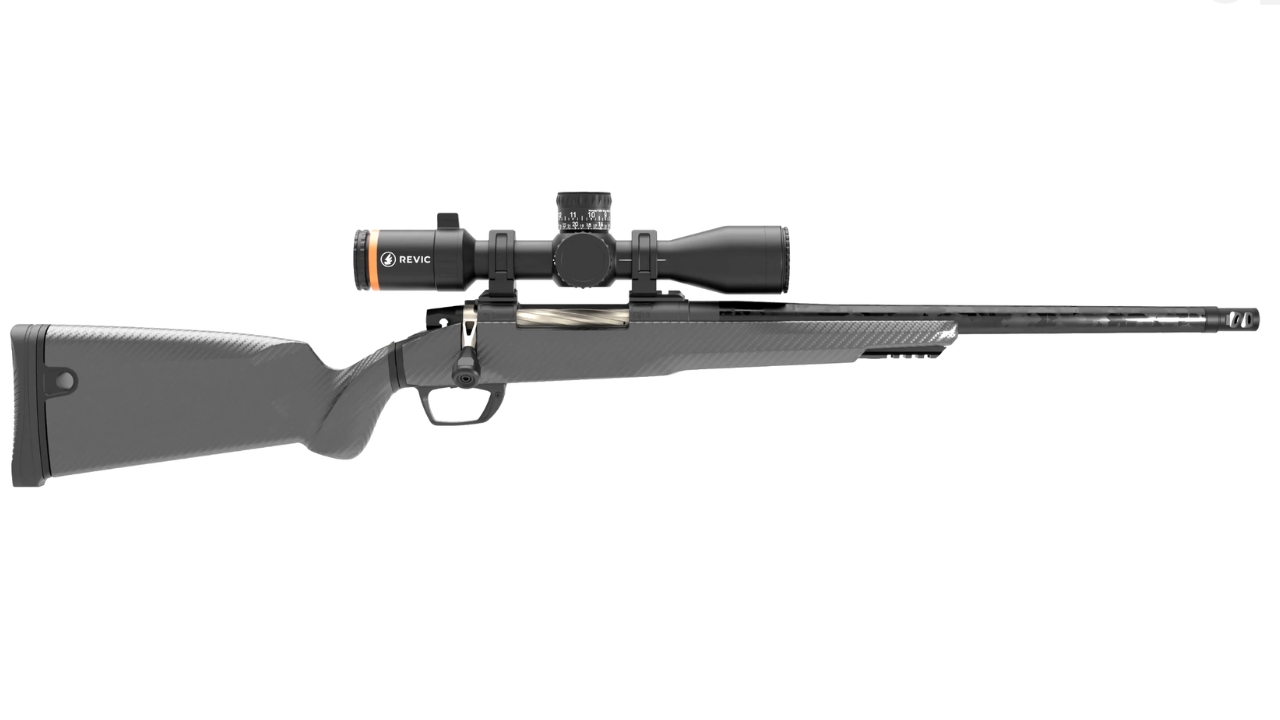
The ClymR GOAT is a fascinating mountain-rifle system. Gunwerks integrated a titanium folding hinge into the ClymR concept specifically to make the rifle easier to pack through difficult alpine terrain. That is serious engineering aimed at hunters who genuinely face steep climbs, tight timber, scree, and long approaches.
I am just not that hunter often enough to justify it. The further a rifle moves toward a specialized backcountry system, the more money you pay to solve problems that may never show up on an ordinary hunt. For a sheep hunter who spends days carrying a rifle through brutal terrain, the GOAT could be exactly right. For my money, I would rather have a straightforward, accurate bolt rifle that costs a fraction as much and does not require a specialized mountain hunt to justify owning it.
Springfield Armory Model 2020 Boundary

Springfield put serious components into the Boundary. Depending on configuration, you get a carbon-fiber stock, premium barrel options, TriggerTech trigger, and a factory .75-MOA guarantee with qualifying ammunition. Springfield introduced it with an MSRP range running above $2,000 and up toward $2,600 depending on configuration.
That is where I lose interest. There are plenty of excellent hunting rifles around the $1,000 to $1,500 mark that will shoot far better than most hunters can exploit from a tree stand, blind, or field position. The Boundary may absolutely outperform them from a bench. I just do not know that the difference matters enough in the woods. If I were building a dedicated long-range hunting setup, I would consider it. For ordinary hunting, I would spend less.
PROOF Research Elevation MTR 2.0
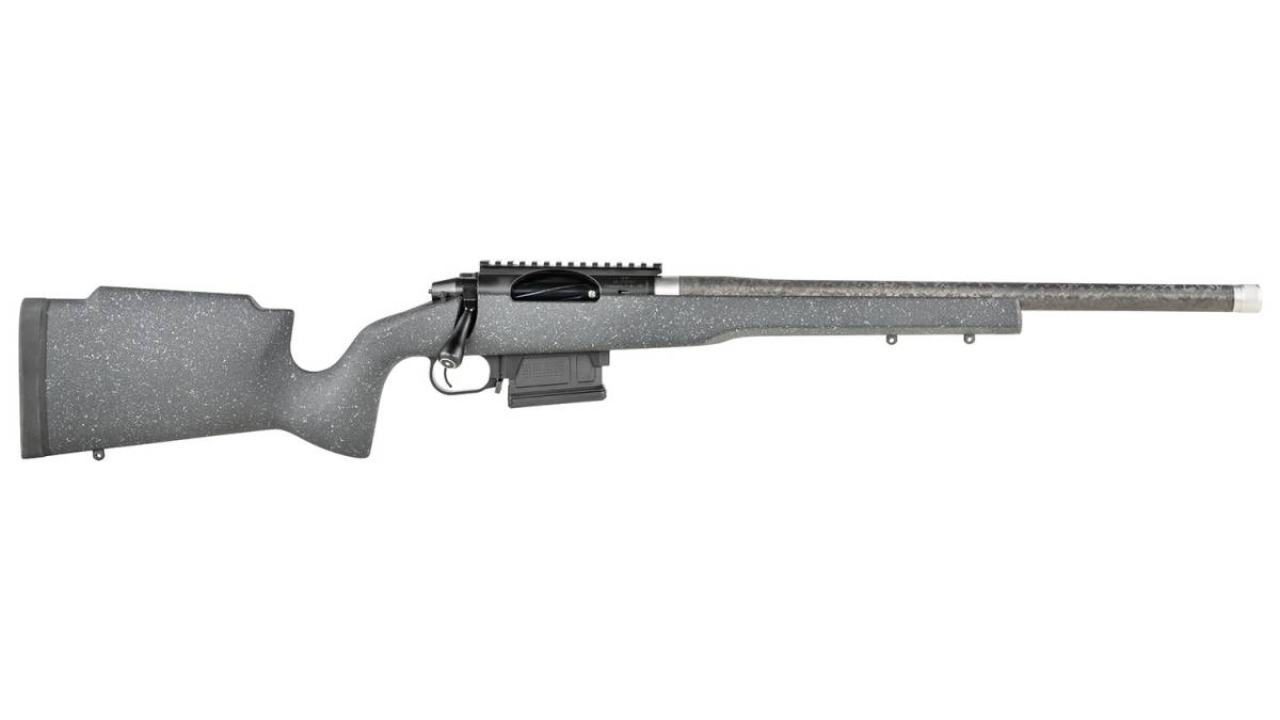
PROOF knows how to build excellent carbon barrels, and the Elevation MTR concept combines hunting weight with a more precision-oriented stock and action setup. The current PROOF lineup continues to include the Elevation MTR family alongside its other premium hunting rifles.
My issue is that I do not really need a hybrid tactical hunting rifle for most hunting. A raised comb and more vertical grip can be excellent from prone or supported positions, but they also push the rifle toward a precision-rifle personality that I may not want when climbing into a stand or carrying through timber. PROOF builds legitimate premium equipment. I just think this is the kind of gun where I would be paying heavily for capability that would spend most of its life unused.
Bergara Premier Mountain 2.0

The Premier Mountain 2.0 is a serious rifle with a carbon stock, stainless action components, quality barrel, and a configuration designed to keep weight relatively low. Bergara offers it in useful hunting chamberings running from .308 Winchester through magnum options.
I would still struggle to spend the money because Bergara itself offers rifles farther down the price ladder that are already extremely capable. That is the problem premium versions of good platforms sometimes face. When the company’s cheaper rifles already shoot extremely well, paying significantly more becomes harder to rationalize. I like the Mountain 2.0. I simply think most hunters would be better served buying a less expensive Bergara and putting a really good scope on top of it.
Winchester SXR2

The SXR2 is an interesting semiautomatic hunting rifle. Winchester uses a gas-operated system with a rotating bolt, detachable magazine, and traditional hunting-stock layout. It is built around quick follow-up shots and reduced felt recoil rather than tactical styling.
For me, though, the semiautomatic action adds more than I need. A conventional bolt rifle is lighter mechanically, easier to inspect, and generally less complicated to keep running over decades. I rarely need an immediate second shot badly enough to make the autoloading system worthwhile. The SXR2 could be excellent for driven game or hunters who strongly prefer semiautos. For ordinary deer hunting, I would take a quality bolt gun and never feel like I was missing much.
Savage Impulse Core Hunter

The Impulse is Savage’s answer to hunters who want straight-pull speed without buying one of the expensive European systems. Savage continues developing the Impulse line, including newer Core Hunter configurations built around the company’s straight-pull action.
I like the concept more than I like the argument for buying one. A straight pull lets you cycle the action quickly, but I have never found a conventional bolt action meaningfully slow for normal hunting. The additional mechanical complexity therefore solves a problem I rarely have. If I were shooting driven game regularly, I could see it. For deer in a blind, stand, or western spot-and-stalk setting, I would rather own a simpler rifle with fewer unusual components and a longer track record.
Christensen Arms Evoke

The Evoke may sound like an odd rifle to criticize because Christensen designed it specifically as a more accessible hunting rifle. It uses a stainless barrel, TriggerTech trigger, threaded muzzle, and carries a sub-MOA accuracy guarantee. Christensen has positioned the base platform well below its expensive carbon-rifle offerings.
My hesitation is not that the Evoke looks bad. It is that this price range is brutally competitive. Once you get into ordinary production hunting-rifle money, proven options are everywhere, and I am not sure the Christensen name alone would pull me away from rifles with longer personal track records. The Evoke might turn out to be excellent. If I were spending my own money today, I would probably let other hunters put several seasons on the platform first.
Mauser 25 Max
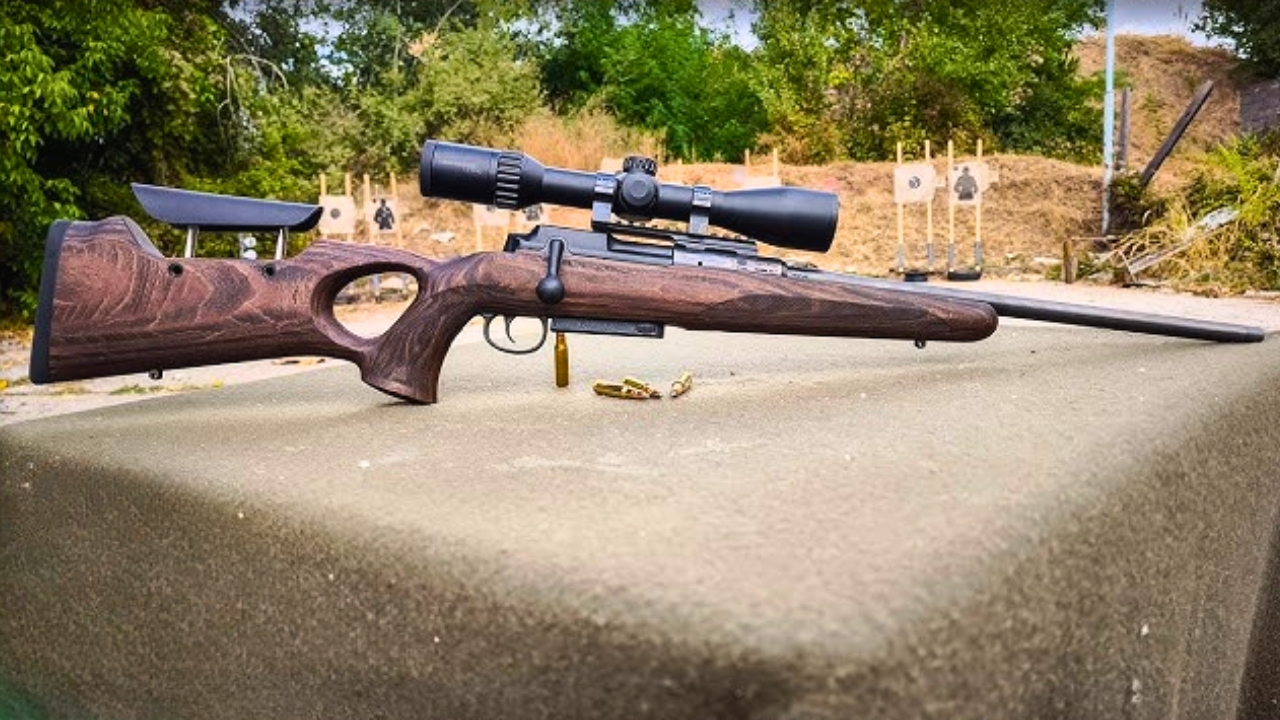
The Mauser 25 is a modern straight-pull hunting rifle, and the Max configuration uses an ergonomic laminated stock. Mauser is clearly positioning the platform as a fast, modern hunting system rather than another conventional bolt gun.
Again, I come back to whether I actually need straight-pull speed. It is cool. It is mechanically interesting. It could be excellent on driven hunts where follow-up shots happen quickly. But for the type of deer hunting most Americans do, a conventional bolt action already works extremely well. I would rather put my money into better glass, ammunition, or a proven rifle I can find parts and support for easily. Interesting engineering alone is not enough to get my wallet open.
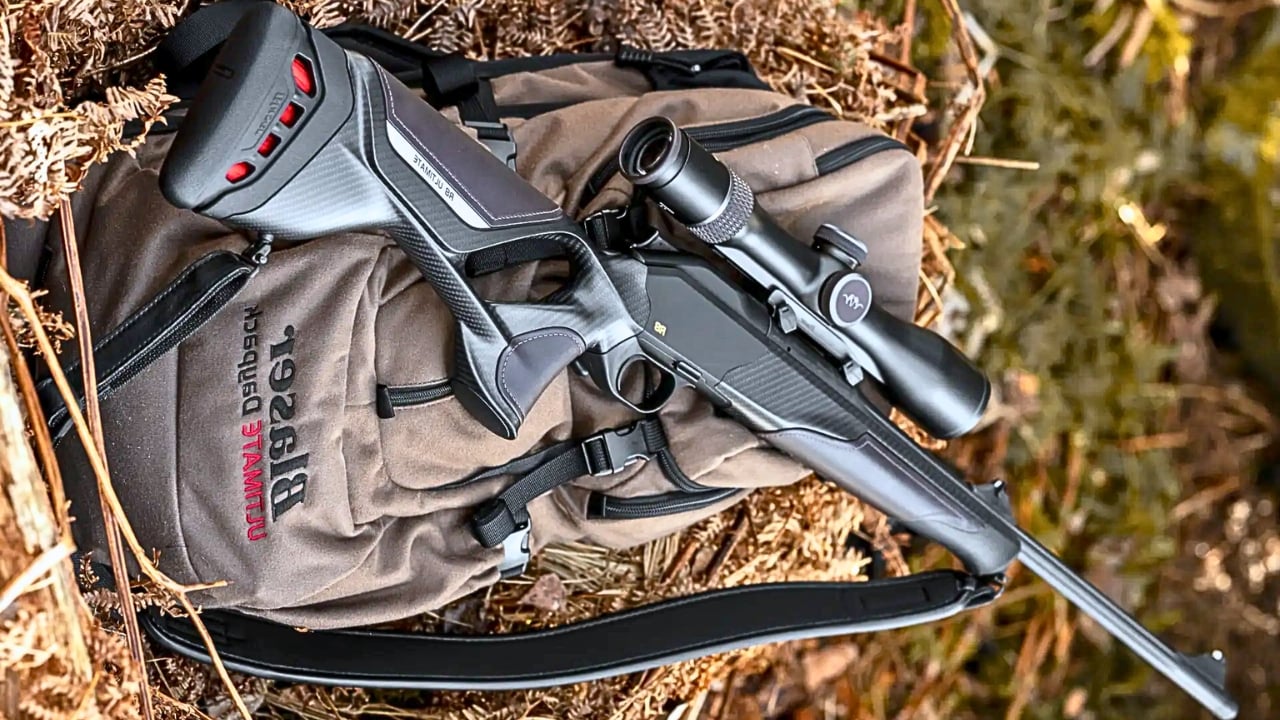
Blaser R8 Ultimate Carbon
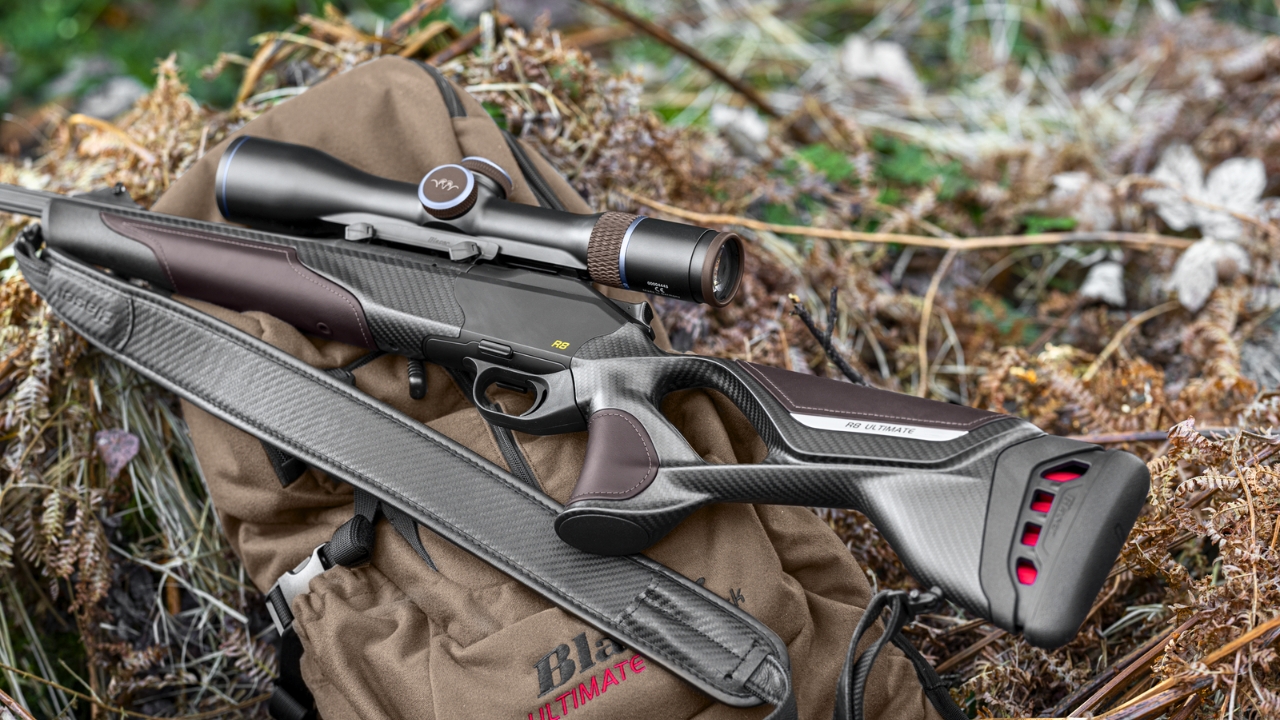
The R8 is an extraordinary rifle system, and the Ultimate Carbon versions take the concept even farther with premium carbon construction and extensive customization. Blaser even offers highly elaborate CustomTec versions with premium finishes and materials.
It is also far beyond what I need to kill a deer. The modularity, straight-pull action, and premium construction are impressive, but this is where a hunting rifle starts becoming a luxury object as much as a tool. There is nothing wrong with wanting that. I just would not pretend it is necessary. For the cost of a heavily configured R8 system, I could assemble multiple excellent hunting rifles with quality optics and still have money left for ammunition.
Sauer 505
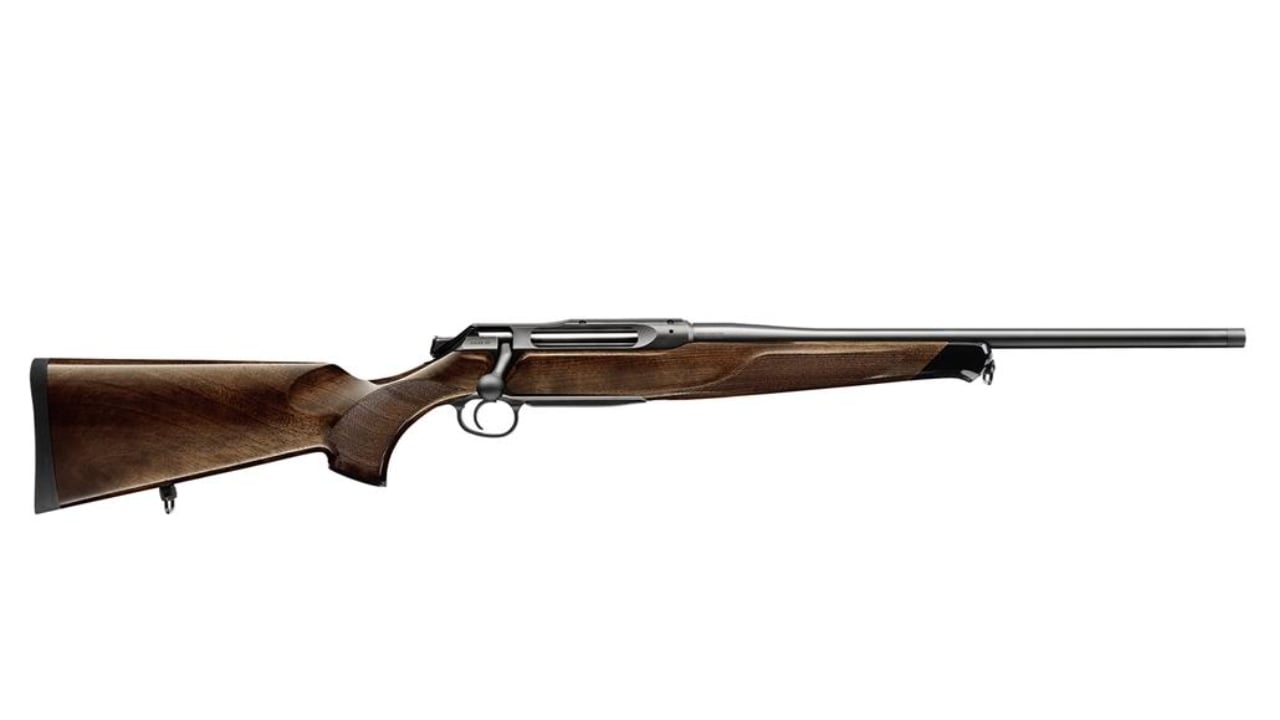
The Sauer 505 is another premium European rifle that makes an excellent case for itself through engineering. The action is refined, the trigger system is excellent, and the modular design appeals to hunters who want one rifle system that can cover multiple chamberings.
My problem is that I would almost certainly never use enough of that flexibility to justify what I was paying for. Most hunters settle on one or two cartridges and leave their rifles configured that way for years. At that point, a modular premium system starts looking like a very expensive solution to a problem I do not have. I respect the 505. I would just rather buy two excellent conventional rifles than spend heavily making one rifle capable of becoming both.
Beretta BRX1

The BRX1 is another straight-pull rifle aimed at hunters who want fast cycling and European-style modularity. The design is clever, and Beretta’s name gives it credibility that some newer rifle concepts lack.
But the same issue keeps coming up for me: speed is not the limiting factor on most of my hunting shots. If I miss a deer because I could not operate a normal bolt quickly enough, the action probably was not the real problem. I would rather have decades of familiarity, parts availability, and mechanical simplicity. The BRX1 is genuinely interesting, but interesting does not automatically translate into something I want to spend hunting-rifle money on.
Howa Hera H7

The Hera H7 setup gives the proven Howa action a chassis-style stock with more adjustment and a much more modern appearance. For shooting from bags, prone positions, or a bench, that sort of configuration can make a lot of sense.
As a hunting rifle, I think it becomes less convincing. Chassis-style stocks tend to add bulk and features that are useful during precision shooting but not necessarily helpful while carrying a rifle through brush. I would rather have a lighter conventional Howa hunting stock that shoulders quickly and does not snag on gear. The action is not my complaint here. I just would not spend extra money making a hunting rifle behave more like a precision rifle unless I actually needed the crossover capability.
Remington Model 710

The 710 was designed as an affordable package rifle, and that mission explains many of its compromises. It got hunters into a scoped centerfire rifle without requiring a big investment, and plenty of deer were undoubtedly taken with them.
I still would not spend my money on one today. The used market contains too many better rifles for similar money. The action never had the smooth, durable feel of Remington’s better bolt guns, and the overall construction was clearly driven by cost. When used rifles from better product lines are widely available, saving a small amount on a 710 makes very little sense to me. Cheap only works as a selling point when the alternative is actually expensive.
Remington Model 770

The 770 continued the inexpensive package-rifle idea and is capable of killing deer just fine. Accuracy from individual rifles can even be perfectly respectable, which is why some owners defend them strongly.
My issue is everything surrounding that accuracy. The bolt feel, stock, magazine setup, and general construction never made the rifle feel like something I would want to keep for decades. Hunting rifles tend to become sentimental objects. I would rather spend slightly more on something that feels worth hanging onto after the first few seasons. A rifle that merely shoots acceptably is not automatically good value if everything else constantly reminds you that it was built to hit a price point.
Mossberg 4×4
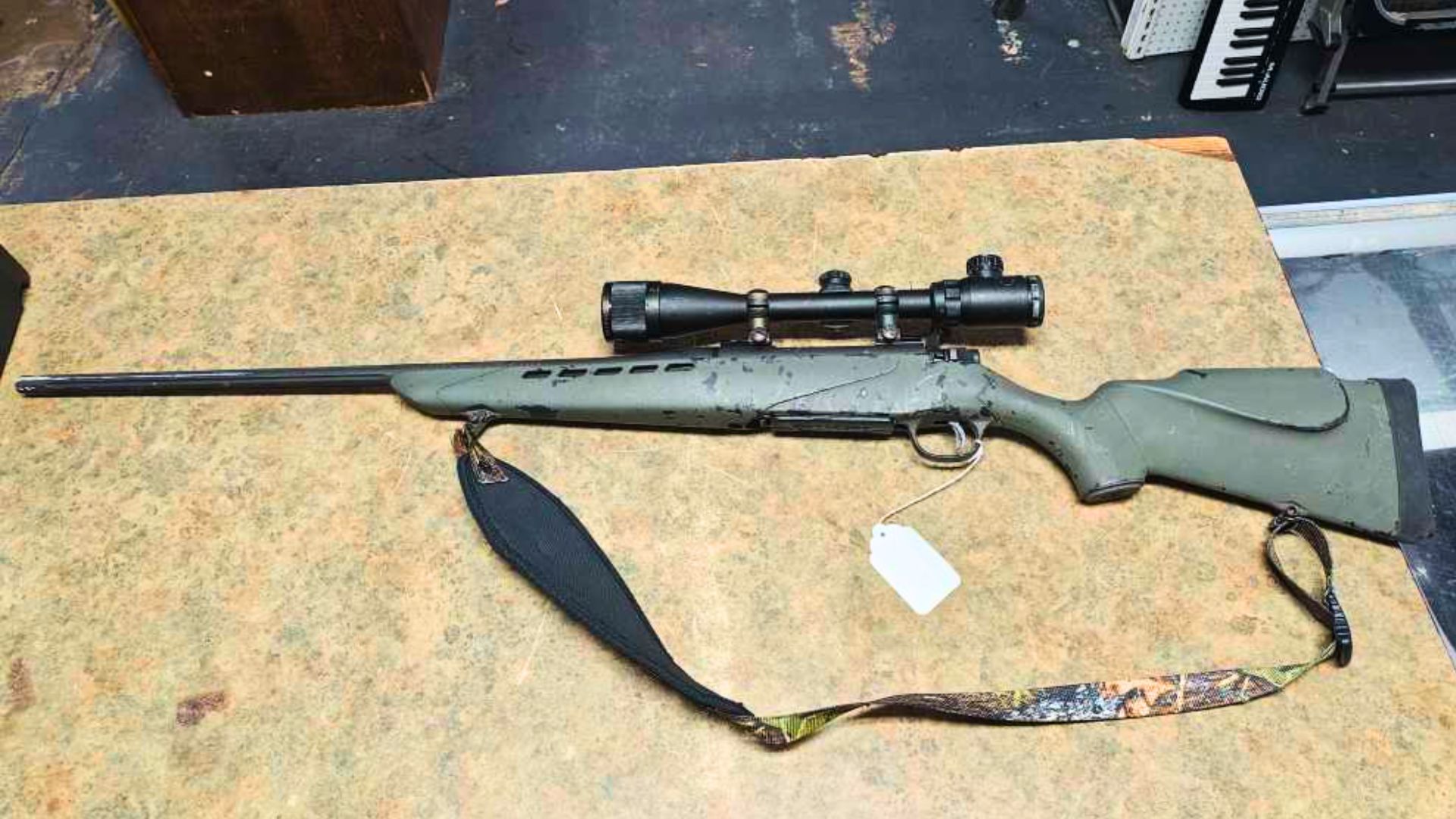
The Mossberg 4×4 tried to stand out in a crowded bolt-action market with distinctive stock designs and plenty of chambering options. Some examples shoot perfectly well, and there is nothing inherently wrong with using one to hunt.
I simply never thought the package was compelling enough to choose over the enormous number of competing bolt guns. Some of the stocks were bulky, the styling could be awkward, and the rifles never developed the sort of aftermarket or long-term following that makes used ownership especially appealing. When I am buying an older hunting rifle, I want either exceptional value or something distinctive enough to justify the trouble. The 4×4 generally does not give me enough of either.
Remington Model 700 EtronX
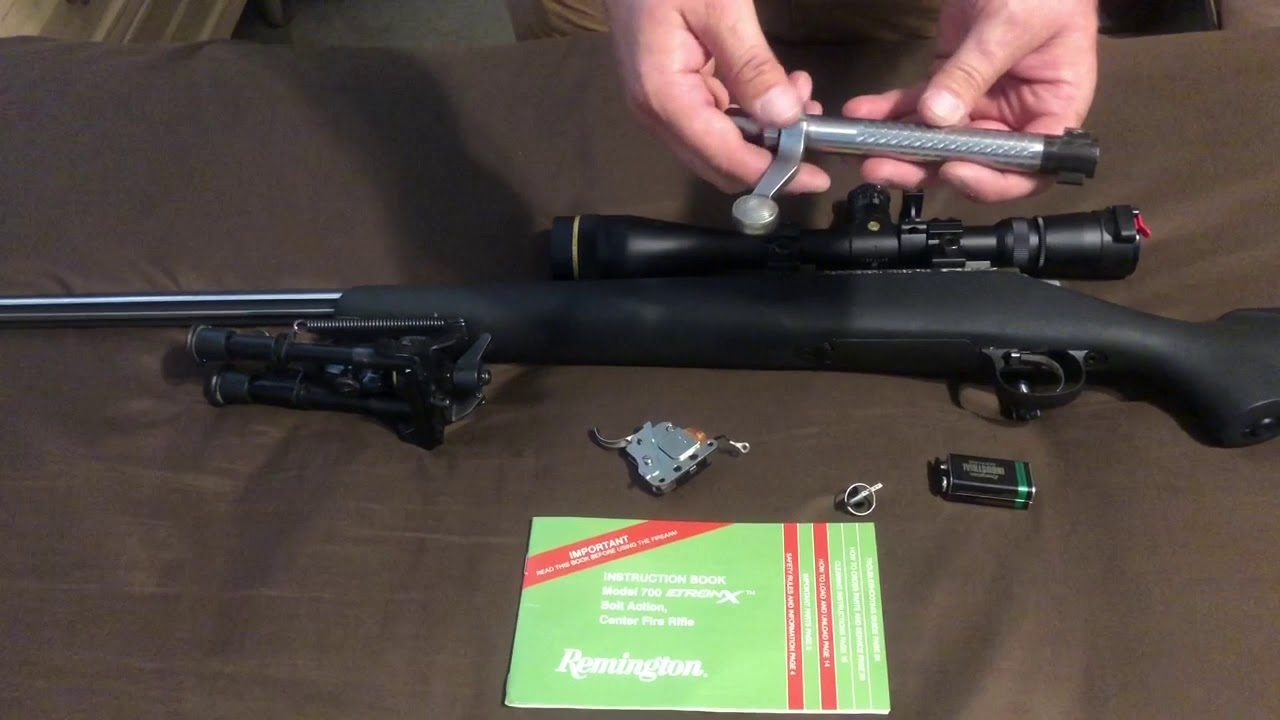
The EtronX is fascinating from a firearms-history perspective. Remington tried to replace the conventional firing system with an electronic ignition arrangement that used special ammunition. Lock time was dramatically reduced, and technologically it was an ambitious idea.
As something I would actually buy to hunt with, absolutely not. The rifle depends on ammunition and ignition technology that never became an industry standard. That turns what should be a basic hunting tool into a collectible curiosity with logistical baggage attached. I would happily look at one in somebody else’s collection, but I would not build a hunting season around ammunition that cannot simply be replaced at the nearest sporting-goods store.
Remington Model 673 Guide Rifle
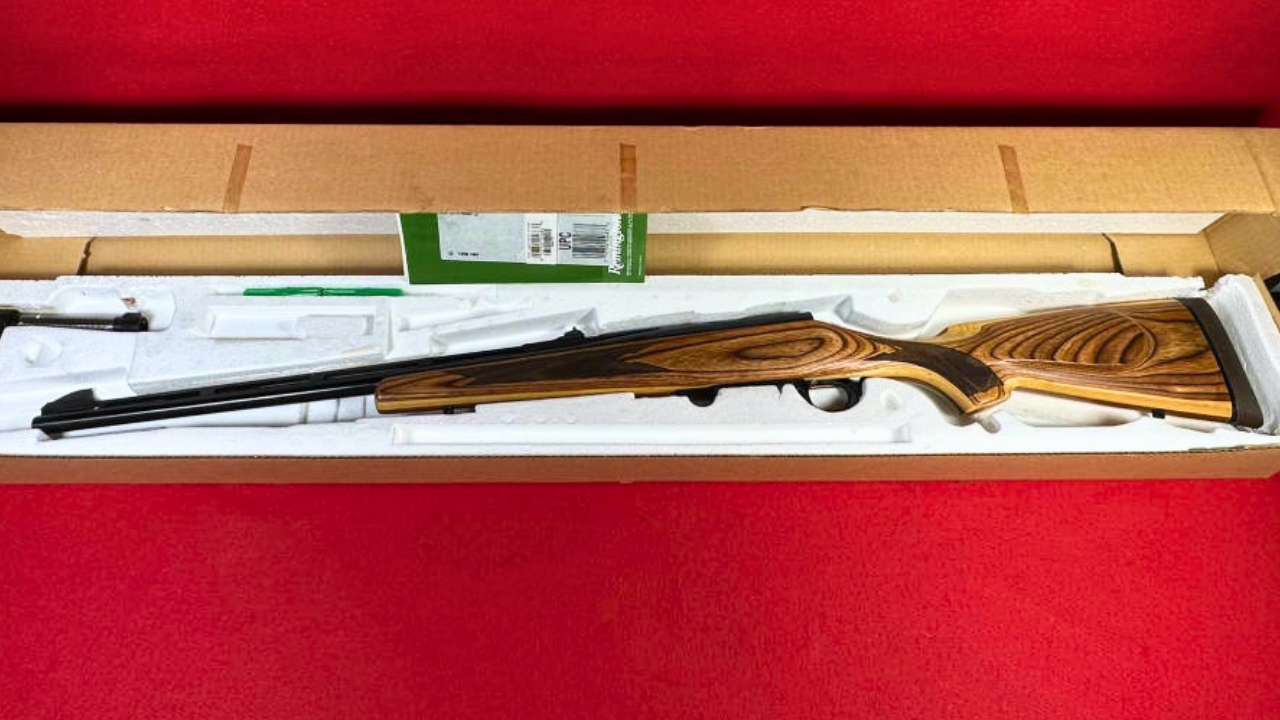
The Model 673 has plenty of personality. Its laminated stock, vent-rib styling, short barrel, and connection to Remington’s older Model 600 family make it far more interesting than a generic modern bolt rifle.
That same personality has helped used examples become desirable, which is exactly why I would not spend my money on one as a hunting tool. Once collector interest pushes the price upward, the practical argument starts collapsing. I can buy a newer, lighter, weather-resistant bolt rifle that does the same hunting job while using commonly supported parts and accessories. The 673 is cool. I would just rather appreciate somebody else’s than pay collector money to drag one through wet brush.
Remington Model 750 Woodsmaster

The Model 750 appeals to hunters who want a traditional semiautomatic deer rifle without military styling. In thick woods, the ability to fire a fast second shot is easy to understand, and the rifle has the classic look many hunters prefer.
I still would not choose one over a good bolt gun. Older sporting semiautos generally demand more attention to cleanliness, ammunition, magazines, and mechanical condition than a basic turn-bolt rifle. On a used 750, I also have to wonder how well the previous owner maintained it. That is more uncertainty than I want in a hunting rifle. For a gun I expect to pull out every November and trust immediately, I would rather keep the mechanism boring.
Like The Avid Outdoorsman’s content? Subscribe to our newsletter so you never miss an article.
Here’s more from us: