Photo credit: Mr. Madness/YouTube
The AR-15 market is too crowded to settle for a rifle with obvious compromises. You can find dependable barrels, decent triggers, free-float handguards, proper gas systems, and good furniture at prices that would have seemed impossible fifteen years ago. That makes weak value much harder to excuse.
Some rifles on this list are not disasters. A few will probably run fine for thousands of rounds. The problem is that buying an AR today is about comparison. If one rifle uses dated hardware, cuts corners in the wrong places, carries a shaky quality-control reputation, or costs too much for what it offers, there is usually another rifle sitting nearby that makes more sense. These are 20 AR-15s I would personally pass over without needing much time to think about it.
Anderson AM-15 Utility
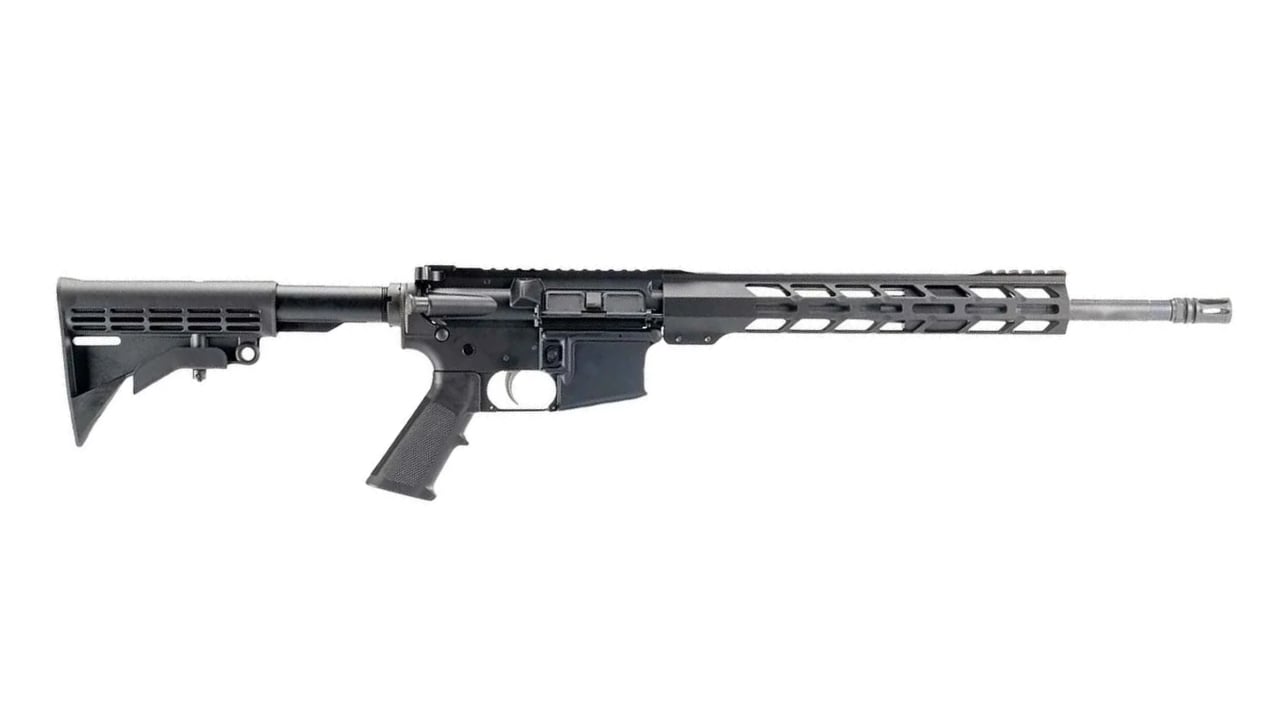
Anderson has sold an enormous number of affordable AR components and complete rifles, and plenty of them work. The AM-15 Utility still sits in a part of the market where shaving every dollar off the purchase price can create compromises that are difficult to ignore.
Basic furniture, minimal handguard setups, and entry-level components may be acceptable for someone who simply wants the cheapest functional rifle possible. The problem is that the gap between ultra-budget ARs and considerably nicer rifles is often only a few hundred dollars. Once you start replacing the trigger, stock, handguard, grip, and other pieces, the initial savings disappear quickly. I would rather buy a more complete rifle from the start than spend the next year slowly rebuilding an AM-15 into what I actually wanted.
Radical Firearms RF-15

Radical Firearms built much of its reputation around aggressively priced ARs, and that alone guaranteed plenty of buyers. The issue is that cheap ARs live or die by consistent assembly and quality control, not just a tempting sticker price.
Reports surrounding earlier Radical rifles were inconsistent enough that I would rather spend slightly more on a platform with a stronger track record. A rifle can use perfectly acceptable components on paper and still become frustrating if the gas block, barrel nut, staking, or small parts are not assembled correctly. Modern buyers simply have too many alternatives to gamble. Even if a current RF-15 runs perfectly, the savings would not be enough to make it my first choice.
ATI Omni Hybrid Maxx

The Omni Hybrid gets attention because of its polymer receiver construction and low price. Weight savings sound attractive, but the AR platform already has so many lightweight aluminum options that polymer receivers do not solve a problem I need solved.
The bigger concern is long-term confidence. High-stress areas around receiver extensions, pins, and threaded interfaces are exactly where I prefer proven forged aluminum. The rifle may work perfectly well for casual use, but durability is one of the reasons I buy an AR in the first place. Saving a relatively small amount of weight and money is not enough to make me give up a conventional receiver setup with decades of proven service behind it.
ATI Mil-Sport

The Mil-Sport has always been aimed at entry-level buyers who want an inexpensive AR without building one themselves. That market made more sense when free-float handguards and better triggers automatically pushed a rifle into a much higher price bracket.
Today, budget competition is brutal. Rifles costing only modestly more often provide better furniture, improved handguards, stronger quality-control reputations, and more useful configurations right out of the box. The Mil-Sport therefore tends to feel like a rifle you immediately start upgrading. That is not always a bad thing if customization is the goal, but if I am buying a complete AR, I would rather get more of the final configuration on day one.
Del-Ton Echo 316

Del-Ton has been around for years and knows how to build a basic AR. The Echo 316 is exactly that: basic. The problem is that basic no longer automatically means good value.
Traditional furniture and straightforward carbine configurations can still work, but the market has moved heavily toward free-float rails, mid-length gas systems, better stocks, and improved controls without requiring premium money. The Echo 316 can absolutely serve as a functional rifle. I simply would not choose it when more modern setups exist in the same general price range. Buying a rifle that already feels dated means spending more money later if your preferences change even slightly.
Bushmaster QRC II
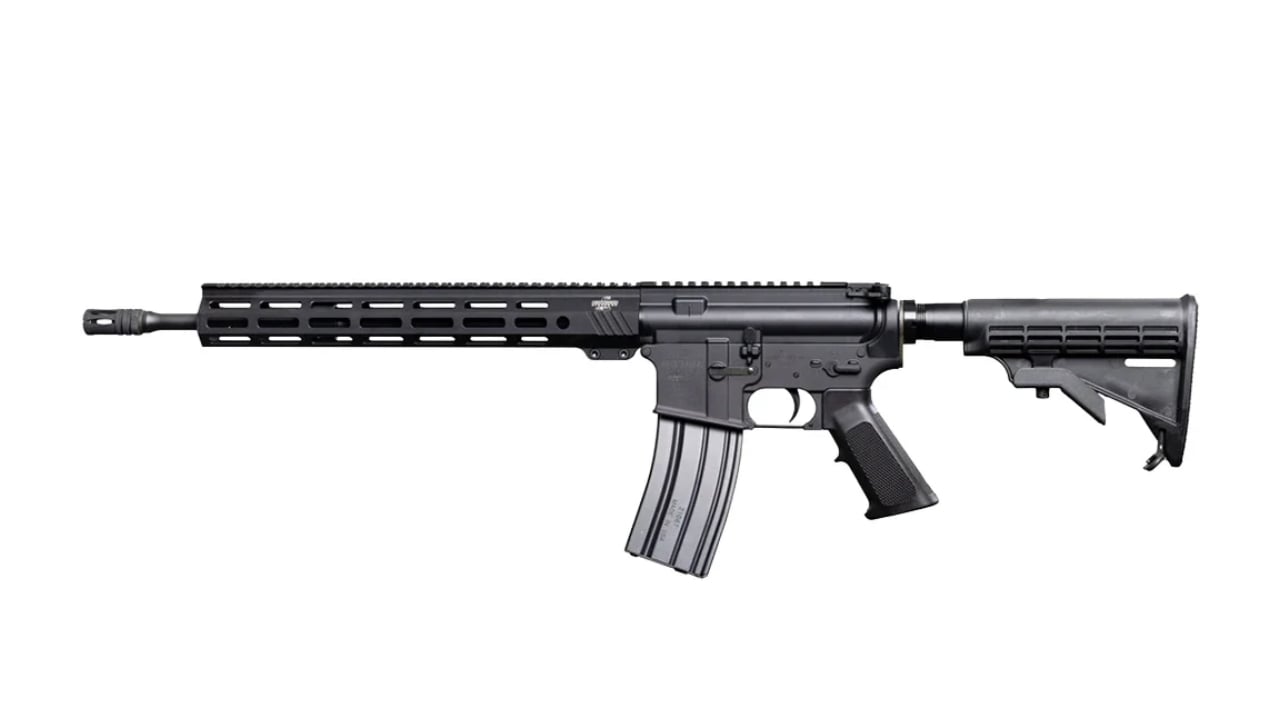
Bushmaster is a famous AR name, but the modern brand does not automatically carry the same weight its reputation once did. The QRC II leans heavily on affordability and name recognition rather than offering anything particularly compelling in a crowded market.
That makes it difficult to choose over rifles with stronger current reputations for consistency and features. Basic handguards, standard controls, and ordinary furniture are fine if the price is extremely aggressive. Once the rifle is competing directly with more polished modern options, the Bushmaster badge is not enough to close the gap. I would rather judge the rifle by what is actually installed on it than by what the company name meant twenty years ago.
DPMS Panther Arms DR-15
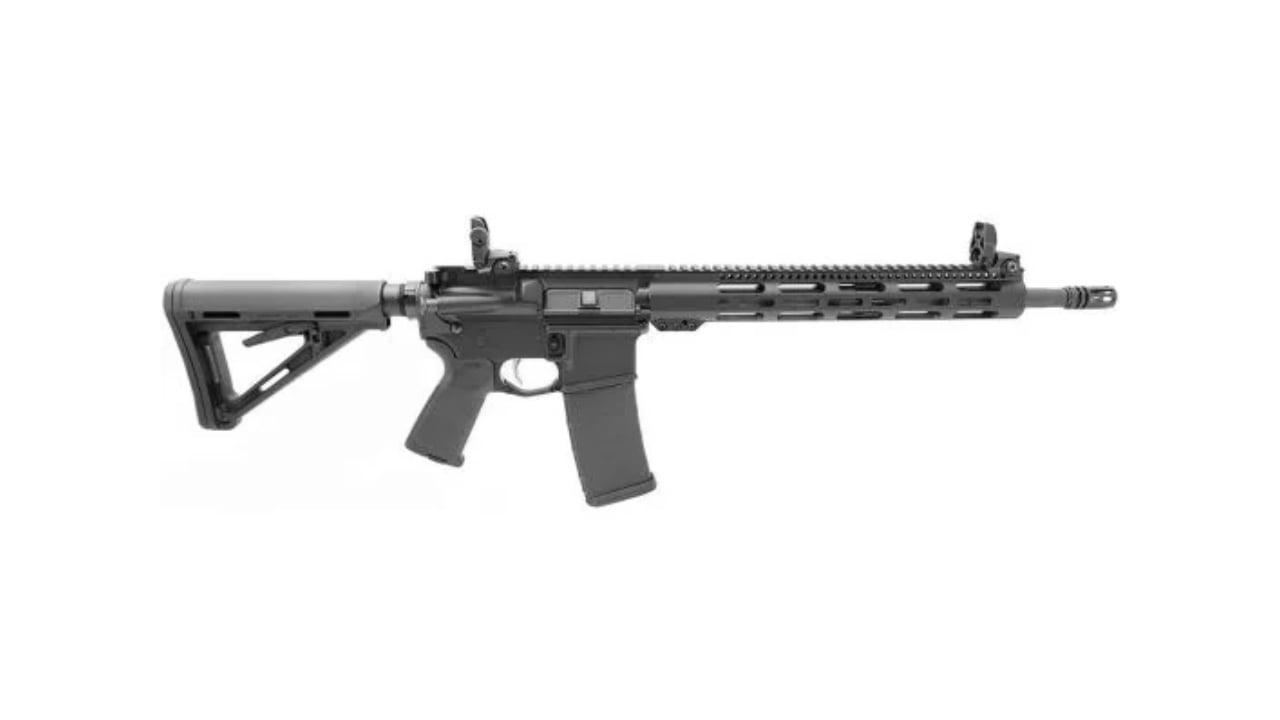
DPMS helped make the AR platform mainstream, but the modern DR-15 sits in a strange position. It trades on a familiar name while competing in a budget market filled with younger companies that have become extremely aggressive on features.
That leaves the DR-15 feeling more generic than compelling. If the goal is simply an inexpensive rifle, there are numerous alternatives. If the goal is something more refined, there are better-equipped rifles not far above it. The gun may work perfectly well, but there is little about the package that would make me specifically seek it out. In today’s AR market, being merely adequate is not enough.
Diamondback DB15 Carbon Series

Diamondback has improved substantially over the years, but some DB15 configurations still strike me as rifles where the feature list looks better than the overall value.
The Carbon Series especially leans into weight savings and appearance, yet there are plenty of lightweight ARs built around more established configurations. Once pricing creeps upward, I start comparing barrel quality, gas tuning, trigger quality, and long-term parts support rather than simply how little the rifle weighs. Diamondback can build a perfectly functional AR, but I would rather put the same money into a platform with a longer record of consistent hard use.
Alex Pro Firearms Guardian
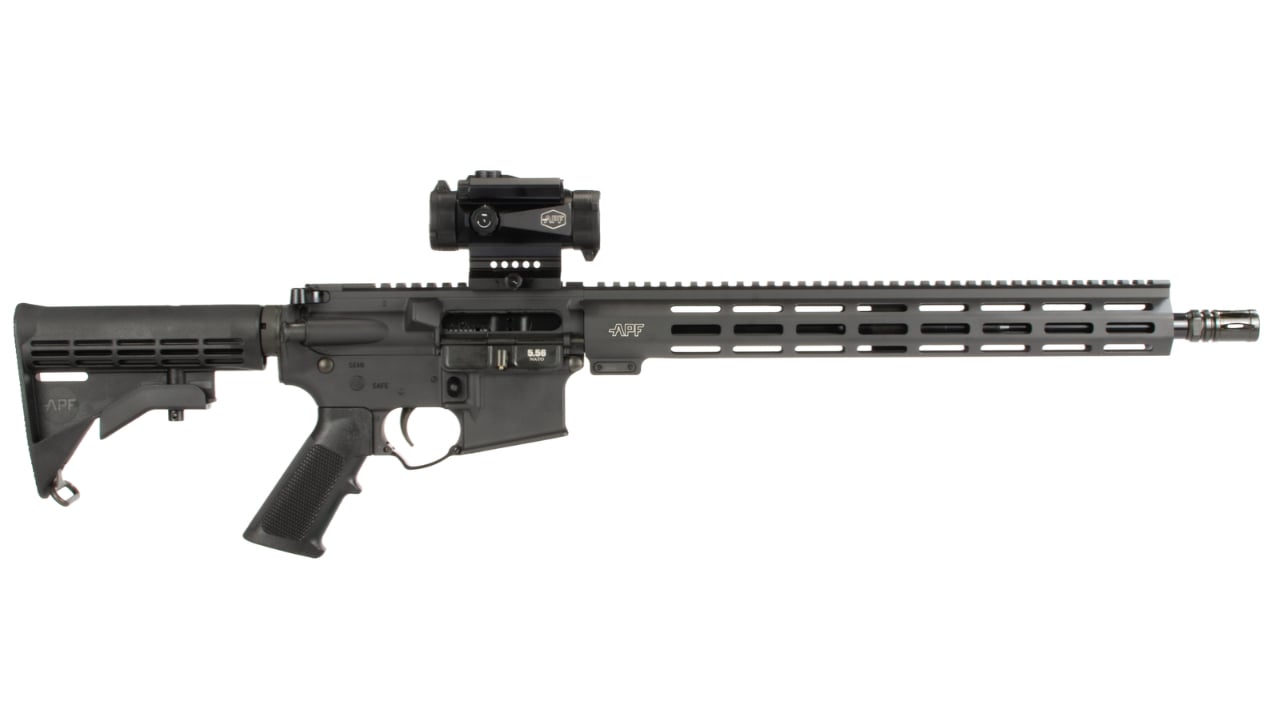
Alex Pro Firearms has produced solid rifles, but the Guardian often occupies an uncomfortable pricing space. It can cost enough to compete with rifles from companies that have much stronger recognition in the duty and training market.
At that point, I want a compelling reason to choose the lesser-known option. Maybe that is a superior barrel, better trigger, unusual gas system, or exceptional warranty support. If the configuration looks largely conventional, the value argument weakens quickly. There is nothing inherently wrong with buying from a smaller manufacturer, but an AR has to earn its price against a huge field. The Guardian does not give me enough reason to overlook the competition.
Windham Weaponry MPC

Windham Weaponry earned respect from shooters who remembered the old Bushmaster era, and the company produced plenty of dependable rifles. The MPC, however, represents a style of AR that feels increasingly stuck in the past.
A fixed front sight, traditional handguard, and basic carbine setup may appeal to someone specifically wanting that configuration. For everyone else, modern free-float rifles are easier to mount optics and accessories on while often providing better barrel support and ergonomics. The MPC is not a bad rifle. It is simply one I would only buy if I deliberately wanted an old-school carbine. As a general-purpose purchase, I would move on.
Rock River Arms LAR-15 Entry Tactical
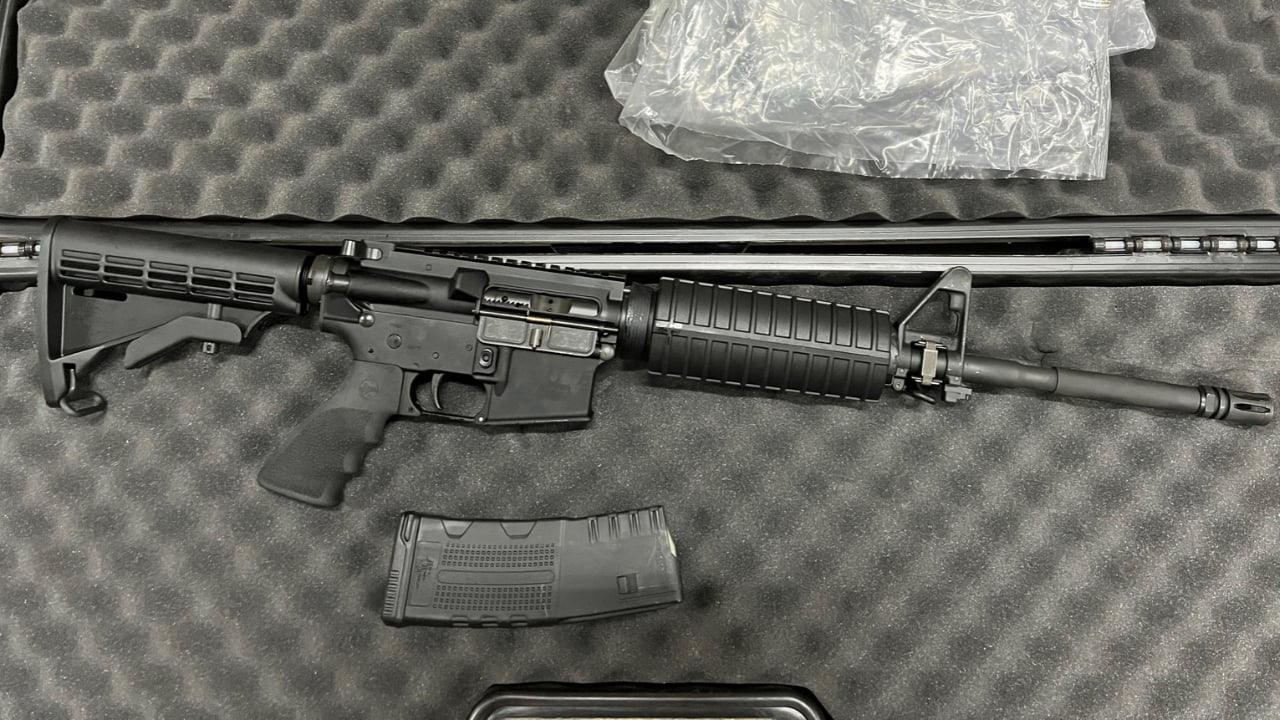
The Entry Tactical reflects the period when a quad rail, heavy barrel, and fixed front sight looked like a serious fighting-rifle setup. The problem is that modern AR design has moved toward lighter rails and more efficient configurations.
Rock River rifles have traditionally been well built, but some models still feel heavier and more dated than their pricing should allow. A rifle can be reliable and accurate while still being a poor buy compared with something lighter and easier to configure. If I am spending meaningful money on an AR today, I do not want to immediately start replacing heavy handguards and outdated furniture just to bring the rifle up to where competitors already are.
Olympic Arms Plinker Plus
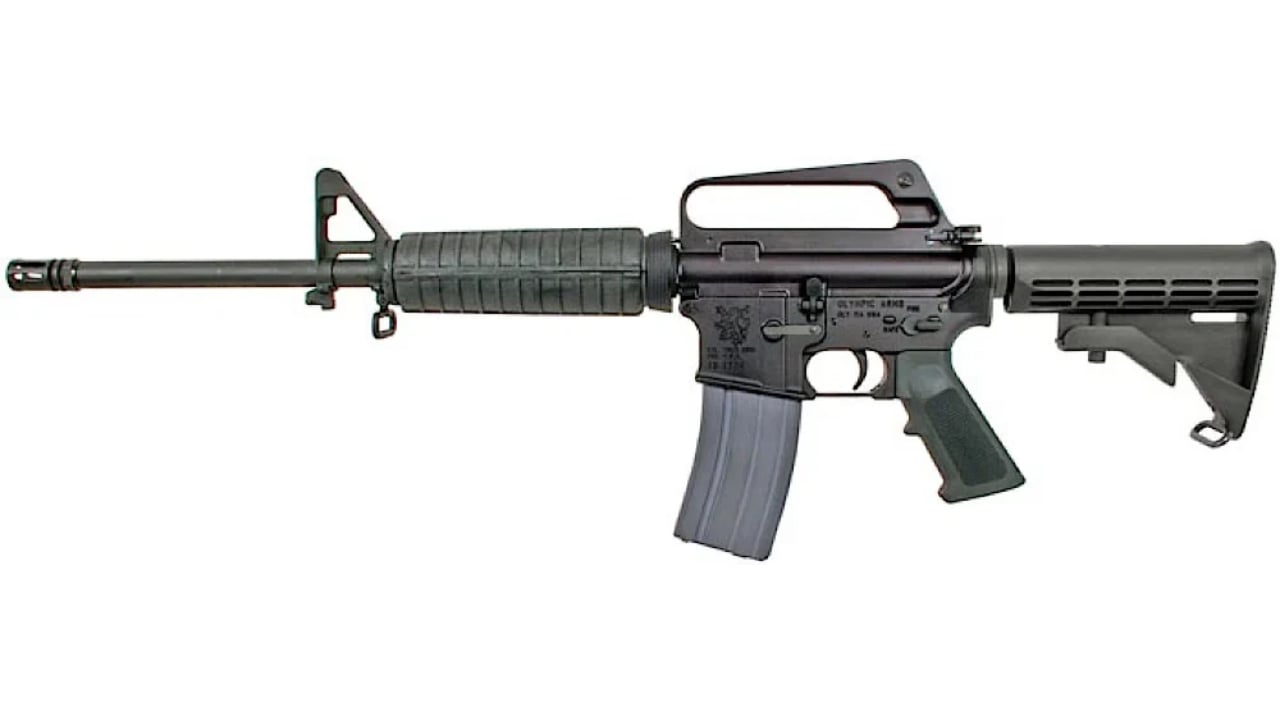
The Plinker Plus was created around affordability, and at one point that gave it a clear purpose. The used market still contains plenty of examples, which is why buyers continue encountering them.
The issue is that Olympic Arms no longer occupies the position it once did, and parts compatibility on some older rifles can be less straightforward than buyers expect. Quality was also inconsistent across different periods of production. When a used AR is cheap enough, almost anything becomes tempting, but I would rather put that money toward a newer rifle with clear parts support and known current specifications. Old budget ARs rarely become better bargains simply because they became old.
Stag Arms Model 3
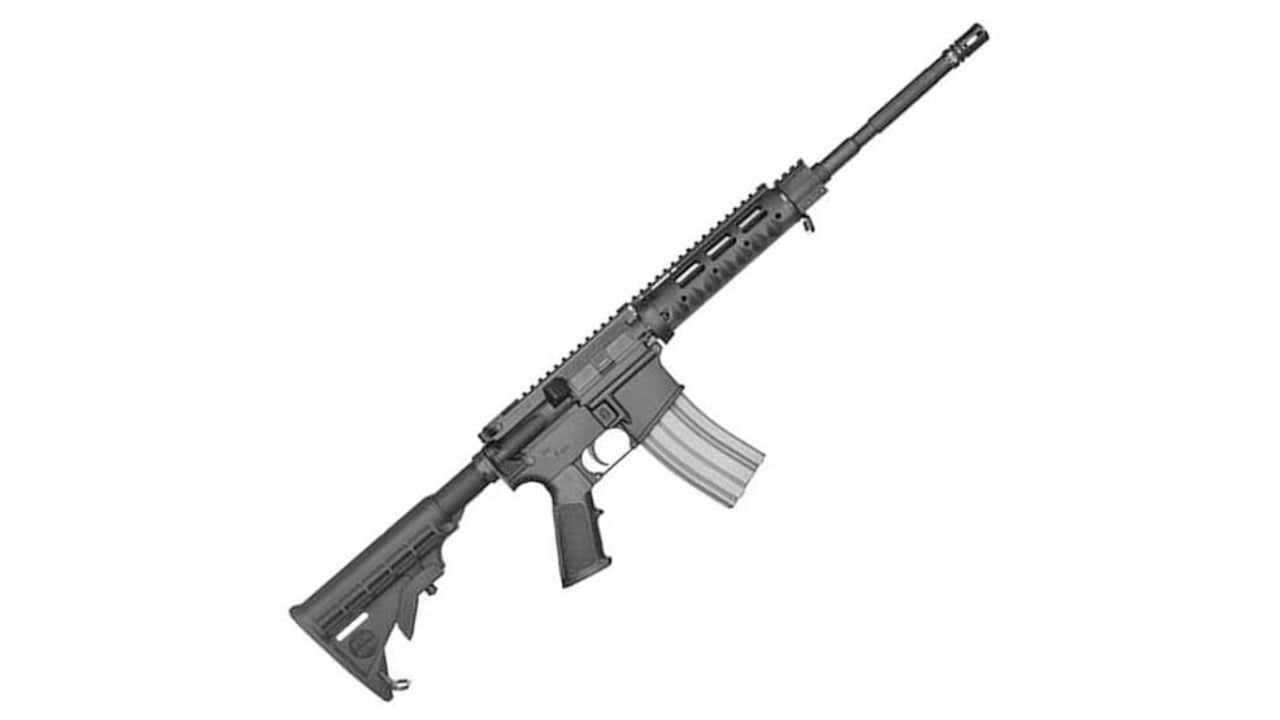
The Model 3 represents another AR configuration that made much more sense a decade ago. Its basic railed gas block and conventional handguard setup now feel awkward compared with current free-float designs.
There is nothing inherently unreliable about the rifle, but you are starting with a platform that almost invites modification. Add a modern handguard, low-profile gas block, better furniture, and a trigger upgrade, and suddenly the inexpensive used rifle is not inexpensive anymore. Stag makes more modern rifles now, which only makes the old Model 3 harder to justify. I would rather begin with the configuration I actually want.
Ruger SR-556

The SR-556 was interesting because piston ARs were a huge trend when it appeared. Ruger gave the rifle a substantial adjustable piston system and built it like durability was the primary objective.
The tradeoff was weight, complexity, and proprietary components. Modern direct-impingement ARs have proven extremely reliable while staying lighter and easier to support. That leaves the SR-556 as an interesting piece of AR history rather than something I would actively seek as a working rifle. Used examples can still be tempting, but once proprietary piston parts become a concern, the advantage of owning the most modular rifle platform in America starts disappearing.
Colt LE6940
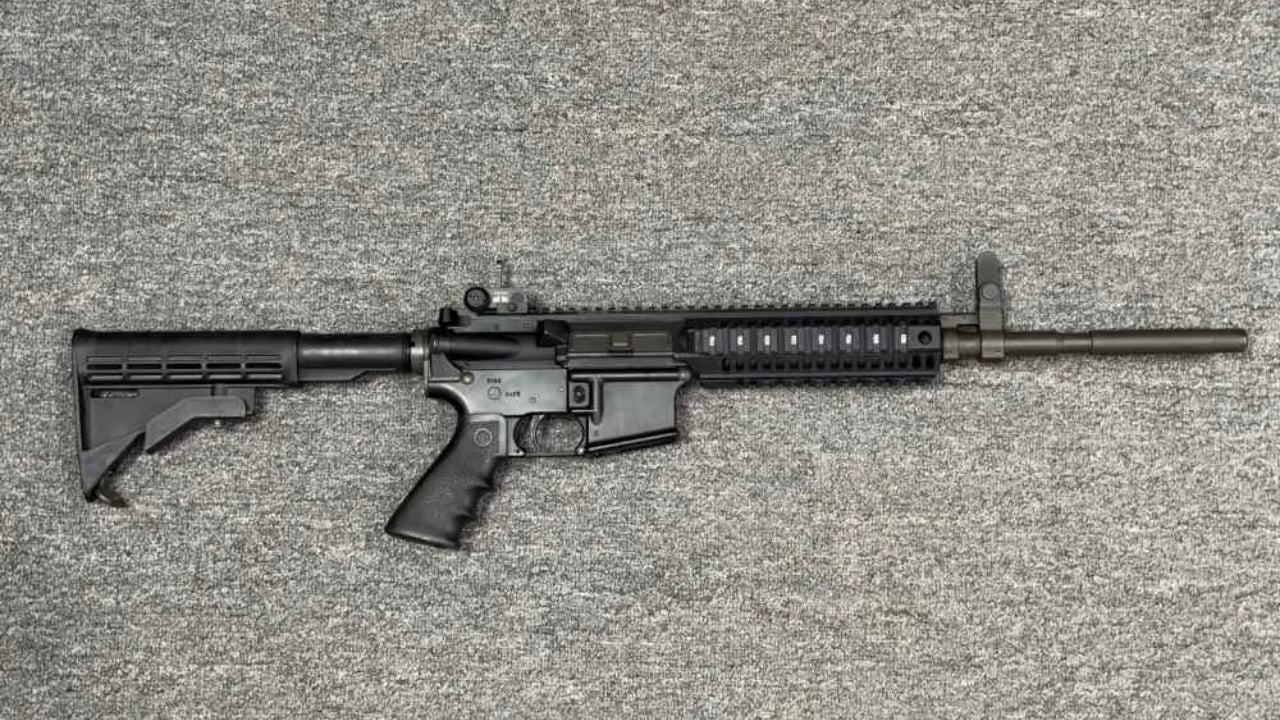
The LE6940 brought a monolithic upper and genuine Colt pedigree, which made it interesting when modular rails were less common. The integrated upper still feels solid, but it also ties the owner to a proprietary layout.
That is increasingly difficult to justify. Modern M-LOK handguards are lighter, easier to replace, and available in almost every length imaginable. If you damage or simply dislike a conventional rail, changing it is straightforward. The monolithic Colt does not give you that flexibility. It remains a quality rifle and has collector appeal, but for someone buying a general-purpose AR today, I would rather have a standard upper and free-float handguard.
SIG Sauer M400 Classic
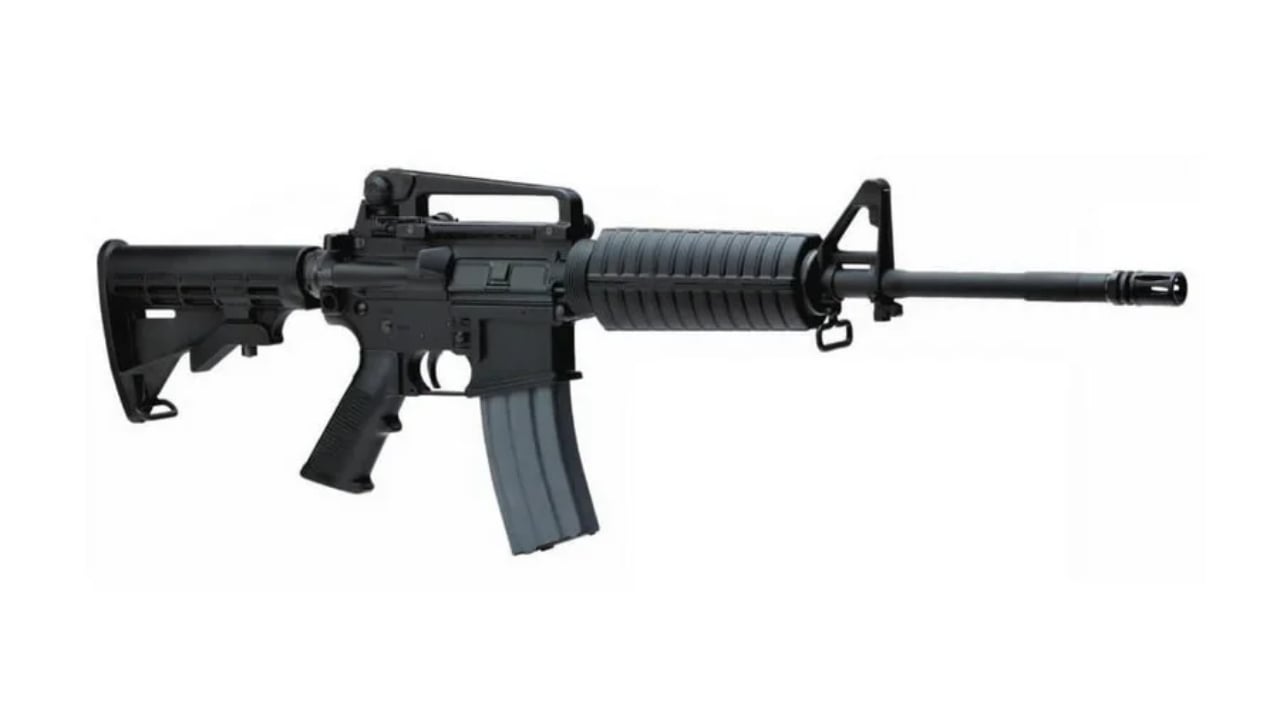
The original M400 is another rifle that can be completely dependable while still feeling dated compared with modern options. Traditional handguards, fixed front sights, and basic furniture define many of the early configurations.
That setup is fine for someone who intentionally wants a traditional carbine. The problem is paying enough for the SIG name that you end up approaching the price of much more modern rifles. The M400 platform eventually evolved into more compelling configurations, which makes the older Classic harder to recommend except as a bargain used purchase. If the price is not exceptional, I would pass.
Smith & Wesson M&P15 Sport II
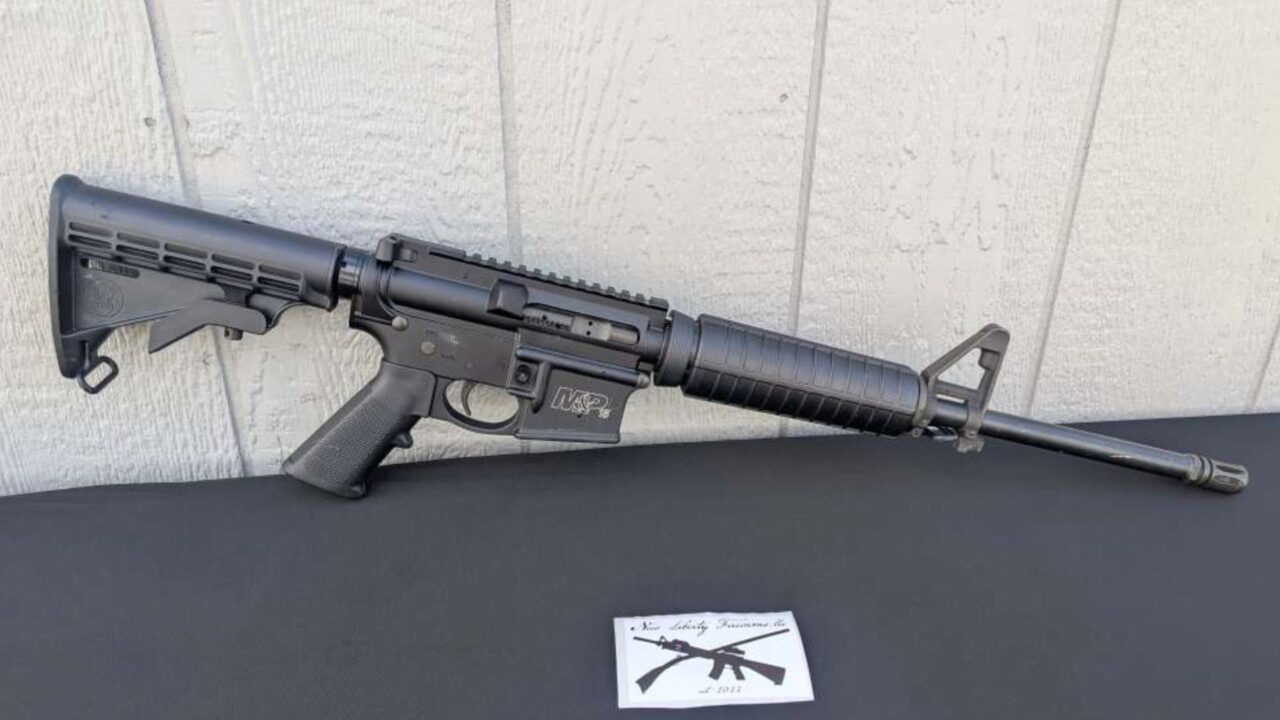
The Sport II was one of the great gateway ARs because it gave buyers a dependable rifle at an approachable price. It deserves a lot of credit for that.
The problem is that the market has moved forward. Basic handguards and a traditional front sight are no longer necessary compromises at entry-level pricing, and newer rifles offer free-float rails and improved configurations without a huge jump in cost. A cheap used Sport II can still make perfect sense. At anything close to modern new-rifle money, I would rather buy something that does not need immediate upgrades. Its reputation remains strong, but reputation alone does not make it the best value anymore.
Springfield Armory Saint Edge

The Saint Edge was marketed as a lighter, more refined version of the standard Saint, and many of its features are genuinely useful. The issue is what happens once the price moves into a more competitive bracket.
At that level, the rifle starts competing against companies with stronger reputations among high-round-count shooters and professional users. A lightened receiver and upgraded trigger are nice, but I care more about the overall barrel, gas system, bolt carrier, and long-term consistency. The Saint Edge can be a good rifle, but the value proposition becomes less convincing once the price approaches more proven premium options.
Primary Weapons Systems MK116 Mod 1-M
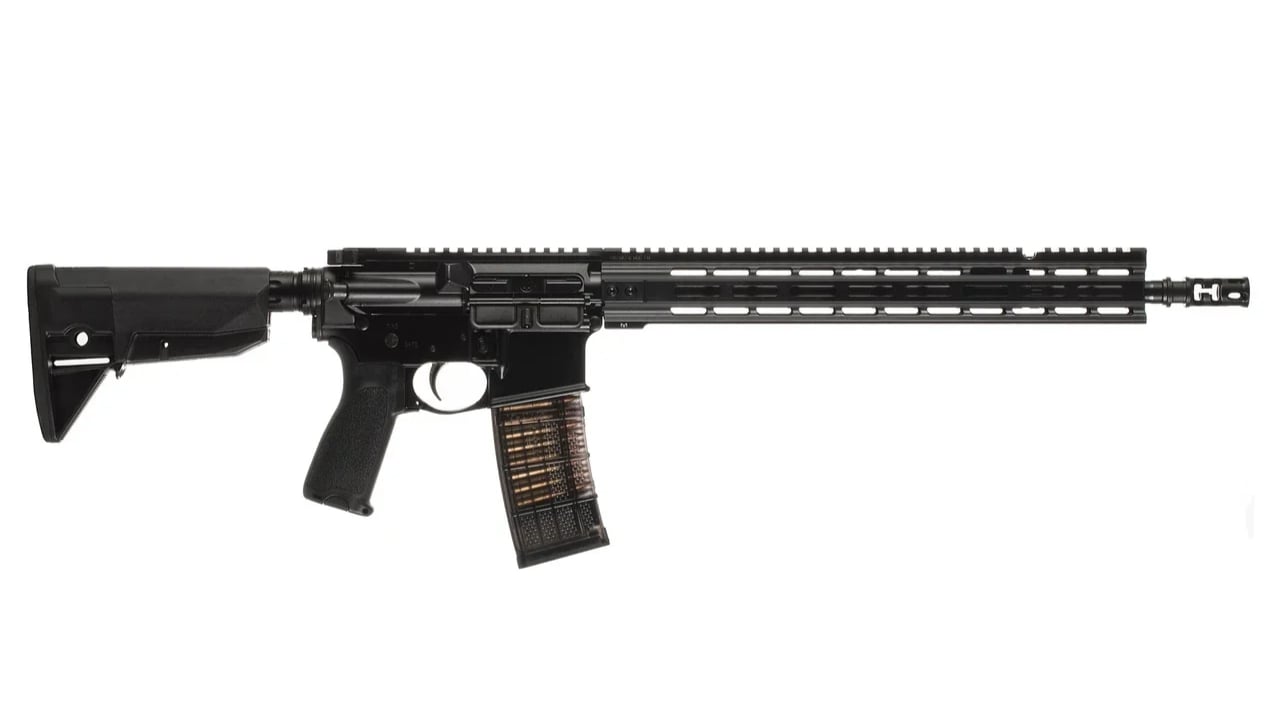
PWS makes an excellent long-stroke piston system, and the MK116 has a loyal following for good reason. The reason I would pass has less to do with quality and more to do with what I personally want from an AR.
The piston system adds weight and proprietary parts to a platform that already works extremely well with direct impingement. If I were running suppressed nearly all the time or specifically wanted a piston rifle, the PWS would make far more sense. As a general-purpose AR, though, I would rather keep the rifle lighter and simpler. This is a good gun that solves a problem I do not think most buyers actually have.
Patriot Ordnance Factory P415 Edge
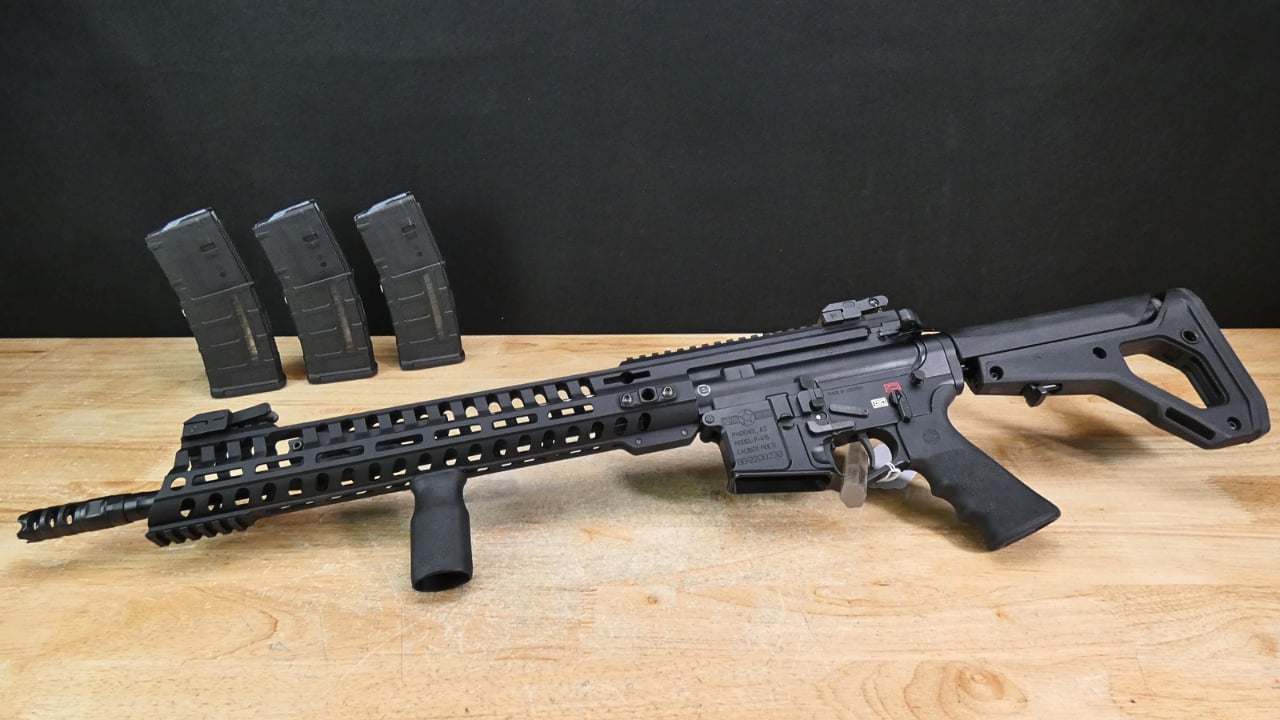
The P415 Edge is another premium piston AR with impressive engineering and a strong feature list. It is also expensive enough that I would need to specifically want its operating system before considering it.
The rifle adds proprietary parts and mechanical complexity in exchange for a cleaner-running action and piston operation. Those advantages are real, but modern direct-impingement rifles can run extremely hard with basic maintenance while costing less and sharing more standardized components. The P415 is not something I would call poorly made. I would pass because I do not think the added cost and complexity provide enough benefit for the majority of AR owners.
Like The Avid Outdoorsman’s content? Subscribe to our newsletter so you never miss an article.
Here’s more from us: