Photo credit: Guns and Guitars/YouTube
Some carbines sell themselves in about thirty seconds. They fold, take pistol magazines, look like a military rifle, use an unusual operating system, or promise to replace several guns at once. The first few range trips can be a lot of fun because the shooter is still learning the controls and enjoying the novelty.
The problem comes later, when the newness wears off and the gun has to compete with everything else in the safe. That is when heavy triggers, expensive magazines, odd ergonomics, limited parts support, awkward optics mounting, and expensive ammunition start to matter more. A carbine does not have to be bad to become boring. Sometimes it just fails to give the owner enough reason to keep choosing it. These 20 all have qualities that made them easy to buy and, for plenty of shooters, easy to stop caring about.
Beretta Cx4 Storm

The Cx4 Storm made an immediate impression because it looked nothing like a conventional pistol-caliber carbine. The rounded futuristic body, low recoil, simple blowback action, and magazine compatibility with certain Beretta pistols gave it a lot of practical appeal. It was also one of the few factory PCCs available before the category exploded.
The problem is that the rest of the market eventually caught up and passed it in areas many shooters care about. The trigger is only average, the controls feel unusual, and the gun does not accept accessories as naturally as more modern platforms. Once AR-pattern PCCs and newer dedicated carbines became common, the Cx4 stopped feeling as special. It still works, but for many owners the novelty fades faster than the reliability does.
Hi-Point 995TS

The 995TS is one of the easiest carbines to buy on impulse because it is cheap, soft shooting, and surprisingly dependable for the money. A lot of shooters pick one up thinking they have found the perfect inexpensive range gun.
Then they start living with it. The stock is bulky, the trigger is heavy, the charging handle feels crude, and the overall design makes basic cleaning more involved than many buyers expect. The limited magazine capacity also feels dated compared with modern PCCs that use common pistol magazines. None of that makes the 995TS useless. It just means the low entry price does most of the selling. Once the owner starts comparing it with more refined carbines, the enthusiasm can disappear quickly.
Ruger PC Charger With Brace-Style Setup

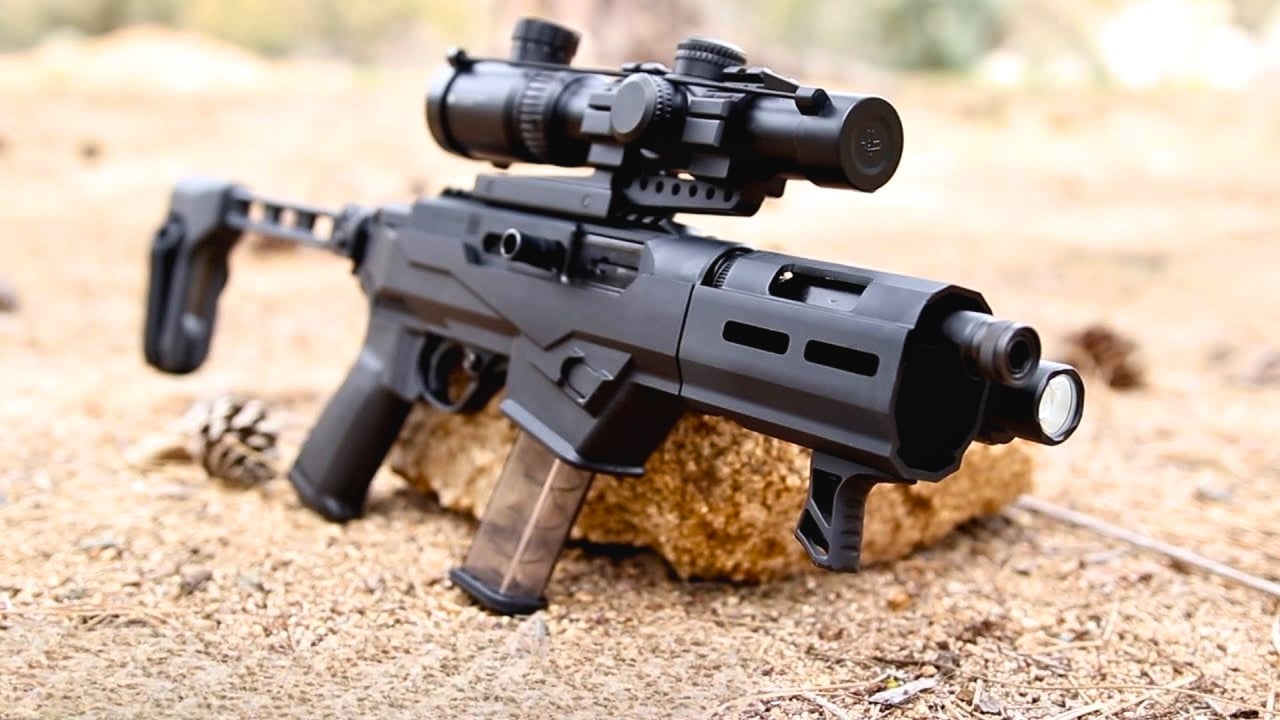
The PC Charger generated huge interest because it packaged Ruger’s proven blowback action into a compact format that could use common pistol magazines. Add an optic and stabilizing setup and it looked like an ideal compact range or defensive platform.
The appeal can fade once the owner realizes how much weight and bulk still remain in the system. The action is sturdy but not especially light, and the overall package can become surprisingly chunky after accessories are added. It is fun to shoot, but the same owner may eventually decide a full-size PC Carbine is easier to justify or a lighter dedicated PCC is easier to carry. The Charger often starts as a “must have” and ends up as a gun that stays in the case more than expected.
MechTech CCU Glock Carbine Conversion
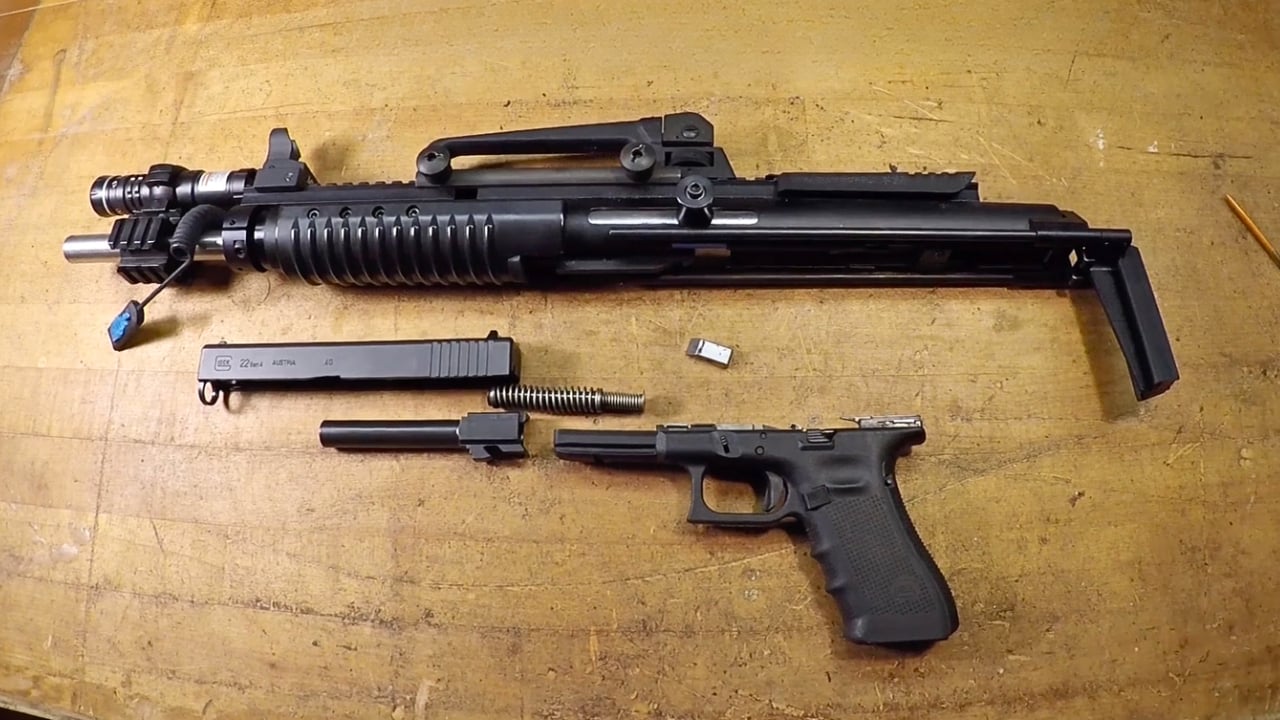
The MechTech conversion unit is a clever concept. Take the frame from a familiar handgun and turn it into a shoulder-fired pistol-caliber carbine without buying a completely different lower receiver or magazine system.
The problem is that the novelty of the conversion can wear off once the owner starts comparing the finished package with a purpose-built PCC. The system is heavier than expected, the balance can feel unusual, and the owner has to dedicate a handgun frame to the project whenever the carbine is assembled. A dedicated carbine eventually starts making more sense because it can remain zeroed, configured, and ready without taking another gun out of service. The MechTech is ingenious, but convenience can lose to practicality over time.
Thureon Defense GA Carbine
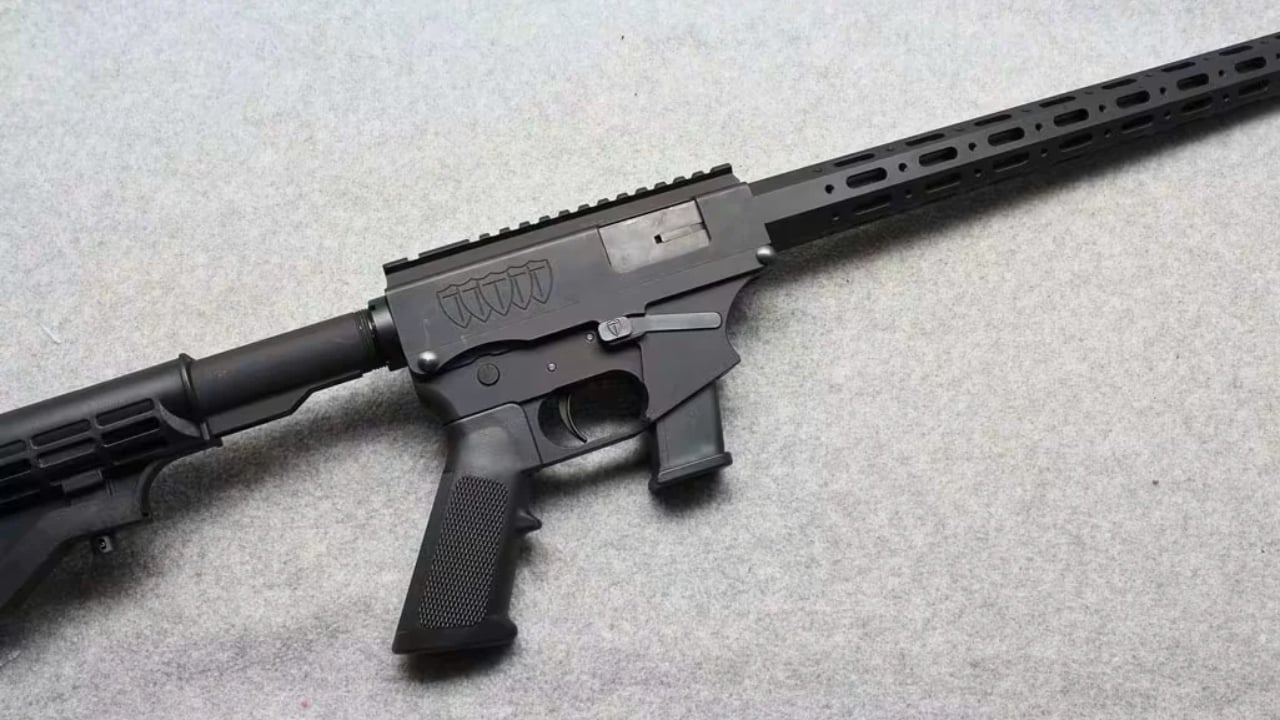
The Thureon Defense carbine attracted buyers because it offered a simple blowback PCC that accepted common handgun magazines and came in several useful chamberings. It was straightforward and more affordable than some boutique competitors.
What hurt its staying power was the same thing that affects many smaller-company PCCs: limited ecosystem. Once shooters start wanting different handguards, proprietary replacement parts, specific accessories, or broad dealer support, a niche carbine becomes harder to love. The rifle may continue working perfectly, but ownership feels less convenient than it does with a mainstream platform. That can be enough to push the gun toward the back of the safe. Reliability gets you interested. Support is what often keeps you interested.
Beretta CX4 Storm .40 S&W
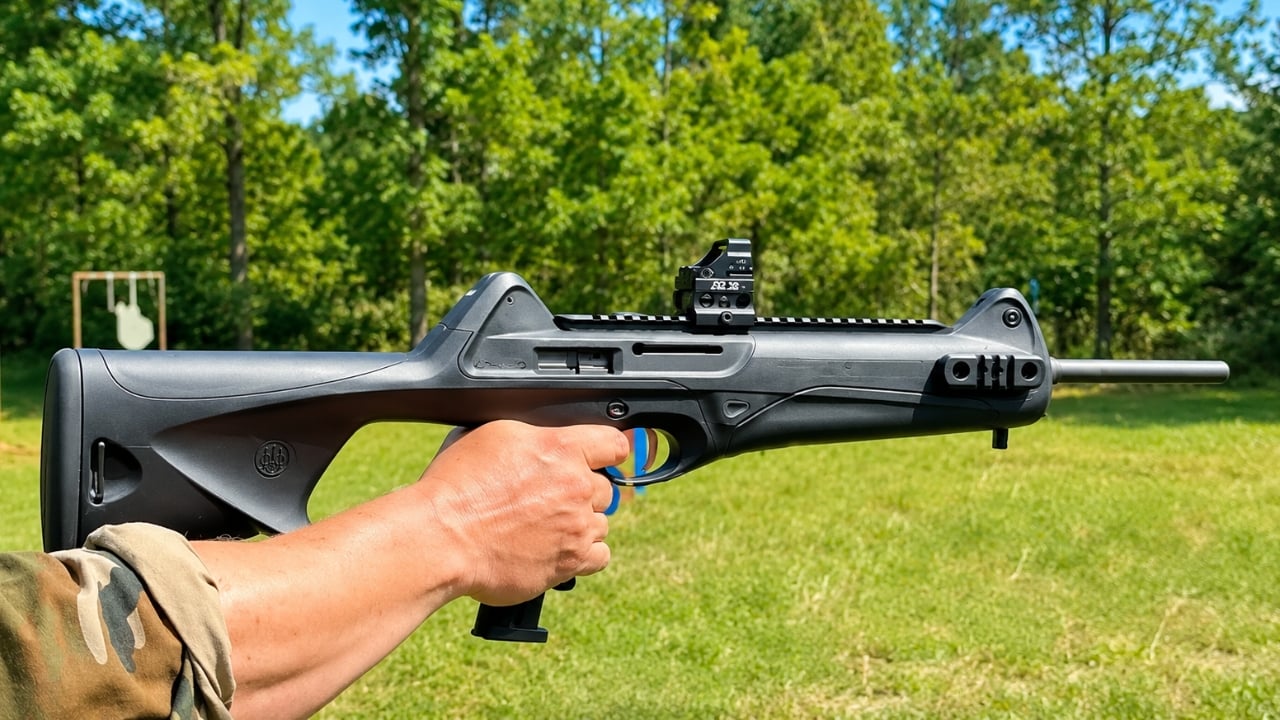
The .40 S&W version of the Cx4 looked especially attractive when .40-caliber duty pistols were everywhere. A shooter who already owned a compatible Beretta handgun could share magazines and ammunition between pistol and carbine, which made the setup feel very efficient.
As .40 S&W declined in popularity, that advantage became much less compelling. Ammunition stayed more expensive than 9mm, magazine compatibility mattered less as shooters moved to newer pistols, and the carbine’s unusual ergonomics became harder to justify. The gun itself did not suddenly get worse. The market around it changed. Owners who bought into the caliber-specific ecosystem sometimes found themselves with a perfectly functional carbine that no longer matched how they actually wanted to shoot.
Just Right Carbine .45 ACP

A .45 ACP carbine sounds great on paper. The cartridge is familiar, recoil remains manageable in a shoulder-fired gun, and the larger bullet gives the rifle a different personality from the endless sea of 9mm PCCs.
The problem is that .45 ACP gets expensive when you start burning through carbine quantities of ammunition. The Just Right Carbine is also heavier and more utilitarian than some buyers expect, while the blowback action can feel more abrupt than the cartridge’s low velocity suggests. After the first several range trips, the owner may realize that 9mm offers cheaper practice, higher capacity, and more magazine options. The .45 version remains interesting, but it can become harder to justify every time you buy another case of ammunition.
TNW Aero Survival Rifle
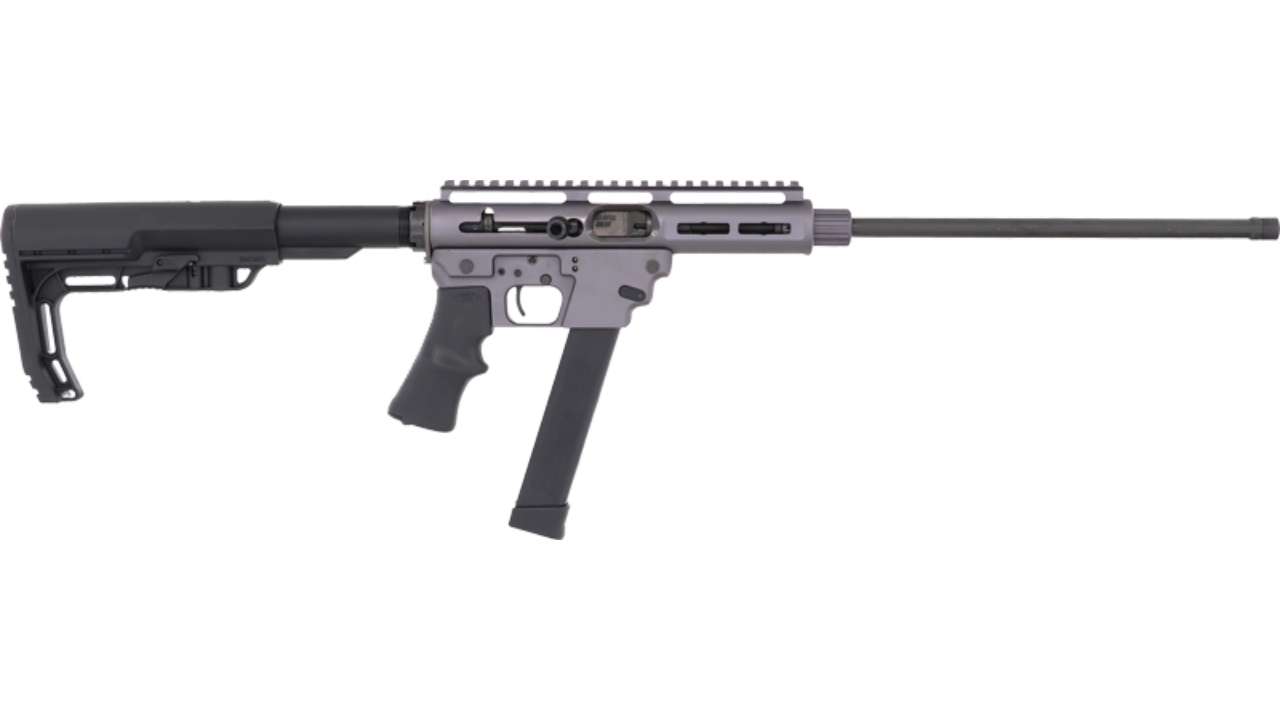
The Aero Survival Rifle sells itself on flexibility. It breaks down easily, comes in multiple calibers, and can be configured around several common pistol-magazine families. For a backpack, truck, or travel gun, that sounds extremely useful.
In practice, modularity can become the reason interest fades. Barrel changes, magazine setups, and caliber conversions create more parts to keep track of, while the rifle itself feels more utilitarian than polished. Many owners eventually discover they rarely change calibers anyway. Once that happens, the big selling point loses value, and a fixed-caliber carbine starts to look easier to live with. The Aero Survival Rifle is clever, but clever features only matter if the owner continues using them.
Calico Liberty 100
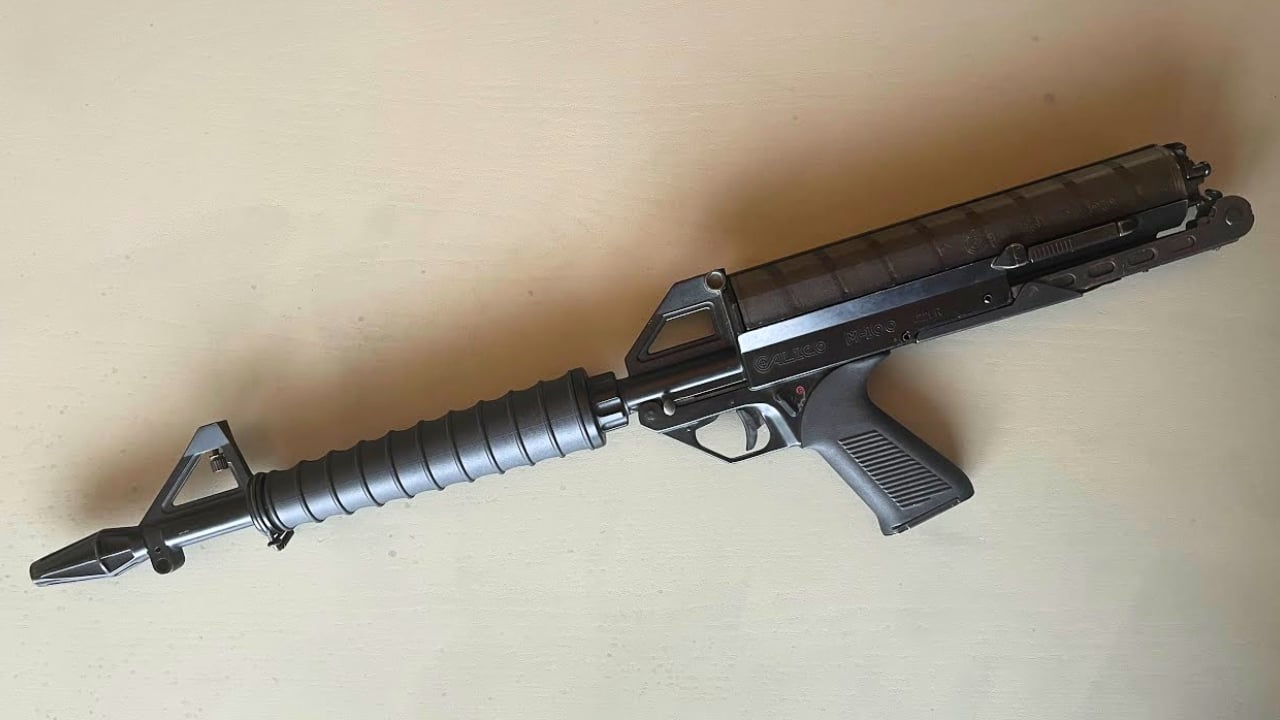
The Calico immediately grabs attention because of its helical magazine and enormous capacity. Few carbines look remotely similar, and the first range trip usually includes everyone wanting to try it.
That same magazine system becomes the source of frustration. Loading takes more effort, spring tension matters, and the entire system is less intuitive than a simple box magazine. When the novelty of dumping a large magazine wears off, the owner is left with a relatively unusual carbine that depends on proprietary magazines and parts. It remains a conversation piece, but conversation pieces are not always the guns shooters choose for ordinary practice. Once the uniqueness stops being new, the practical downsides become much louder.
Wilkinson Arms Linda Carbine
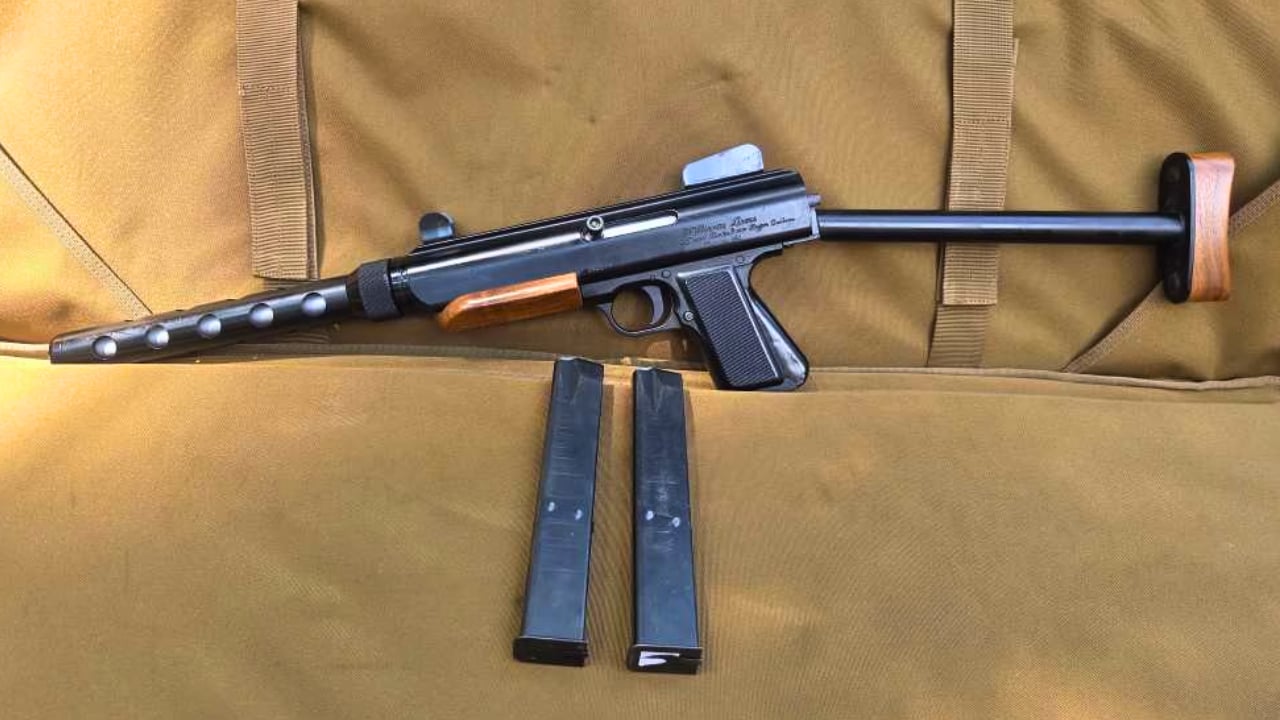
The Linda Carbine has a distinctive old-school look and enough rarity to make it interesting to collectors. Its tubular receiver and unusual proportions immediately separate it from modern PCCs.
That same age and obscurity make long-term ownership less convenient. Magazines and parts are not as easy to source as they are for modern mainstream carbines, and the overall design feels more like a historical curiosity than a practical modern platform. A buyer may love it for a few months because nobody else at the range has one. Eventually, though, a gun that is hard to feed with magazines or repair can lose its appeal. Rarity attracts buyers. Availability keeps them shooting.
Feather AT-9
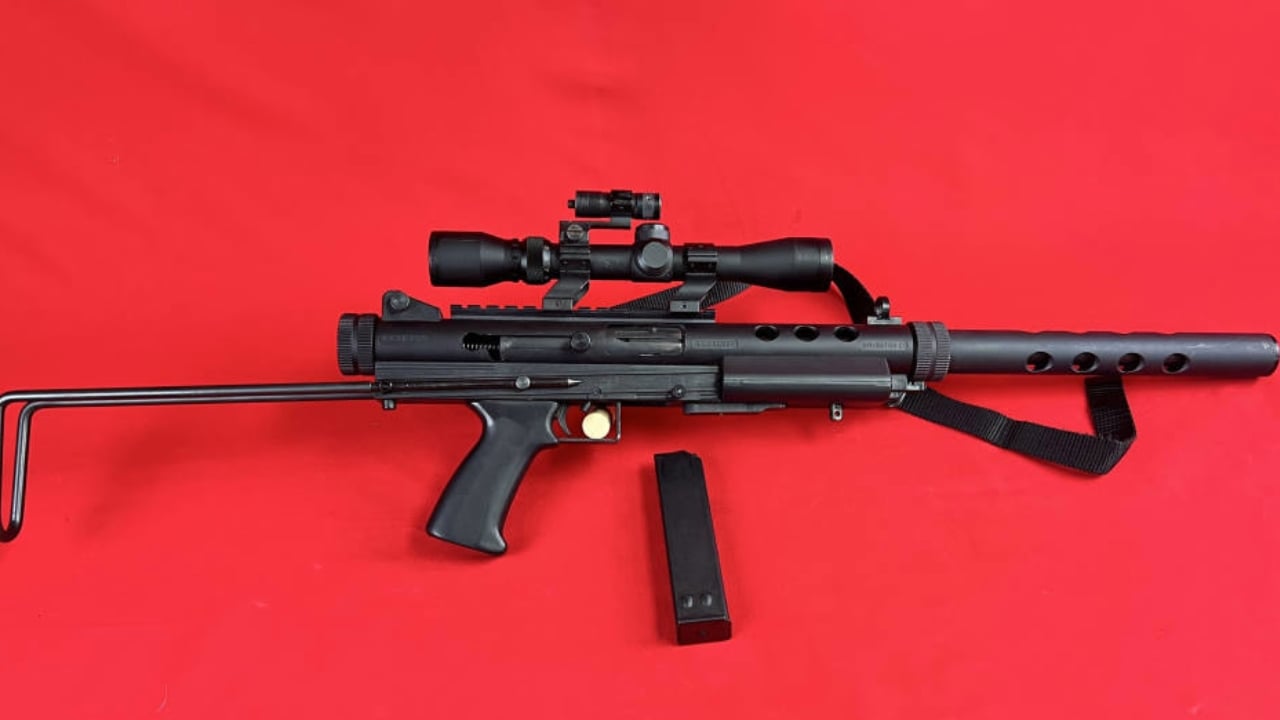
The AT-9 is another carbine that feels unique enough to become an impulse purchase. The lightweight tubular construction, compact styling, and retro appearance make it stand out from the endless rows of AR-pattern rifles.
The downside is that the gun’s age and limited support start to matter quickly. Magazines can be difficult to find, replacement parts require more searching, and the trigger and controls feel dated next to newer PCCs. That does not matter during the first few novelty-filled range sessions. It matters a lot once the gun needs a small part or the owner wants additional magazines. A carbine becomes much less exciting when every accessory purchase turns into a scavenger hunt.
MasterPiece Arms MPA30 Carbine
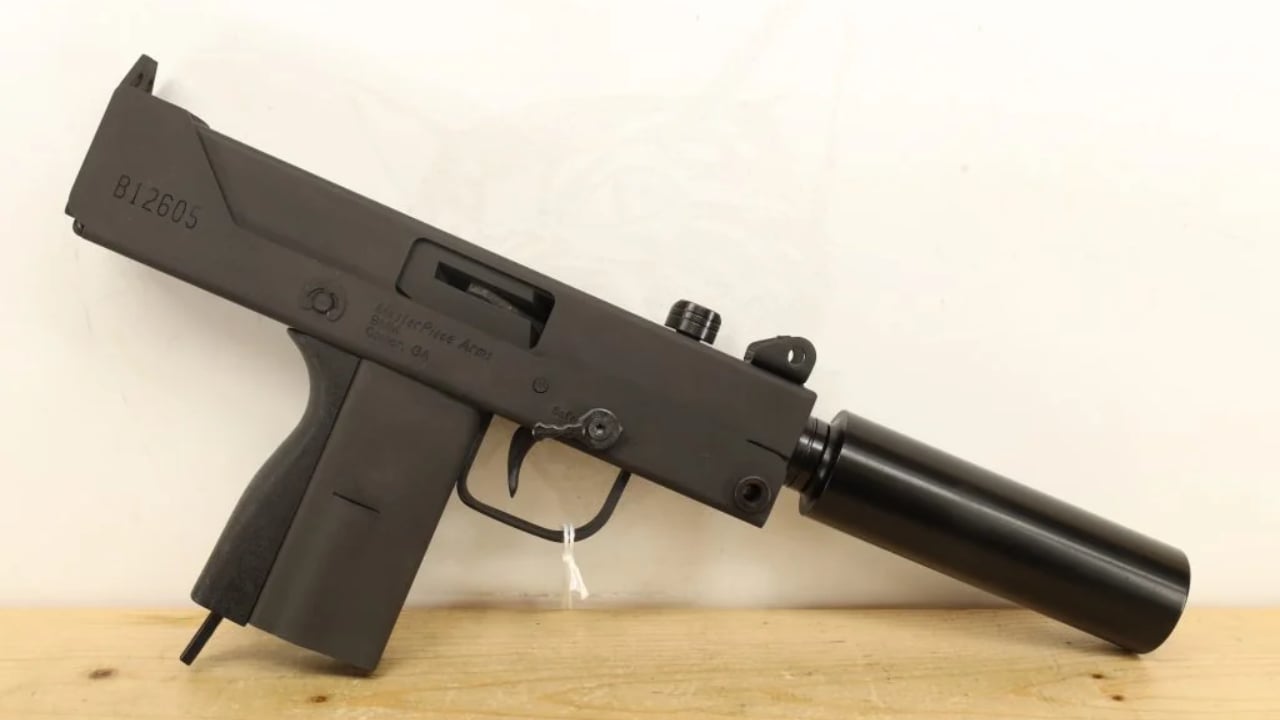
The MPA30 Carbine has enormous visual appeal for anyone who likes MAC-style firearms. The boxy receiver, compact profile, and large magazines make it look like something halfway between a machine pistol and a carbine.
Once the owner spends more time with it, the limitations become harder to ignore. The ergonomics are crude, the trigger is not especially refined, and the platform does not handle as naturally as a conventional shoulder-fired rifle. The design is fun precisely because it is unusual, but unusual does not always translate into comfortable. Many shooters enjoy the first few sessions and then reach for something easier to control and accessorize. The MPA remains entertaining, but it often stays entertaining in shorter doses.
KRISS Vector CRB .45 ACP
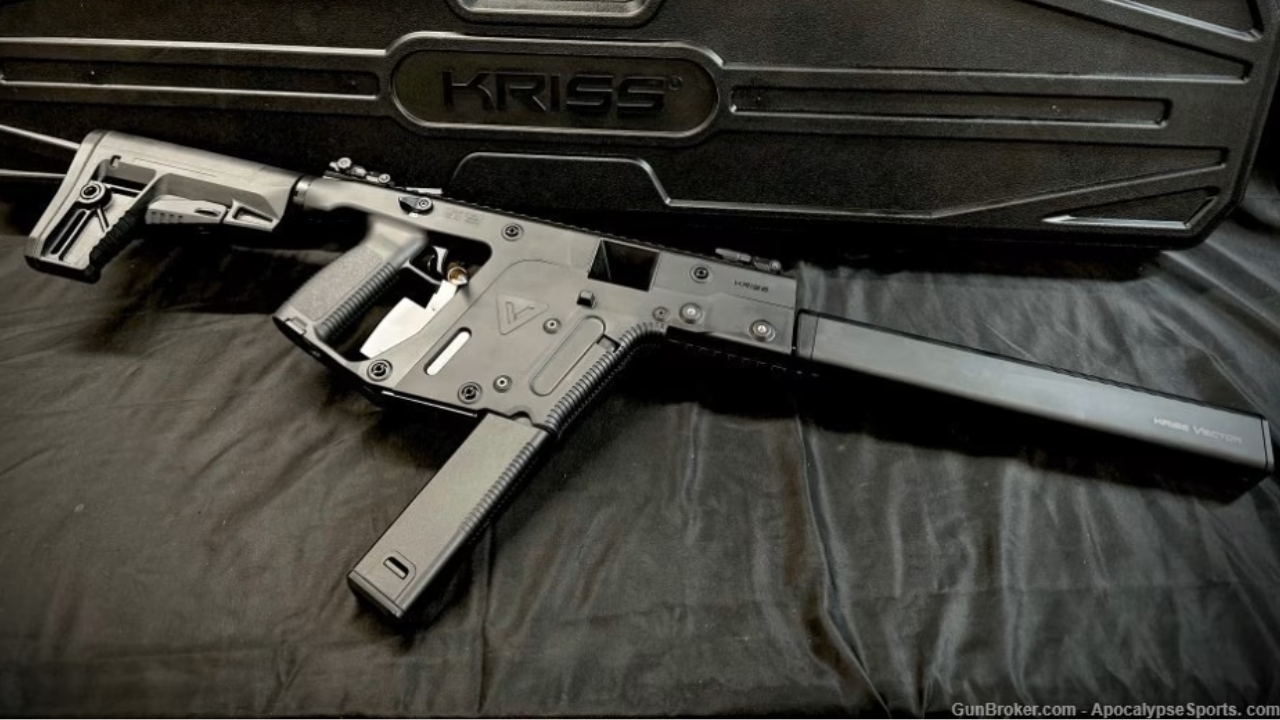
The Vector is one of the most visually striking PCCs ever made. The Super V operating system, low bore line, futuristic shape, and .45 ACP chambering make it feel completely different from a normal blowback carbine.
The long civilian barrel works against the compactness that makes the original concept so attractive. The rifle is also heavier than its appearance suggests, magazines and extensions can get expensive, and .45 ACP is not cheap when fired in large quantities. After the novelty of the recoil system wears off, some owners start asking what the gun actually does better for them than a simpler PCC. The Vector is still interesting. It just has to survive the transition from interesting to useful.
IWI UZI Pro Carbine

The UZI name carries enough history to make almost any civilian version tempting. A carbine-length UZI gives shooters the iconic shape, heavy bolt feel, and unmistakable controls without requiring an original submachine gun.
The problem is that the rifle becomes a victim of its legal barrel length. The extended barrel changes the proportions, adds front weight, and makes the carbine look awkward compared with the compact gun everyone actually has in mind. The platform is also heavy by modern PCC standards. After the first few trips, the owner may realize most of the appeal was visual and historical. That is enough for collectors, but less satisfying for someone who wanted a practical range carbine.
Walther G22
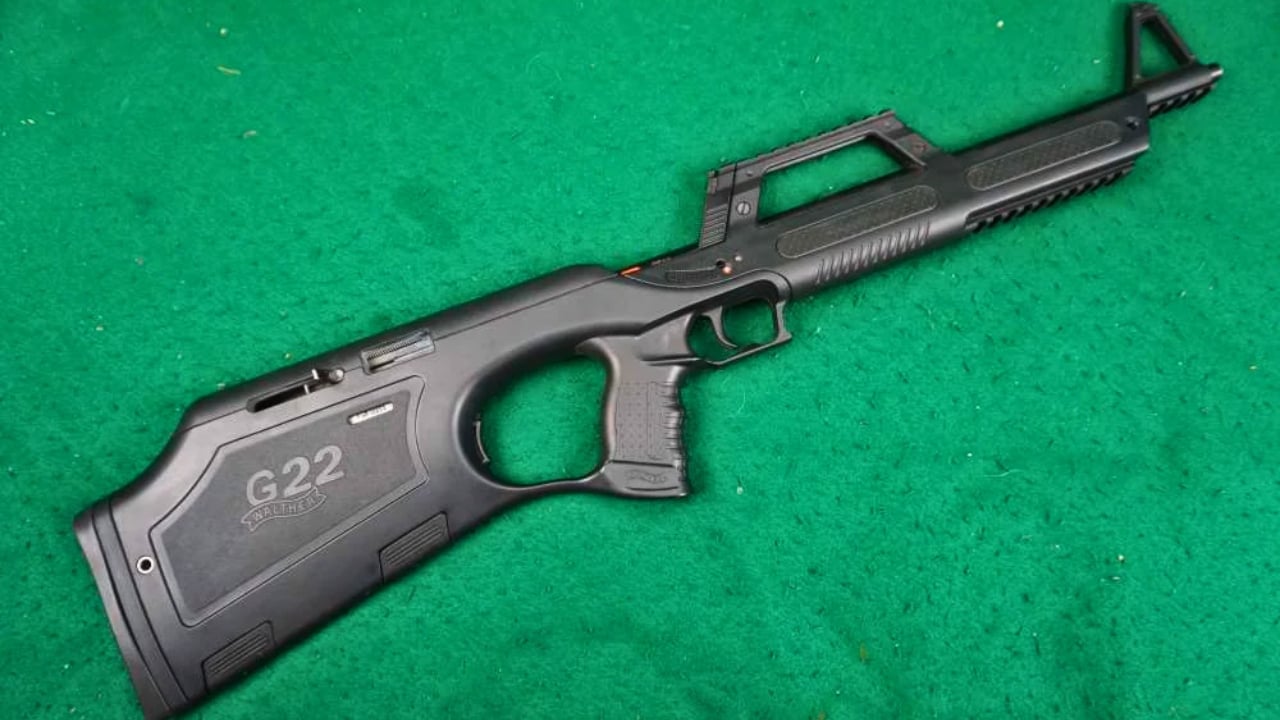
The G22 looked futuristic when it arrived because it was a bullpup .22 LR at a time when very few rimfires used that layout. The compact overall length and unusual styling made it easy to notice in a gun store.
Once shooters actually owned one, the unconventional controls and awkward maintenance started to matter more. The trigger has the usual bullpup compromises, and the rifle never developed the massive accessory ecosystem that keeps a rimfire interesting over the years. A Ruger 10/22 can become ten different rifles through aftermarket parts. The G22 mostly remains a G22. That limits the long-term fun for owners who enjoy tinkering as much as shooting.
KelTec SU-22

The SU-22 attracted shooters who liked KelTec’s lightweight folding-rifle philosophy but wanted it in inexpensive .22 LR. It was light, easy to carry, and visually similar to larger centerfire designs.
The problem is that the rimfire market is brutally competitive. Once the owner compares the SU-22 with rifles offering better triggers, stronger aftermarket support, and more polished construction, the novelty loses some of its power. The lightweight polymer-heavy design that seemed clever at first may eventually feel less substantial than expected. It still works as a packable plinker, but for many shooters that role is not enough to keep it at the front of the safe.
Chiappa M1-9

The M1-9 had a concept that practically sold itself. Give shooters the look and handling of an M1 Carbine while feeding it inexpensive 9mm ammunition. That should have created one of the most enjoyable retro-style PCCs on the market.
The execution never fully matched the promise. Magazine fit, controls, and general refinement left some owners wanting more, and the rifle did not feel as polished as the original military design it imitated. Once the initial fun of shooting an M1-shaped 9mm wears off, those compromises become harder to overlook. A nostalgic appearance gets someone to buy the rifle. Smooth operation and long-term confidence are what keep it in regular rotation.
Taurus CT9 G2
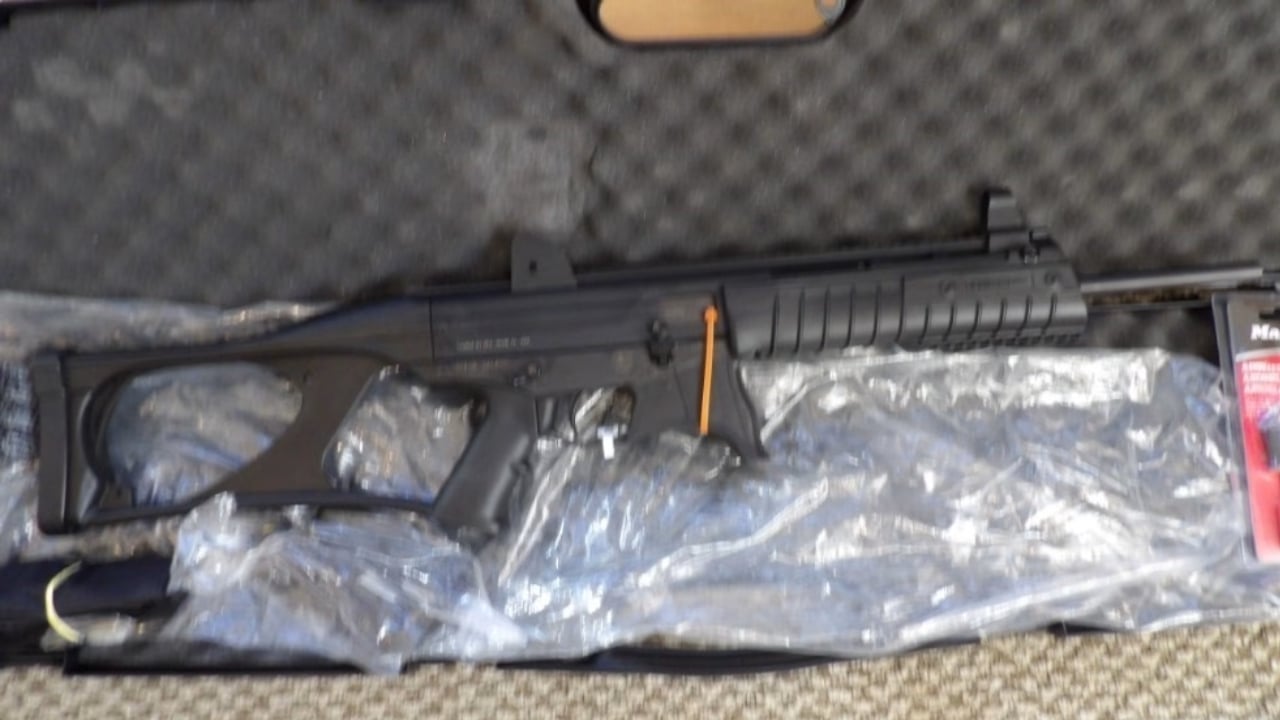
The CT9 G2 gave Taurus a pistol-caliber carbine that looked like a modern tactical rifle without simply being another AR clone. The polymer body, large controls, and unconventional shape made it stand out immediately.
The downside was that the rifle felt bulky for a 9mm carbine, and the magazine ecosystem never became as convenient as Glock- or Colt-pattern alternatives. That matters more over time than it does during the first range trip. Owners quickly discover that a PCC is most enjoyable when magazines are cheap, abundant, and easy to replace. If the carbine does not have that support, its uniqueness can turn into inconvenience. The CT9 looked different enough to attract attention, but not enough shooters found a reason to stay committed to it.
Marlin Camp 45
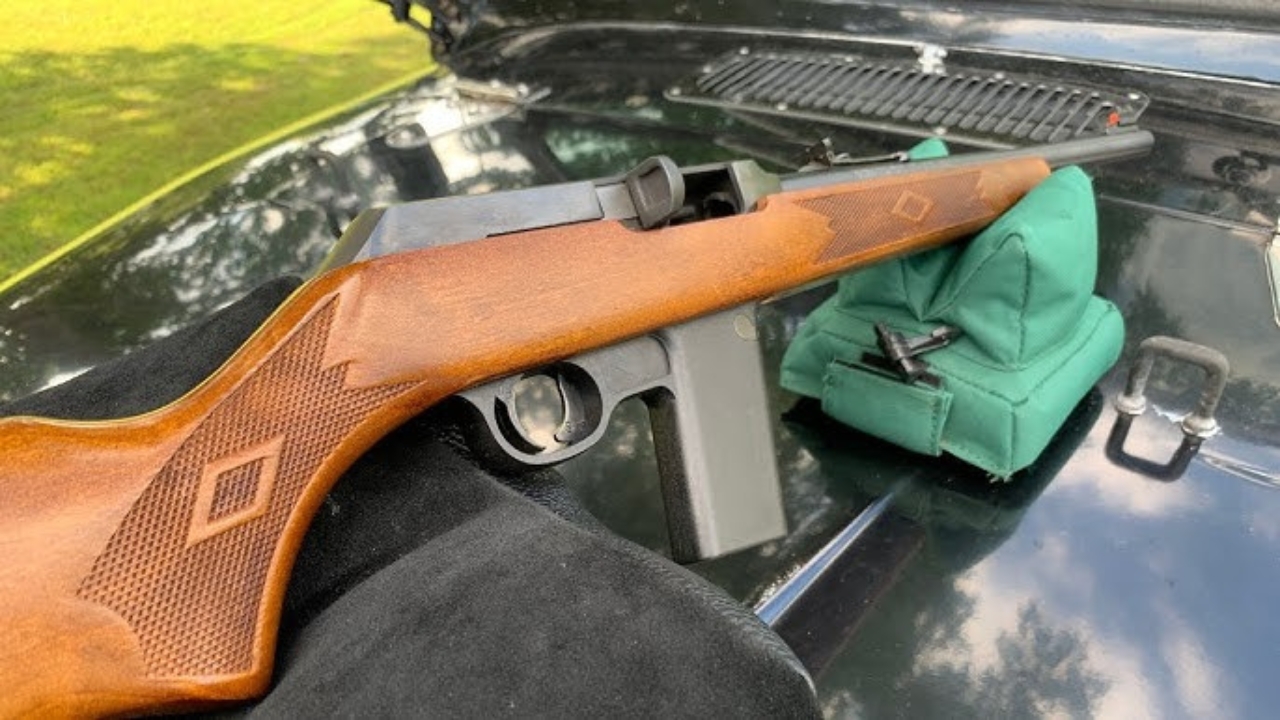
The Camp 45 has plenty of nostalgic appeal. It looks like a traditional sporting rifle, fires .45 ACP, and gives shooters a semiautomatic carbine without tactical furniture or modern styling.
The problem is that old blowback carbines need attention, especially around recoil springs and buffers. The .45 ACP chambering also means ammunition costs stack up quickly if the gun is used for regular range sessions. Once the owner starts replacing aging components and buying expensive ammunition, the casual plinking appeal can fade. A Camp 45 in good condition is still a cool rifle. It just asks more from the owner than the old-fashioned simplicity of its appearance suggests.
EAA Witness 2311 Carbine Conversion-Style Builds
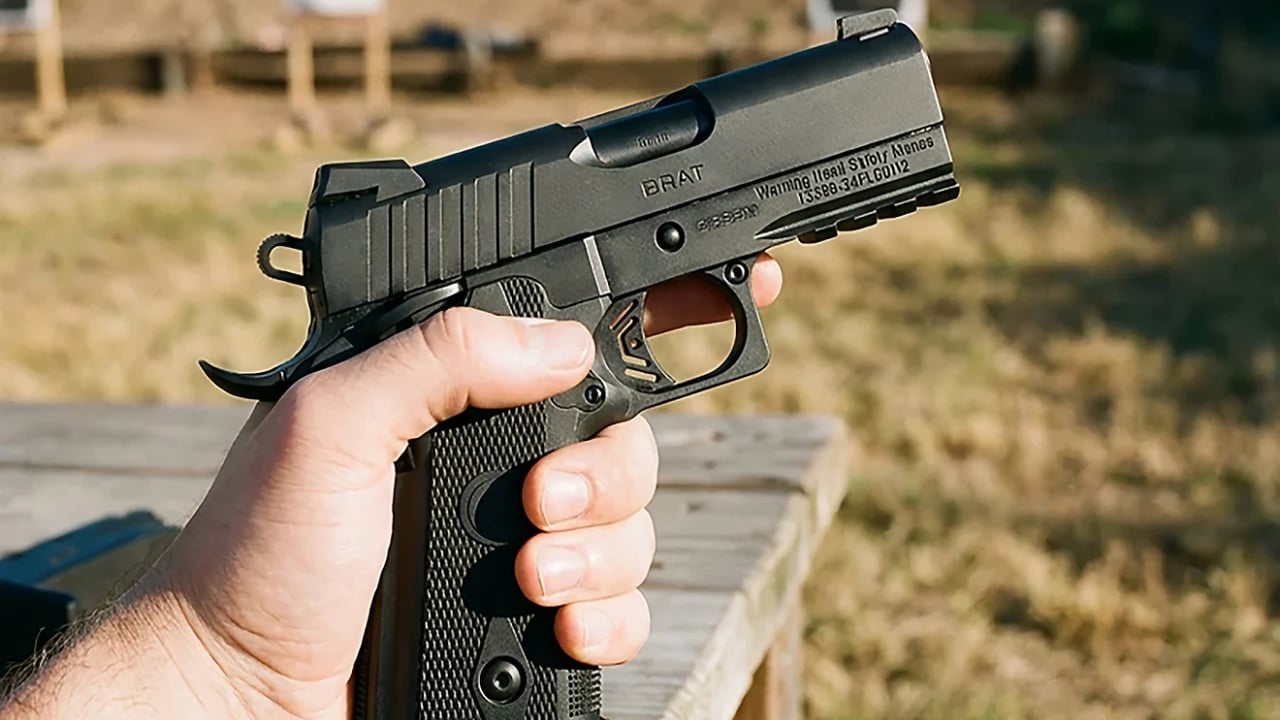
Carbine-style systems built around pistol platforms always seem more exciting before the owner has to live with them. The appeal is obvious: familiar magazines, familiar controls, and the chance to turn a handgun family into something shoulder-fired and easier to hit with.
The interest often fades because the finished result is neither as compact as a pistol nor as refined as a dedicated carbine. Extra chassis parts, unusual balance, and limited accessory support can make the setup feel like a compromise rather than an upgrade. Shooters who initially love the modular idea frequently end up buying a purpose-built PCC later because it is easier to configure and leave ready. Conversion concepts are fun. Dedicated platforms usually win once novelty stops carrying the experience.
Like The Avid Outdoorsman’s content? Subscribe to our newsletter so you never miss an article.
Here’s more from us: