Photo credit: capandball/YouTube
Not every discontinued rifle deserves a comeback campaign. Some old models disappeared because manufacturing costs got too high or tastes changed, but others left the market because buyers had legitimate reasons to move on. A rifle may have been too expensive for what it offered, dependent on troublesome proprietary parts, saddled with unreliable magazines, or simply outclassed by competing designs that did the same job better.
That does not mean every example of these rifles is junk. Plenty of owners have guns below that work perfectly, and a few have even developed collector followings since production ended. The issue is whether the basic design deserved another long production run. In these cases, I think discontinuation generally made sense. The market had better choices, and nostalgia does not erase the compromises that made these rifles difficult to recommend when they were still sitting new on dealer racks.
Remington Model 597

Remington clearly wanted the Model 597 to challenge the Ruger 10/22 in the semiautomatic .22 market. It had twin guide rails, a last-round bolt hold-open, and a more conventional rifle feel than some bargain rimfires. On paper, there was enough here to become another long-running Remington rimfire.
The magazines did enormous damage to that potential. Early versions especially developed an ugly reputation for feeding problems, and even later improvements never completely erased the perception that the rifle could be temperamental. That is a difficult weakness to tolerate in a .22 LR, where inexpensive ammunition and carefree shooting are supposed to be the whole attraction. Ruger’s 10/22 had already established a gigantic aftermarket and a reputation for easy ownership. The 597 never gave enough reason to fight through its quirks instead.
Remington Model 522 Viper

The Viper was Remington’s attempt to build an inexpensive modern rimfire using extensive polymer construction. The rifle was light, looked contemporary for its era, and gave buyers another affordable semiautomatic .22 option from one of America’s biggest gun manufacturers.
Unfortunately, inexpensive construction became part of the rifle’s identity. The magazines were a frequent source of frustration, the polymer-heavy build never developed the reassuring feel of older Remington rimfires, and reliability complaints followed the model around. A cheap .22 has to make ownership easier, not force the shooter to spend range time diagnosing feeding problems. Remington had produced far more beloved rimfires before the Viper, making the shortcomings even harder to excuse. Its disappearance did not leave the rimfire market with an obvious hole that needed filling.
Remington Model 700 EtronX
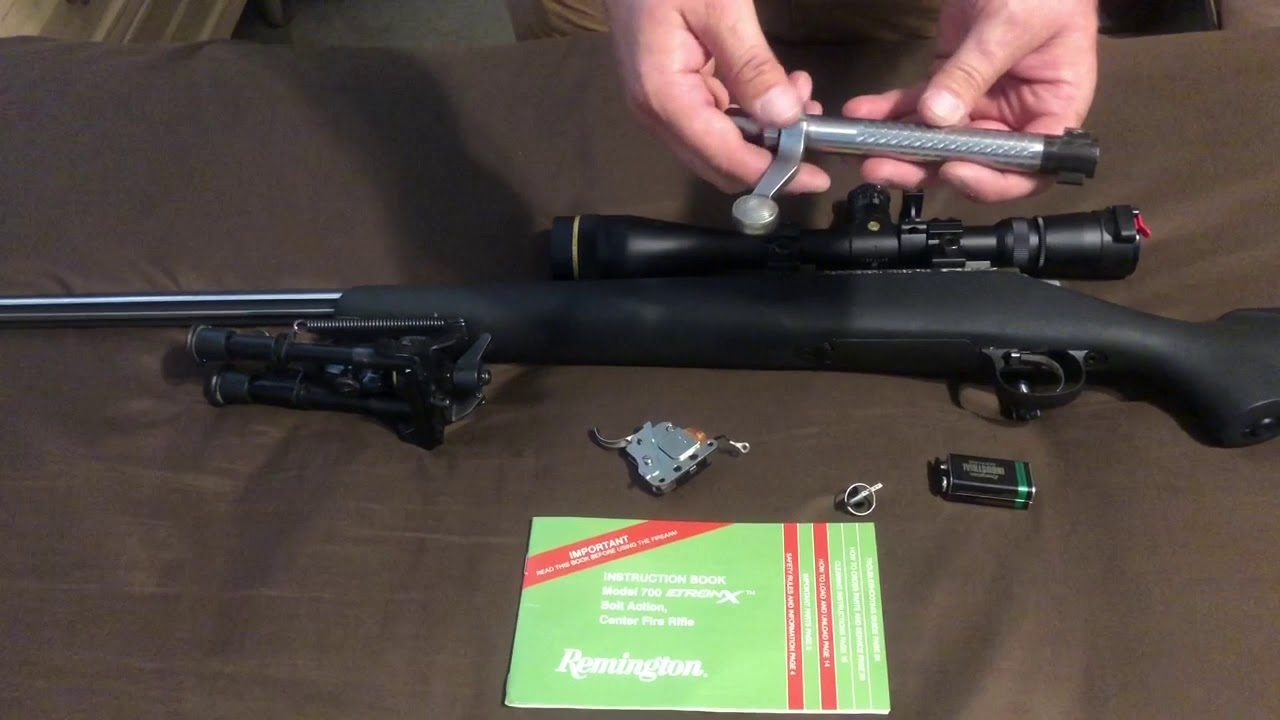
The EtronX was technologically fascinating. Instead of using a conventional firing pin, Remington designed the rifle around electronically fired primers and an electronic trigger system. The idea was to dramatically reduce lock time and provide extremely consistent ignition for shooters pursuing tiny groups.
The problem was everything required to make that advantage work. The rifle depended on special ammunition with electronic primers, meaning owners were tied to a cartridge supply that existed only as long as manufacturers supported the system. Once that ammunition disappeared, the rifle’s cleverest feature became its biggest liability. The improvement in lock time was interesting to serious target shooters, but nowhere near important enough to justify creating an entirely different ammunition ecosystem. It was an impressive engineering experiment that made far more sense in a laboratory than in a gun store.
Colt Light Rifle
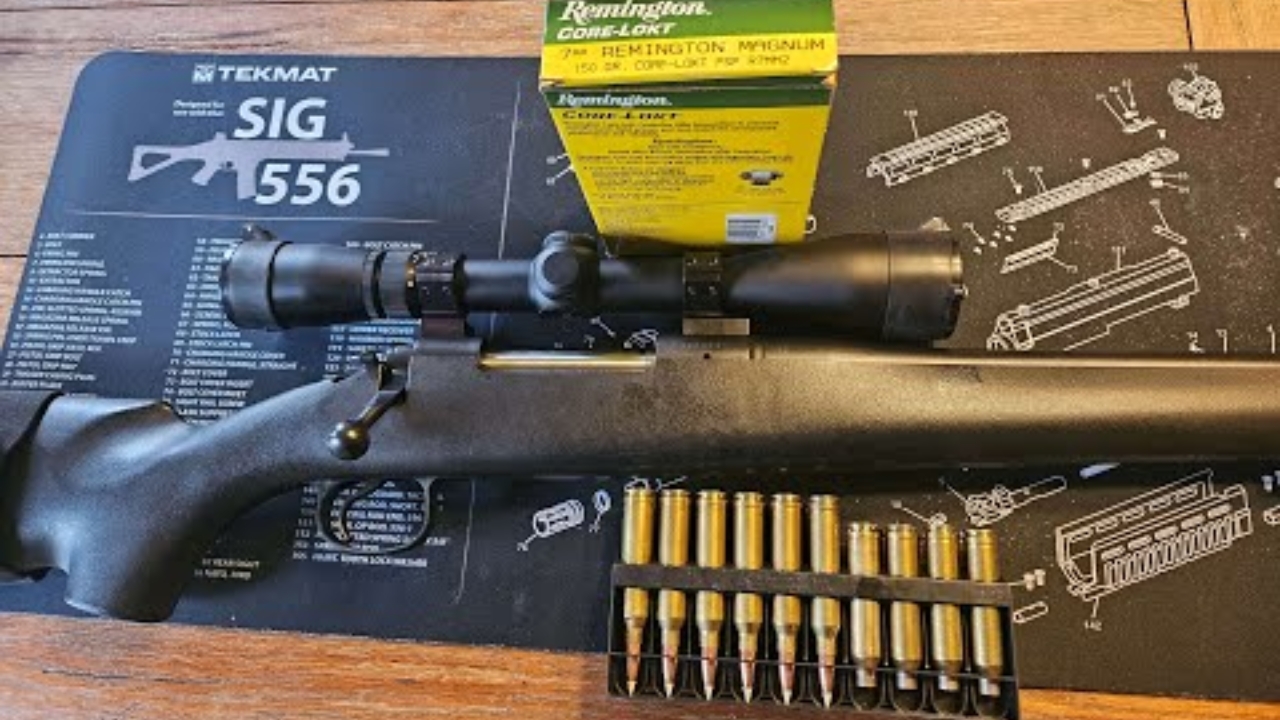
The Colt name should have given the Light Rifle an enormous head start. A lightweight American bolt-action hunting rifle carrying the Colt pony had plenty of potential, particularly as hunters became increasingly interested in rifles that were easier to carry through rough country.
Execution never lived up to the name. The rifle developed a mixed reputation for fit, finish, accuracy consistency, and general quality that buyers did not expect from Colt. That is especially damaging when a product enters a market filled with proven hunting rifles from companies that specialize in bolt actions. A recognizable logo can get customers to pick a rifle up at the counter, but it cannot keep them interested if the product itself feels unfinished. The Light Rifle disappeared without establishing enough of an identity to make many hunters miss it.
Bushmaster Carbon 15

The Carbon 15 concept made immediate sense. AR-pattern rifles were traditionally built around aluminum receivers, so replacing major components with carbon-fiber-reinforced polymer promised significant weight savings. A genuinely dependable lightweight AR would have been extremely attractive to hunters and anyone carrying a rifle for long periods.
The problem was that weight savings came with questions about durability and long-term confidence. Carbon 15 rifles never earned the same reputation for hard use as conventional forged-receiver ARs, while the broader AR industry simultaneously learned how to build remarkably light rifles without abandoning aluminum. That removed much of the Carbon 15’s reason to exist. Once buyers could get a lightweight conventional AR with familiar parts compatibility and construction, accepting additional uncertainty merely to shave weight became a much tougher argument.
Bushmaster M17S
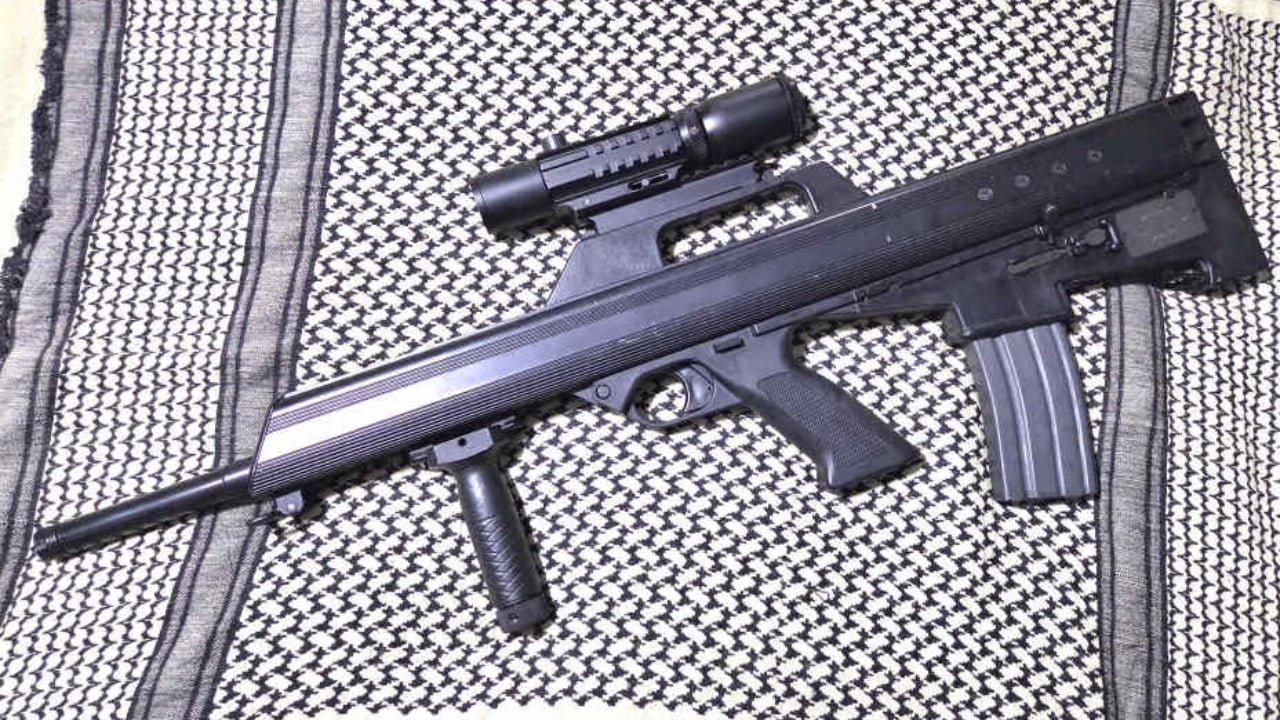
The M17S offered a full-length barrel in a compact bullpup package long before American shooters had many domestically available bullpup choices. Its aluminum receiver and straightforward operating system gave it plenty of mechanical potential.
The rifle’s ergonomics never came together well enough. The trigger had the usual bullpup disadvantages, the charging arrangement was awkward, heat could become noticeable around the aluminum upper, and the overall design felt less refined than later bullpups. It also arrived during a period when inexpensive AR-15s were becoming increasingly common. A strange rifle needs to offer a clear advantage to convince buyers to abandon familiar controls and parts. The M17S was compact, but compactness alone was not enough to overcome everything else the shooter had to accept.
MSAR STG-556
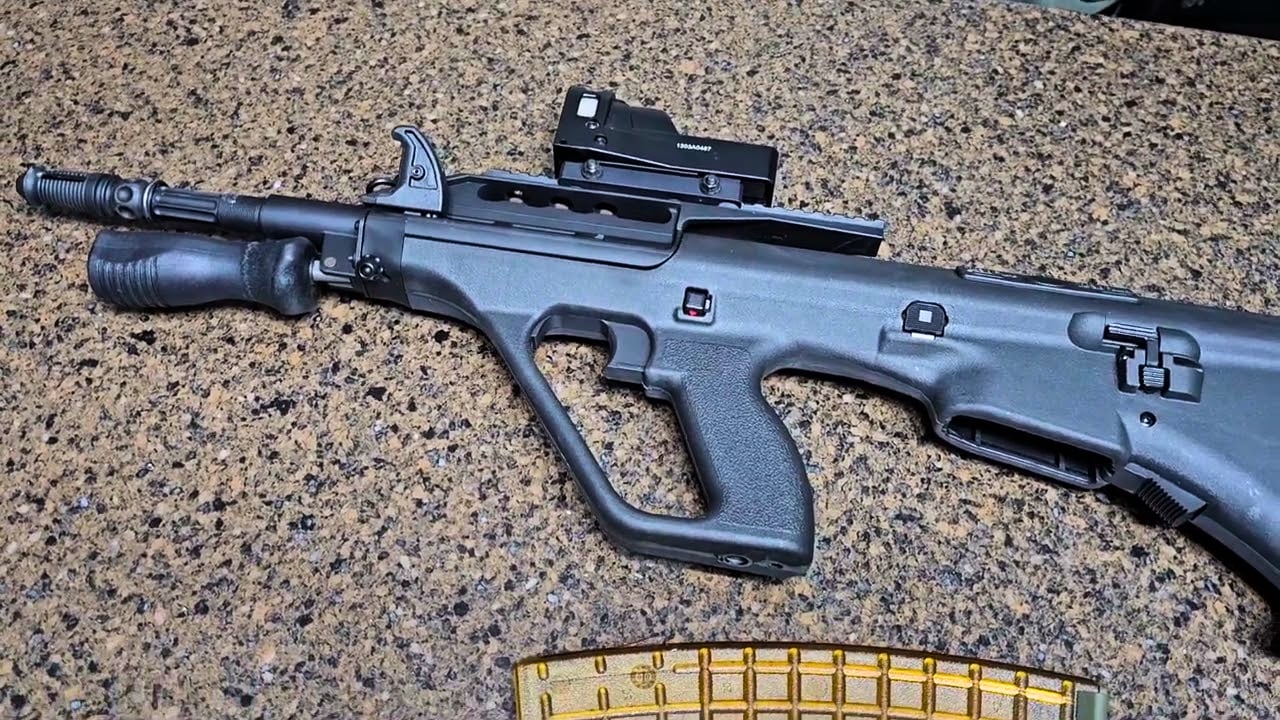
The STG-556 looked like an opportunity to get much of the AUG experience from an American-made rifle at a time when genuine Steyr availability was more complicated. The bullpup layout, quick-change barrel concept, and recognizable appearance attracted plenty of attention.
Ownership was harder to sell once proprietary components and inconsistent experiences entered the picture. Different generations brought changes in magazines and parts, and the collapse of the manufacturer created exactly the situation buyers fear when purchasing a proprietary rifle. A conventional AR can survive the disappearance of almost any single manufacturer because countless companies make compatible components. A proprietary bullpup does not have that luxury. The STG-556’s demise demonstrated why long-term support is almost as important as the rifle’s performance on its first range trip.
Mossberg MVP LC

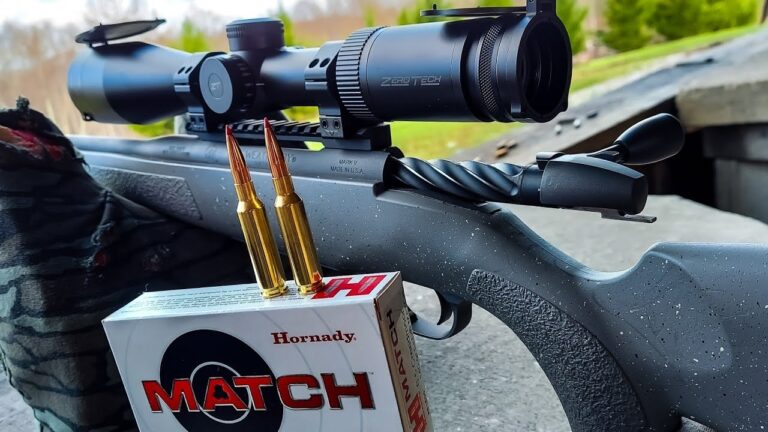
The MVP LC had an appealing idea at its center. It placed Mossberg’s bolt action into an aluminum chassis and allowed the rifle to use commonly available AR-pattern magazines. In .223 or .308, that sounded like a practical combination of bolt-action accuracy and semiautomatic magazine availability.
The final package was harder to love. The chassis added bulk and cost, while the MVP action never had the refinement of more expensive precision-rifle competitors. The magazine compatibility was clever, but it solved a problem many bolt-rifle shooters did not consider especially important. By the time you paid for a chassis rifle, there were smoother actions and more developed precision platforms competing for the same money. The LC ended up in an uncomfortable middle ground between inexpensive hunting rifle and serious precision rifle.
Mossberg 4×4
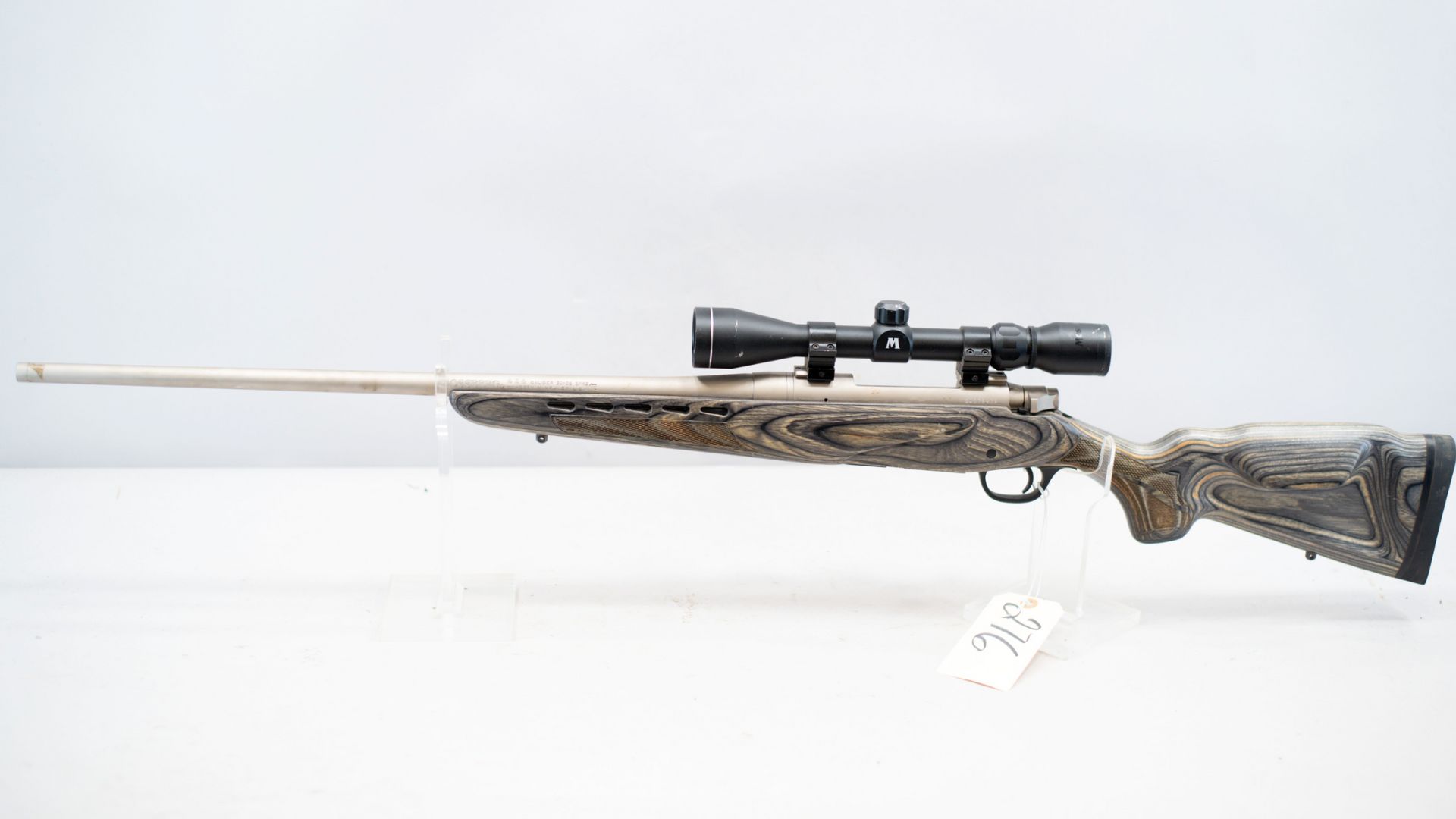
The Mossberg 4×4 was intended to give hunters an affordable bolt rifle with useful features and a broad selection of cartridges. It arrived during a period when inexpensive synthetic-stocked hunting rifles were becoming one of the most competitive segments in the gun business.
That competition exposed the rifle’s weaknesses quickly. The 4×4 could be accurate, but the styling, stock design, overall refinement, and perceived quality did not give buyers much reason to choose it over increasingly strong alternatives. Savage, Ruger, Weatherby, and later several other companies made inexpensive rifles that developed much stronger identities. Being merely functional is not enough in a category where everyone is trying to build a cheap rifle that shoots well. Mossberg eventually had better directions to take its centerfire rifle business.
Mossberg ATR Night Train
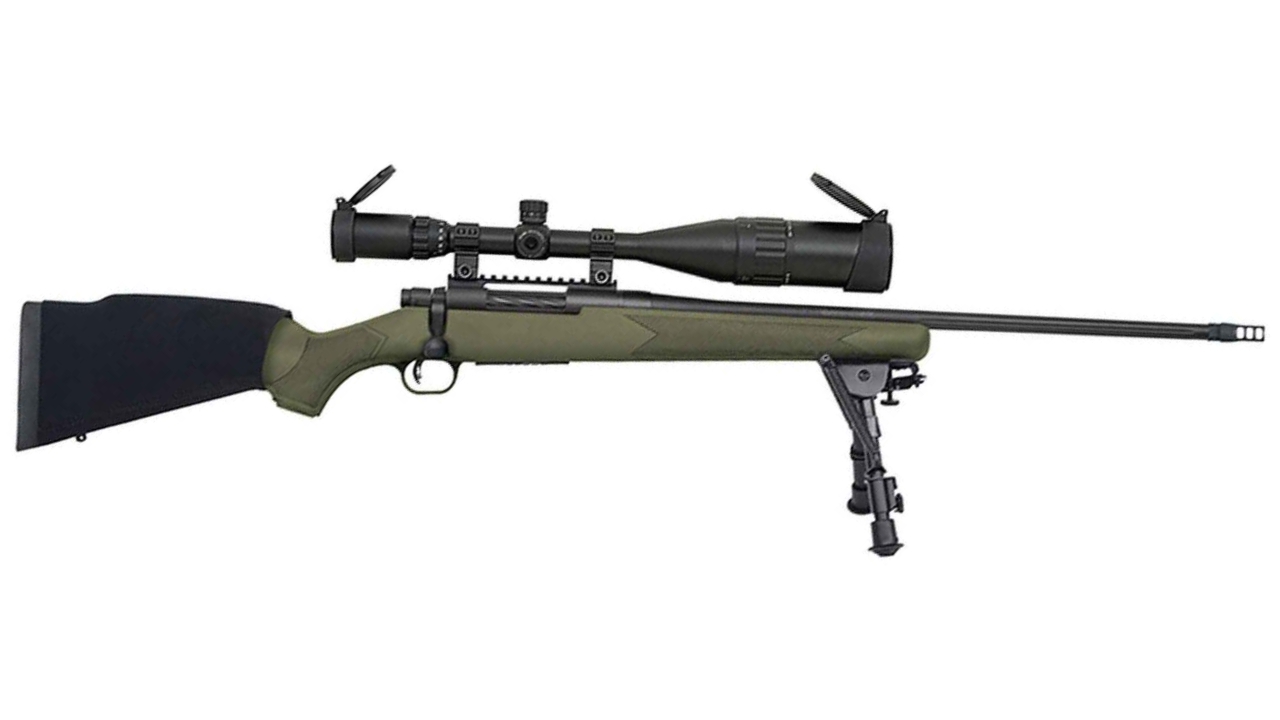
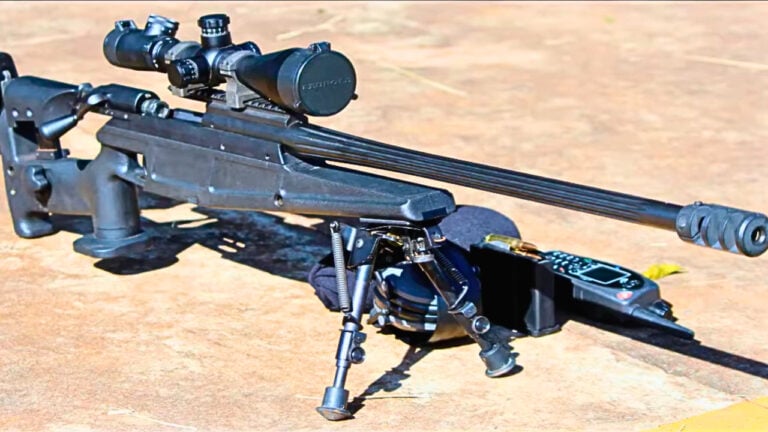
The Night Train took the basic ATR bolt action and surrounded it with the visual cues of a long-range tactical rifle. Heavy barrels, large scopes, bipods, and aggressive styling made the package look ready for serious precision shooting straight out of the box.
The problem was that appearance raced ahead of the underlying platform. An inexpensive action wearing a giant optic and tactical accessories does not automatically become a premium precision rifle. The complete setup could also become heavy and cumbersome, while some of the package components were not necessarily what an experienced long-range shooter would have chosen individually. It was aimed at buyers who wanted the precision-rifle look without the precision-rifle price. As those buyers became more knowledgeable and affordable chassis rifles improved, the Night Train concept became much less convincing.
Remington R-25
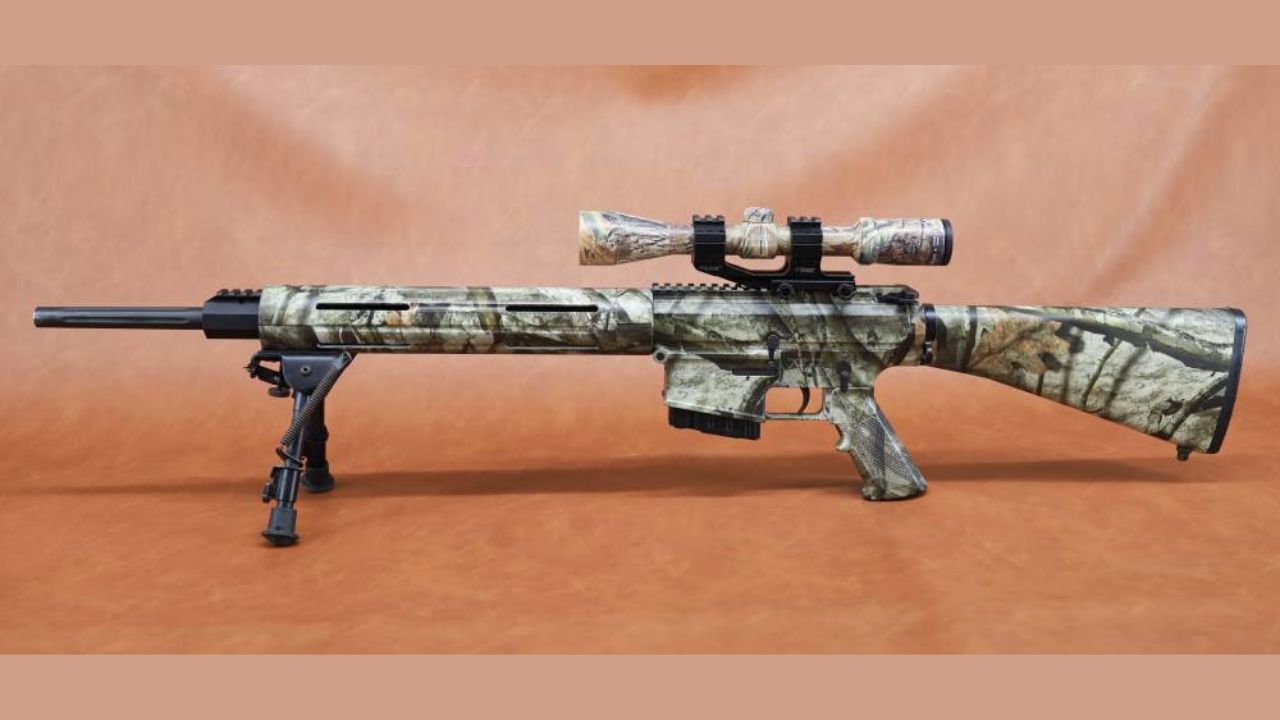
The R-25 was intended to make the AR-style .308 more approachable to hunters by giving it Remington branding, hunting finishes, and configurations designed for game rather than tactical use. At a time when semiautomatic hunting rifles were becoming more accepted, the idea had potential.
The rifle never escaped the reality that it was competing in a rapidly expanding large-frame AR market. Hunters who wanted an AR-10-style rifle had increasing numbers of choices, while traditional Remington customers could buy lighter bolt actions for far less money. The R-25 was relatively heavy for a hunting rifle and did not develop enough unique identity to justify its place. Once large-frame ARs became completely normal, wrapping one in camouflage and calling it a hunting-specific platform stopped being much of a selling point.
SIG Sauer 556R Early Production
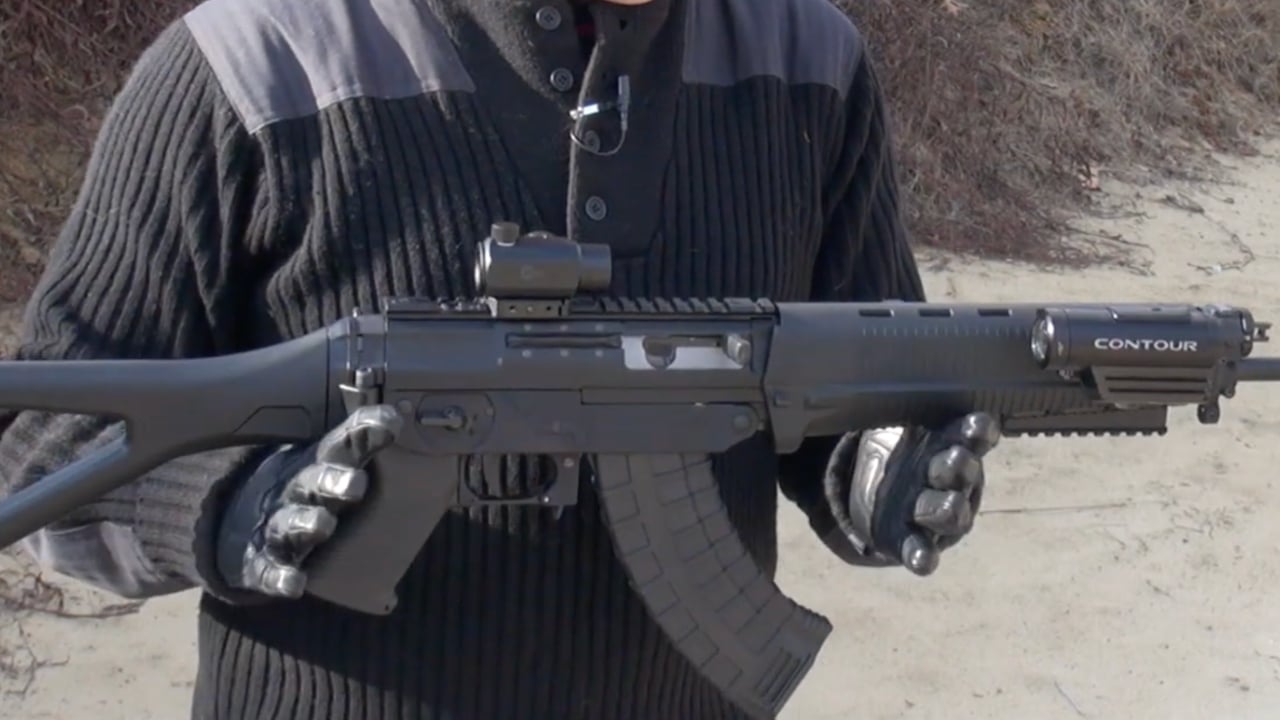
The basic idea behind the 556R was excellent. Combine a Western-style piston rifle with the inexpensive 7.62×39 cartridge and widely available AK magazines, and you should have a durable carbine with better ergonomics than a traditional Kalashnikov.
Early rifles damaged that idea with reliability complaints at exactly the wrong time. Feeding and extraction concerns are particularly destructive to a rifle whose appeal is supposed to include ruggedness. Later improvements helped, but once buyers lose confidence in a proprietary rifle it is difficult to get them back. The market already had proven AKs for shooters who wanted 7.62×39, and AR-based alternatives were becoming more common. The 556R needed to be boringly dependable immediately. Anything less made the extra complexity difficult to justify.
Beretta RX4 Storm
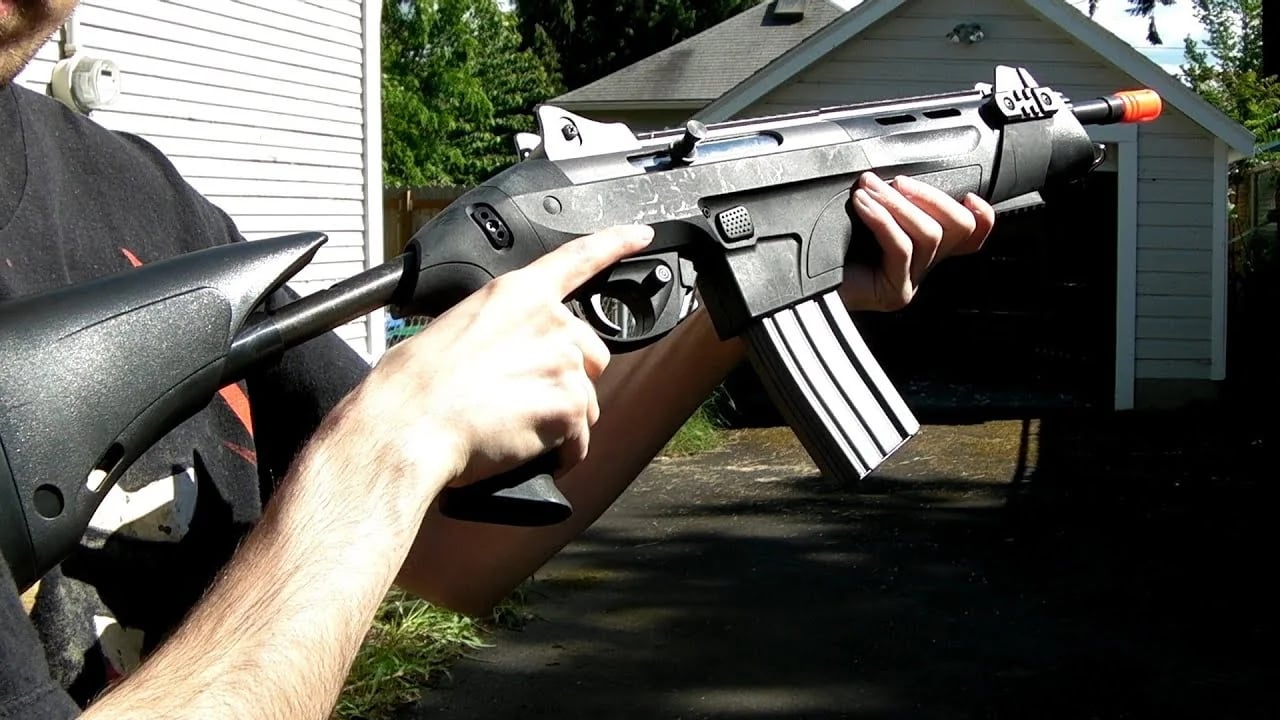
The RX4 Storm had excellent pedigree behind it. Beretta and Benelli engineering produced a piston-operated 5.56 rifle with a rotating bolt and an operating system related to technology already proven in other firearms. Mechanically, it was far more interesting than another basic AR.
What it lacked was a compelling reason for American shooters to abandon the AR ecosystem. The rifle used more proprietary components, aftermarket support was limited, and the styling never created the kind of following needed to sustain an alternative platform. That is the recurring problem with non-AR 5.56 rifles. They do not merely have to work. They have to work well enough to convince owners to give up cheap magazines, universal parts, endless accessories, and decades of accumulated knowledge. The RX4 never made that case strongly enough.
FN PS90

The PS90 has not disappeared from every market in the same way as several rifles here, so I would not call the entire platform extinct. But specific versions and configurations have come and gone for understandable reasons, and the design illustrates why its appeal has always remained relatively narrow.
The civilian-length barrel changes the proportions that make the compact P90 concept so attractive, while the unusual top-mounted magazine and 5.7×28 ammunition create a more specialized ownership experience. The rifle is mechanically interesting and exceptionally recognizable, but its strengths make more sense in the compact configuration for which the design originated. As a conventional civilian rifle, it is expensive and unusually configured without providing an overwhelming advantage over simpler carbines. That helps explain why it has remained a niche choice rather than a mainstream one.
Olympic Arms PCR Series
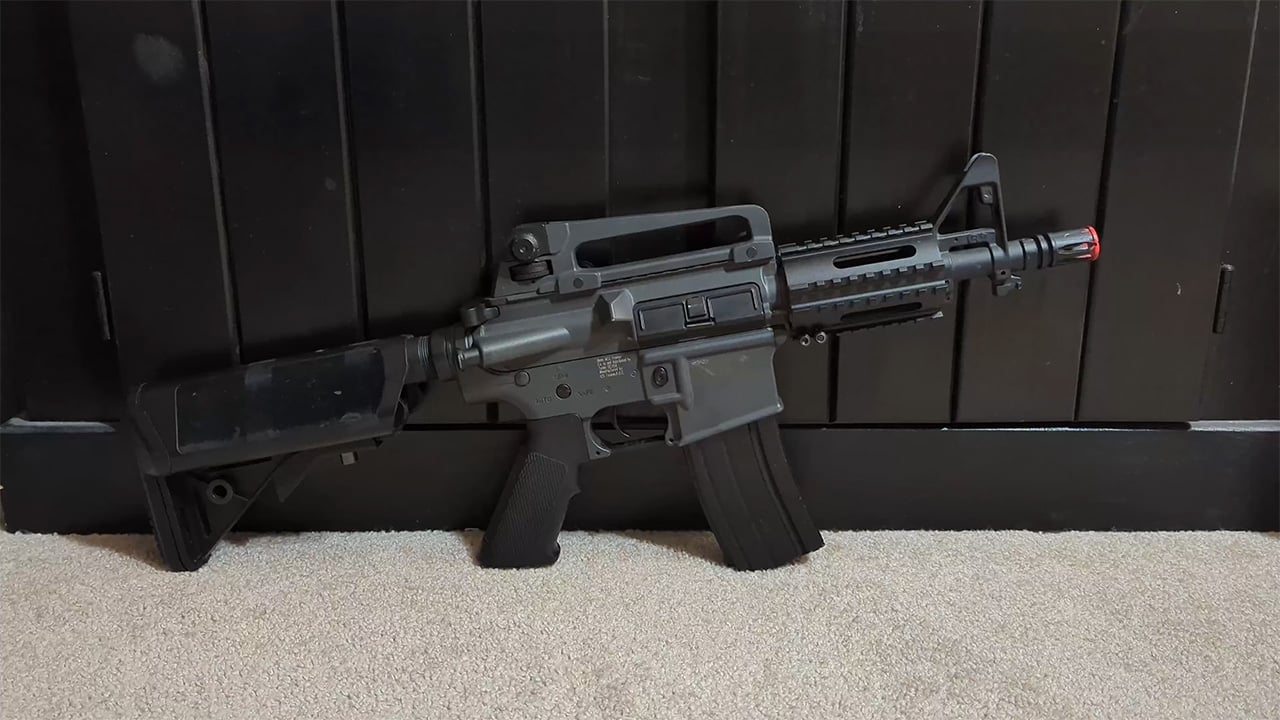
Olympic Arms was one of the companies building AR-pattern rifles before the market became as standardized and polished as it is today. The company’s PCR rifles helped make the platform available to civilian shooters during an important period in the AR’s growth.
The problem is that the modern AR market became increasingly unforgiving of inconsistent quality, unusual specifications, and proprietary choices. Once major manufacturers and specialist companies began offering inexpensive rifles built around broadly accepted standards, there was less reason to accept a platform with more uncertainty surrounding parts and support. Olympic’s disappearance made those concerns even more important. A basic AR should be one of the easiest rifles in America to keep running. Anything that makes that process more complicated works against the entire point of owning one.
DPMS Panther Sportical
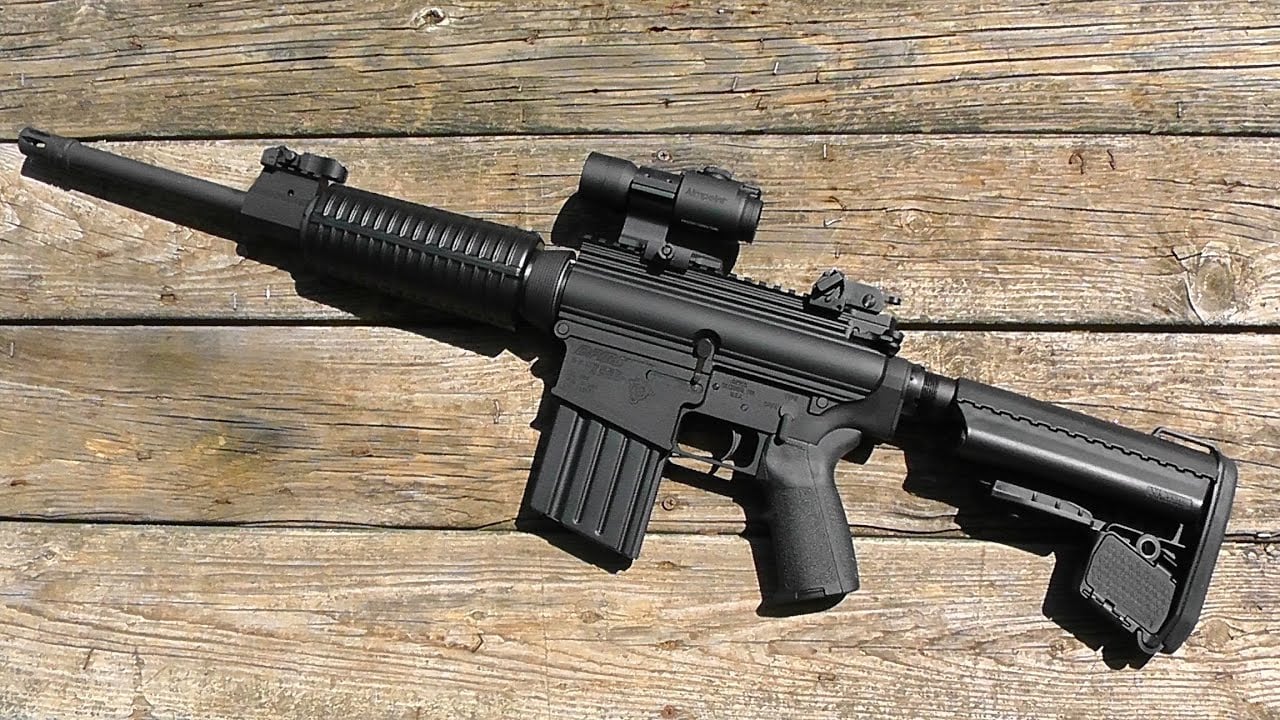
The Sportical was built for buyers who wanted an inexpensive, stripped-down AR without paying for features they did not intend to use. Removing the forward assist, dust cover, and some traditional military-style equipment helped DPMS reach an attractive price.
That approach made more sense when AR-15s were considerably more expensive. As manufacturing expanded, however, fully equipped rifles became cheap enough that the savings no longer justified giving up basic features. Buyers could find conventional carbines with dust covers, forward assists, better handguards, and improved furniture for remarkably little additional money. The Sportical was not fundamentally broken. The market simply became too competitive for an intentionally stripped-down AR that no longer delivered a dramatic price advantage.
Remington Model 740

The Model 740 helped establish Remington’s long line of semiautomatic hunting rifles, giving deer hunters fast follow-up shots in traditional centerfire cartridges while maintaining the look and feel of a sporting rifle.
Age exposed why the basic concept needed continued development. Semiautomatic hunting rifles demand more maintenance and contain more interacting parts than comparable bolt actions. As examples accumulated wear and neglected chambers, extraction and cycling problems could become a source of frustration. Remington improved the family repeatedly through later models, which itself tells you the original design had room to mature. The 740 deserves historical respect, but there is little argument for putting the original version back into production when later rifles addressed many of its limitations.
Standard Arms Model G
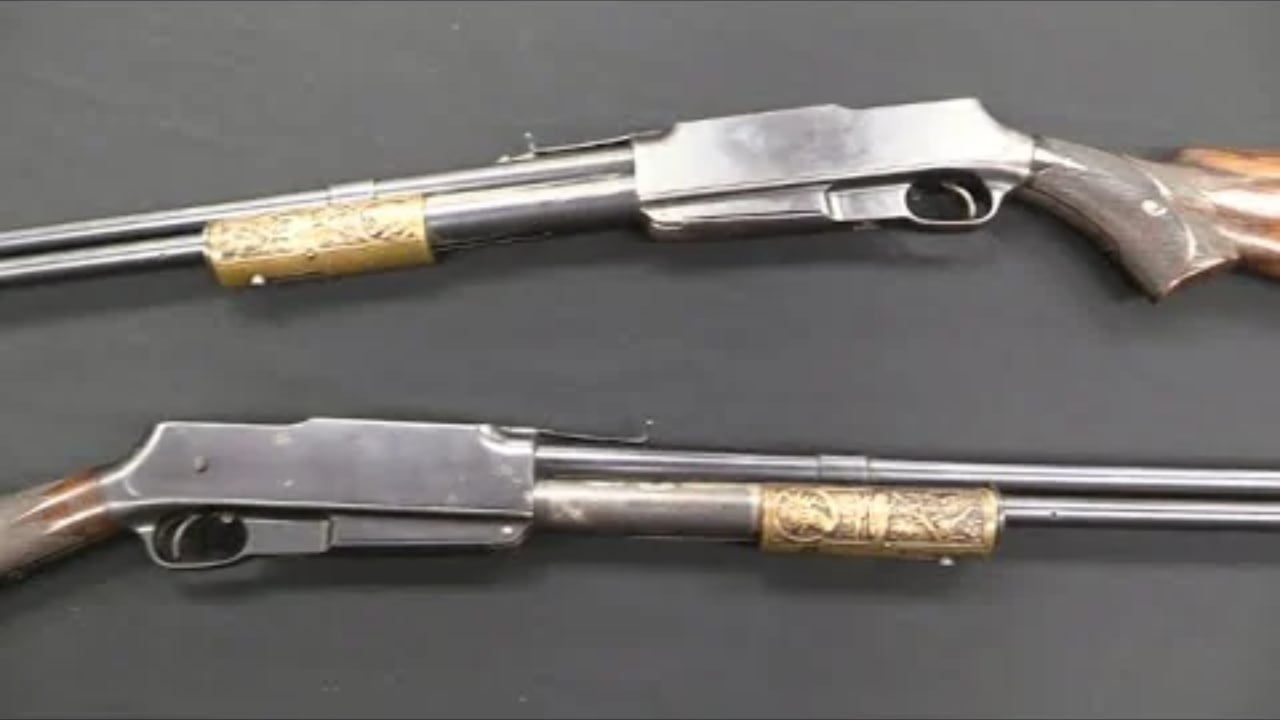
The Standard Arms Model G was extraordinarily ambitious for the early twentieth century. It was a gas-operated semiautomatic sporting rifle that could also be operated manually as a slide action, effectively giving the shooter a backup operating system if the self-loading mechanism failed.
The need for that backup was part of the problem. The rifle developed a reputation for mechanical complexity and unreliability, which is especially damaging when simplicity was one of the strongest advantages of competing lever and bolt rifles. Combining two operating methods sounds clever on paper, but every additional mechanism introduces more parts and more opportunities for trouble. The Model G is historically fascinating precisely because it shows how aggressively designers were experimenting with self-loading rifles. Commercially, though, buyers were right to prefer systems that simply worked without needing a second mode.
Colt Lightning Centerfire Rifle

The original Colt Lightning slide-action rifle was fast and mechanically interesting, but its design did not handle neglect as gracefully as competing lever actions. Black-powder ammunition made that especially important because dirty or corroded chambers were a normal reality of the era.
The Lightning’s extraction system lacked the strong mechanical leverage available from some competing actions, which could make a dirty chamber much more troublesome. That is a serious disadvantage in a working rifle from a period when meticulous cleaning could not always be assumed. The rifle remains collectible and reproductions can be tremendous fun, but the original centerfire design lost its commercial fight for practical reasons. Winchester’s lever actions offered shooters a more established system without asking them to accept the Lightning’s weaknesses.
Winchester Model 1905
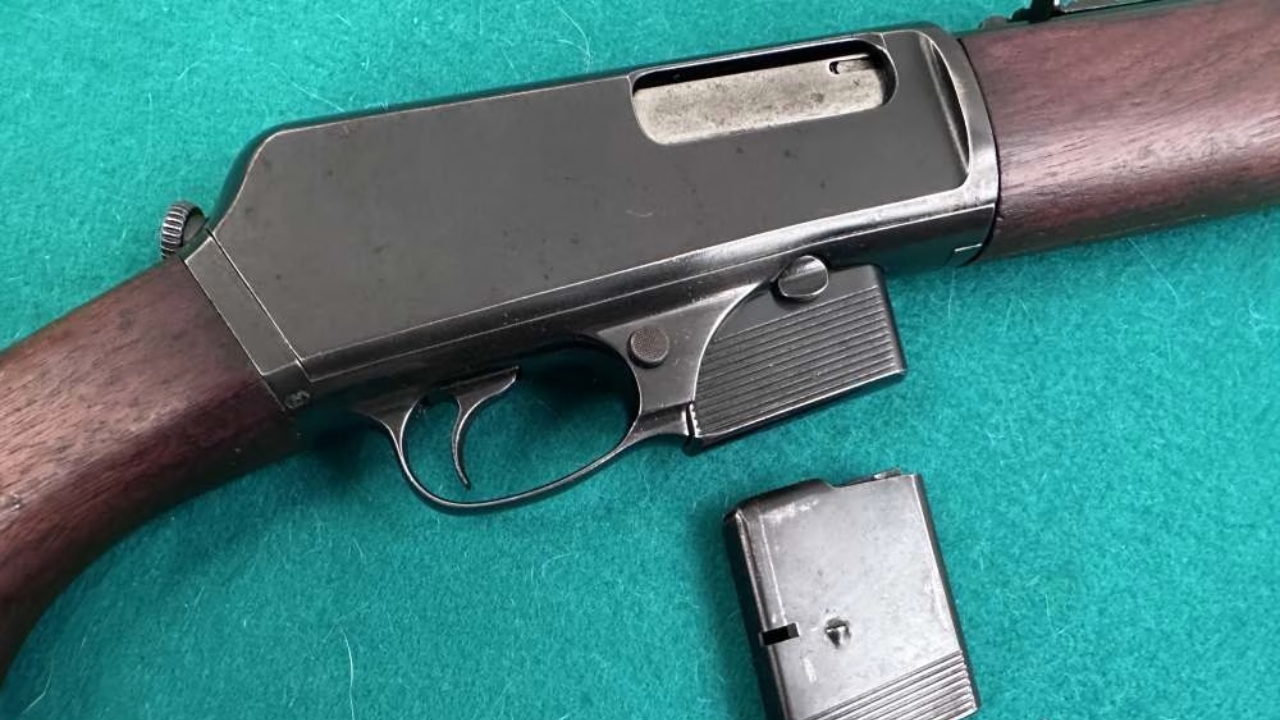
The Model 1905 was an important early attempt at creating a practical semiautomatic centerfire sporting rifle. It used Winchester’s self-loading cartridges and offered a detachable magazine at a time when semiautomatic rifles were still an emerging technology.
The problem was that its proprietary cartridges and heavy blowback operating system limited how far the concept could evolve. The ammunition never achieved the broad usefulness of conventional rifle cartridges, and later designs quickly demonstrated better ways to build self-loading hunting rifles. Once the cartridges themselves faded, keeping the rifle alive became nearly impossible. Historically, the 1905 deserves credit for helping push semiautomatic development forward. Commercially, though, there was little reason to preserve a rifle tied to an ammunition family that the rest of the market had already left behind.
Like The Avid Outdoorsman’s content? Subscribe to our newsletter so you never miss an article.
Here’s more from us: