Photo credit: WHO_TEE_WHO/YouTube
Some hunting rifles build reputations that outlast the reasons people started recommending them in the first place. A rifle may have been an obvious value ten years ago, but prices climb, competitors improve, factories change ownership, and features that once looked advanced start feeling ordinary. The gun may still shoot perfectly well, yet the argument for buying it becomes much weaker.
That is what this list is about. These are not necessarily bad rifles. Several are excellent, and plenty of hunters will continue using them successfully for decades. The issue is whether I would still point a new buyer toward one with the same confidence I might have had years ago. In a market full of lighter rifles, better triggers, stronger warranties, threaded barrels, and increasingly good budget options, some familiar names have simply become harder to defend.
Browning X-Bolt Hunter

The X-Bolt Hunter has been an easy recommendation for years because it combines a smooth action, clean trigger, detachable rotary magazine, and classic walnut stock in a rifle that feels more refined than most entry-level bolt guns. It still does all of those things well.
The problem is that Browning has moved further upmarket while competitors have closed the gap. You can now buy rifles with excellent triggers, threaded barrels, better stock adjustability, and equal hunting accuracy for less money. The Hunter still has a polished feel, but the premium is harder to justify unless you specifically want the Browning name and traditional styling. It remains a good rifle. It just no longer stands alone in the middle of the market the way it once seemed to.
Weatherby Vanguard Sporter

The Vanguard has long been one of the safest value recommendations in hunting rifles. The action is strong, accuracy is usually excellent, and Weatherby managed to give buyers a rifle that felt more substantial than many cheap synthetics.
The difficulty is that the Vanguard is not especially light, and prices have crept high enough that buyers start comparing it with rifles that offer more modern features. Threaded muzzles, adjustable stocks, lighter barrels, and better factory ergonomics are increasingly normal. The Vanguard still shoots, but that is no longer enough by itself. If I wanted a traditional heavy sporter, I would still consider one. If I wanted the best value for a new hunter, there are simply more compelling choices now.
Remington Model 700 CDL

The CDL remains one of the best-looking traditional hunting rifles available when you find a good one. Walnut, polished steel, and the familiar Model 700 action give it the kind of classic deer-rifle character that polymer stocks cannot duplicate.
That appeal is also what keeps it expensive. The CDL is now competing against rifles with more consistent out-of-box triggers, better weather resistance, and stronger feature sets at similar or lower prices. The Model 700 aftermarket remains unmatched, but that matters most if you plan to modify the gun. If I am buying a hunting rifle specifically to hunt, I would rather not pay extra for a platform I immediately feel tempted to upgrade. The CDL still has charm. The value case has become much harder.
Tikka T3x Hunter
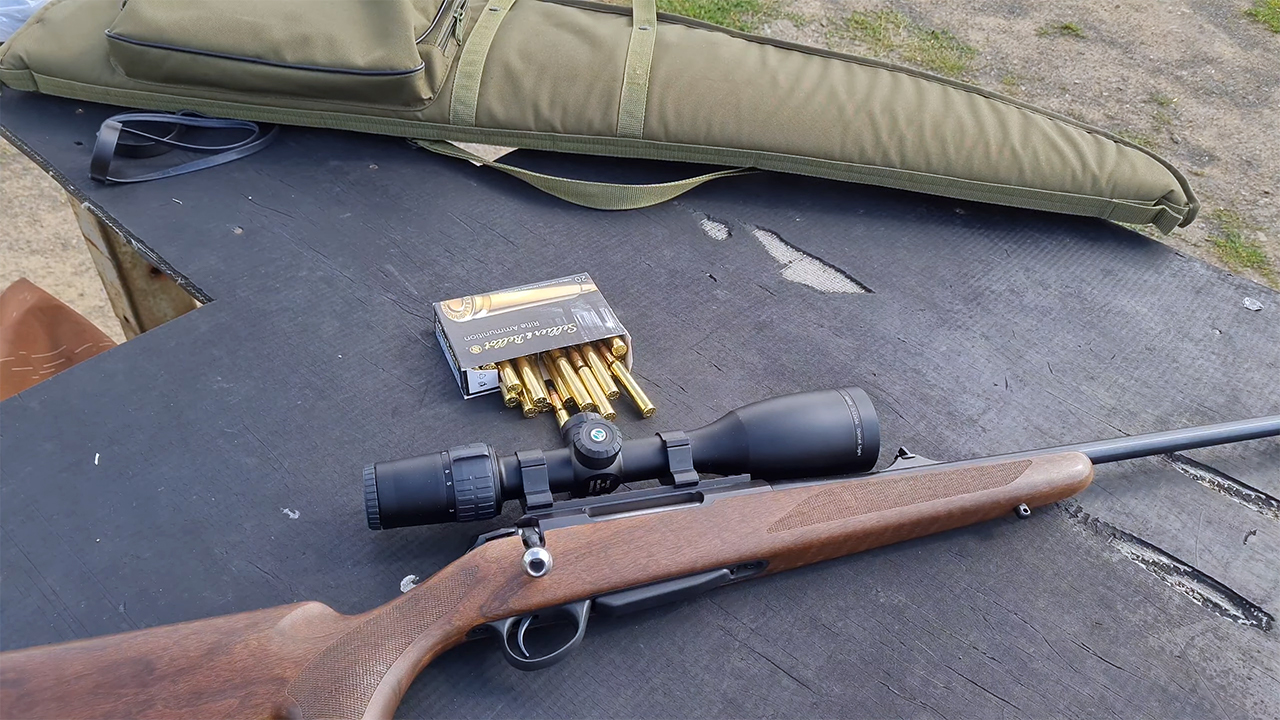
The T3x Hunter is smooth, accurate, and one of the easiest traditional bolt rifles to shoot well. Tikka’s action remains among the slickest in the price range, and the rifle has a long-earned reputation for delivering excellent groups with very little fuss.
The problem is that the Hunter configuration charges a premium largely for walnut and traditional styling. The synthetic T3x models are lighter, more weather resistant, and generally make more sense as actual working rifles. Once the price climbs, buyers also begin comparing it with rifles offering more elaborate stocks or premium barrels. I still like the Tikka action immensely, but if performance is the priority, I would have a difficult time explaining why the Hunter is the version to buy.
Savage 110 High Country

The High Country once looked like a very compelling do-it-all western hunting rifle. It offered a fluted barrel, adjustable stock, AccuTrigger, and a weather-resistant finish in a package clearly designed for mountain and open-country hunting.
The problem is that the rifle is not especially light, and the price now pushes it into territory where buyers have more refined choices. Savage still makes accurate rifles, but the 110 action and stock system can feel clunky compared with sleeker competitors. Accuracy alone no longer wins the category because nearly every major manufacturer can build a hunting rifle that shoots well. The High Country works, but it has become difficult to recommend when lighter and smoother rifles sit nearby.
Winchester Model 70 Super Grade
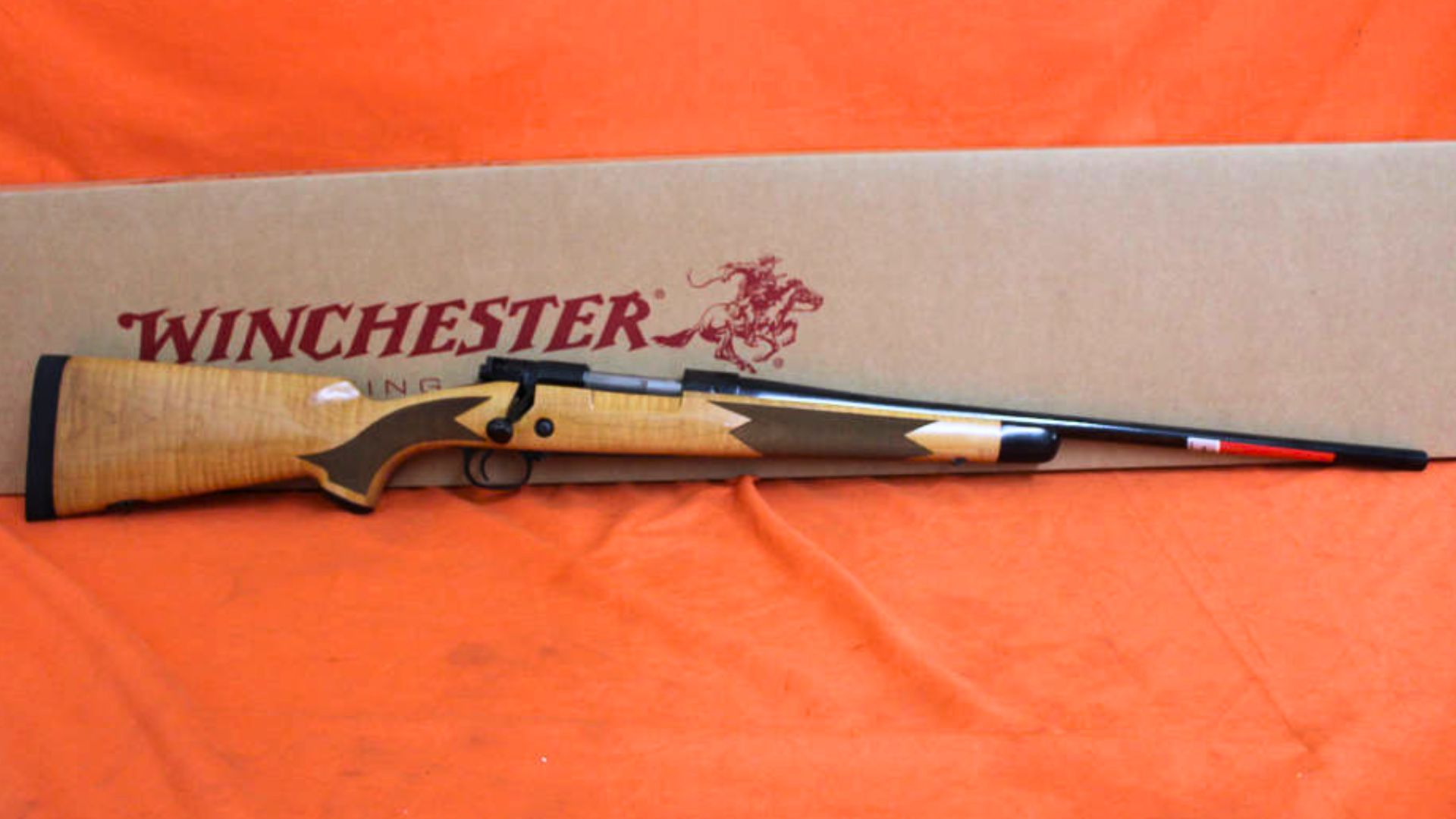
The Super Grade is a beautiful rifle with real heritage behind it. The controlled-round-feed action, polished metalwork, and high-grade walnut make it feel like a traditional premium hunting rifle rather than a disposable tool.
That is also why it has become harder to recommend broadly. The rifle is heavy, expensive, and aimed at a buyer who values craftsmanship more than ounces or modern features. If you hunt from a stand or simply want a rifle you can pass down, it makes sense. If you hike miles through rough country, it is difficult to justify carrying extra weight just for visual appeal. The Model 70 action remains excellent. The Super Grade is increasingly a luxury purchase rather than an obvious hunting recommendation.
Kimber Hunter

The Kimber Hunter originally caught attention because it promised a very light rifle at a price below the company’s more expensive mountain models. That made it appealing to hunters who wanted to shave pounds without spending custom-rifle money.
The issue is that lightweight rifles have become far more common, and competitors now offer better stocks, stronger warranties, and more consistent reputations at similar prices. The Hunter’s light weight can also make magnum chamberings less pleasant than buyers expect. When a rifle’s main advantage is low weight, the rest of the package has to be excellent too. Today, there are simply more complete lightweight rifles available, making the Kimber less of an automatic recommendation.
Sauer 100 Classic XT

The Sauer 100 earned praise because it brought German engineering into a price range that ordinary hunters could consider. The action is smooth, the trigger is good, and accuracy has generally been one of the rifle’s strengths.
The problem is that what once felt like premium performance at a moderate price is now competing with a crowded field of very good rifles. The synthetic stock is functional but not especially memorable, and the platform never developed the massive support network enjoyed by Tikka, Remington, or Ruger. If the price is right, I still like it. At full retail, however, it becomes harder to argue for the Sauer when equally accurate rifles offer broader parts support and more configuration options.
Mauser M18
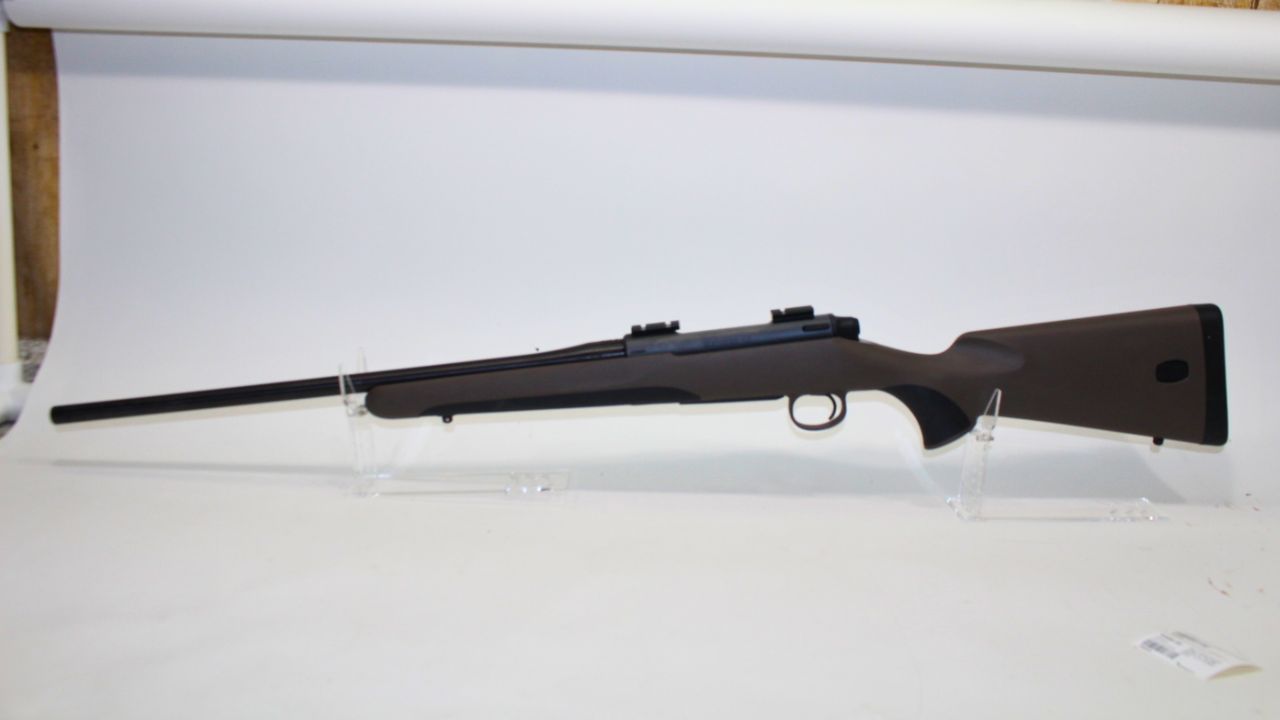
The M18 was widely praised as the “people’s rifle” because it brought the Mauser name into an affordable hunting platform. The action is smooth, accuracy is solid, and the rifle has a straightforward synthetic-stock design that works well in bad weather.
The problem is that the affordable hunting market moved extremely quickly. What once felt impressive now looks more ordinary beside rifles with adjustable combs, threaded barrels, modular stocks, and better factory accessory support. The M18 still does its basic job well, but it no longer feels like a standout bargain. If the Mauser name matters to you, it makes sense. If you are simply shopping for the most capability per dollar, the field has gotten much tougher.
Bergara B-14 Ridge

The B-14 Ridge built a strong reputation by combining a Remington 700-style footprint with excellent barrels and very good out-of-box accuracy. That made it an easy recommendation for hunters who wanted something a step above basic factory rifles.
The trouble is that Bergara’s own lineup has become crowded, and competitors have caught up. The Ridge is not especially light, and once the price rises you begin comparing it with rifles that offer more modern stocks or lighter configurations. It remains accurate, but accuracy is no longer a rare selling point. Most serious hunting rifles can shoot better than the average hunter needs. The Ridge is still good, but it has become one of many good rifles rather than the obvious value it once seemed to be.
Browning AB3

The AB3 has always lived in an awkward spot. It gives buyers Browning branding and a functional bolt-action hunting rifle at a lower price than the X-Bolt, which initially made it attractive to hunters who wanted the name without paying premium money.
The problem is that the rifle feels more basic than the brand suggests. The stock, bolt, and overall finish are clearly built to hit a price point, while competitors in the same range often offer stronger triggers, smoother actions, or better ergonomics. If I am buying a budget rifle, I care more about performance per dollar than the logo on the receiver. That makes the AB3 increasingly difficult to recommend over newer, more aggressively priced alternatives.
Ruger Hawkeye Hunter
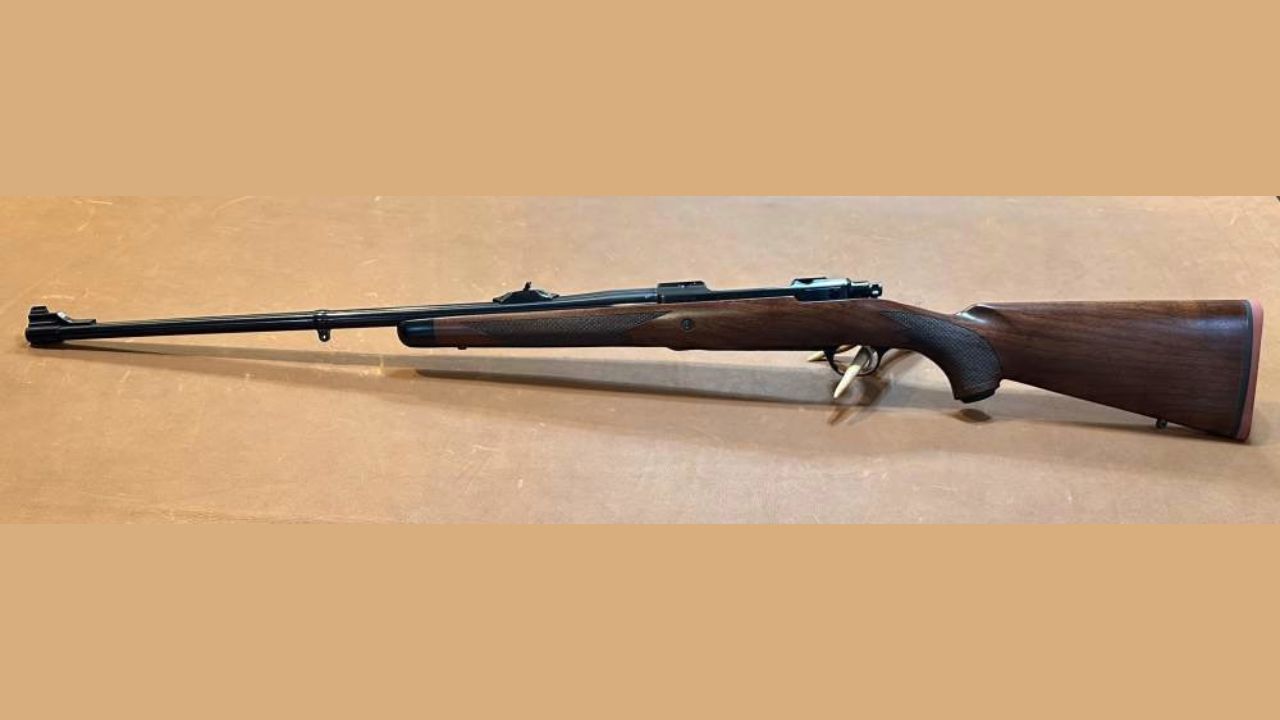
The Hawkeye Hunter combines Ruger’s controlled-round-feed action with stainless construction and traditional hunting-rifle ergonomics. It is strong, dependable, and built around a design that has earned decades of trust.
The drawback is weight and price. The Hawkeye is no longer competing against flimsy budget guns alone. Modern rifles offer excellent accuracy, lighter stocks, smoother bolts, and threaded barrels for substantially less money. The Ruger action still has real appeal for hunters who value controlled feeding and ruggedness, but the practical advantage is narrower than it once was. I would still trust one anywhere. I just have a harder time telling someone it is the smartest way to spend the money.
Sako S20 Hunter
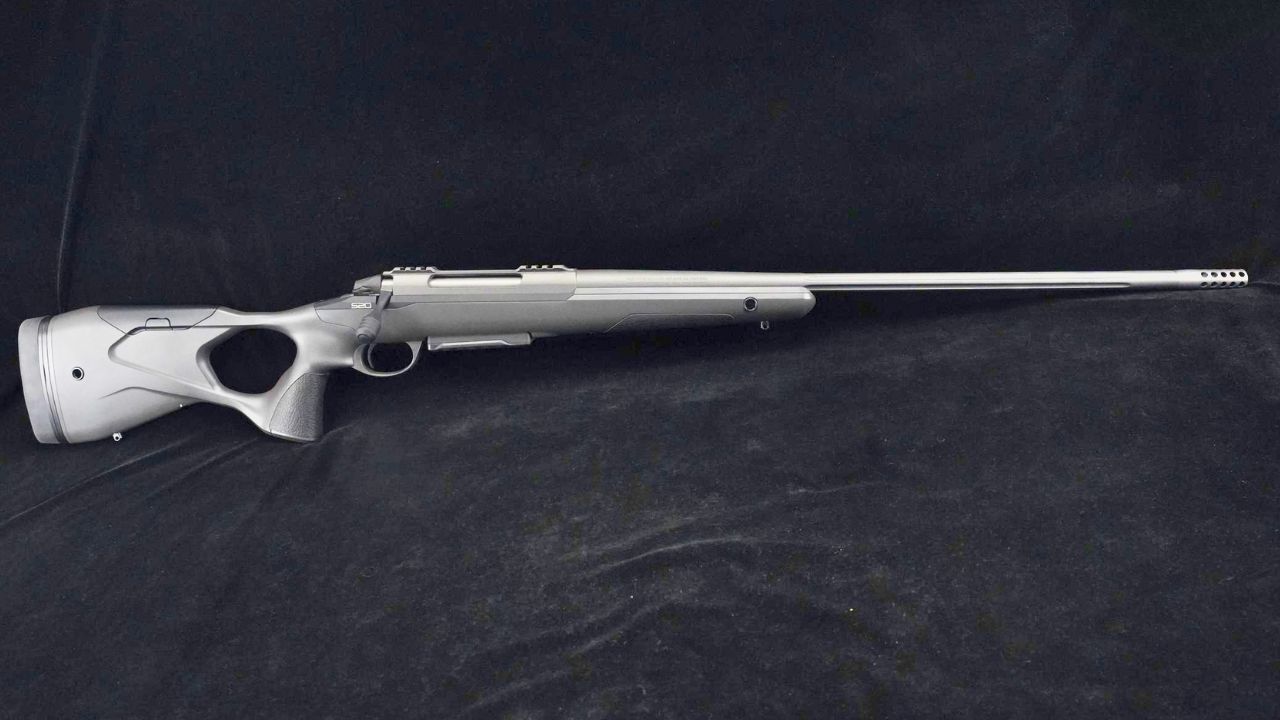
The S20 was marketed as a hybrid platform that could move between hunting and precision roles, and the concept sounded excellent. The modular stock, adjustable ergonomics, and Sako action gave it real capability.
The problem is that the hybrid approach adds weight and complexity. Many hunters ultimately want a rifle that is light, simple, and easy to carry, while precision shooters often want a more dedicated chassis. The S20 sits between those groups without completely satisfying either. It shoots extremely well, but so do lighter rifles. Unless you genuinely plan to exploit the modular system, you can end up carrying extra gun for features you rarely use.
Franchi Momentum Elite
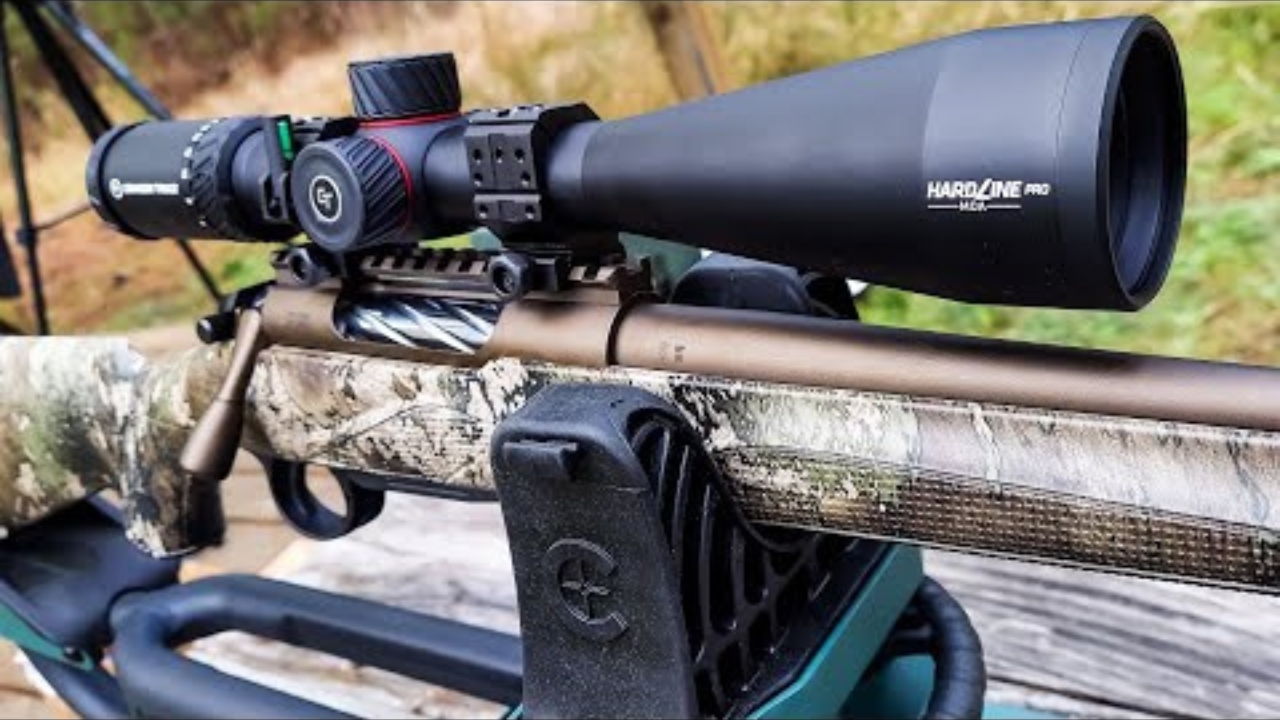
The Momentum Elite brought better stocks, improved finishes, and useful barrel options to a platform already known for solid value. For a while, it looked like one of the better ways to get upgraded features without paying premium-rifle prices.
The issue is that Franchi still does not have the rifle-market footprint of the biggest competitors. Accessories, replacement stocks, and general familiarity are more limited. That matters once prices move beyond entry-level territory. A rifle needs either exceptional value or a strong ecosystem to justify itself in a crowded market. The Momentum Elite remains capable, but the closer its price gets to Tikka, Bergara, or Browning territory, the harder it is for me to recommend first.
Mossberg Patriot Revere

The Patriot Revere was designed to make an affordable hunting rifle look far more upscale by adding walnut and traditional styling. On the rack, it can look significantly more expensive than the basic Patriot.
The problem is that the underlying action is still a budget platform. The wood may improve appearance, but it does not change the bolt feel, trigger character, or overall refinement enough to justify a large premium. If you want an inexpensive working rifle, the basic Patriot makes more sense. If you want a beautiful traditional hunting rifle, there are better actions to spend money on. The Revere ends up caught between two markets, which makes it increasingly difficult to recommend.
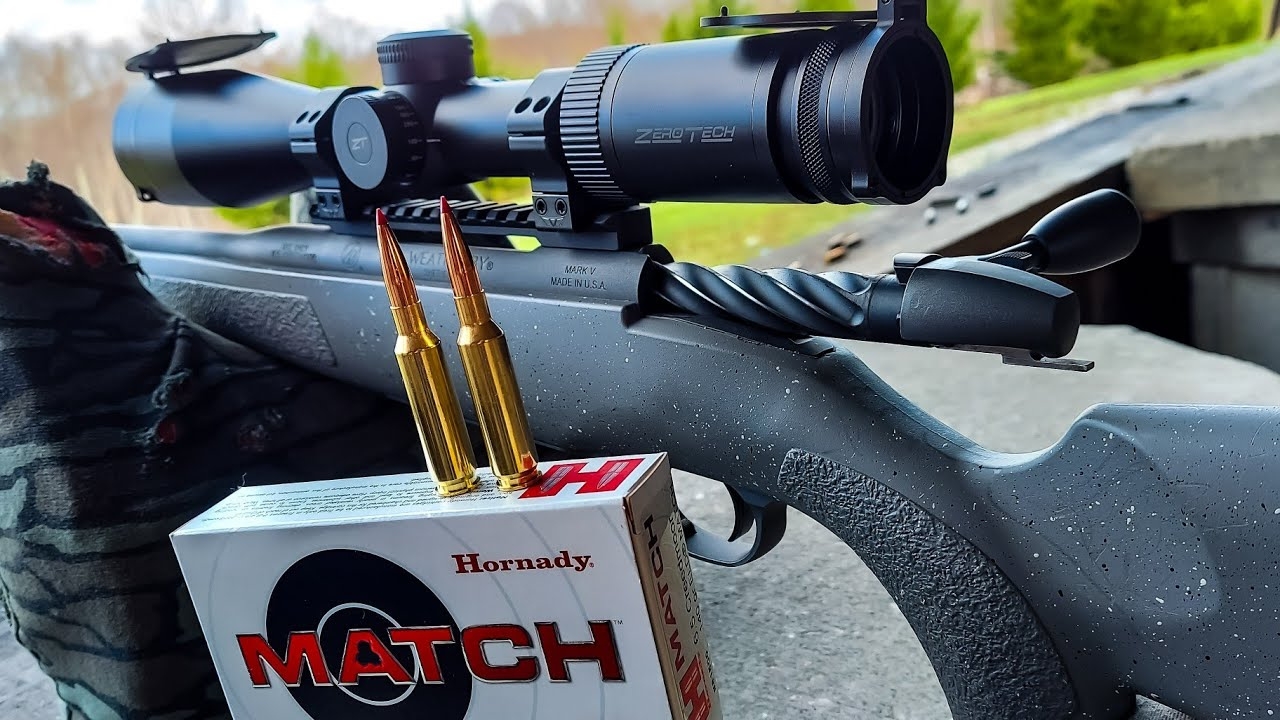
Weatherby Mark V Hunter

The Mark V Hunter gives buyers access to Weatherby’s strong action and famous chamberings without the price of the more elaborate Mark V models. It is lighter and more practical than the high-gloss rifles that made the Weatherby name famous.
The problem is that it is still expensive enough to invite comparison with excellent lightweight hunting rifles from other brands. The action is strong, but most hunters do not actually need the extreme strength associated with Weatherby magnums. If you are buying one specifically for a Weatherby cartridge, the rifle makes sense. If you are shopping for a .308, 6.5 Creedmoor, or another common chambering, the advantage becomes much harder to explain.
Springfield Model 2020 Waypoint

The Waypoint made a strong first impression by combining carbon-barrel options, premium stocks, and serious accuracy guarantees into a factory rifle. It felt like a semi-custom gun without requiring a custom builder.
The difficulty now is competition. Carbon hunting rifles have become much more common, and several manufacturers offer similar weight, accuracy, and component quality. Once every premium hunting rifle promises sub-MOA performance and uses recognizable aftermarket parts, the Waypoint loses some of its uniqueness. It remains an excellent rifle, but the price demands more than excellence. It demands a clear reason to choose it over equally capable alternatives, and that reason has become less obvious.
Christensen Arms Mesa

The Mesa once seemed like a relatively accessible way into Christensen Arms without paying carbon-barrel prices. It offered a quality stock, stainless barrel, and the company’s lightweight hunting focus in a more conventional package.
The problem is that Christensen’s pricing and reputation invite scrutiny. At Mesa money, buyers expect consistency, excellent fit, and near-perfect out-of-box performance. The market also now offers rifles with similar weight and accuracy claims from companies with very strong customer-confidence reputations. The Mesa can absolutely be a good rifle, but it no longer feels like a uniquely compelling value. When trust becomes part of the purchase decision, competition gets much tougher.
CZ 600 Lux
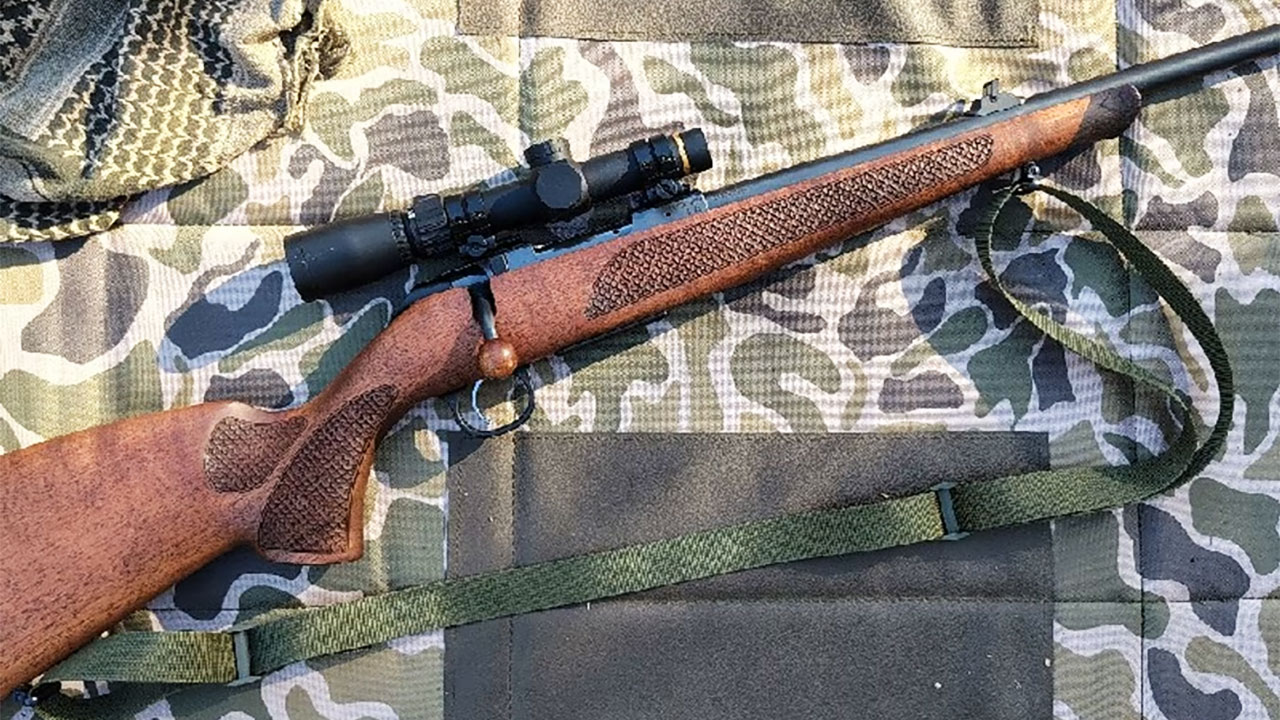
The 600 Lux gives hunters a traditional wood-stocked rifle with modern manufacturing and European styling. It is smooth, attractive, and different enough from the endless synthetic-stock options to stand out.
The problem is that the rifle’s initial launch history and later redesigns complicated what should have been a straightforward product story. Even after improvements, buyers now have to sort through model generations and understand exactly what version they are looking at. That does not make the current rifle bad, but simplicity matters in hunting-rifle recommendations. When another rifle offers similar accuracy and features without requiring any background explanation, it becomes easier to point the buyer elsewhere.
Nosler Model 21

The Model 21 is well made, lightweight, and clearly aimed at serious hunters who want premium components without stepping into a fully custom rifle. The action is smooth, barrels are excellent, and the rifle is offered in useful chamberings.
The challenge is price. Once a factory hunting rifle enters this territory, buyers start comparing it against semi-custom builds, premium Tikkas, Sako, Seekins, and other rifles with equally strong reputations. The Model 21 does not have an obvious weakness, but that almost becomes the problem. “Very good at everything” is harder to sell when the price demands something exceptional. I would happily hunt with one. I just would not call it the automatic premium recommendation it might have seemed like at launch.
Like The Avid Outdoorsman’s content? Subscribe to our newsletter so you never miss an article.
Here’s more from us: