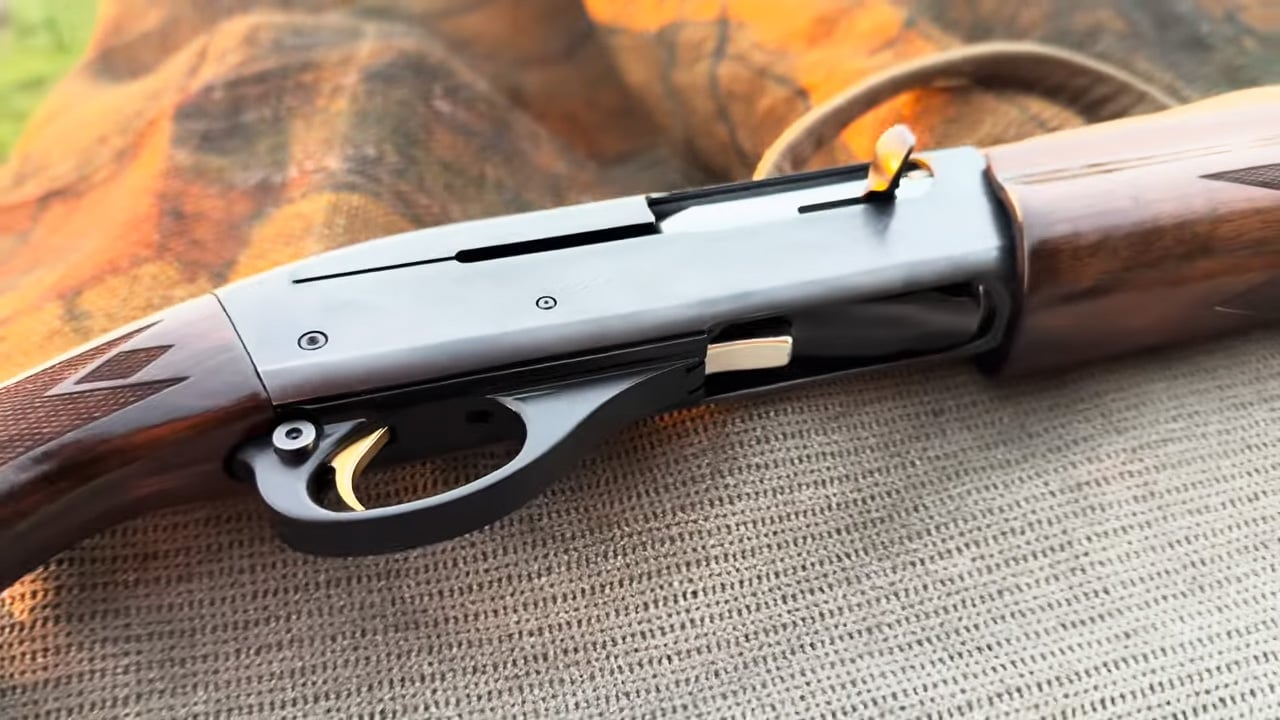
Photo credit: JP GUNZ/Youtube
There was a time when a “good shotgun” meant one you didn’t have to baby. It rode in the truck, got leaned in the corner of the barn, went duck hunting in freezing rain, and still ran when you needed it to. Back then, the shiny “premium” stuff was nice, sure, but the working guns were the ones that earned their keep.
Now the funny part is watching what’s happened to the prices. The same shotguns that used to be considered plain-Jane tools are getting snapped up, not because they’re trendy, but because they’re proven, discontinued, or just built in a way manufacturers don’t bother with anymore. If you’ve got one of these in the safe, it might be worth more than the fancy new option you’d replace it with.
1. Remington 870 Wingmaster
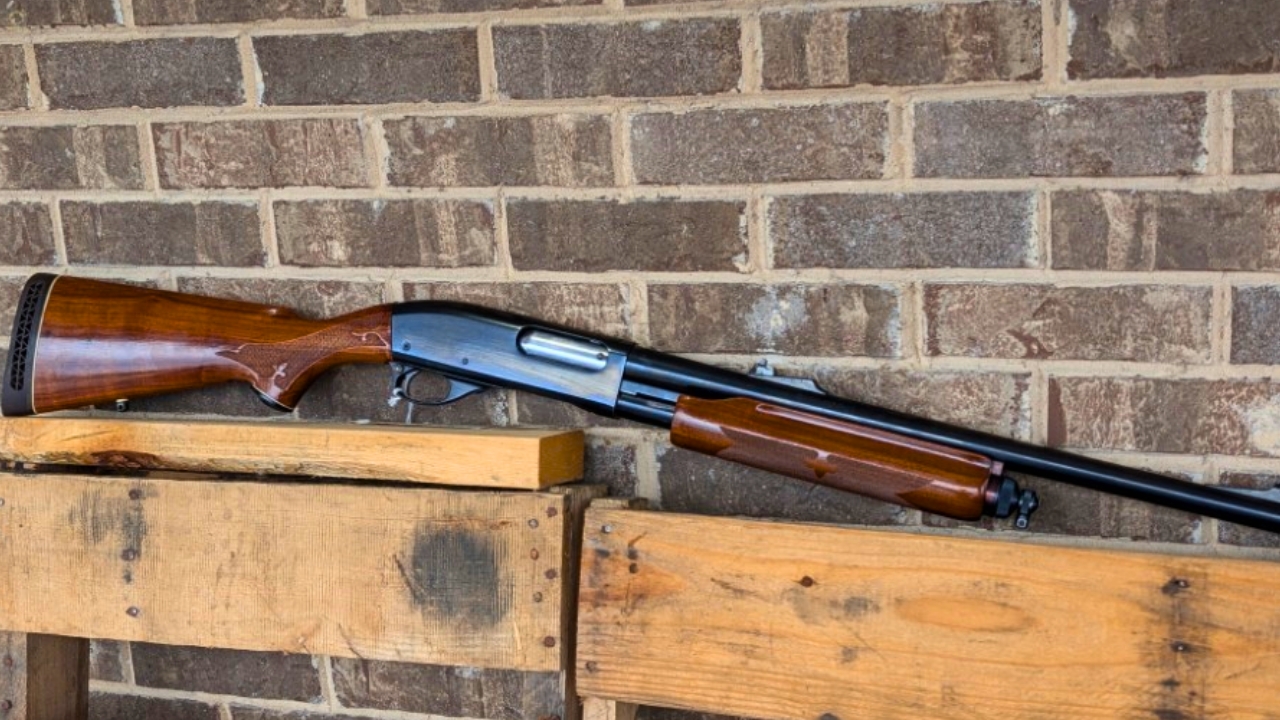
For decades the Wingmaster was “just” the nice 870, not a collector gun. It was the smooth one with the polished blue and better wood, the one that cycled like it was on ball bearings after a couple seasons of use.
These days, the older Wingmasters bring serious money because they represent an era when fit and finish wasn’t an afterthought. A clean 12 gauge with a vent rib will get attention fast, especially if it hasn’t been drilled, chopped, or coated in truck-bed scratches.
2. Remington 870 Police Magnum

The Police Magnum used to be the boring cousin you didn’t see in duck blinds much. Heavier springs, tougher parts, plain looks. The kind of shotgun that did its job and didn’t care if you loved it.
Now, the folks who know what they are will pay for them, especially the older ones with walnut stocks and factory markings intact. They’re not magic, but they’re built for hard use, and you can feel it in the action and the way they hold up.
3. Remington 1100 (early production)

The 1100 was the semi-auto your uncle hunted everything with, from rabbits to geese, and he cleaned it about half as often as he should have. Still ran. When they did stop, it was usually an O-ring and five minutes of attention.
Early, clean examples are climbing because they shoot soft, point naturally, and have that classic look. Try finding one that hasn’t been “customized” with random parts and you’ll see why nice ones cost what they do.
4. Remington 11-87 Premier
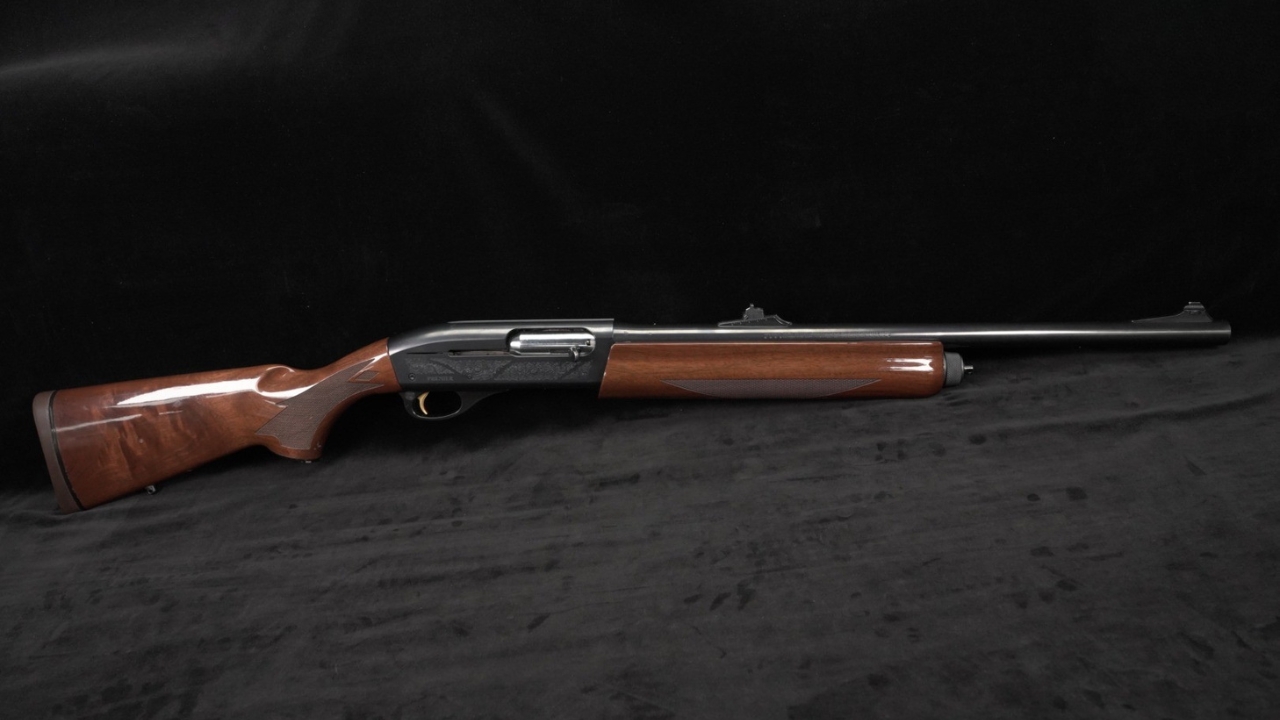
The 11-87 got treated like a working man’s 1100 for a long time. It wasn’t glamorous, but it handled a mix of loads better for a lot of hunters, and it became a do-all semi-auto for waterfowl and deer woods.
With production changes over the years and a lot of hard-used guns out there, the clean Premier-grade guns are getting harder to bump into at reasonable prices. The ones with nice wood and minimal wear don’t sit long.
5. Ithaca Model 37 (pre-1975, bottom-eject)

If you’ve ever hunted in nasty weather, you understand why bottom-eject shotguns have a following. The old Model 37s carried light, pointed quick, and stayed cleaner than you’d expect when you were pushing through brush or hunting in sleet.
They were “utility” guns forever. Now the pre-1975 guns, especially in 16 gauge or with a slick barrel, are bringing collector money. Not because they’re fancy, but because they’re different and they work.
6. Winchester Model 12
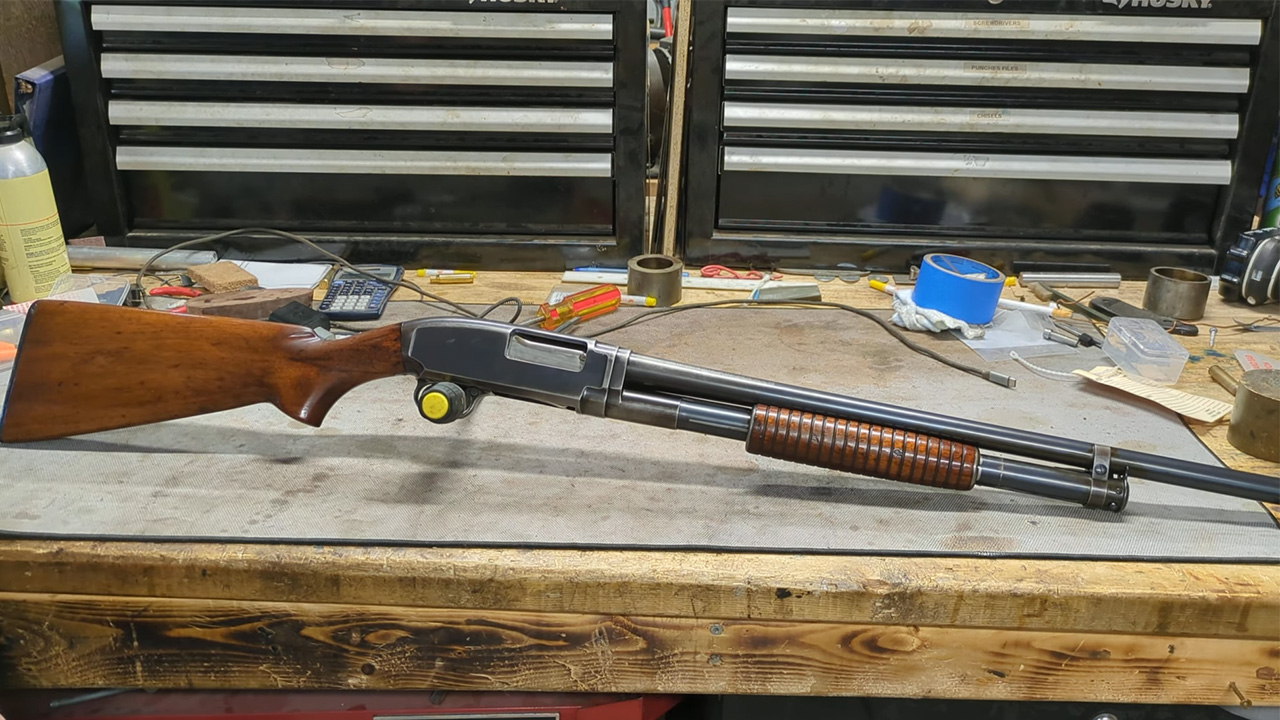
The Model 12 is one of those shotguns older hunters talk about like it was a family member. It’s heavy compared to some modern pumps, and it isn’t the easiest thing to take apart on the tailgate.
Still, the feel of a good Model 12 is hard to explain until you run one. Prices reflect that now. A clean field grade that used to be a “just grab it” gun has become something folks hesitate to drag through cattails.
7. Winchester Model 1897
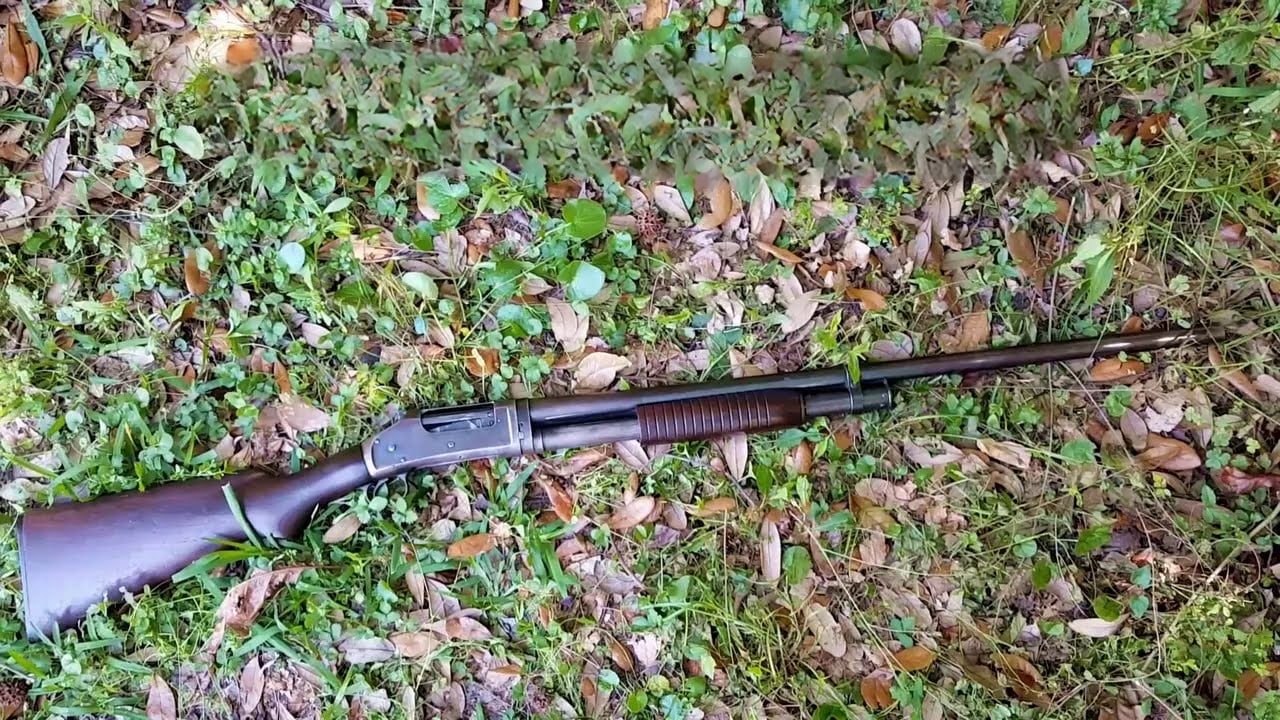
The old ’97 is not a gentle gun. It’s got sharp edges, it can be finicky if it’s worn out, and it’s not what you’d call convenient. But it’s got soul, and it’s a piece of American shotgun history you can still hunt with.
What used to be an old barn gun is now a collector piece, especially original configuration guns with honest wear instead of hard abuse. If you’ve got one that hasn’t been cut down, that one hurts to replace.
8. Browning Auto-5 (Belgian “Sweet Sixteen” and standard models)

The humpback Browning was a working shotgun for generations. They rode in duck boats, got passed down, and kept cycling as long as the friction rings were set right and the owner paid attention.
Belgian-made guns, especially Sweet Sixteens, have gone from “nice old Browning” to “bring your wallet.” Even the standard 12 gauges are commanding more because the new-production nostalgia doesn’t feel quite the same as the real thing.
9. Savage/Fox Model B (Stevens 311 family)
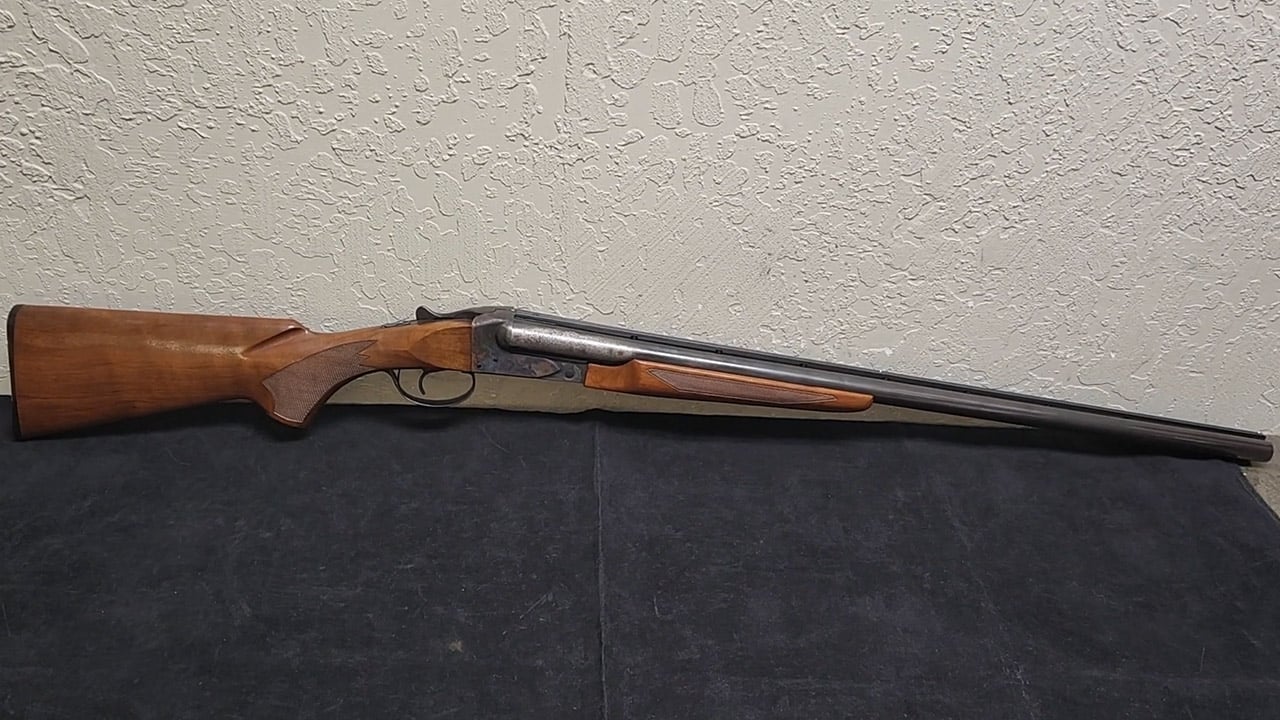
These were the double guns that sat behind kitchen doors and rode on tractor fenders. Plain side-by-sides that patterned fine and didn’t need anybody’s approval. The checkering wasn’t winning awards, but they killed birds.
They’re not rare, but nice ones are getting harder to find because so many got used hard and put away wet. A clean Model B in 16 gauge or with tight lockup can surprise you on price now.
10. Stevens 520/620 (John Browning design)
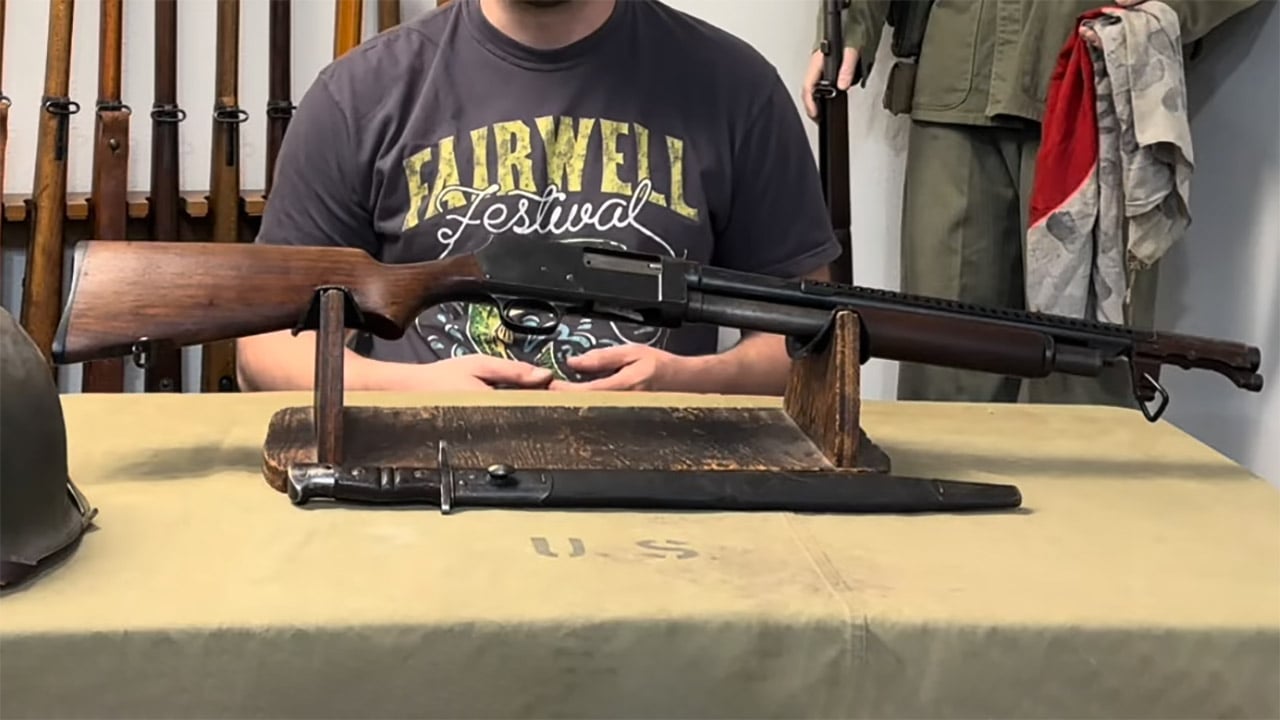
The Stevens 520 and 620 pumps were utilitarian to the bone. Clunky to some hands, heavy up front, and not exactly sleek. But they’re tough, and the history is real.
Interest has grown because they’re a Browning-influenced design and because fewer survive in good shape than you’d think. When you find one that hasn’t been bubba’d, it’s suddenly not a “cheap old pump” anymore.
11. Smith & Wesson Model 1000
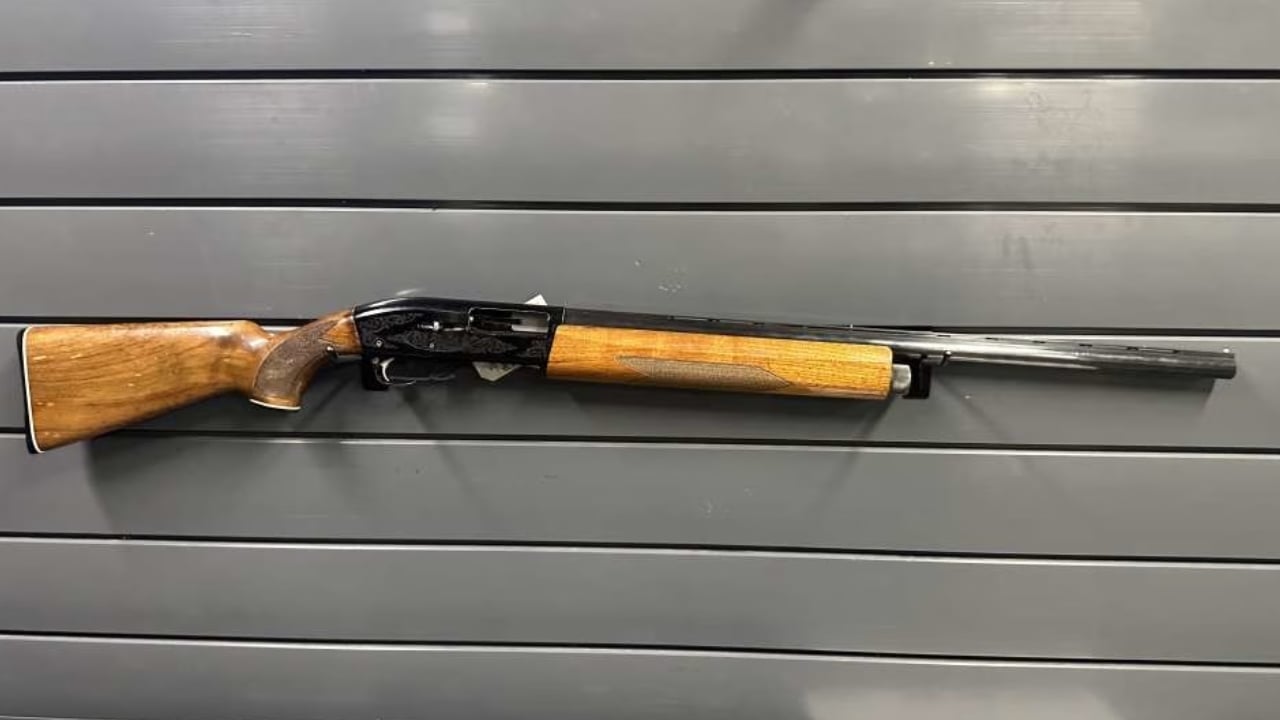
The S&W 1000 is a shotgun a lot of folks forgot about. It was a solid semi-auto in its day, often bought because it was on the rack and priced right, not because someone was chasing a brand story.
Now they get attention because they run, they’re well-made for what they are, and they’re not being made anymore. If you’ve got magazines of choke tubes and spare parts, you’re ahead of the curve.
Free for gun owners: If something happened to you tomorrow, would your family know where the guns are, who has the safe combination, or what to do first? Our free Gun Owner’s Family Checklist walks them through it. It takes about 15 minutes to fill out. Get your free copy here.
12. High Standard Model 10 (bullpup)
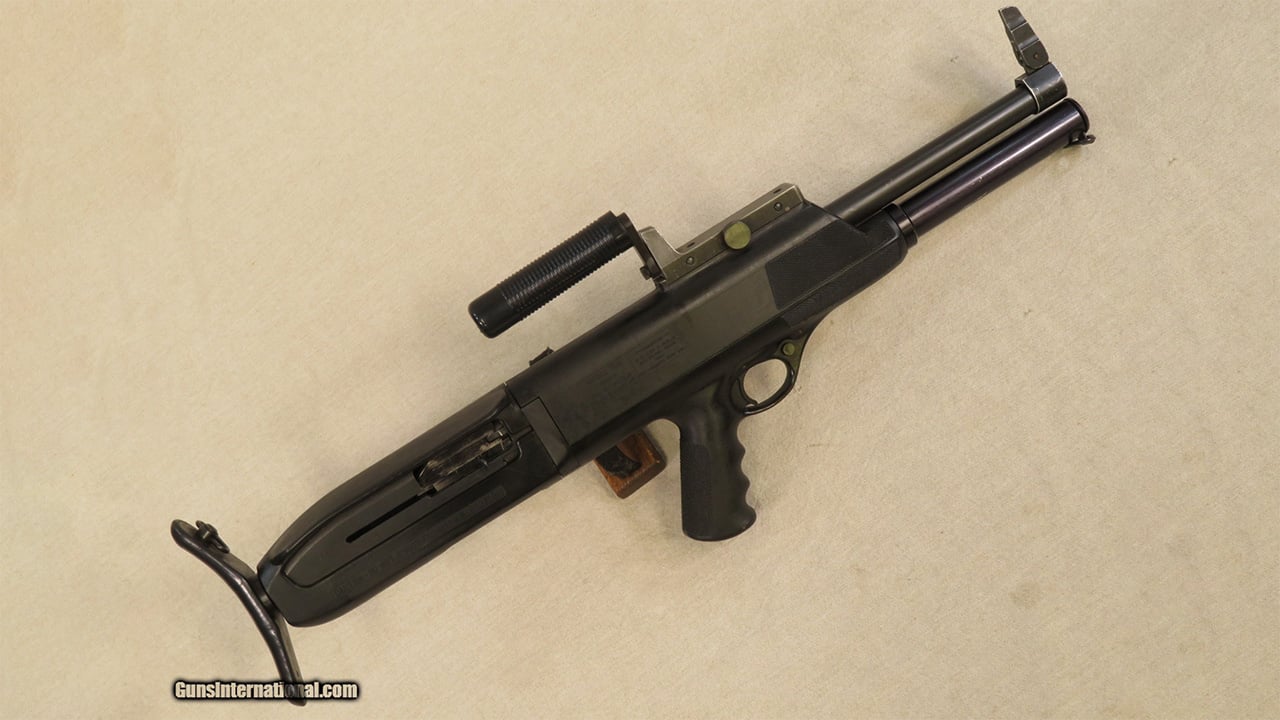
This one is oddball territory. The High Standard bullpup was never a “premium” gun in the normal hunting sense, but it was absolutely a utilitarian idea: compact, handy, and built around close-range work.
Today, the weird stuff is collectible, and this is weird in the best way. If you’ve got one that’s complete and unmolested, it draws money from the kind of buyer who already has the normal shotguns covered.
13. H&R/NEF Pardner Single Shot
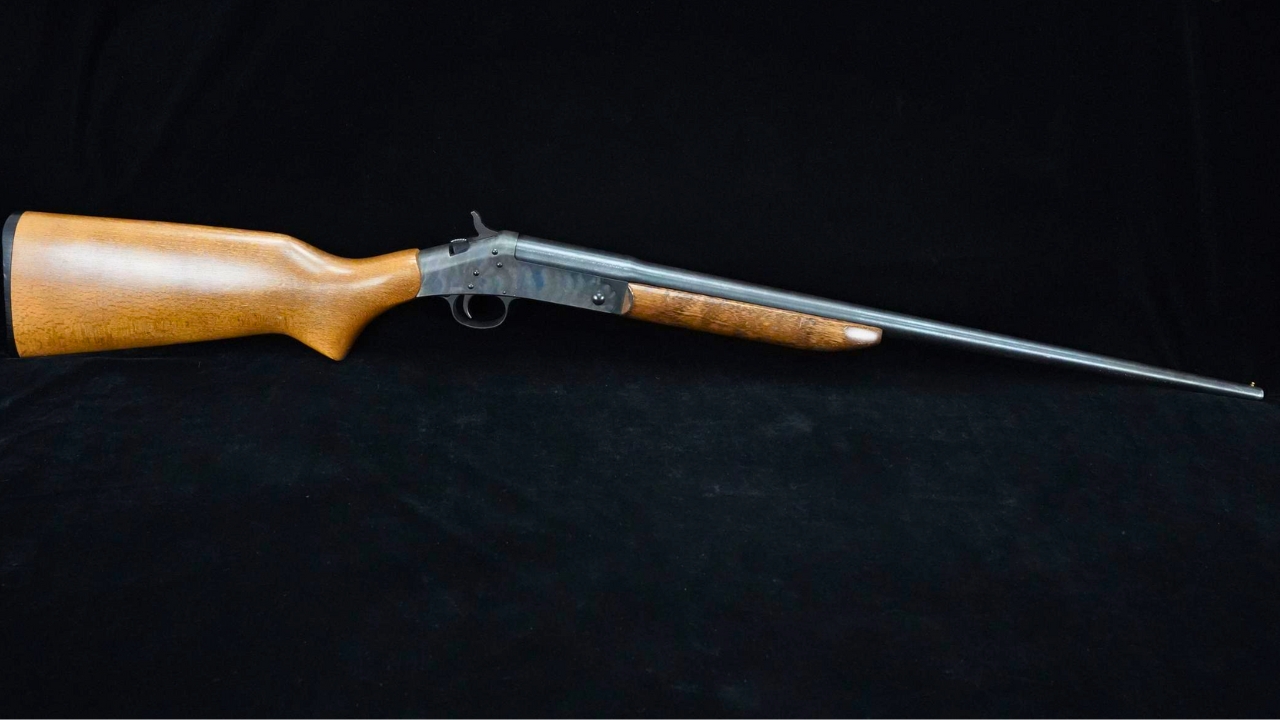
The single-shot break action was the definition of practical. Cheap, safe, easy to teach with, and it lived behind truck seats everywhere. Nobody bragged about owning one. You just had one.
With certain versions discontinued and with “simple gun” demand going up, the clean older ones—especially youth models or desirable gauges—are worth more than you’d expect. They’re still not luxury items, but they’re no longer throwaways either.
14. Marlin Model 55 “Goose Gun”
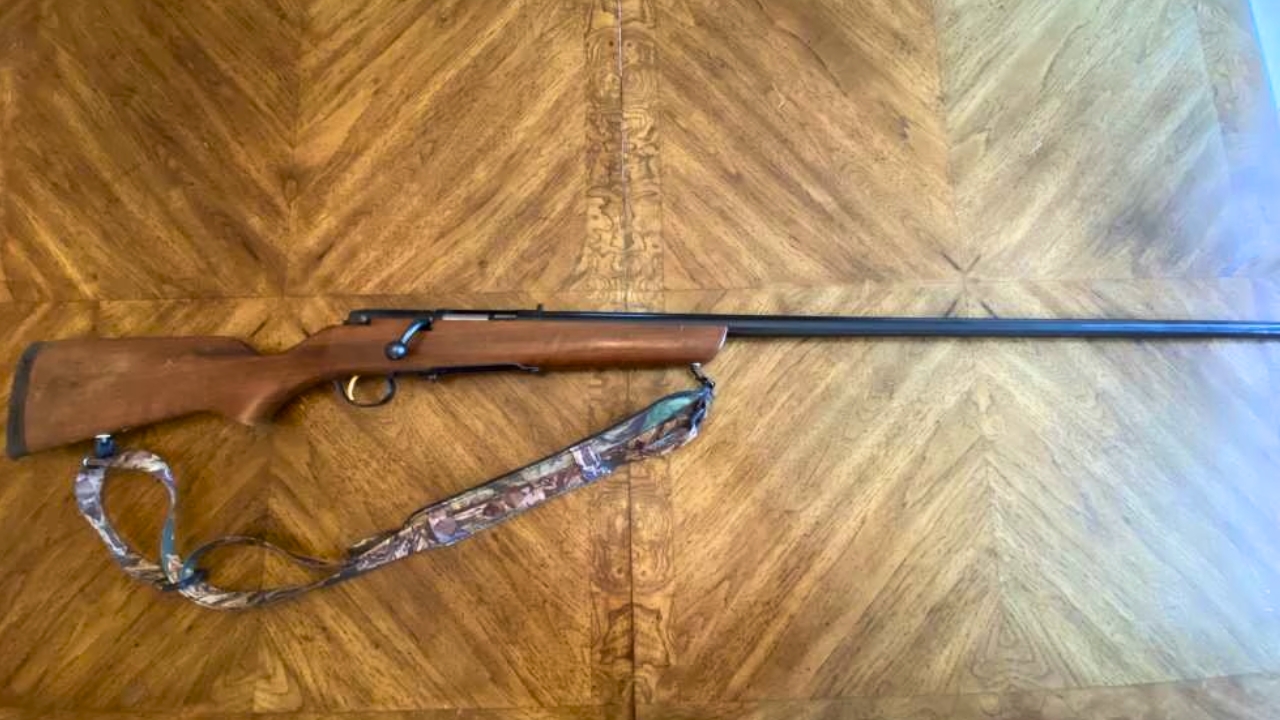
The Marlin Goose Gun is exactly what it sounds like: long, purposeful, and unapologetic. They were built to reach out with heavy payloads when that was the game, and they did it without being fancy.
Now they’ve become a niche collectible. If you’ve ever tried finding one with the original long barrel and in decent condition, you’ll understand why the prices look upside down compared to what they used to be.
15. Remington 31
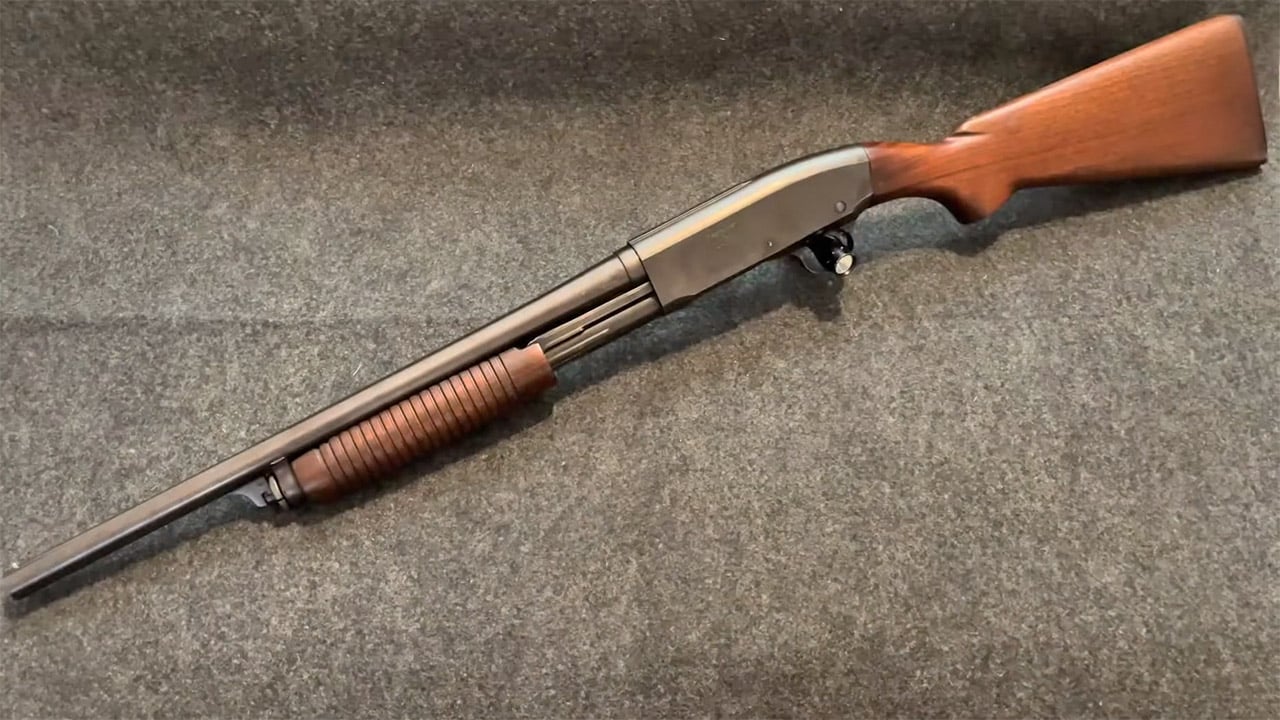
The Remington 31 is one of those pumps that makes you wonder how it ever got overshadowed. The action is slick, the balance is right, and it has that old-school machining feel you don’t get from stamped and molded parts.
For years it was a “cool old gun” if you ran into one. Now it’s a “better bring cash” gun, especially in higher condition. If you’ve got one that hasn’t been refinished, it’s getting harder to justify selling.
16. Browning BPS (early Japan-made, especially 20 gauge)
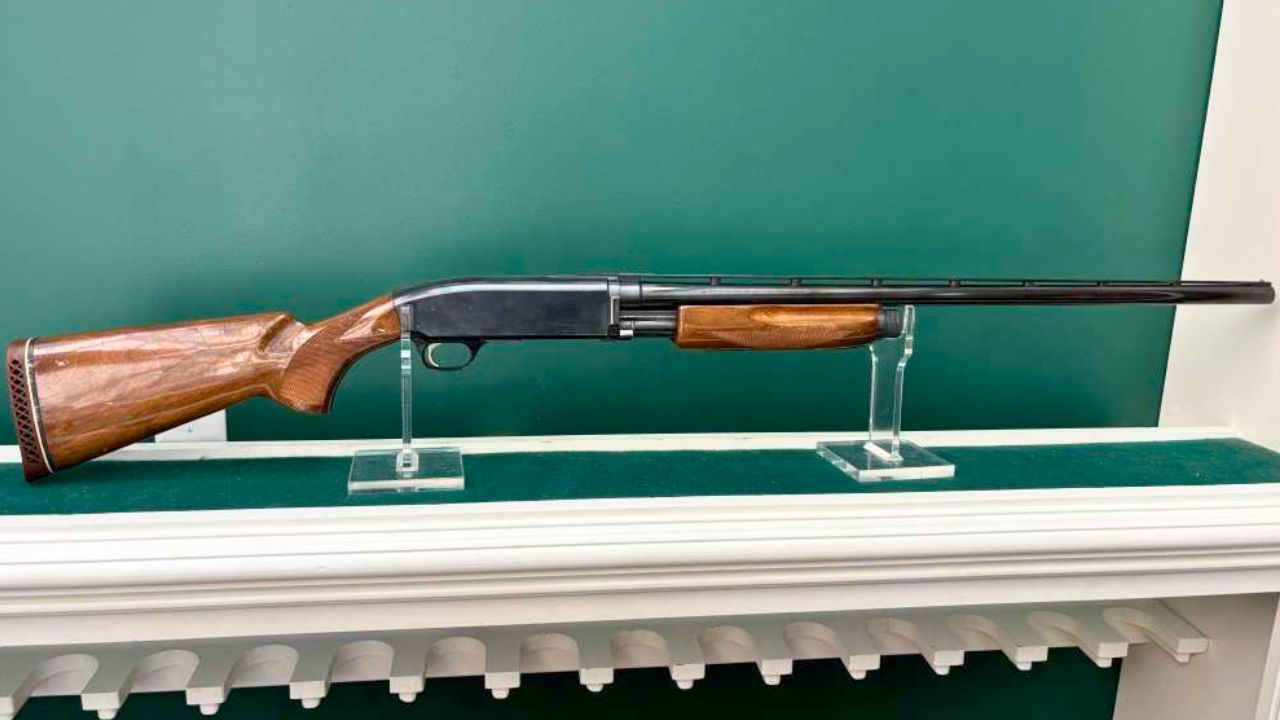
The BPS got treated like a workhorse because it is one. Bottom-eject, steel receiver, smooth pump stroke, and it shrugs off left-hand/right-hand drama in the blind. Downside? It can be a little heavy for all-day carry.
But early, clean guns have a following, and the 20 gauge versions can get pricey fast. It’s one of those shotguns you can hunt hard with and still have a gun that holds value better than expected.
17. Mossberg 500 (older steel-trigger-guard models)
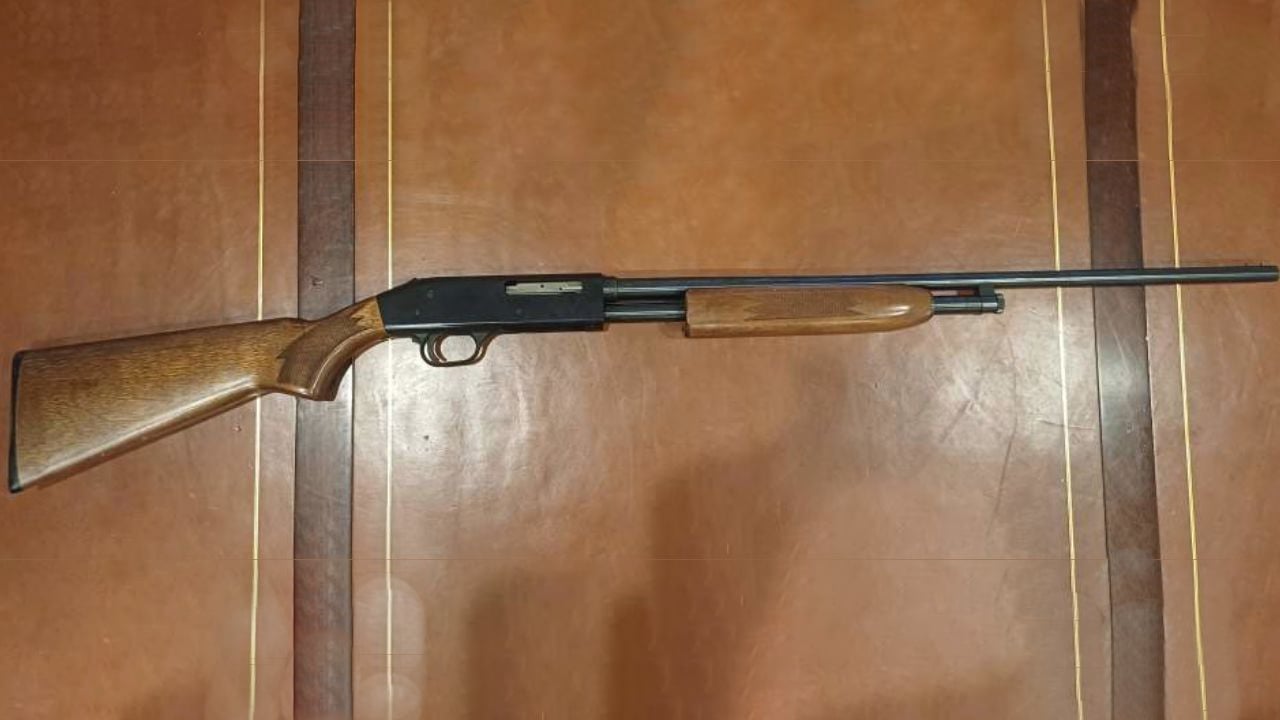
The Mossberg 500 is the poster child for “utility,” and a lot of them are still just that. But the older versions with certain features—like steel trigger guards and classic wood—have started getting looked at differently.
They’re not rare, but they’re honest, and they work. When new guns get more expensive and sometimes feel cheaper in the hand, an older 500 that’s been cared for starts looking like a smart buy instead of a budget choice.
18. Mossberg 835 Ulti-Mag (early production)

The 835 was built for 3 1/2-inch waterfowl loads and it shows. It’s not everyone’s favorite for clays, and it’s not what I’d call dainty. But it was a dependable duck gun for a lot of hunters who didn’t want to spend big money.
Now that some of the “tough old waterfowl guns” are getting harder to replace cheaply, clean early 835s are bringing more. A good one with the right barrel and minimal corrosion is suddenly a desirable tool again.
19. Benelli Super Black Eagle (first generation)

The original SBE was a premium gun when it came out, but it lived a hard life in a lot of duck camps. It was the gun guys bought once and then tried to make last forever. Plenty of them got rained on, frozen, and coated in marsh grime.
Here’s the twist: the early guns have become their own thing. The ones that are still clean and unmodified bring serious money, sometimes more than newer “nicer” options, because the first-gen reputation is locked in tight.
20. Beretta 390/391 (especially clean field models)
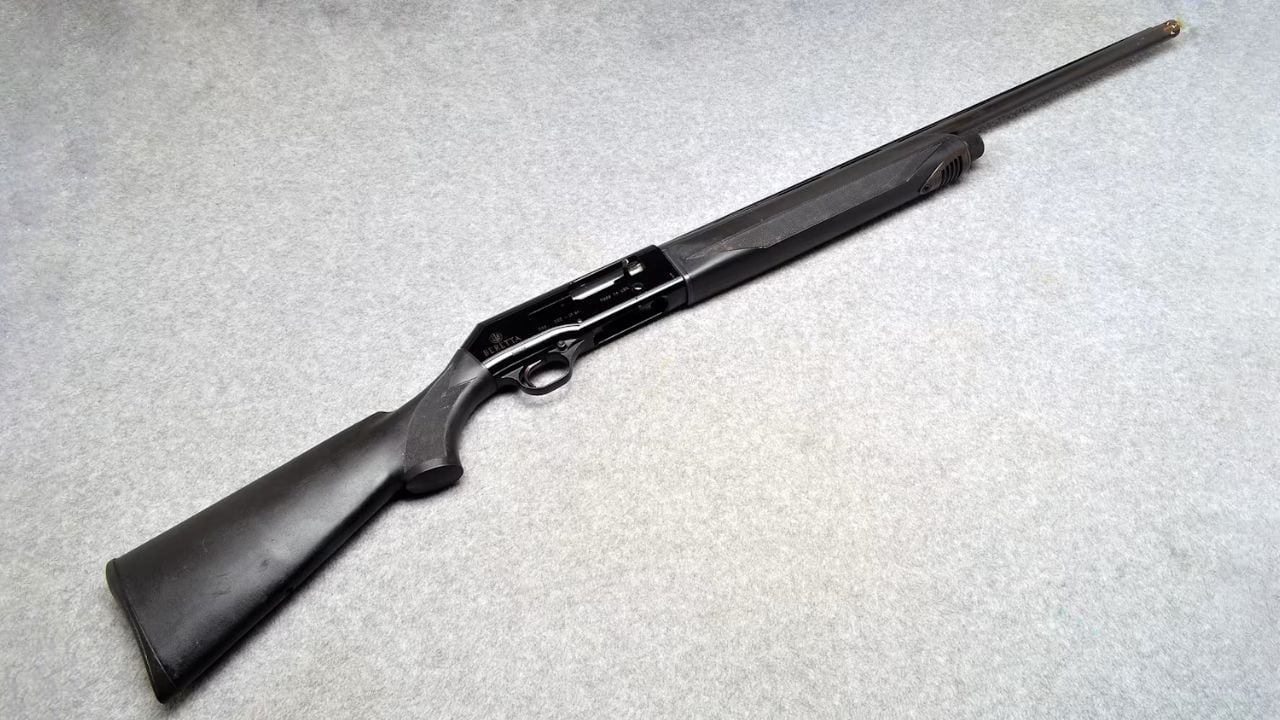
The Beretta gas guns were long considered the sensible semi-auto choice. Not flashy like some inertia guns, not cheap, but steady. They shoot soft, they point well, and they’ll run a long time if you don’t ignore basic maintenance.
Now, guys who sold theirs to chase the next new thing are paying up to get back into one. The clean 390s and 391s with uncut stocks and good bores don’t sit on used racks, and they’re often priced like they’re “better” than new equivalents. In some ways, they are.
The hard truth is that a lot of these shotguns weren’t treated like they mattered because they were everywhere. Then manufacturing changed, models got discontinued, and the supply of clean examples dried up. If you’ve got one of these that fits you and runs right, there’s nothing wrong with hunting it. Just think twice before you trade it off for something “premium” that still hasn’t proven it can take ten seasons of real weather.
Like The Avid Outdoorsman’s content? Subscribe to our newsletter so you never miss an article.
Here’s more from us: