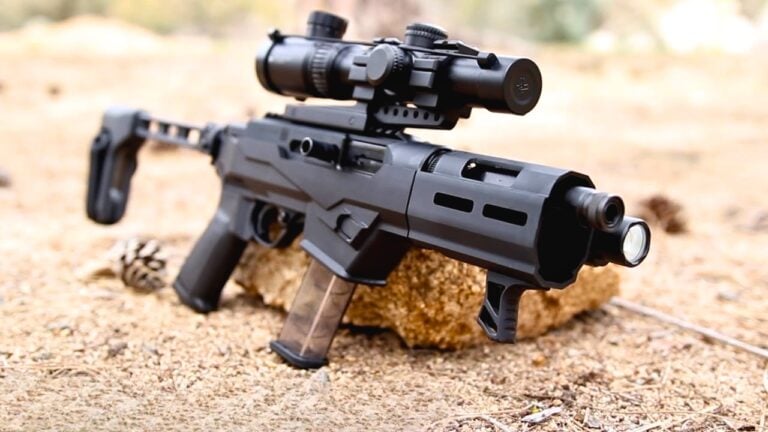
Photo credit: CW Longshot/YouTube
The rifle market has changed enough that some discontinued designs would probably make more sense now than they did when manufacturers finally gave up on them. Compact hunting rifles are popular again, suppressor use has changed what buyers want from barrel length, straight-wall and pistol-caliber rifles are thriving, and plenty of shooters are tired of every new rifle looking like another variation of the same polymer-stocked bolt gun.
That creates an opening for designs that once seemed outdated, too specialized, or simply too expensive to manufacture. Bring some of these rifles back with modern barrels, threaded muzzles, better optics mounting, and sensible pricing, and I think dealers would have a hard time keeping them on the rack. These 20 rifles already proved the basic concept. What they need is another chance in a market that may finally appreciate them.
Remington Model 7600 Carbine

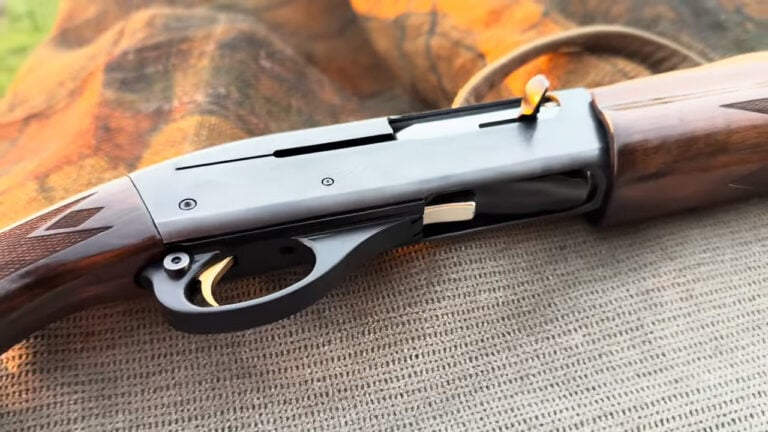
Few discontinued rifles make a stronger comeback case than the Model 7600 Carbine. Remington officially ended Model 7600 production in 2020 after decades of building one of the most recognizable pump-action deer rifles in America. A compact .308 or .30-06 version still makes tremendous sense for hunters who spend their season in thick timber rather than shooting across bean fields.
The pump action offers fast follow-up shots without the regulatory baggage or mechanical complexity of a semiautomatic, and the detachable magazine makes the rifle convenient around camps and vehicles. A revived 7600 with an 18-inch barrel, threaded muzzle, modern recoil pad, and solid optics mounting could be extremely attractive. Remington would not need to reinvent anything. It would simply need to make the old formula well again.
Savage Model 99
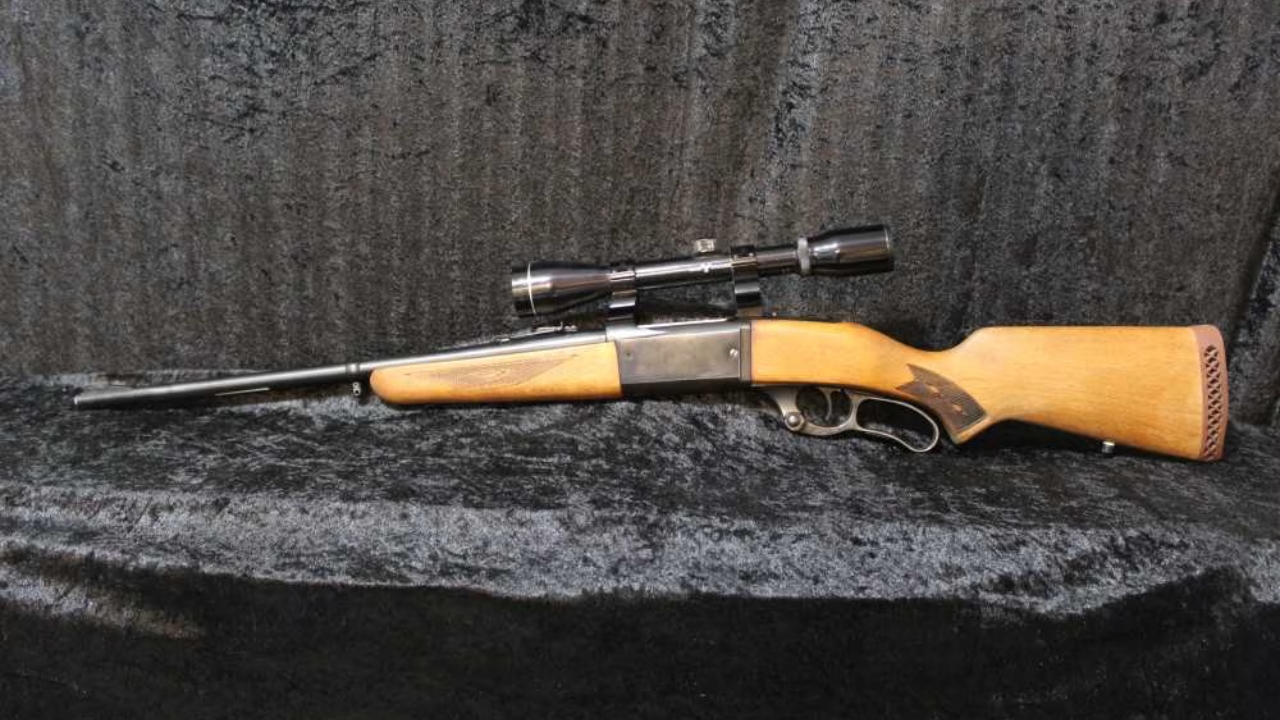
The Model 99 is the obvious answer every time someone asks which classic lever rifle deserves to return. Savage produced more than a million before manufacturing costs finally helped end production in 1997. Unlike traditional tubular-magazine lever guns, the 99 could use pointed bullets, giving it access to cartridges and ballistic performance that made it unusually capable for its era.
That advantage would matter even more today. Imagine a new Model 99 chambered in .308 Winchester, .243 Winchester, 6.5 Creedmoor, and perhaps a modern straight-wall cartridge. Keep the rotary-magazine concept, give it clean scope mounting, and resist the temptation to cover it in rails. Hunters who want traditional handling without being limited to traditional lever-gun cartridges would notice immediately. The only real obstacle would be building it affordably enough.
CZ 527 Carbine
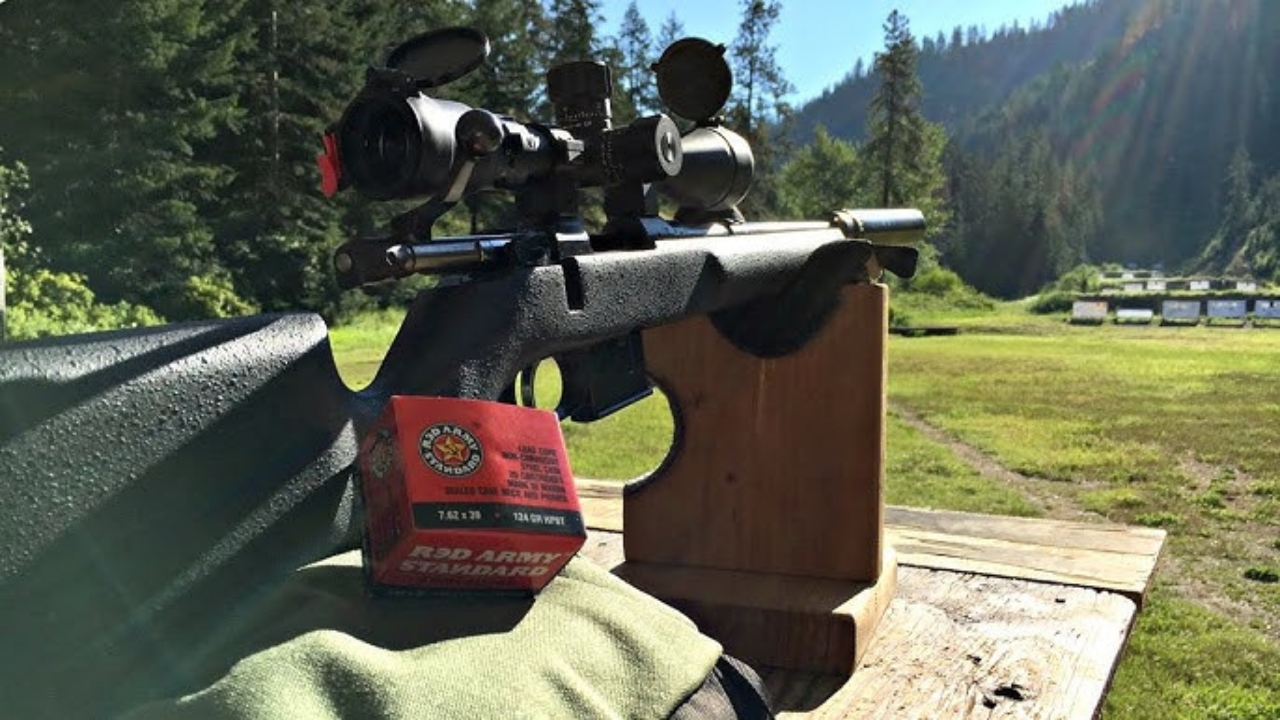
CZ officially discontinued the 527 series in 2021, replacing it as the company moved toward the newer CZ 600 family. That made business sense, but it also removed one of the most distinctive compact bolt rifles on the market. The little Mauser-style action, detachable magazine, short barrel, and traditional stock gave the 527 Carbine a personality that modern budget rifles rarely match.
A current-production version in 7.62×39, .300 Blackout, .223 Remington, and perhaps 6.5 Grendel would fit today’s market almost perfectly. Suppressor users would appreciate a threaded barrel, hunters would appreciate the compact dimensions, and traditionalists would appreciate having an actual steel-and-walnut miniature action instead of another oversized receiver adapted to a small cartridge. The 527 disappeared right before the market became especially friendly to exactly this type of rifle.
Ruger Deerfield Carbine
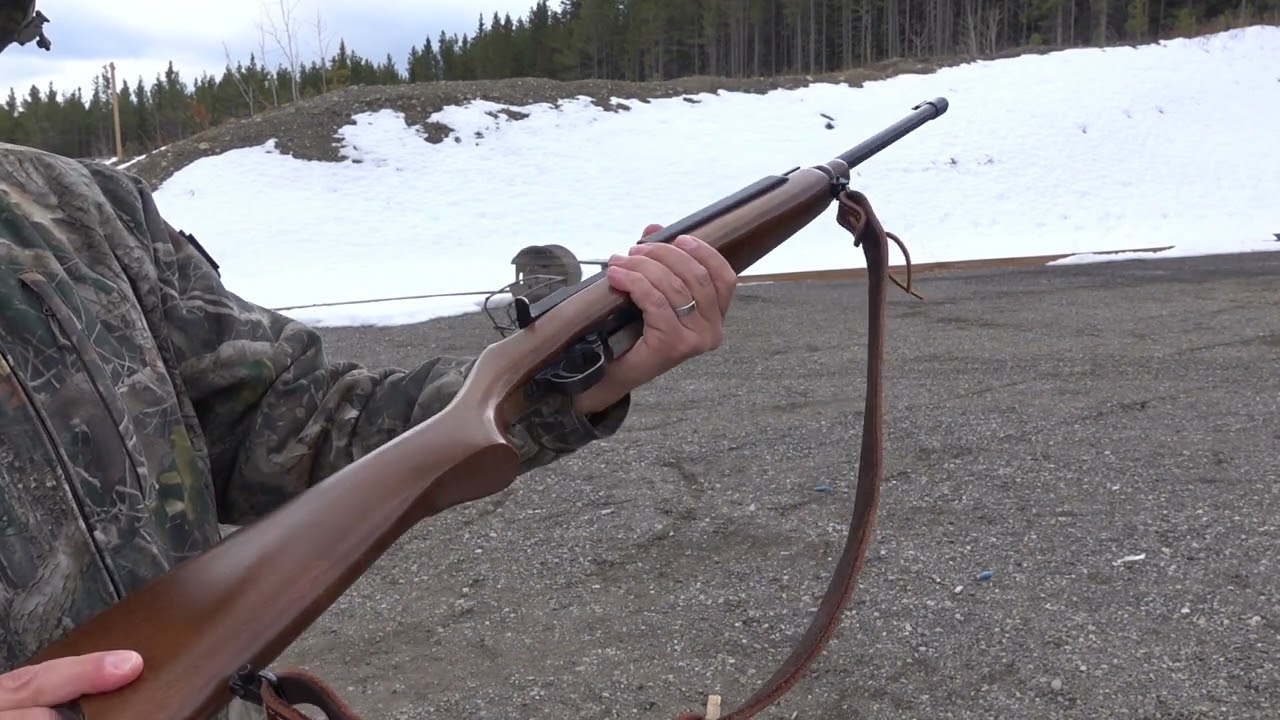
The Deerfield Carbine was a semiautomatic .44 Magnum that offered a short, handy rifle specifically suited to woods hunting. At the time, it occupied a relatively narrow niche. Today, that niche looks much larger.
Straight-wall hunting regulations, renewed interest in pistol-caliber carbines, suppressors, and compact woods rifles have all changed the landscape. A modern Deerfield with a durable synthetic-stock option, threaded muzzle, low-profile optics rail, and reliable rotary magazine would have far more obvious uses than the original did. It could work for deer in thick cover, hogs, ranch use, and recreational shooting without feeling like another tactical PCC. Ruger would be bringing back a rifle that suddenly fits several modern trends at once.
Browning BPR

The Browning BPR was only produced from 1997 through 2001, which feels almost absurdly short for such an interesting rifle. It was essentially a premium pump-action centerfire hunting rifle, offered in useful cartridges including .243 Winchester, .270 Winchester, .308 Winchester, and .30-06.
A new BPR could fill a gap that barely exists anymore. Hunters who want rapid follow-up shots but do not want a semiautomatic have remarkably few high-quality pump rifles to choose from. Browning could revive the concept with a slimmer receiver, modern recoil pad, detachable magazine, and good scope mounting while preserving walnut and blued-steel versions for traditional buyers. It would not need to be cheap. It would need to feel like the high-quality alternative to bargain bolt rifles that the market currently lacks.
Winchester Model 88
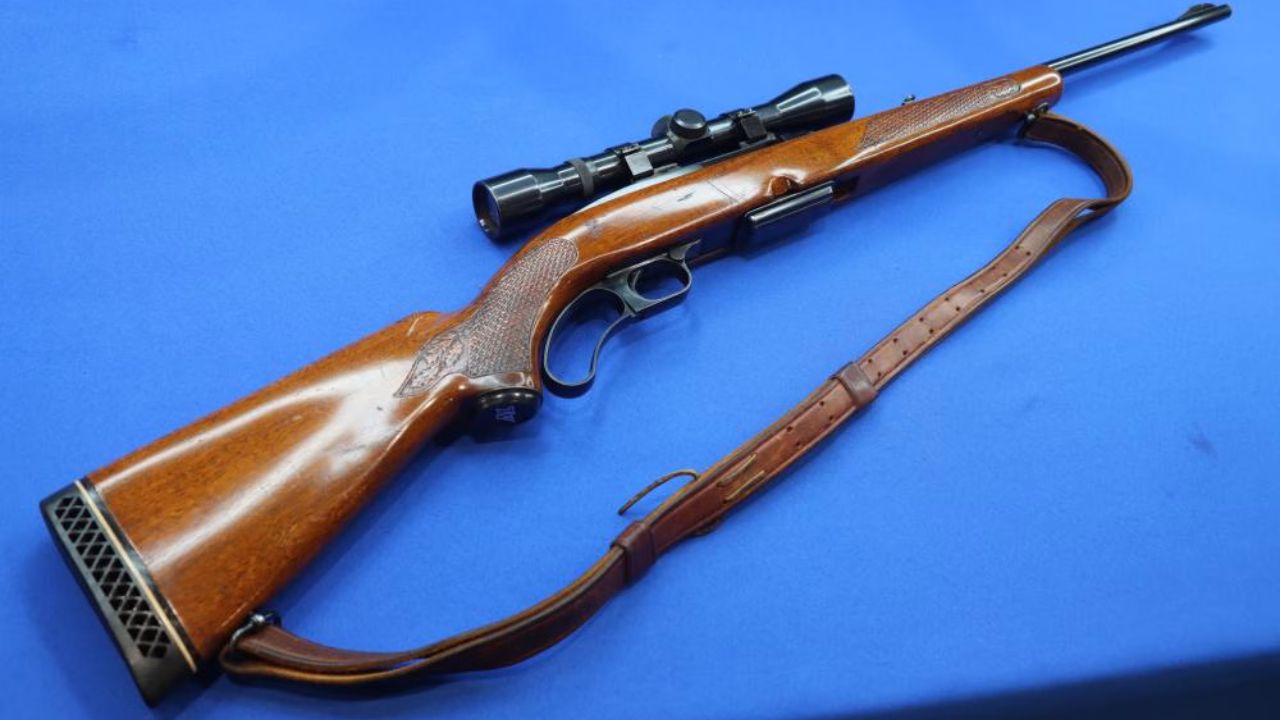
The Model 88 was one of the most forward-looking lever rifles Winchester ever produced. Instead of being built around traditional exposed-hammer and tubular-magazine architecture, it used a rotating bolt and box magazine, allowing it to chamber modern high-pressure cartridges.
That idea makes even more sense now. Shooters clearly want lever-action rifles again, but many buyers also want modern cartridge performance, easy optics mounting, and better compatibility with suppressors. A new Model 88 in .308 Winchester, 6.5 Creedmoor, .243 Winchester, and perhaps .338 Federal would be unlike almost anything else currently on dealer racks. Keep the lines clean, make a walnut version and a weather-resistant version, and Winchester could sell nostalgia without asking buyers to accept nineteenth-century ballistics or ergonomics.
Ruger 96/44
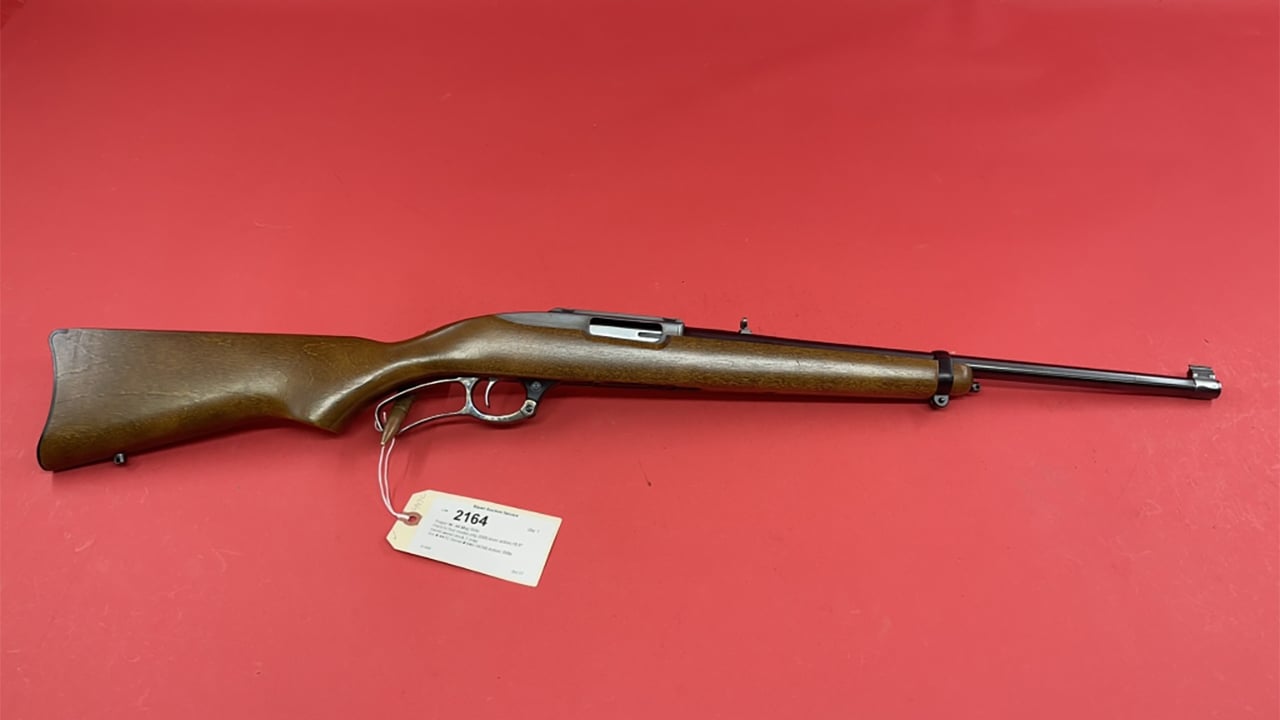
The Ruger 96/44 combined lever-action operation with a rotary magazine and .44 Magnum chambering. It never became a huge commercial success, but the concept now looks much more attractive than it did during its production run.
A modern version would land directly in the current demand for compact straight-wall hunting rifles. The rotary magazine avoids the ammunition restrictions of a tubular magazine, and .44 Magnum remains a very practical short-range deer and hog cartridge from a carbine. Give the rifle an 18-inch threaded barrel, a receiver prepared for low-mounted optics, and a weather-resistant stock option and it could become one of the most practical modern lever guns available. It would offer traditional handling without simply copying the 1894 pattern again.
Free for gun owners: If something happened to you tomorrow, would your family know where the guns are, who has the safe combination, or what to do first? Our free Gun Owner’s Family Checklist walks them through it. It takes about 15 minutes to fill out. Get your free copy here.
Marlin Camp 9
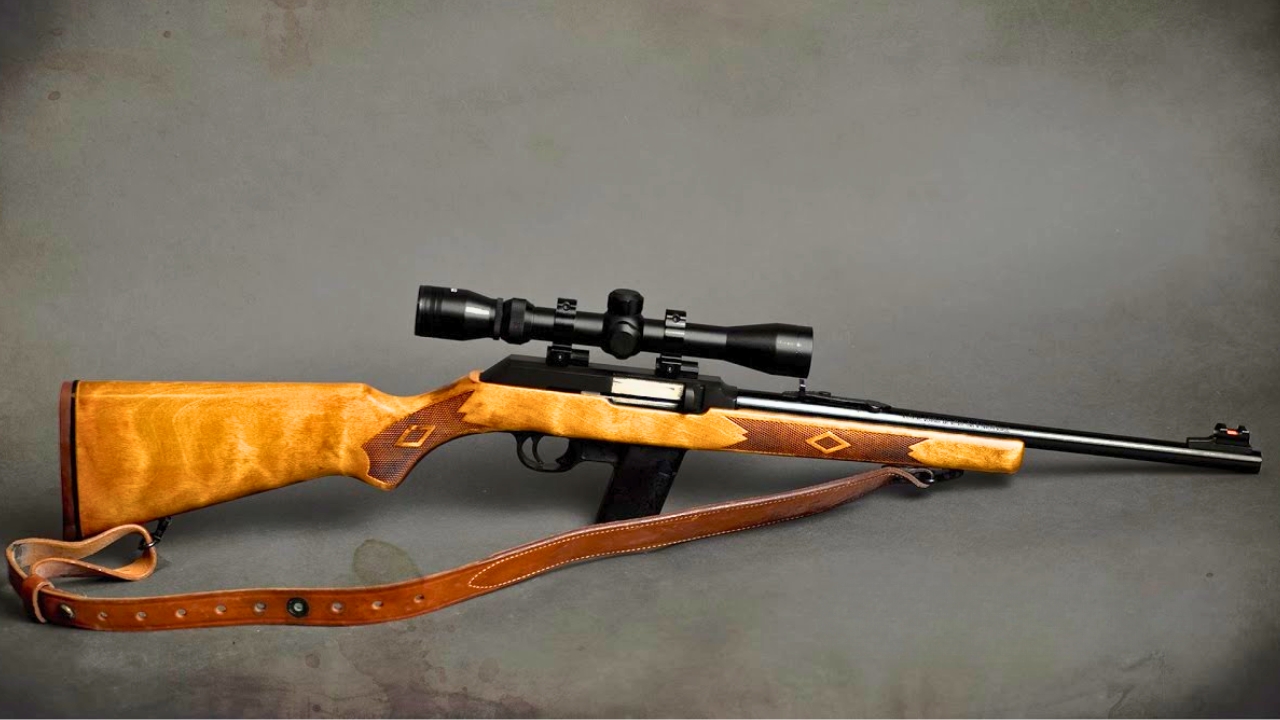
The Camp 9 was a simple blowback 9mm carbine built with traditional rifle styling rather than the tactical appearance that dominates today’s PCC market. That difference would probably be one of its biggest advantages now.
A revived Camp 9 using common modern pistol magazines would appeal to shooters who want a light ranch rifle, inexpensive range gun, or home-defense carbine without turning their gun cabinet into a collection of AR-style platforms. A wood-stock version would have nostalgic appeal, while a synthetic version could stay inexpensive and weather resistant. Thread the muzzle and give the receiver a modern optic interface and the basic design suddenly looks extremely current. Not every pistol-caliber carbine needs an aluminum handguard and collapsing stock.
Remington Model 788

Remington produced the Model 788 from 1967 until 1983 and even described the rifle historically as its moderately priced bolt action, with the model earning a reputation for surprising accuracy. That combination of inexpensive construction and excellent shooting performance sounds remarkably familiar because it is exactly what dominates today’s hunting-rifle market.
A modern 788 could work if Remington resisted overcomplicating it. Give buyers a rigid receiver, good barrel, usable trigger, detachable magazine, and plain synthetic or walnut stock. Chamber it in .243 Winchester, .308 Winchester, 7mm-08, .223 Remington, and a couple of modern favorites. The rifle would not need carbon fiber or an oversized bolt knob. Its entire purpose should be delivering better accuracy than its price suggests, which is exactly why the original earned such a loyal reputation.
Sako Finnwolf VL63
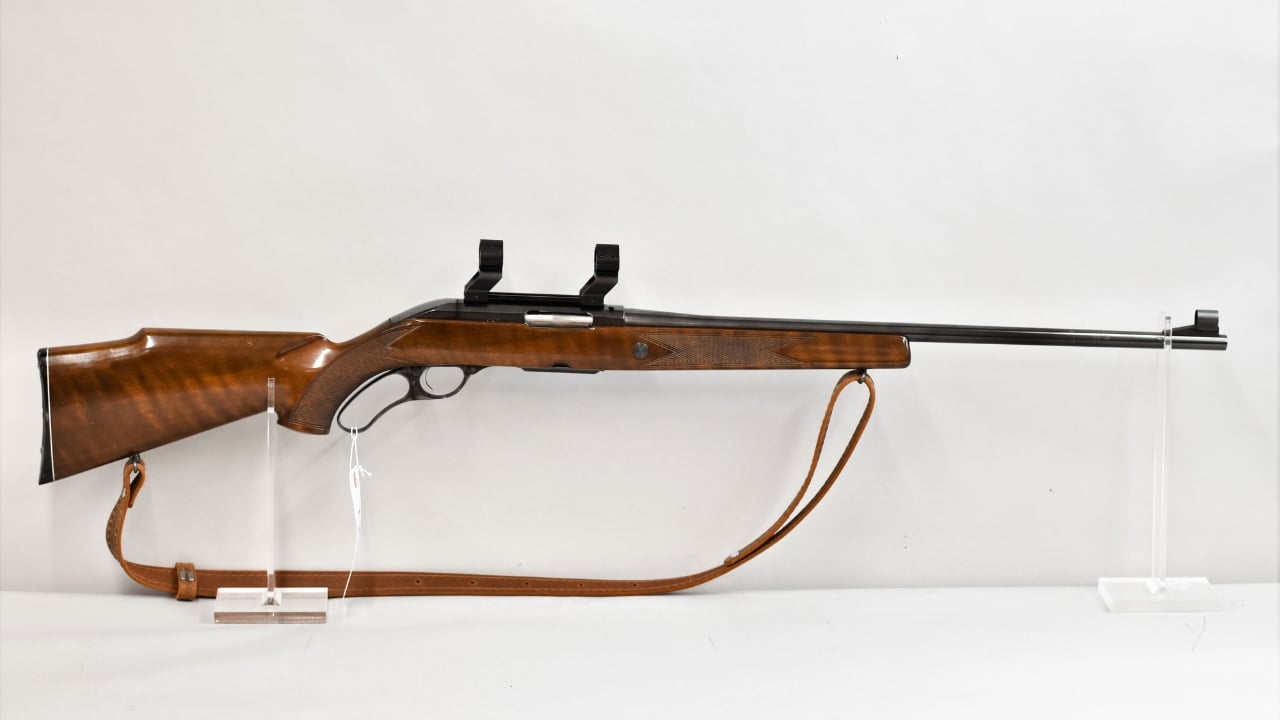
The Finnwolf is what happens when a company known for fine bolt rifles decides to build a lever gun without following the traditional American formula. The result was a box-magazine-fed lever rifle chambered in modern centerfire cartridges with the machining and refinement buyers expect from Sako.
A revived Finnwolf could be spectacular today. Lever rifles are hot again, yet most of the market still revolves around traditional tube-fed designs. A premium box-magazine lever rifle in .308 Winchester, .243 Winchester, and 6.5 Creedmoor would give hunters something completely different. It would not be inexpensive, but Sako buyers are already comfortable paying for quality. The key would be keeping the rifle elegant instead of transforming it into another tactical lever gun covered in attachment points.
Ruger No. 3
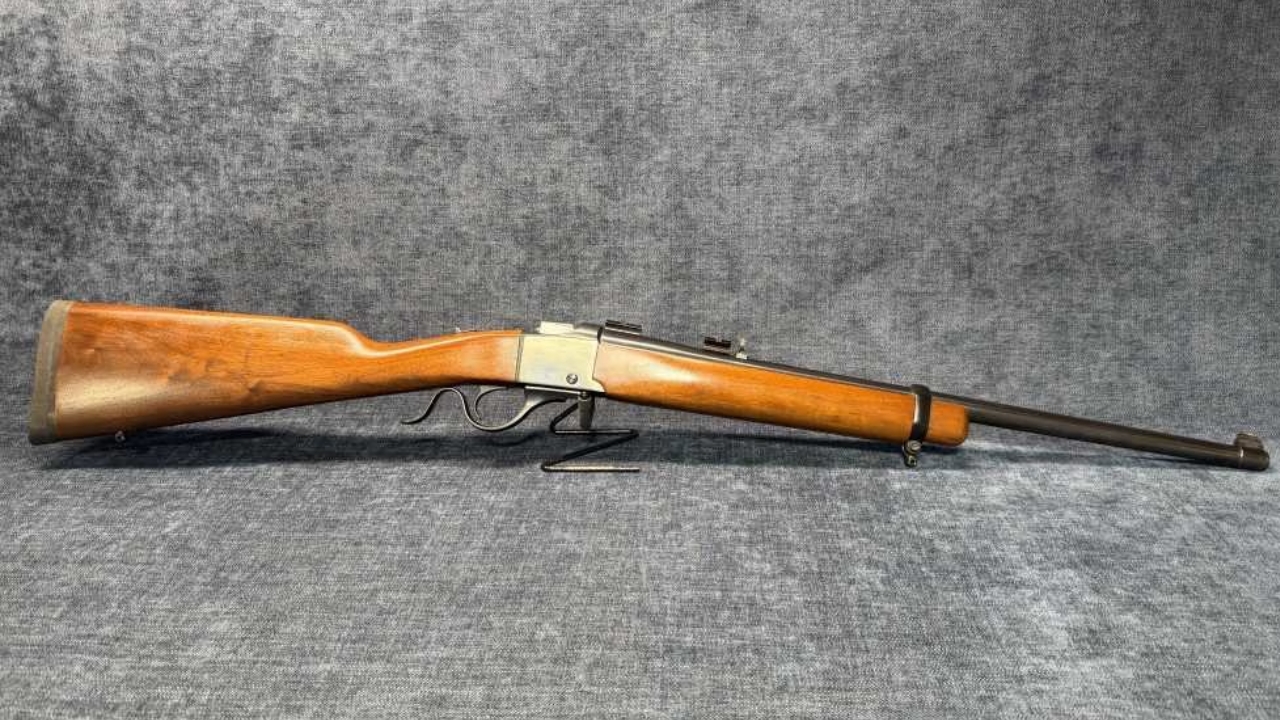
The No. 3 was the stripped-down working version of Ruger’s falling-block single-shot concept. It lacked the elaborate styling of the No. 1 and was intended to be lighter, simpler, and more affordable.
That idea deserves another chance. Single-shot rifles have become increasingly specialized, with many options either extremely inexpensive or surprisingly expensive. A rugged midpriced No. 3 in cartridges such as .350 Legend, .360 Buckhammer, .44 Magnum, .45-70, and .223 Remington could fill a very useful middle ground. Keep the rifle short, make optics mounting easy, and offer both walnut and synthetic stocks. Hunters who value one accurate shot and compact dimensions might appreciate the simplicity far more now than buyers did decades ago.
Winchester Model 9422
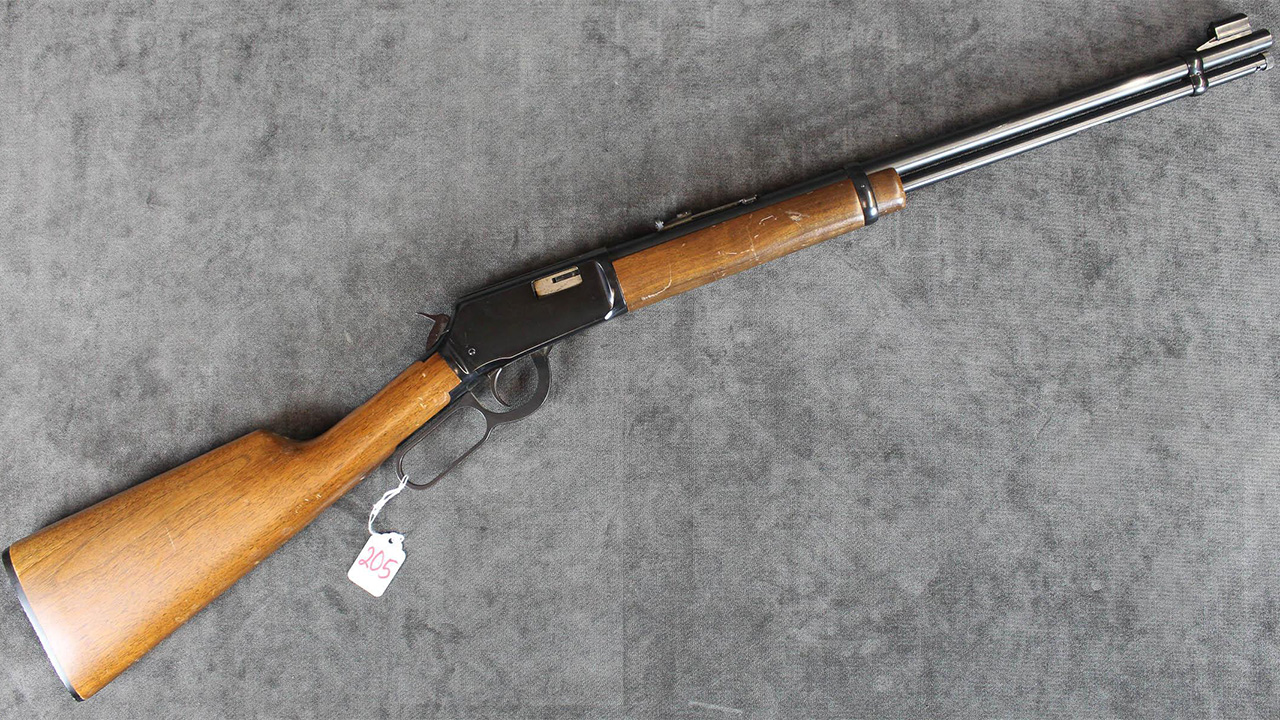
Winchester lists the Model 9422 among its discontinued rifles, and that absence becomes harder to understand whenever you look at the continuing popularity of quality rimfire lever guns. The 9422 had the fit, smooth action, and traditional lines that made it feel like a real rifle rather than a scaled-down novelty.
Bring it back in .22 LR and .22 WMR with good walnut and proper steel construction and it would immediately attract buyers who are willing to spend more for a rimfire they intend to keep. There are cheaper lever-action .22s, but that is not really the point. The market has plenty of inexpensive rimfires. What it lacks is a new Winchester rimfire lever gun that feels like something worth handing down.
Remington Model Seven

The Model Seven built its reputation around doing normal hunting-rifle work in a shorter, lighter package than a full-size Model 700. That formula still makes tremendous sense, especially now that suppressors have made hunters more conscious of overall rifle length.
A revived Model Seven should not become another chassis rifle or heavy-barreled long-range setup. Give it a short action, 18- to 20-inch threaded barrel, lightweight stock, and cartridges such as 7mm-08, .308 Winchester, .243 Winchester, and .350 Legend. A compact rifle that carries easily and still handles like a traditional sporting gun would stand out among the oversized precision-inspired hunting rifles currently filling dealer shelves. Remington already had the right idea. It just needs a modern execution.
Ruger .44 Carbine

The original Ruger .44 Carbine was a compact semiautomatic rifle that gave hunters a quick-handling platform for .44 Magnum. Its proportions and purpose were almost perfectly suited to short-range deer and hog hunting.
Today, a modernized version could attract even more buyers. Keep the styling closer to a traditional sporting rifle than an AR, use a dependable detachable or rotary magazine, add a threaded barrel, and make it easy to mount a compact red dot or low-power scope. The growth in straight-wall hunting and renewed enthusiasm for pistol-caliber rifles would give it a much larger natural audience. It could be one of those rifles that works equally well behind the truck seat, around the farm, or in a thick deer stand.
Browning Model 81 BLR

The Model 81 version of the BLR had a cleaner, more traditional appearance than some later configurations and combined lever-action handling with a detachable box magazine and rotating bolt. That let shooters use modern cartridges and pointed bullets without giving up the speed or feel of a lever gun.
A carefully revived version could do extremely well if Browning kept the price under control. The current fascination with lever rifles proves the demand is there, but many buyers do not necessarily want rails, polymer furniture, or pistol-caliber chamberings. A trim steel-receiver lever rifle in .243, .308, 7mm-08, and .358 Winchester would appeal to hunters who want something traditional that still performs like a modern centerfire rifle.
Remington Model 600 Mohawk
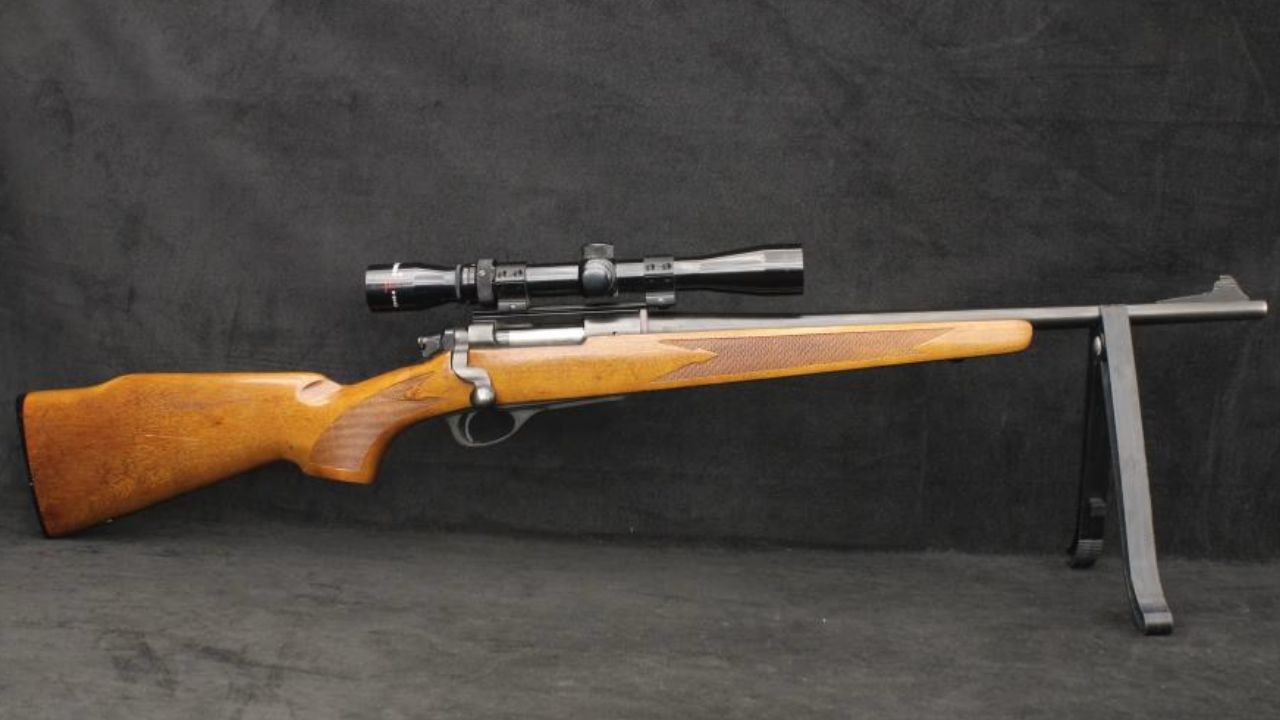
The Mohawk was short, light, and slightly odd-looking, but those same characteristics would make it much easier to understand today. Compact hunting rifles are fashionable again, especially for suppressor use, youth hunters, and people who spend their time in blinds or thick cover.
A modern Mohawk should preserve the short-action proportions while fixing the parts of the old design that felt dated. Give it a better stock, threaded muzzle, modern recoil pad, and low optics mounting. Chamberings like .308 Winchester, 7mm-08, .243 Winchester, and .350 Legend would cover almost every common deer-hunting need. Remington could position it below a premium mountain rifle while still giving buyers something more interesting than another full-size economy bolt gun.
Sako L579 Forester
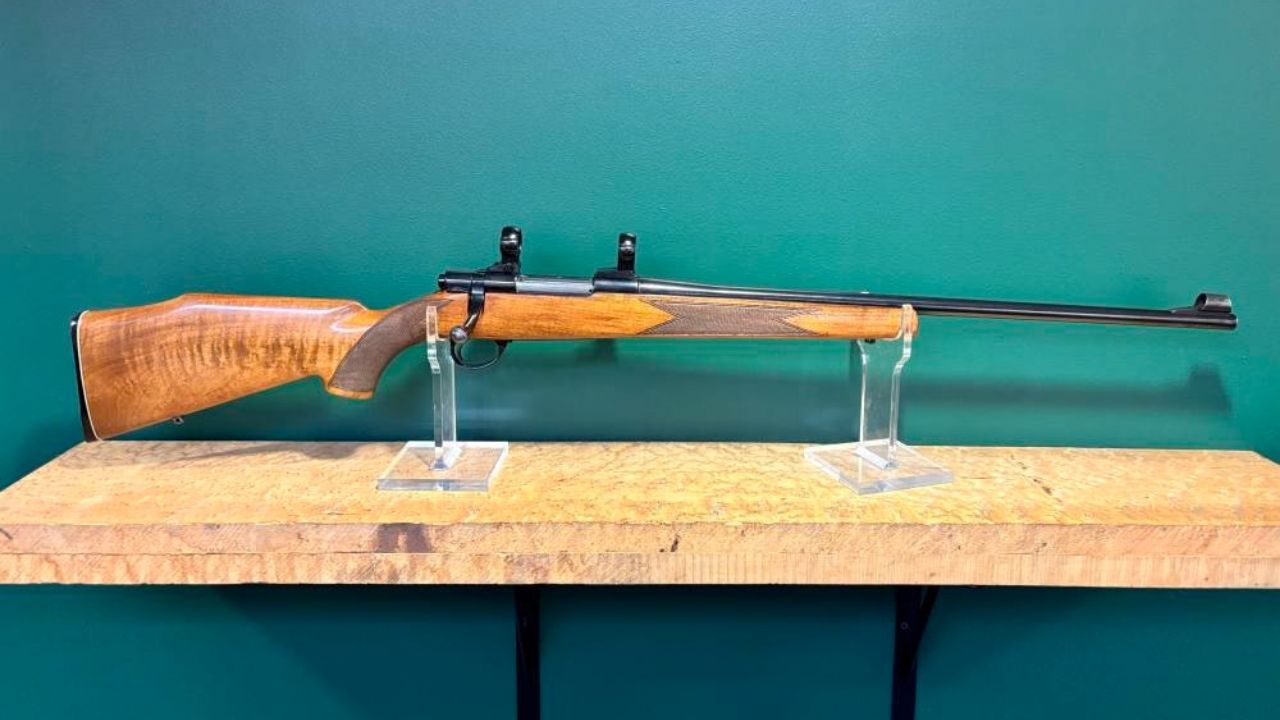
The L579 Forester earned its reputation by combining a compact action with the kind of machining and smoothness that built Sako’s name among serious hunters. Older examples remain desirable because they feel different from mass-produced economy rifles.
A modern Forester revival would make sense as a premium traditional hunting rifle rather than a nostalgia piece. Keep the controlled dimensions, excellent trigger, and refined action, then update the barrel threading and optics interface without ruining the lines. There is room in the current market for a beautifully made short-action hunting rifle that is neither a carbon-fiber mountain gun nor a tactical precision rifle. Sako could charge serious money for it and still find buyers who want old-school quality with current practicality.
Ruger M77 International
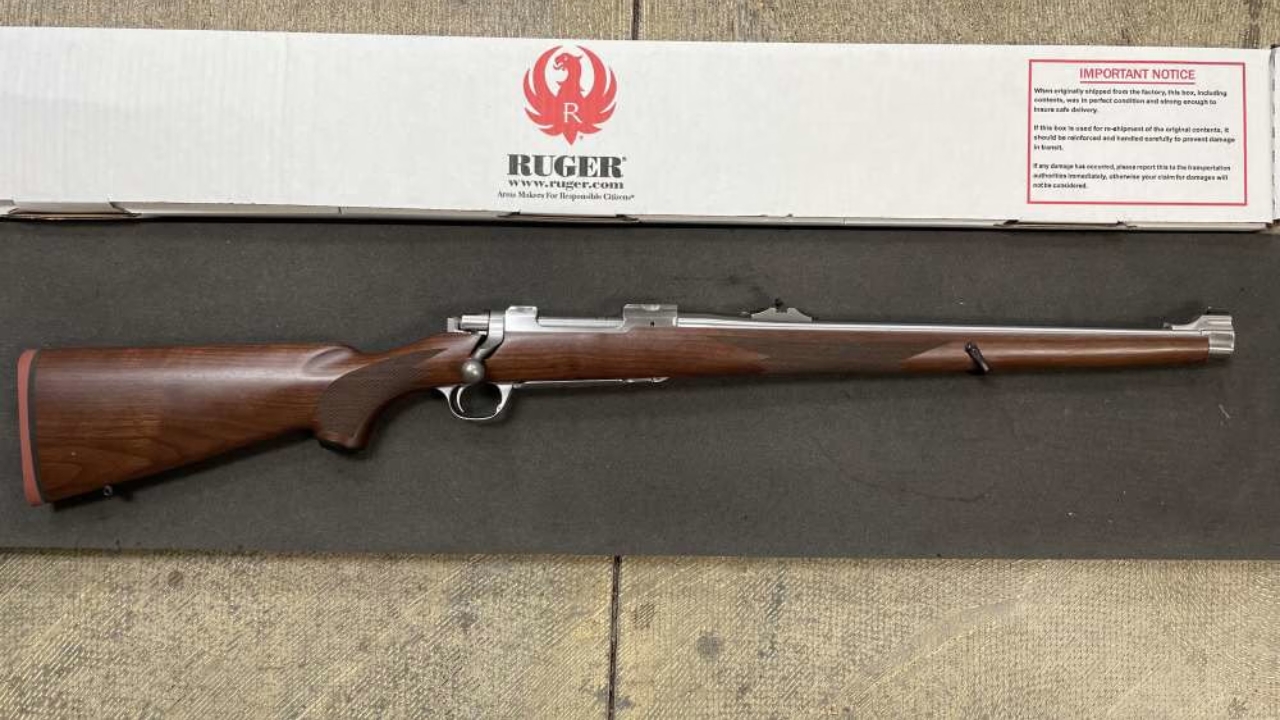
The full-stock M77 International had a look that almost nobody else in the American market offered. Its Mannlicher-style stock ran nearly to the muzzle, giving the rifle a distinctive European appearance while retaining the rugged Ruger bolt-action system.
A revived International would not need to compete with bargain hunting rifles. It would sell because it looks different. Make it compact, chamber it in cartridges such as 7mm-08, .308 Winchester, .243 Winchester, and 6.5 Creedmoor, and use good walnut instead of trying to make it inexpensive. In a market crowded with gray polymer stocks and vertical grips, a proper full-stock hunting rifle would stand out immediately. Sometimes being different is enough to create demand.
Winchester Model 43
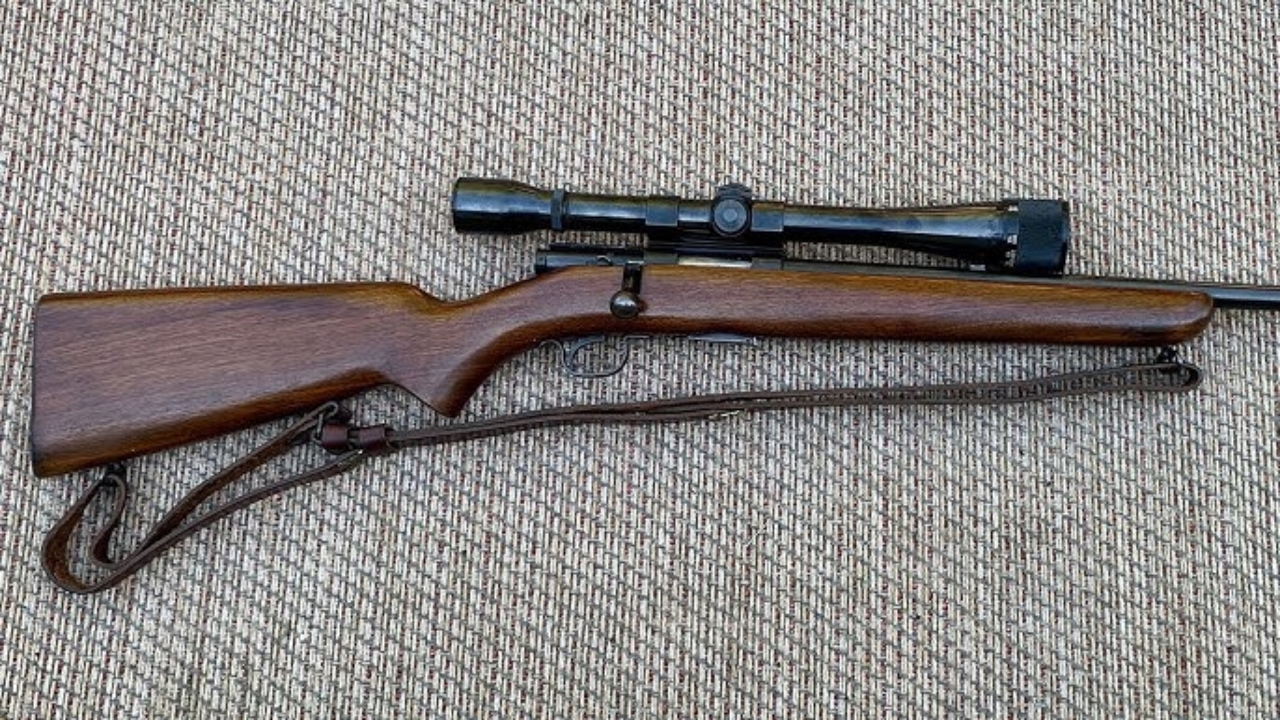
The Model 43 was a small centerfire bolt rifle built around cartridges that sat between rimfire rifles and full-size deer cartridges. That basic concept has become attractive again as shooters rediscover compact varmint rifles, low-recoil hunting cartridges, and suppressor-friendly small centerfires.
A new Model 43 could be built around .22 Hornet, .223 Remington, .300 Blackout, and perhaps .350 Legend in a light, trim action with real walnut and a detachable magazine. It would give buyers something much more refined than the average economy rifle without requiring the size of a full-length Model 70 action. The current market is full of small cartridges but surprisingly short on elegant small-action sporting rifles. That is exactly the opening a revived Model 43 could fill.
Marlin Model 62 Levermatic
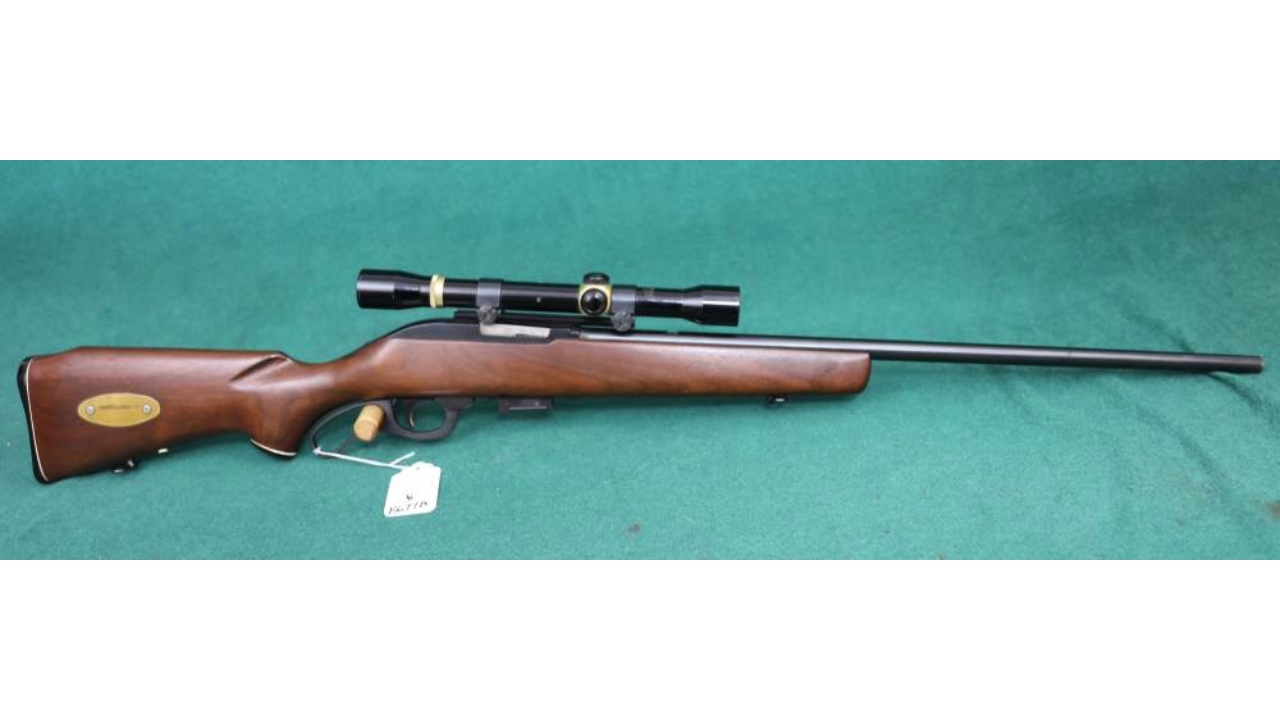
The Levermatic was one of Marlin’s stranger ideas, using an extremely short lever throw rather than the long movement associated with traditional lever guns. The rifle never became one of Marlin’s defining successes, but the concept deserves another look.
Modern shooters value fast cycling, compact rifles, and cartridges that work well from short barrels. A new Levermatic chambered in .357 Magnum, .44 Magnum, .22 Magnum, or even a suitable modern straight-wall cartridge could feel fresh despite the design being decades old. Give it a durable receiver, threaded barrel options, and a clean optics rail while keeping traditional furniture. It would offer lever-gun personality without simply recreating another 1894 or 336, which is exactly why it could find a real audience today.
Like The Avid Outdoorsman’s content? Subscribe to our newsletter so you never miss an article.
Here’s more from us: