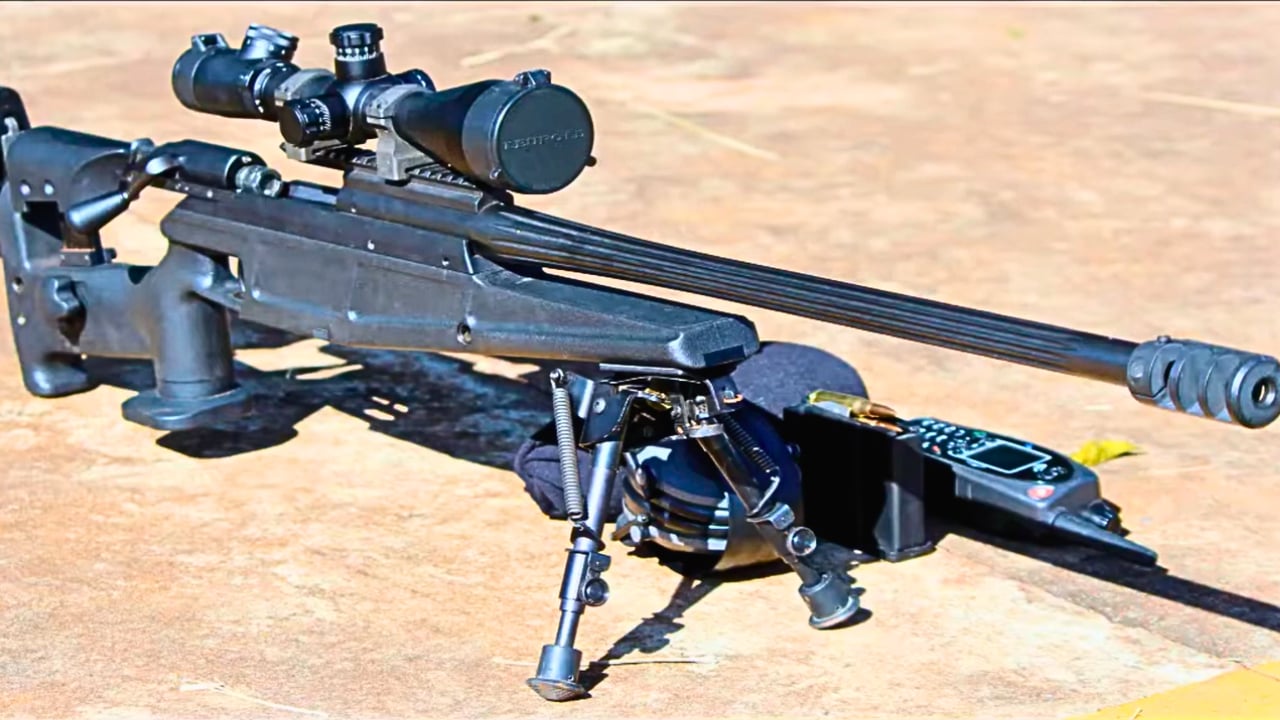
Photo credit: Chris Morlock/YouTube
Some rifles fail because they are bad ideas. Others fail for reasons that are much more frustrating. They show up with good engineering, smart features, strong manufacturers behind them, and enough potential to carve out a real place in the market. Then pricing, timing, poor marketing, weak aftermarket support, awkward styling, or one badly executed feature sinks the entire project.
Those are the rifles that hurt to look back on. A few of these were ahead of their time. Others tried to challenge the AR-15 and discovered just how hard that really is. Some had the right concept but never got the product ecosystem they needed. These 20 rifles all had a path to becoming much bigger than they did, but something went wrong between the gun counter and the buying public.
Bushmaster ACR

The ACR looked like the future when it arrived. It had a folding stock, quick-change barrel system, piston operation, ambidextrous controls, and a modular layout that seemed ready to give the AR-15 a genuine challenge. Buyers expected caliber conversions, barrel options, and a whole ecosystem built around the rifle.
What they got was a heavy, expensive rifle with far fewer factory options than promised. The modularity never fully materialized, which undercut one of the biggest reasons to buy it. The core rifle was actually very good, but the market had been sold on something bigger than what was delivered. If the ACR had launched lighter, cheaper, and with real caliber support from day one, it could have become one of the dominant non-AR platforms in the country.
Beretta ARX100
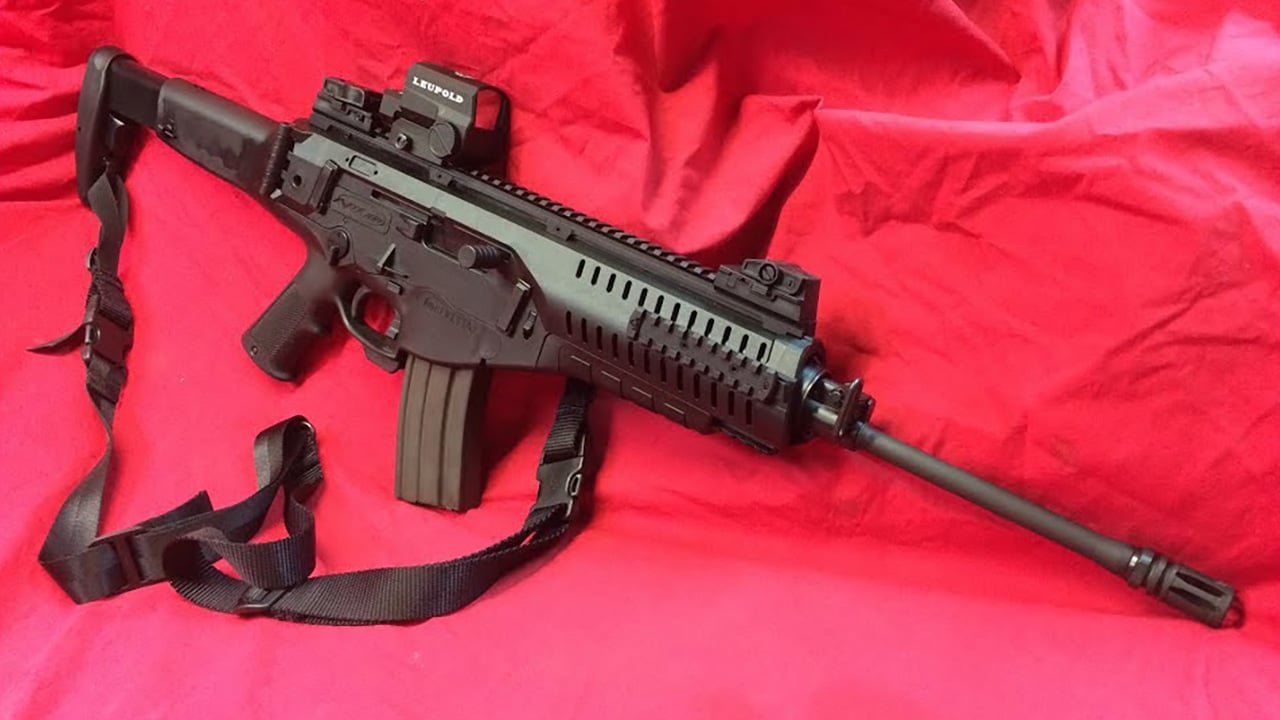
The ARX100 had a lot going for it. The barrel could be removed quickly, the charging handle could be swapped from side to side, the ejection direction could be reversed, and the rifle used a lightweight piston system with a folding stock. From a pure engineering standpoint, it was one of the most flexible rifles in its class.
The problem was that buyers never really warmed up to the look, and the promised modular ecosystem never grew enough to justify the rifle’s unusual design. It also arrived in a market where AR-15s were getting better and cheaper by the year. The ARX100 was not a bad rifle. It simply needed stronger support and better timing. Instead, it became one of those guns people appreciate more after production has already faded away.
SIG Sauer 556
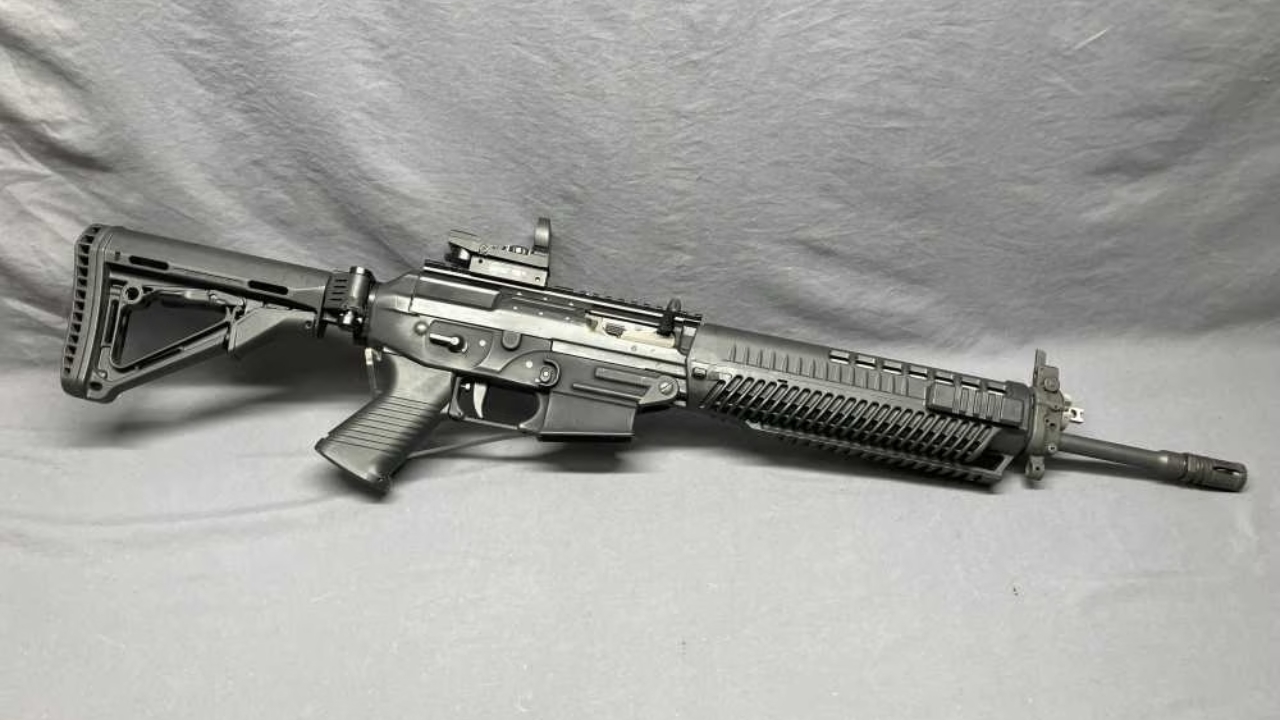
The SIG 556 should have had everything it needed to succeed. It brought the rugged piston-driven DNA of the Swiss 550 series into a rifle that American shooters could actually buy without paying true import prices. The action was smooth, reliability was strong, and the folding-stock setup gave it a practical advantage over traditional ARs.
What hurt it was expectation. Enthusiasts wanted a closer copy of the Swiss rifles, while SIG kept changing furniture, receivers, and configurations. That left the 556 stuck between being a premium service-style rifle and a compromise version of something collectors really wanted. It sold, but never became the long-term platform it could have been. A more faithful design with consistent parts support might have built a much stronger following.
Remington R-15
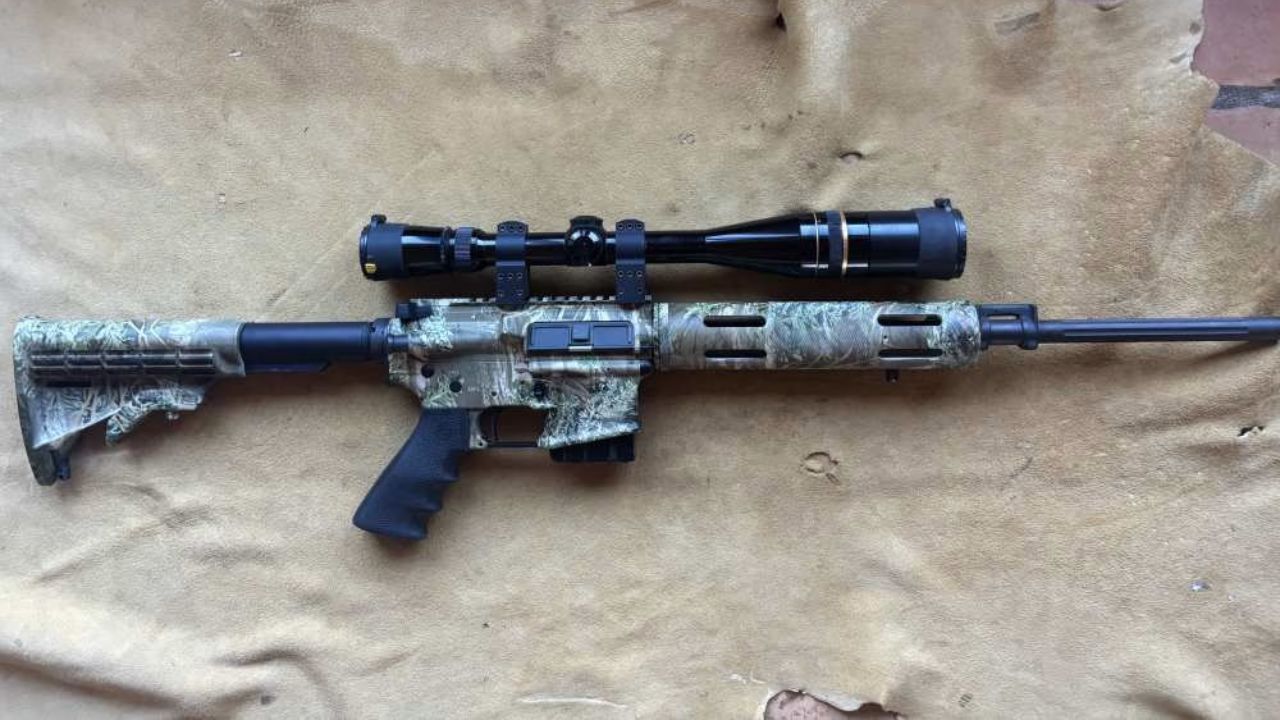
The R-15 was an early attempt to market the AR platform directly to hunters. Remington gave it hunting finishes, varmint-oriented barrels, and configurations chambered for cartridges like .223 Remington and .204 Ruger. At the time, that was a smart move because many hunters still viewed black rifles as something separate from traditional sporting guns.
The problem was that the market was changing faster than Remington could capitalize on it. Hunters quickly became comfortable with ordinary AR-15s, and the R-15 lost much of its identity. Instead of owning the hunting-AR niche, it ended up looking like a camouflage AR with a familiar name on the receiver. The concept was right, but the branding did not stay compelling long enough.
Ruger SR-556
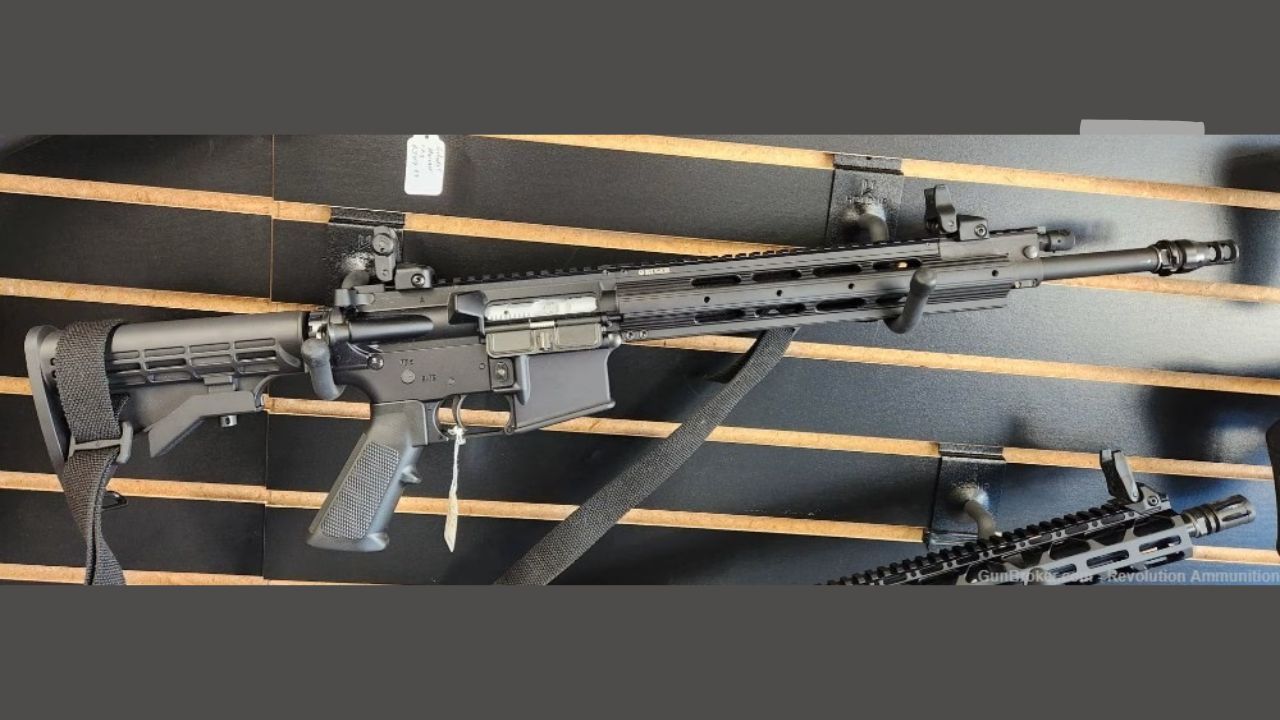
The SR-556 arrived when piston-driven ARs were one of the hottest ideas in the rifle market. Ruger gave it an adjustable gas system, robust quad rail, folding sights, and the kind of factory equipment that made it feel ready for serious use right out of the box.
The downside was weight and price. Direct-impingement ARs kept getting better, lighter, and cheaper, while the practical advantages of piston systems proved less important to most civilian shooters than many expected. The SR-556 was well built, but it was trying to solve a problem that fewer buyers cared about over time. If it had been lighter and more affordable, Ruger might have kept the platform alive much longer.
FN FS2000
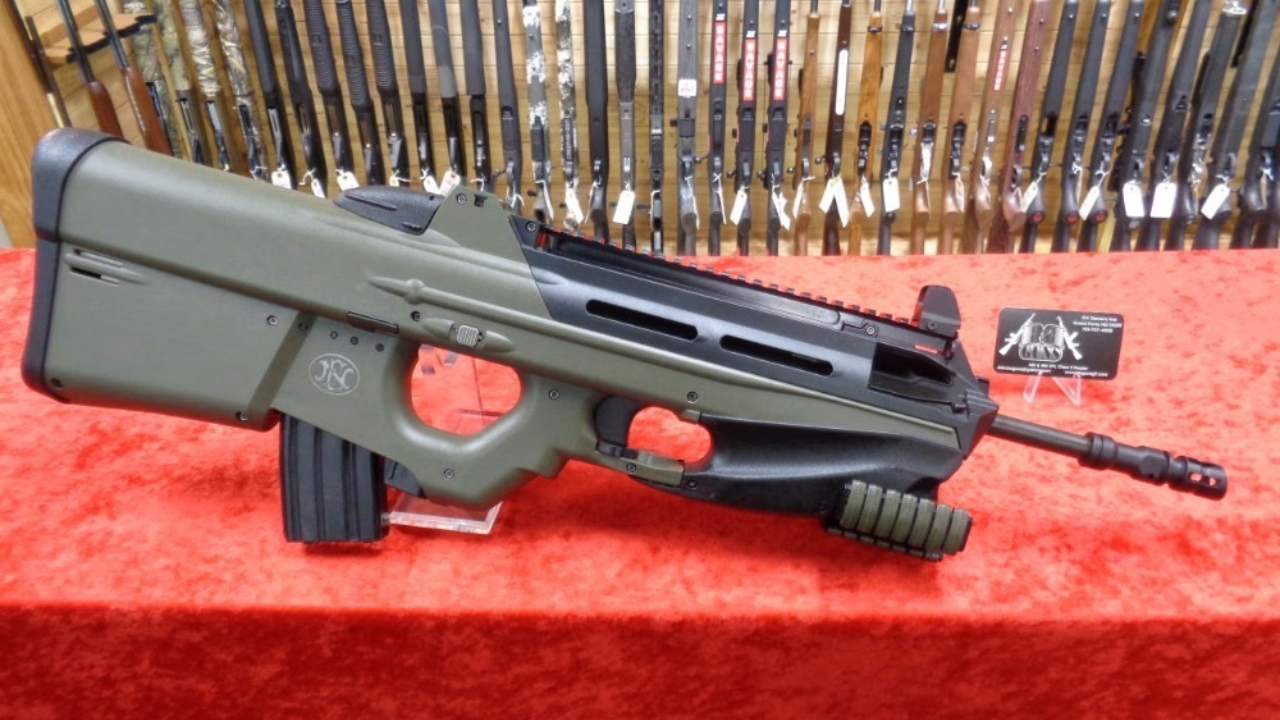
The FS2000 looked like a rifle from another decade, and in some ways it was. The bullpup layout kept the gun short while retaining a full-length barrel, and the forward-ejection system made it genuinely ambidextrous without requiring the shooter to swap major parts.
The concept was clever, but the rifle was expensive, bulky in strange places, and mechanically unfamiliar to American buyers. It also showed up before bullpups had developed the broader niche they enjoy now. That timing mattered. If FN had introduced a lighter, less expensive version with better aftermarket support, the FS2000 might have been seen as a serious alternative to conventional carbines. Instead, it became a cult rifle that people mostly appreciate after it disappeared.
Robinson Armament XCR-L

The XCR-L was doing modular rifle things before modular rifles became common. It had a folding stock, quick-change barrels, adjustable gas, piston operation, and caliber-conversion potential. On paper, it offered many of the features shooters later praised in more famous designs.
The problem was scale. Robinson Armament never had the marketing reach, dealer network, or parts ecosystem of a major manufacturer. That made buyers nervous about committing to a proprietary platform. The AR-15 already had cheap parts everywhere, while the XCR required trust in a smaller company. The rifle itself deserved more attention. If a giant manufacturer had launched the exact same concept with national support, it probably would have been far more successful.
FN FNAR

The FNAR was an accurate, soft-shooting .308 semiautomatic built around the Browning BAR action. It offered detachable magazines, a heavy barrel, and enough precision to appeal to shooters who wanted more than a traditional hunting autoloader.
Its problem was identity. It looked too tactical for many traditional hunters and not modular enough for buyers comparing it with AR-10-style rifles. That left it stranded between markets. The rifle shot well and had solid mechanical roots, but shooters increasingly wanted platforms they could customize freely. The FNAR was a very good rifle at a time when being a good rifle was not enough. Buyers wanted an ecosystem, and the FNAR never really had one.
Benelli MR1
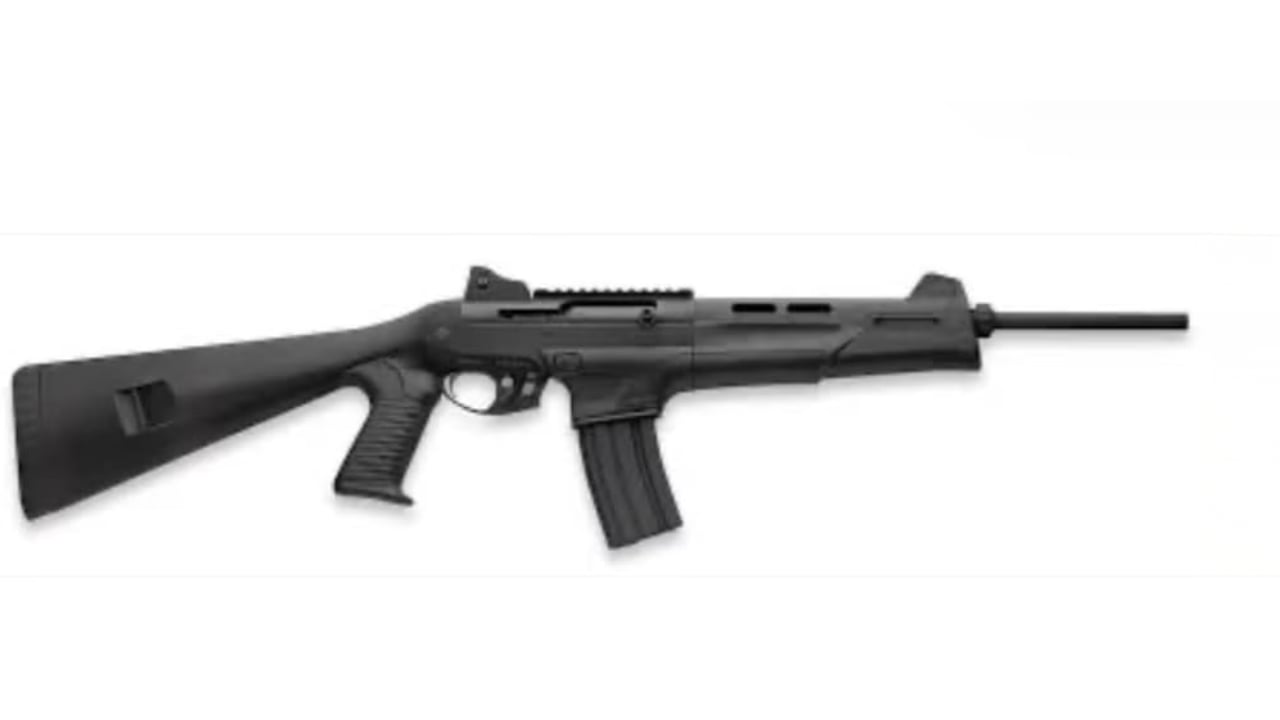
The MR1 should have been more interesting to the market than it was. Benelli used its ARGO gas system in a 5.56 rifle, giving buyers a mechanically different carbine backed by a company already known for reliable semiautomatic firearms.
The problem was price and parts support. AR-15s were everywhere, magazines were cheap, triggers were easy to replace, and every gun store carried parts. The MR1 could not compete with that convenience. Its unusual styling also did not help. The rifle was not a failure because it was unreliable or poorly made. It failed because it asked buyers to spend more money to get into a platform with fewer options. That is a tough sell in the AR market.
Remington Model 750 Woodsmaster

The Model 750 had an enormous opportunity. Remington already had generations of hunters familiar with semiautomatic deer rifles, and the 750 was supposed to modernize the concept with improved styling and updated internals.
The problem was that the reputation of earlier Remington autoloaders followed it. Hunters remembered extraction problems, chamber sensitivity, and the headaches associated with neglected 742 and 7400 rifles. Even if the 750 improved some of those issues, it was fighting decades of baggage. By then, bolt-action rifles had also become cheaper, more accurate, and more reliable. The 750 had the right audience, but it arrived after too many hunters had already decided they were done gambling on Remington autoloaders.
Winchester SXR
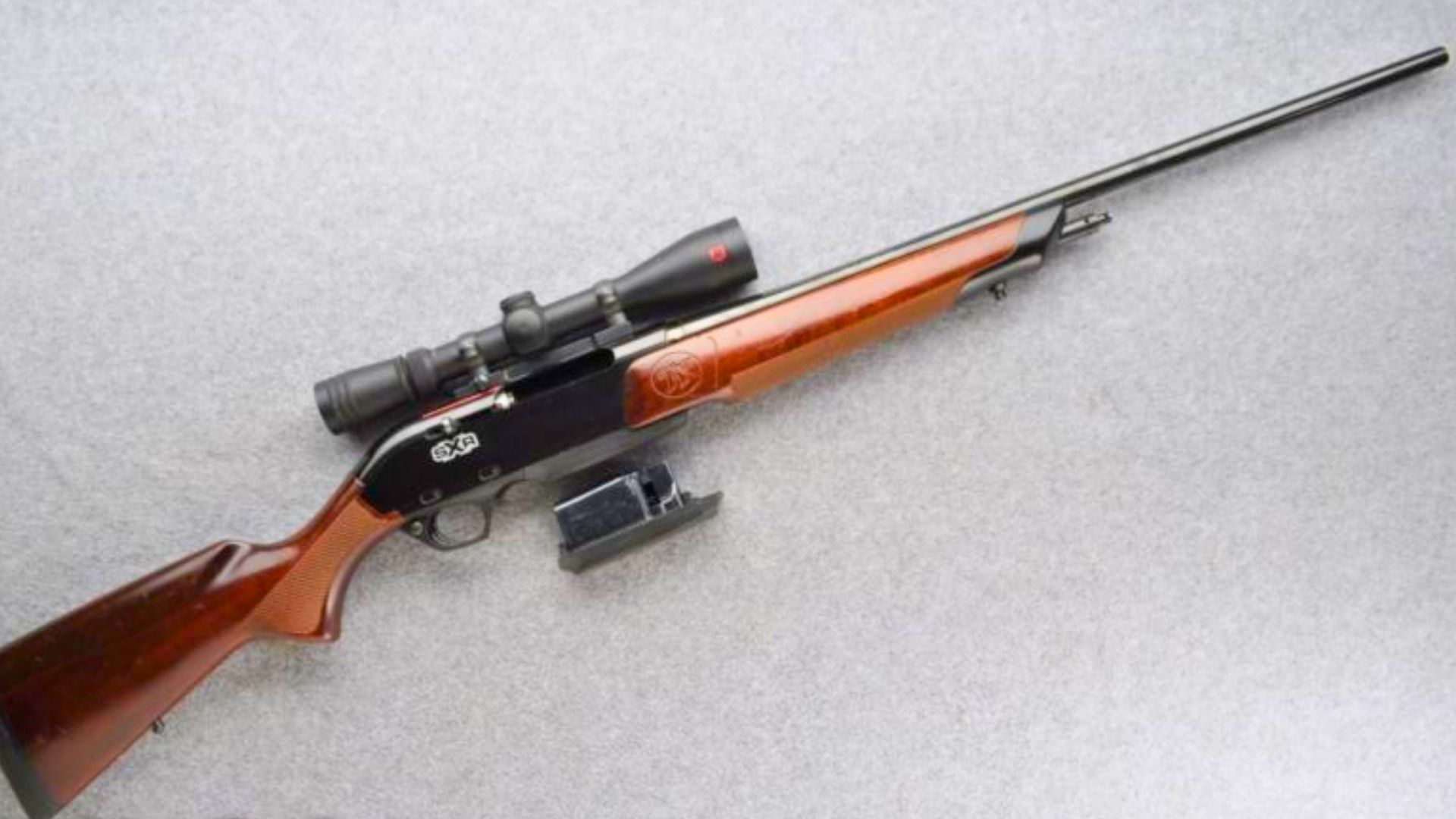
The SXR should have been a strong contender in the semiautomatic hunting market. It was built around a proven gas-operated design closely related to Browning’s BAR, offered modern styling, and gave hunters a fast follow-up shot without moving into an AR-style platform.
The rifle never developed much of an identity, though. Browning already owned most of the prestige in that category, and Winchester’s version did not offer enough differentiation to pull buyers away. It also entered a market where semiautomatic hunting rifles were becoming more niche. The SXR was capable, but it was never exciting enough to become the rifle people specifically went looking for. That is often the difference between surviving and disappearing.
Colt LE901

The LE901 had an ambitious idea. It gave shooters a .308 AR that could also accept 5.56 uppers through an adapter system, essentially promising one lower receiver that could cover multiple rifle roles.
That kind of modularity should have been a huge selling point, but the rifle was heavy, expensive, and introduced before the large-frame AR market had settled into the compatibility standards shooters expect now. The proprietary nature of the system made buyers hesitate, especially when conventional AR-10-pattern rifles kept improving. The LE901 was technically interesting but commercially awkward. It tried to be one rifle for everything before the market was ready to accept the compromises required to make that work.
Remington ACR
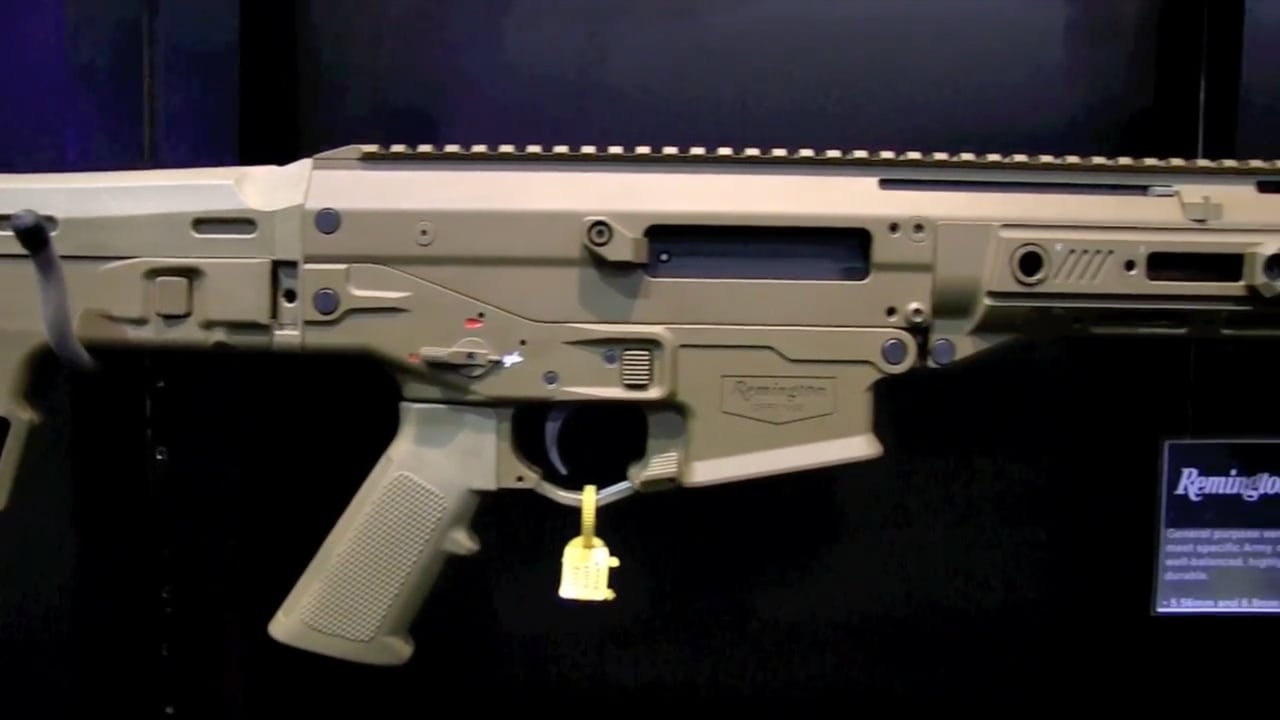
The Remington-branded ACR deserves separate mention because this was the version that was supposed to turn the platform into a serious military and commercial success. The design had pedigree, modularity, and major-company backing.
Instead, the platform spent years trapped between military ambitions and civilian disappointment. Weight remained an issue, promised configurations were slow to appear, and the rifle never became the broad system buyers had expected. By the time the market had a clearer picture of what the ACR actually was, the excitement was already gone. It is one of the clearest examples of a rifle losing because expectations were allowed to outrun execution.
Browning Acera

The Acera was an unusual straight-pull semiautomatic-style hunting rifle concept that gave hunters fast operation and European handling characteristics. It was different enough to stand out without looking radically tactical.
That difference did not translate into broad sales. American hunters were already comfortable with conventional bolt actions, lever rifles, and true semiautomatics. The Acera landed in a narrow middle ground where the advantages were not obvious enough to justify learning something new. It was a good example of a rifle that probably made more sense after shooting it than while looking at it on a rack. Unfortunately, most buyers never got that far.
HK SL8
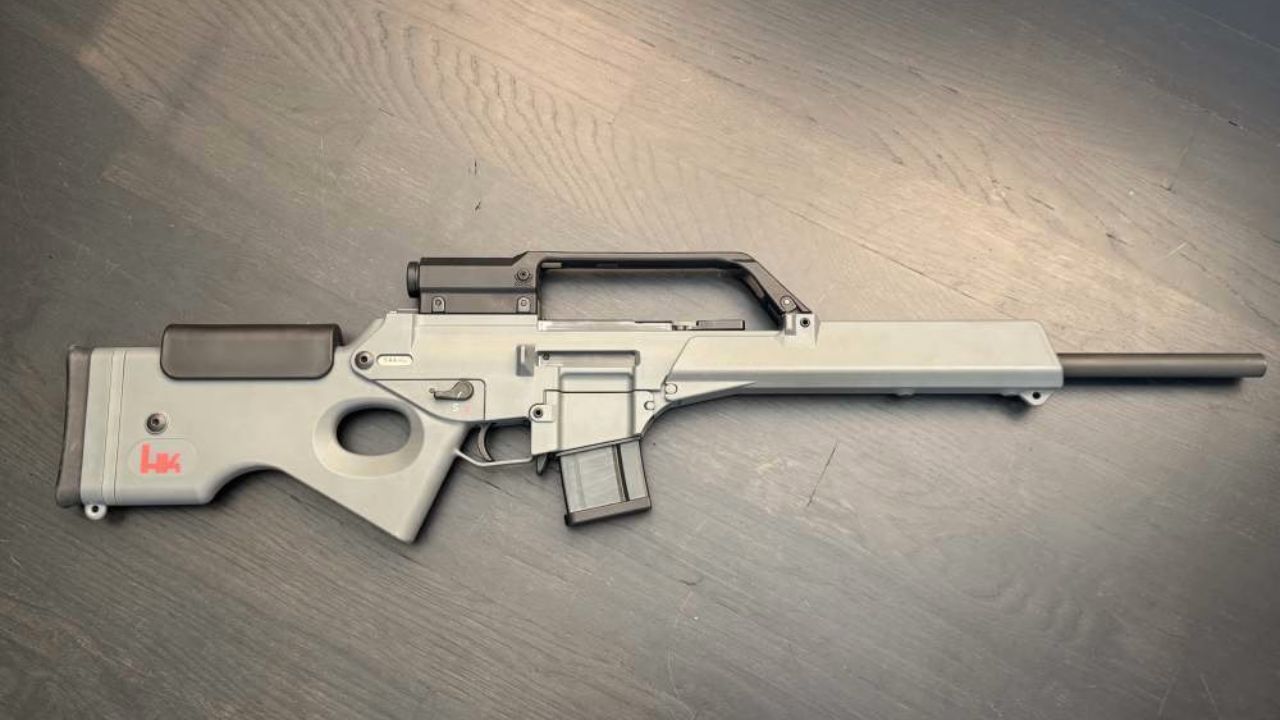
The SL8 had the HK name, German engineering, and mechanical roots connected to the G36 family. That should have made it an easy success among buyers who wanted something different from the AR-15.
The civilian configuration hurt it badly. The stock, magazine system, and overall appearance felt like a heavily restricted version of the rifle buyers actually wanted. That turned the SL8 into a conversion project in the minds of many enthusiasts rather than a desirable rifle on its own. Once buyers start calculating how much it will cost to make a rifle look and feel like the version they really wanted, the original product has already lost. The SL8 was good enough to deserve better treatment.
Steyr AUG A3 M1 Early Commercial Push
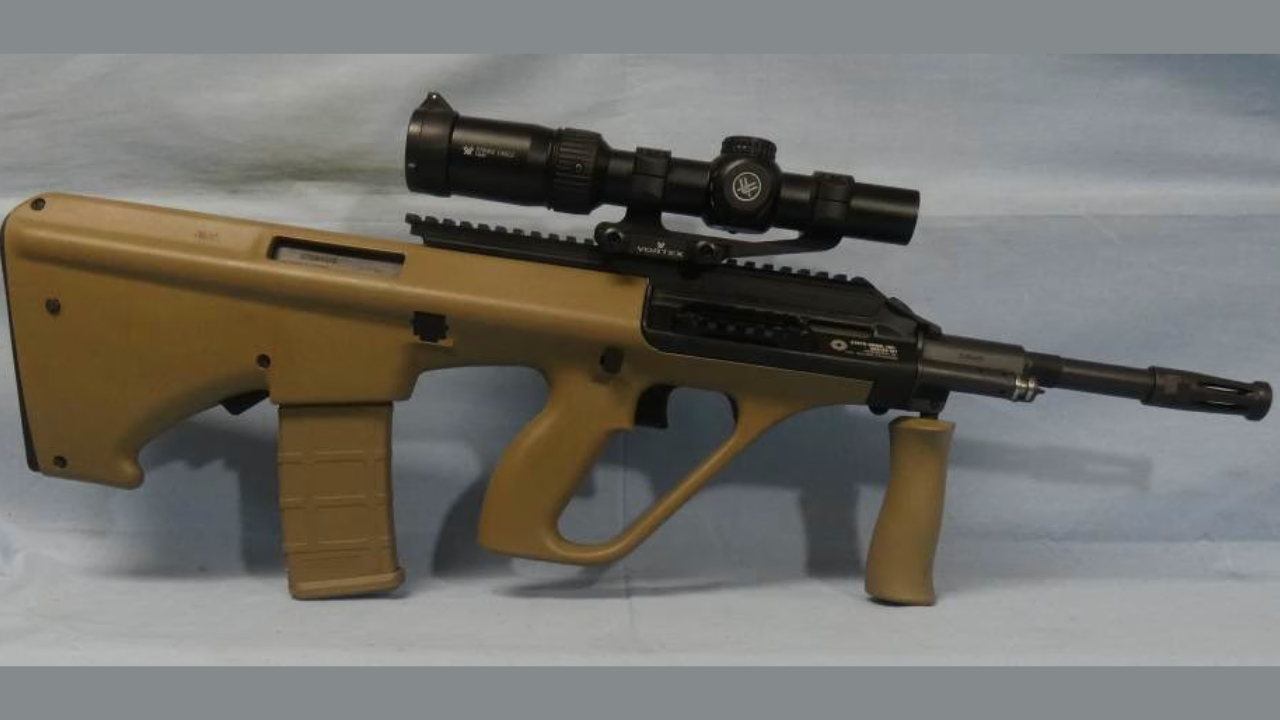
The AUG itself is successful, but some of Steyr’s attempts to push newer commercial configurations never became as dominant as they probably could have. The bullpup layout is proven, compact, and mechanically mature, and the A3 M1 added modern optics flexibility without abandoning the core design.
The problem is that the AUG has always lived with a high price and a smaller aftermarket than the AR-15. That makes it easy for buyers to admire but harder to justify. It should have become one of the standard answers for anyone wanting a compact 5.56 rifle, yet it remains a specialty choice. The platform succeeded, but never at the scale its design quality suggested it could.
SIG Sauer 556R

The 556R was one of those rifles that looked brilliant on paper. It combined SIG’s piston-driven rifle architecture with the cheap, powerful 7.62×39 cartridge and AK magazines. That should have created an excellent bridge between Western ergonomics and Eastern ammunition.
Early reliability problems damaged the rifle before it could build trust. Even after improvements, the reputation was difficult to repair. That is especially deadly for a rifle whose entire appeal depends on ruggedness. Once buyers start hearing about feeding or extraction issues, they simply go back to the AK platform. The 556R had a very smart concept, but first impressions killed much of its chance to become a major success.
Ruger Deerfield Carbine

The Deerfield was a compact semiautomatic .44 Magnum hunting rifle that used a rotary magazine and offered exactly the sort of close-range performance hunters want in thick woods. It was handy, powerful, and distinctly different from the AR market.
The strange part is that it disappeared before straight-wall and pistol-caliber hunting rifles experienced their current resurgence. If Ruger introduced the same concept today with modern optics mounting and maybe a threaded barrel, it would probably attract far more attention. The original rifle simply arrived at the wrong time. It was a good answer to a question the market did not fully appreciate yet.
Thompson/Center Dimension
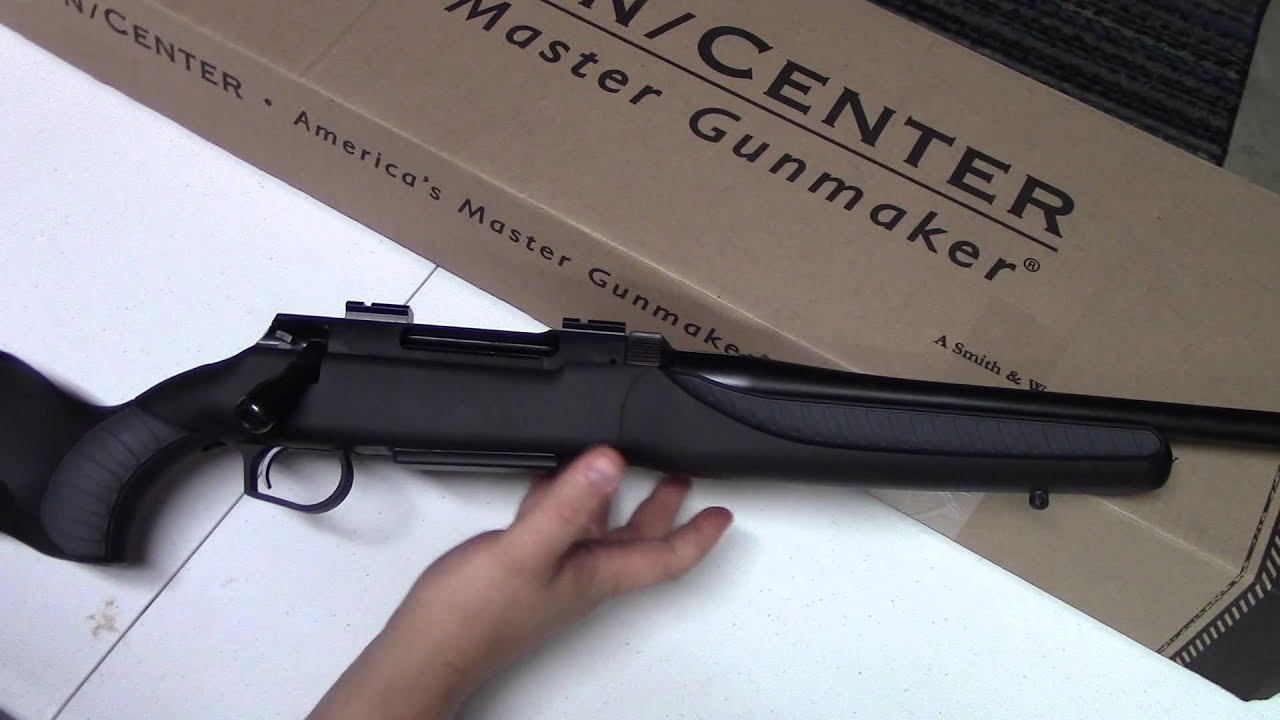
The Dimension was built around modularity. Shooters could change barrels, bolts, and magazines to move between different cartridge families while keeping the same basic rifle platform. That sounds very familiar now, but at the time it was a bold attempt to make one hunting rifle cover several roles.
The problem was execution and appearance. The stock looked awkward, the system was not as intuitive as buyers wanted, and hunters did not seem convinced they needed one rifle to become several. Traditional bolt rifles were already affordable enough that many buyers simply preferred owning separate guns. The Dimension was not necessarily a bad idea. It was just more complicated than the market wanted a hunting rifle to be.
Blaser R93 Tactical Civilian Variants
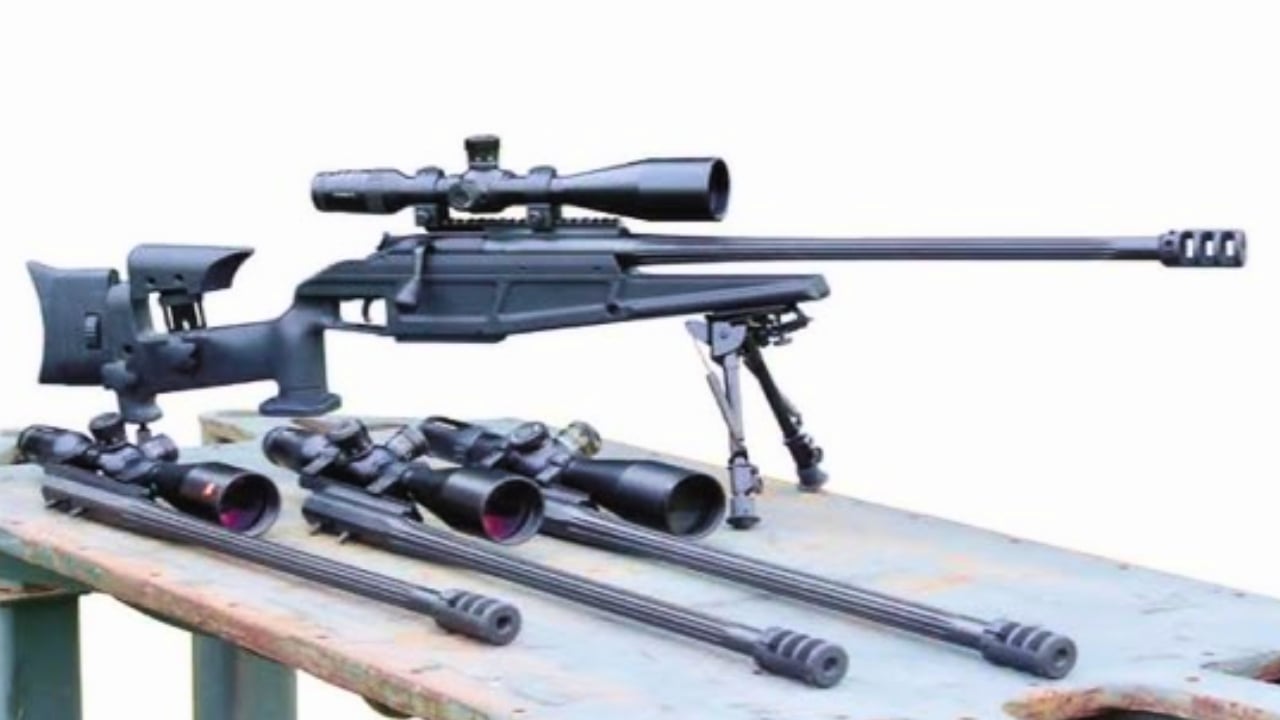
The R93 system proved that a straight-pull rifle could be incredibly fast, accurate, and modular. In sporting circles, Blaser built a strong following. The tactical-oriented civilian versions, however, never translated that engineering into broad American success.
Price was the biggest issue. The rifle was expensive, proprietary, and unfamiliar in a market dominated by Remington 700-pattern precision guns and later chassis-based rifles. Shooters admired the engineering but often bought something easier to modify and support. The R93 was arguably better designed than many rifles that outsold it, but premium engineering does not matter if the buyer cannot justify the ecosystem around it. It deserved a larger following than it ever got.
Like The Avid Outdoorsman’s content? Subscribe to our newsletter so you never miss an article.
Here’s more from us: