Photo credit: SPN Firearms/YouTube
A carry gun has to do more than fit in a holster. It needs to be reliable, shootable, easy enough to train with, and practical enough that you will actually carry it without fighting the gun every day. A pistol that looks great on paper can become a headache fast if it is snappy, picky, awkward, too heavy, too small, or hard to support.
Some guns here are not bad firearms. A few even have loyal fans for good reasons. But for most people looking for a serious everyday carry gun, they bring more compromises than they solve. When a carry gun makes practice harder, confidence lower, or setup more complicated, it starts becoming more trouble than it is worth.
Kimber Solo

The Kimber Solo looked like a premium answer to the tiny 9mm carry-gun problem. It had clean styling, a compact metal frame, and the kind of upscale appearance that made cheaper pocket guns look crude. At the counter, it felt like a classy little pistol.
The trouble is that carry guns need to be boringly dependable, and the Solo’s reputation never inspired that kind of confidence for a lot of owners. Ammo sensitivity, sharp recoil, and limited shootability made it harder to trust than it should have been. It was attractive, but pretty does not help much when a pistol makes you second-guess it.
Remington R51
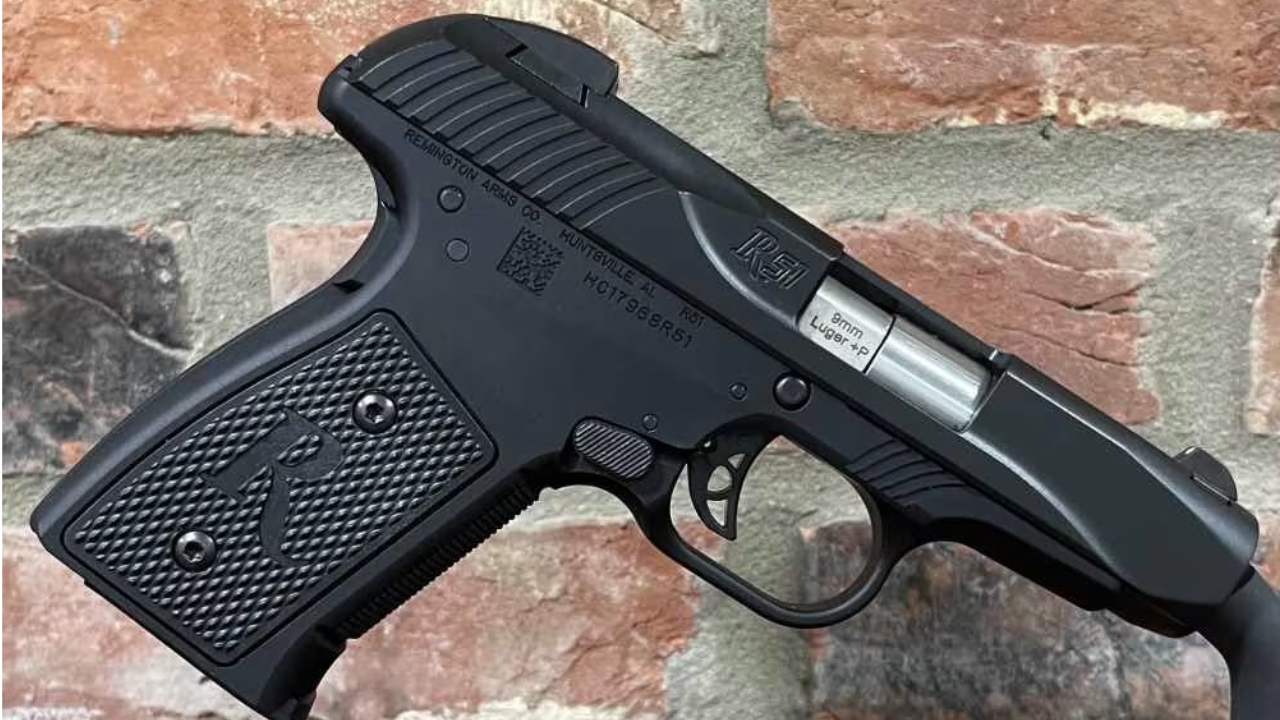
The Remington R51 had an interesting idea behind it. The low bore axis, unusual action, and slim carry size all sounded promising. It was supposed to be a softer-shooting compact 9mm that gave buyers something different from the usual striker-fired crowd.
In real life, the R51 became one of the most disappointing modern carry pistols. Reliability concerns, rough early production, and awkward handling damaged the gun’s reputation badly. Even if someone finds one that works, the question becomes why bother when so many proven carry pistols exist. A defensive handgun should not feel like a gamble.
Diamondback DB9

The Diamondback DB9 is tempting because it is extremely small for a 9mm. It is easy to hide, light enough to forget about, and thin enough for deep concealment. On paper, that sounds like a strong carry advantage.
The problem is that the tiny size makes everything else harder. Recoil is sharp, the grip gives you very little control, and regular practice is not much fun. A carry gun that discourages training is a bad trade for most people. The DB9 may disappear in a pocket, but it also makes shooting well more difficult than it needs to be.
SCCY CPX-2

The SCCY CPX-2 stays popular because it is cheap and easy to find. It gives buyers a compact 9mm with decent capacity at a price that makes concealed carry feel accessible. That matters for people on a tight budget.
But the long, heavy trigger and snappy shooting feel make it harder to recommend as a serious training gun. New shooters may struggle with it and assume they are the problem. There are now too many better budget carry pistols available to settle for one that makes accurate shooting harder than it has to be.
Taurus Spectrum

The Taurus Spectrum tried to make the pocket pistol look softer and friendlier. The rounded shape, colorful trim options, and smooth edges made it seem less intimidating than the usual defensive handgun. It looked like a carry gun for people who did not want a harsh little pistol.
The issue is that the pleasant appearance did not make it a great shooter. The trigger was long, the sights were minimal, and the grip did not give much control. For a defensive pistol, friendly styling does not matter as much as confidence on the range. The Spectrum was easy to carry, but not easy enough to shoot well.
Beretta Pico

The Beretta Pico is slim, well made, and extremely easy to conceal. It has a modern modular design and the Beretta name behind it, which gave it instant credibility. For pocket carry, the size was hard to ignore.
The problem is that the Pico can be difficult to shoot well. The grip is tiny, the trigger is long, and the overall feel is more useful for concealment than for training. It is a very thin pistol, but that thinness comes at a cost. Most people will be better served by a slightly larger .380 or compact 9mm that is easier to control.
Kahr PM9
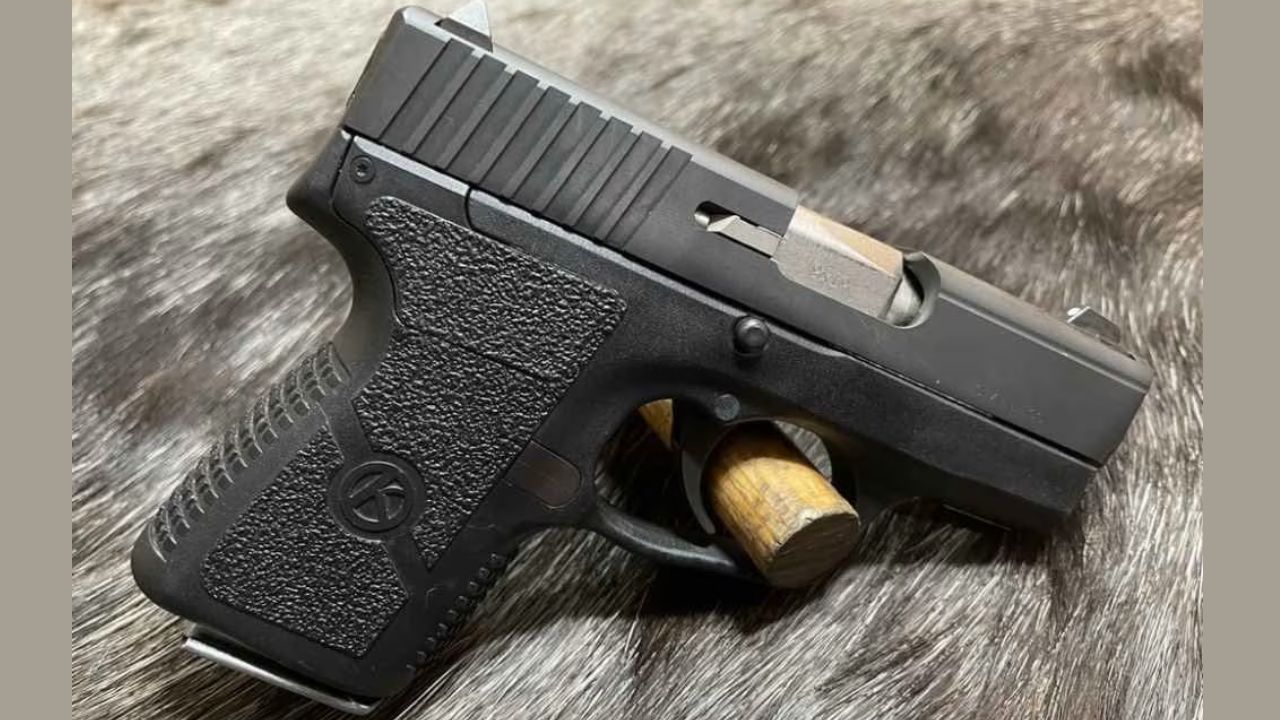
The Kahr PM9 made a lot of sense when tiny 9mm pistols were not as common. It is smooth, slim, and easy to conceal, with a long trigger that some shooters like because it feels revolver-like. It helped define what a small carry 9mm could be.
Today, it is harder to justify for most buyers. The long trigger takes work, recoil is snappy, and capacity is limited compared with newer micro-compacts. It can still serve someone who likes the Kahr system, but it asks for more practice and gives less capacity than many current carry guns. That makes it a tougher sell now.
SIG Sauer P290RS

The SIG P290RS had the SIG name and a compact size, but it never felt like one of the company’s best carry ideas. It was chunky for what it offered, had a long double-action trigger, and did not shoot as easily as many people hoped. It looked serious, but the experience was not always rewarding.
The main issue is that it does not have much reason to exist today. Newer SIG carry pistols are smaller, lighter, higher-capacity, and easier to shoot. The P290RS may work, but it feels like a dated answer to a problem that has been solved better by other guns.
Walther PK380
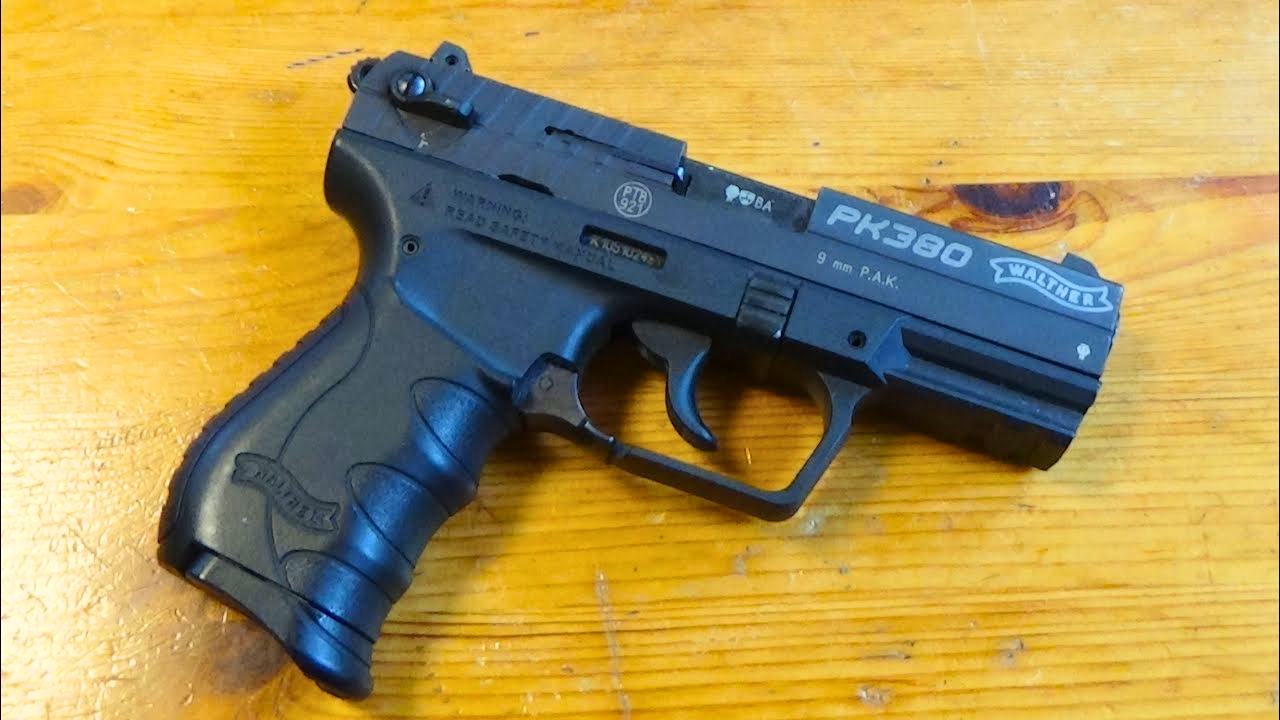
The Walther PK380 has some appealing traits. It is easy to rack, light-recoiling, and less intimidating than many compact 9mm pistols. For shooters with weaker hands, those qualities can matter a lot.
The trouble is that it is fairly large for a .380 while still not offering the performance of a 9mm. The controls are dated, the build does not feel as serious as Walther’s better pistols, and holster choices are not as strong as more popular carry guns. If someone needs an easy-racking pistol, there are better modern options now.
AMT Backup

The AMT Backup has an old-school pocket-gun appeal. It is small, stainless, and simple-looking, which makes it seem like a tough little defensive tool. Some shooters like that heavy, compact feel.
Actually carrying and training with one is less appealing. The trigger can be heavy, the sights are poor, and the handling feels crude next to modern carry pistols. It belongs more to a time when options were limited. Today, it is usually more trouble than it is worth unless someone wants it as a curiosity.
Colt Mustang Pocketlite

The Colt Mustang Pocketlite is charming. It is light, compact, and has the kind of single-action pocket-pistol feel that appeals to 1911 fans. It also carries the Colt name, which helps it feel more special than a lot of little .380s.
The problem is that charm is not the same as practicality. Capacity is limited, the controls require consistent training, and the tiny grip makes fast shooting harder. It can work for someone who is committed to it, but most people will be better served by a more modern carry pistol with better sights, more capacity, and simpler operation.
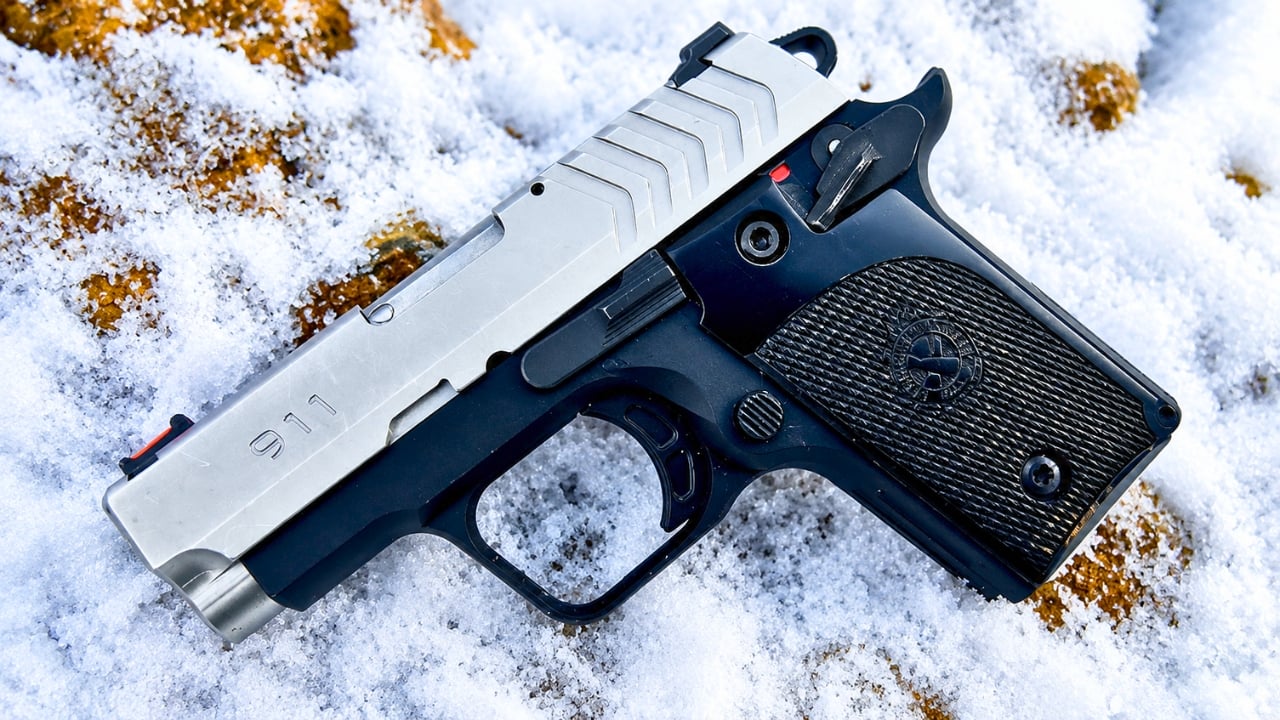
Springfield Armory 911

The Springfield 911 followed the same small single-action .380 idea that makes guns like the Mustang appealing. It is easy to carry, pleasant to look at, and familiar to people who like thumb safeties and metal-framed pistols. It feels more refined than many plastic pocket guns.
But as a serious everyday carry choice, it adds complications without adding much capability. The small safety must be trained with, the capacity is limited, and the tiny frame is still harder to run under stress than a larger pistol. It is neat, but a defensive gun should be more than neat.
Bond Arms Backup

The Bond Arms Backup is built like a tank, and that is part of the appeal. It feels tough, simple, and powerful for its size. A compact derringer chambered in serious calibers sounds like a rugged last-ditch carry option.
The trouble is that two shots, heavy recoil, a stiff trigger, and slow reloads make it a poor choice for most people who actually train. It may be well made, but it is not easy to shoot quickly or accurately compared with a small revolver or compact semi-auto. Tough construction does not automatically make a good carry gun.
NAA Guardian .380

The NAA Guardian .380 is a small stainless pocket pistol that feels solid in the hand. It has a simple blowback design and a tough little build that appeals to people who want a deep-concealment gun. It looks like it should be durable, and it usually feels that way.
The downside is that it is heavy for its size and not especially pleasant to shoot. The trigger is long, the sights are minimal, and the recoil can feel sharper than expected. For the weight and effort involved, many shooters would rather carry a more modern .380 or 9mm that offers better sights and better shootability.
Rohrbaugh R9

The Rohrbaugh R9 was impressive because it packed 9mm into an extremely small pistol before that became common. It was a premium deep-concealment gun with a lot of clever engineering behind it. For its time, it was genuinely interesting.
But it was never meant to be a high-volume training pistol. Recoil is sharp, maintenance expectations are more involved, and the gun’s role is narrow. Today, newer micro-compacts offer more capacity, better support, and easier ownership. The R9 is fascinating, but for most carriers, it is more hassle than benefit.
KelTec P-3AT
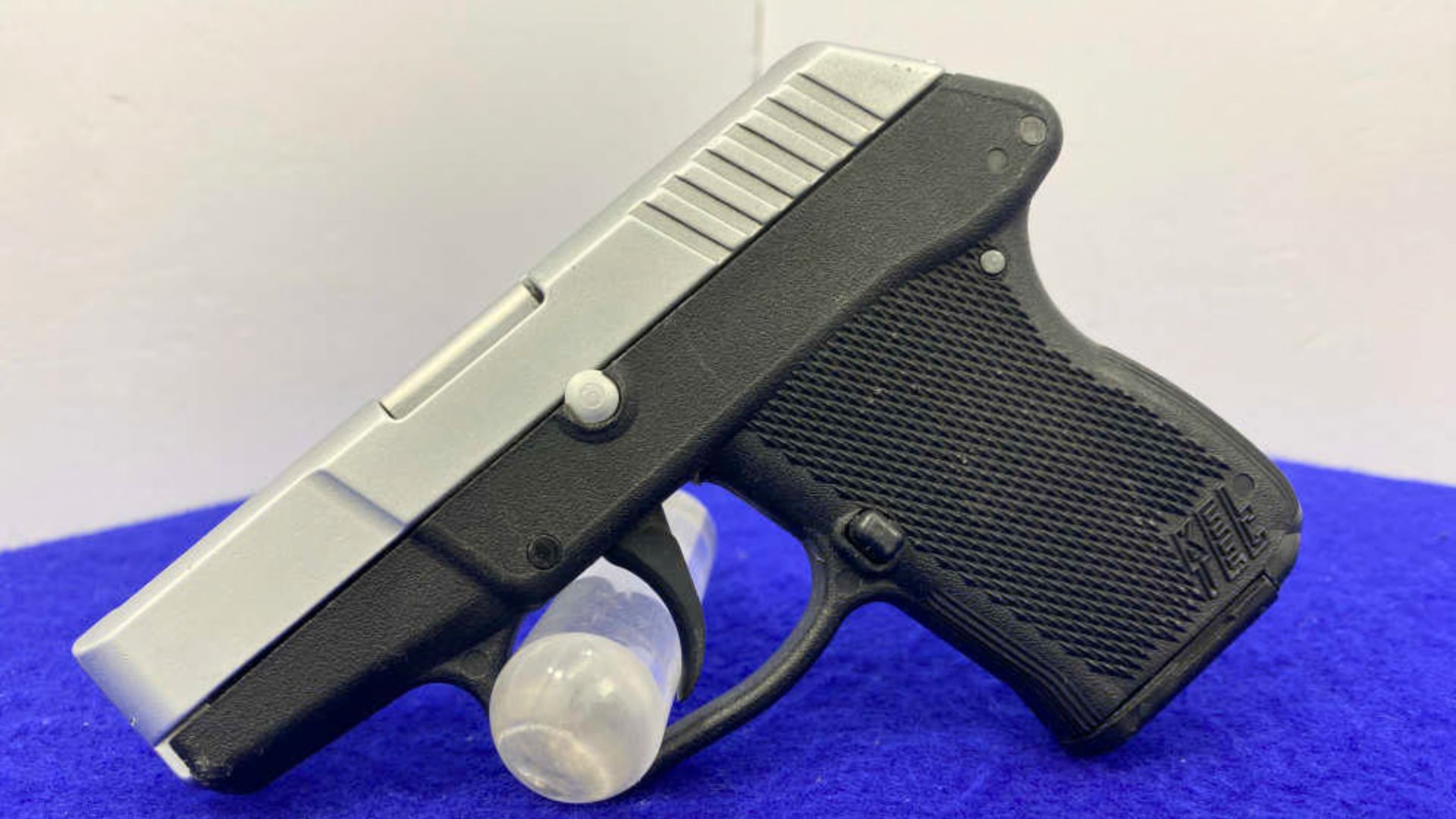
The KelTec P-3AT helped make ultra-light .380 pocket pistols popular. It is very easy to carry, extremely light, and inexpensive. For people who wanted something smaller than almost anything else, it had a clear role.
The problem is that the P-3AT is not fun to shoot or easy to master. The sights are tiny, the trigger is long, and the grip gives very little control. It is the definition of a gun people carry a lot and shoot very little. That may be acceptable as a backup, but it is not ideal as a primary carry gun.
Glock 36

The Glock 36 has loyal fans because it gives shooters a slim .45 ACP Glock. That sounds appealing if you like big-bore pistols but do not want the bulk of a Glock 21 or double-stack .45. It is simple, reliable, and easy to understand.
The trouble is that it gives up a lot for that .45 chambering. Capacity is low, recoil is sharper than a heavier .45, and the gun is not as small as newer 9mm carry options that hold more rounds. It can work, but most people are better served by a compact 9mm or a larger .45 if they really want the caliber.
Smith & Wesson CSX
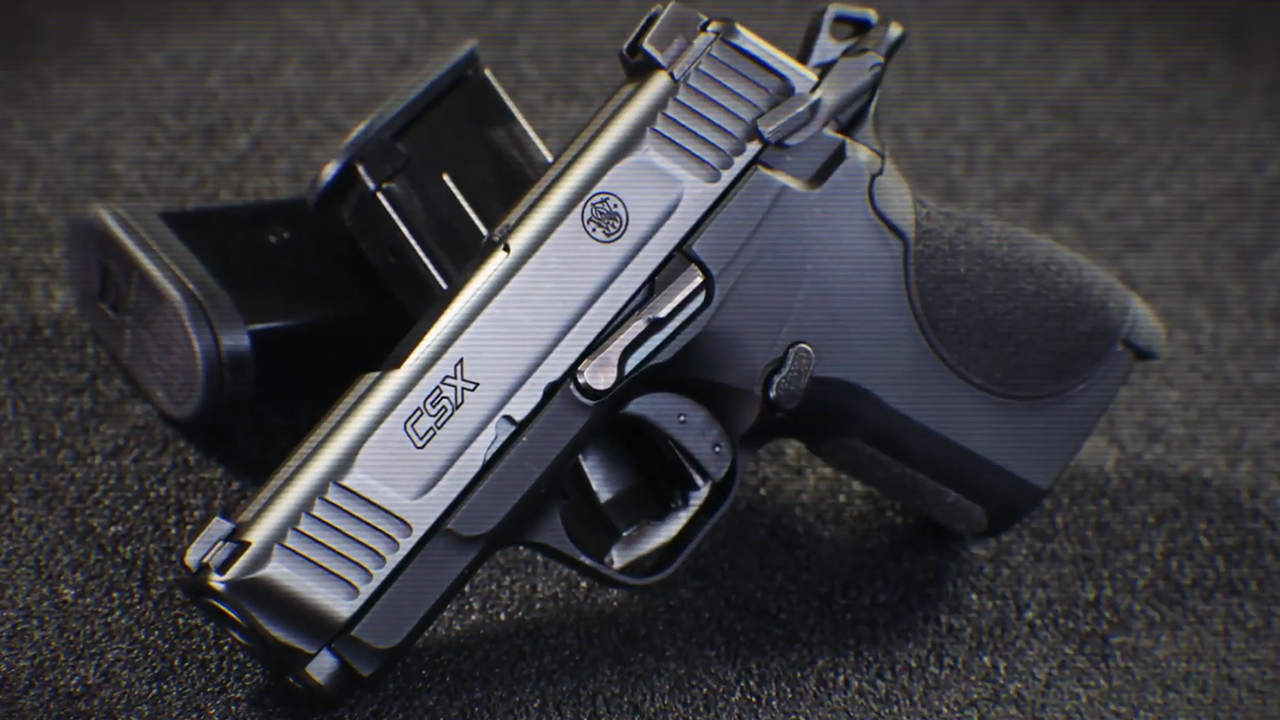
The Smith & Wesson CSX is interesting, but interesting does not always mean easy to live with. It gives shooters an aluminum-frame micro-compact with a manual safety and good capacity for its size. That sounds like a great alternative to the usual striker-fired carry guns.
In practice, the trigger feel and reset turned off a lot of shooters. The manual safety also means you need to train with it seriously, especially in a pistol this small. Some people like the CSX, but it is not the easy win it looked like at launch. For many carriers, simpler micro-compacts make more sense.
Kimber Micro 9

The Kimber Micro 9 looks better than a lot of small carry guns. It has nice finishes, a metal frame, and a 1911-inspired profile that makes it feel more upscale than the usual plastic micro pistol. It is easy to want one after handling it.
The issue is that it is still a tiny 9mm with small controls and a manual safety. Recoil is snappy, the grip is short, and the shooter has to stay consistent with the single-action system. It can be carried effectively, but it demands more attention than many buyers expect. Looks and feel do not erase the training burden.
Lightweight .357 Magnum snubnose revolvers

Lightweight .357 Magnum snubs sound like the perfect carry guns at first. They are small, simple, powerful, and easy to conceal. On paper, that combination seems hard to beat.
The reality is much rougher. Full-power .357 loads from an ultralight snub are loud, sharp, and difficult to control. Even with .38 Special, the short sight radius and heavy double-action trigger take real practice. These revolvers can work for experienced shooters, but for most people, they are harder to shoot well than they are worth.
Like The Avid Outdoorsman’s content? Be sure to follow us.
Here’s more from us: