Photo credit: TFB TV/Youtube
Every serious shooter has at least one “I should’ve bought it when…” story. Maybe it was sitting in the used rack for a fair price, maybe it was a police trade-in stacked like cordwood, or maybe it was a plain-jane hunting rifle that never got any love until it got discontinued and the price jumped overnight.
This isn’t about investment flipping. It’s about guns that were genuinely useful, fun, or just built a little better than what replaced them—then quietly got scarce. Here are 20 that tend to haunt guys once they realize the “affordable” window closed.
1. Colt Python (pre-2020 production)
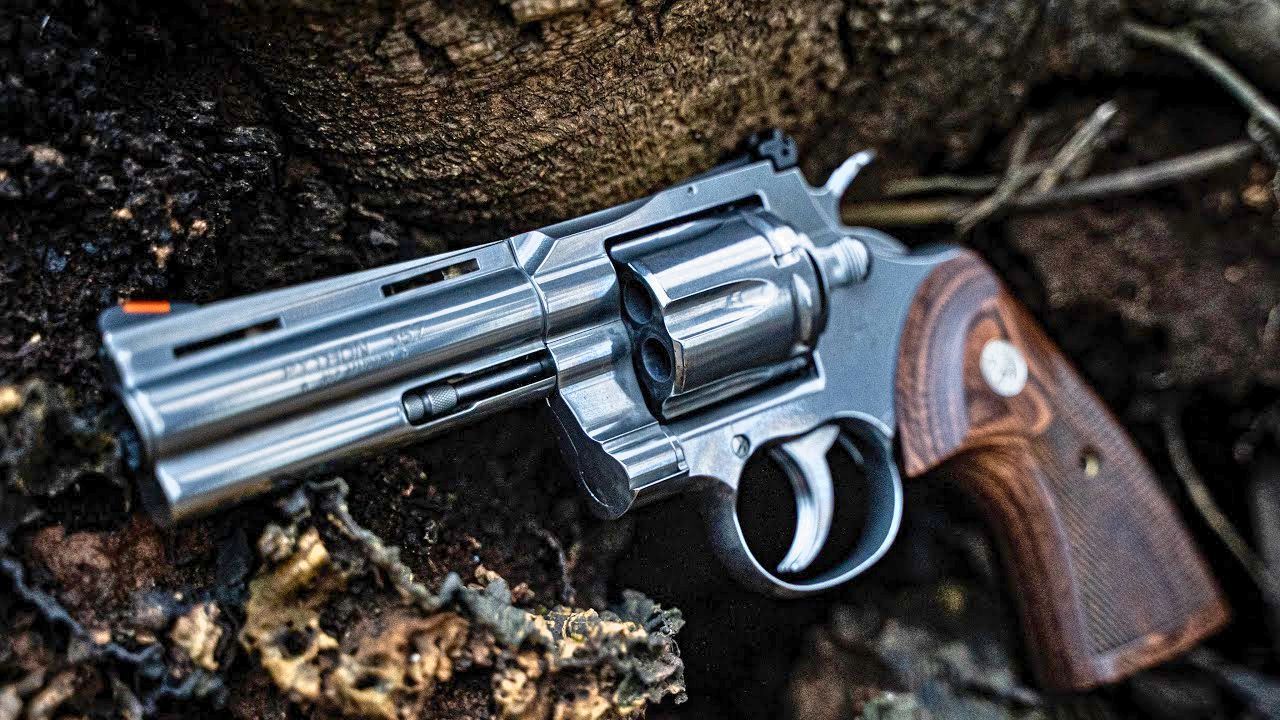
The old Pythons weren’t perfect, but they had that Colt double-action feel that’s hard to explain until you’ve run one fast and clean. The lockwork is more delicate than a modern duty revolver, and they’re not the gun you hand to a new shooter to learn on.
Still, when they were merely “expensive,” a lot of folks passed. Now you see the same people staring at the tag like it’s written in another language. That one hurts.
2. Smith & Wesson Model 29 (pinned-and-recessed era)

Dirty Harry aside, an older Model 29 is a real woods revolver. The balance is good, the sights are usable, and it carries better than you’d think in a proper holster.
The regret comes when you handle a clean older one next to a modern equivalent and realize the little fit-and-finish details matter to you more than you admitted. The older guns just have a certain “tight” to them.
3. Heckler & Koch P7 (PSP/M8)
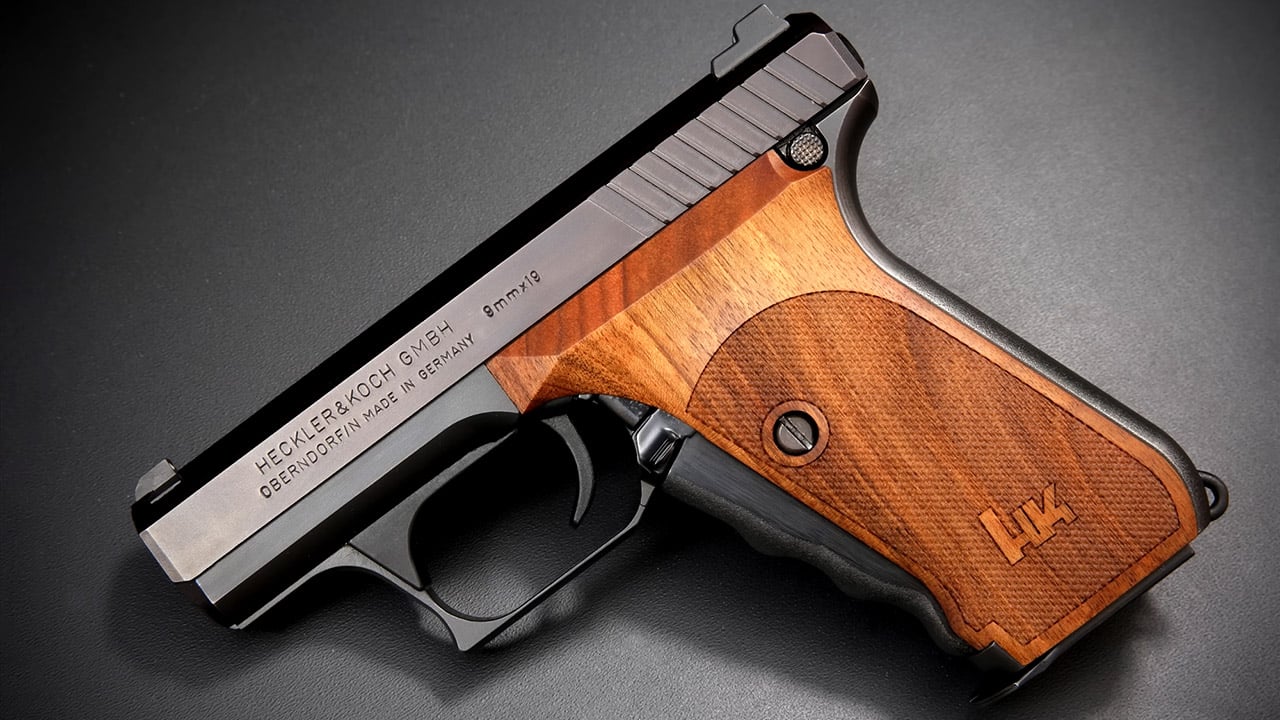
The P7 is weird, and that’s why it’s great. Slim, accurate, and it points like your finger. The squeeze-cocker takes a minute to understand, and it’s not everyone’s idea of a range toy.
The downside has always been price and heat after a few magazines. The upside is it’s one of those pistols you buy once, then never really want to sell. When surplus dried up, the “I’ll get one later” crowd got punished.
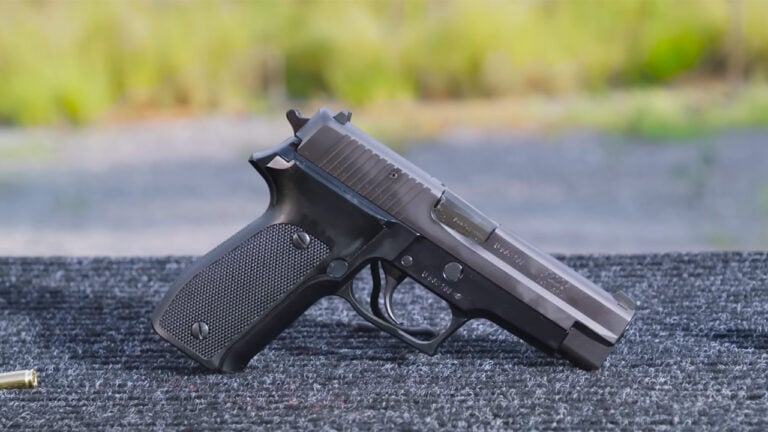
4. SIG Sauer P228 (German-made, folded slide)

The P228 is one of those guns that feels “right” the moment you pick it up. It’s not tiny, but it carries flatter than people expect, and the recoil impulse is soft for a compact-ish 9mm.
When police trade-ins and used examples were reasonable, guys treated them like any other used SIG. Then they became “the good one,” and the price jumped. Magazines are still around, but clean originals are not getting easier to find.
5. Browning Hi-Power (Belgian/Portuguese production)

A Hi-Power is slim steel, good sights (on the later ones), and a natural point. The factory trigger can be disappointing thanks to the magazine disconnect, and some need a little love before they’re truly “modern comfortable.”
Even with those quirks, it’s a classic that still works as an actual shooting pistol. When they were common, many shooters bought polymer instead. Now they want the one they should’ve kept.
6. Ruger Mark II (standard/pencil-barrel and target models)
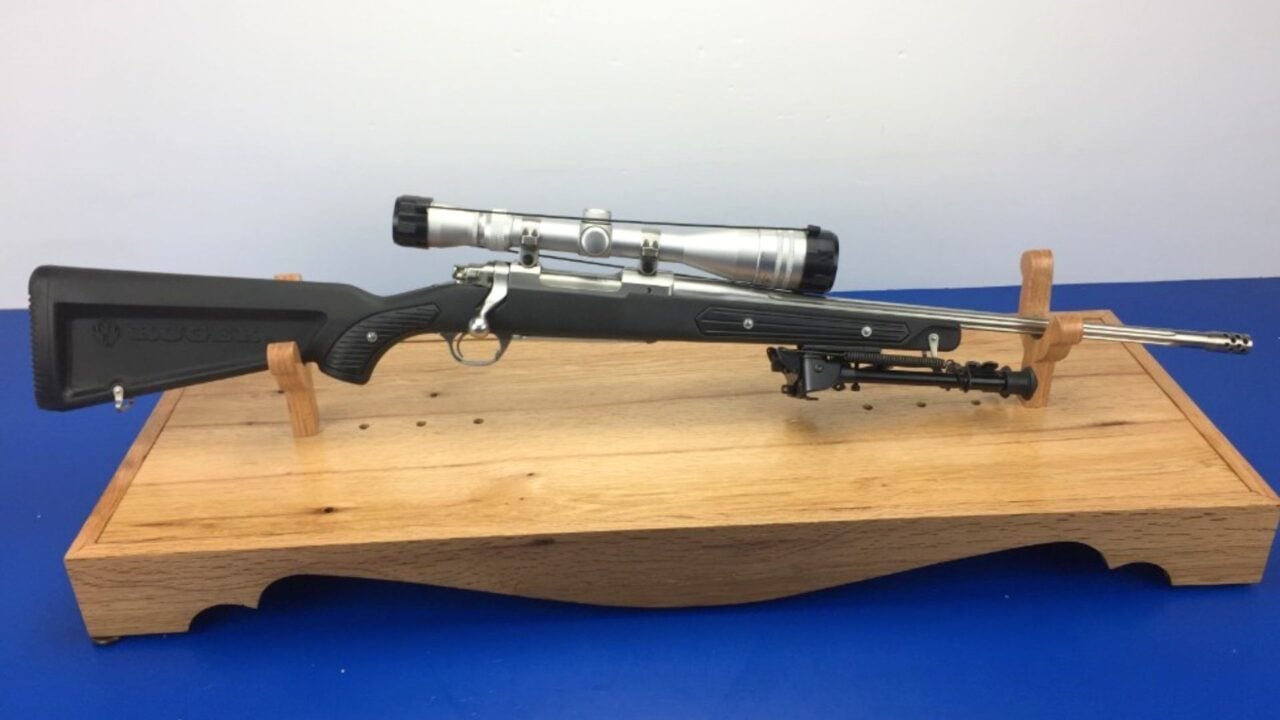
Ruger .22s are like pickup trucks: not glamorous, but they just keep doing the job. The Mark II hits a sweet spot—reliable, accurate, and not weighed down by lawyer features.
Yes, the takedown can test your patience. But once you find the rhythm, it’s fine. What isn’t fine is watching clean Mark IIs creep up in price while the “newer and better” versions don’t always feel better in the hand.
7. Marlin 1894 (pre-Remington production)
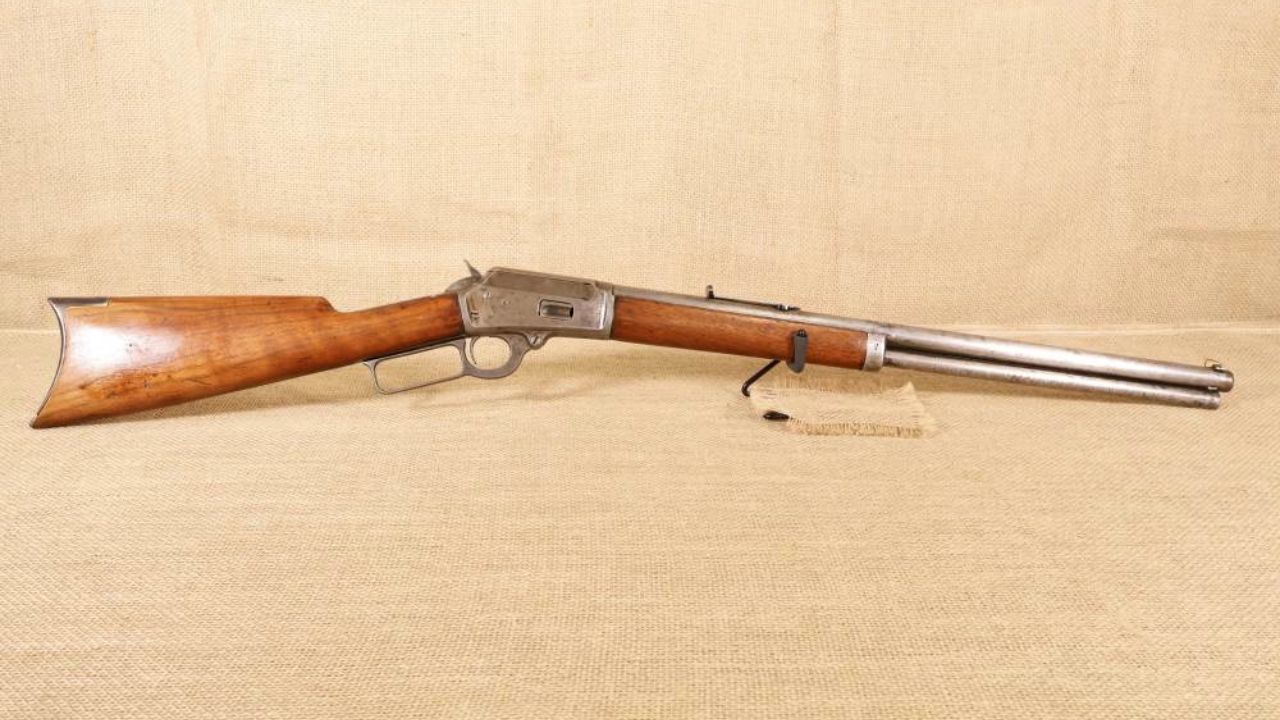
A handy little lever gun in .357 or .44 belongs in more trucks and deer camps than it does. Short, fast, and easy to live with, especially when you’re hopping in and out of side-by-sides, gates, and stands.
The older Marlins had a reputation for smooth actions and solid wood-to-metal fit. When the quality swings happened and folks started sorting “good” from “not so good,” the earlier guns got snatched up. If you ever let a clean one go, you probably still think about it.
8. Winchester Model 94 (pre-1964)

There are a lot of Model 94s out there, but the earlier ones are the ones that make grown men lean over a gun counter and squint. Lighter feel, classic lines, and they carry like they were designed for miles of fence line.
They’re not precision rifles, and they don’t need to be. The regret usually shows up when you see what a nice pre-64 costs now compared to what they brought at estate sales years ago.
9. Remington 870 Wingmaster (older production)
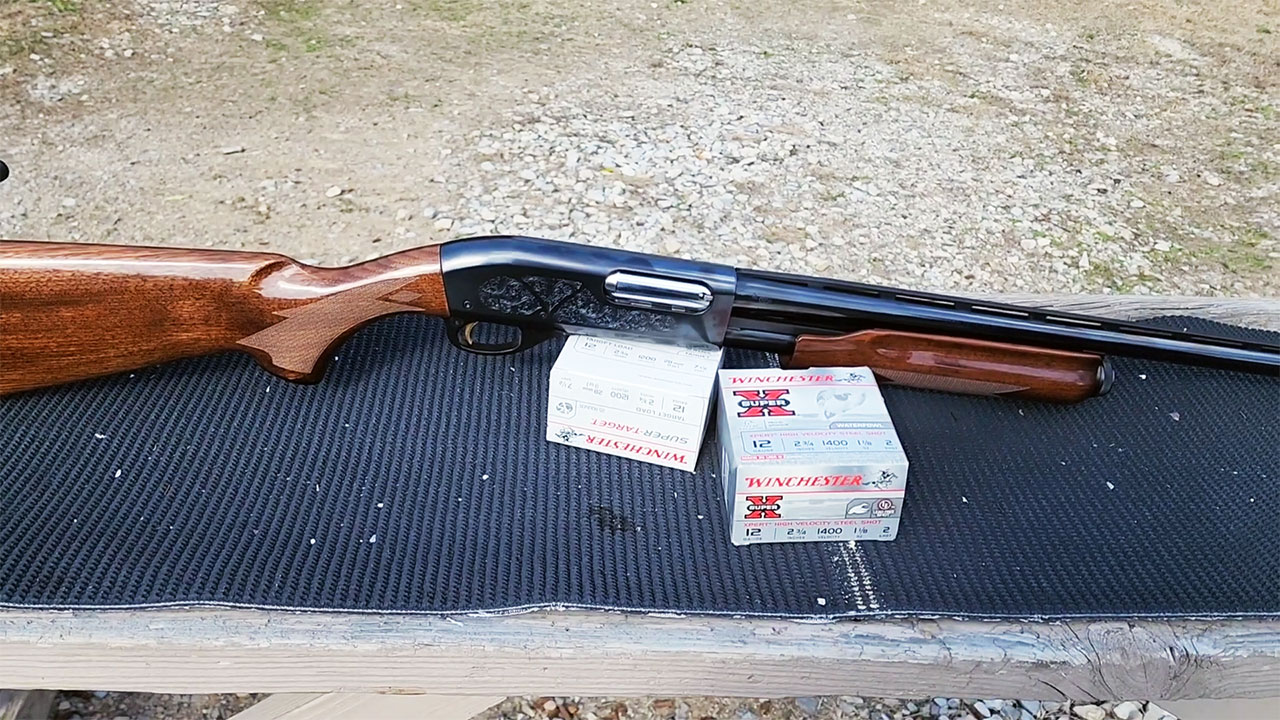
If you’ve handled an older Wingmaster, you know. The action feels like it’s on oiled glass, and they tend to run forever with basic care. They also accept parts and accessories like they were built for America’s tool box.
Plenty of folks traded them off during the tactical shotgun craze or to “upgrade” to something newer. Then they shot a rougher pump and realized the older 870 wasn’t just nostalgia—it was legitimately nicer.
10. Mossberg 590A1 (older, simple setup)
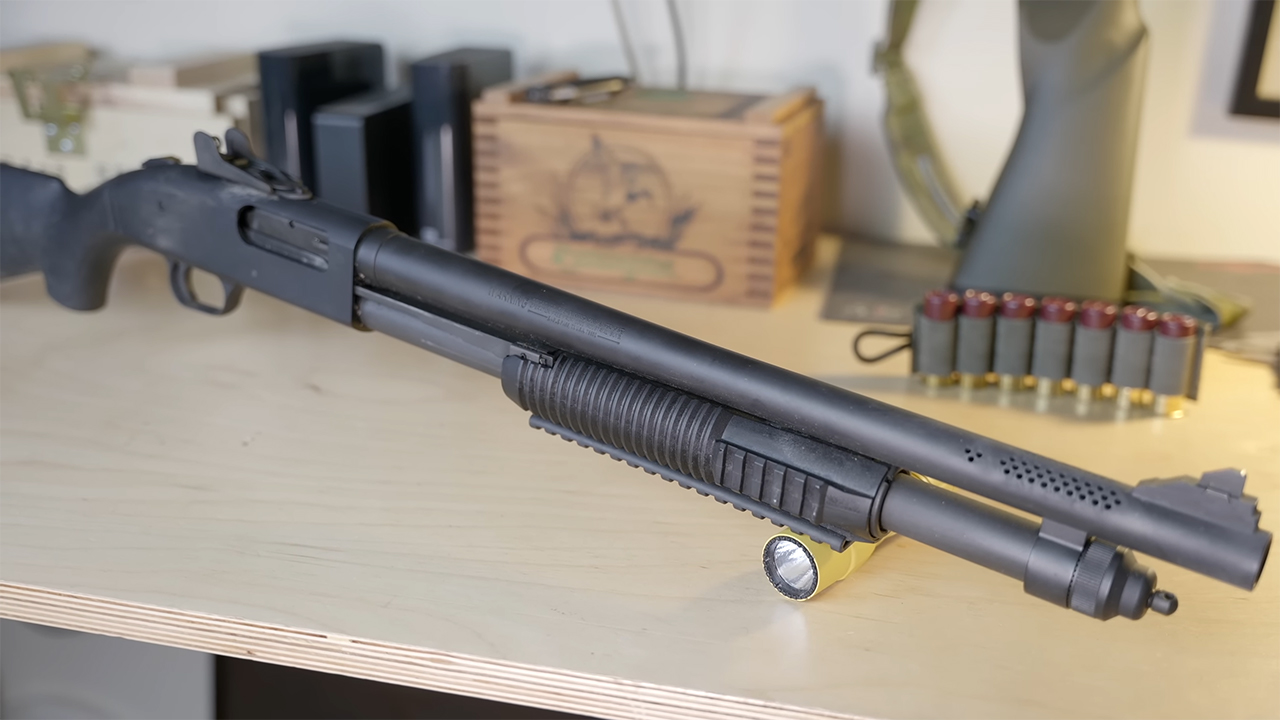
The 590A1 is not pretty. It’s a working shotgun with a reputation for taking abuse, and the controls make sense for a lot of shooters, especially in a defensive role.
When they were priced like a basic pump, guys bought them and beat them up, or they passed and figured they’d get one later. Later turned into higher prices and fewer “plain” models on shelves. The ones with honest wear are often the best buys—if you can find them.
11. Ruger Mini-14 (older 180/181-series and early Ranch models)

The Mini-14 has always been a “real rifle” in the sense that it carries well, balances well, and doesn’t feel like a fence post. The older ones vary in accuracy, and some will string shots when they heat up.
But for ranch use, varmints, and a lightweight rifle you actually tote around, they do a lot right. When prices were sane, they were an easy “maybe someday” gun. Now even the beat-up ones don’t sit long.
12. Colt AR-15 SP1
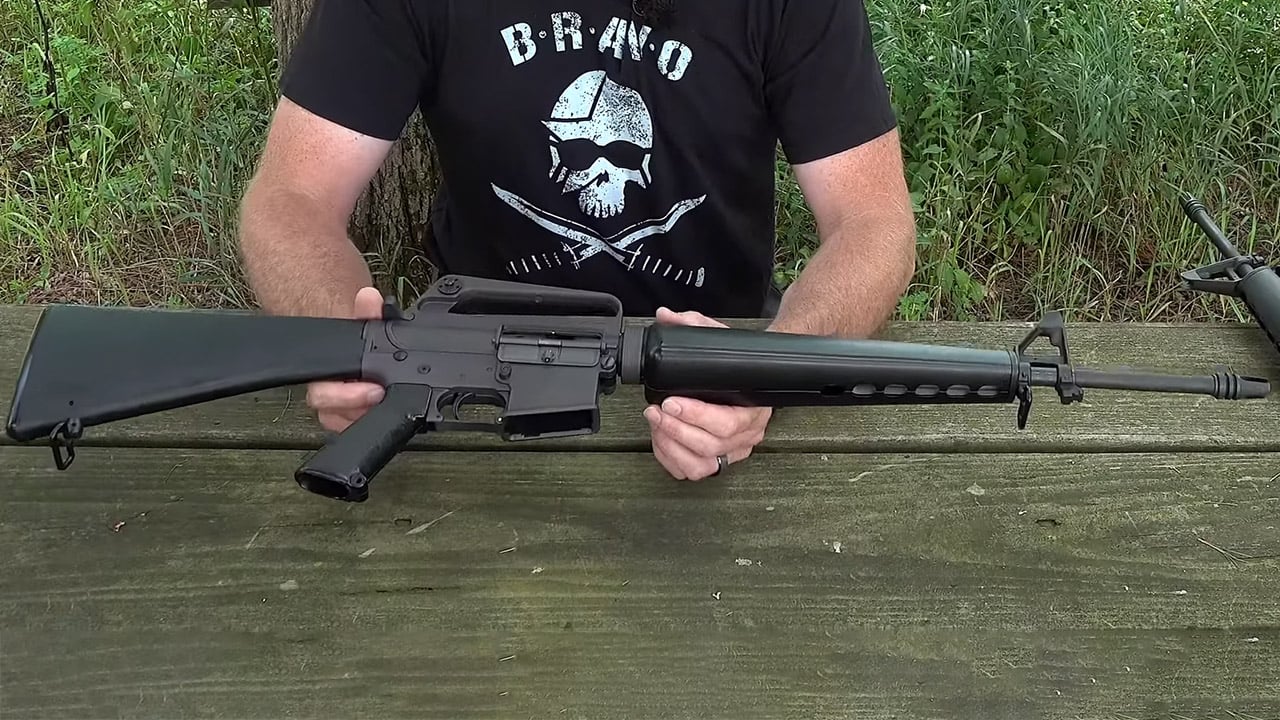
The SP1 is the kind of AR people used to shrug at—until they didn’t. Lightweight, classic, and tied to a particular era of American rifles that collectors and shooters both care about.
It’s not the best modern fighting setup, and nobody needs one to shoot paper. But once you’ve handled a clean SP1 and then looked at what they bring now, you realize “I’ll buy one later” was a mistake.
13. Norinco SKS (Chinese Type 56 imports)
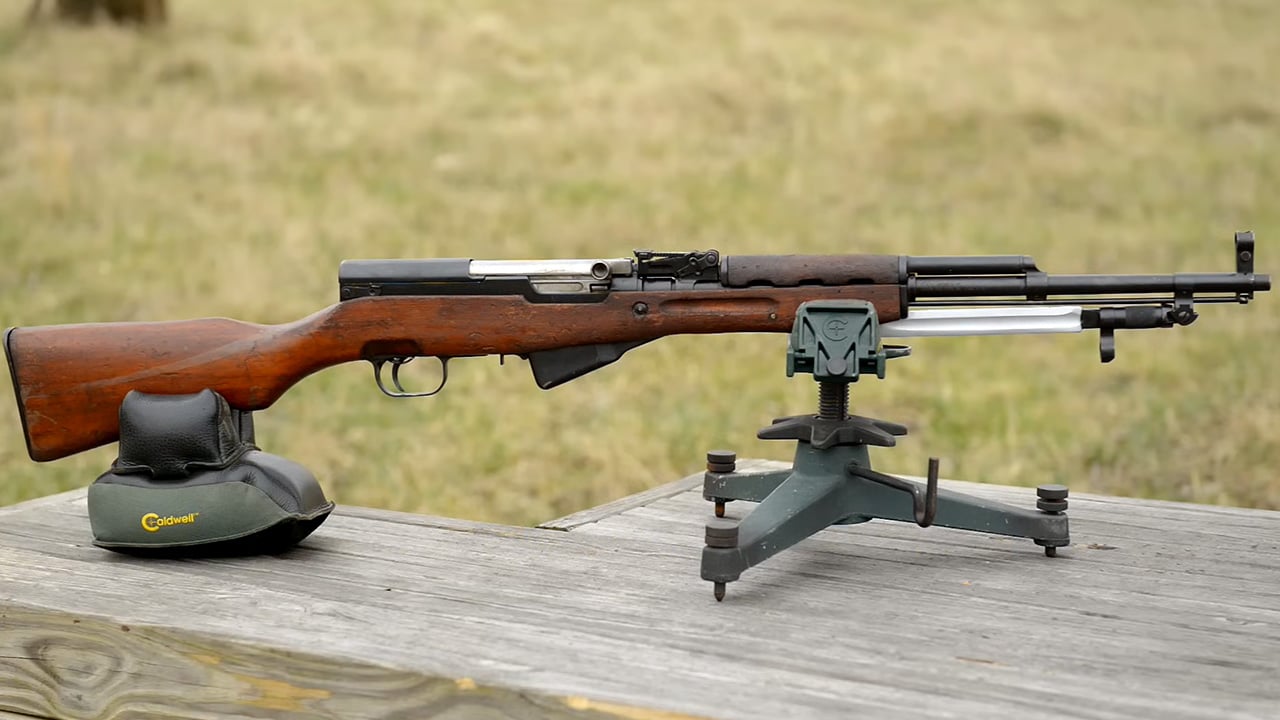
There was a time SKSs were the “cheap, reliable beater” that everyone said they’d pick up eventually. They shoot, they’re simple, and they’re a lot of rifle for the money when the money was small.
Now the same rifles that lived behind truck seats are priced like “real collectibles.” The bigger regret is that many were hacked up with plastic stocks and goofy magazines. A clean, original one is what everyone wants now.
14. Russian Saiga (Izhmash) in 7.62×39 or .223
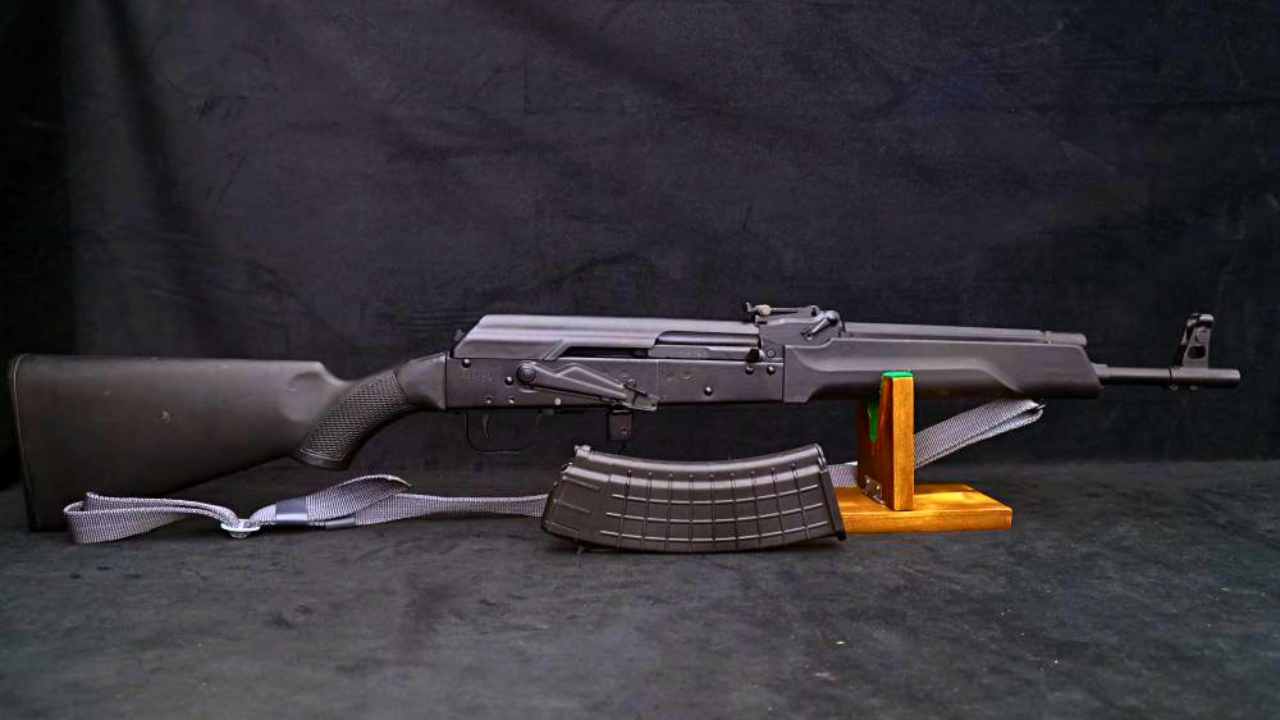
Saigas used to be that sleeper buy: real Russian manufacture, reliable, and a good base rifle even in their sporter configuration. They weren’t fancy, but they ran.
When import availability tightened and the market changed, they stopped being “that odd AK-ish thing” and started being a “wish I bought two” gun. Ask anyone who hesitated because they didn’t like the sporter stock.
15. Arsenal SLR-107 (Bulgarian-pattern AK)
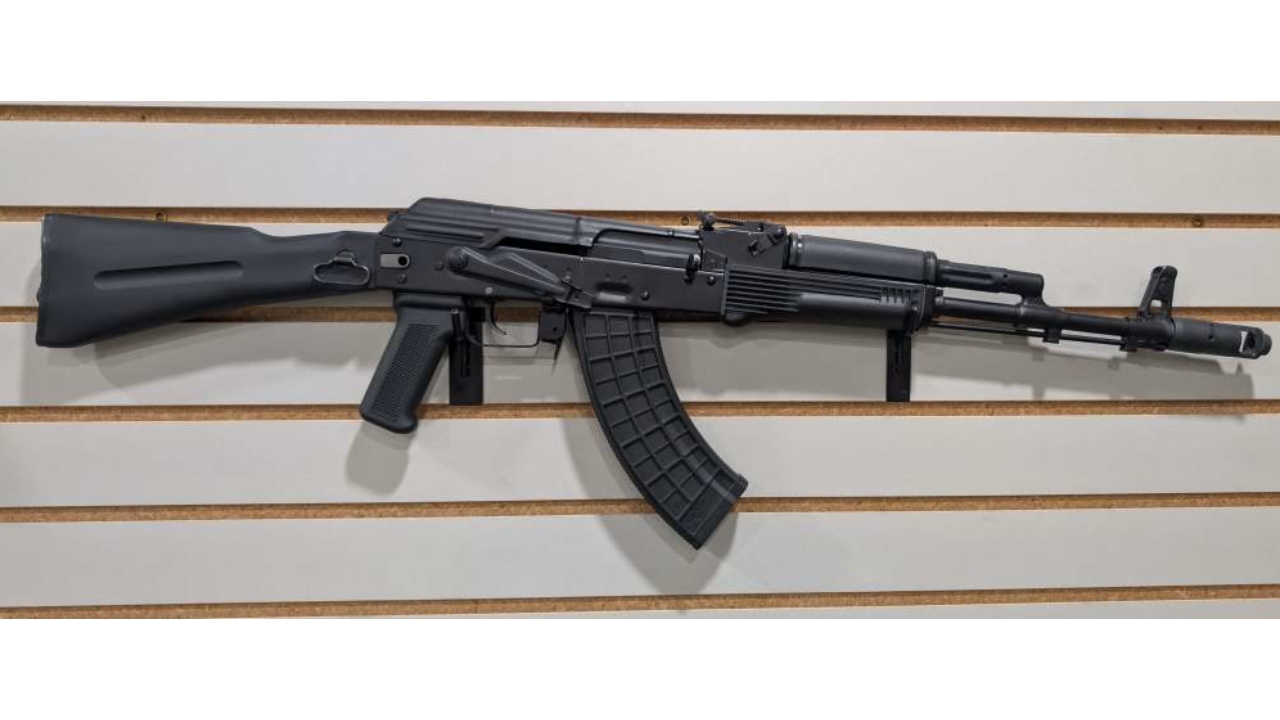
AKs aren’t all the same, and a good one matters when you actually shoot it. The Arsenal guns earned their reputation with consistent quality, solid parts, and a feel that doesn’t scream “budget build.”
Back when you could buy one without wincing, plenty of shooters opted for cheaper imports. Then they chased reliability gremlins and realized the nicer AK would’ve been cheaper in the long run.
16. Glock 19 Gen 2 (early “classic” 9mm)
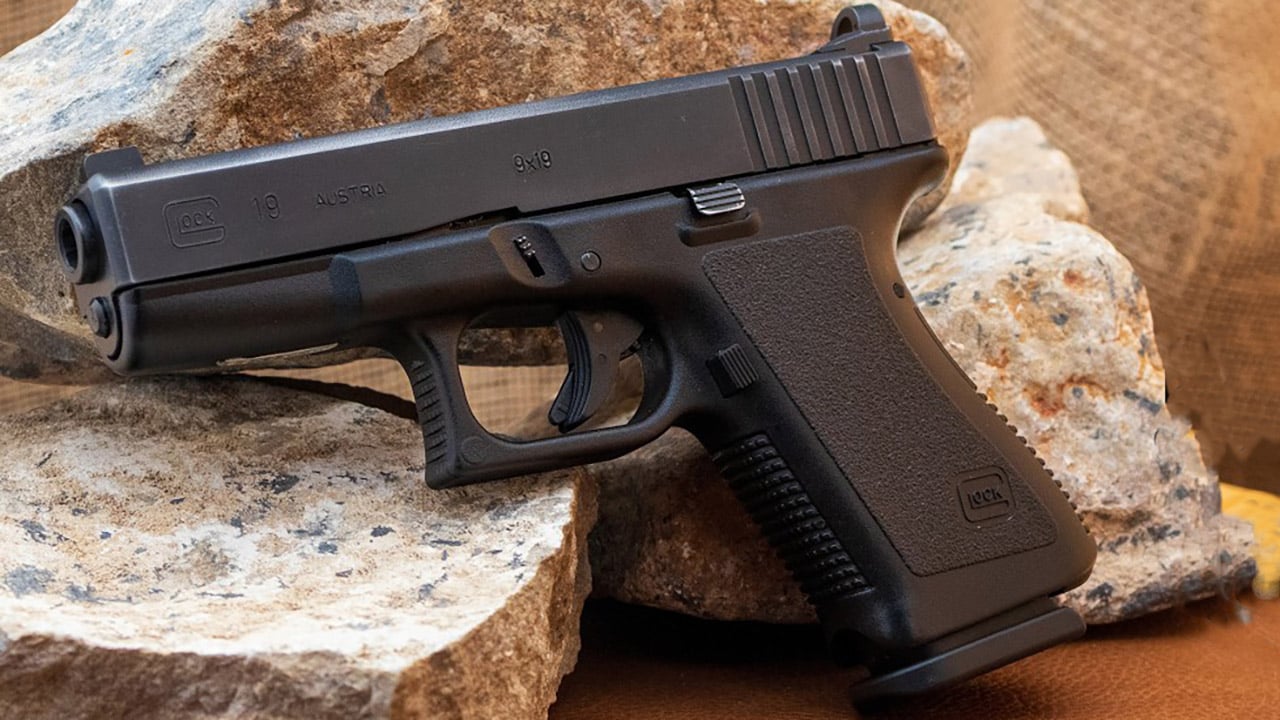
The Gen 2 Glock 19 is boring in the best way. No finger grooves, simple texture, and it just works. It’s not a collector piece in the traditional sense, but it’s one of those pistols that feels like a baseline for what a practical handgun should be.
They used to be everywhere. Now clean Gen 2s get attention, and not because they’re rare unicorns—because shooters want the simple version they shot years ago and shouldn’t have traded.
17. Smith & Wesson Model 19 (blued K-frame .357)
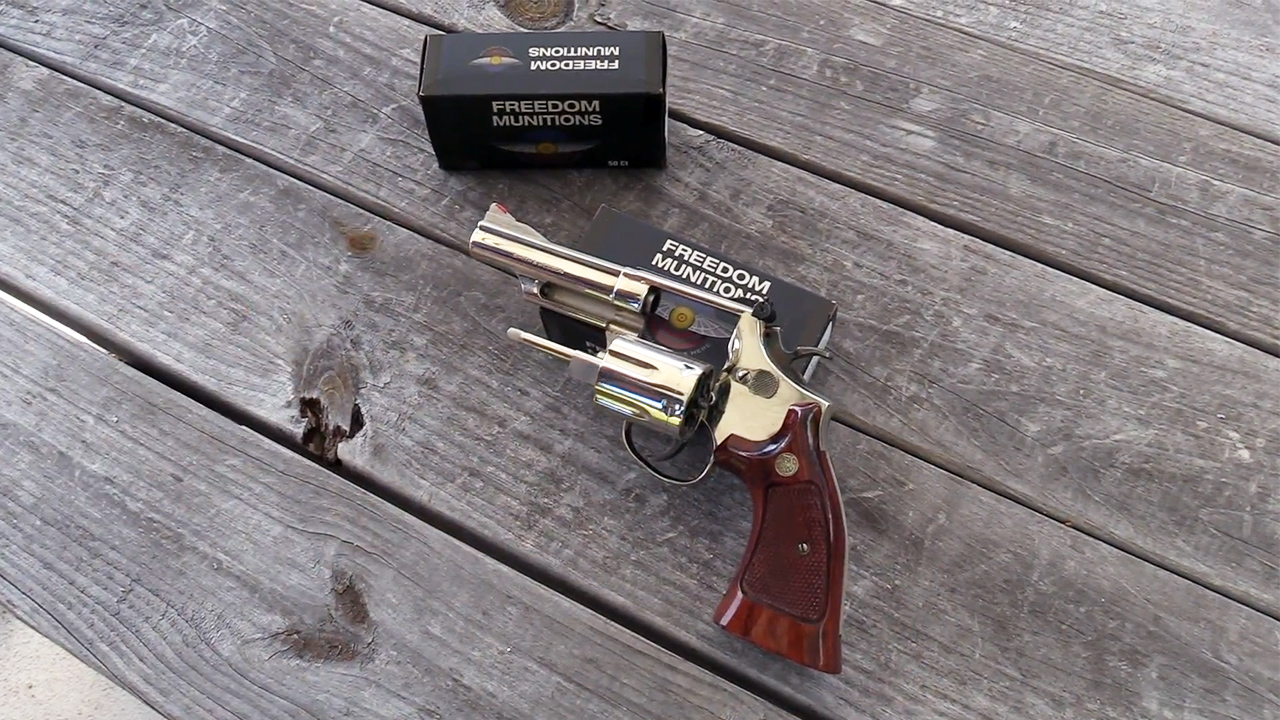
The Model 19 carries like a dream and shoots like a serious revolver without feeling like you strapped a boat anchor on your belt. It’s also the revolver that teaches you a lesson: not every .357 revolver is meant to live on a diet of the hottest loads forever.
Most owners were fine with sensible ammo, and that’s why so many of these guns survived and got loved. When they were “just an old cop revolver,” they were attainable. Now everyone wants that blued steel and walnut back.
18. Ruger GP100 (older, no-nonsense revolver)

The GP100 isn’t delicate. It’s the revolver you buy when you want to shoot .357 like you mean it, and you don’t want to baby the gun. It’s heavy for some uses, but that weight is part of why it’s so shootable.
They were always a good value, which is exactly why so many shooters delayed. Then prices climbed and used ones started looking “not much cheaper than new,” if you can even find the configuration you like.
19. CZ 75B (pre-“everything is optics-ready” era)

The CZ 75 has a cult following for a reason. It points naturally, soaks up recoil, and tends to shoot better than the price suggests. The grip fits a lot of hands like it was custom, and the all-steel versions have a satisfying balance.
Before the market leaned hard into striker guns and optics cuts, these were often overlooked at the counter. Once you’ve shot a good CZ and then see what clean older examples cost now, the regret makes sense.
20. Springfield Armory M1A (older standard models)
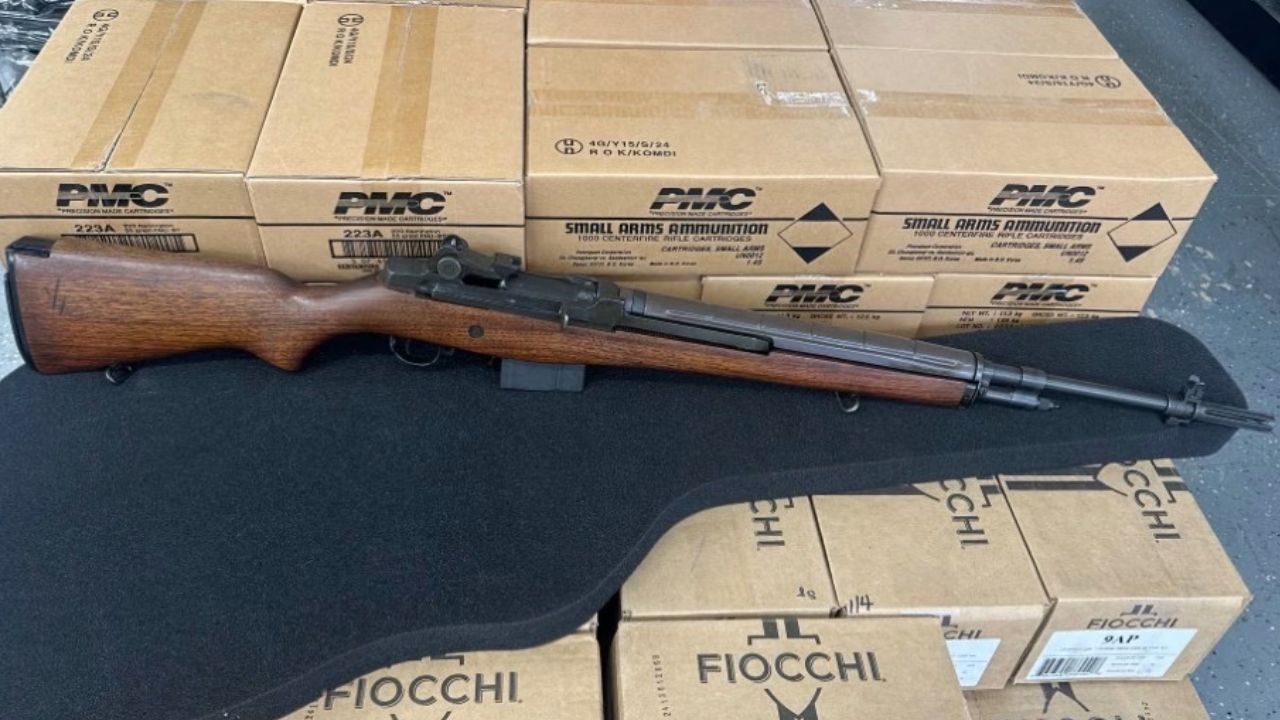
The M1A isn’t a lightweight mountain rifle, and it’s not cheap to feed. It’s also not the most practical answer to every problem. But there’s a reason so many shooters still want one: it’s a classic, it’s satisfying, and it does its job with authority.
Years ago, a standard M1A felt like a big purchase but a reachable one. Now, between price hikes and accessory costs, it’s a much steeper hill. If you’ve ever watched one walk out the door because you thought you’d grab it next season, you already know.
The funny thing is most of these regrets don’t come from collectors. They come from guys who shoot, hunt, and actually use their stuff. The lesson isn’t to hoard guns you don’t need—it’s to recognize the difference between “I don’t need it” and “I’ll never see it at that price again.” Safe space is finite. Good opportunities are, too.
Like The Avid Outdoorsman’s content? Be sure to follow us.
Here’s more from us: