Photo credit: The Average Joe Armory/Youtube
Every gun counter has a couple rifles sitting there that feel… fine. Not bad. Not exciting. Just a plain tool with a plain price tag. Then a decade or three goes by, a manufacturer changes hands, a model gets “updated” into something else, and all of a sudden that same plain rifle is the one you can’t find for reasonable money.
Most of these weren’t “collector guns” when they were new. They were farm rifles, deer camp rifles, a first centerfire, or something a guy bought because it was on sale and he needed a scope and tags more than he needed another safe queen. Here are 20 rifles that lived in that average middle lane when they came out, and now get snapped up fast when a clean one shows up.
1. Ruger Mini-14 (180–197 series)

The early Mini-14s were the definition of “good enough.” Handy, reliable, and not terribly refined. Guys bought them because they wanted a light .223 that didn’t look like a space gun, and because it rode behind a truck seat without much fuss.
Now those early series rifles have their own following. Some folks want the old-school look, some want the history, and some just like the simple controls and the way they carry. Factory mags are still the name of the game, and that drives the “good ones” even higher.
Accuracy is the knock, and it’s fair. But in the real world—ranch pests, woods walking, a rifle that points fast—those early Minis make a lot of sense.
2. Ruger Mini-30 (early production)
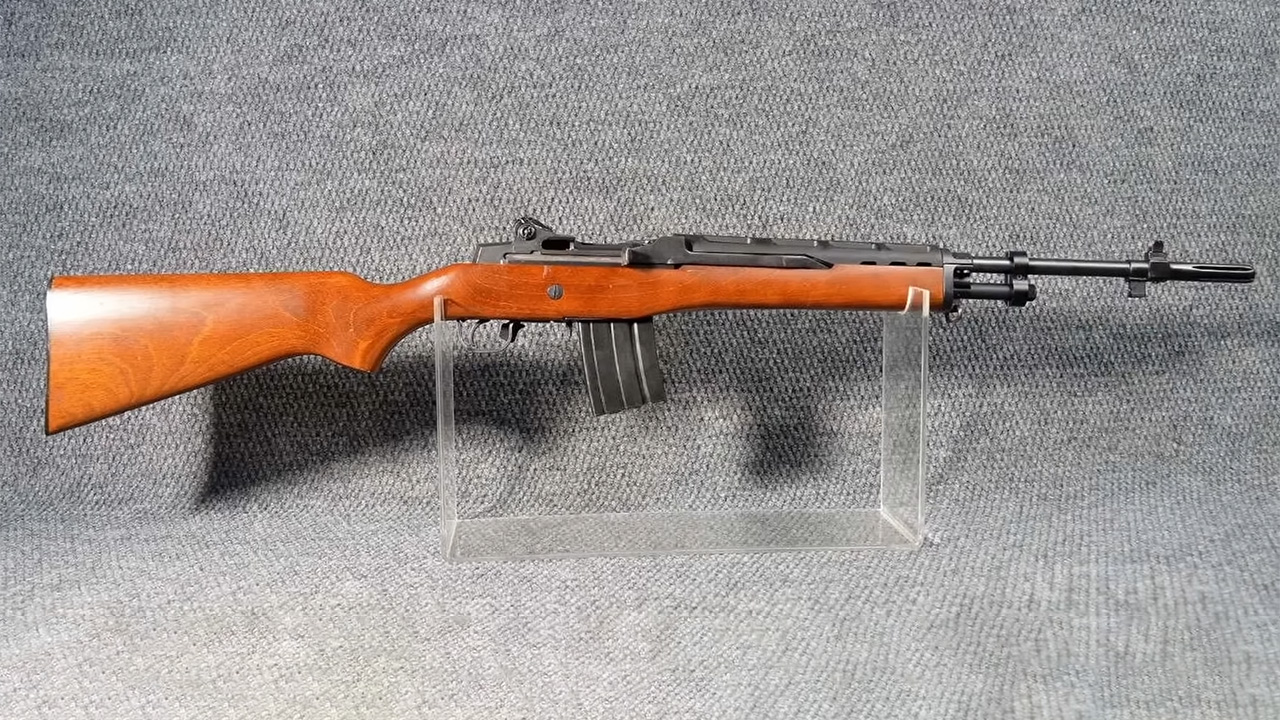
When the Mini-30 hit, it wasn’t treated like a jewel. It was a practical semi-auto in 7.62×39 for the guy who wanted cheap shooting and a familiar manual of arms. It also caught grief for being picky with some imported ammo, especially with hard primers.
Today it’s a different story. States with magazine restrictions and hunters wanting a quick-handling woods rifle have pushed interest way up. A clean Mini-30 with original bits gets attention fast, and the “they don’t make them like that” crowd has gotten louder.
It’s still not a benchrest rifle, and it’s not pretending. But it’s one of those rifles that feels right the moment it’s in your hands.
3. Marlin 336 (JM-stamped)
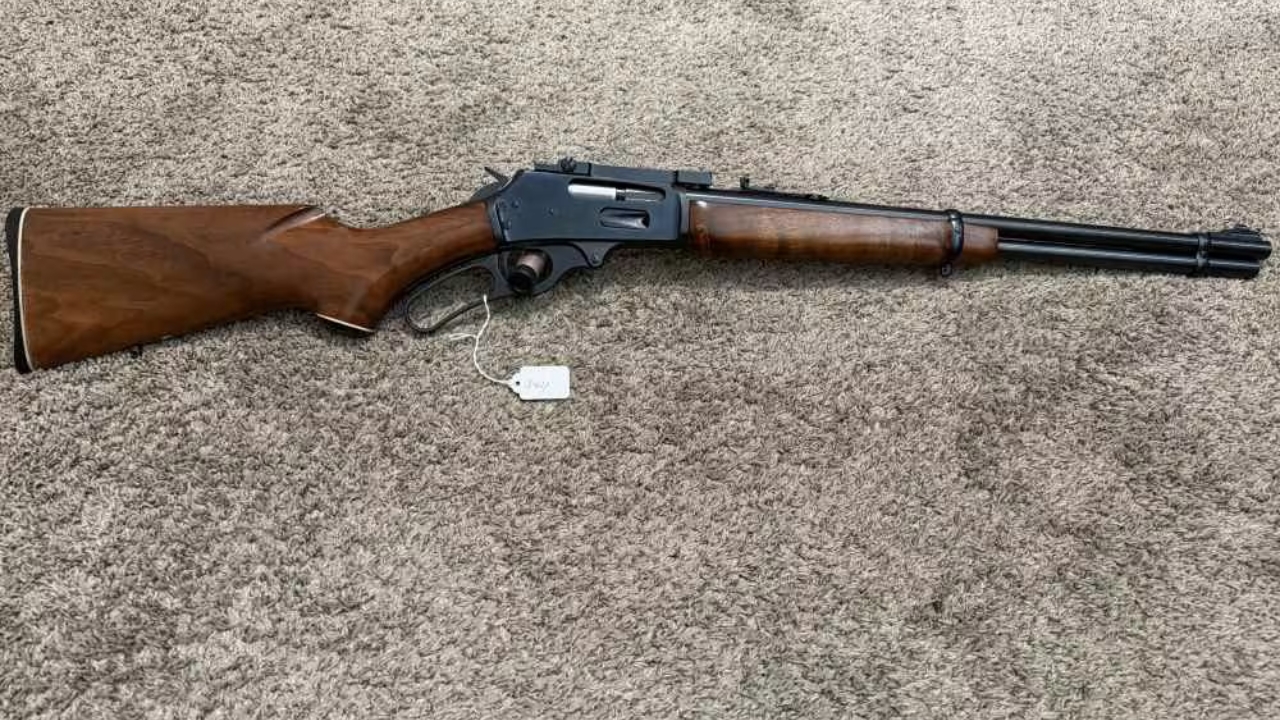
For years the 336 was just a working lever gun. You could find them in the rack at a pawn shop with honest wear, a cheap scope, and a sling that smelled like wet deer season. Nobody babied them because they didn’t have to.
The “JM” barrel stamp turned into a dividing line when later production got uneven. Now the older ones are treated like the “safe buy,” and that’s enough to make prices jump all by itself. Add in nostalgia and the fact that they flat-out hunt, and you’ve got a recipe for demand.
A 336 in .30-30 with a worn finish but a smooth lever is still one of the best woods rifles ever made. There is nothing fancy about it, and that is kind of the point.
4. Marlin 1894 (pre-Remington)
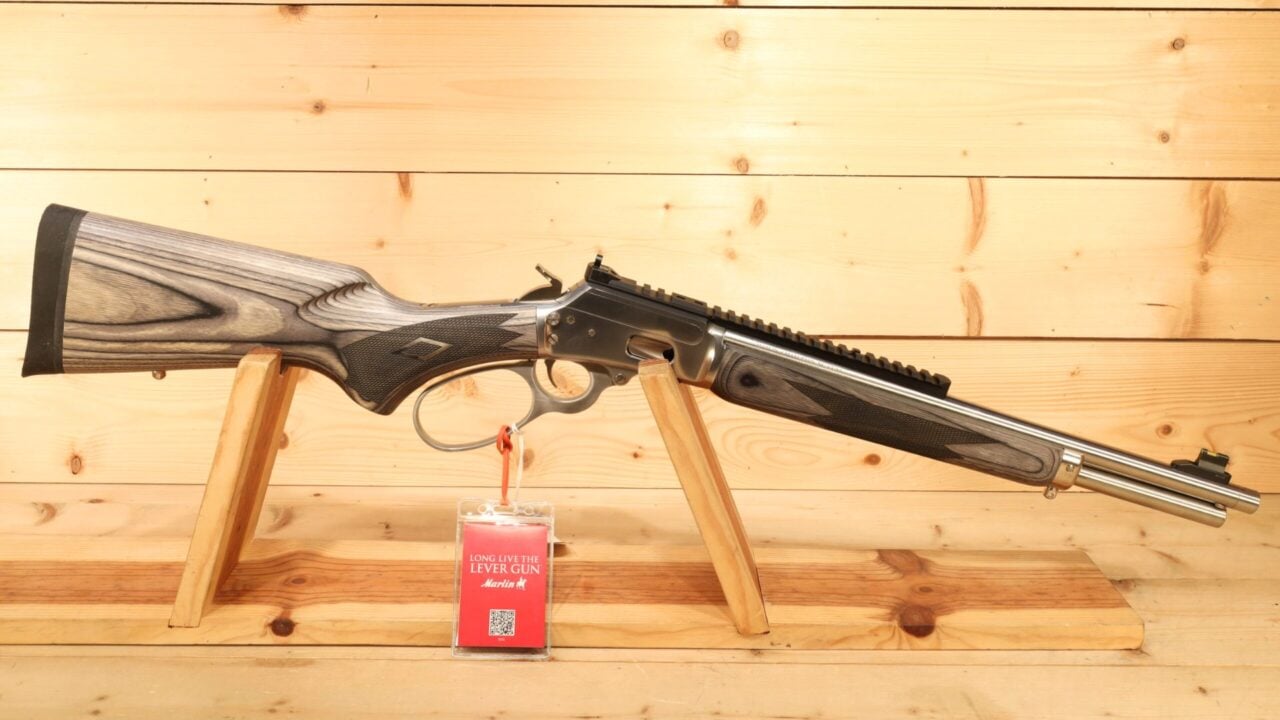
The little pistol-caliber Marlins were once “nice to have,” not “must have.” A lot of them got bought on a whim and then traded off because a guy decided he didn’t need another caliber to feed.
Then pistol-caliber carbines got hot again, and supply didn’t keep up. The older 1894s—especially .357 and .44—became the ones people chase because they tend to run and they tend to shoot. If you’ve ever watched someone try to find one a week before deer season, you know how it goes.
They’re not perfect. Some can be finicky with certain bullet profiles. But a good one is pure fun and real utility in a handy package.
5. Winchester Model 94 (pre-1964)
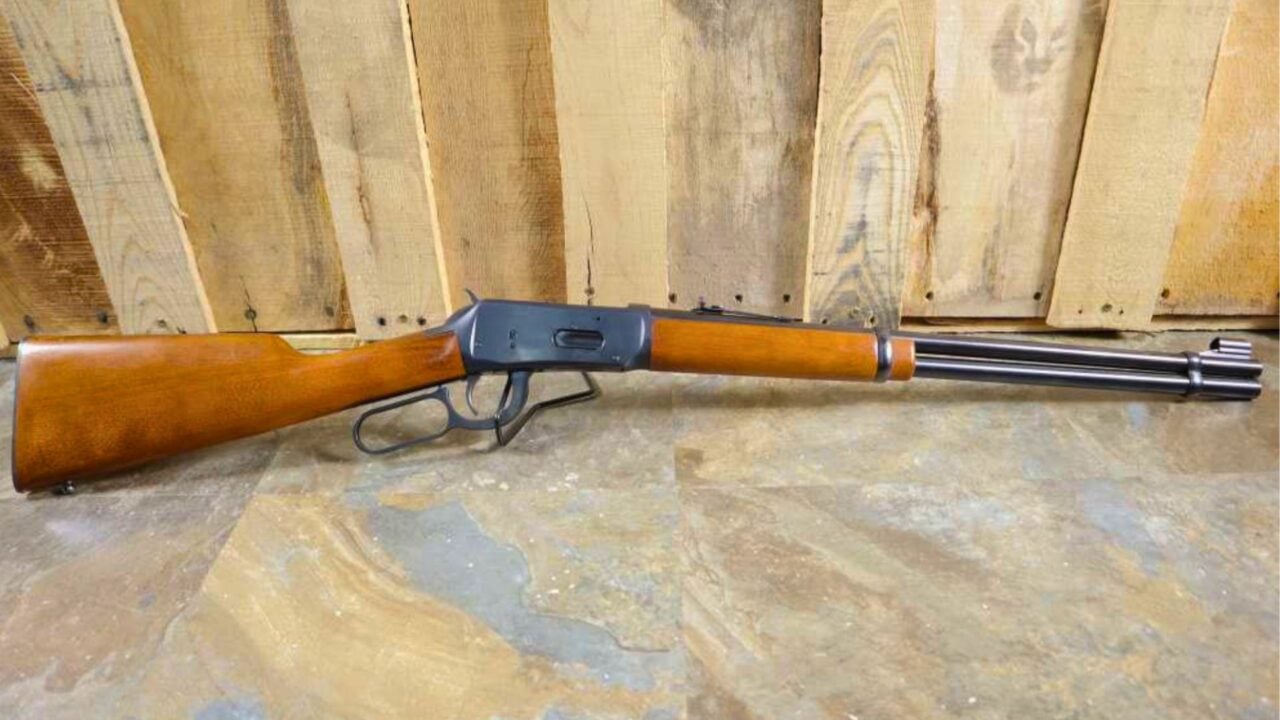
Old-timers will tell you these were everywhere. And they were. Back then, they were a normal deer rifle, not a centerpiece. A lot of them rode in gun racks, got dinged on fence posts, and still filled tags year after year.
Once the “pre-64” line became common knowledge, the market shifted. Folks started treating them as the nicer version, and buyers started paying for condition and originality. Even average-looking ones move quick if the bore is good and the action feels right.
You don’t need one to kill a whitetail. But if you grew up around them, a pre-64 just hits different.
6. Winchester Model 70 (post-64 push-feed, U.S.-made)
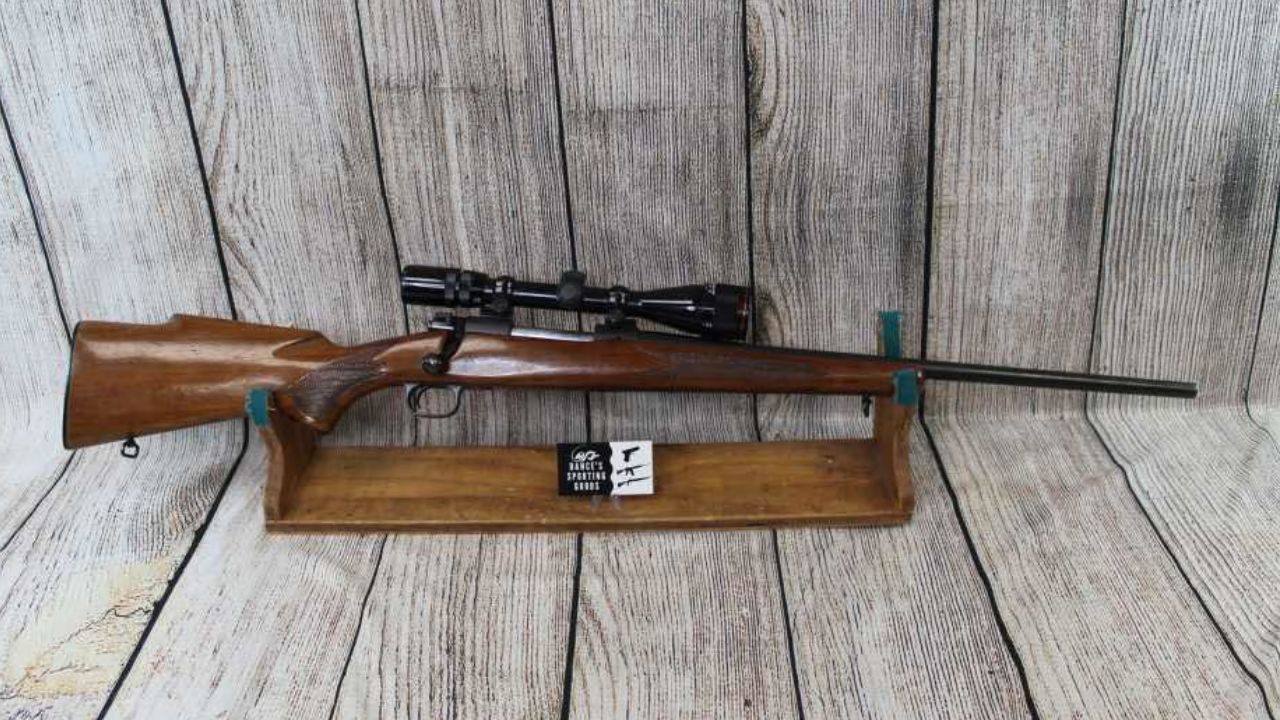
Here’s one that surprises new collectors. The post-64 Model 70 got talked down for decades because it wasn’t the “classic” controlled-round-feed version. For a long time, it was the Model 70 you bought because it was what you could afford.
Now, clean U.S.-made push-feeds are getting more respect. They’re solid rifles with good triggers (especially in certain eras), they shoot, and they have that Model 70 feel without the price tag of the early guns. A hunter who actually carries a rifle all season can appreciate that.
They’re still not everybody’s darling, but the “average” reputation is fading fast.
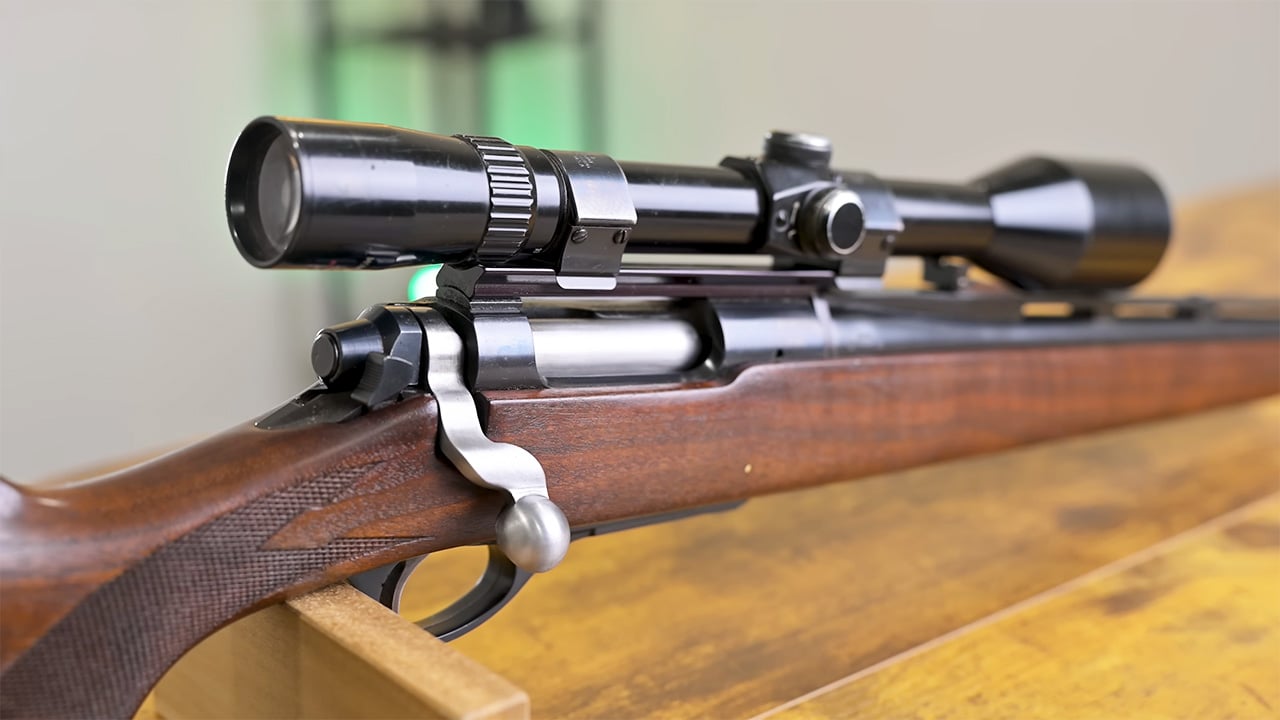
7. Remington 700 BDL (older production)
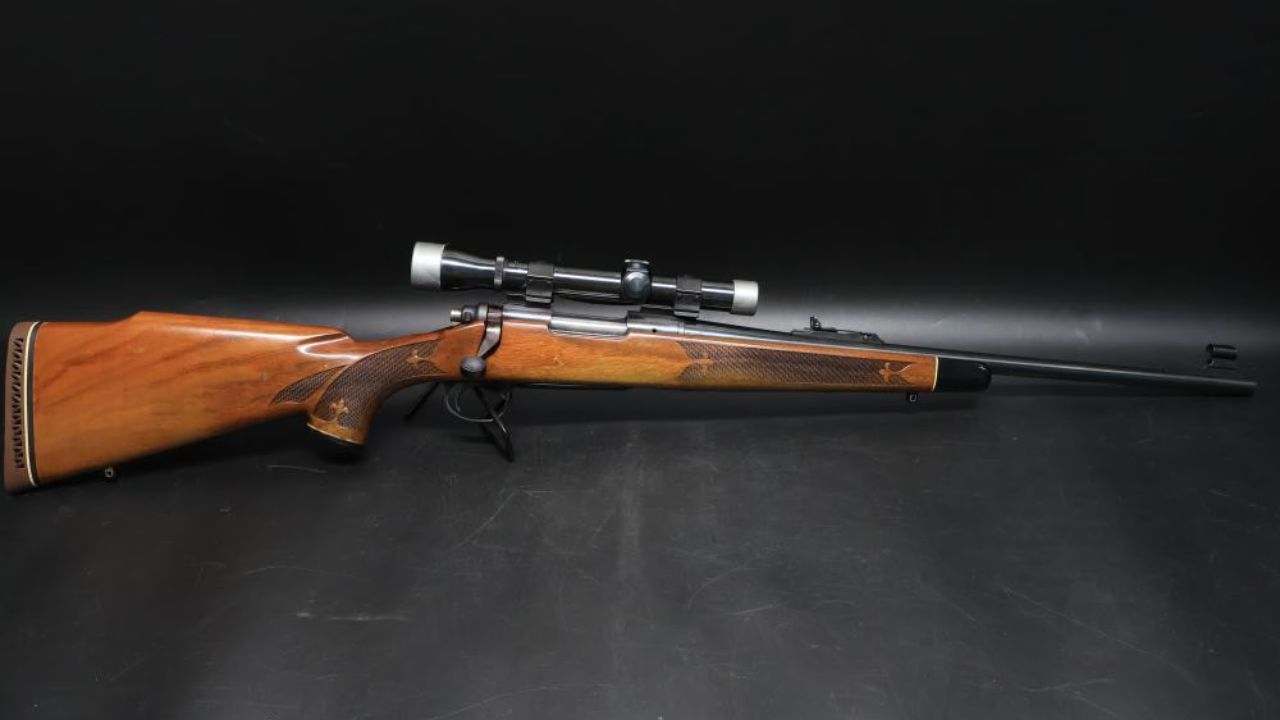
The 700 BDL used to be the most normal rifle in the deer woods. Glossy stock, checkering, floorplate, and a scope that probably sat too high. It wasn’t rare. It was standard.
Between shifting production eras and the way the market views older fit-and-finish, the earlier BDLs are now the ones people seek out. They also benefit from the fact that the 700 ecosystem—stocks, bases, triggers, parts—is enormous. You can keep one going almost forever.
This one isn’t just about collecting. An older BDL that shoots well is still a legit “one rifle” answer.
8. Remington 600 Mohawk
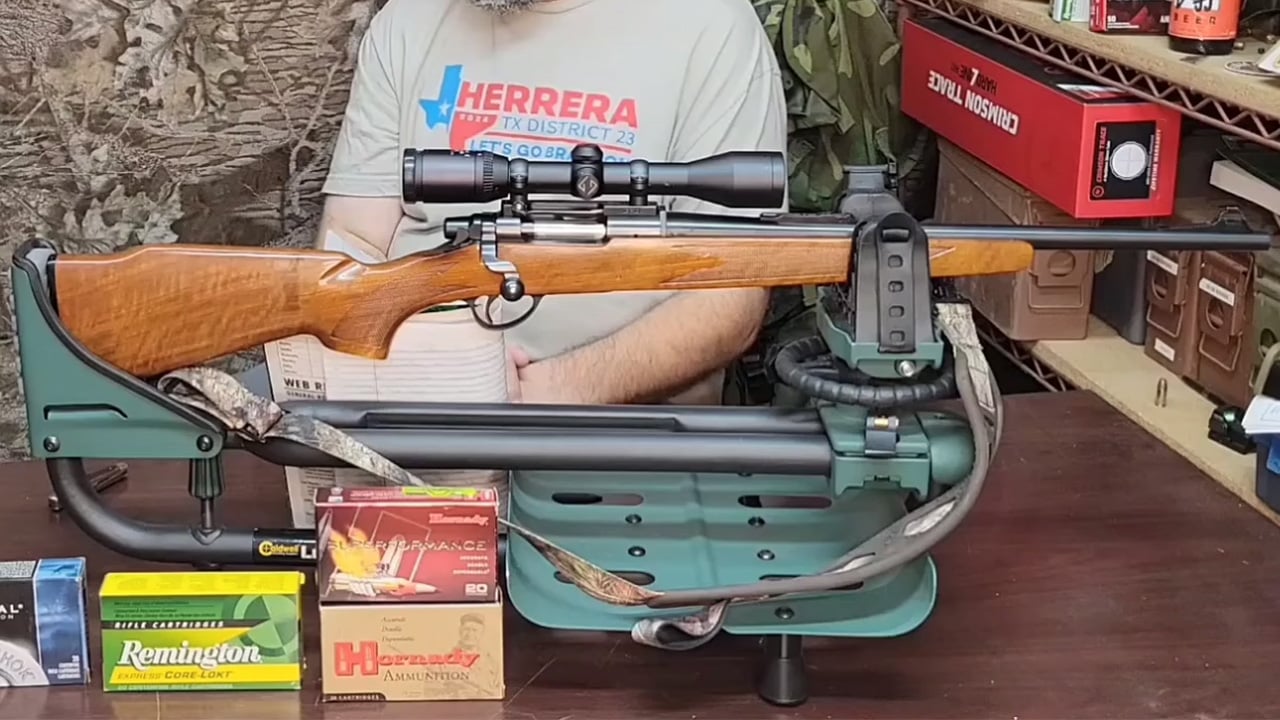
The 600 series was always a little odd-looking. Short, quick, and kind of homely depending on who you ask. For years it sat in the “interesting, but why?” category, especially if you were the type who liked long barrels and classic lines.
Then folks started appreciating what it really is: a compact hunting rifle that carries like a dream. In thick cover, it’s hard to beat. The Mohawk versions got overlooked for a long time and now they’re getting their due, especially when they’re un-messed-with.
The down side is recoil in the lighter calibers and blast in the short barrel. Still, as a woods rifle, it’s a hammer.
9. Remington 760/7600 Gamemaster
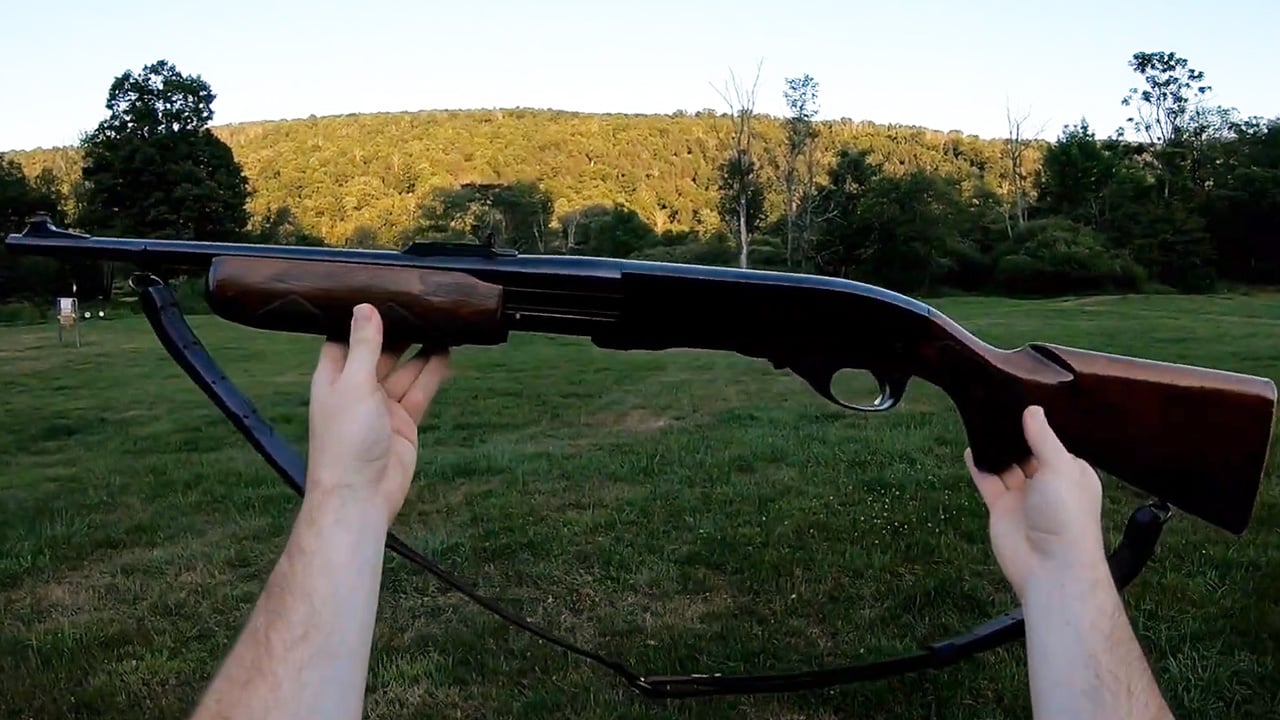
Pump rifles have always been the redheaded stepchild out west, but in deer country they’re a big deal. The 760 and 7600 were once just “Pennsylvania rifles” and not much else to the wider market.
Now they’re hard to find in good shape, and the guys who know, know. Fast follow-up shots, familiar handling for anyone who grew up on a pump shotgun, and they point naturally in tight timber. Magazines can be its own little world, so a rifle with extra factory mags gets attention.
They’re not as slick as a bolt gun on the bench, but in the woods they make sense.
10. Savage 99 (post-war, non-fancy models)

A lot of Savage 99s were just working rifles. Not the high-grade engraved ones, just plain models that got carried a lot and cleaned whenever someone remembered. For years, they didn’t get the same love as a classic lever .30-30.
What changed is appreciation for what the 99 was doing: a lever action that could handle spitzer bullets and cartridges that reach. .300 Savage, .308, and a few other chamberings have become especially desirable. And the rotary magazine is still just plain cool.
Try to replace one in truly good shape and you’ll feel it in your wallet.
11. Savage Model 110 (older “plain Jane” rifles)

The 110 was never glamorous. It was the rifle that just kept showing up, year after year, because it worked and because it was priced for normal folks. Plenty of them wore bargain optics and got used hard.
Now, older 110s—especially clean, unmodified examples—get snapped up by shooters who want a simple action they can build on, and hunters who want a no-drama bolt gun that doesn’t mind bad weather. Parts and barrels are everywhere, which keeps them relevant.
They aren’t fancy, and the stocks from some eras are nothing to brag about. But they shoot, and that counts.
12. Sako L579 Forester

Sako has always had a good name, but there was a time when certain models sat under the radar unless you were a real rifle nut. The L579 Forester was one of those “nice, but expensive” rifles that some guys passed over for a domestic brand and a box of ammo.
Now collectors and shooters chase them because the machining and smoothness are hard to match. The action feels like it’s running on oiled glass. When you find one that hasn’t been drilled weird, chopped, or refinished, it’s usually gone quick.
It’s not the cheapest way into a hunting rifle, but it’s a very satisfying one.
13. Weatherby Vanguard (Japanese Howa-era)
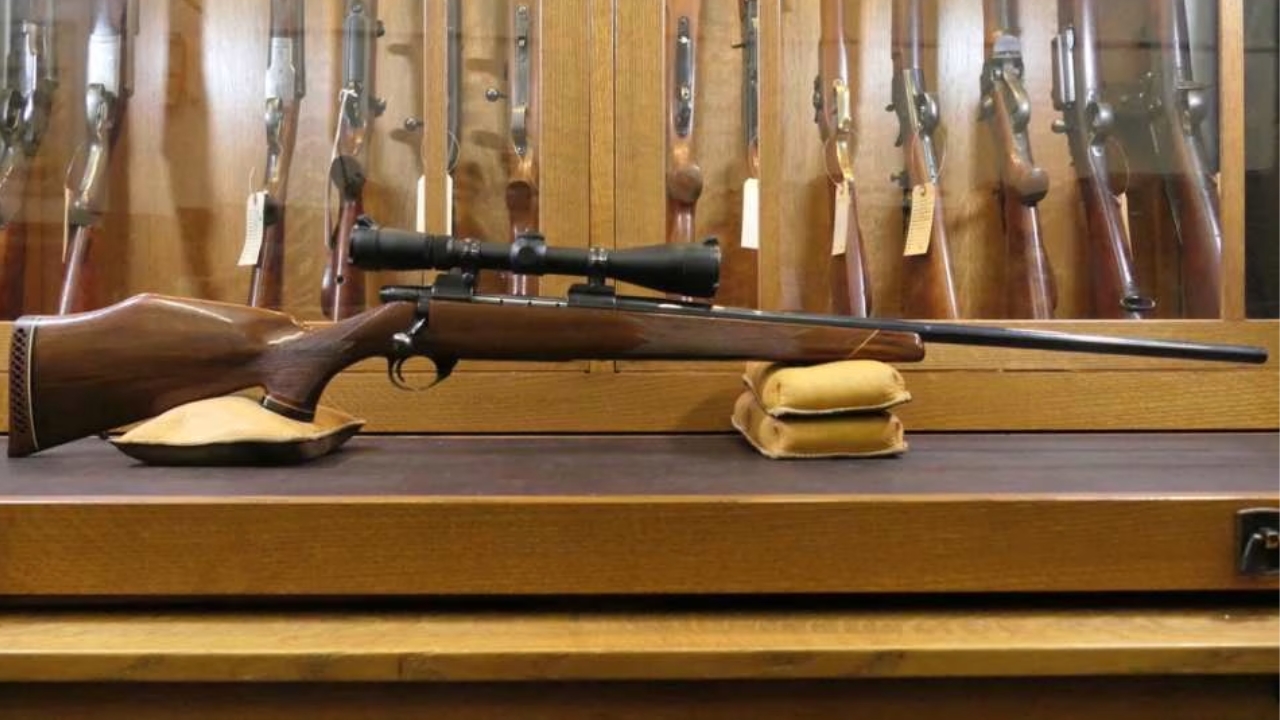
The Vanguard has long lived in that middle space: not as flashy as a Mark V, not as “value priced” as some budget rifles, and often treated like the rifle you buy because you found a deal and needed a solid .30-06.
The earlier Japanese-made guns, built by Howa, have developed a reputation for consistency. The actions are smooth, they tend to shoot, and they last. A clean one with the right barrel contour and an honest stock is a rifle you can hunt hard without feeling like you’re beating up a collectible.
Still, try buying one now compared to what they used to cost. It adds up.
14. Browning A-Bolt (original generation)
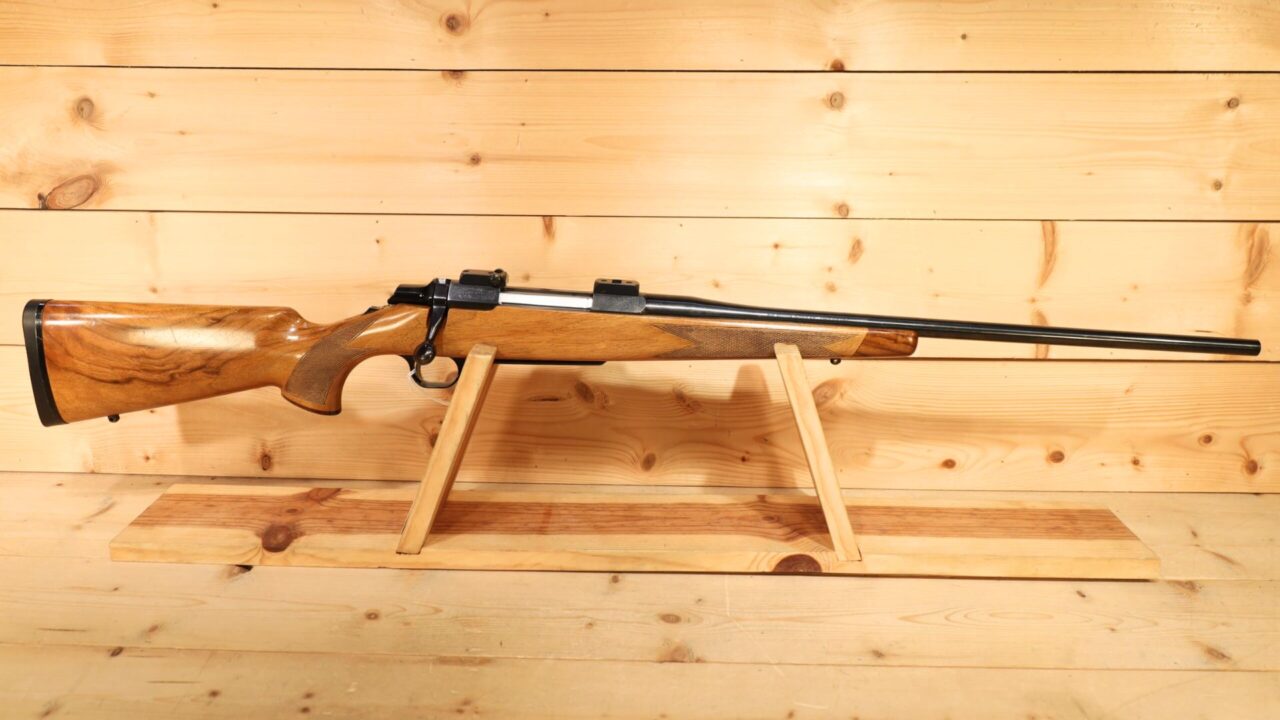
The A-Bolt didn’t have the “classic” aura of a Model 70 or a 700, so it often got treated like a nice-but-normal hunting rifle. Smooth action, good accuracy, and a detachable magazine that some guys loved and others didn’t trust.
With the model discontinued and replaced by newer lines, the original A-Bolt has gotten a second look. A lot of them were carried, not coddled, so finding one with clean metal and an uncracked stock matters. They also tend to fit a wide range of shooters well, which is worth something all by itself.
I get why people sold them. Still, I would not be quick to let a good one go.
15. Browning BLR (steel receiver, early models)

The BLR was always the “modern lever gun,” and for a long time that meant it was ignored by traditionalists and underappreciated by bolt-gun guys. It wasn’t cheap, either, which kept it out of some hands.
Now it’s one of those rifles that hits a sweet spot: lever action handling with modern cartridges and a box magazine that lets you run pointed bullets. Early steel-receiver guns have a following, and certain chamberings get chased hard when they show up.
They’re a little more complex inside than a basic lever gun, and that’s a fair caution. But as a hunting tool, the BLR is more practical than people gave it credit for.
16. Springfield Armory M1A (early “standard” rifles)

There was a period when the M1A was just the civilian version of a service rifle you either liked or you didn’t. Heavy, long, and not exactly cheap to feed. It wasn’t rare, and it wasn’t treated as an investment.
Now, early examples and certain configurations get attention, partly because of changing production details over the years and partly because the rifle has become a symbol as much as a shooter. Mags, slings, and good iron sights still matter, and the M1A delivers a certain kind of satisfaction that polymer rifles don’t.
You don’t buy one because it’s the lightest option. You buy it because you want an M1A. And the older ones have a pull.
17. Colt AR-15 SP1

For a long time, the SP1 was “just an old AR.” Not the hard-use carbine everyone wanted, not the newest flattop, and not something most hunters cared about. They got modified, painted, and sometimes plain worn out.
Then retro AR builds took off, and the SP1 became the donor rifle everyone wished they hadn’t chopped up. Original furniture, correct markings, and unmolested uppers are what drive the demand. The closer it is to factory, the more serious the buyers get.
It’s not the AR you build for night vision and modern accessories. It’s the AR you keep because it’s a time capsule.
18. SKS (Russian and early Chinese “factory correct”)
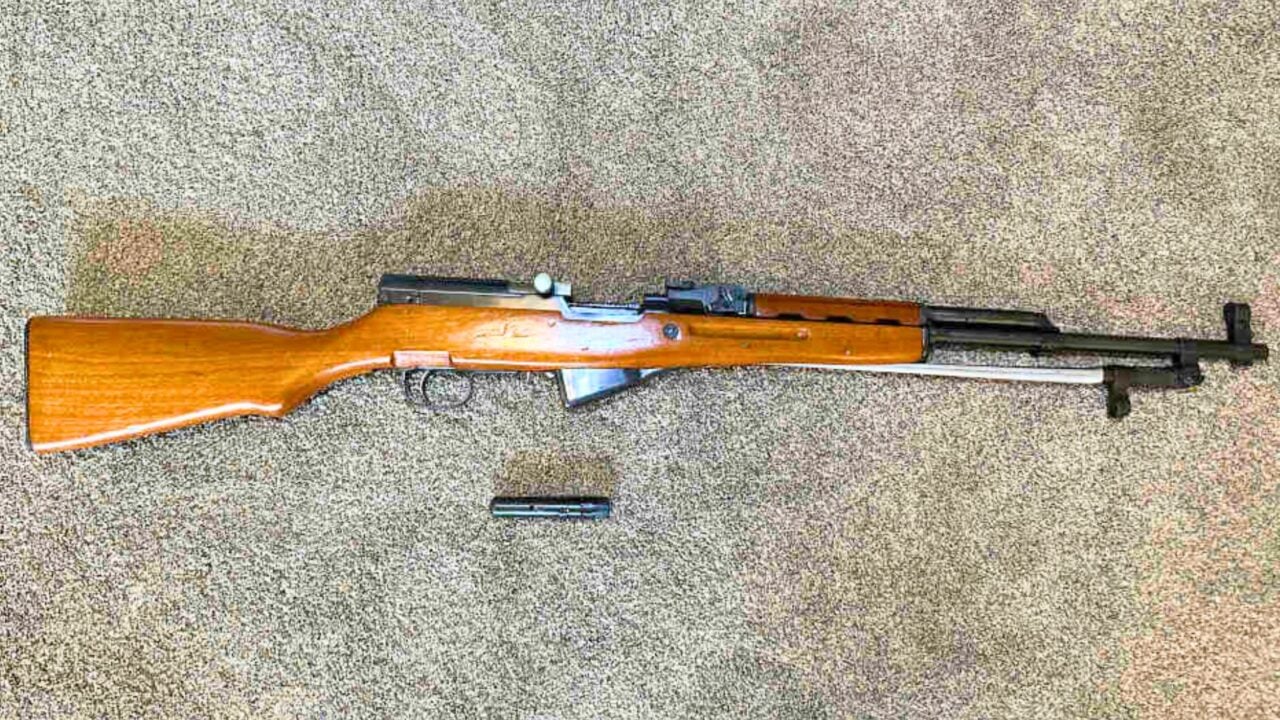
The SKS used to be the bargain rack king. Guys bought them by the crate, shot cheap ammo, and then “upgraded” them with plastic stocks and questionable accessories. That one hurts, because the original rifles are what people want now.
Russian SKS rifles and early, correct Chinese examples have climbed hard. Part of it is simple: import numbers changed, surplus dried up, and the supply of unmodified rifles keeps shrinking. Matching numbers and original configuration matter more than any aftermarket gadget ever did.
It’s still a simple rifle. And it’s still a rifle that runs when it’s treated right.
19. Mosin-Nagant 91/30 (hex receiver, matching)

Ten to fifteen years ago, Mosins were “cheap noise makers” for a lot of shooters. They were stacked in barrels, covered in cosmoline, and sold as a Saturday project. Plenty of them got “sporterized” because the rifle cost less than a decent scope mount.
Now, a clean hex-receiver 91/30 with matching numbers and a decent bore is something folks actually hunt for. The surplus pipeline isn’t what it was, and the rifles that stayed original have become the more interesting ones. The bayonet and accessories that used to get tossed in a drawer suddenly matter.
They’re long, they kick, and the bolt can feel like you’re opening a rusty gate. But the history and the current scarcity are real.
20. CZ 527 (especially in .222 Rem and 7.62×39)

The CZ 527 was a quiet little rifle that a lot of hunters ignored. It wasn’t flashy. It had that mini-Mauser vibe, a set trigger on many models, and it just went about its business. When new, it sat in that “nice, but do I really need it?” category.
Once it was discontinued, the market woke up. The 527 points well, carries light, and tends to shoot better than it has any right to for its size. Certain chamberings—.222 Rem for the traditional varmint crowd and 7.62×39 for the practical woods hunter—get snapped up fast.
If you find one with the original magazines and it feeds right, don’t overthink it.
The pattern is pretty simple: rifles that were once common tools become desirable when the supply dries up and the newer replacements don’t quite feel the same. If you’ve got one of these sitting in the safe and it still does a job for you, I’d think twice before trading it off for the next shiny thing. Ask me how I know.
Like The Avid Outdoorsman’s content? Be sure to follow us.
Here’s more from us: