Photo credit: AI-generated image created using ChatGPT. Illustrative only
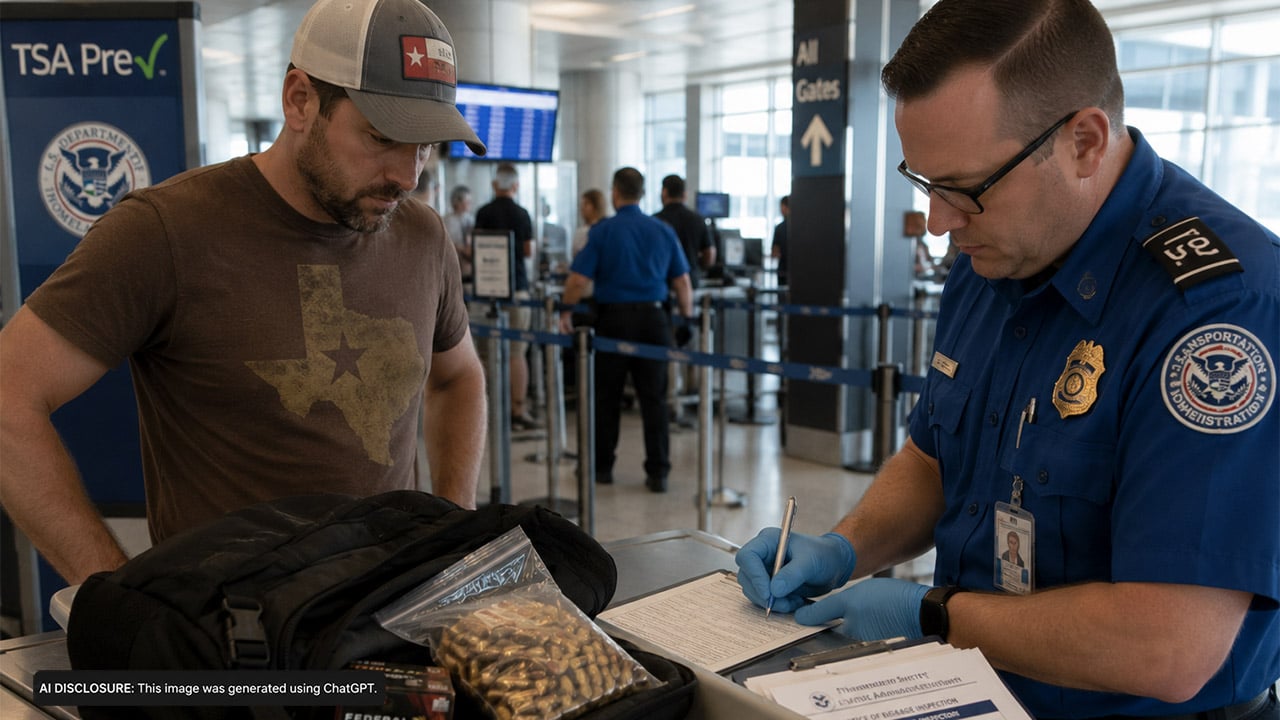
It happens faster than most folks want to admit: you clean out a range bag, toss it in a suitcase, and don’t think twice about what’s still riding in the bottom pocket. For one Texas concealed carrier, that oversight turned into a full stop at airport security when screeners found a box with 44 rounds of ammunition.
In the original post, the traveler said he “unknowingly brought” the ammo into the security line. TSA photographed his driver’s license, concealed carry license, and boarding pass, wrote down his address and home phone number, and then called a police officer to the checkpoint.
The checkpoint wasn’t a lecture — it was paperwork and a phone call
By the time most gun owners realize they messed up at an airport, it’s already out of their hands. According to the traveler, TSA didn’t just confiscate the ammunition and send him on his way. They documented him. That’s the part that makes your stomach sink, because documentation is what tends to turn a simple mistake into mail showing up weeks later.
He also mentioned something that will sound familiar to anyone who’s ever read TSA guidance: he believed there’s a threshold where they record your information once you’re over a certain number of rounds. He described it as “more than 13 rounds,” and that detail is why he was bracing for a civil penalty later.
A police officer showed up, watched the ammo get tossed, and left
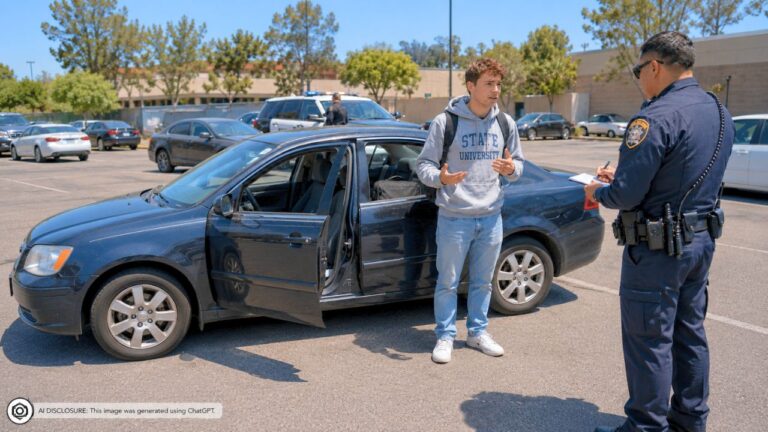
The officer’s role in this story was simple and, honestly, pretty telling. The traveler said police were called, the officer arrived, and he “watched them throw the ammo out.” Then the officer smiled and left.
No citation was issued on the spot, and the traveler was allowed to continue on to his flight. For a lot of outdoorsmen, that’s the moment you’d exhale—until you remember TSA isn’t a local deputy. They’re a federal agency, and they can still follow up with a civil action after the fact.
The real worry wasn’t handcuffs — it was a letter and a fine
Even though he wasn’t arrested, the traveler’s concern shifted to what might come next: a civil penalty notice in the mail, or “worse.” That’s a fair fear, because the airport encounter can feel like it ended cleanly, while the paperwork you watched them fill out suggests the opposite.
He had been digging around for similar cases and came away with a mixed bag—reports of small fines for BB guns, ammunition being confiscated without additional consequences, and other stories where someone claimed a more serious outcome. He specifically doubted one all-caps tale about “a buddy” getting probation and losing a carry permit over 20 rounds, especially since it was supposedly in a stricter state. The big point: he couldn’t find consistent real-world outcomes to hang his hat on.
TSA rules read one way online, then a PDF hints at another
One of the more frustrating parts of this kind of situation is that regular folks try to do the right thing by checking the rules—and the rules don’t always read like one clean answer. The traveler said TSA’s website made it sound like ammunition and small fireworks could bring a civil fine, but a TSA PDF suggested “a civil fine + possible criminal referral” for the same category of items.
That mismatch is where a lot of lawful gun owners get spun up. If you carry, hunt, or shoot regularly, you’re used to rules that are pretty black-and-white: tag your deer, unload your rifle, lock up your handgun. With air travel, there’s the written rule, the way one airport applies it, and then the way it’s handled when a supervisor decides it’s time to make an example.
What folks focused on was discretion — and how far a simple mistake can go
The traveler had also heard that it might come down to a TSA supervisor’s decision whether to pursue a fine or make a criminal referral. He wasn’t asking whether ammunition is allowed through a checkpoint—it isn’t. He was asking what the realistic odds were that 44 rounds could trigger a referral to state authorities or federal investigators.
For hunters and concealed carriers, that’s the gut-check: one honest error can have consequences that don’t match your intent. Nobody in this story described threats, intoxication, or trying to sneak anything through. It was a box of ammo that shouldn’t have been there—followed by documentation, a police presence, and disposal of the rounds. The uncertainty is all in the follow-up.
Practical lessons for gun owners who travel: don’t let “range bag drift” happen
If you’ve got a dedicated range bag, a hunting pack, and a travel suitcase that sometimes get stacked in the same corner of the garage, you’re living in the danger zone for this kind of slip-up. Loose rounds roll under liners. Full boxes get tucked into pockets. A magazine you forgot about ends up in the wrong zipper compartment. The traveler’s situation is the textbook example of why airport day shouldn’t be the first time you open that bag in a month.
The cleanest way to avoid this is boring: separate bags for separate jobs, and a last check before you leave the house that’s more than a quick glance. Not because you’re worried about “getting away with it,” but because the consequences—fines, missed flights, or licensing issues—aren’t worth the risk. The traveler did get to fly, but he also left the checkpoint knowing his information had been captured and filed, which is a long way from “no harm, no foul.”
In the end, this Texas traveler’s airport stop didn’t end with cuffs or a court date—at least not that day. It ended with 44 rounds tossed in the trash, an officer walking away smiling, and a lawful gun owner staring down the possibility that a federal agency could still send the bill later.
Like The Avid Outdoorsman’s content? Be sure to follow us.
Here’s more from us: