Photo credit: mixup98/Youtube
Most of us have handled a pistol at the counter and thought, “Yep. This is the one.” It points nice, the grip melts into your hand, the slide feels smooth, and it disappears in a holster when you try it on. Then you actually carry it in summer heat, sweat on it, shoot it from concealment, and find out the truth: what feels right in the store is not always what runs when you need it.
This isn’t a hit piece on any one brand. It’s a reality check. A carry gun gets judged on boring stuff—reliability with your ammo, how it behaves dirty, how easy it is to run under stress, and whether you can get mags and parts without hunting all over creation. Here are 20 popular choices that often charm folks at the gun counter and then let them down later for one reason or another.
1. SIG Sauer P365 (early-production guns)

The P365 changed the carry market, no doubt. In the hand, it feels like a miracle: real capacity in a small footprint, good sights, decent trigger for the size. At the counter, it’s hard to say no.
But the earliest batches had a reputation for teething problems, and that’s where the disappointment starts. When a pistol is small, everything is running closer to the edge—springs, timing, and tolerance stacking. If you’re buying used, “Which generation is this?” matters more than most folks want to admit.
2. Kimber Micro 9
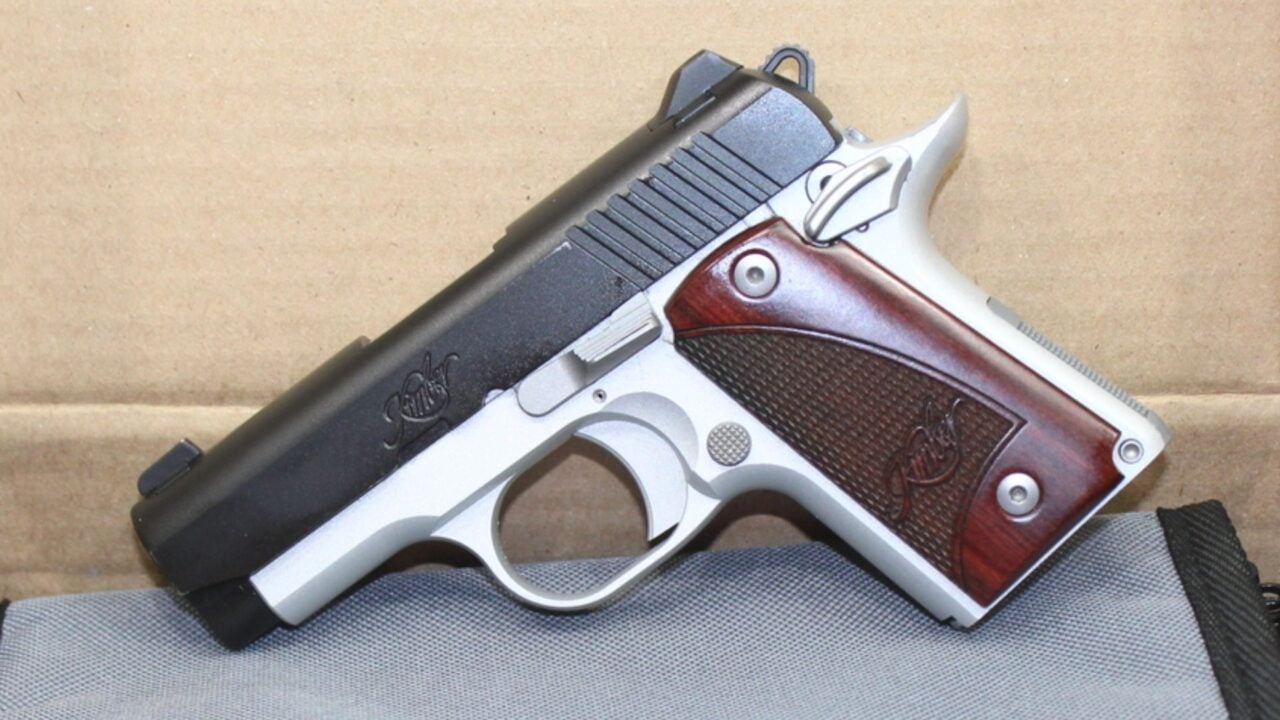
This one wins beauty contests. It feels like a classy little 1911-style carry piece, and Kimber knows how to make a gun look like it belongs in a nice holster. The size is right for deep carry, and the thumb safety reassures new carriers.
The trouble is that small 1911-ish pistols can be finicky, especially as the round count climbs and magazines wear. A gun that’s “mostly reliable” on a slow range day can start acting up when it’s hot, dry, and being shot fast. If you go this route, you better be the kind of person who actually tests mags and ammo, not the kind who just admires it.
3. Springfield Armory 911

The 911 feels great in the hand for what it is: compact, metal-framed, crisp single-action trigger. In a gun store, it has that “real gun” feel compared to a lot of tiny polymer options. It’s easy to picture it riding in a pocket holster.
But tiny pistols are unforgiving of grip issues and ammo quirks. A little limp-wristing that wouldn’t matter on a duty-size 9mm can turn into stoppages here. If you don’t commit to practice with the exact carry ammo you’ll use, you’re gambling on a platform that can be picky.
4. Taurus Spectrum
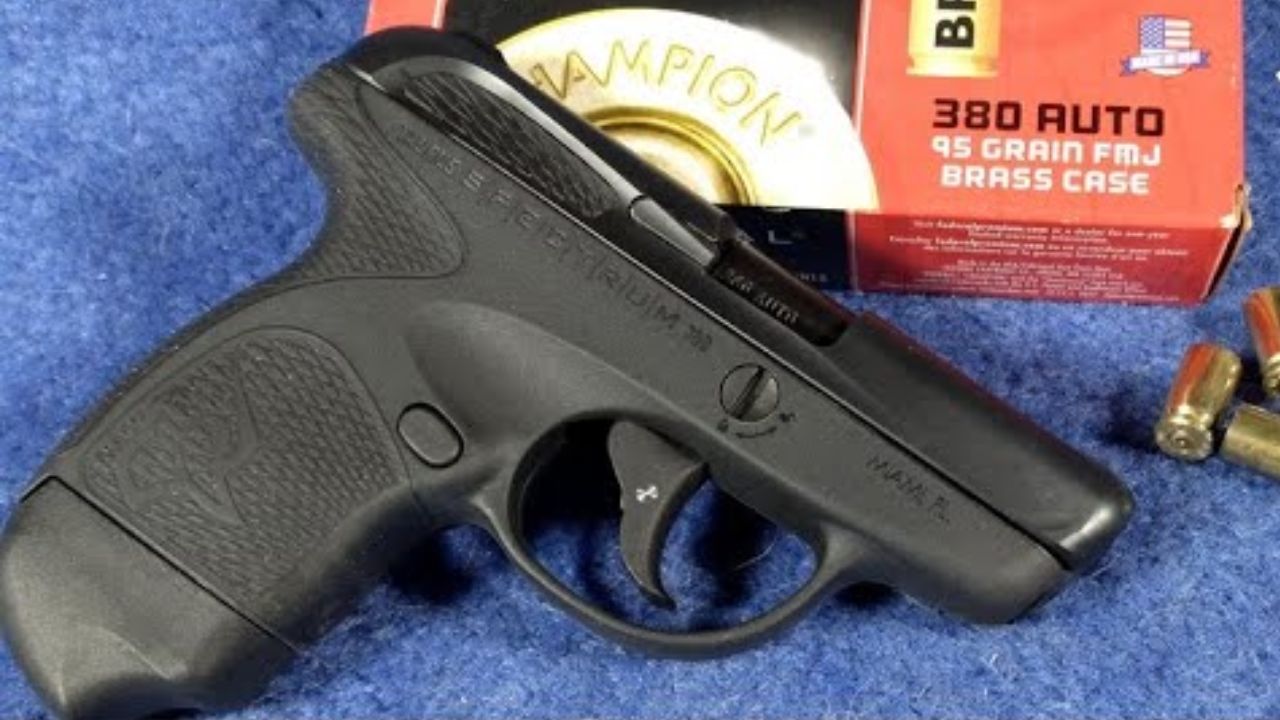
The Spectrum is one of those guns that feels like it was designed by somebody who actually carried in gym shorts. Soft edges, simple lines, and it’s light. In the hand, it’s comfortable and unintimidating.
Where it bites folks is consistency. Some run fine, some don’t, and the “good sample/bad sample” problem is a carry killer. When a gun’s reputation includes “you might get a good one,” you’re already behind the power curve.
5. Remington RM380
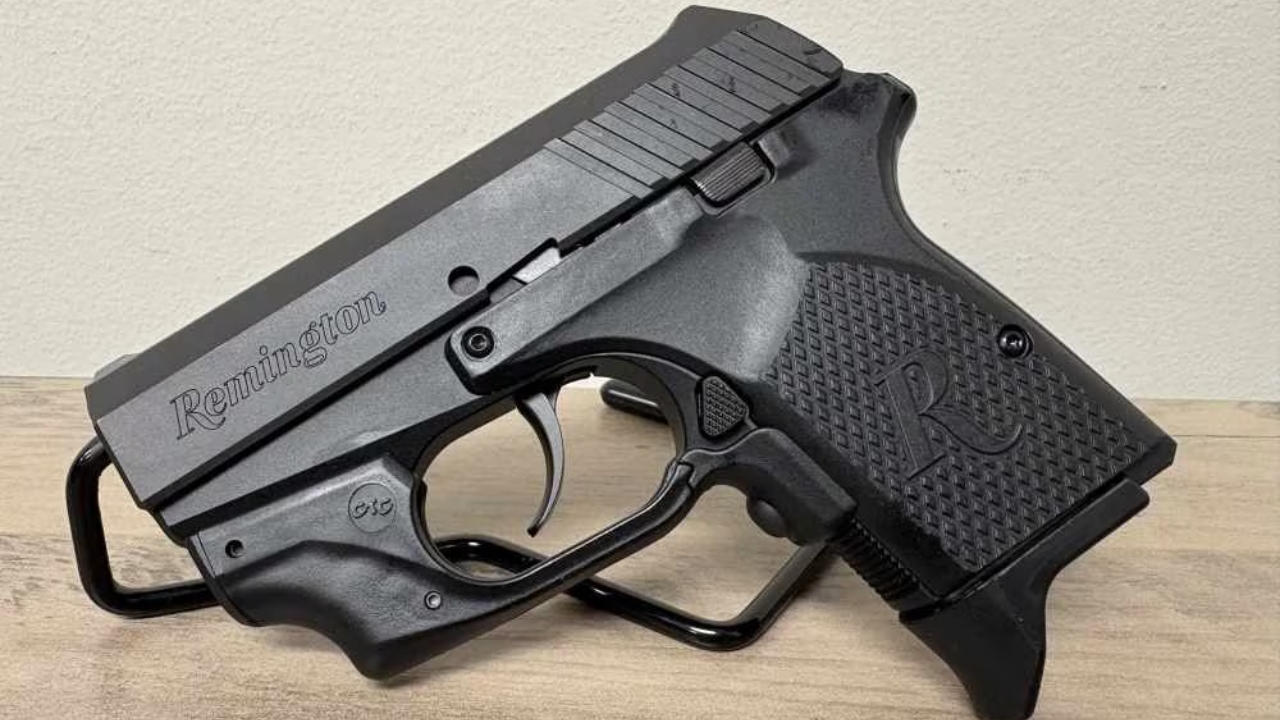
On paper, the RM380 checks a lot of boxes: small, metal-framed, easy to conceal, and generally pleasant to shoot for a .380. It feels like an old-school pocket pistol in a good way, not a toy.
Then reality shows up: parts and support can be a pain, magazines aren’t always on every shelf, and long-term maintenance becomes guesswork if something breaks. For a carry gun, “I can’t find mags” is not a minor inconvenience. It’s a deal-breaker.
6. Walther PK380

In the store, the PK380 feels friendly. It’s got a light recoil spring, manageable recoil, and it fits a lot of hands. New shooters pick it up and immediately feel like they can run it.
But it’s also a gun that can be sensitive to ammo and maintenance, and the manual of arms isn’t as straightforward as many expect. When a pistol’s reliability hinges on being kept just so, it becomes one more thing to worry about when you should be focusing on the basics.
7. SCCY CPX-2
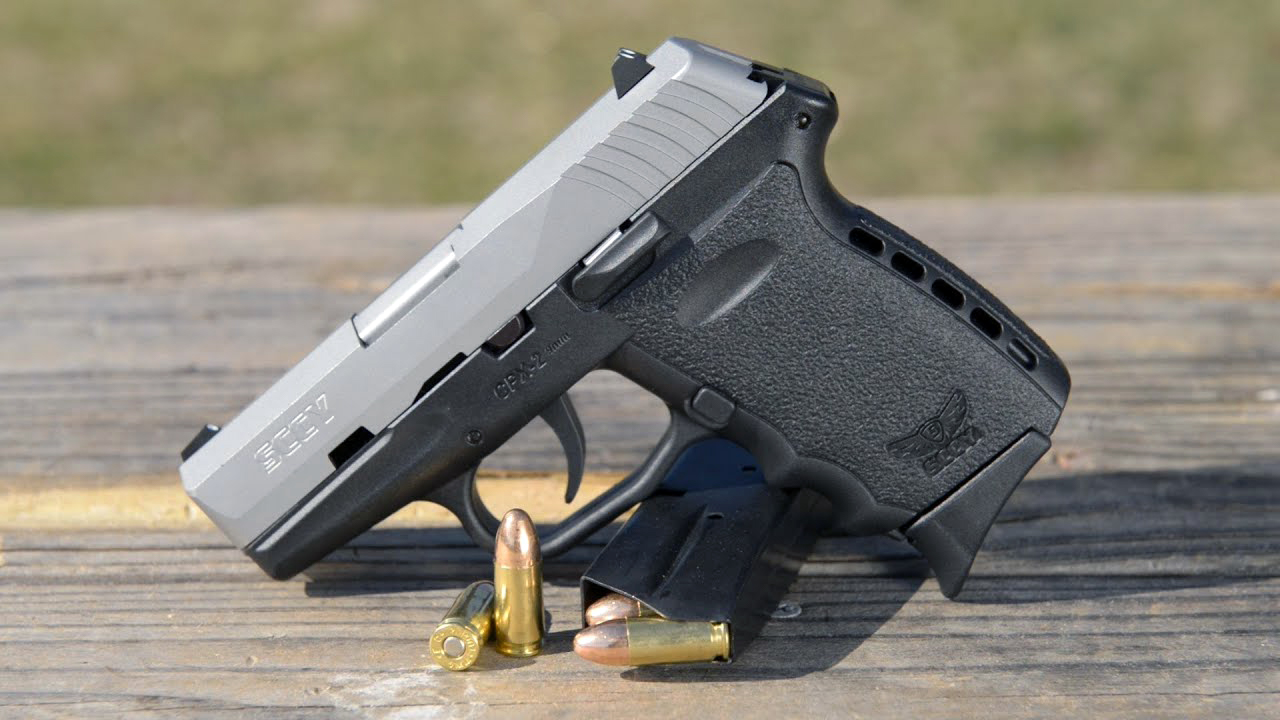
The CPX-2 sells because it’s affordable and it feels surprisingly decent in the hand. The grip shape works for a lot of folks, and at the counter it seems like a practical answer when money is tight.
Problems show up with durability, triggers that vary a lot gun-to-gun, and the general “this feels like it was built to a price” reality. A budget gun that runs is fine. A budget gun that runs until it doesn’t is a problem you don’t need on your belt.
8. Diamondback DB9

The DB9 is the definition of “disappears.” Pick one up and you understand the appeal instantly. It’s thin, light, and it feels like you could carry it anywhere without changing your wardrobe.
Ultra-light 9mms can be brutal in recoil and sensitive in function, and the DB9 has a history of being hit-or-miss depending on the individual pistol and ammo. If you dread practicing with your carry gun, you’ll practice less. And if you practice less, you’ll be worse when it counts.
9. Ruger LCP (original model)

The original LCP earned its spot in a lot of pockets. It’s small, light, and it feels like the answer for “I need something, anything, all the time.” In the store, it’s easy to justify.
The fail point isn’t that it can’t work. It’s that it’s hard to shoot well and easy to neglect. Tiny sights, long trigger, and a gun that’s unpleasant to run fast leads to owners who carry it a lot and shoot it almost never. That’s a quiet kind of failure.
10. Glock 43 (with the wrong magazine setup)

The Glock 43 feels like a safe bet. It’s slim, it points naturally, and it has Glock’s “it’ll probably run” reputation. At the counter, it feels like buying common sense.
Where folks stumble is chasing capacity with extensions and oddball mags, then being surprised when reliability changes. The smaller the platform, the more magazine tuning matters. Keep it simple, and it’s usually boring in a good way. Start stacking gadgets on it, and it can turn into a problem.
11. Smith & Wesson M&P Shield 40

The Shield feels right because it’s thin and familiar, and the grip angle works for a lot of shooters. The .40 version often shows up at attractive prices, so it’s tempting to “get more power” without paying more money.
Then you shoot it. A slim, light .40 can be snappy enough that fast follow-up shots get ugly, and some shooters start anticipating recoil. A carry gun you can’t run quickly and accurately is not doing you favors, no matter what the caliber says on the slide.
12. Springfield Armory XD-S (especially in .45 ACP)
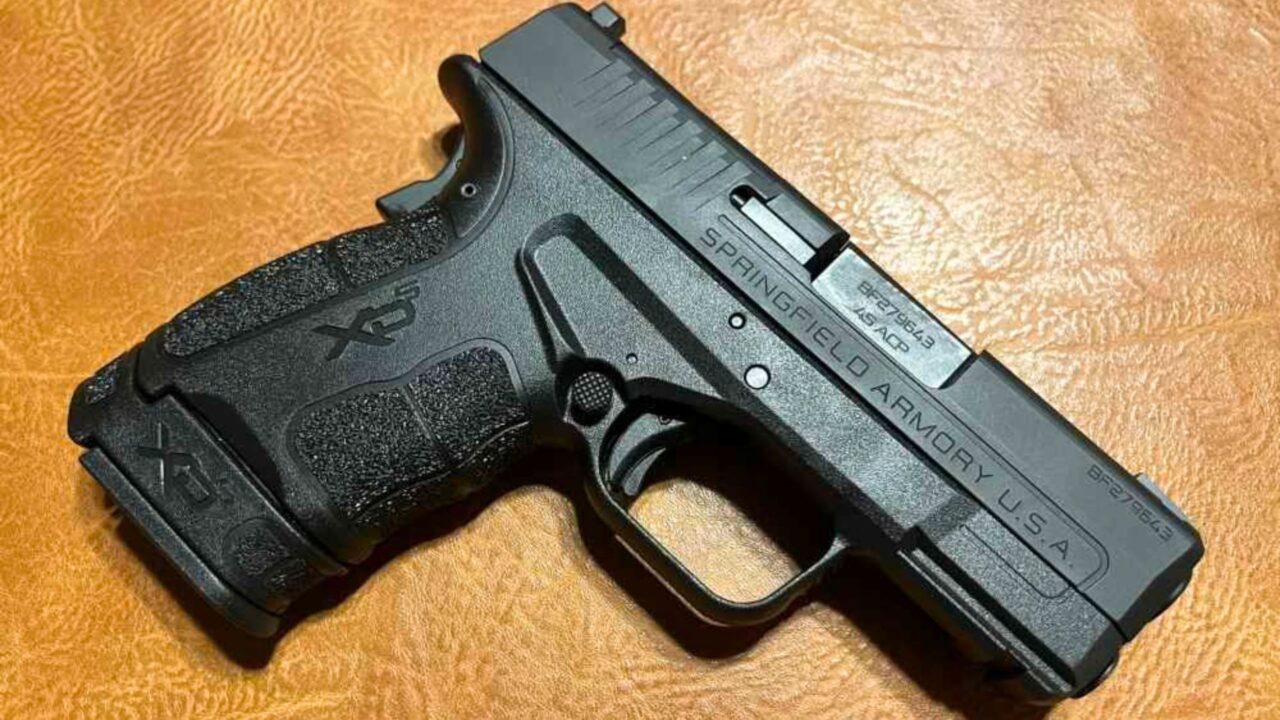
The XD-S feels solid in the hand, like a little tank. In the store, that heft can feel reassuring, and the grip safety gives some folks peace of mind.
The downside is that the small .45 version can be a handful, and the platform has had enough history that buyers should pay attention to recalls and model variations. Also, that grip safety can become one more variable when you’re drawing from an awkward position or with a less-than-perfect grip.
13. Kahr CM9

Kahr pistols feel sleek and sensible. The CM9 in particular carries flat, points well, and seems like a grown-up alternative to some of the rougher micro guns. The trigger is smooth, which can feel “high-end” at the counter.
They can also be sensitive to break-in and maintenance, and not everyone actually does that work. If you buy a gun that demands a certain routine, you have to be honest about whether you’ll follow it. If you won’t, choose a more forgiving platform.
14. Beretta Nano

The Nano has a clean design and a smooth, snag-free shape. It feels like something you can carry hard, day after day, without it chewing you up. In the store, that simplicity sells.
What gets people is the trigger feel and shootability over time. If you don’t enjoy shooting it, you won’t shoot it much. And if you don’t shoot it much, you’re trusting your life to a tool you haven’t really proven in your hands.
15. SIG Sauer P320 Compact (drop-safety concerns on older guns)
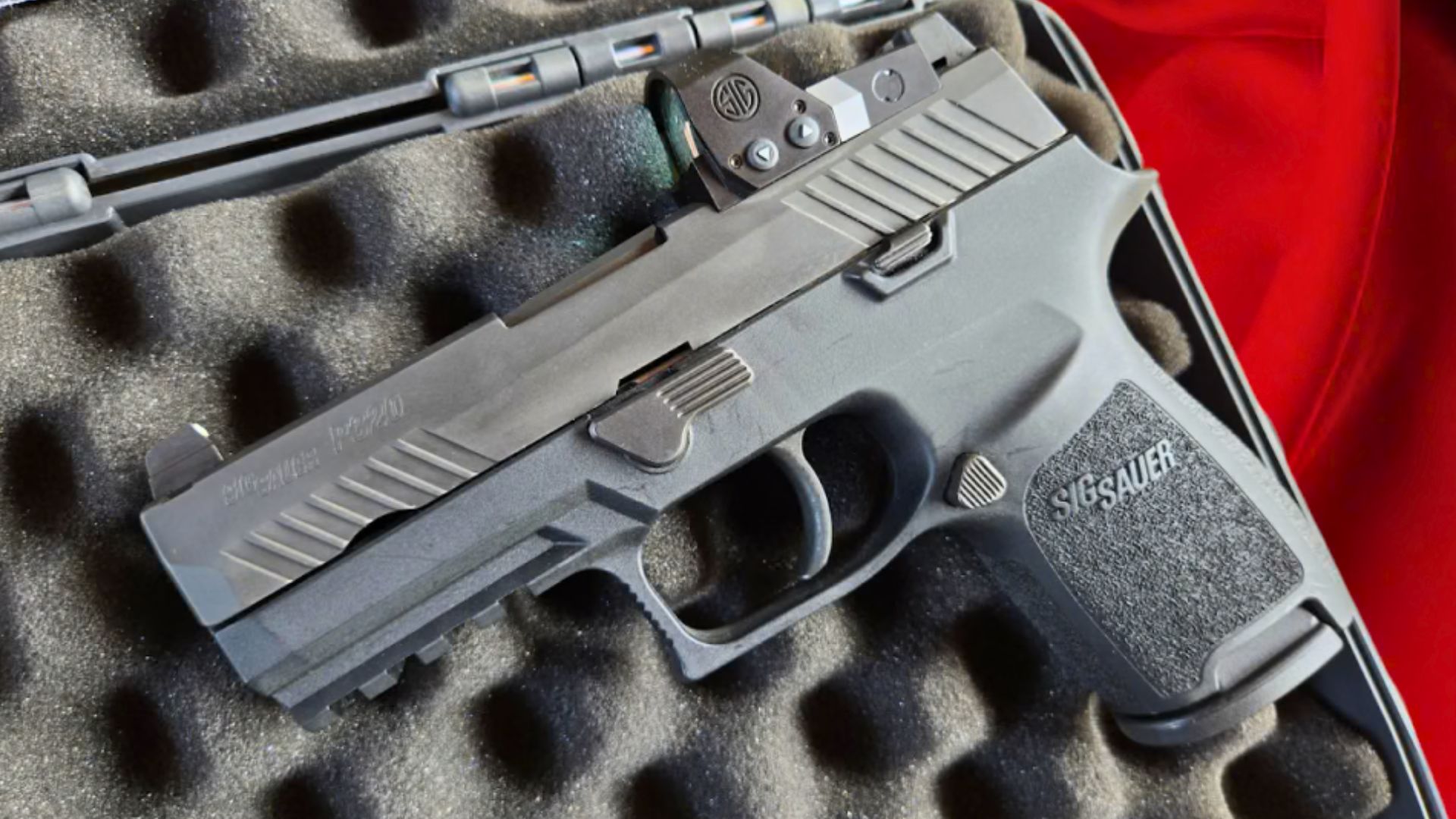
The P320 Compact feels like a duty pistol trimmed down enough to carry. Great grip, good capacity, easy takedown, and a modular system that makes you think you can tailor it perfectly. It’s an easy “yes” at the counter.
The platform also taught everyone a lesson: pay attention to the specific version and its history. If you’re buying used, you need to know what you’re holding, not just what the roll mark says. For a carry gun, uncertainty is the enemy.
16. Colt Mustang (modern reissues)

The Mustang has an old-school charm, and it feels like a “real pistol” in a small package. The controls are familiar, the lines are right, and it carries like a classic.
But small, single-action .380s can be magazine-sensitive, and they’re less forgiving when the shooter doesn’t stay on top of maintenance and function checks. A pretty pocket pistol that’s picky about mags is a rough deal when you’re counting on it in the real world.
17. Charter Arms Undercover .38 Special
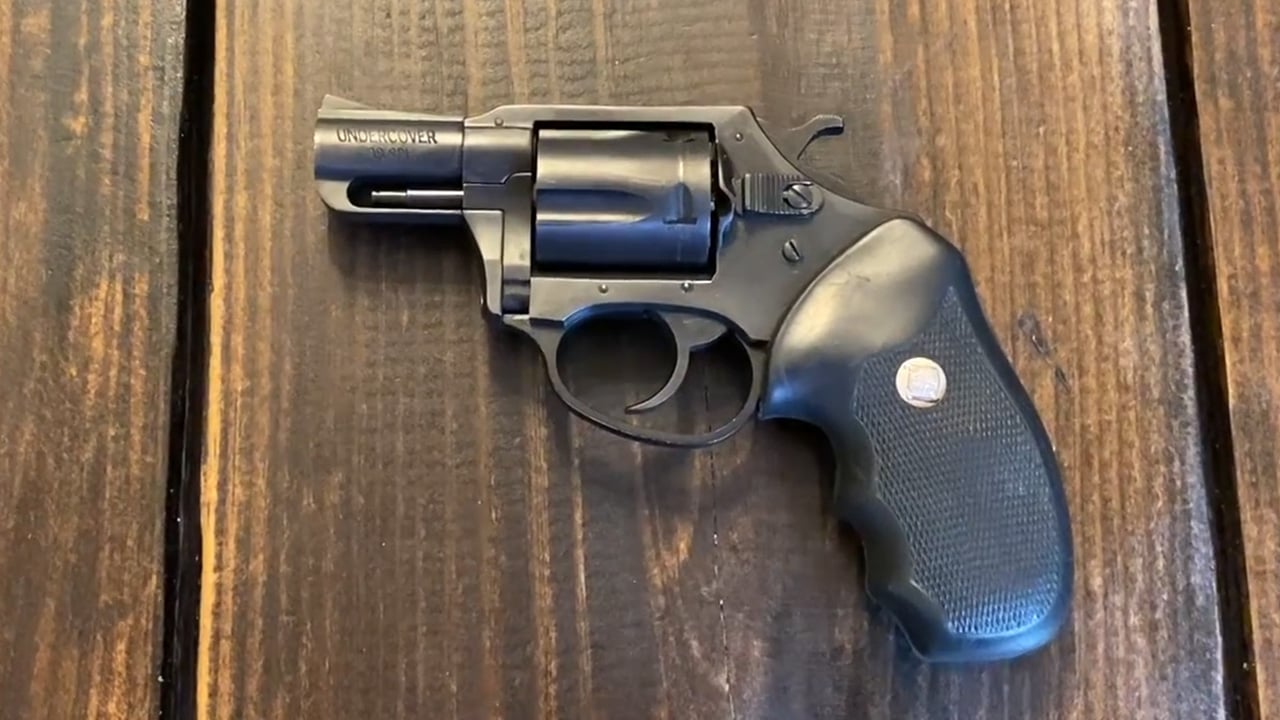
A little revolver feels like the answer when you’re tired of semi-auto talk. The Undercover fits that role: light, simple, and it feels good in the hand. At the counter, it’s easy to imagine it as the no-drama choice.
Revolvers can have problems too, and small revolvers take more skill than most folks expect. Heavy triggers, short sight radius, and sharp recoil with +P loads can make practice miserable. If you don’t practice, you won’t hit. That one hurts, because revolvers get bought specifically to avoid headaches.
18. Rossi R351 .357 Magnum
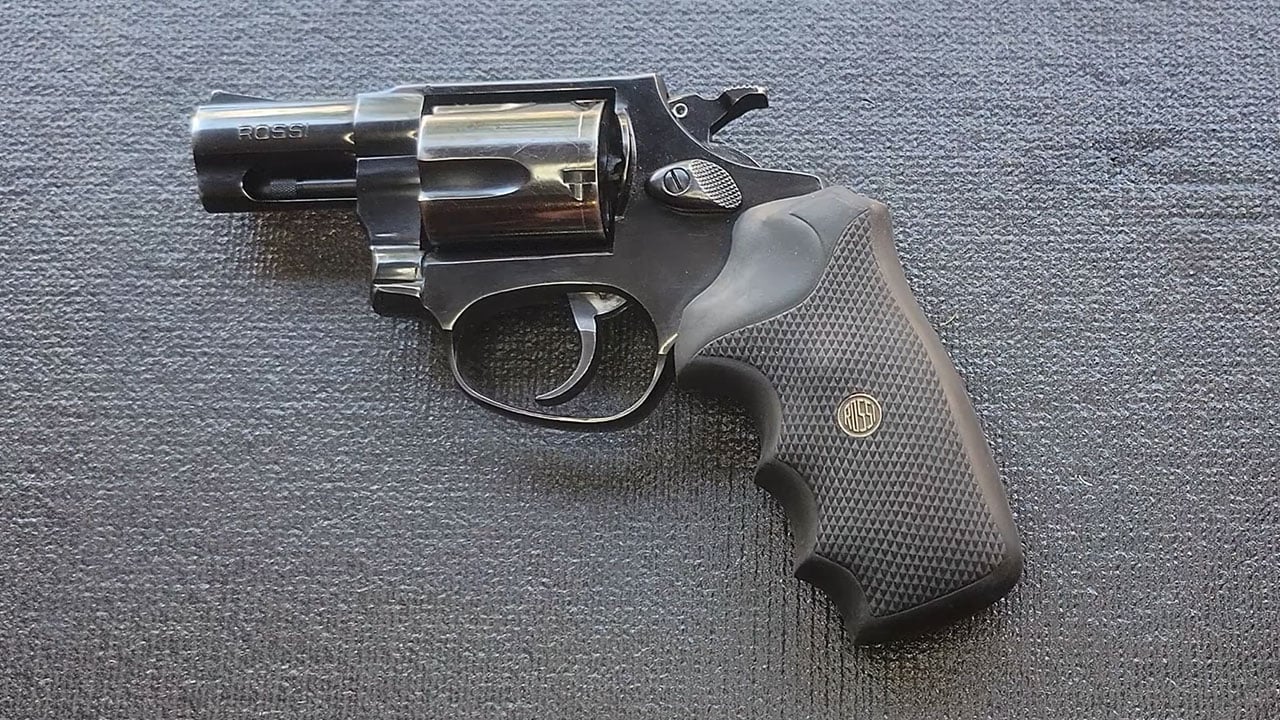
A budget .357 snub feels like you’re getting a lot of capability for the money. In the store, it’s compact, it’s light, and you can tell yourself you’ll load it with .38s most of the time anyway.
Fit-and-finish and long-term consistency are where cheaper revolvers can show their limits. Timing, trigger feel, and overall durability matter when you actually shoot the thing. A carry revolver should be boringly dependable, not a question mark you hope stays quiet.
19. Smith & Wesson Model 340PD
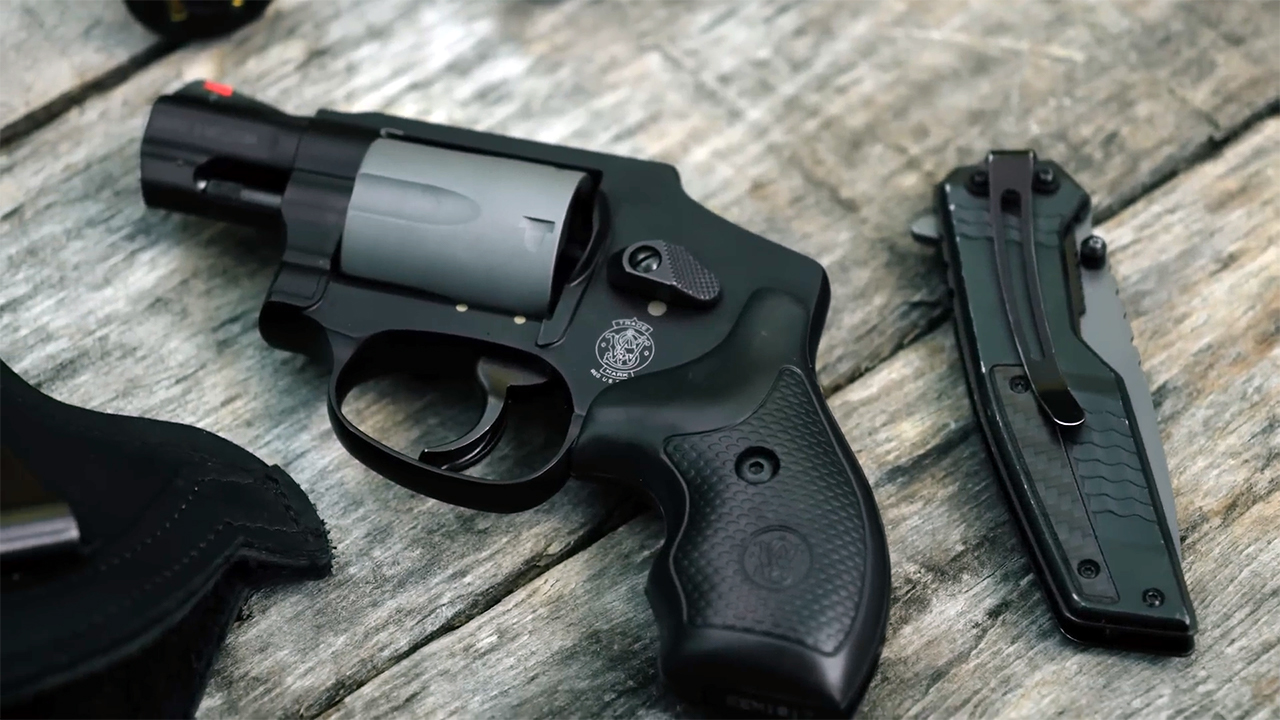
This is the “mountain gun” dream: an incredibly light .357 you can carry all day and forget it’s there. In a gun shop, the weight (or lack of it) makes you grin. It feels like the ultimate answer for backcountry carry.
Then you touch off real .357 loads and remember physics is undefeated. Many owners end up carrying .38 +P because full-house magnums are punishing, loud, and slow to recover from in a gun this light. If you buy it expecting to run magnums confidently, you might be disappointed fast.
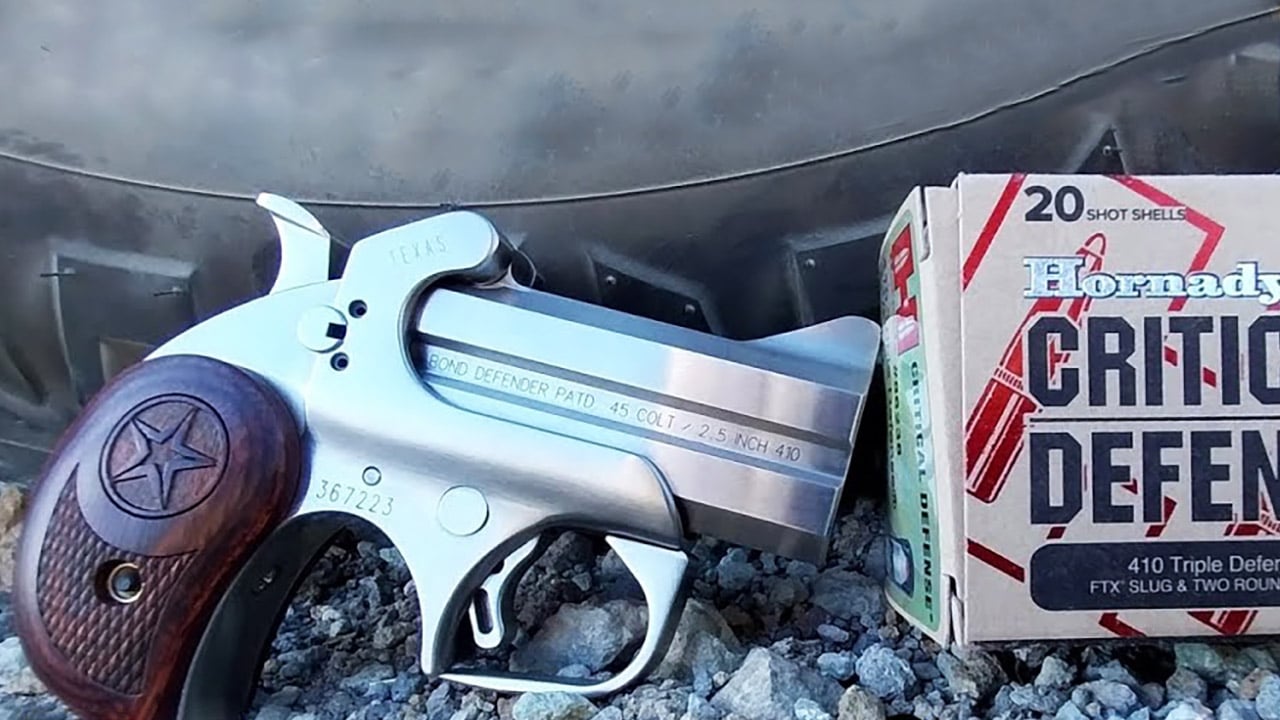
20. Bond Arms Texas Defender (3-inch barrels)
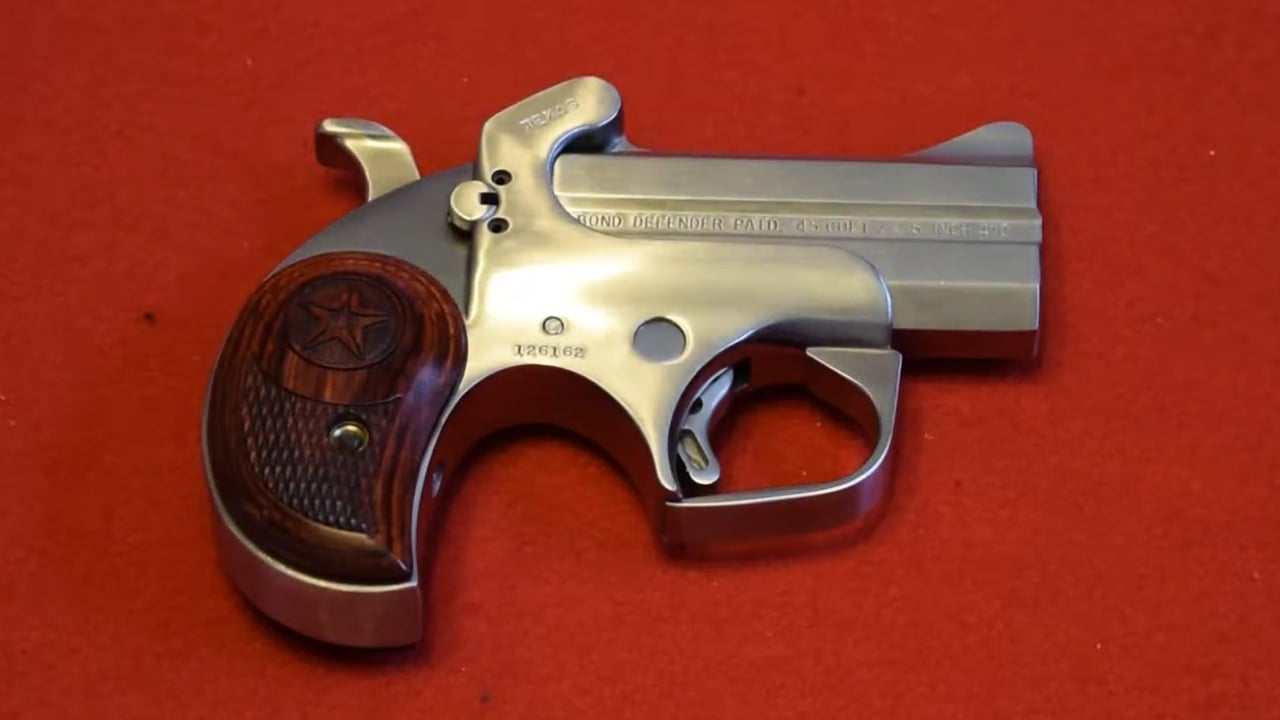
There’s something about a derringer that feels tough and simple. The Texas Defender has that chunky, stainless confidence, and in the hand it feels like a tool you could pound fence staples with. In the store, it’s hard not to like it.
Two shots goes quick, reloads are slow, and the heavy trigger plus stout recoil can make accurate shooting harder than folks expect. As a niche backup, fine. As a primary carry gun, it’s a gamble that usually shows up later as regret.
If there’s a common thread here, it’s not “these guns are junk.” It’s that carry exposes weaknesses fast: ammo sensitivity, magazine issues, harsh recoil in small frames, and the simple fact that a gun you hate practicing with becomes a gun you don’t really know. Buy what you like at the counter, sure—but prove it on the range, with your carry ammo, from your carry setup. The boring guns that run every time tend to earn their place the hard way.
Like The Avid Outdoorsman’s content? Subscribe to our newsletter so you never miss an article.
Here’s more from us: