Photo credit: Auman Woods/Youtube
Every gun safe has a couple of sleepers in it. The ones you bought because they were “just a deal,” or you inherited and tossed in a sock drawer, or you traded for when ammo was cheap and you had more time than money. Then one day you try to replace it, or you finally look up what it actually is, and you realize you’ve been sitting on something better than you thought.
This isn’t about flexing collector pieces or acting like every old pistol is a retirement plan. It’s about handguns that regularly get undervalued by regular owners—because they’re plain, they’re old, they’re not “trendy,” or they’re mistaken for a lesser variant. If you’ve got any of these, slow down before you sell, trade, or pawn it for the next hot thing.
1. Colt Python (blued, older production)
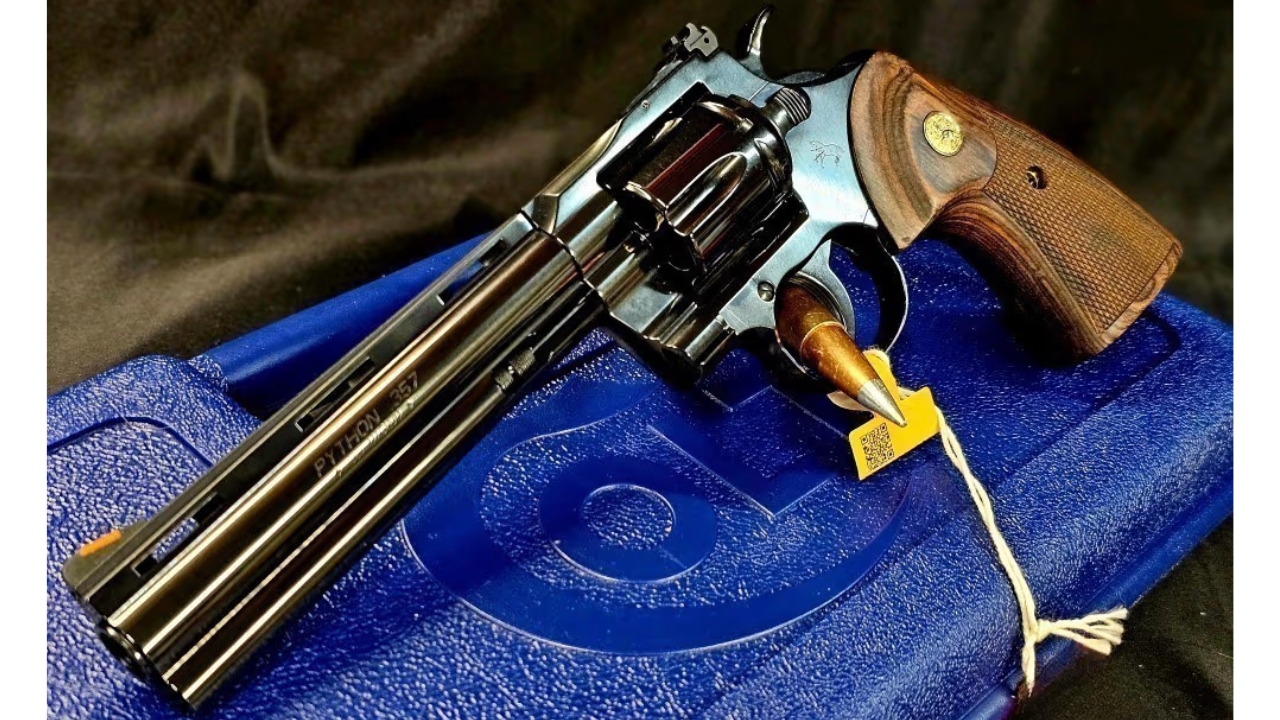
There are revolvers that shoot nice, and then there’s the Python. The trigger on a good one feels like it’s on ball bearings, and even folks who don’t care about wheelguns can’t help but notice it. A lot of owners only know it as “Grandpa’s .357,” and that’s where mistakes get made.
Condition is everything, and refinishing can hurt value fast. If it’s got original finish, original stocks, and no buggered screws, you may be holding a lot more than you think. It’s also one of those guns where the box and papers actually matter.
2. Colt Detective Special (early models)
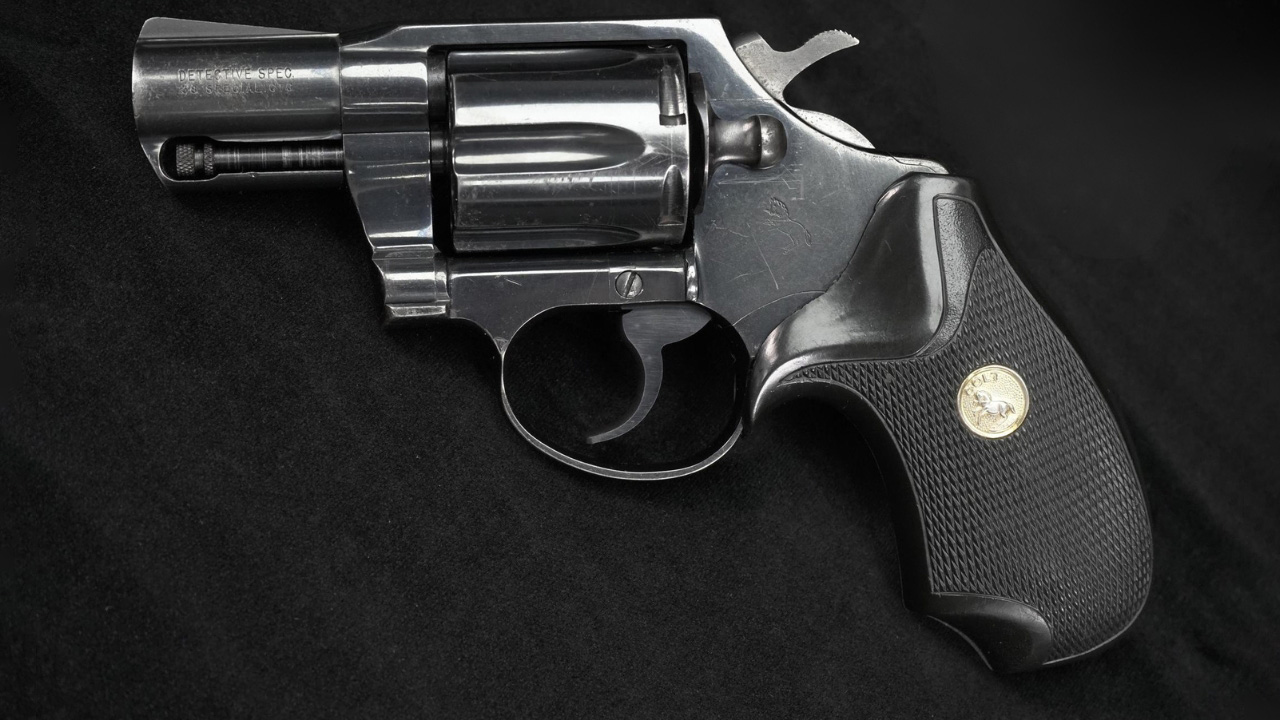
Snub-nose revolvers get treated like glovebox junk until somebody handles a Detective Special and realizes it’s not junk at all. It’s a serious little revolver with a real following, and the older ones have that classic Colt feel that modern stuff doesn’t.
These got carried hard, so clean examples stand out. If yours locks up tight and the timing is right, don’t assume it’s “just an old .38.” Little Colts have a way of bringing strong money when they’re right.
3. Smith & Wesson Model 27 (pre-lock, pinned/recessed era)
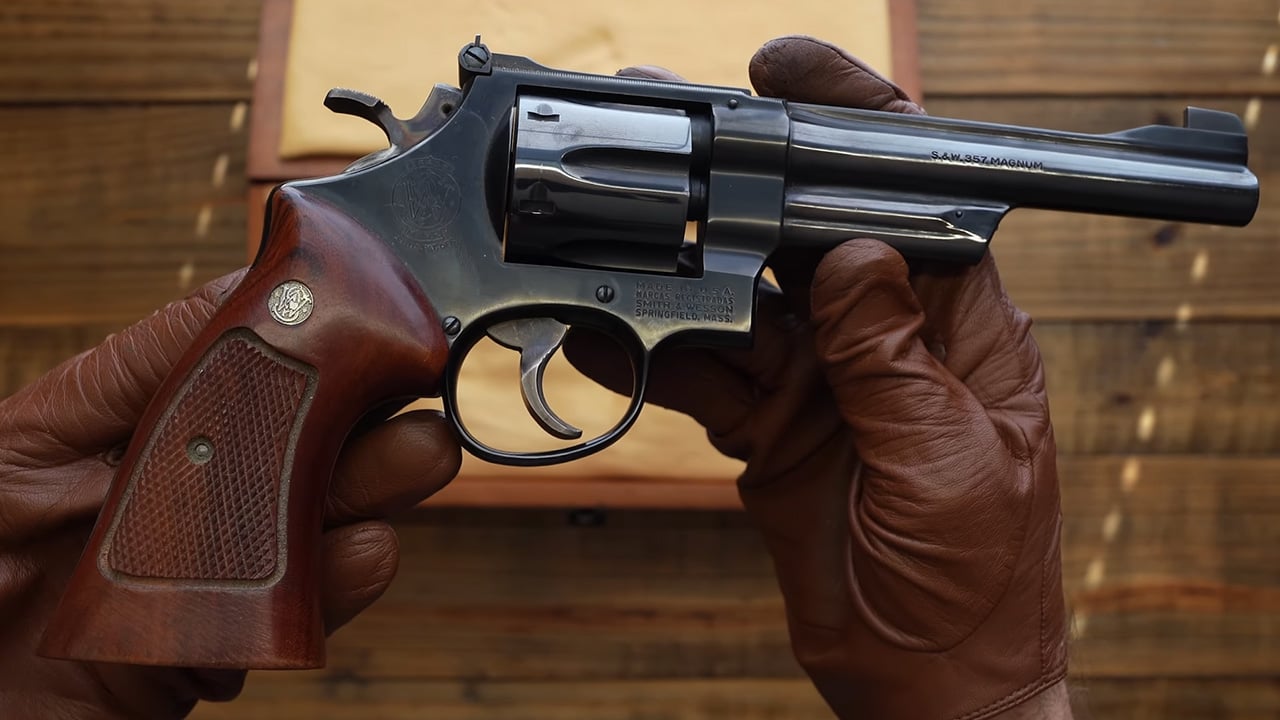
The Model 27 is what a premium .357 revolver looked like when companies still built them like they were trying to impress somebody. Big N-frame, deep polish on many of them, and a trigger that makes you want to shoot slow and do it right.
A lot of owners confuse it with more common models, or they just see “old heavy revolver.” Heavy is exactly why it’s such a sweetheart with full-house .357. If you’ve got one that hasn’t been abused, it’s both a shooter and a piece of craftsmanship.
4. Smith & Wesson Model 29 (classic .44 Magnum)
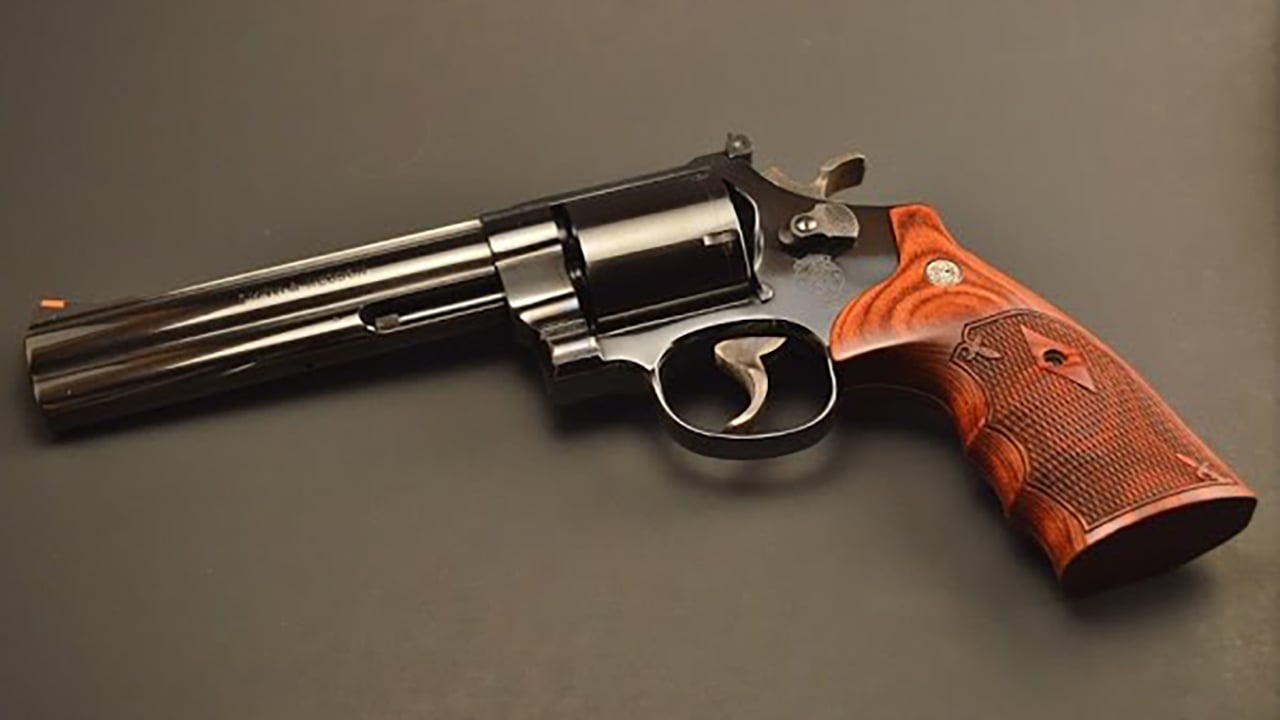
The Model 29 has been “the .44” in American gun culture forever, and clean older ones don’t sit around long. Plenty of folks buy one, fire a box of heavy loads, decide it’s not for them, and then it lives in the safe for a decade.
The irony is those light-use guns are often the nicest examples left. Even if you don’t shoot it much, it’s hard to replace without taking a deep breath at the price tag. If it’s an older, clean gun with the right features, it’s not just a novelty.
5. Smith & Wesson Model 19 (K-frame .357)
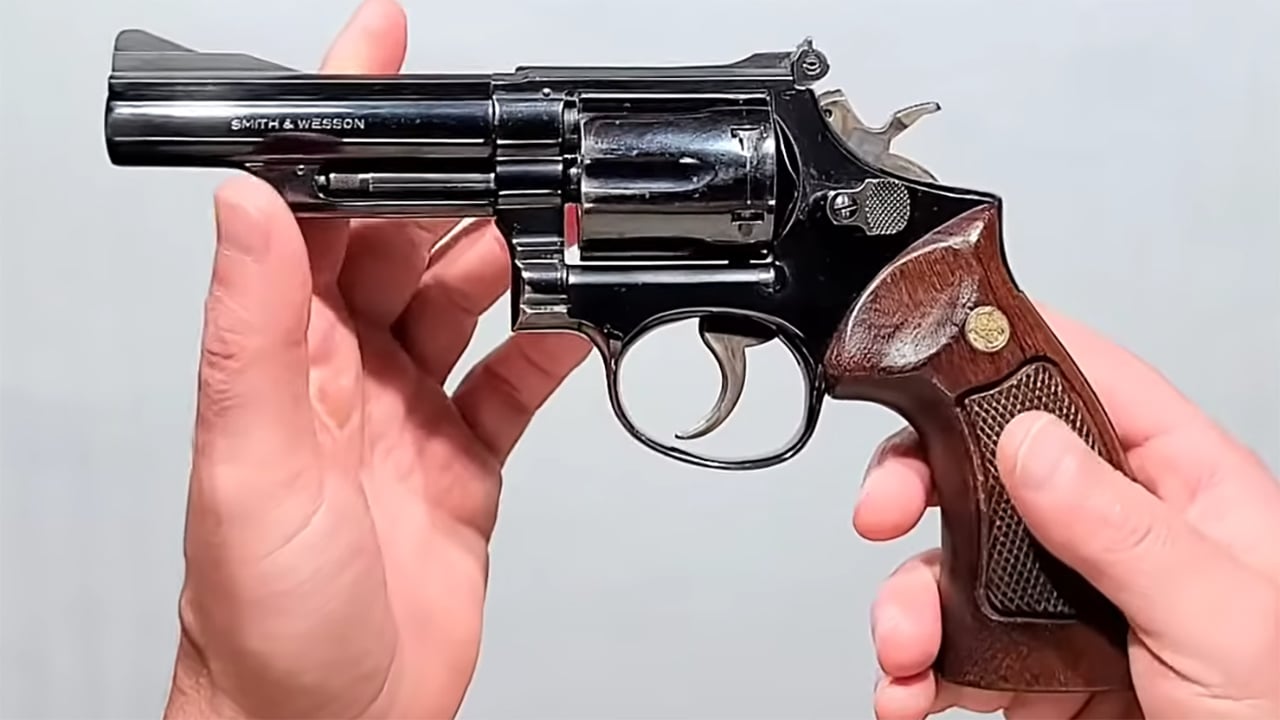
This is one of the most “normal guy” valuable handguns out there. It doesn’t scream collector, it just feels right in the hand. The Model 19 points naturally, carries well for a revolver, and has that old-school lawman vibe without being a museum piece.
Folks who don’t pay attention see it as “another .357.” But good examples—especially older production—are increasingly appreciated. And for actually shooting .38s and moderate .357s, it’s tough to beat.
6. Smith & Wesson Model 10 (classic .38 Special)
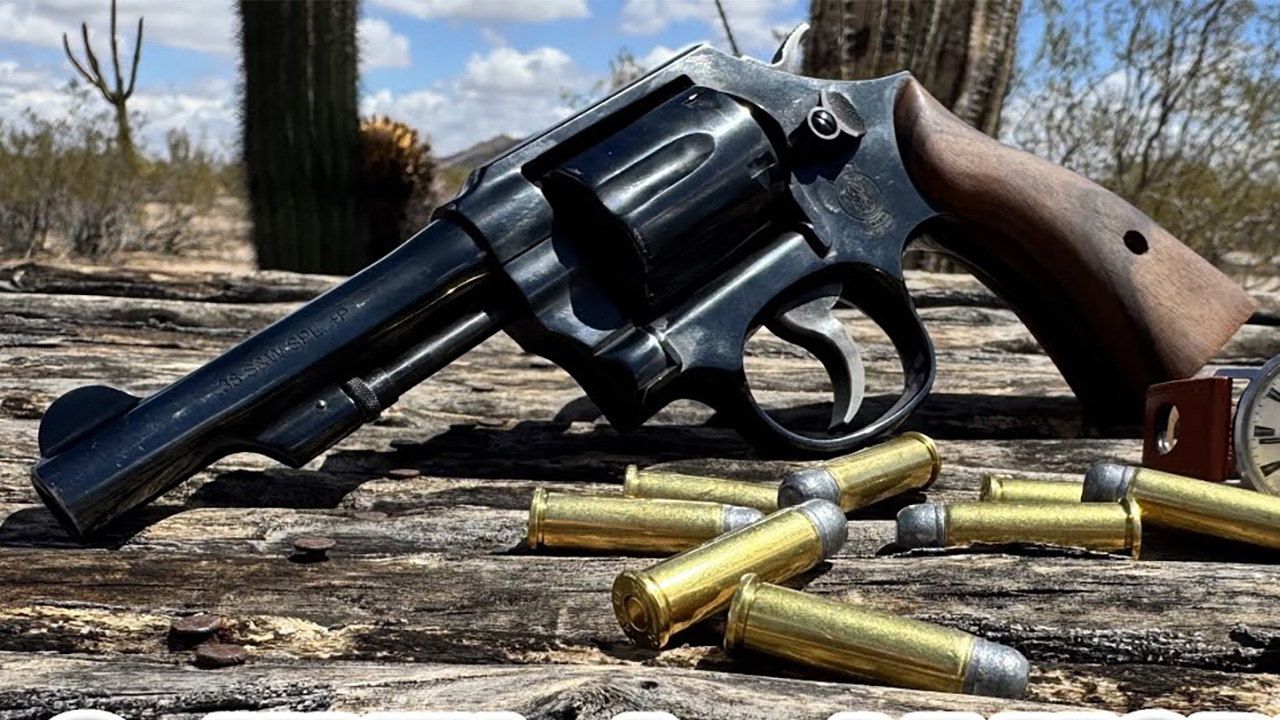
Nothing fancy about it. That’s the point. The Model 10 was the working revolver for generations, and because it’s so common, owners assume it’s worth pocket change.
Clean, original guns—especially with desirable barrel lengths or nice original finish—have climbed. More than value, it’s also just a dead-reliable shooter that new revolver buyers wish they could find at old prices. Don’t dump it without at least doing your homework.
7. Smith & Wesson Model 36 “Chief’s Special” (early, nice condition)
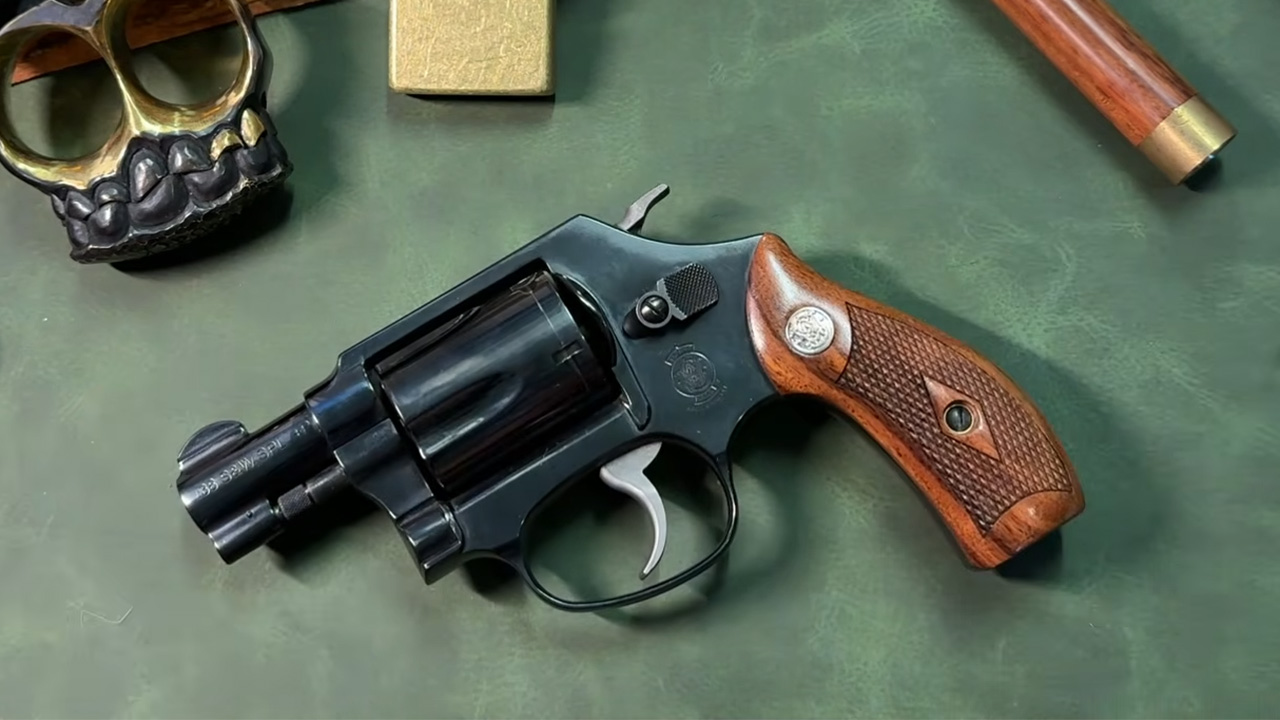
If there’s a revolver that got carried and sweated on, it’s the little Chief’s Special. The good ones are slick, tight, and have that simple confidence you want in a small defensive gun.
Because they’re small and common, they get undervalued. But collectors and everyday shooters both chase clean, original examples. If yours still has sharp edges, original grips, and honest wear instead of abuse, it’s not “just a snub.”
8. Ruger Security-Six (and Speed-Six)
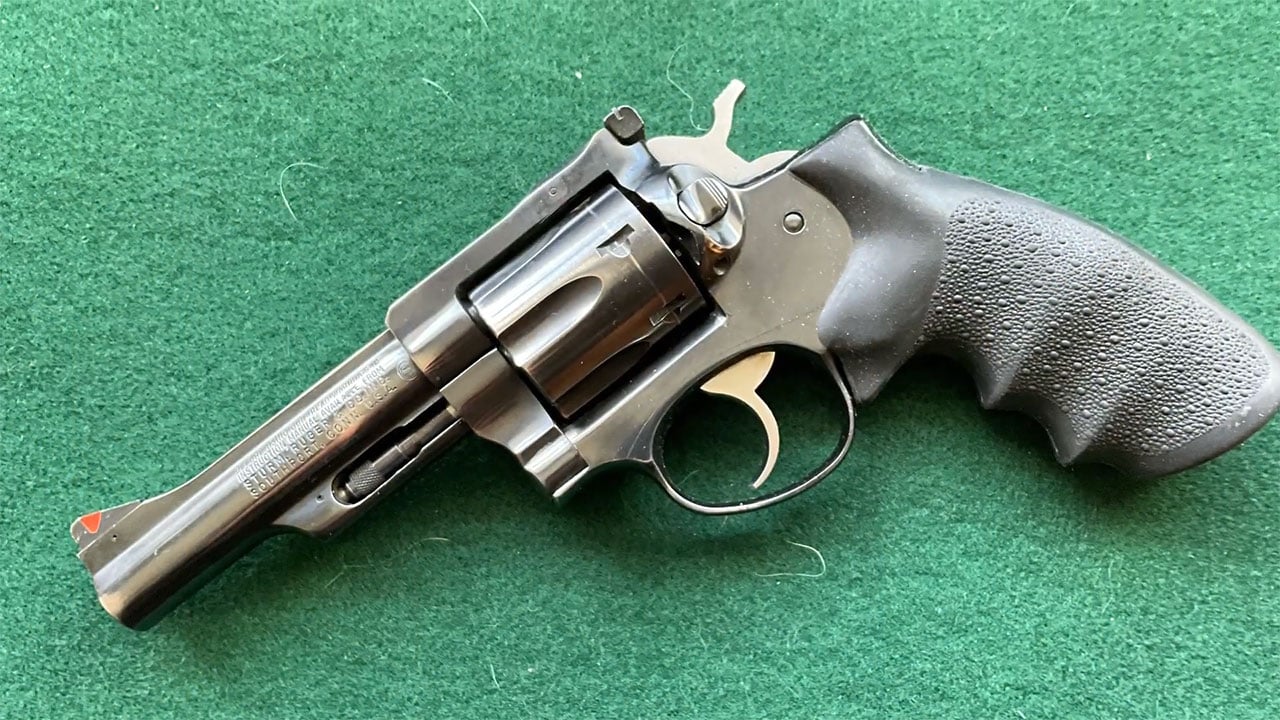
These were the “buy it once” Rugers before the GP100 took over. They’re rugged, they shoot, and they don’t mind being used like a tool. The problem is, a lot of owners treat them like they’re worth the same as any random used revolver.
They’re not rare, but they’ve got a loyal following and they’re not being made anymore. If you’ve got a clean one with the original grips, it’s the kind of gun you’ll miss after it’s gone, even if it never felt “special” while you owned it.
9. Ruger Blackhawk (old three-screw models)
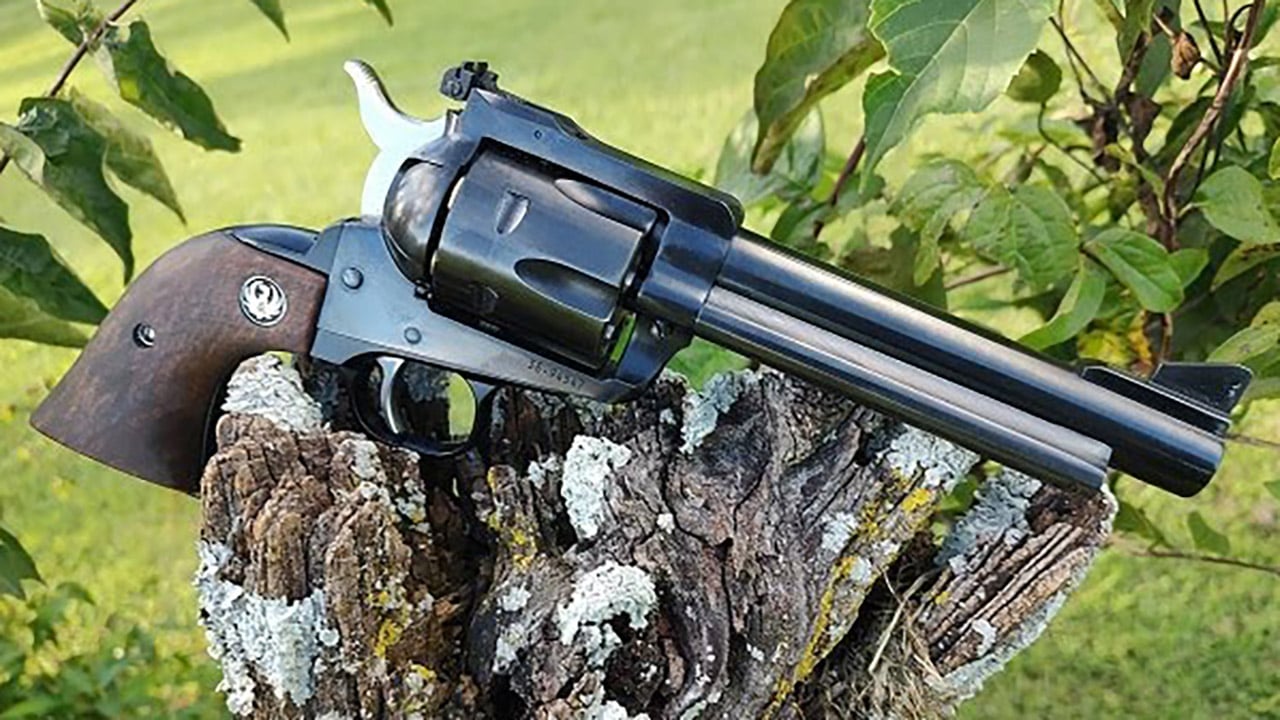
Single-actions are a whole different world, and if you’re not in it, you might not realize what you have. The older “three-screw” Blackhawks are especially watched by collectors. They also tend to be the kind of gun a family keeps around for generations.
Condition, originality, and caliber matter. If you inherited one and it’s been sitting, don’t start swapping parts or “cleaning it up” aggressively. The value is often in it being exactly what it is.
10. Browning Hi-Power (FN/Browning, especially Belgian production)
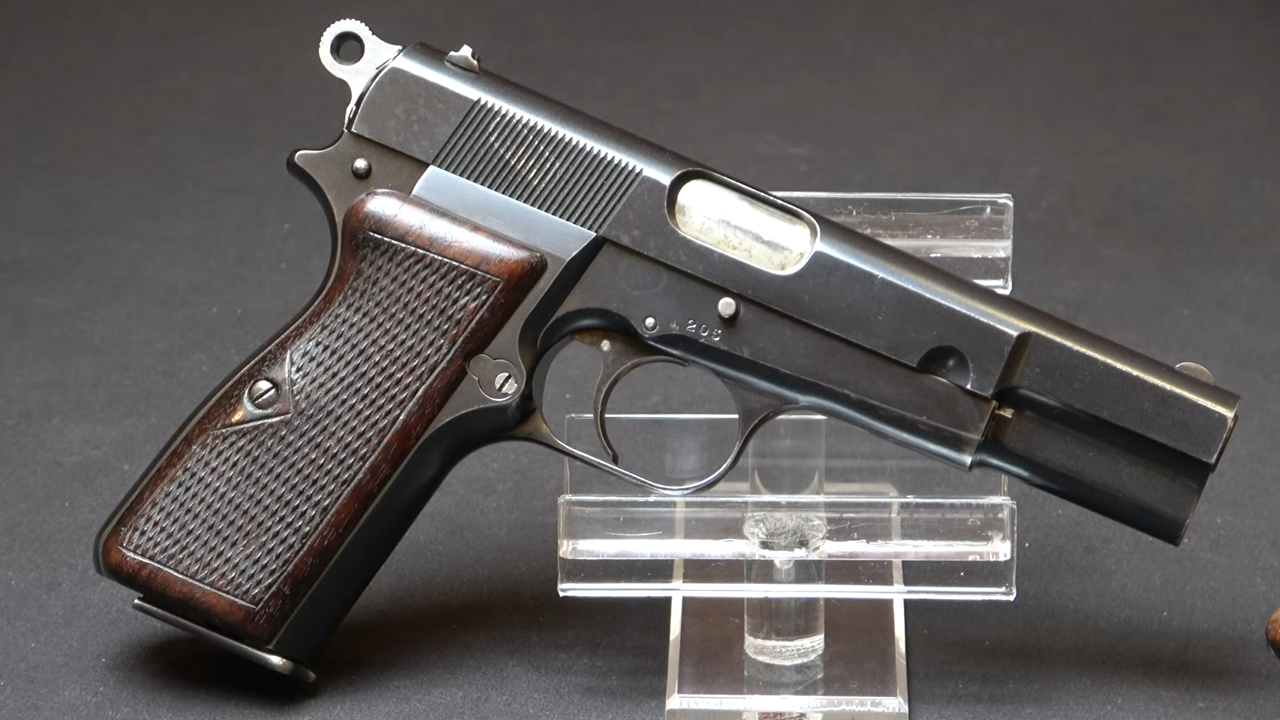
The Hi-Power is one of those pistols that feels like it was drawn with a pencil instead of molded in a lab. Slim, balanced, and just plain classy. Guys will sell them because the trigger isn’t perfect or because they want a modern rail and red dot.
I get it. Still, original Hi-Powers aren’t getting cheaper, and good magazines aren’t the problem they used to be. If you’ve got a clean Belgian or desirable variant, you may be surprised what it’s worth—and how much you miss carrying a pistol that flat.
11. Heckler & Koch P7 (PSP/M8)

Every time someone brings up the P7, somebody else says, “Yeah, but it gets hot.” True. It also shoots like a laser and carries flatter than it has any right to for how well it performs. The squeeze-cocker turns some folks off, so they assume demand is limited.
Then they go price one in today’s market. That one hurts. If you have a P7 with extra mags and the original kit, you’re holding a pistol that’s basically become a blue-collar collectible.
12. Heckler & Koch USP (especially early German-marked guns)
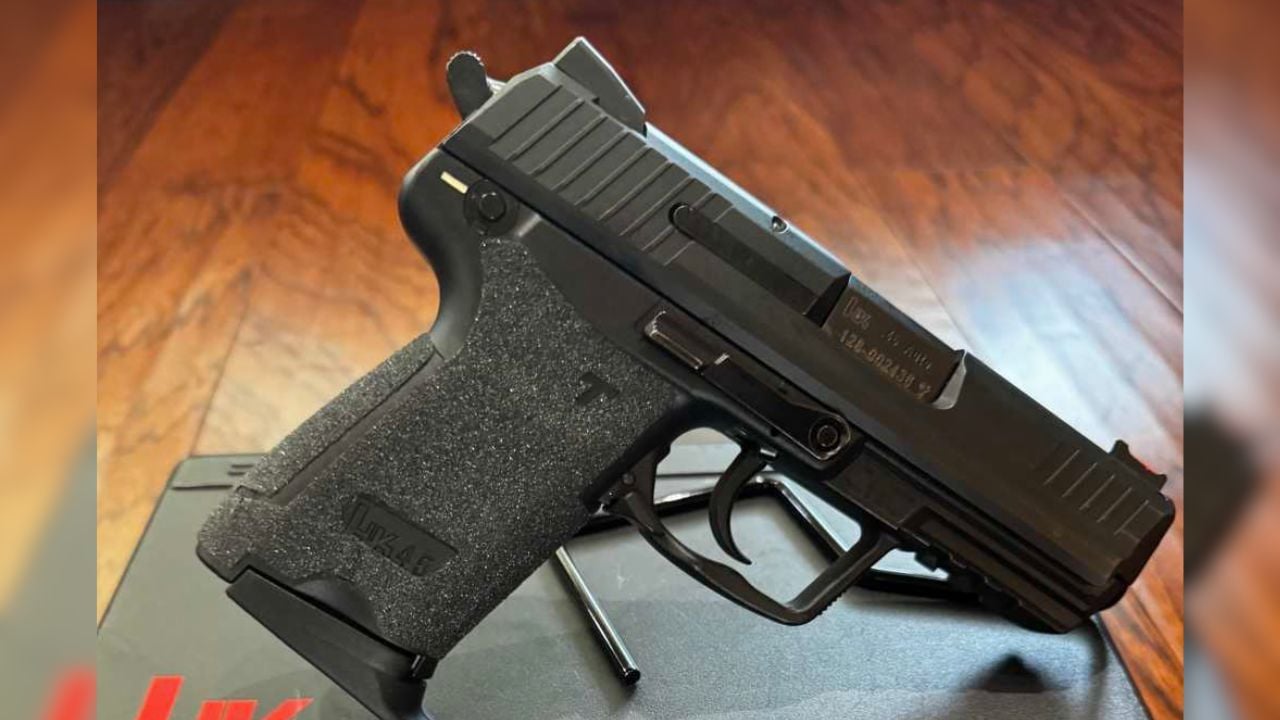
The USP isn’t trendy right now. It’s chunky, it’s not the lightest, and it doesn’t “feel” like a modern striker gun. But it’s a tank, and it has a reputation for being boringly reliable with a wide range of ammo.
Owners sometimes dump them because they want slimmer grips or a different trigger system. Fair. But clean USPs with the right markings and configuration can be more valuable than folks think, and they hold their own in the real world, not just online.
13. SIG Sauer P226 (West German / early production)
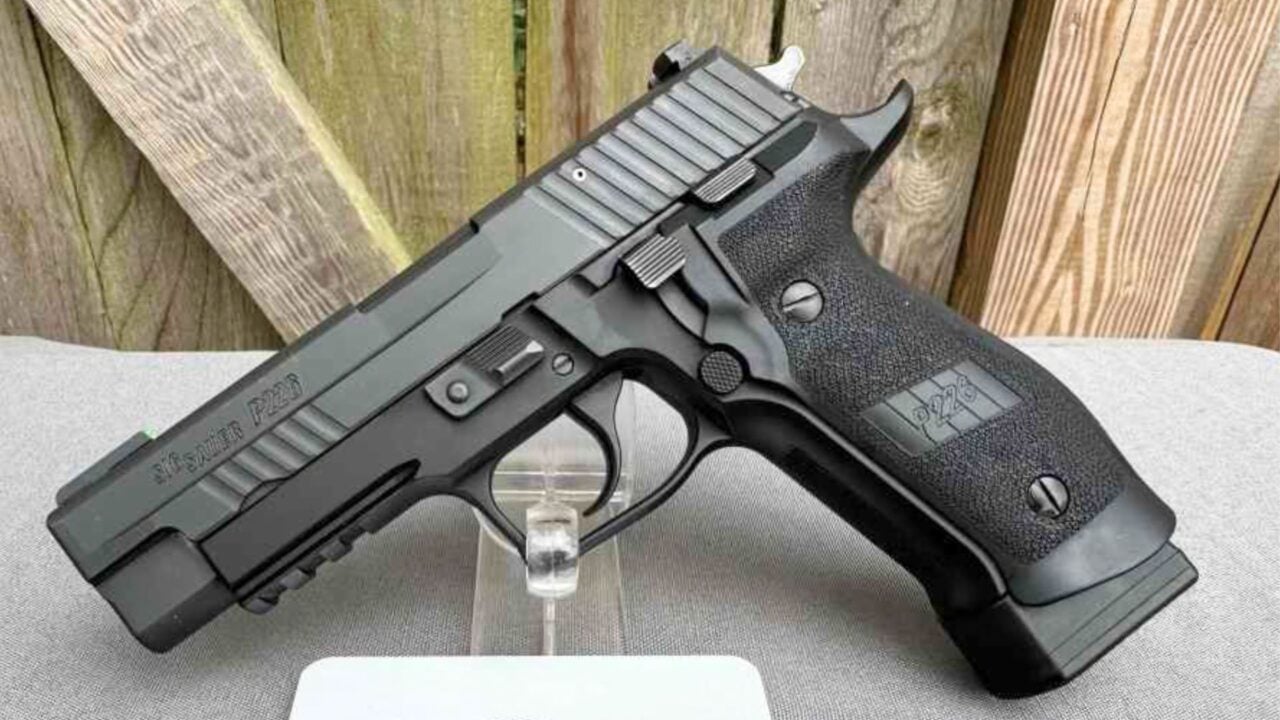
The P226 is one of those pistols that just runs and runs. Early guns have a following, and the overall quality is hard to ignore when you rack the slide and feel how everything fits.
Because there are so many variants, owners don’t always realize what they’ve got. A clean early P226 with original parts and magazines is the kind of handgun that tends to appreciate quietly while people chase the newest thing.
14. SIG Sauer P228 (and the M11 lineage)
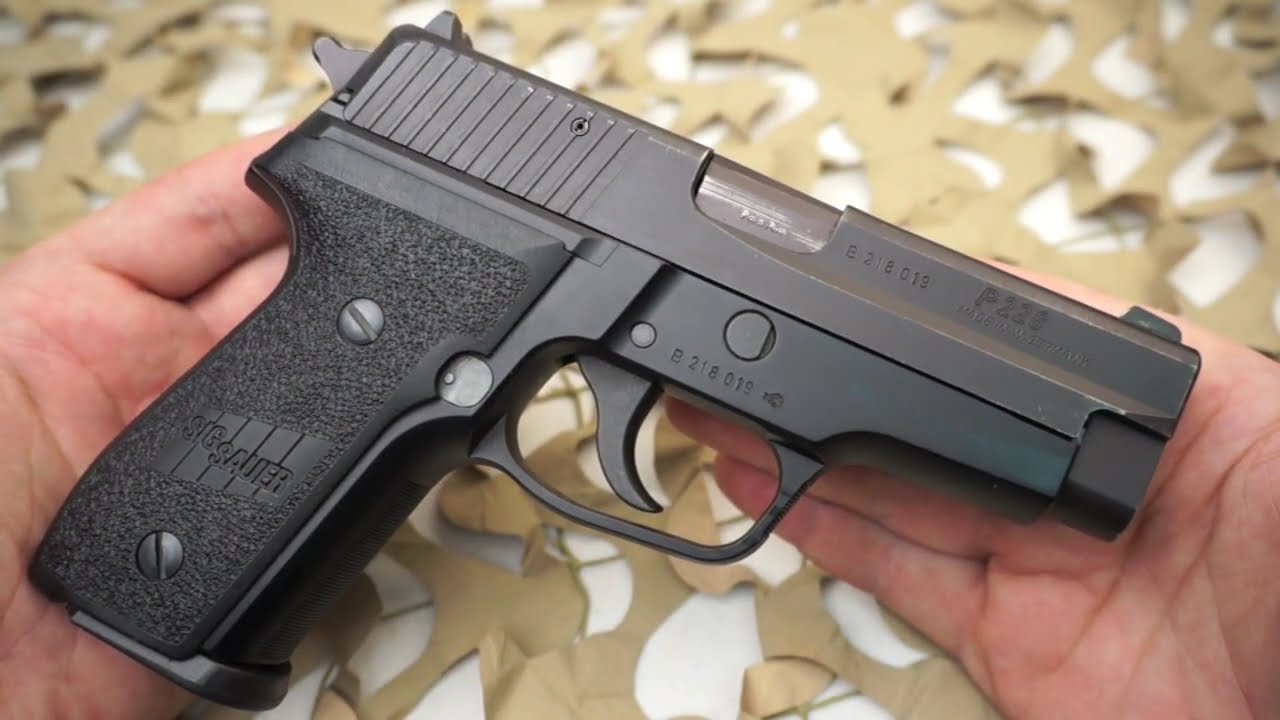
The P228 hits a sweet spot: compact enough to carry, big enough to fight with, and it points naturally. Folks who grew up on polymer guns sometimes handle one and call it “heavy.” Sure. It’s also stable, accurate, and well-made.
These are not the easiest to replace with an equivalent gun that feels the same. Values have been strong for good reason. If you have one with matching mags and no hacky “upgrades,” it’s worth a second look before you let it go.
15. Walther PPK / PPK/S (older Interarms or German production)
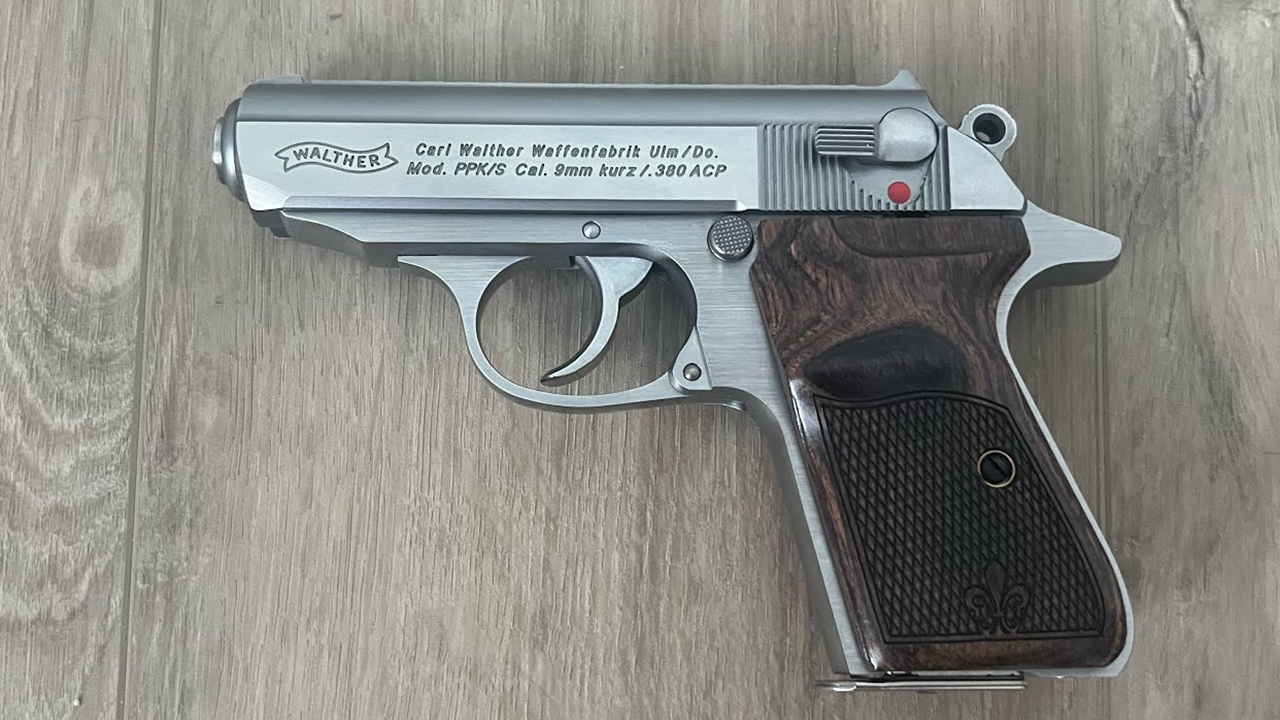
These get bought for the name and sold because they can be snappy and a little finicky depending on ammo. Also true. But clean older PPKs, especially with the right markings and finish, have a collector market that doesn’t care whether it’s your favorite range toy.
If yours is in nice shape with the box, don’t assume it’s just a small .380 that got replaced by a micro-9. It’s a piece of handgun history that still has demand.
16. Beretta 92FS (Italian-made, clean condition)
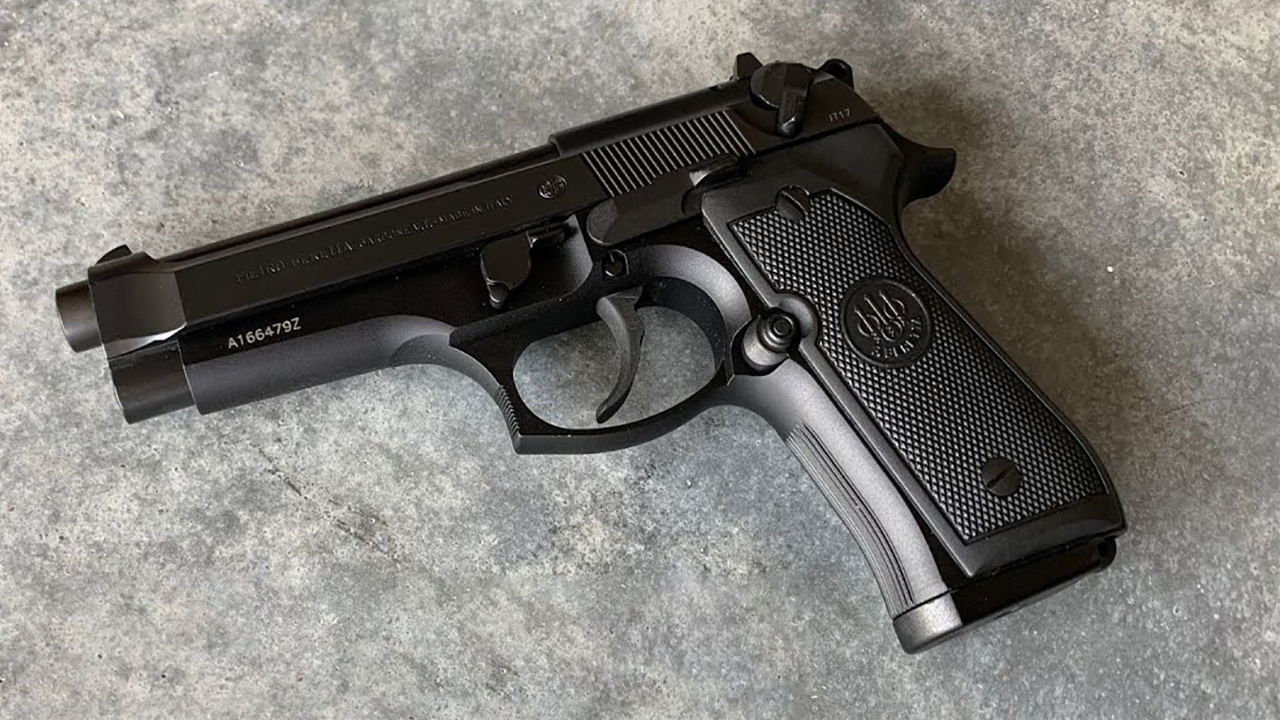
The 92 is another one that gets treated like yesterday’s duty gun. Big grip, long slide, not the easiest to conceal for most folks. But as a shooter, it’s soft, flat, and accurate, and parts and mags are everywhere.
Italian-made examples in very clean condition can surprise owners who assume they’re all the same. It’s not a rare gun, but the better ones are getting harder to find untouched because so many were run hard, modified, or rode in holsters for years.
17. CZ 75 (pre-B or early production)
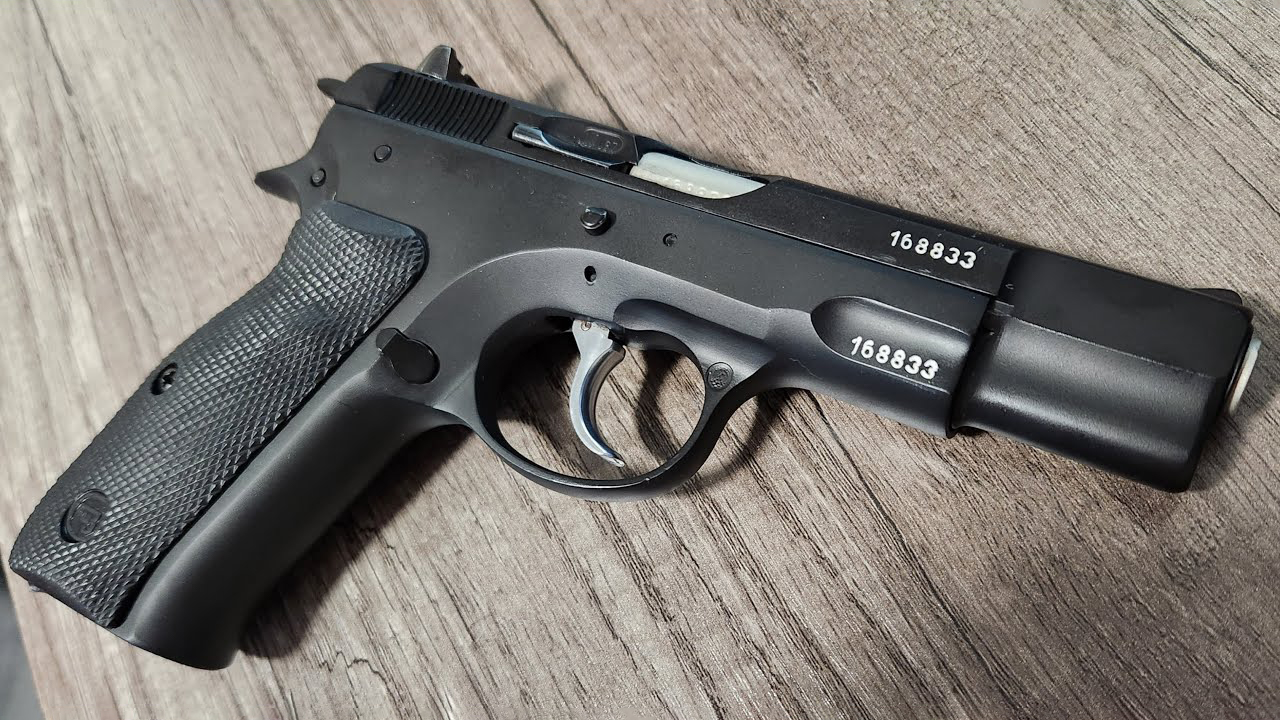
CZs have gotten popular, but early CZ 75 variants still fly under the radar for a lot of owners. They just see “old steel 9mm.” What they’re missing is the feel: that low slide ride, the balance, the way it tracks in recoil.
Good examples tend to hold value better than folks expect, especially as more shooters figure out what they are. If you’ve got one with original finish and the right markings, you may want to slow down before trading it toward something plastic and forgettable.
18. Colt 1911 Government Model (Series 70)
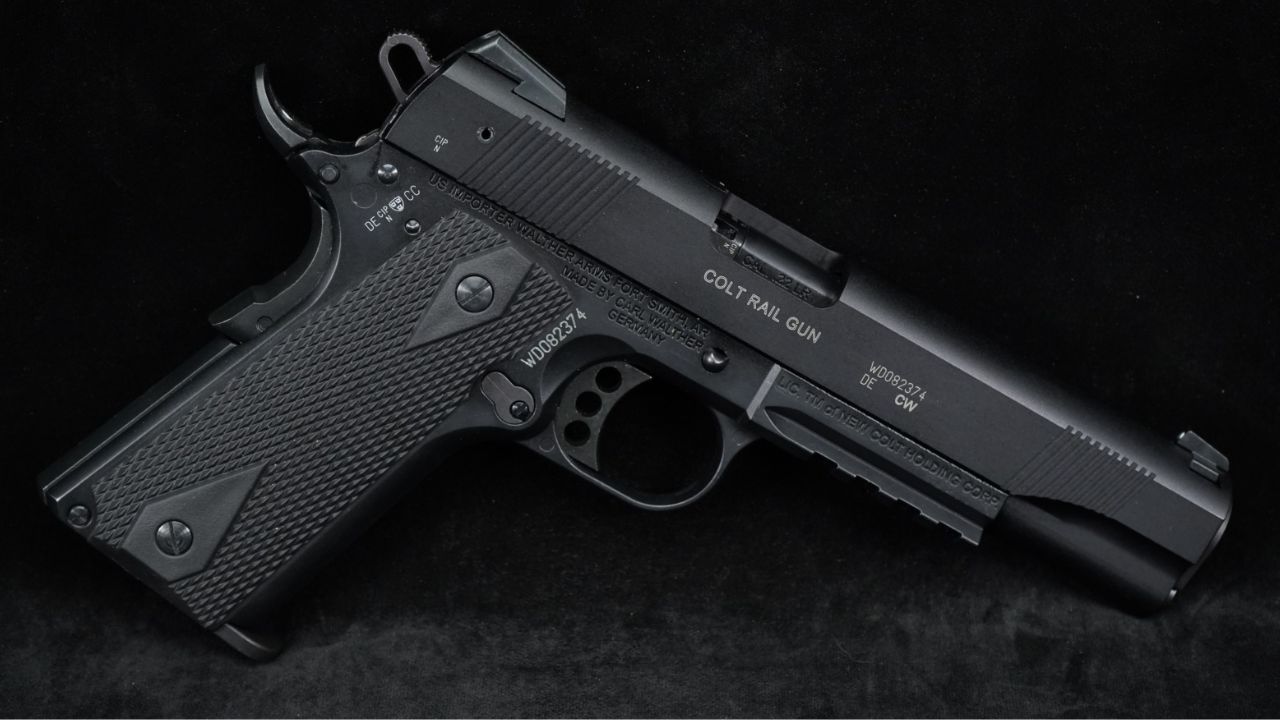
There are a million 1911s on the market, which makes owners assume any old Colt is just another 1911. A real Series 70 Government Model is in a different lane than a lot of modern production guns, and collectors pay attention.
This is another one where “improvements” can backfire. If it’s original and honest, keep it that way. Even if you’re not a 1911 guy, it’s the kind of pistol that tends to hold its place in a safe over the long haul.
19. Glock 17 (early Gen 1 / Gen 2)
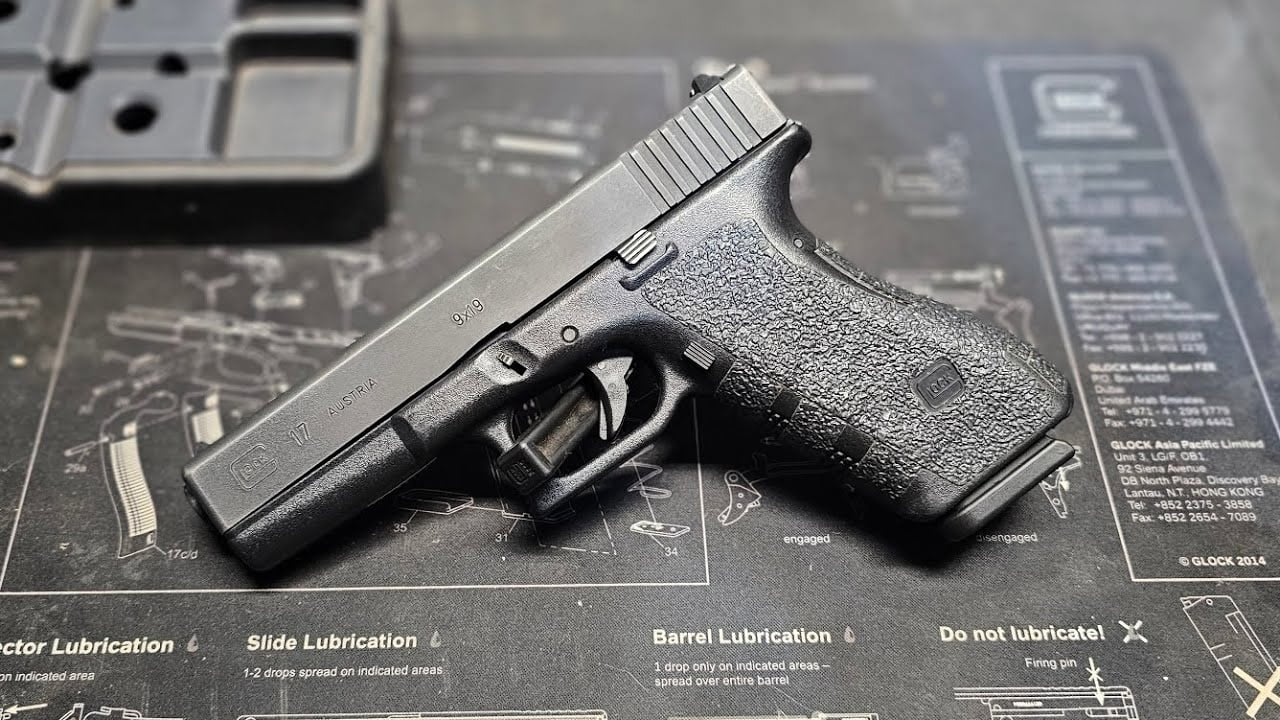
I know, I know. A Glock as a sleeper valuable handgun sounds backwards. But early Glocks—especially clean, unmolested Gen 1 and Gen 2 guns—have become their own niche. They’re part of the story of modern handguns, and collectors have noticed.
Most got used hard, modified, stippled, or worn smooth in duty holsters. If you somehow have an early one that’s clean, with the right original parts and magazines, don’t assume it’s worth the same as any random used Glock at the gun show.
20. Smith & Wesson Model 41 (.22 target pistol)
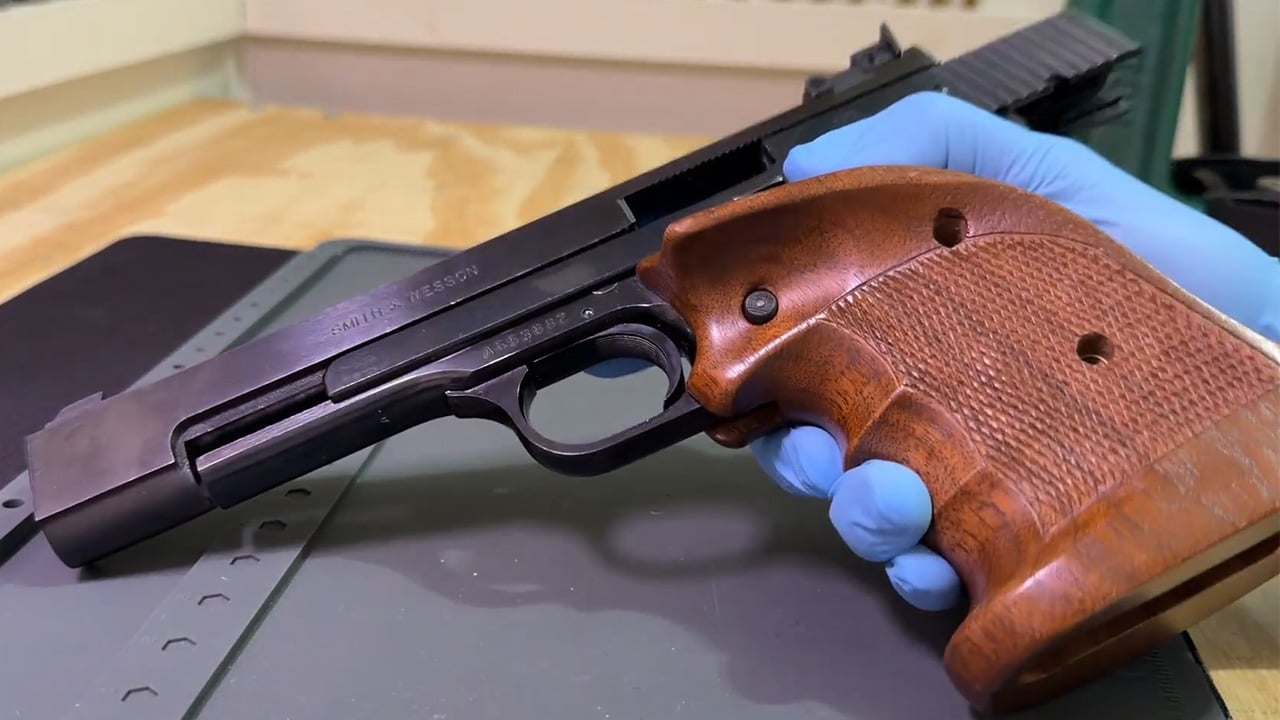
Serious .22 pistols don’t get enough respect until you spend a day chasing tight groups and realize most “fun .22s” aren’t built for that job. The Model 41 is. It’s accurate, it has a great trigger, and it feels like a purpose-built tool.
Owners sometimes sell these when they’re thinning the safe because it’s “just a .22.” That’s a mistake I’ve watched more than once. If yours is in good shape, it’s not only desirable—it’s one of the most enjoyable handguns you can own for real practice.
If you’re sitting on any of these, don’t panic and don’t turn into a collector overnight. Just be smart. Identify the exact model and variant, keep the box and paperwork if you’ve got it, avoid amateur gunsmithing, and store it properly. The best “value” is still a handgun you trust and actually shoot, but it’s nice not to accidentally trade away something special for a handful of cash and a promise.
Like The Avid Outdoorsman’s content? Subscribe to our newsletter so you never miss an article.
Here’s more from us: