
Photo credit: WHO_TEE_WHO/Youtube
Everybody wants a carry gun that disappears, runs like a sewing machine, and doesn’t make you dread practice. The problem is the market is full of “almost” guns. They look great in the case, feel fine in the hand for 20 seconds, and then you actually carry them, actually shoot them, actually try to clear a stoppage with cold fingers at an outdoor range. That’s when the romance ends.
This isn’t a hit list of brands or a claim that every example of these models is doomed. Plenty of them work for plenty of owners. But these are 20 concealed-carry pistols that have a habit of showing through a cover garment, choking when they get a little dirty or a little limp-wristed, or just leaving you feeling like you bought a compromise you didn’t need.
1. Taurus Curve
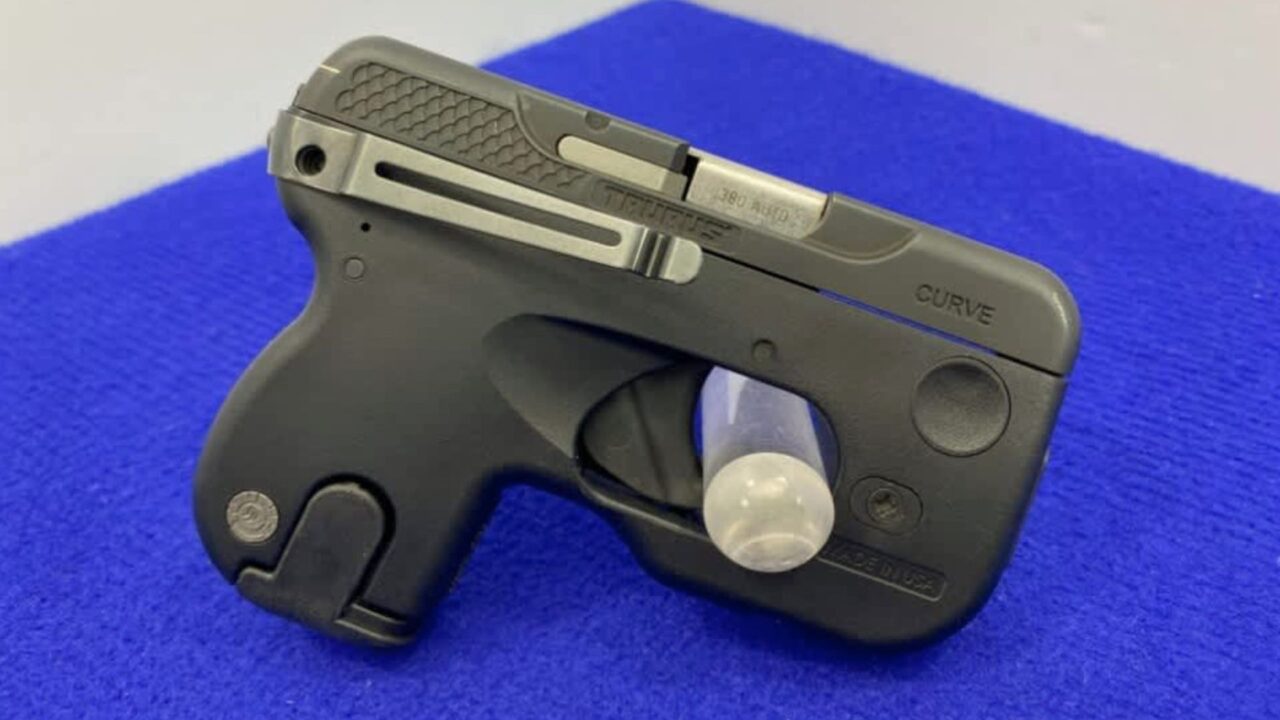
I get why it sold. It’s different, it’s “made for concealed carry,” and it feels like it should tuck into your waistband like a pocketknife. In real life, the weird shape doesn’t magically solve concealment, and holster options are a mess compared to normal pistols.
On top of that, oddball ergonomics can make practice sessions frustrating. When you don’t enjoy shooting it, you shoot it less. And a carry gun you don’t practice with is just extra weight and false confidence.
2. Remington R51
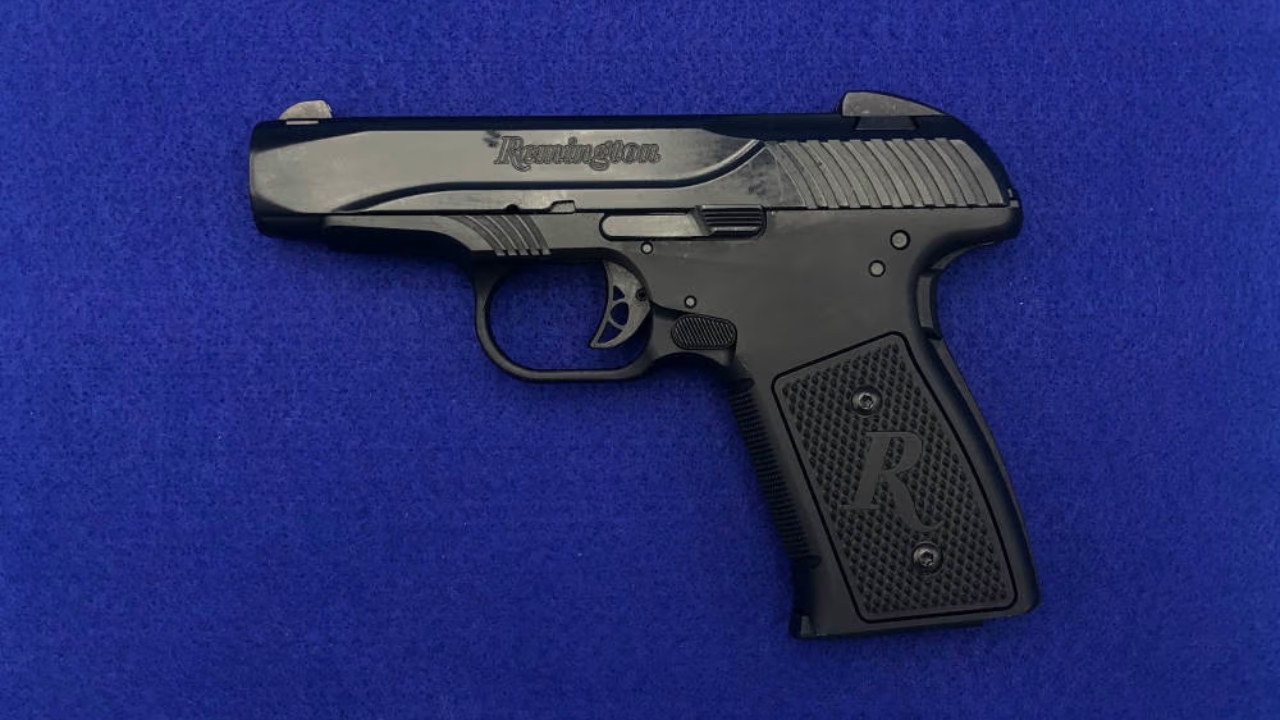
This one hurts because the idea was solid: slim, classic lines, American name on the slide. But the execution—especially early guns—left a lot of folks dealing with feeding problems and a “not quite right” feel in the controls.
When a pistol’s reputation turns into a running joke at the range, support dries up. Mags, small parts, and competent smithing get harder to find. A carry gun shouldn’t feel like an orphan.
3. Kimber Solo
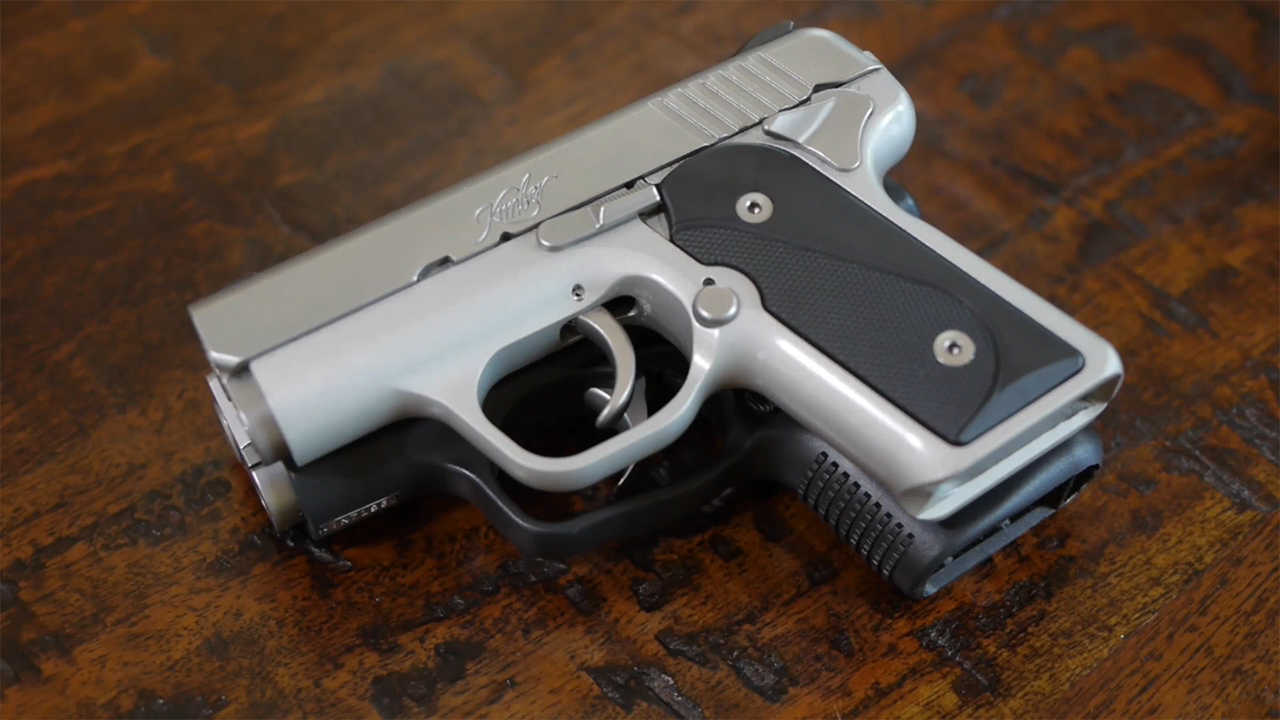
Small, sharp-looking, and priced like it should run perfectly. The Solo has a history of being picky about ammo, and picky carry guns are a headache. If it needs a narrow band of loads to behave, you’re always second-guessing your next box of practice ammo.
It also lands in that tough spot where it’s small enough to be snappy but not small enough to be effortless. If you’re going to deal with recoil, you might as well get a pistol with broader reliability and magazine availability.
4. Walther CCP
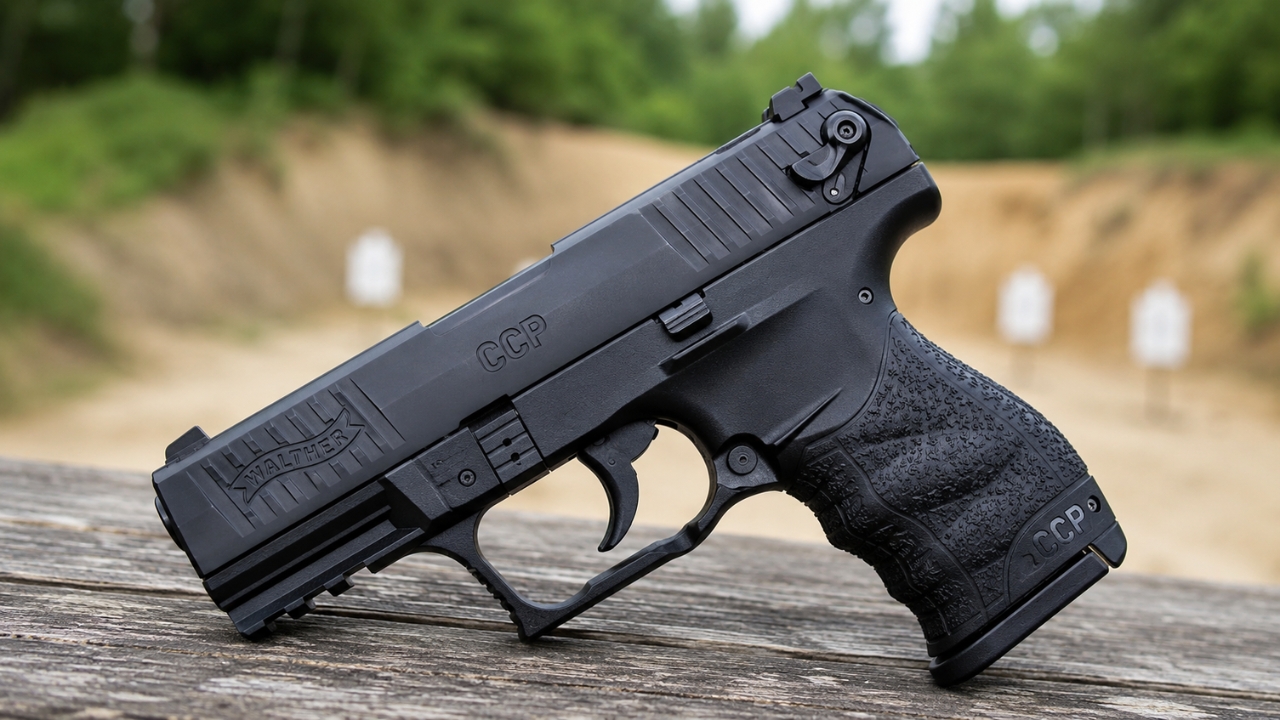
The CCP can be comfortable to hold and easy to rack for some shooters, which matters. But the design can be maintenance-sensitive, and I’ve seen more than one range day where a simple “let’s clean it and go” turned into a drawn-out project.
Carry guns live close to sweat, lint, and dust. If a pistol is fussy about getting dirty or fussy about being serviced, it’s a poor match for the job, no matter how good it felt at the counter.
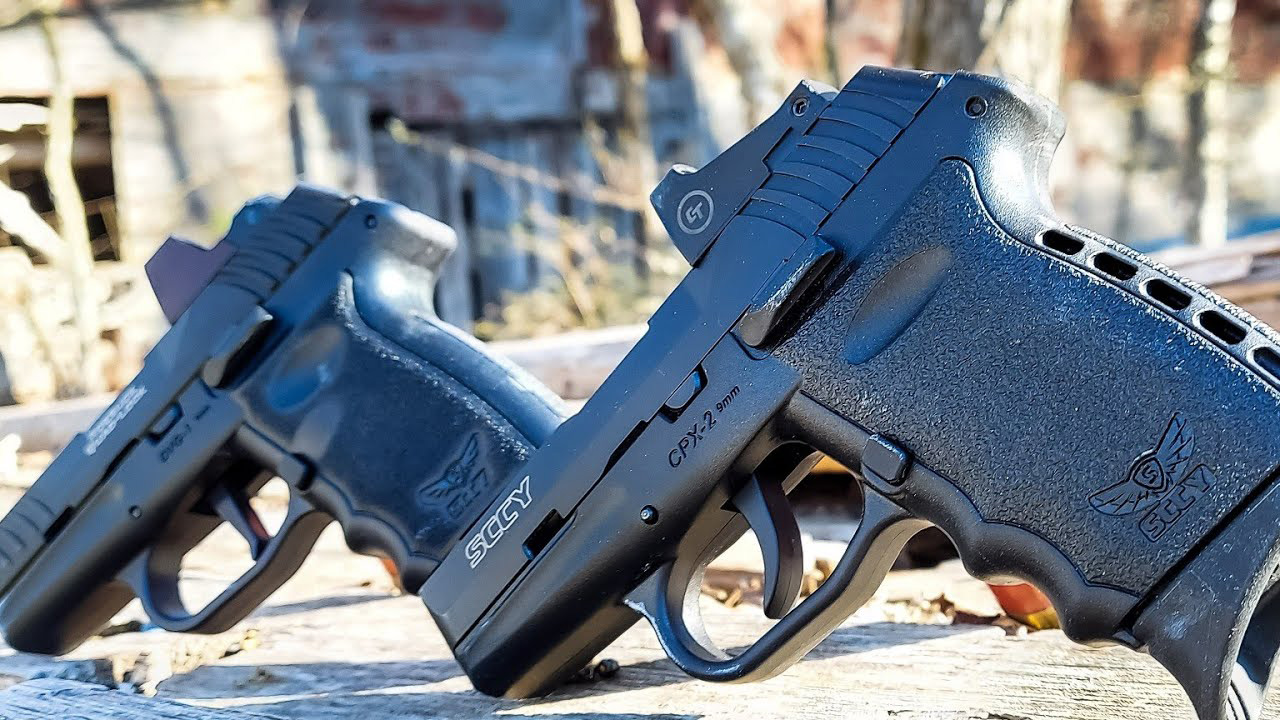
5. SCCY CPX-1 / CPX-2
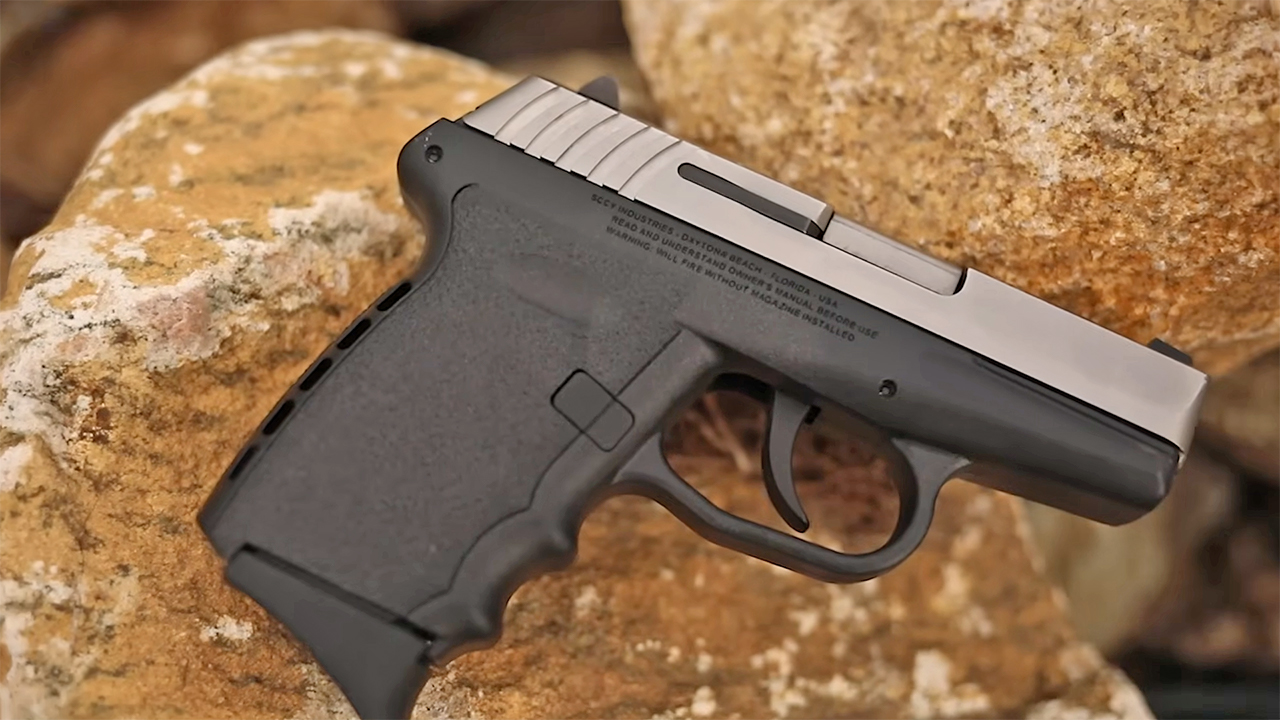
Budget carry pistols have their place, and sometimes they run fine. The SCCY line has also had enough reports of break-in drama, magazine quirks, and inconsistent triggers that I don’t blame anyone who moves on.
They’re thick for what they are, too. Thick guns print. So you wind up with a pistol that’s not especially pleasant to shoot and not especially easy to conceal, which is a bad combo.
6. Diamondback DB9
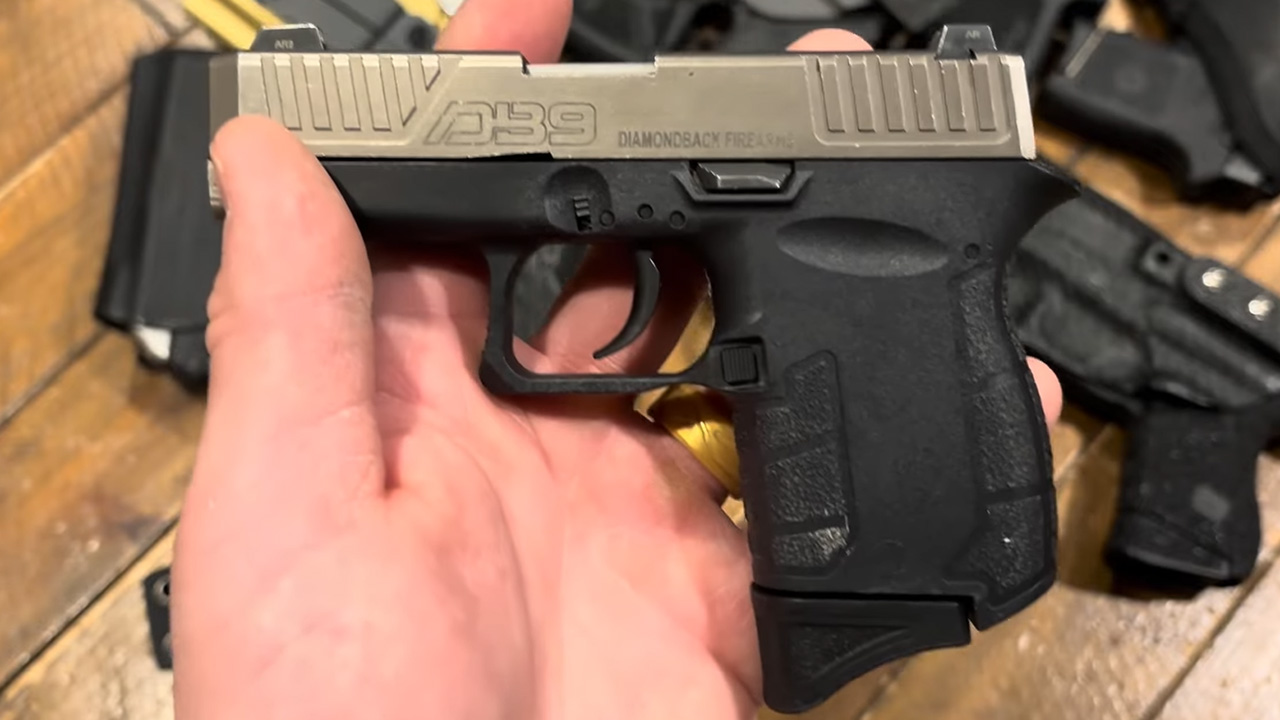
Ultra-thin and ultra-light sounds great until you actually put rounds through it. The DB9 has a long history of being finicky, especially when you start mixing hollow points, sweaty carry, and real-world grip pressure.
And it’s not a “shoot 50 rounds and smile” kind of pistol for most people. If practice is miserable, the gun becomes a talisman instead of a tool.
7. Kel-Tec PF-9

Kel-Tec has done some genuinely innovative stuff, but the PF-9 is one of those pistols that can be a little too honest about its price point. Light weight brings snappy recoil, and snappy recoil brings user-induced malfunctions if your grip isn’t locked in.
It also tends to feel “busy” in the hand—sharp edges, thin frame, and a trigger that can wear you out. Some folks carry it for years. Others replace it the first time it makes them look foolish on the line.
8. Kel-Tec P-11
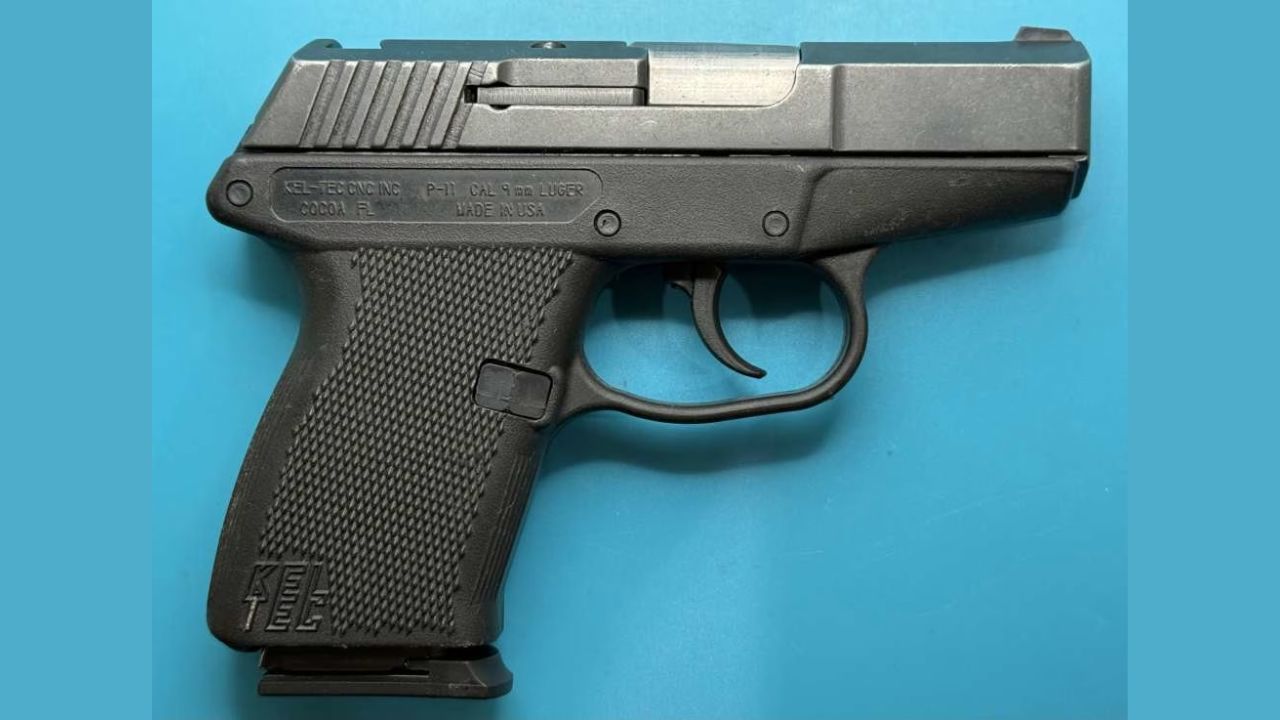
The P-11 is a chunky little brick that holds more rounds than you’d think. It also has a trigger that can feel like you’re dragging a rope through gravel. That trigger alone turns a lot of practice sessions into work.
And the thickness prints, especially in summer clothes. If you’re going to carry thick, you can step into a model with a better trigger and broader track record without adding much hassle.
9. Ruger LCP (first generation)

The original LCP changed the pocket-carry world, no doubt. But tiny .380s can be ammo-sensitive, and the early LCPs didn’t always inspire confidence when you started feeding them a steady diet of mixed hollow points.
More than that, they’re hard to shoot well. It’s not “fun hard,” it’s “why am I doing this to myself” hard. Ask me how I know. If you can’t hit fast at seven yards, concealment doesn’t matter.
10. SIG Sauer P238 (early or finicky examples)
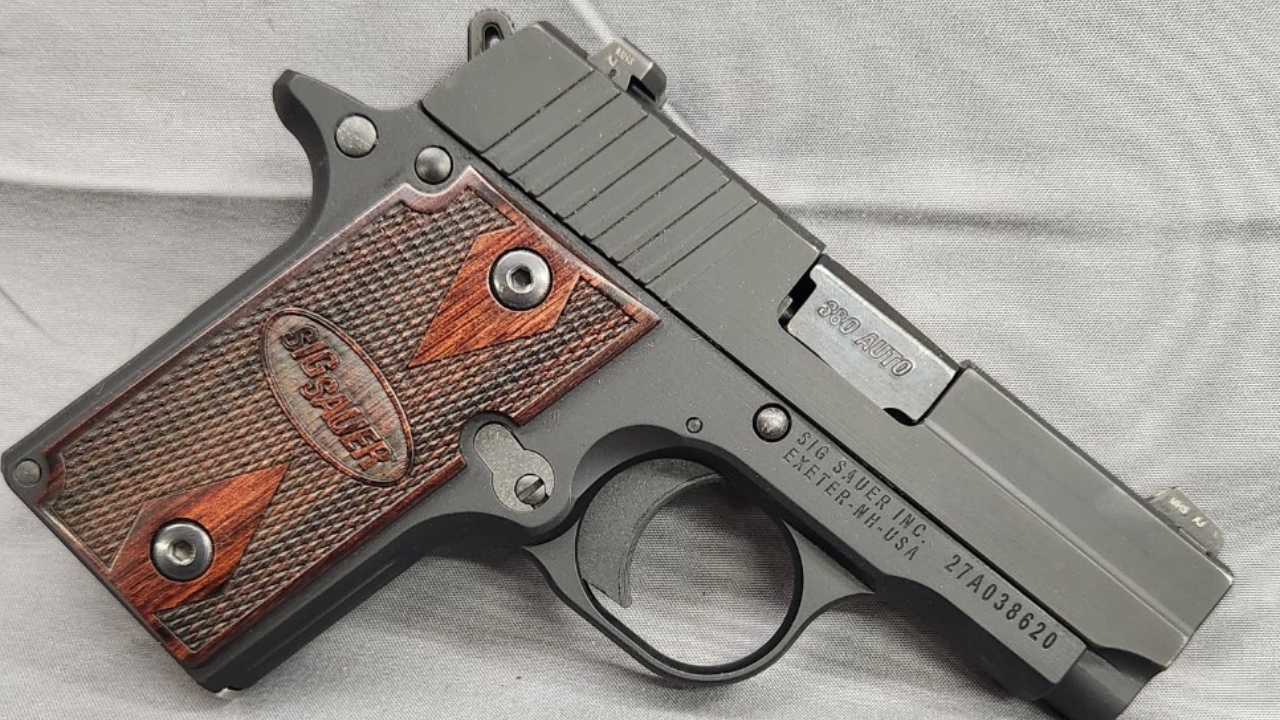
The P238 can be a sweet-shooting little pistol when it’s right. When it’s not, you’ll see failures tied to magazines, springs, and the general reality that mini 1911-style guns are less forgiving than striker-fired carry pistols.
It’s also a manual-safety gun that demands you stay consistent. If you’re the type who carries a rifle all fall and only straps on a pistol occasionally, consistency matters more than style points.
11. SIG Sauer P938

Same story as the P238, just in 9mm with more snap. The P938 can run great, and it can also get temperamental if mags, ammo, and grip aren’t all playing nice together.
A small single-action can be a fine choice for disciplined shooters. For everyone else, it’s easy to end up with a pretty gun you don’t trust enough to carry chambered, and that defeats the whole point.
12. Springfield Armory XD-S (early 9mm models)
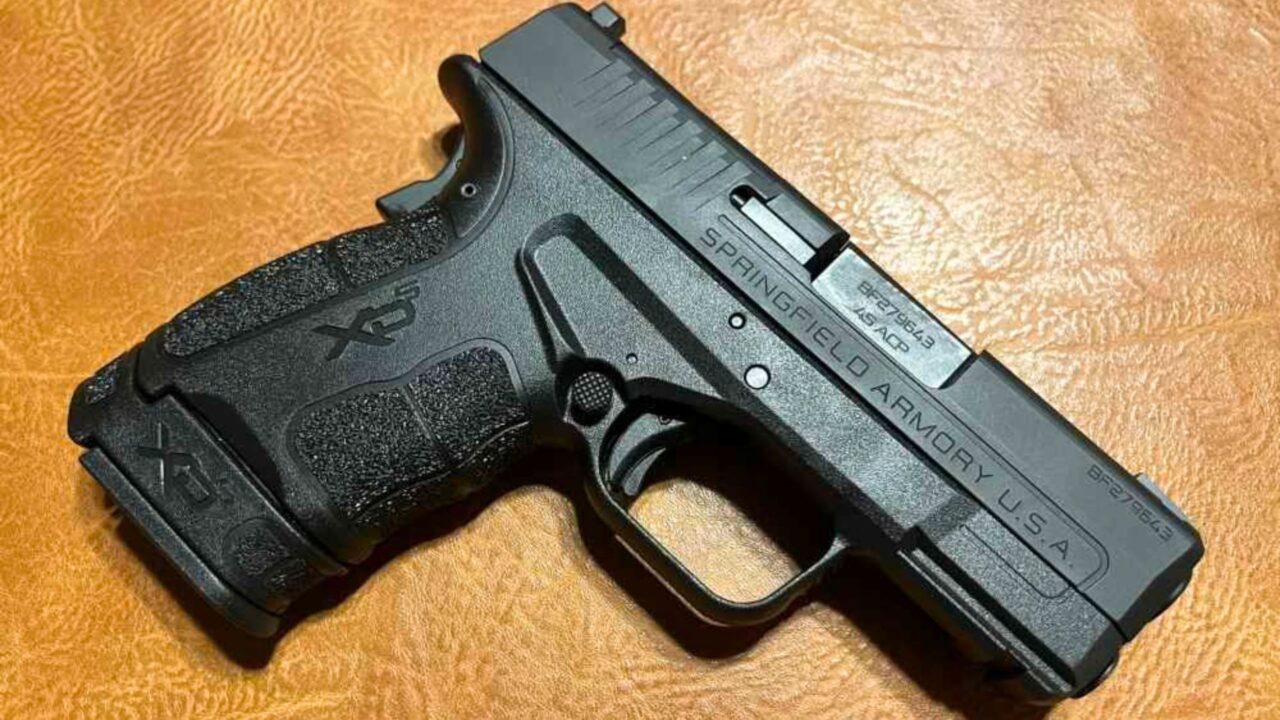
The XD-S is slim and carries well, but I’ve watched shooters fight them when they try to run fast strings. A tight grip safety and a high-stress draw can sometimes disagree, especially with gloves or awkward angles.
Any gun that can be “operator error” under pressure still creates a real problem: the gun didn’t go bang when you needed it. For a concealed carry pistol, boring and consistent beats clever every time.
13. Springfield Armory Hellcat (for print and shootability complaints)

The Hellcat sells because it’s tiny and holds a lot. But micro-compacts ride in a weird zone where the grip is just long enough to print in a t-shirt, yet still short enough to feel snappy and hard to control for some hands.
Some run flawlessly. Some owners find they shoot it worse than a slightly larger gun, and then they start chasing triggers, sights, and grips. If you have to “fix” a carry gun to like it, that’s a sign.
14. Glock 43 (not the X)

The Glock 43 is a simple pistol, but that doesn’t mean it fits everyone. With the standard flush mags, a lot of shooters end up with a dangling pinky, and that can turn into slower follow-up shots and occasional bobbles when you’re shooting one-handed.
Then people add extensions to fix the grip, and now it prints more. That’s the concealed-carry circle of life: buy small, add parts, end up back at the size you tried to avoid.
15. Glock 42

The 42 is soft-shooting for a little pistol, and plenty reliable in many hands. The disappointment usually comes from expectations. Folks buy it thinking it’s “barely there,” then realize they still need a real holster, real belt, and real wardrobe choices.
And .380 prices being what they are, some shooters don’t practice as much. If a gun’s caliber cost changes your behavior, it’s fair to call that a letdown.
16. Smith & Wesson Bodyguard .380 (original)
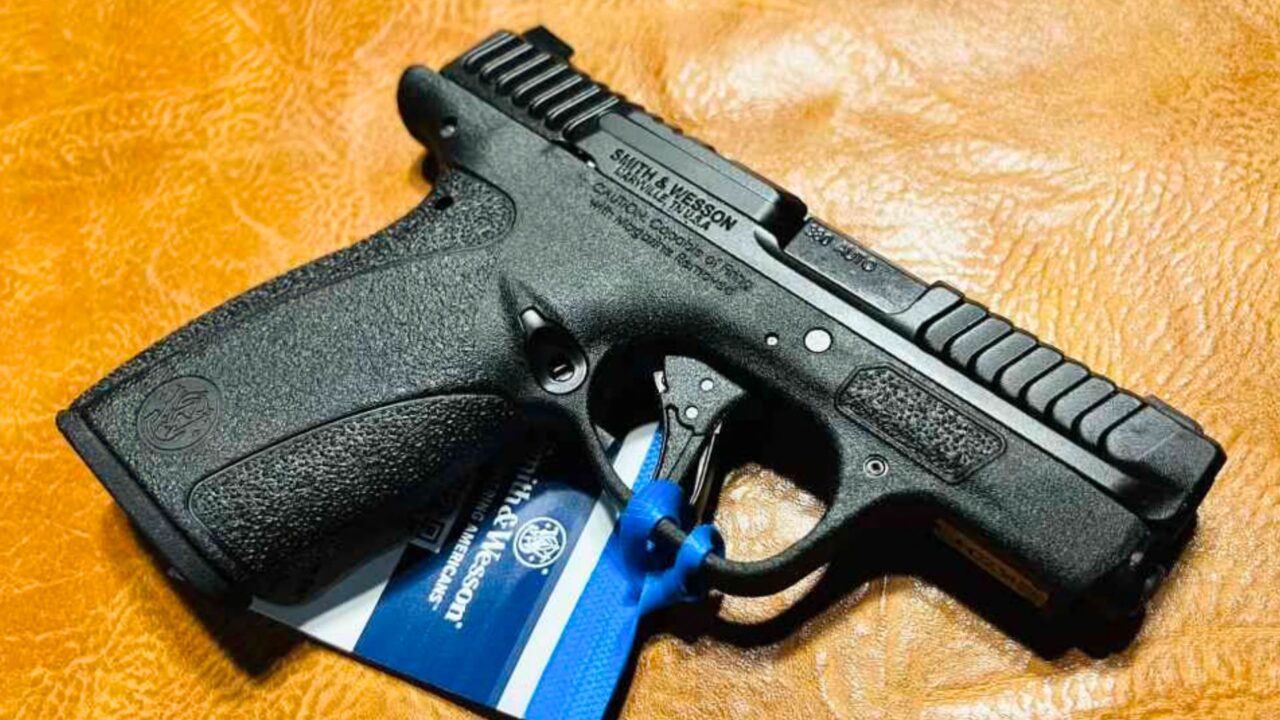
The Bodyguard is another pocket-carry classic that looks like the answer on paper. In the hand, the long trigger and tiny sights can make accuracy feel like a chore. I’ve seen more than a few that just didn’t inspire confidence past close range.
When you’re already dealing with a small caliber and short barrel, you don’t want to fight the trigger too. Most folks eventually decide they’d rather carry something slightly bigger that they can actually run.
17. Smith & Wesson Shield (first generation, specific finicky examples)
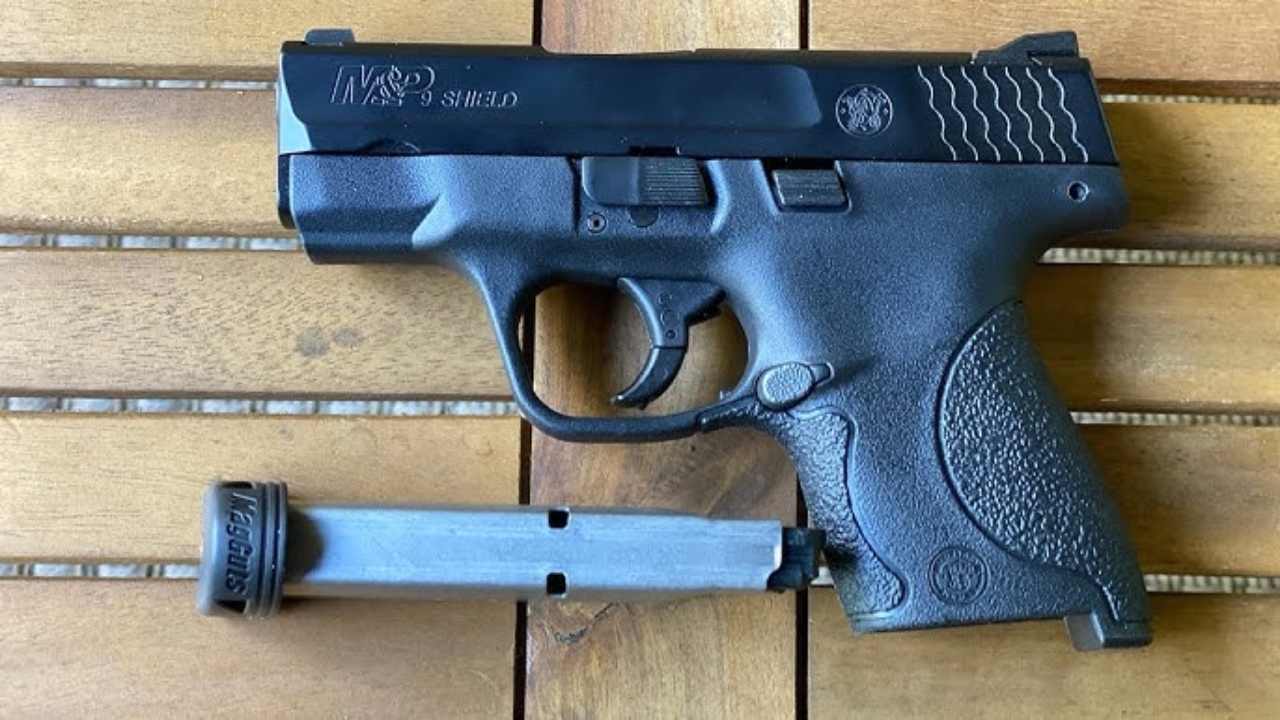
The original Shield is a workhorse, and I still like them. But I’ve also seen certain samples that were magazine-sensitive or picky with specific hollow points, especially when owners mixed old mags, weak springs, and light practice schedules.
The bigger issue is how many Shields ended up wearing bargain holsters and soft belts because “it’s light.” A light gun on a bad belt prints and flops. Then the owner blames the pistol instead of the setup.
18. Ruger EC9s

The EC9s is attractive because it’s affordable and compact. But it can feel rough compared to its slightly nicer cousins, and the sights and trigger aren’t doing you any favors when you’re trying to shoot fast and clean.
Some run great. Some don’t. And when you’re trusting a pistol with your life, “some” isn’t the standard you’re looking for, especially when magazines and support aren’t as universal as other choices.
19. Kahr CM9 / PM9 (when they’re not broken in or maintained)

Kahr makes slim pistols that carry well, and I’ve owned ones I liked. They also have a reputation for needing a real break-in and being less tolerant of weak grips or neglected recoil springs.
That’s fine if you’re a dedicated shooter who tracks round counts and keeps spare mags and springs. If you’re buying a carry gun because you want simple, Kahrs can feel like a relationship with rules.
20. Charter Arms Undercover .38 (and other ultra-light snub revolvers)

I’m not anti-revolver. I’m anti-bad revolver. Budget snubs can show timing issues, rough triggers, and accuracy that’s more “minute of paper plate” than “confidence at distance.”
And the super-light snub idea comes with a catch: recoil and control. A revolver that hurts to shoot is a revolver you won’t practice with. That one hurts, because the whole reason people buy a snub is to carry it all the time.
If you’re stuck with one of these and it’s been unreliable, don’t get stubborn about it. Run it with your actual carry ammo, with your actual holster, and with real practice standards. If it won’t behave, move to something boring that does. Concealed carry is already hard enough without a pistol that prints when it shouldn’t and quits when it matters.
Like The Avid Outdoorsman’s content? Subscribe to our newsletter so you never miss an article.
Here’s more from us:


